
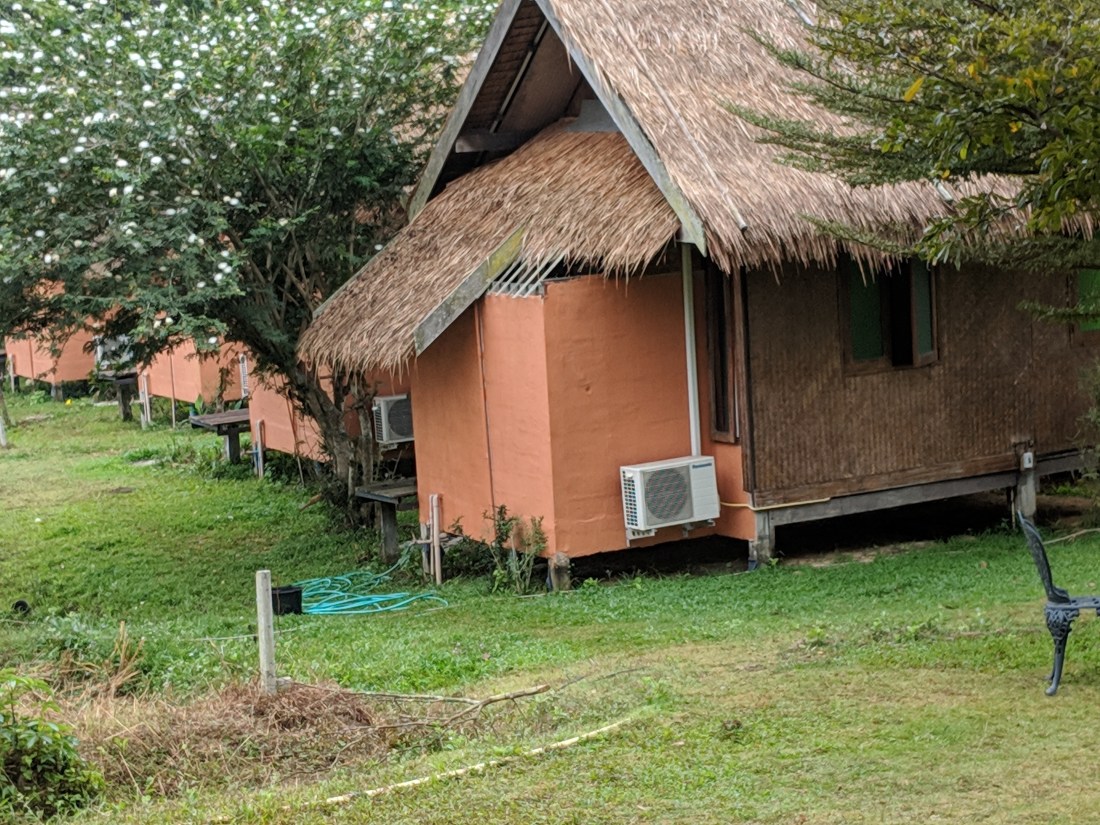
We travelled north to Pai on the suggestion of Adam and Nikki, who had been prior to joining us in Koh Phi Phi. We stayed in the bungalows they recommended: Paiklangna Cottage. We had our own bungalow.

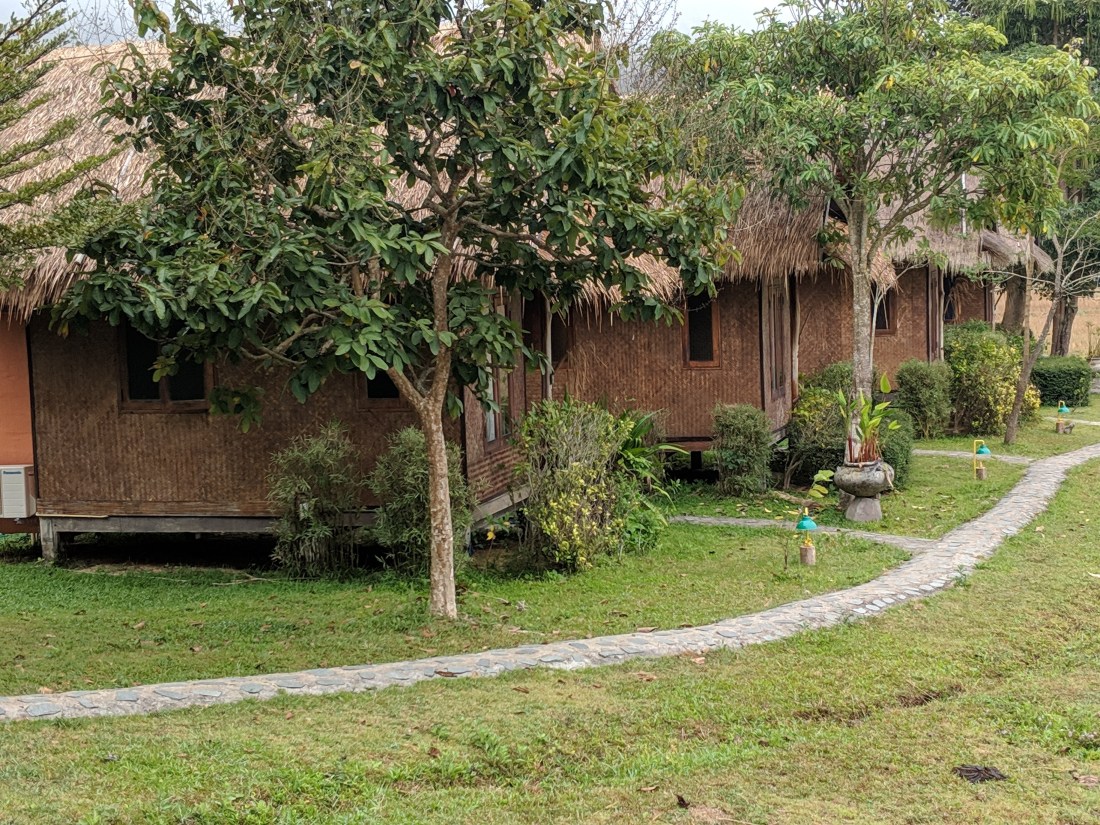
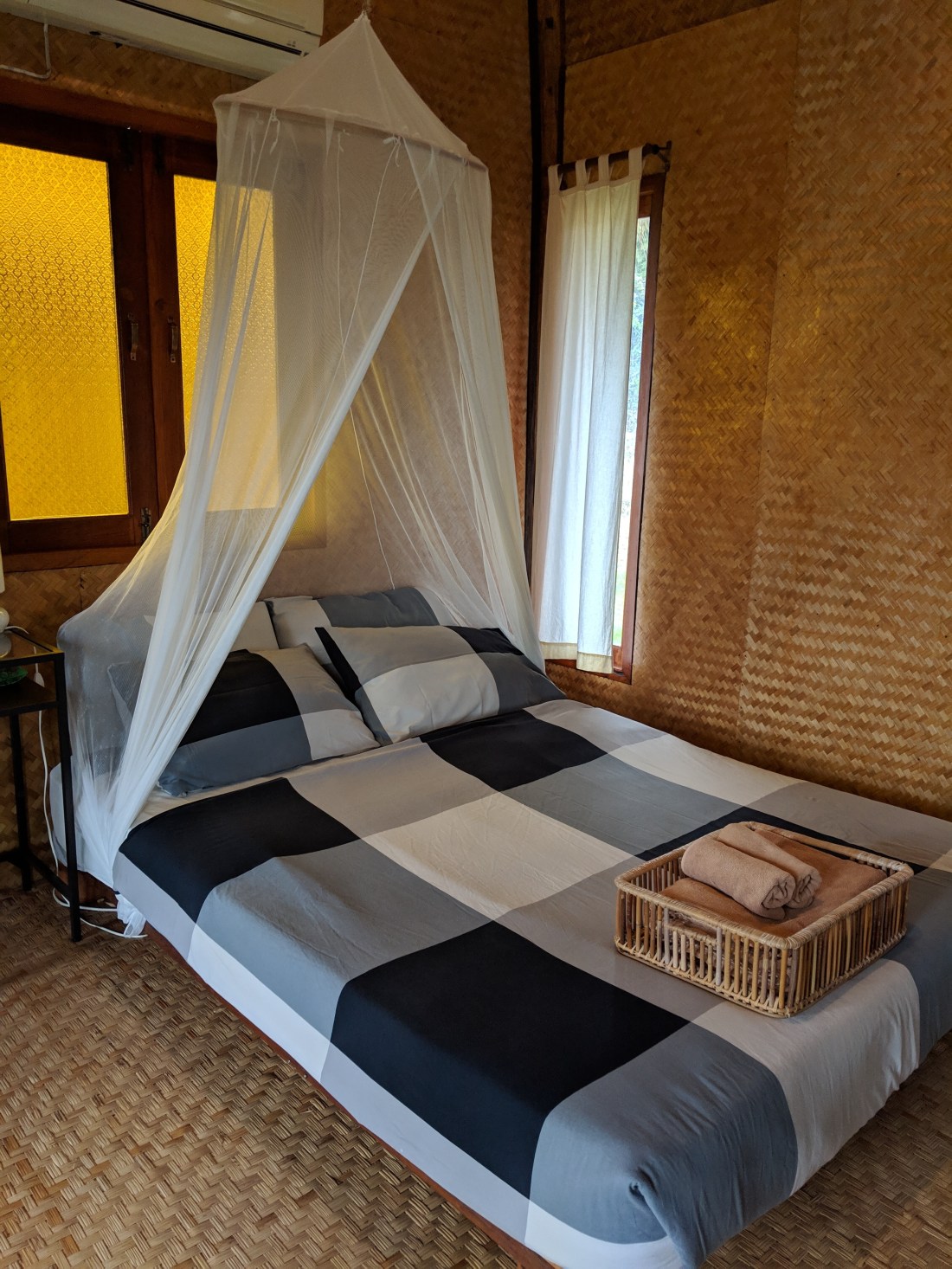
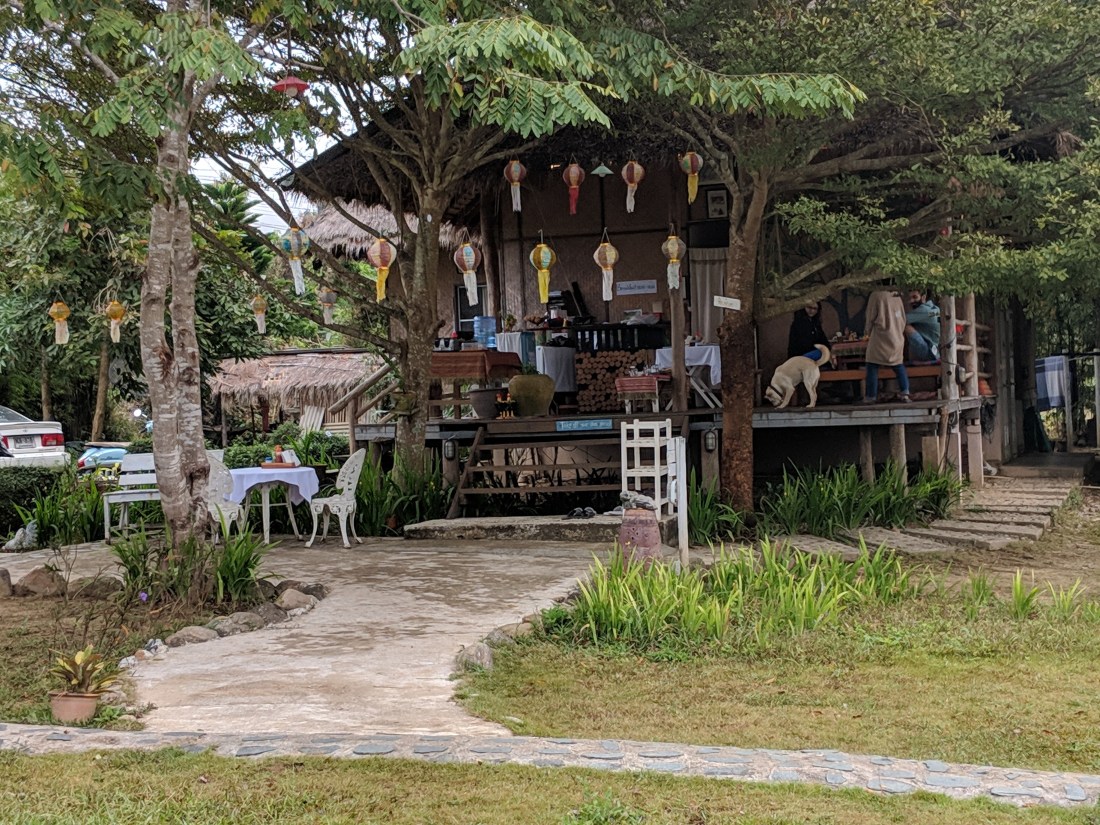
The only “surprise” was the semi-outside shower.


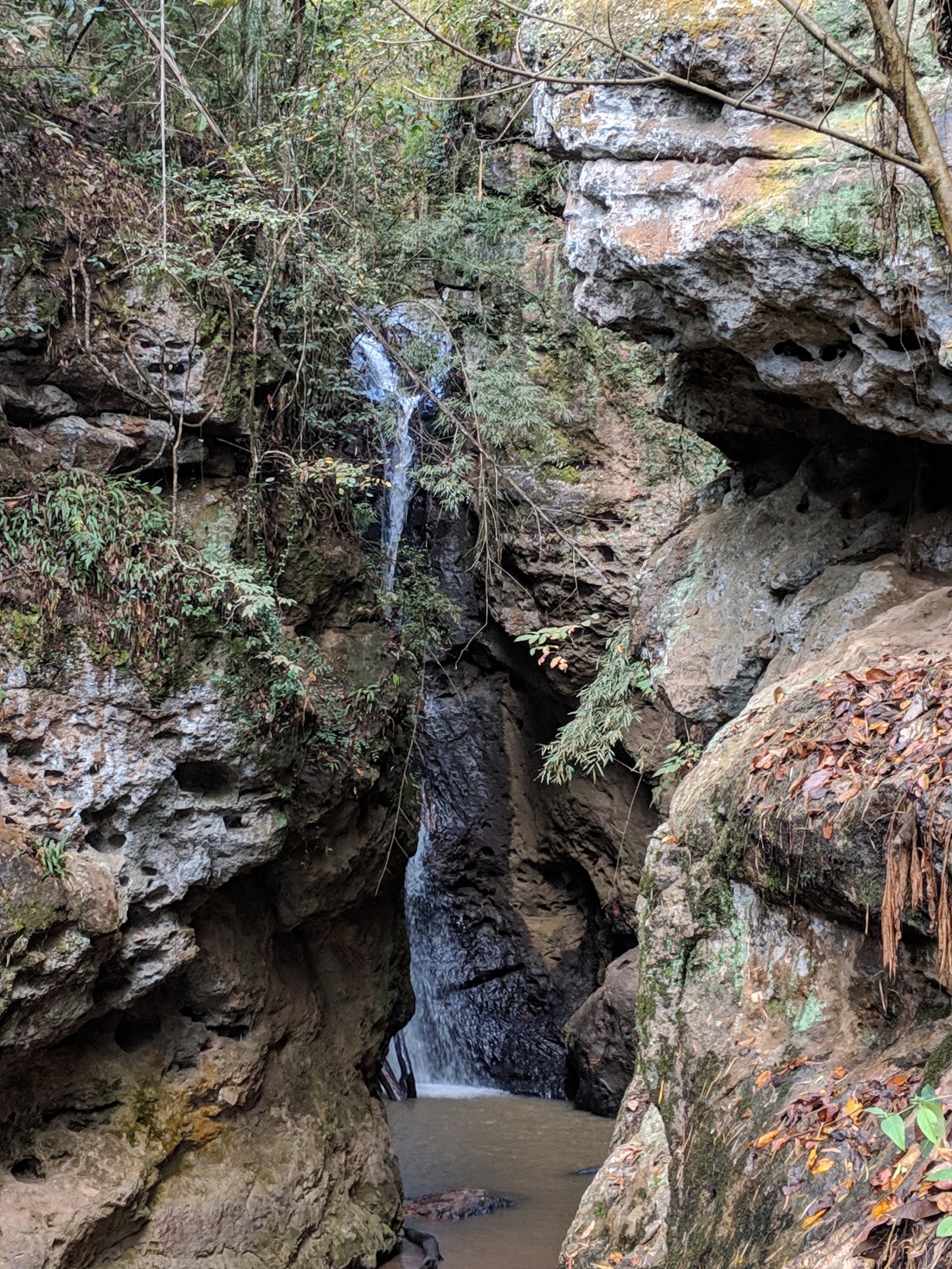
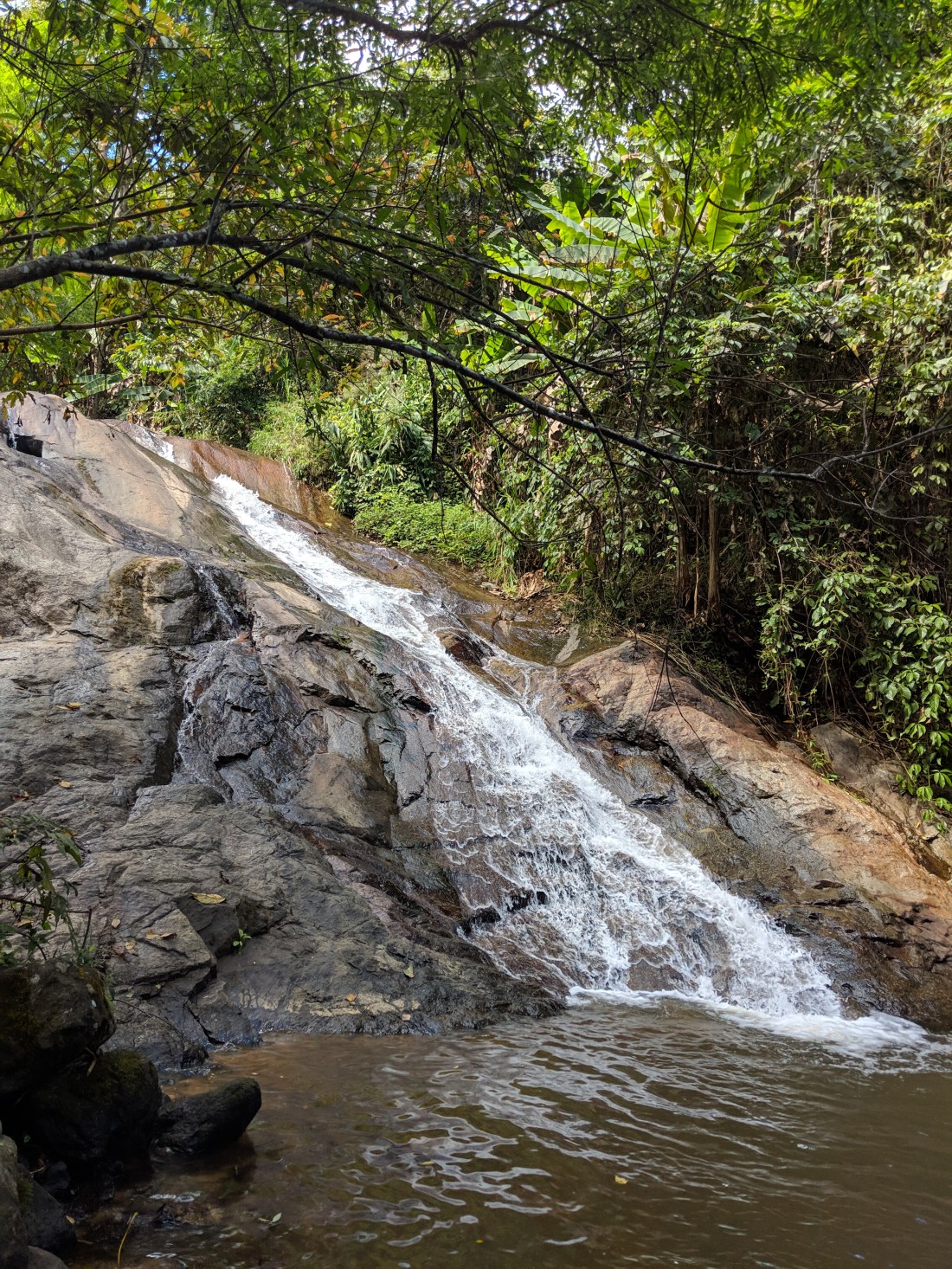
Pai was exactly what we expected Northern Thailand to be: friendly, rural, and youthful with such delicious food! We spent our time hiking around visiting waterfalls and local villages.

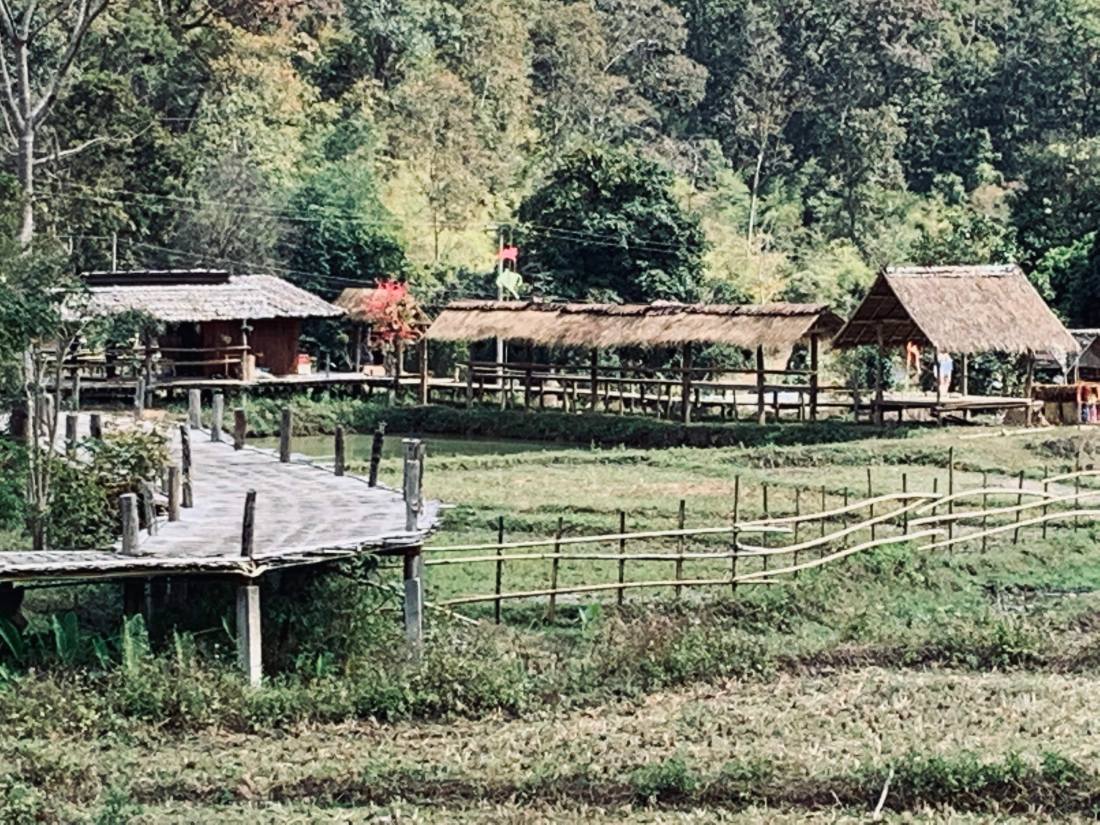
The village of Bann Pam-bok built the Kho-Kuu-So Bridge so the monks in the village could travel to the monastery in all weather, including the rainy season when the rice paddies are completely flooded. The bridge building was an entire community event which took only 3 months to create an 800 meter network of bamboo bridges. Tourist fees to visit help maintain it.
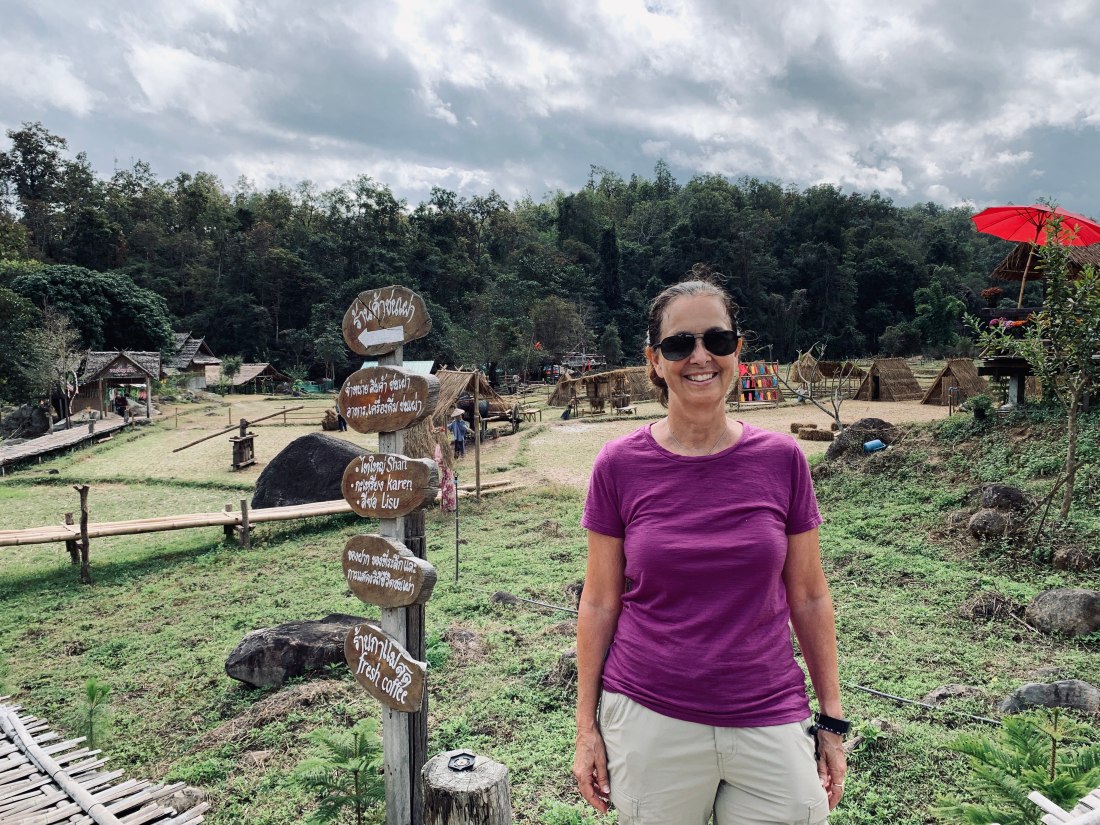
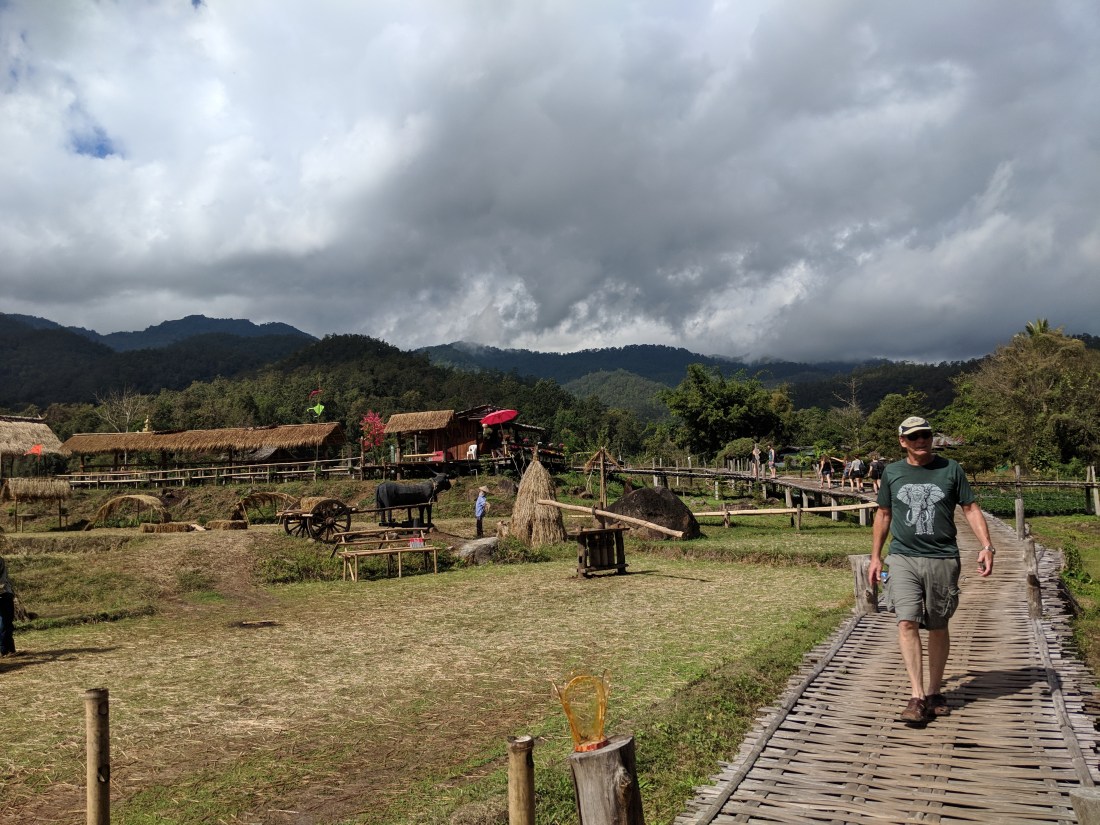
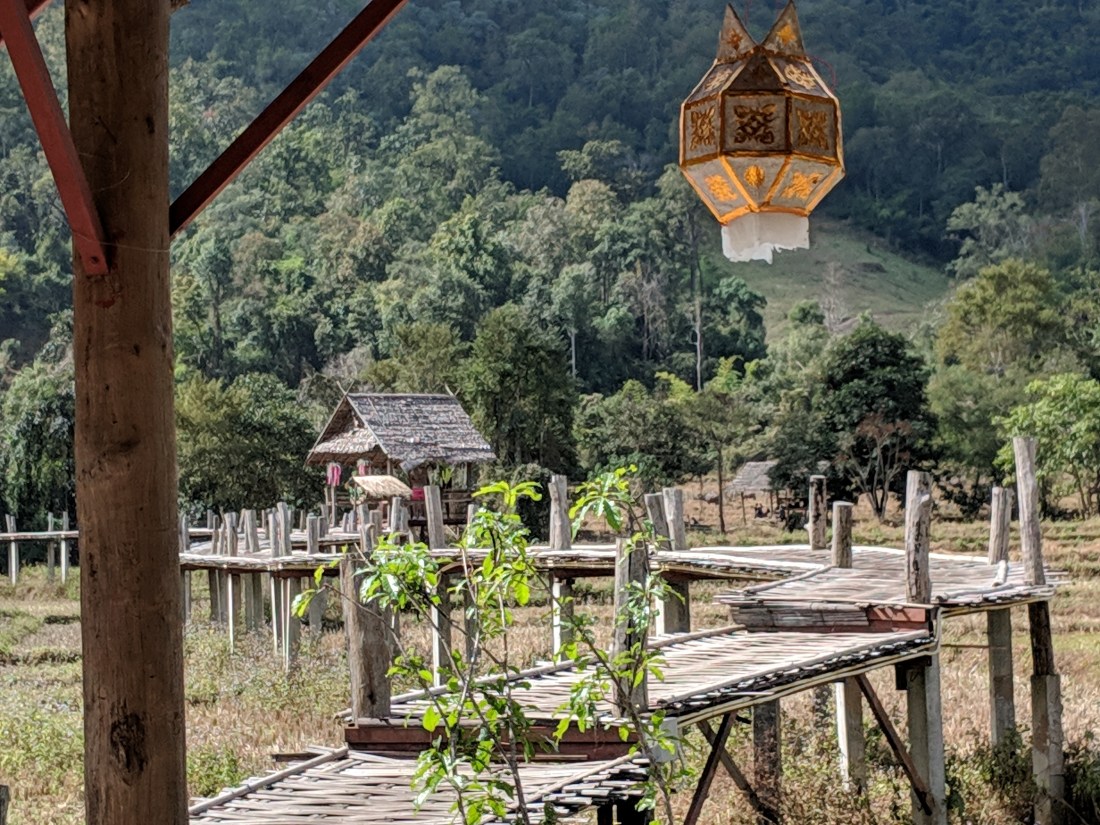
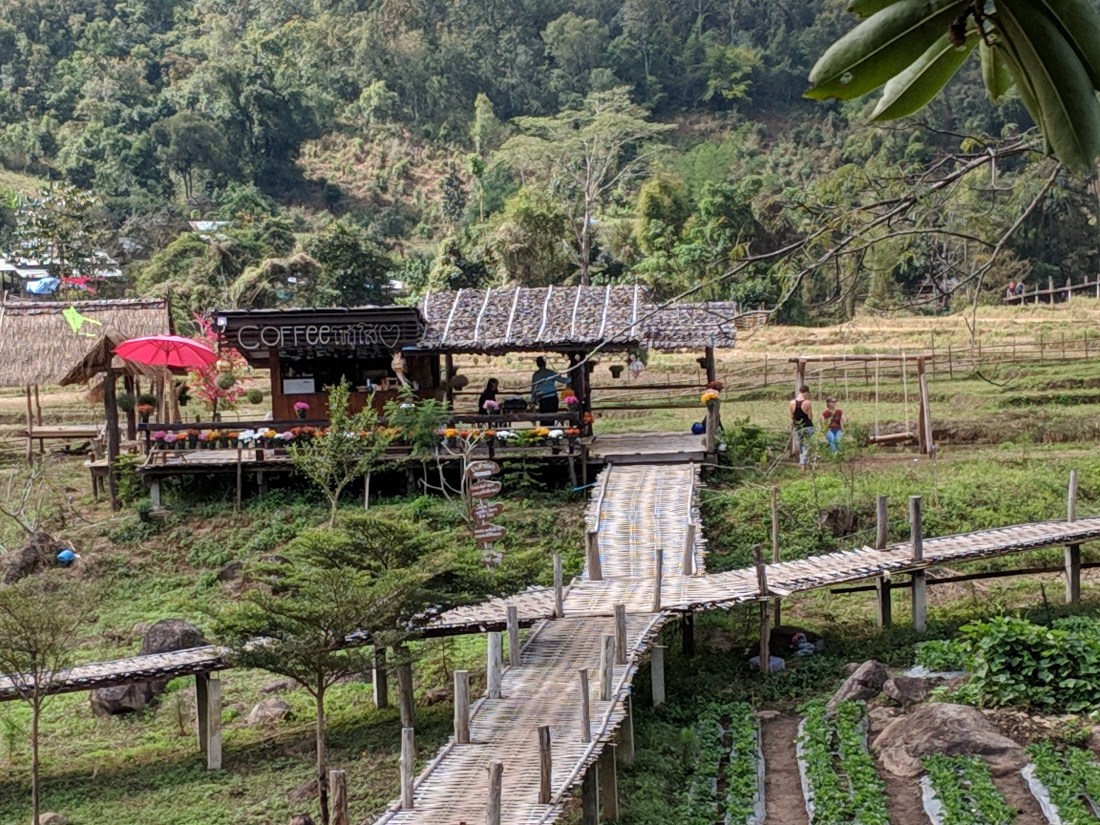
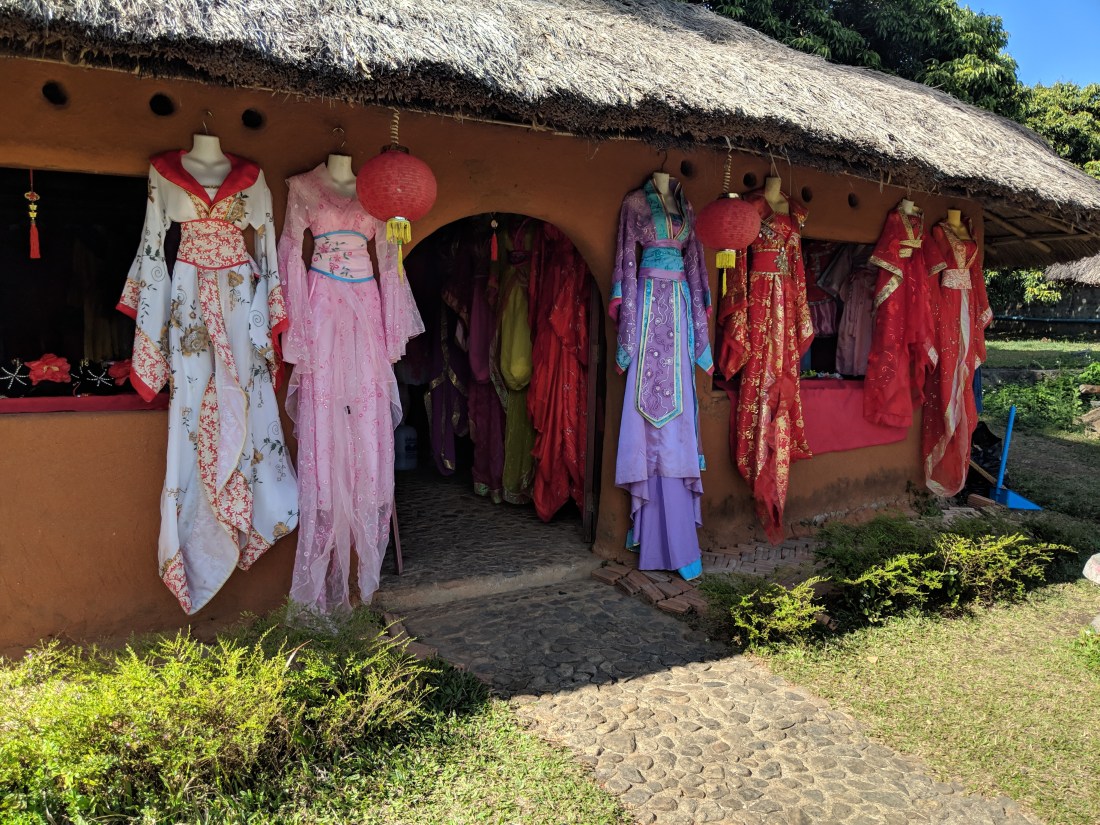
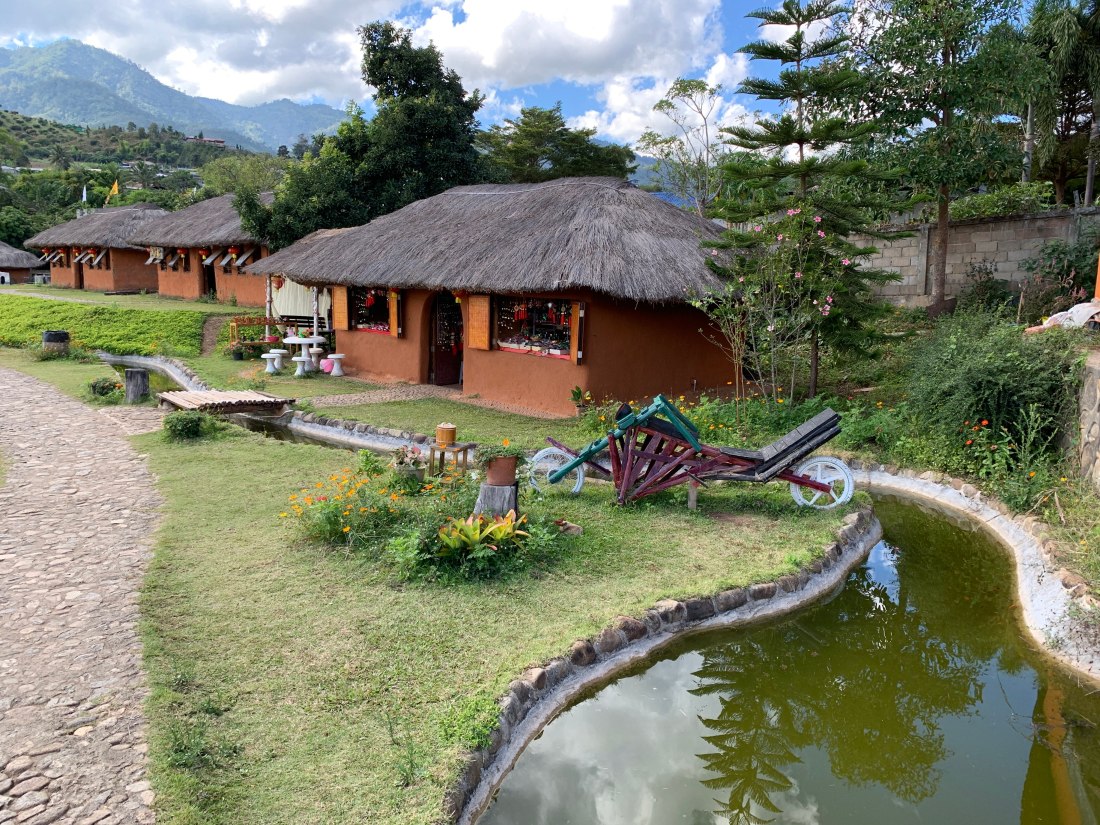
The Santichon Chinese village was originally comprised of refugees fleeing Mao Tse Tung’s China in 1949. Opium became the economic mainstay throughout the second half of the twentieth century. When Thailand cracked down on the opium trade, they helped the descendants still living there convert their crops into tea. The village showcases the traditional Yunanese way of life including dress, cuisine, reproduction traditional clay houses, and trinkets. Tourism as well as tea trade now sustain the 200+ families living there.
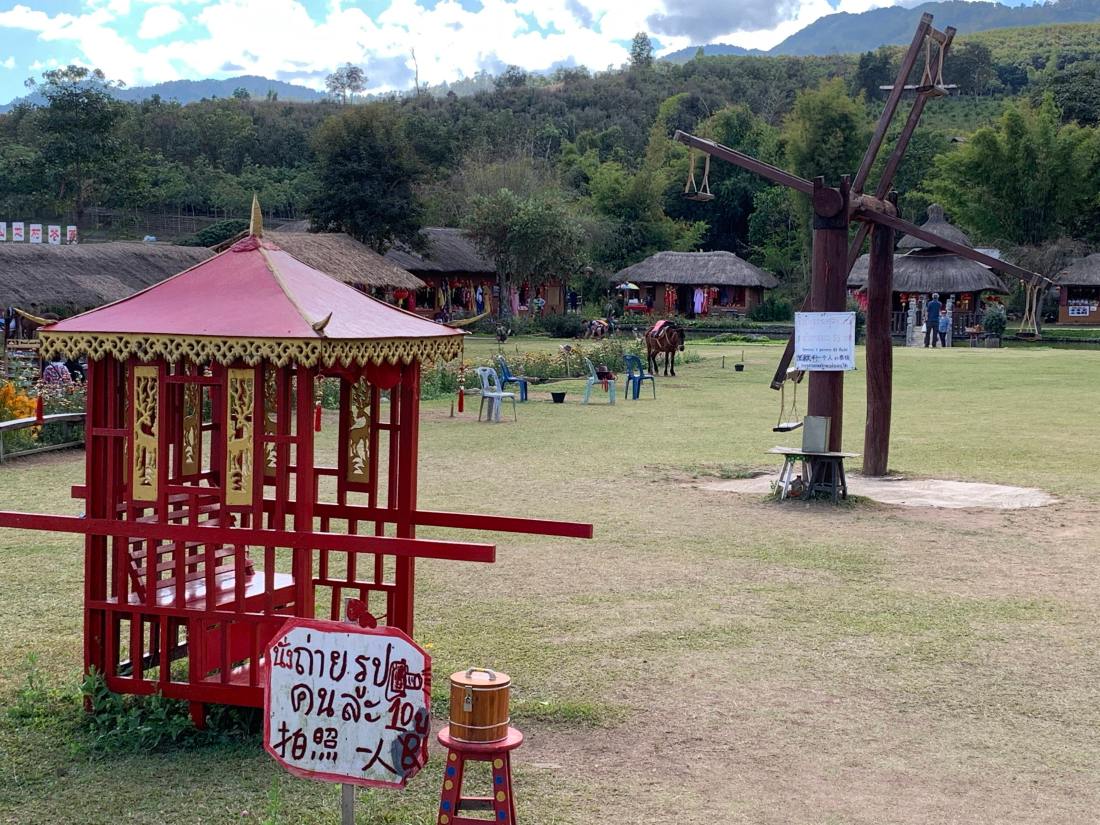
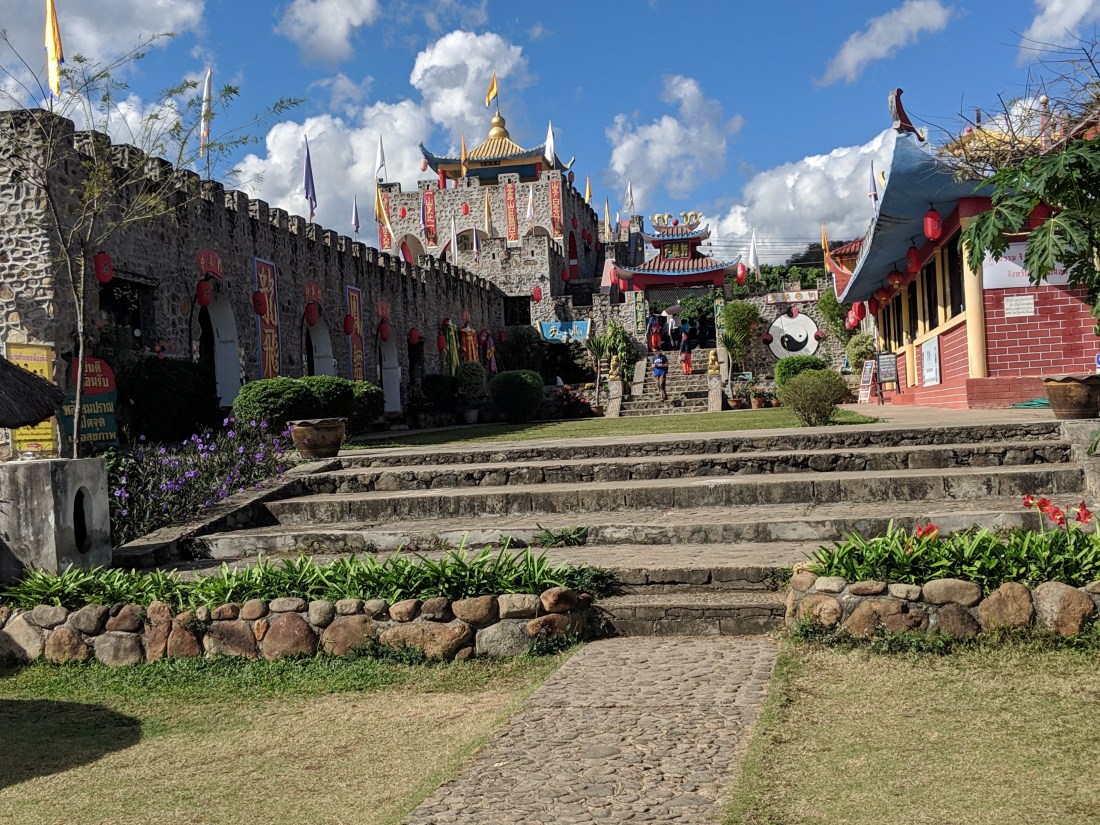
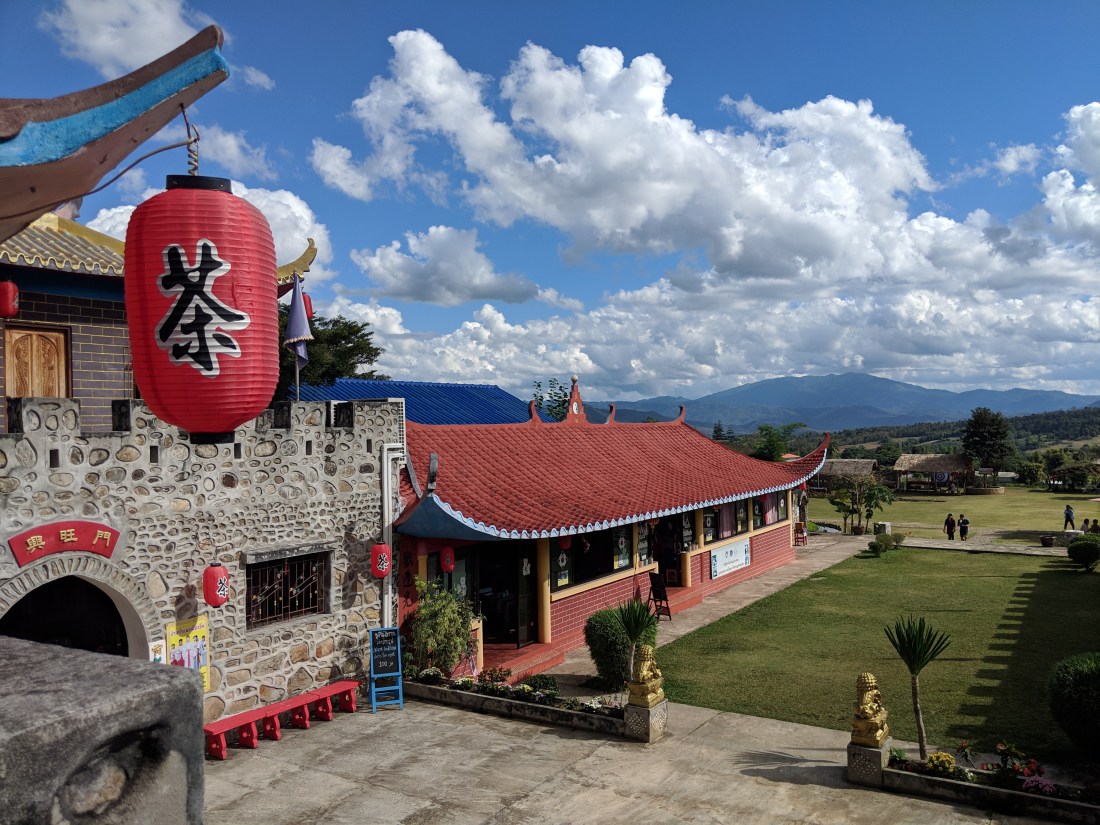
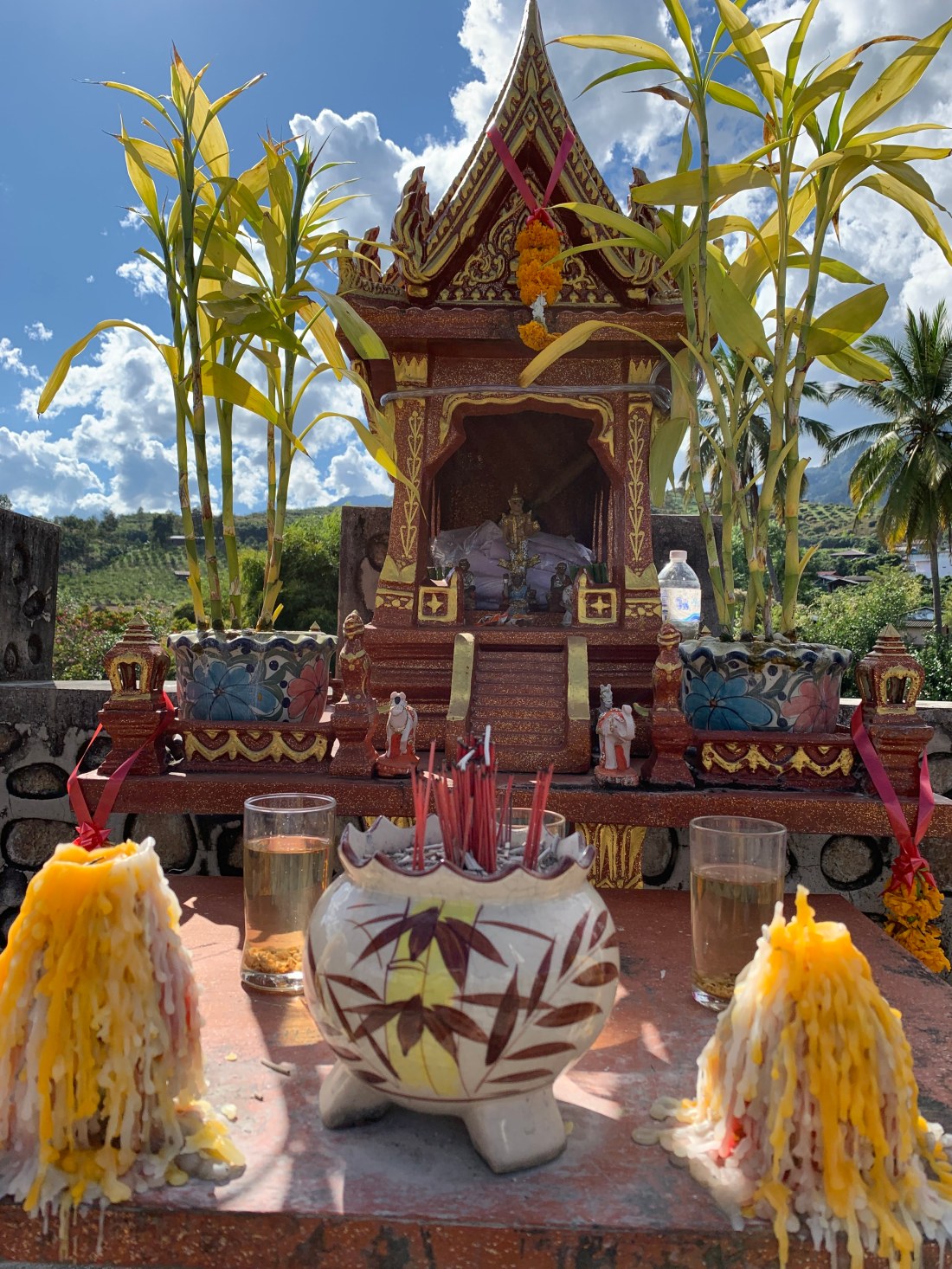

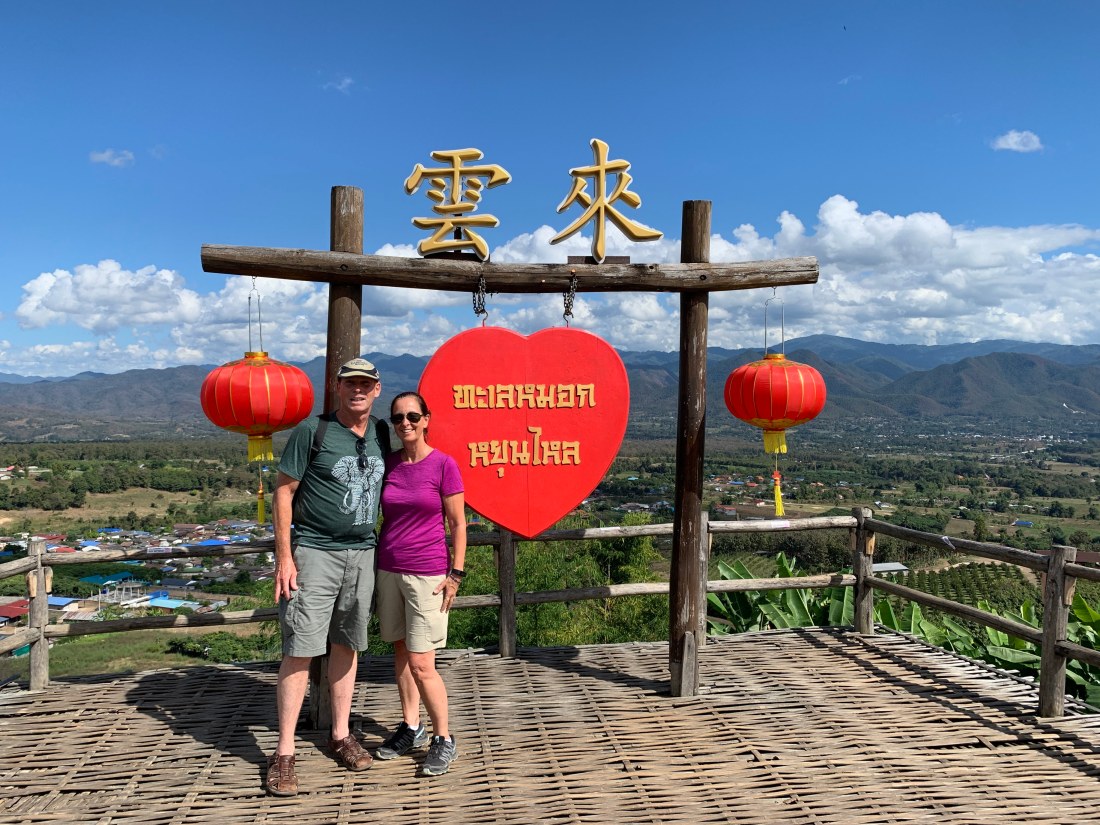
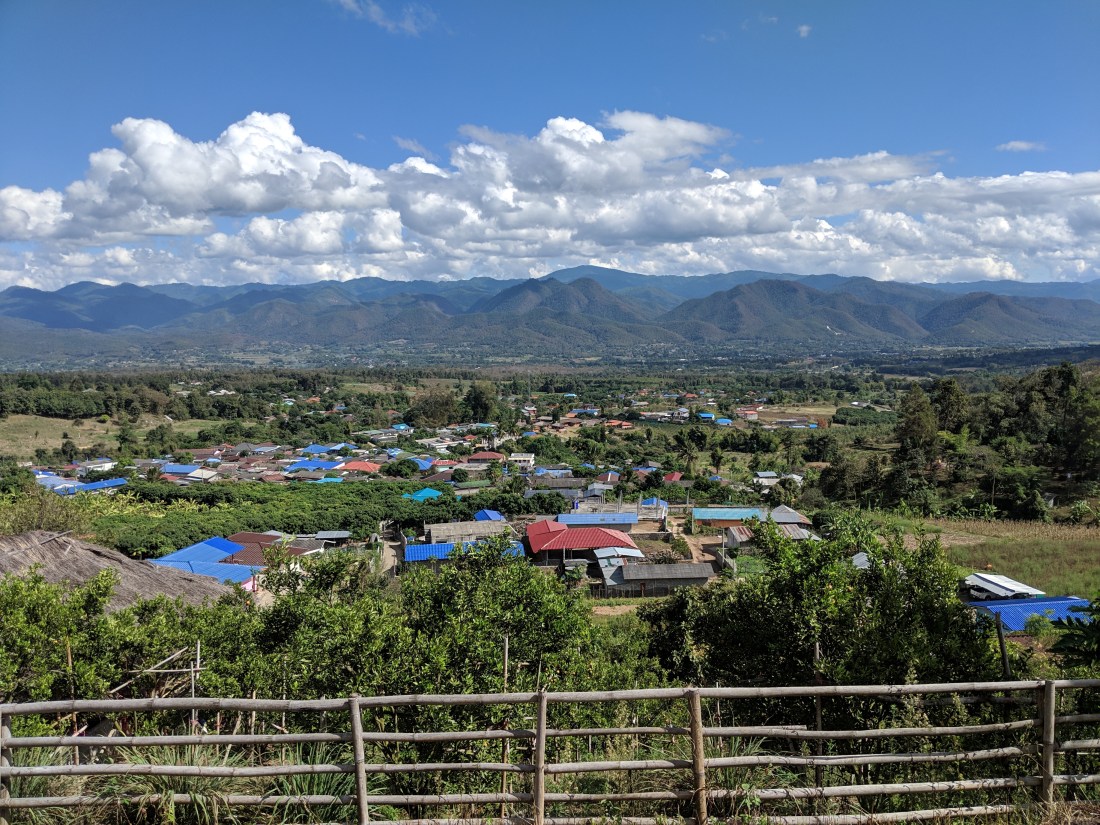
Then we drove to the mountain top above the Santichon Village for the view of Pai which is in the distance below.
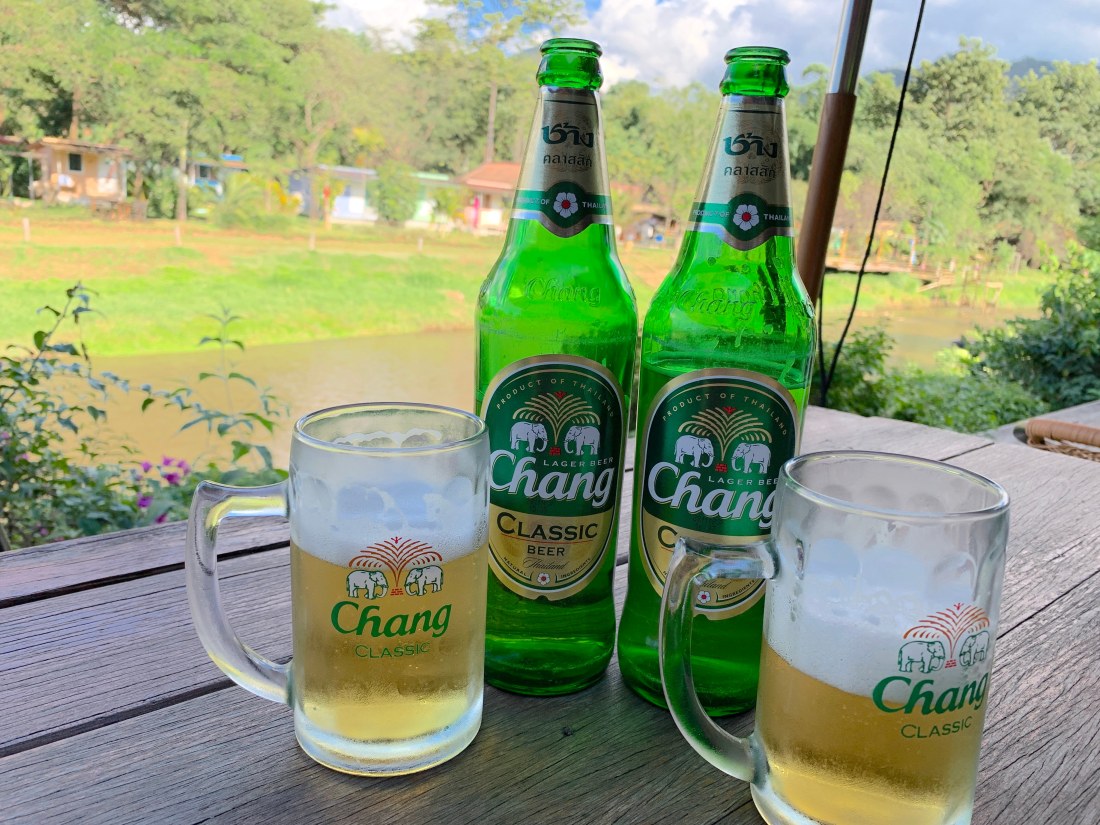
Our afternoon beer break by the river.
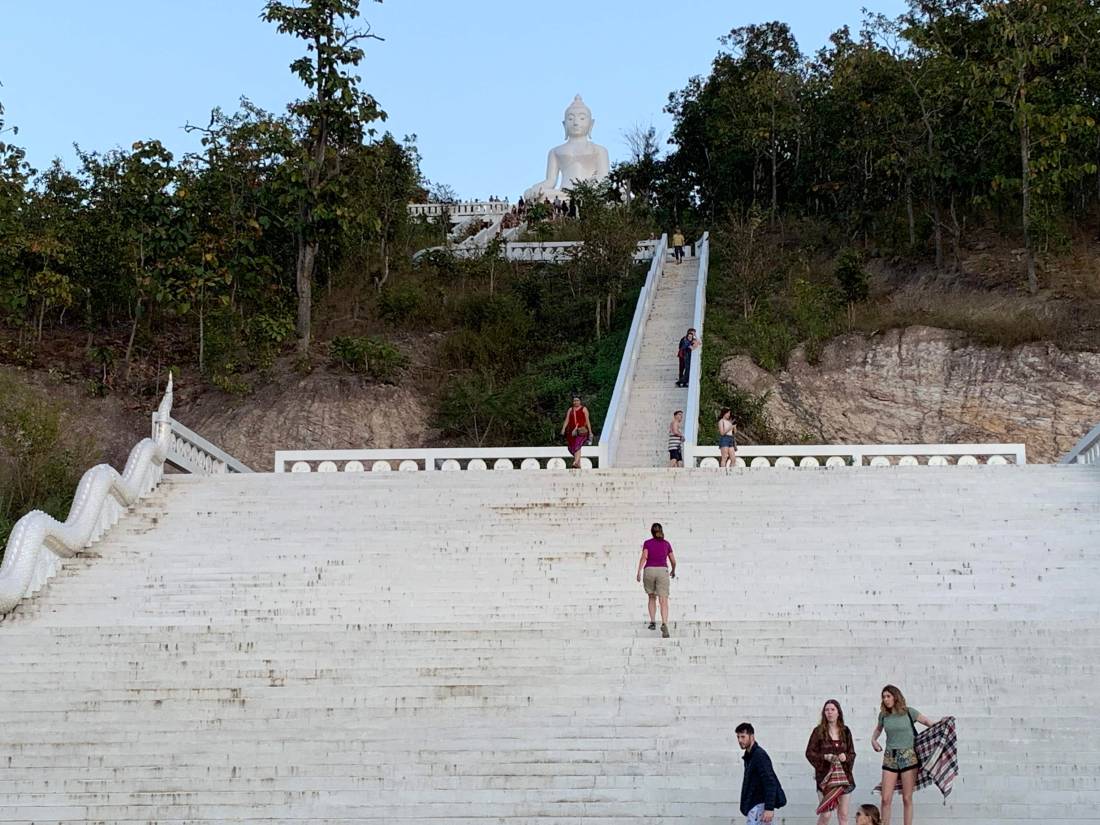
On our final evening in Pai, we realized we had not yet made it up to Wat Phra That Mae Yen – The Temple on the Hill. It had been recommended that we watch the sun set from there.
As the sun was low in the ski, we sprinted up to the top (the stairs seen in the first picture were already about 2/3 of the way up!)
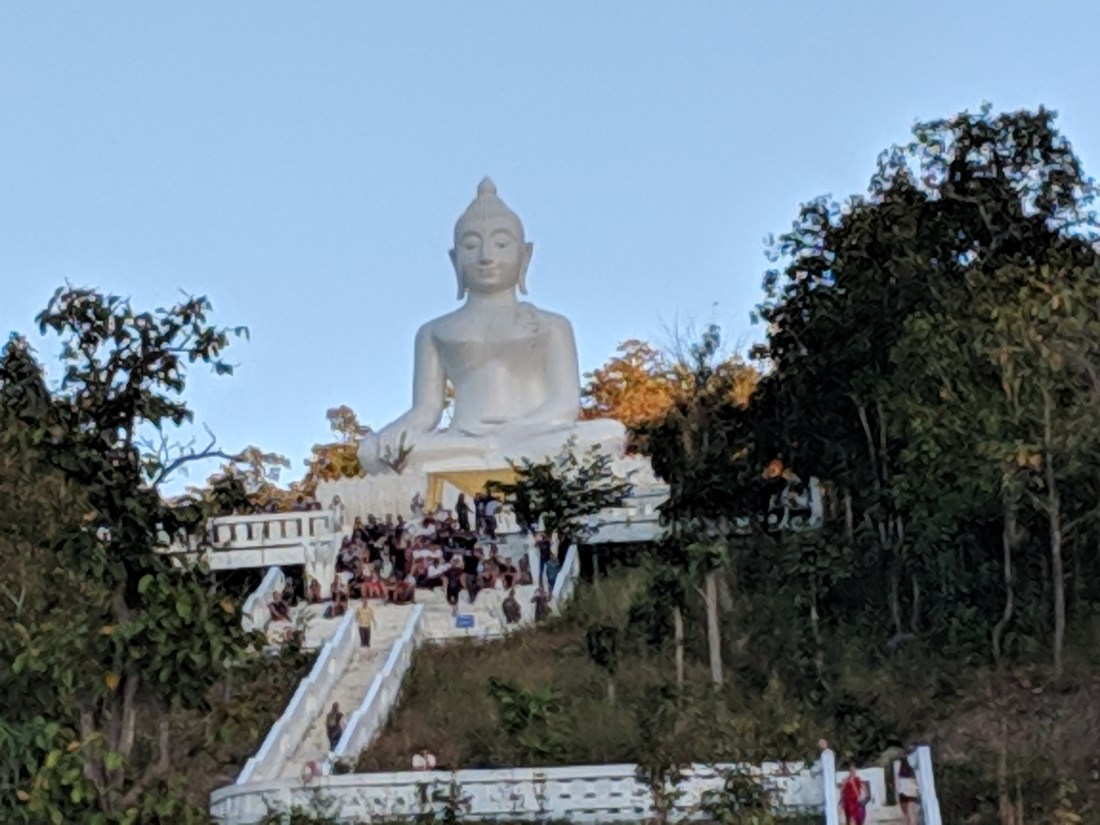
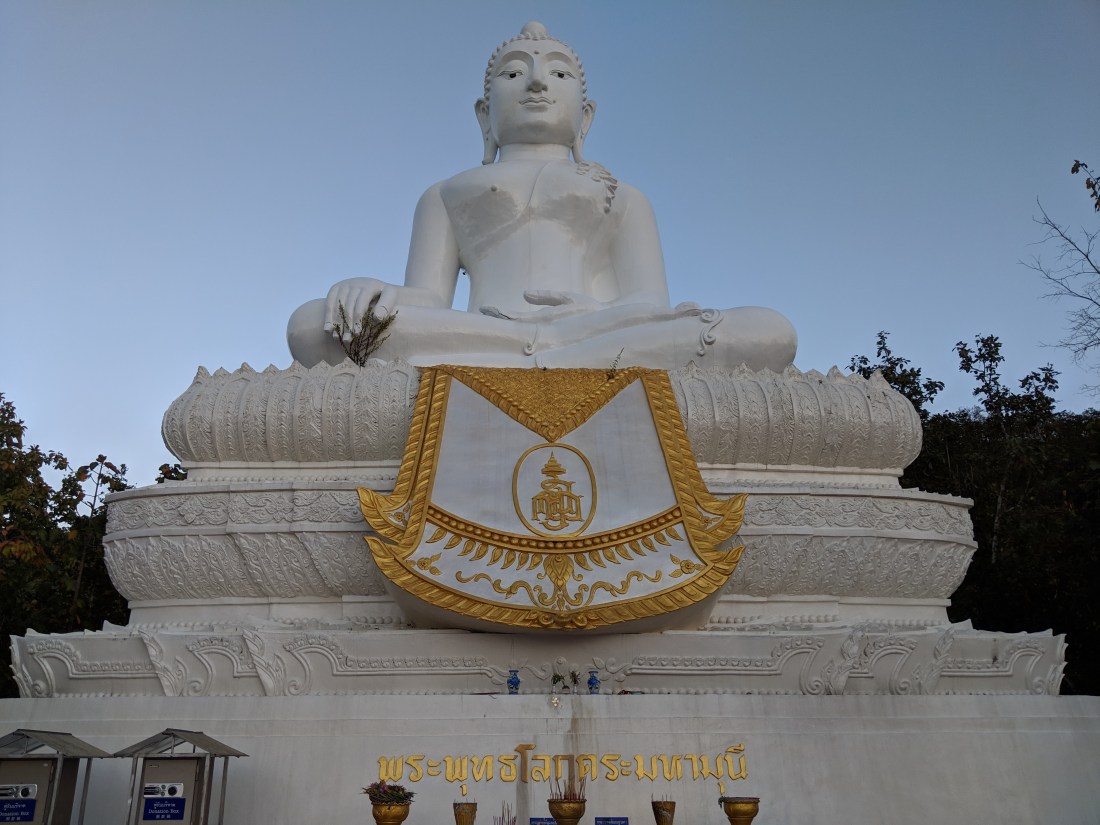
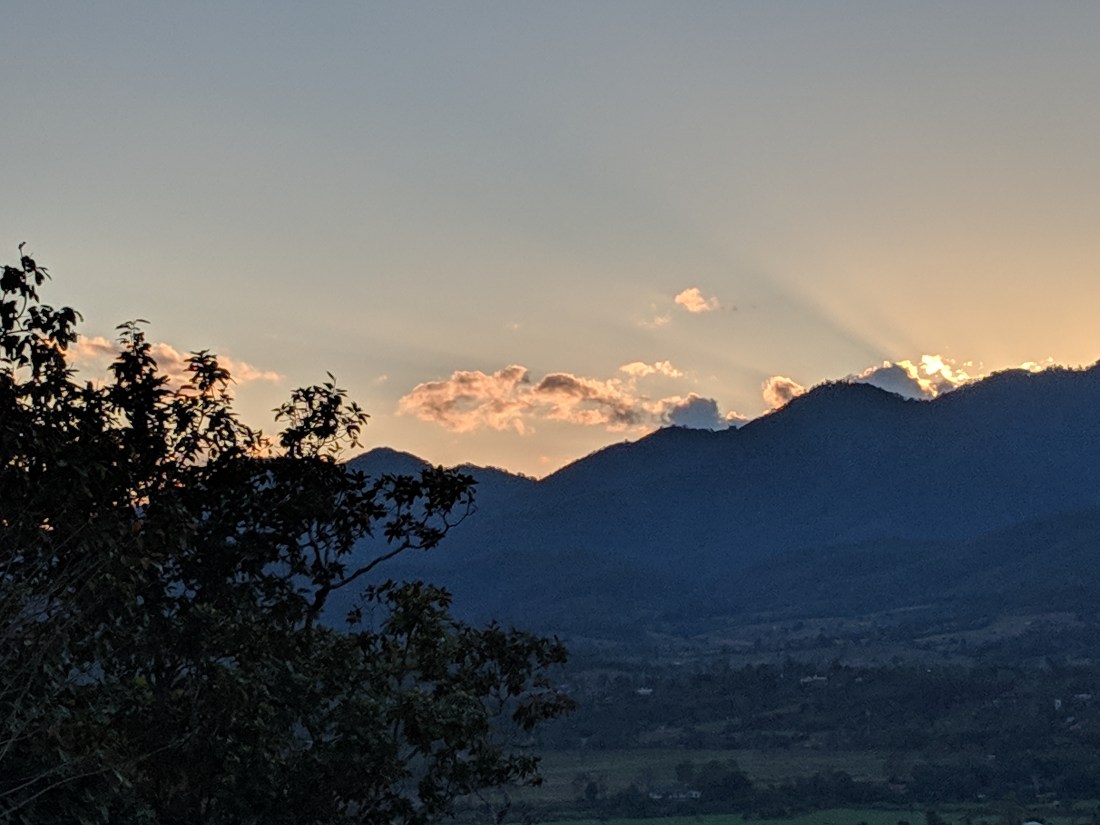
And we made it in time!
 Jo & Eric's travels