
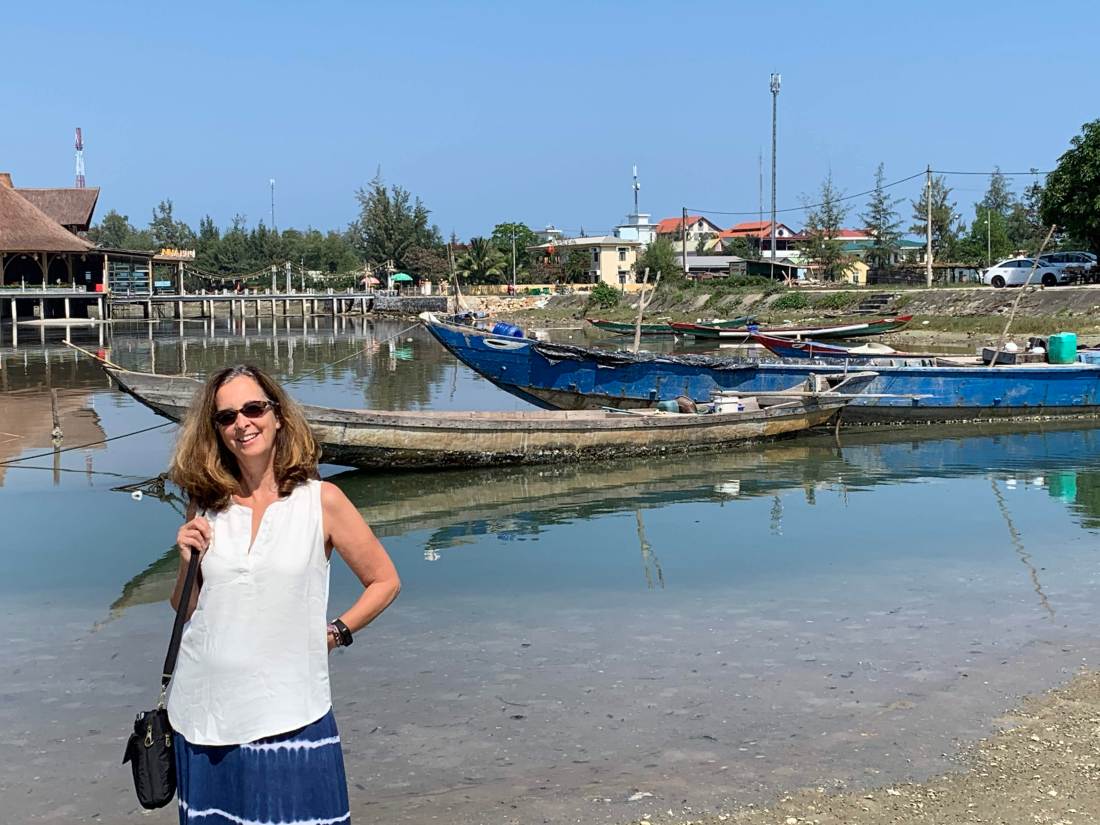
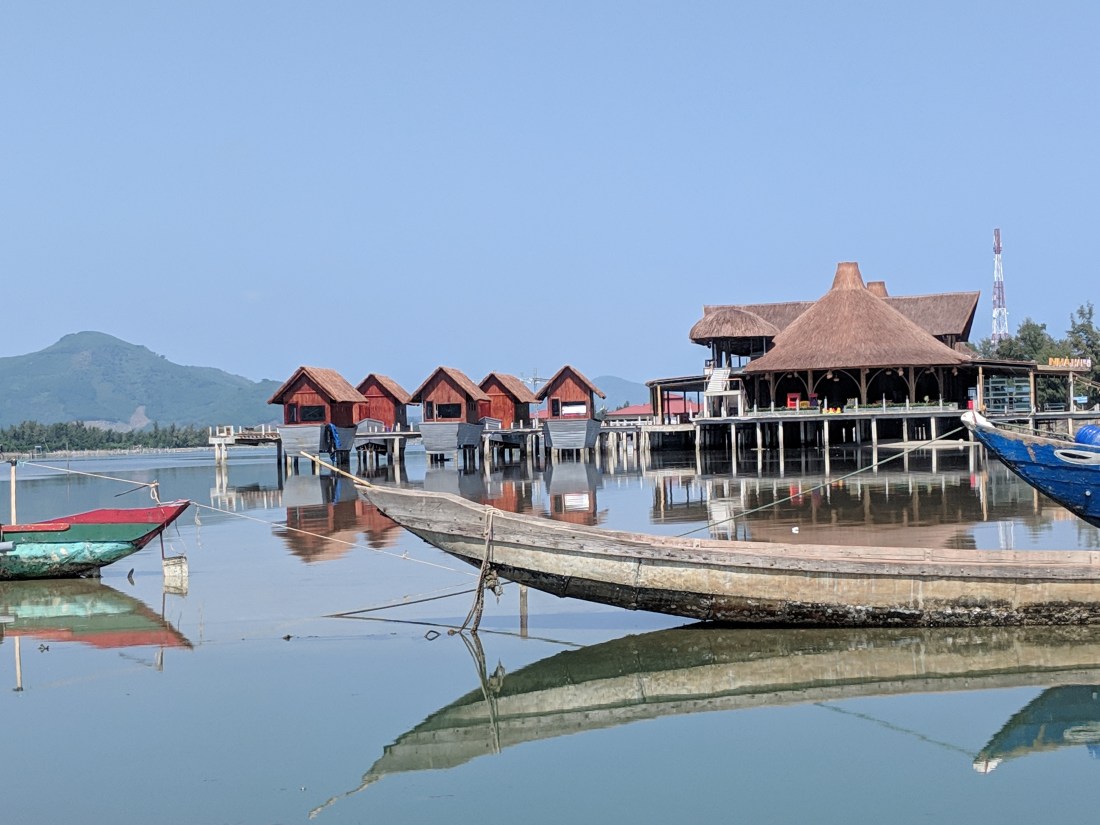
On the New Year’s day we traveled from Hue to Hoi An, stopping along the way. First stop was Lang Co beach where we saw oyster farms.
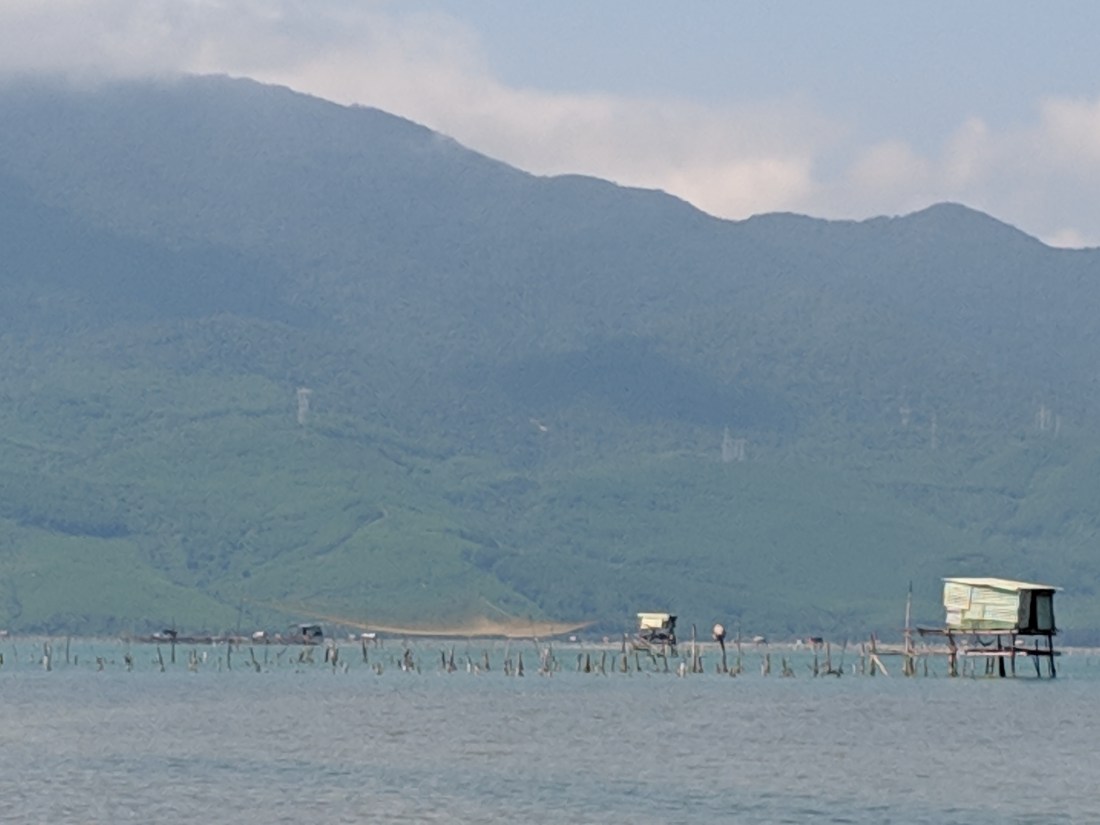
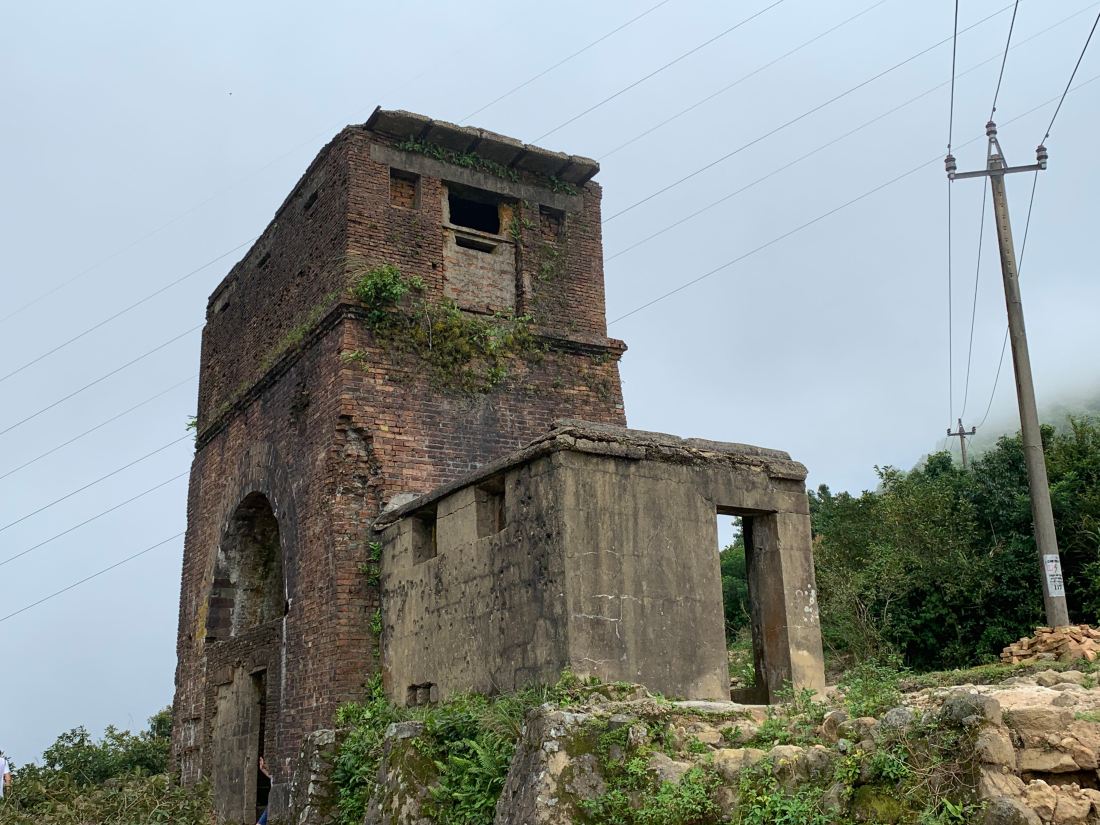
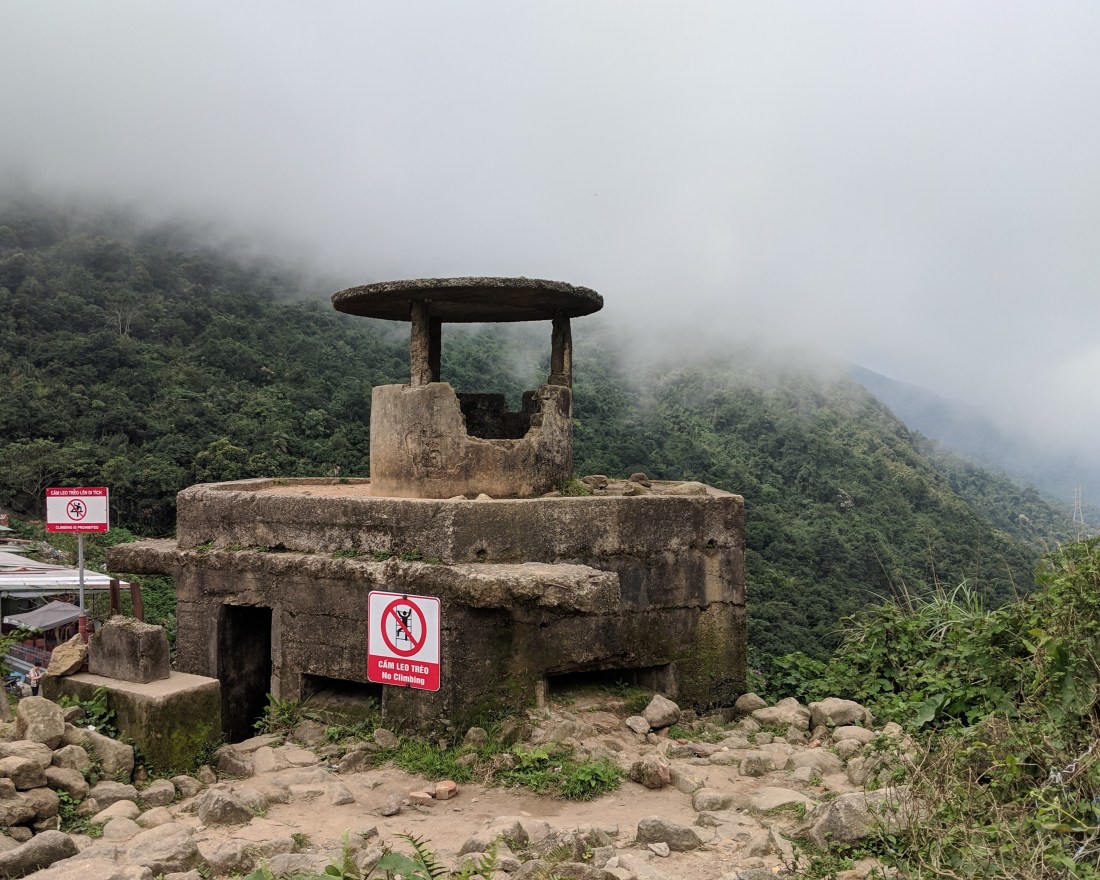
Then we went up over the Hoi Van ( Sea Clouds) Pass, which is the tallest pass in Vietnam with a height of 500 m, and the peak is in the clouds. Because of its strategic location, it was an important military site throughout history. In 1826 during the Nguen Dynasty, the Hai Van Gate was built to house Mandarins for look out protecting Hue from invasion from the north. During the 1970s, the Americans built bunkers.
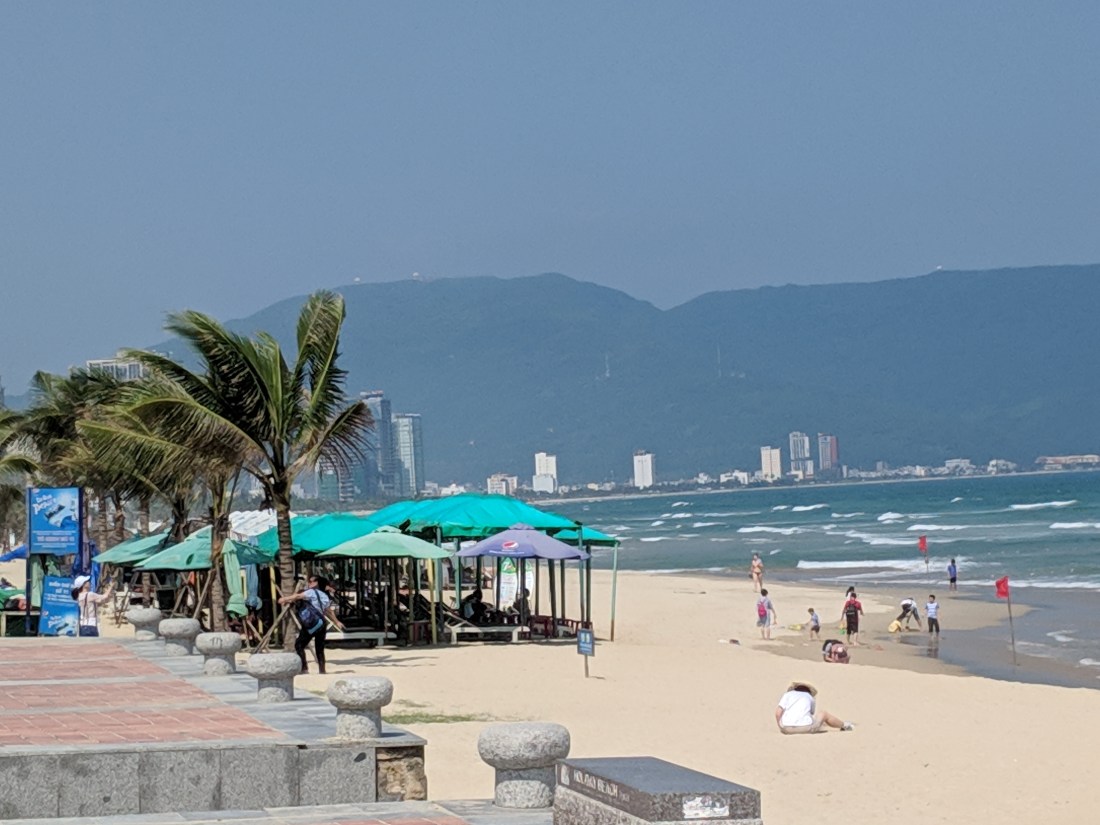
Then we went down the other side of the pass into Da Nang, which looks to us a bit like Ft. Lauderdale, with its famous China Beach (My Khe to locals) where American GIs were able to relax and enjoy barbecue and beer during the war.
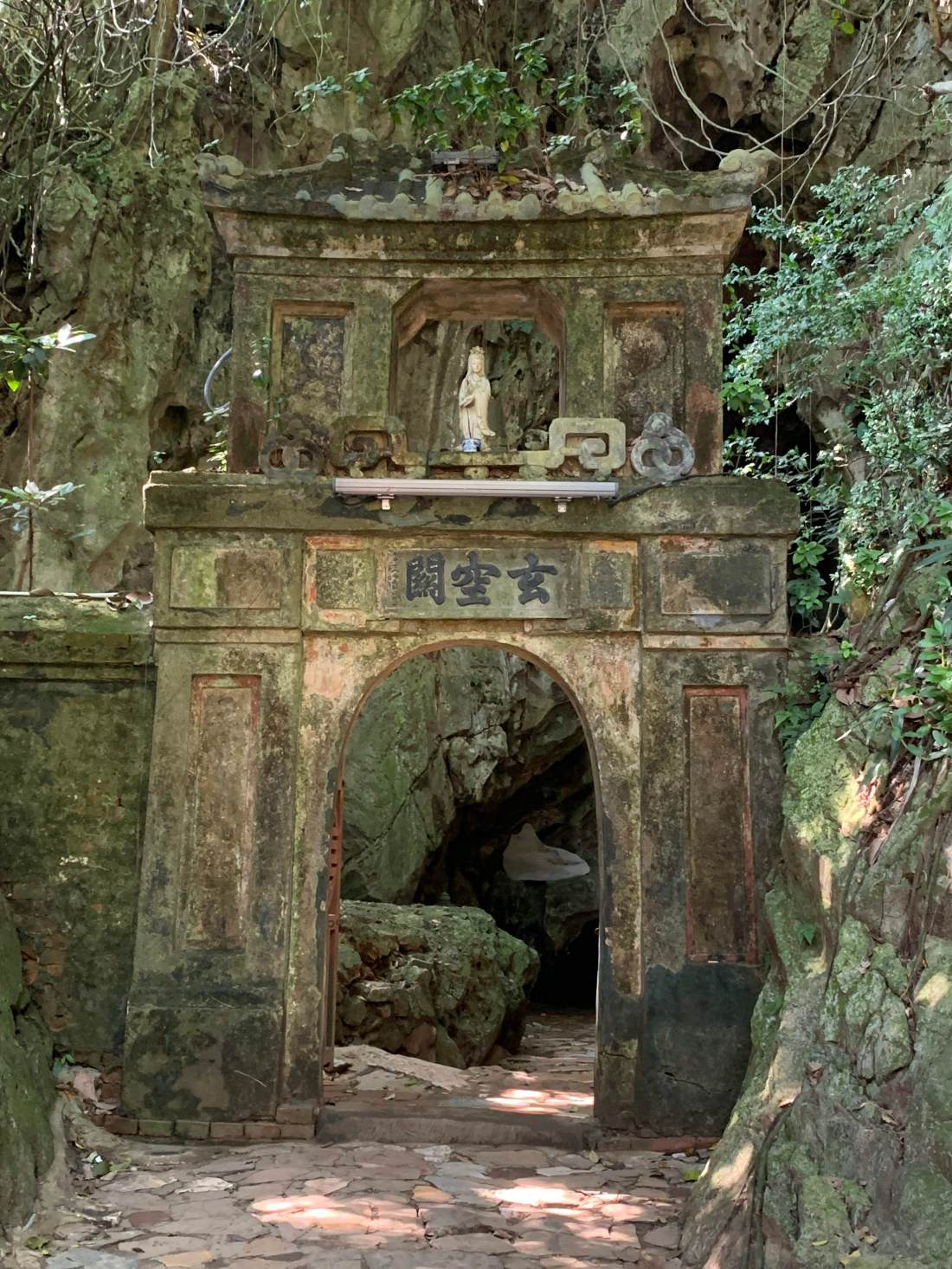
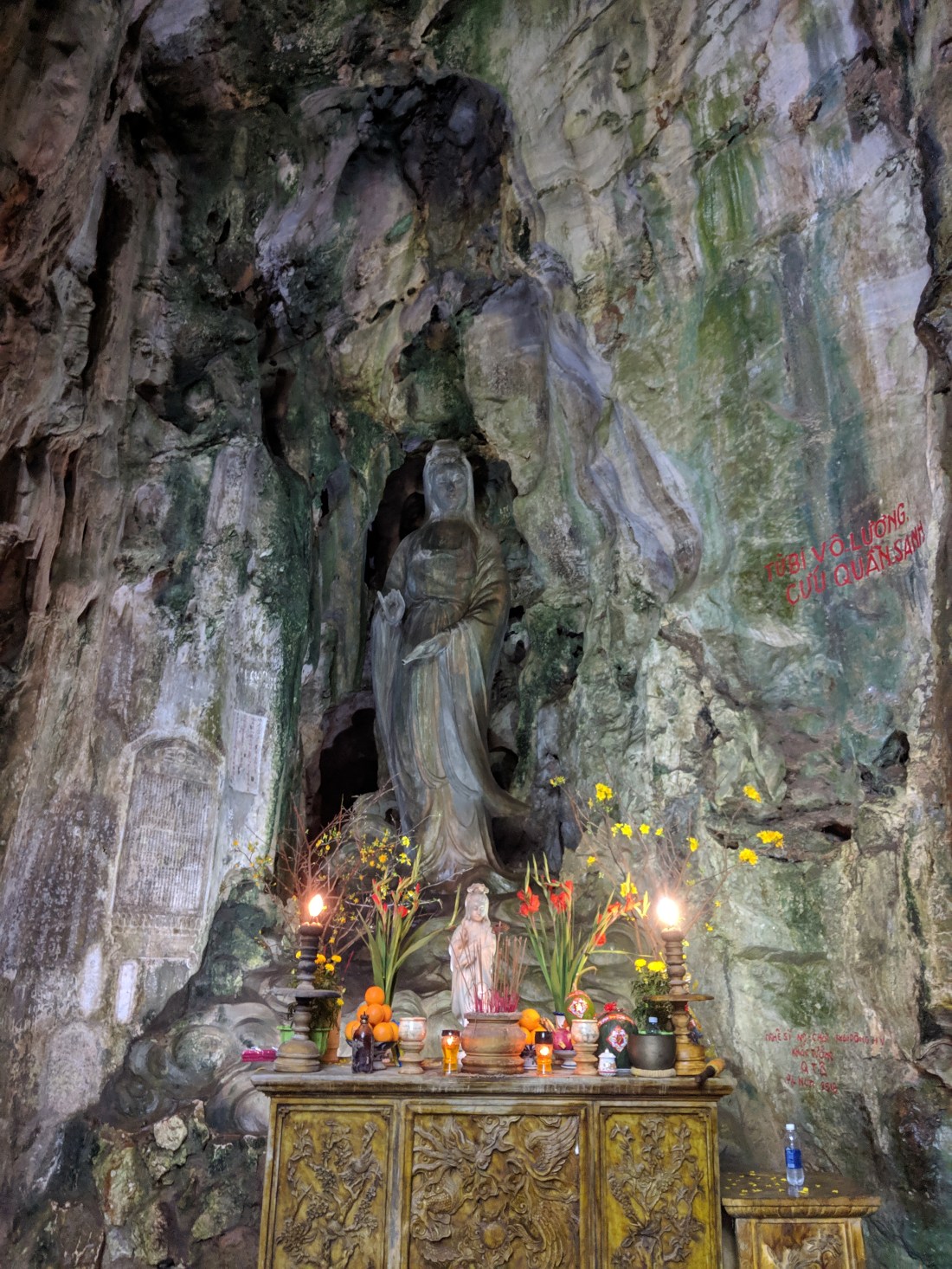
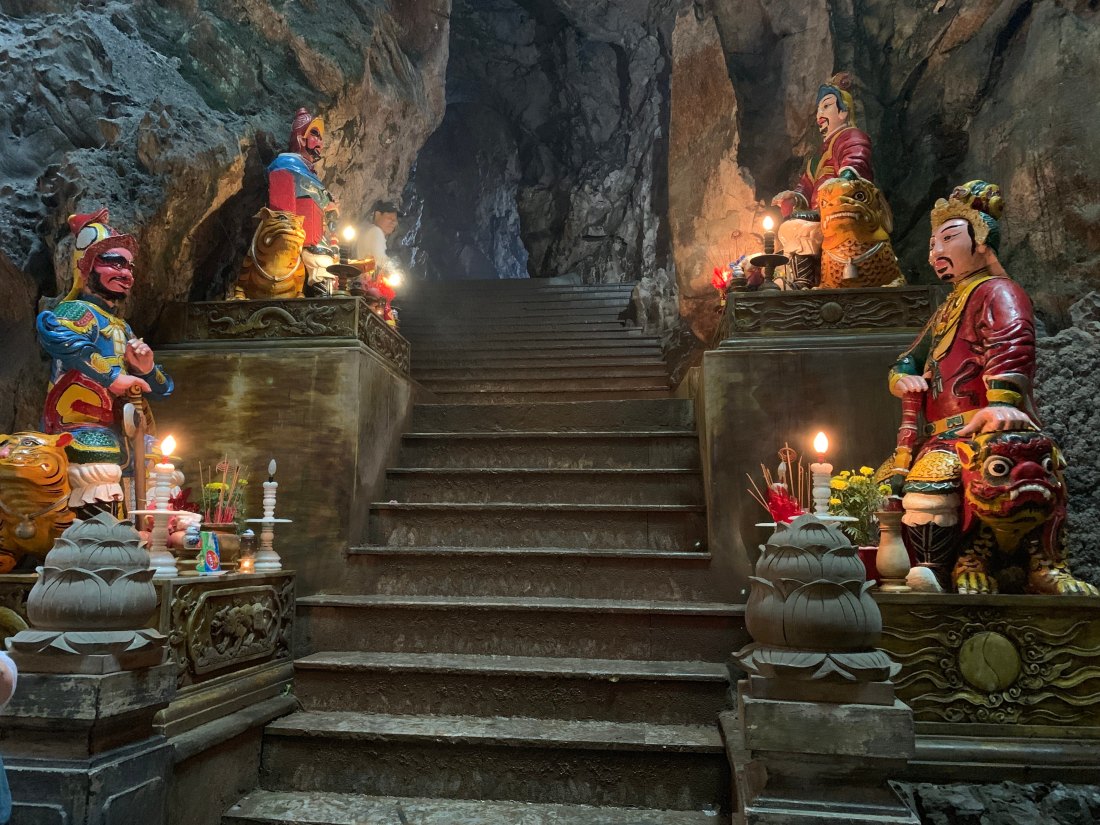
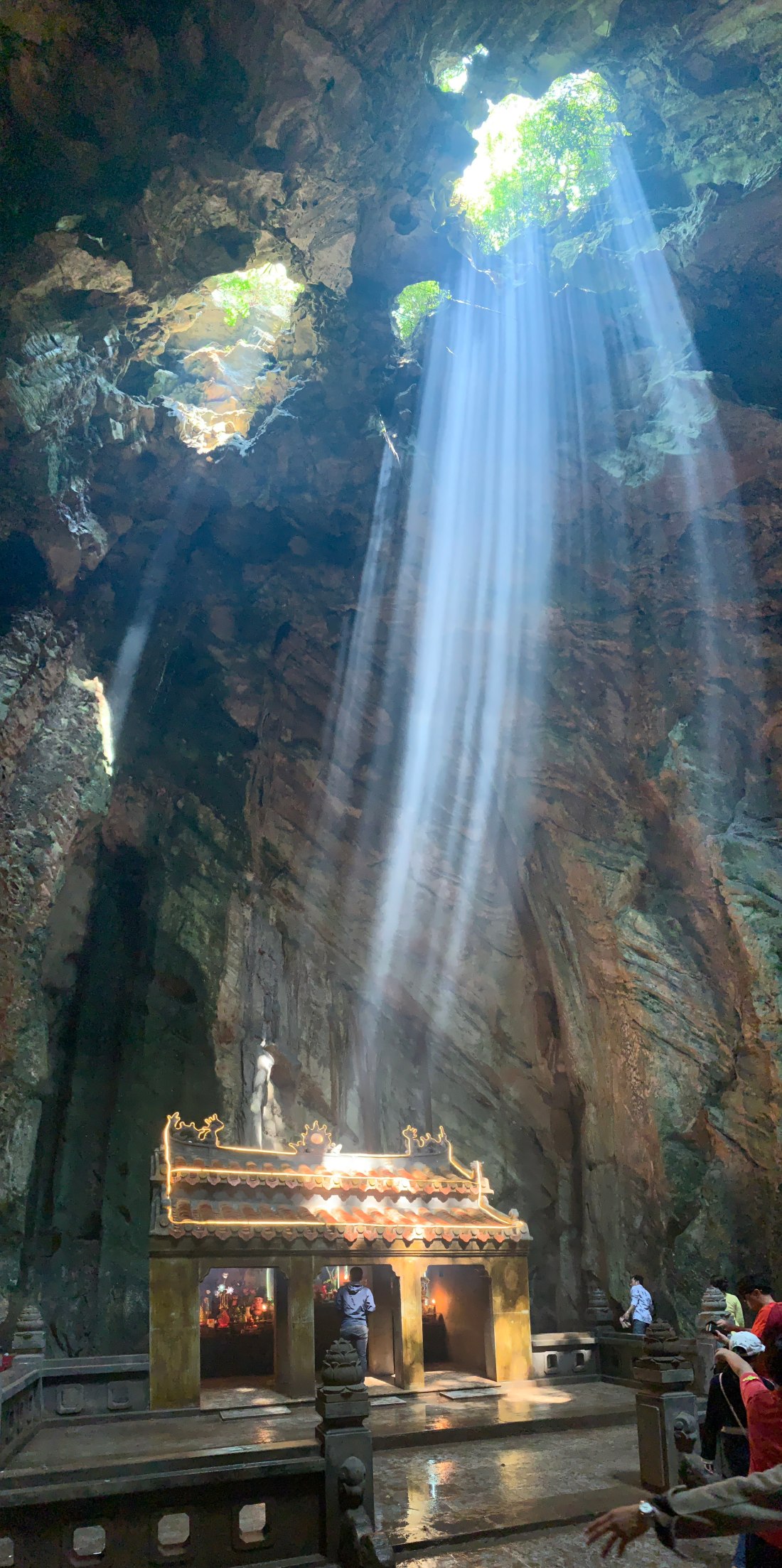
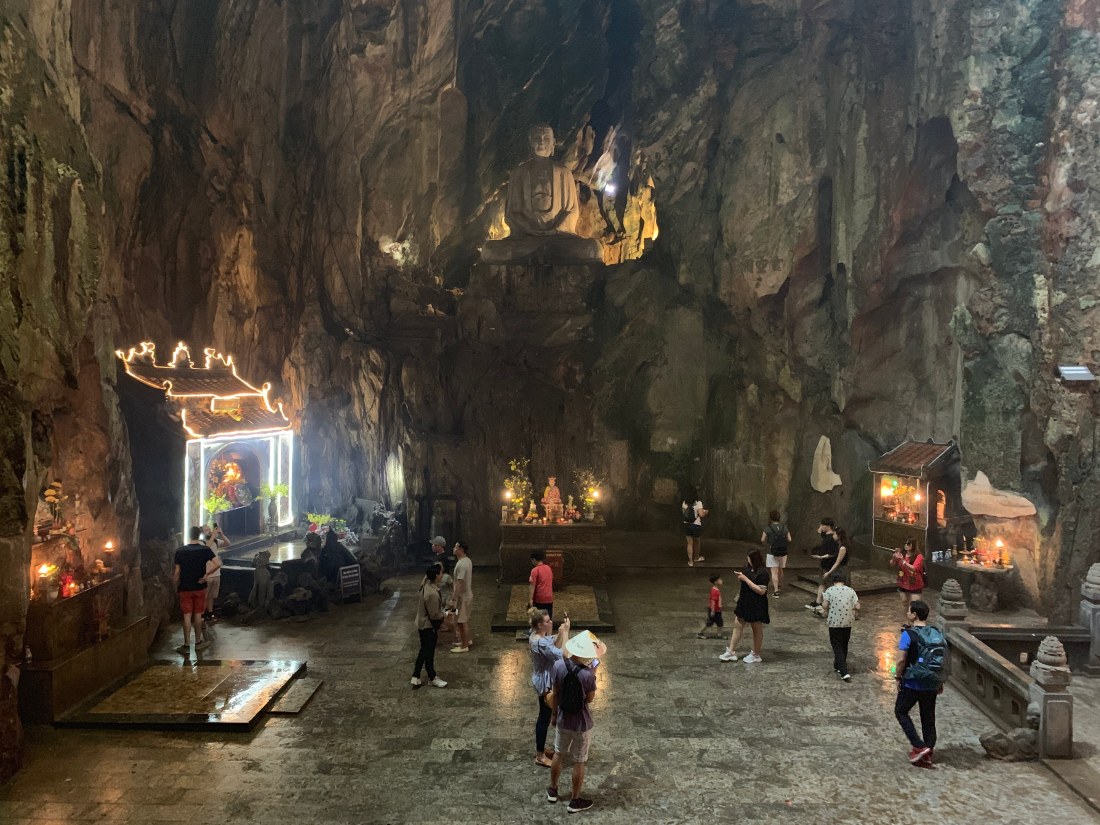
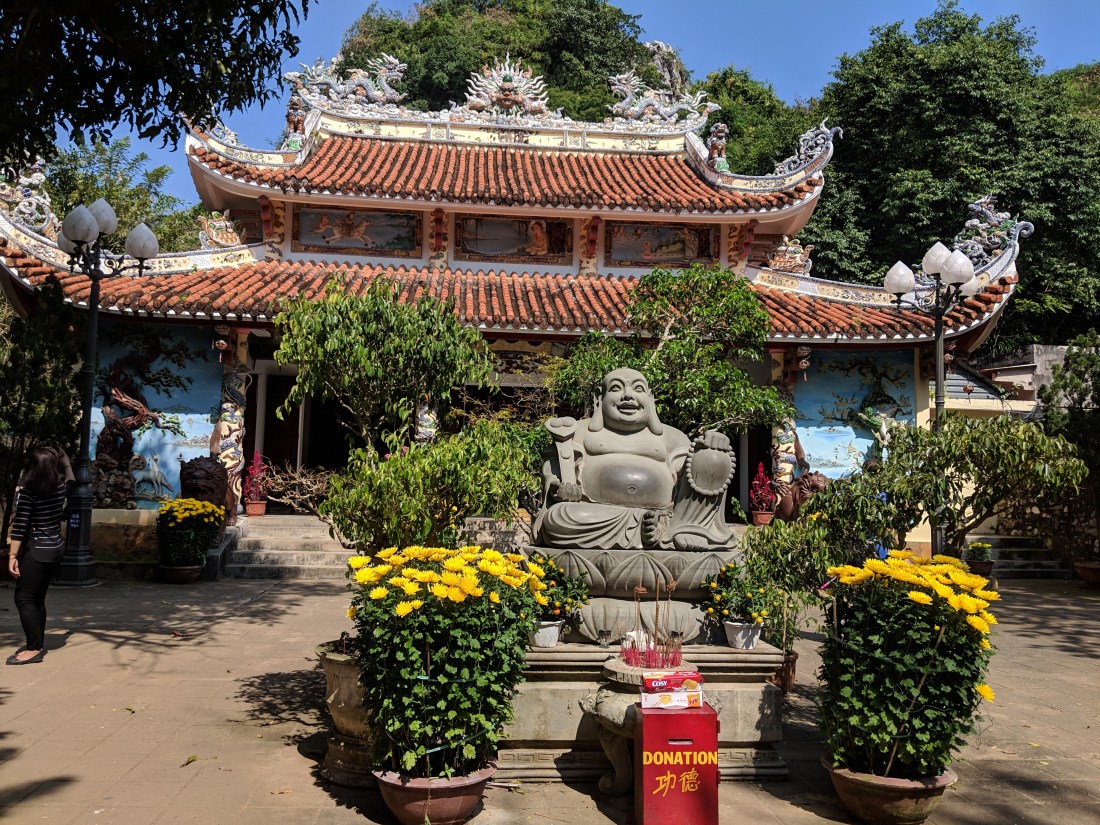
While in Da Nang we visited Marble Mountain with its sweeping views of Da Nang and its multiple caves and both Buddhist and Hindu sanctuaries. We took the elevator up, then climbed the 156 steps to the top of Thuy Son, the only summit available to tourists.
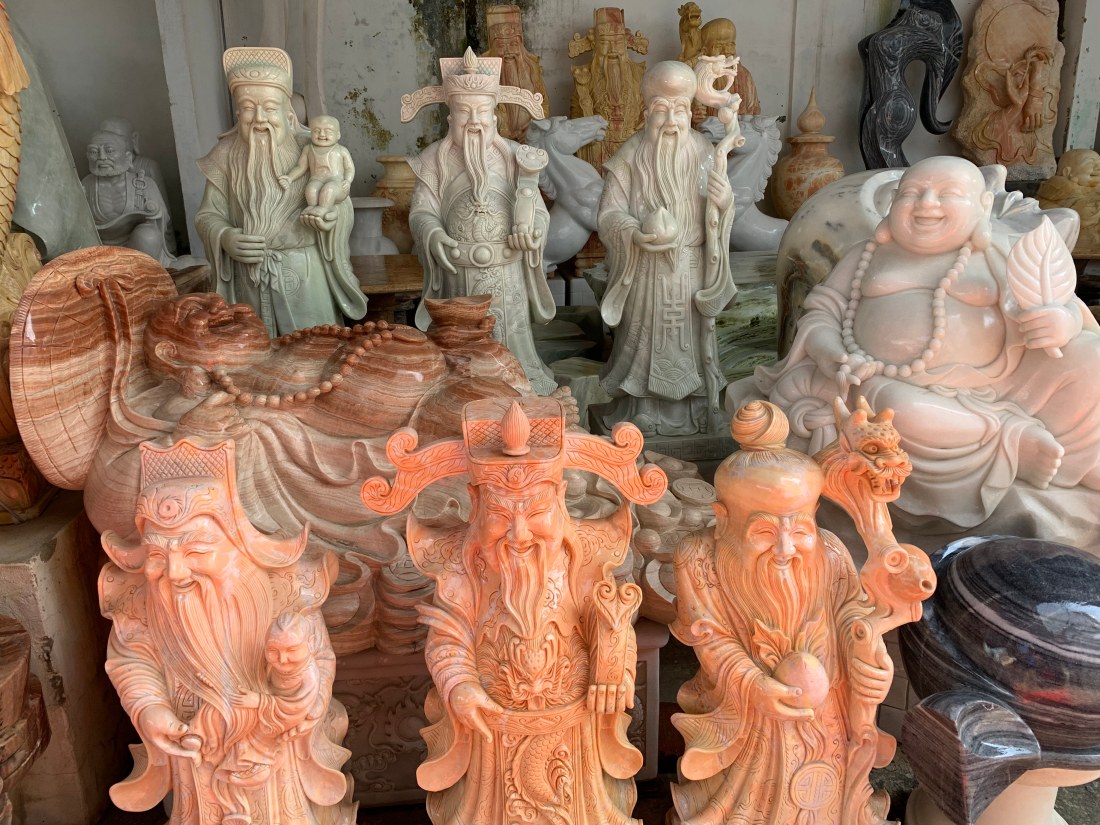
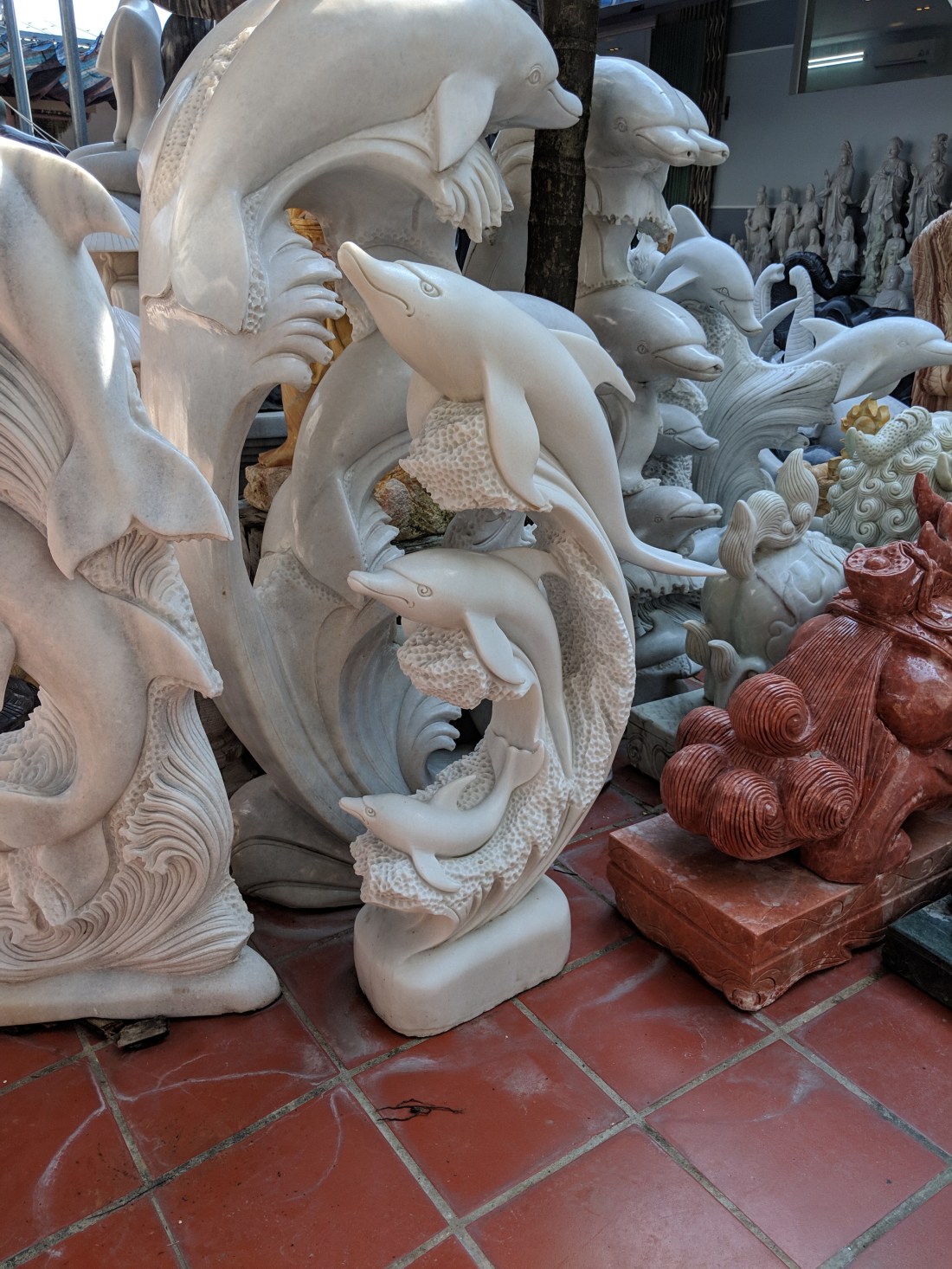
The area is also know for its many marble sculpture shops with dozens of artisans from families, often 5th generation in the business.
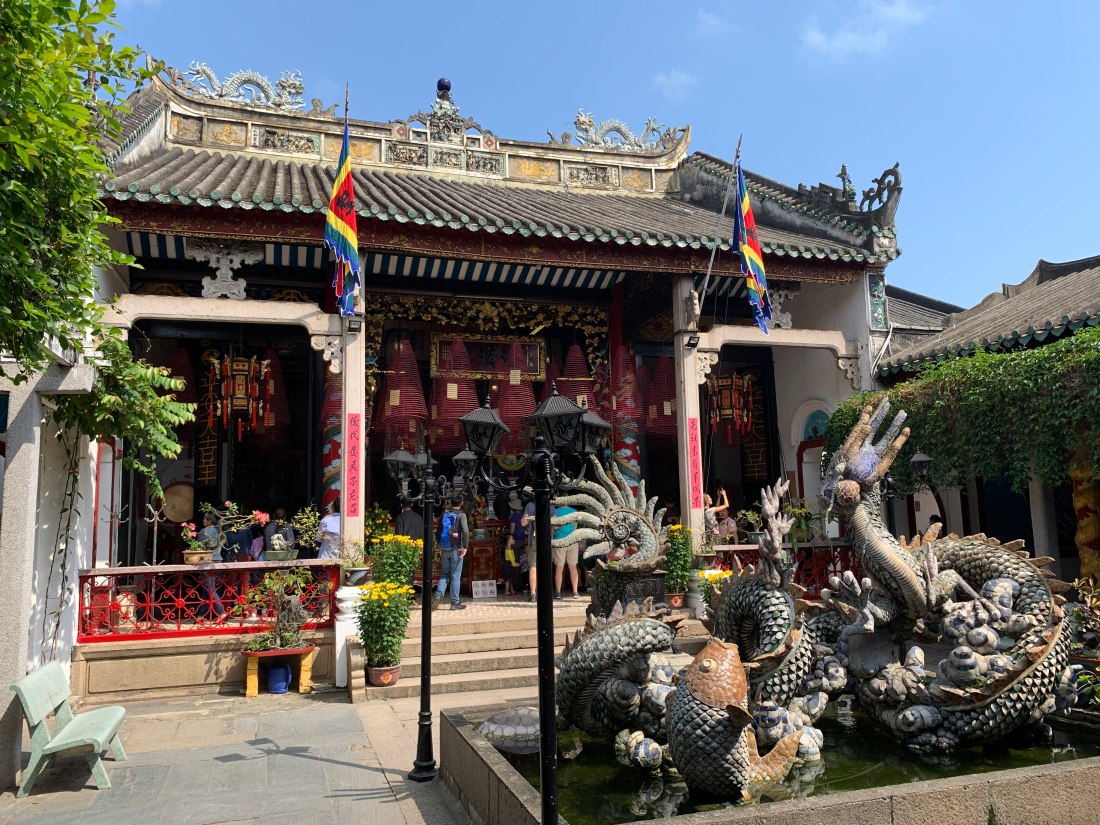
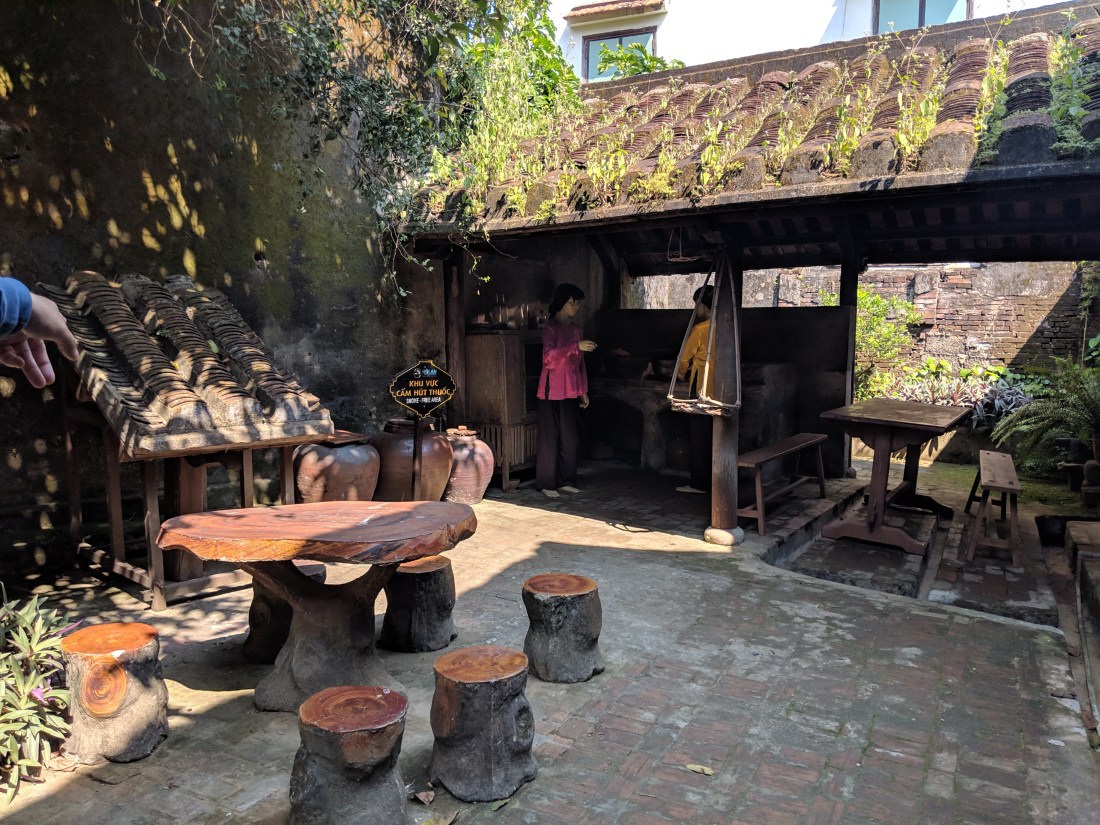
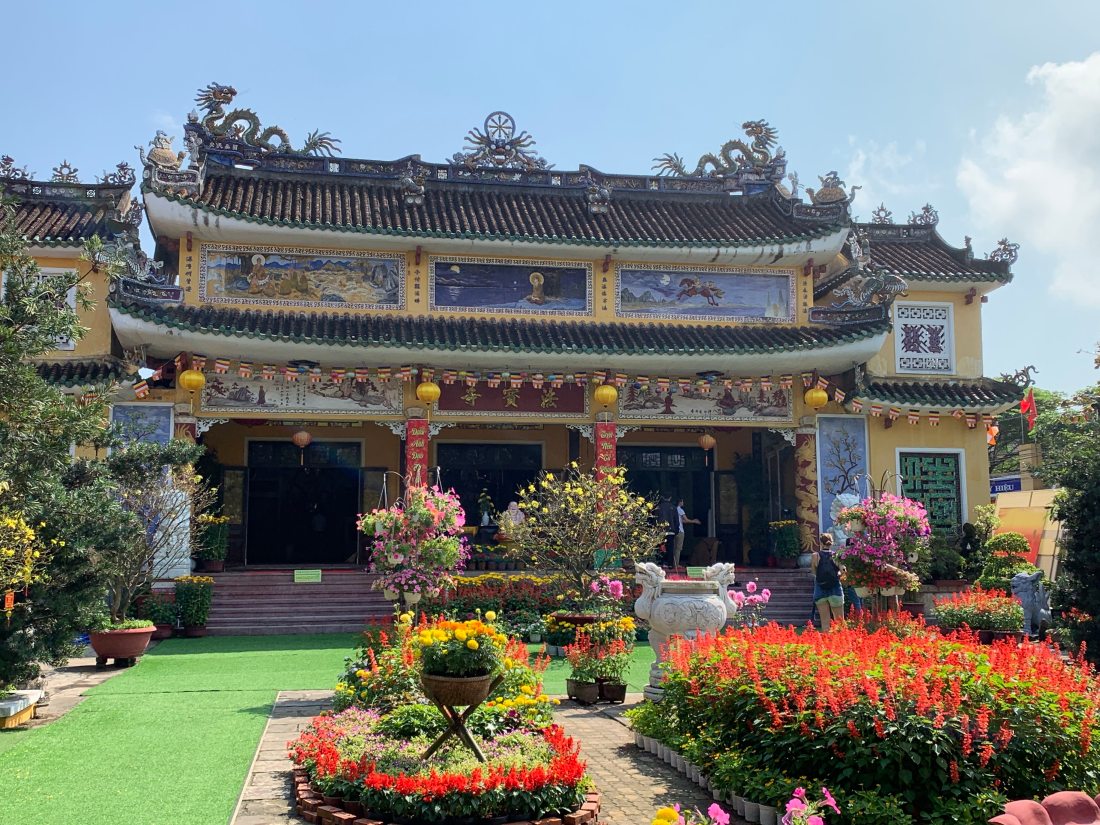
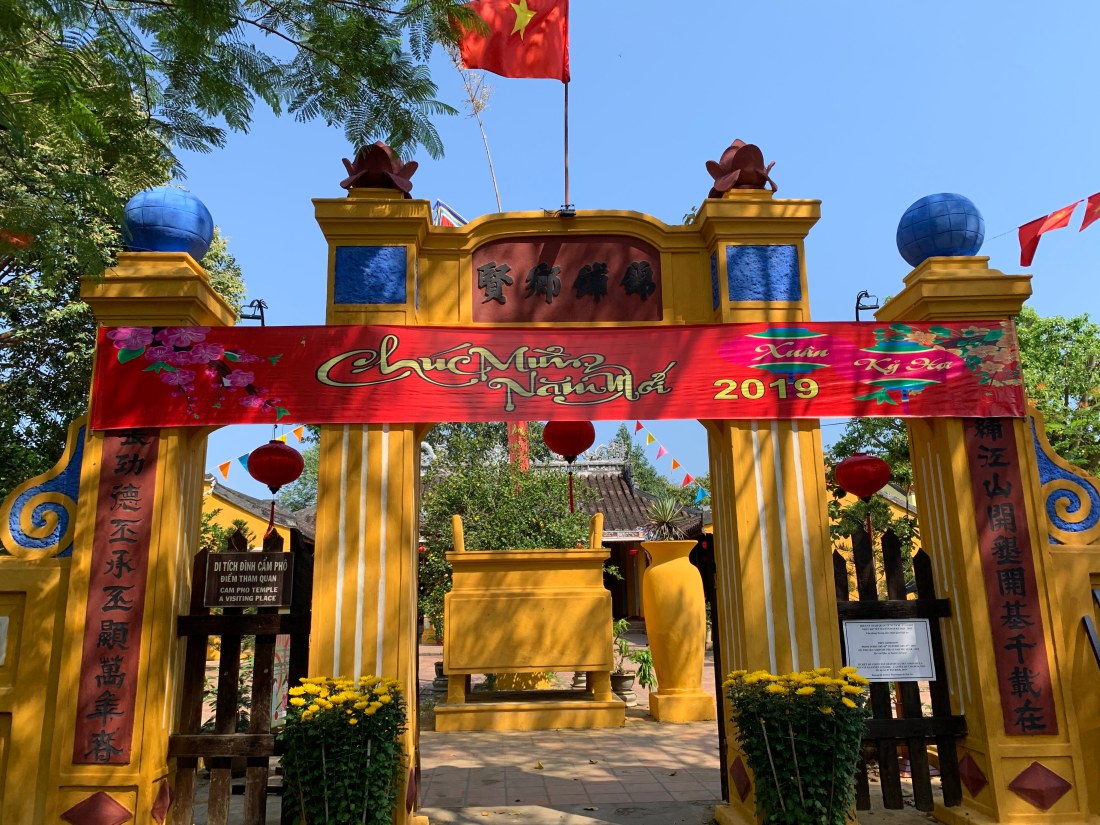
From there it was on to Hoi An – “Peaceful Meeting Place.” Its ancient town is a well preserved example of the melting pot that was Vietnam during the height of its trading period of the 15th – 18th centuries, when the new dynasty became opposed to trade. When the French reinstated Vietnam as an important trading center in the late 18th century, the major port was moved to Da Nang with its deeper canals allowing for the bigger more modern ships. So Hoi An was mostly deserted, which allows for it preservation in its current state. The ancient town is now a UNESCO Heritage site for continued preservation. The towns’ architecture reflects the influences of its Chinese, Japanese, French, and Portuguese, as well as Vietnamese inhabitants of the time. We settled in for a several day stay to relax and soak it all in.
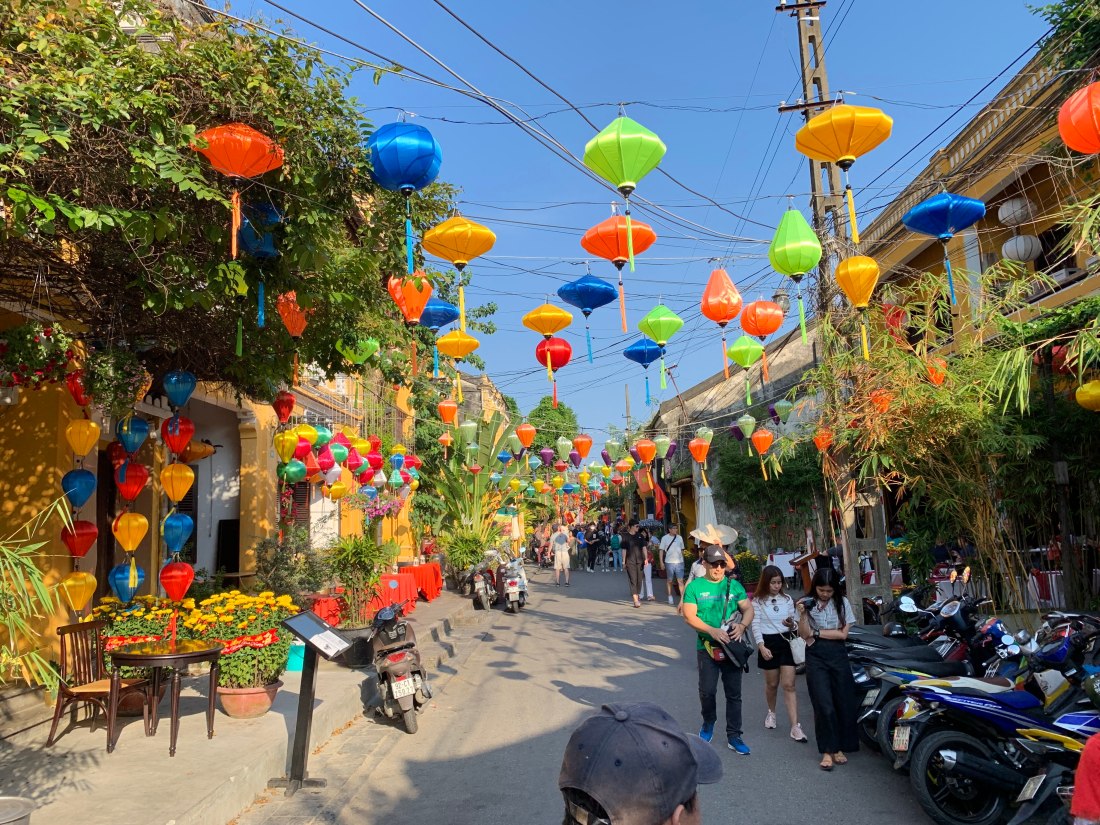
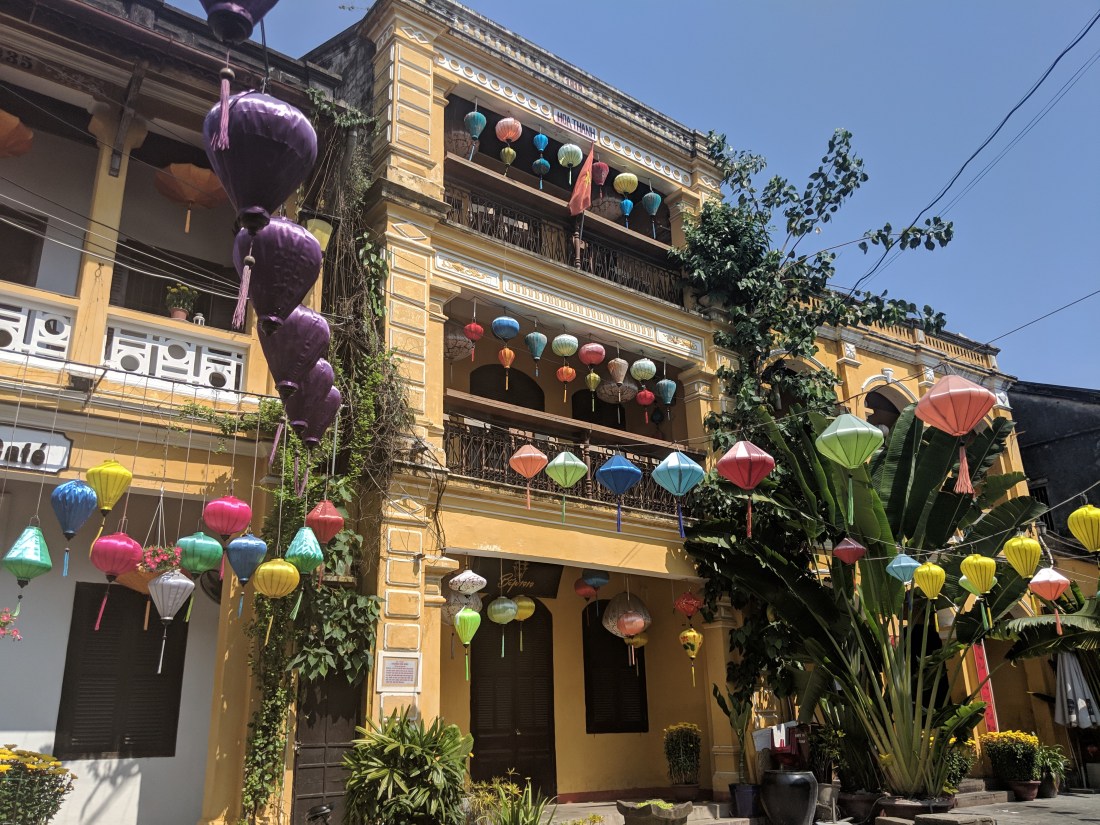
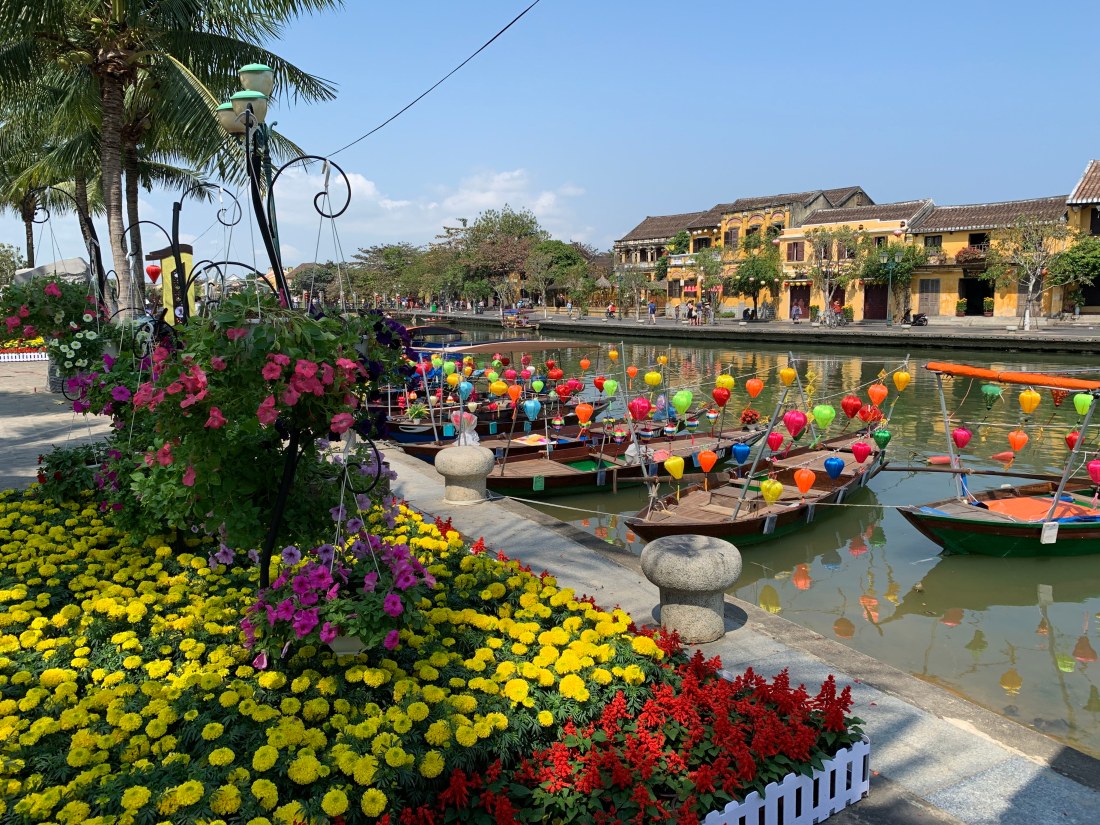
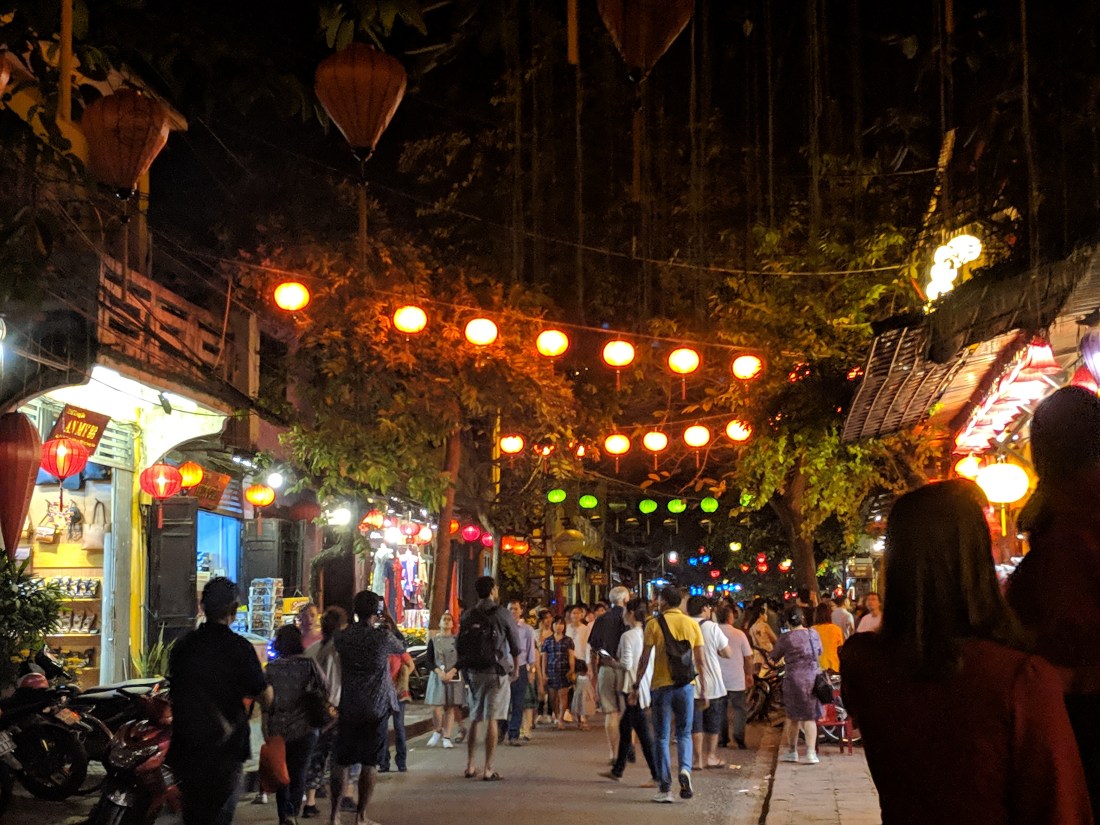
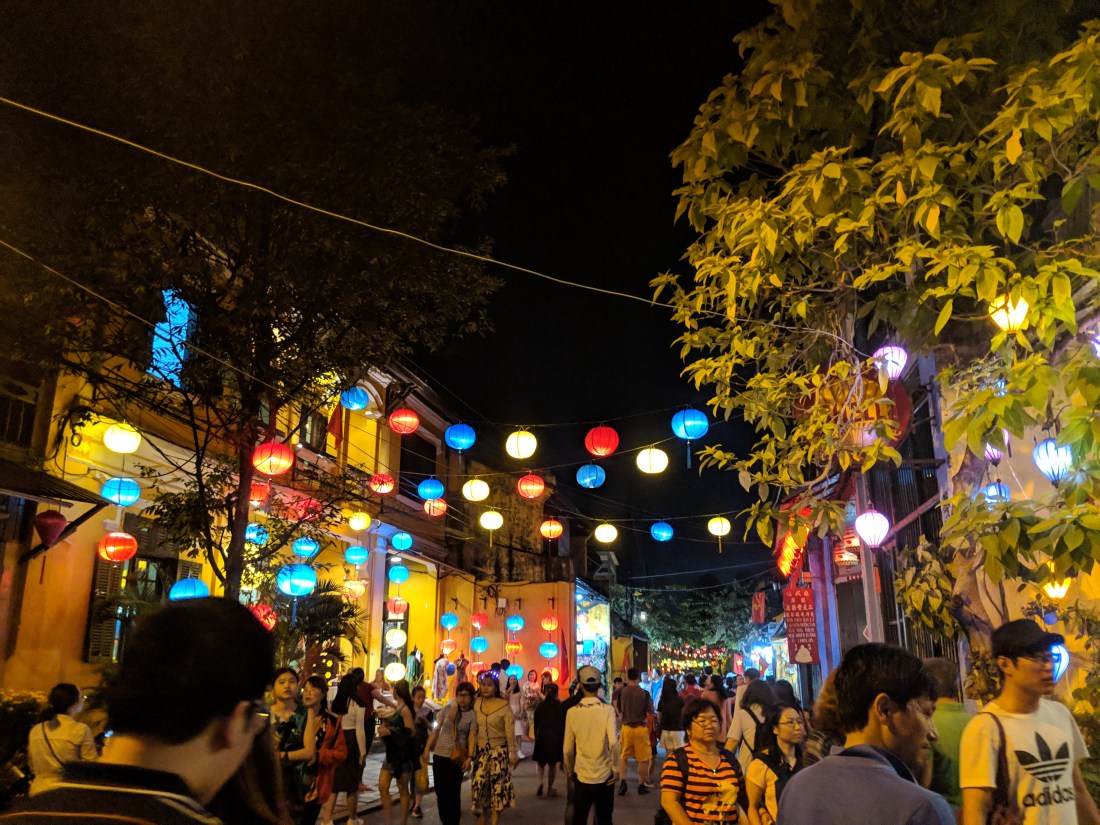
The pedestrian-only streets are narrow and contain numerous homes, shops, temples, restaurants, and cafes and they are packed with tourists, especially now for the holidays. But the lanterns are a staple, not just holiday decor.
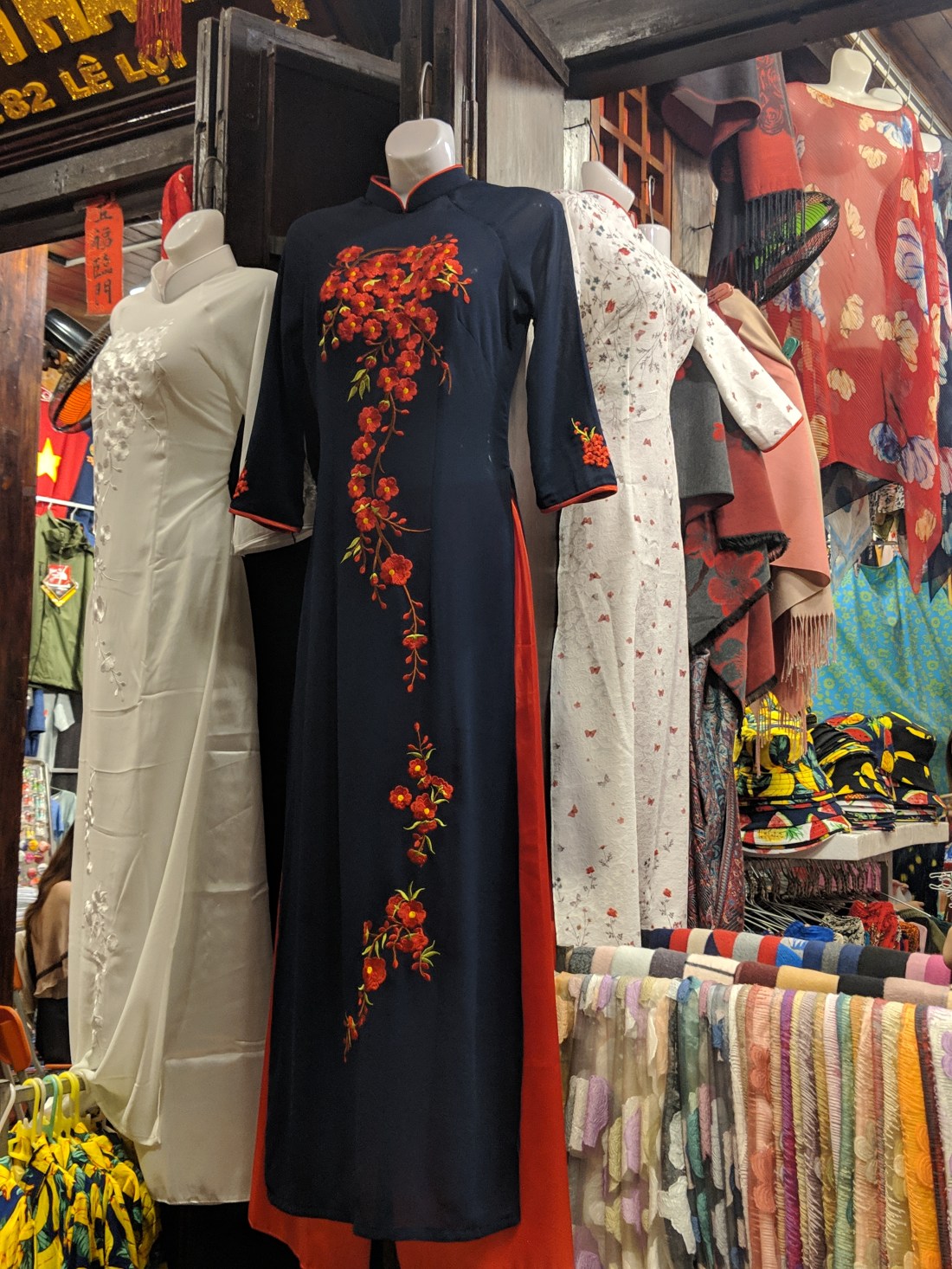
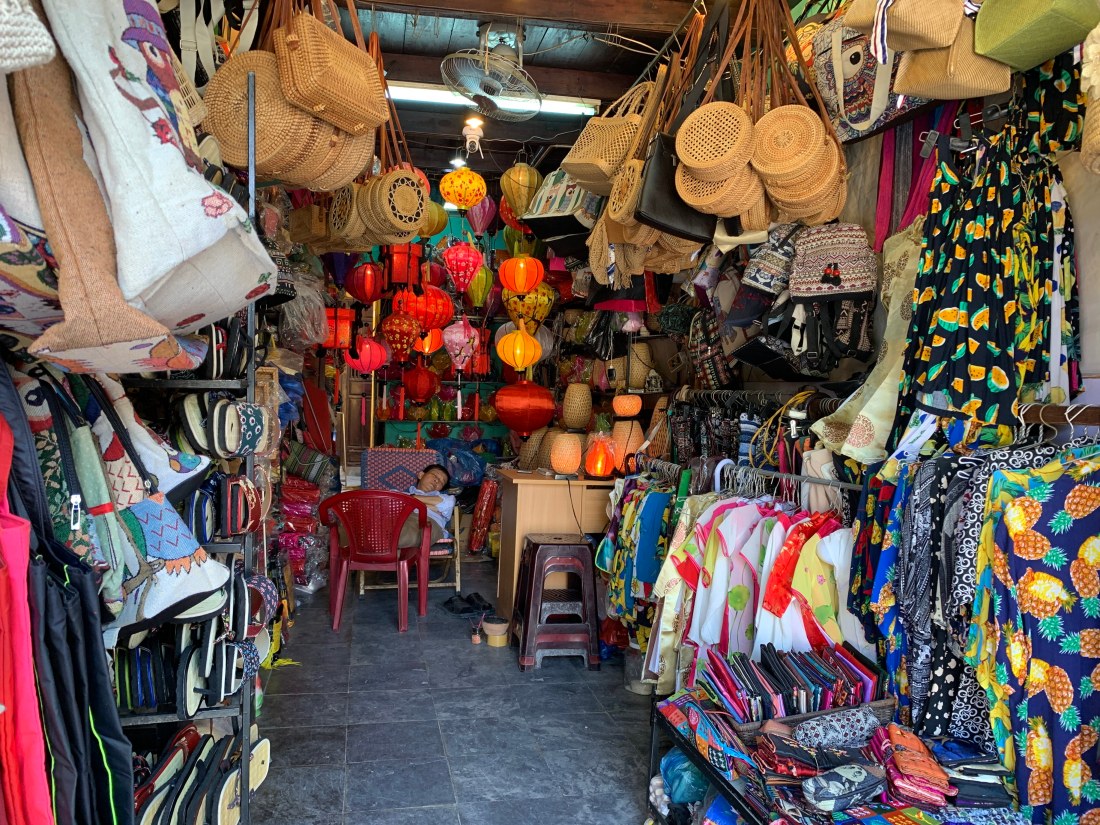
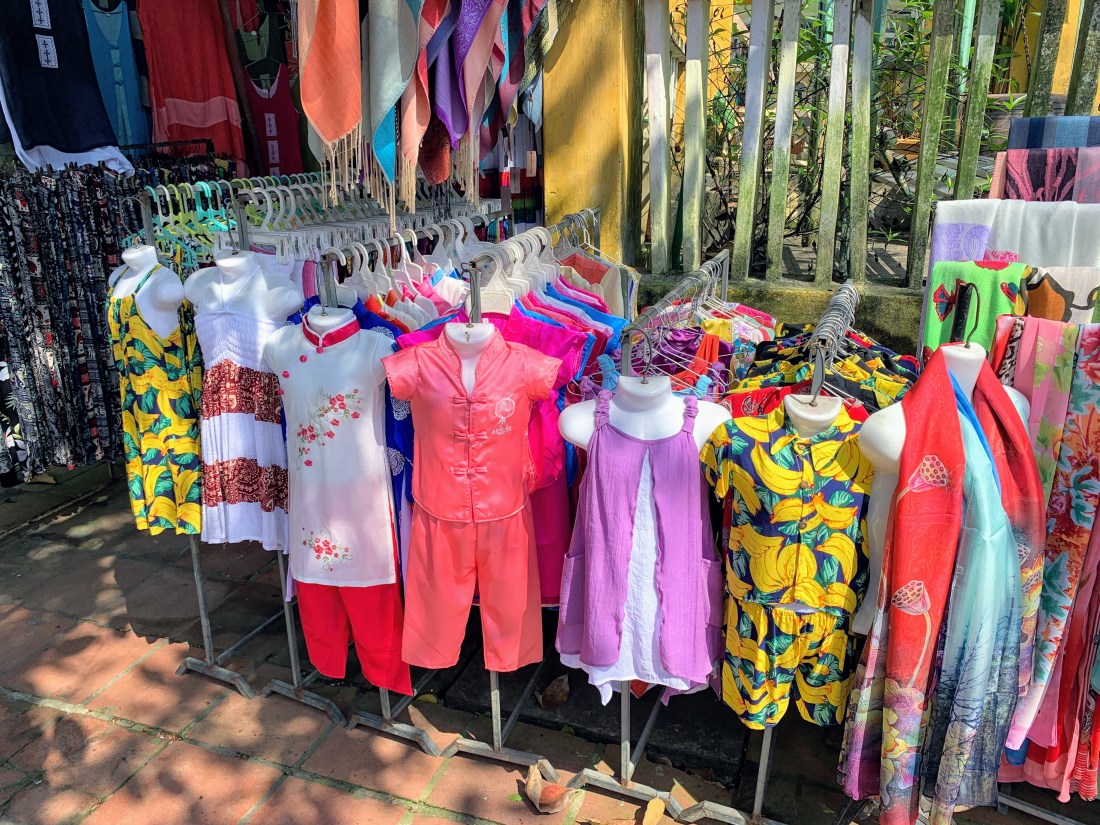
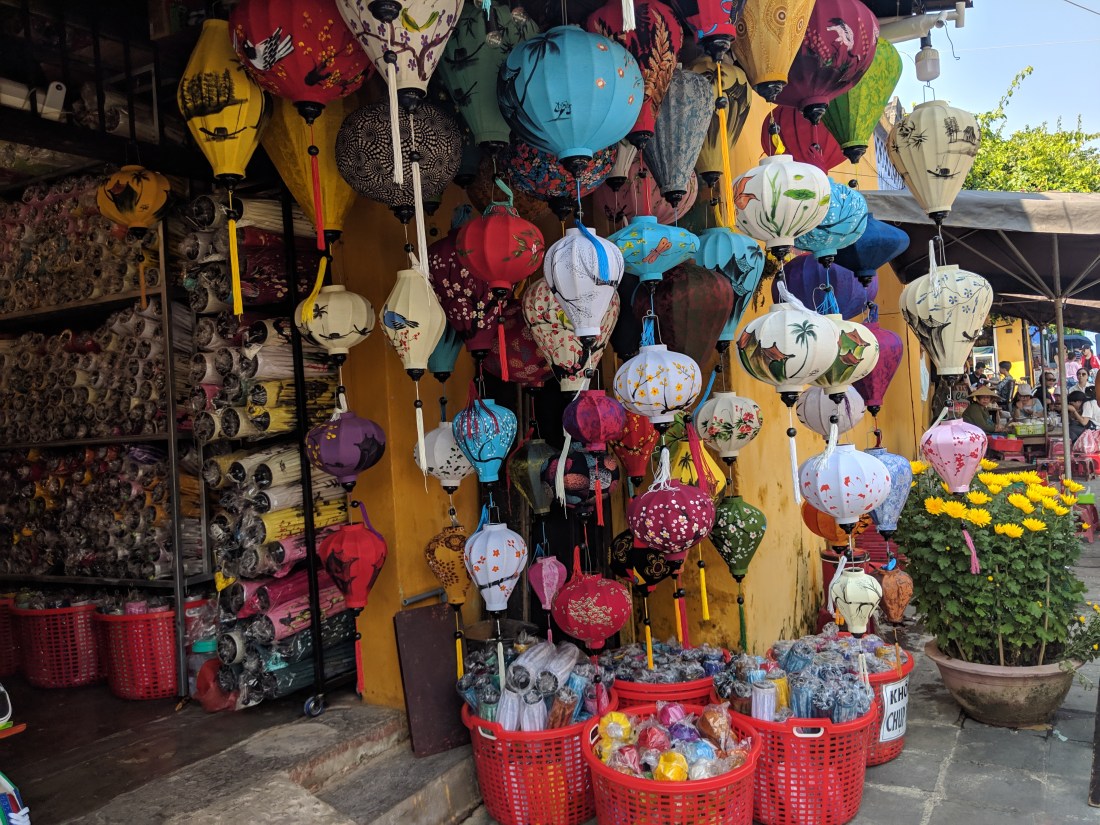

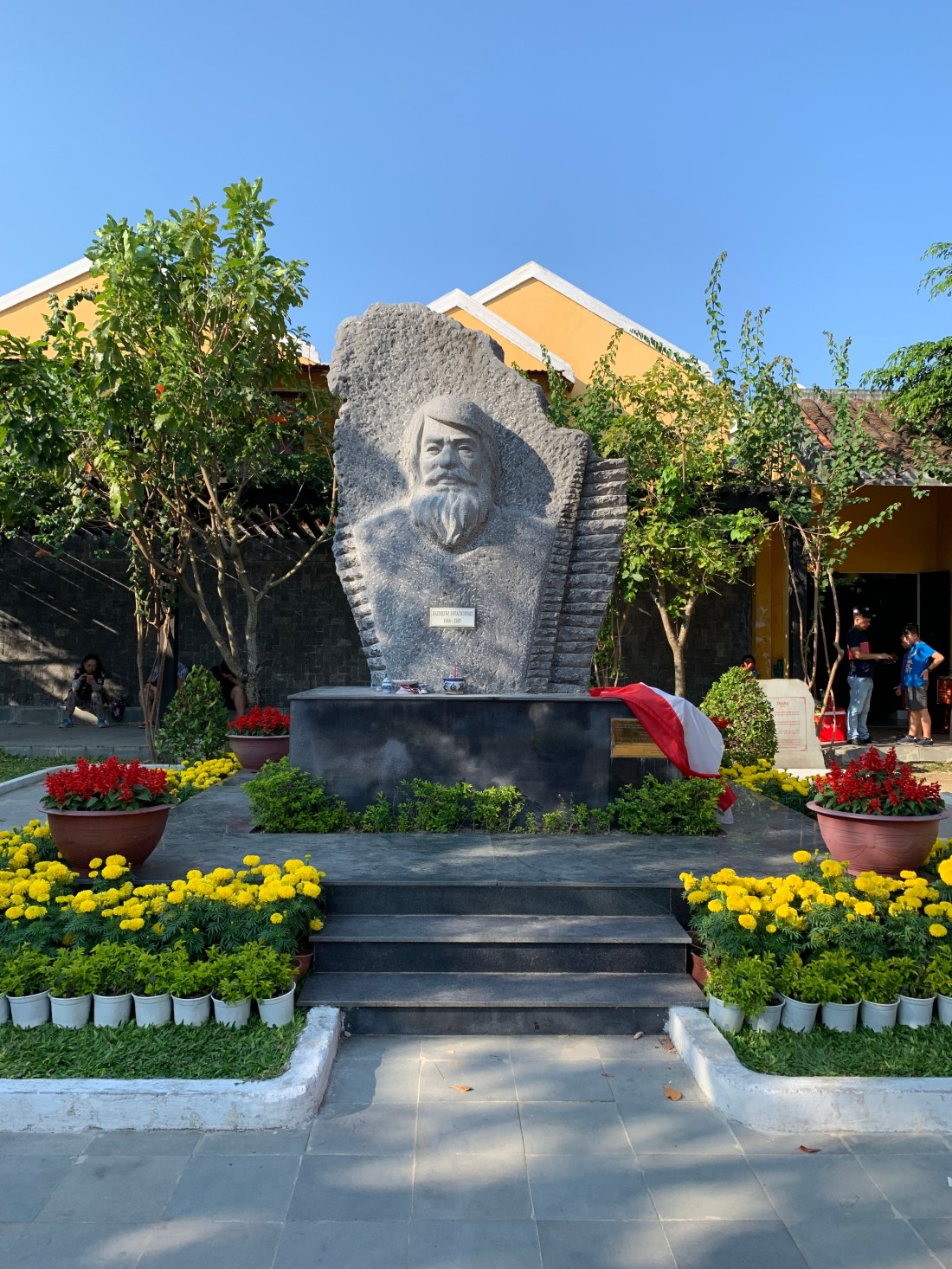
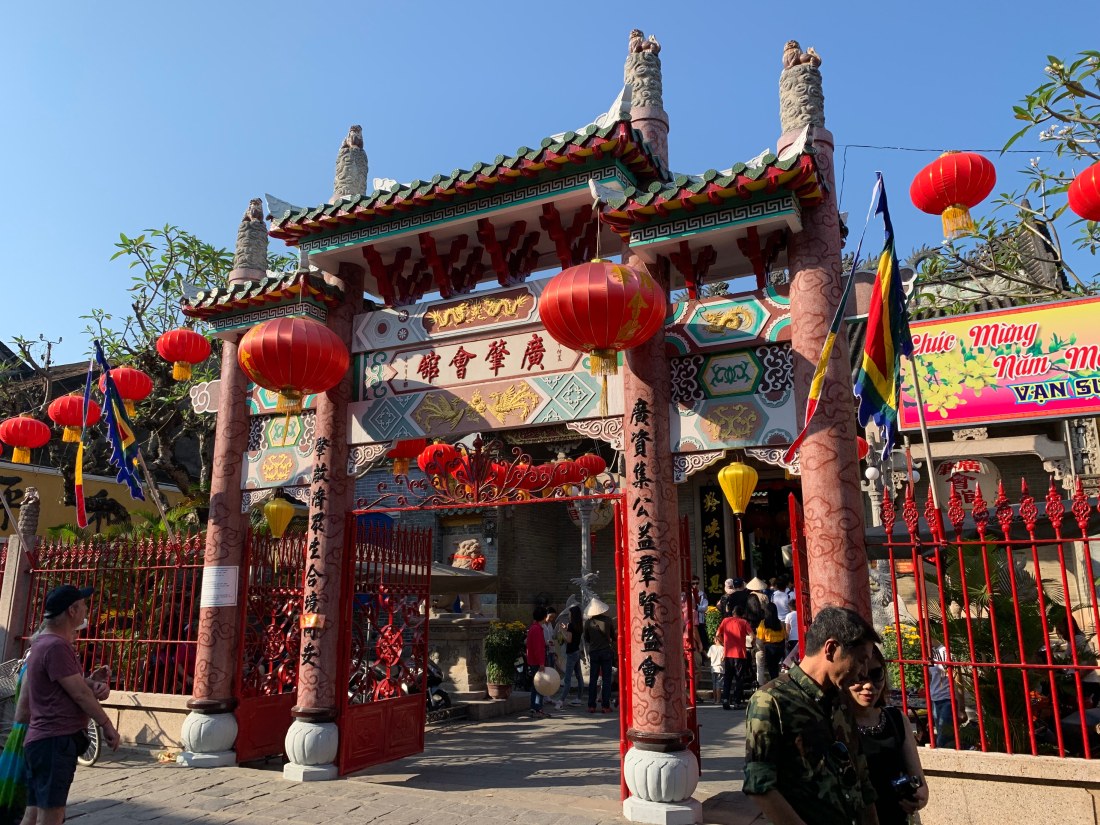
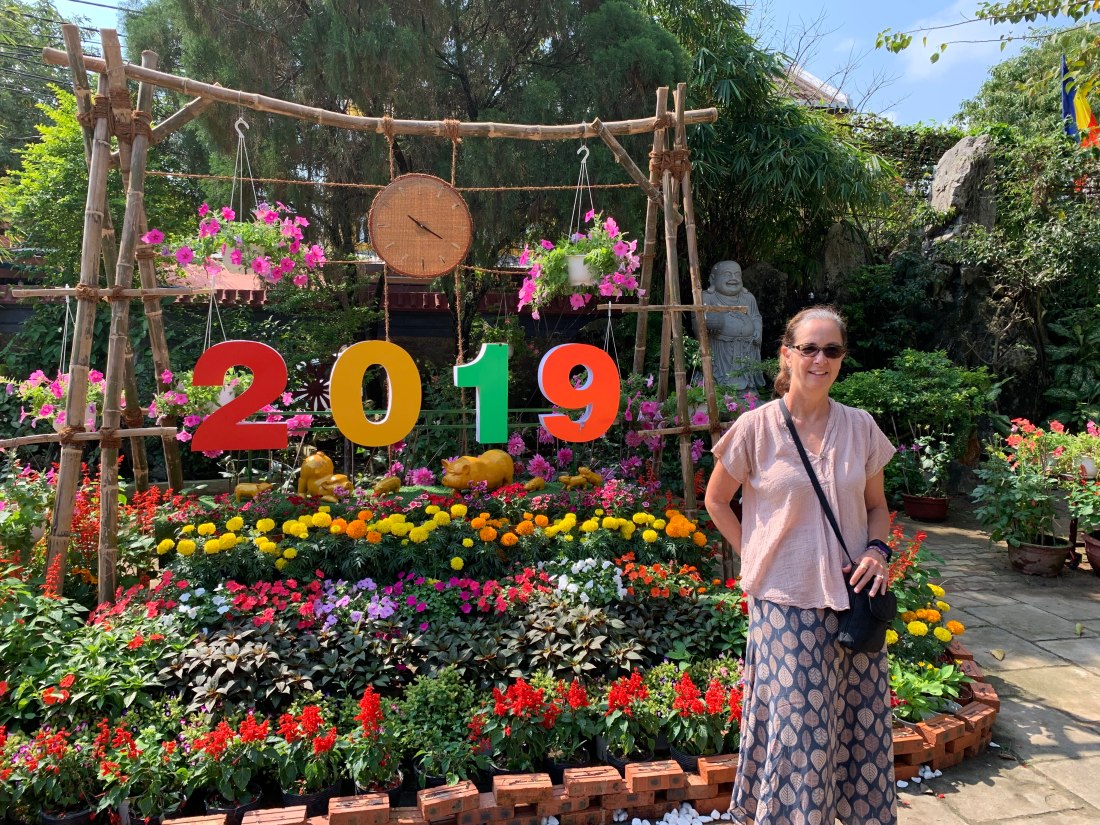
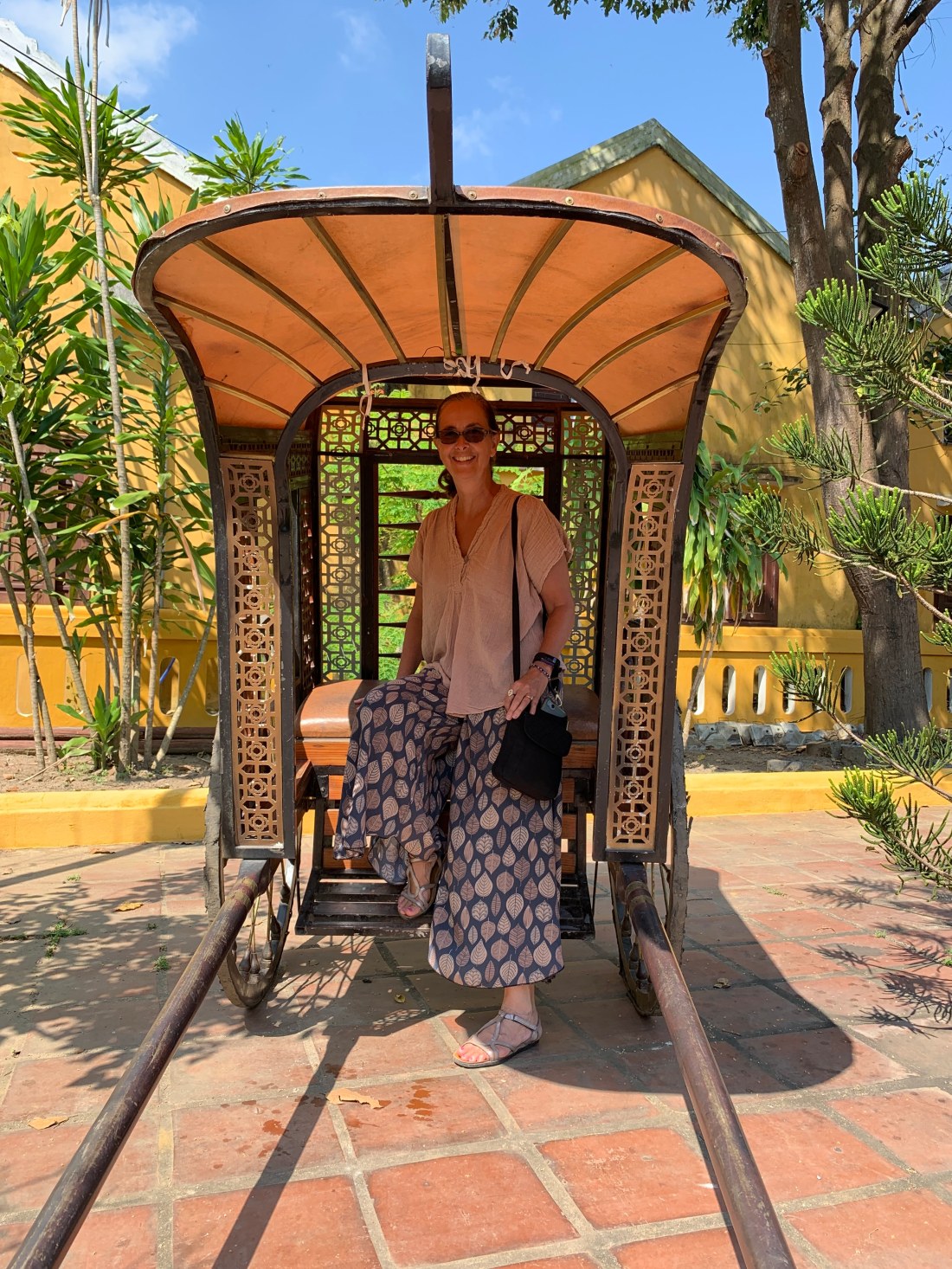




The Japanese Bridge, a wooden structure built in the late 17th century, is the only covered bridge known to have a Buddhist temple on the side.

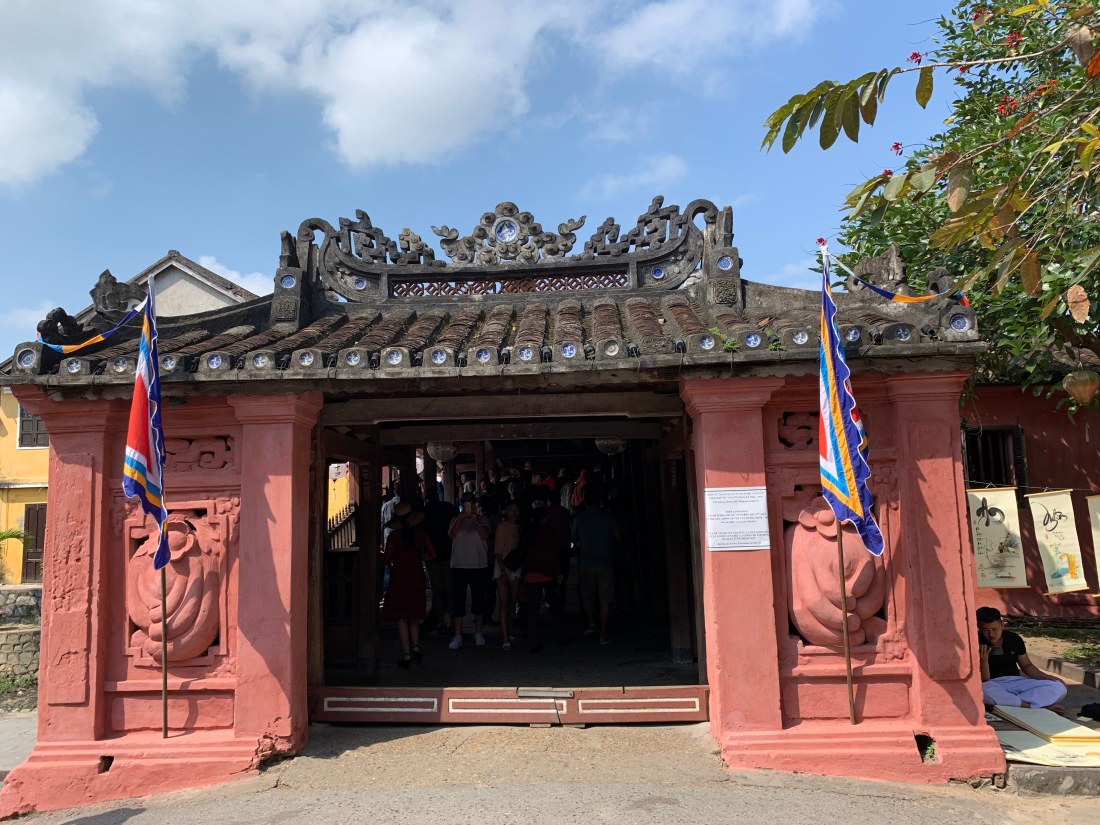
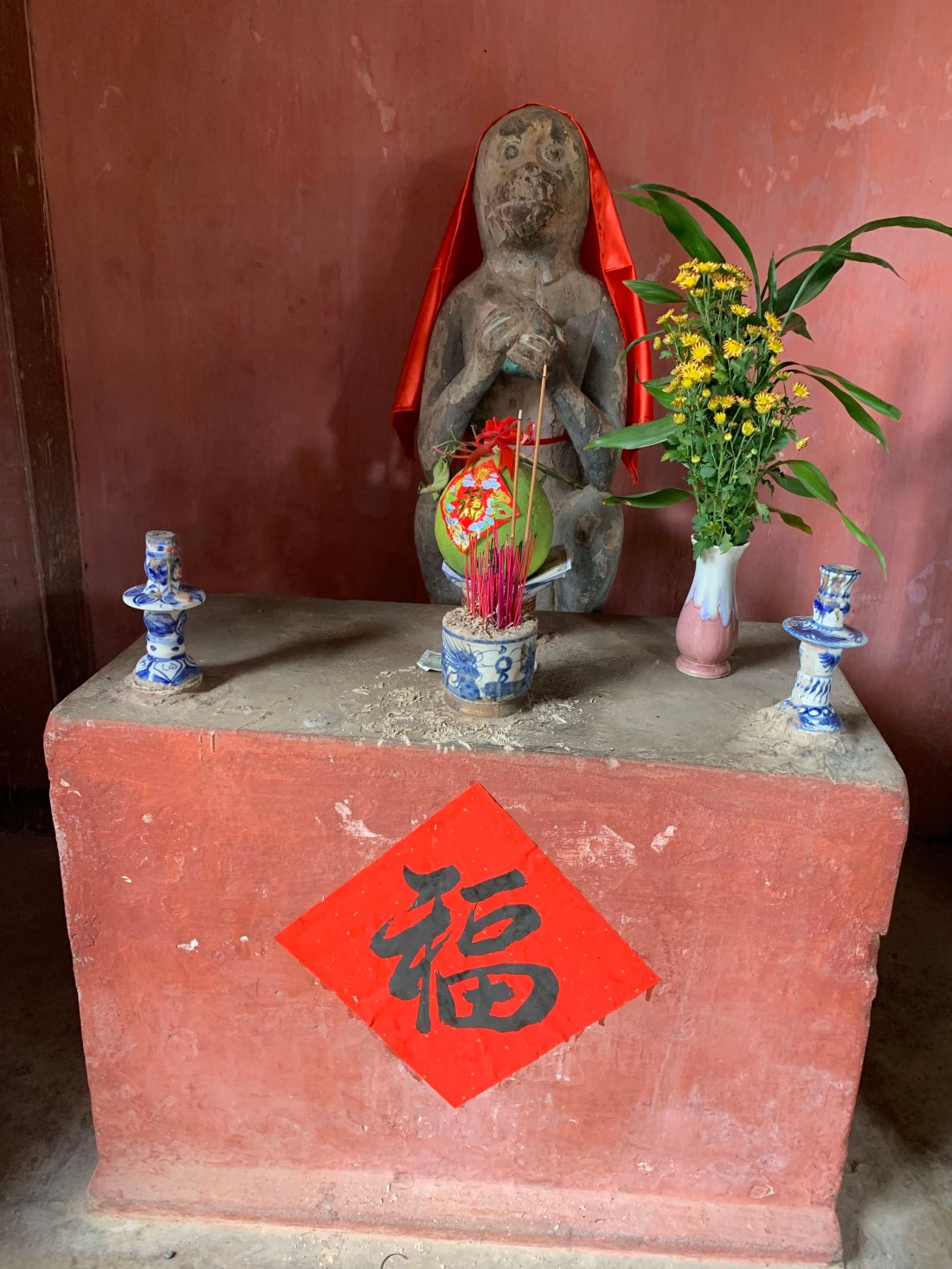
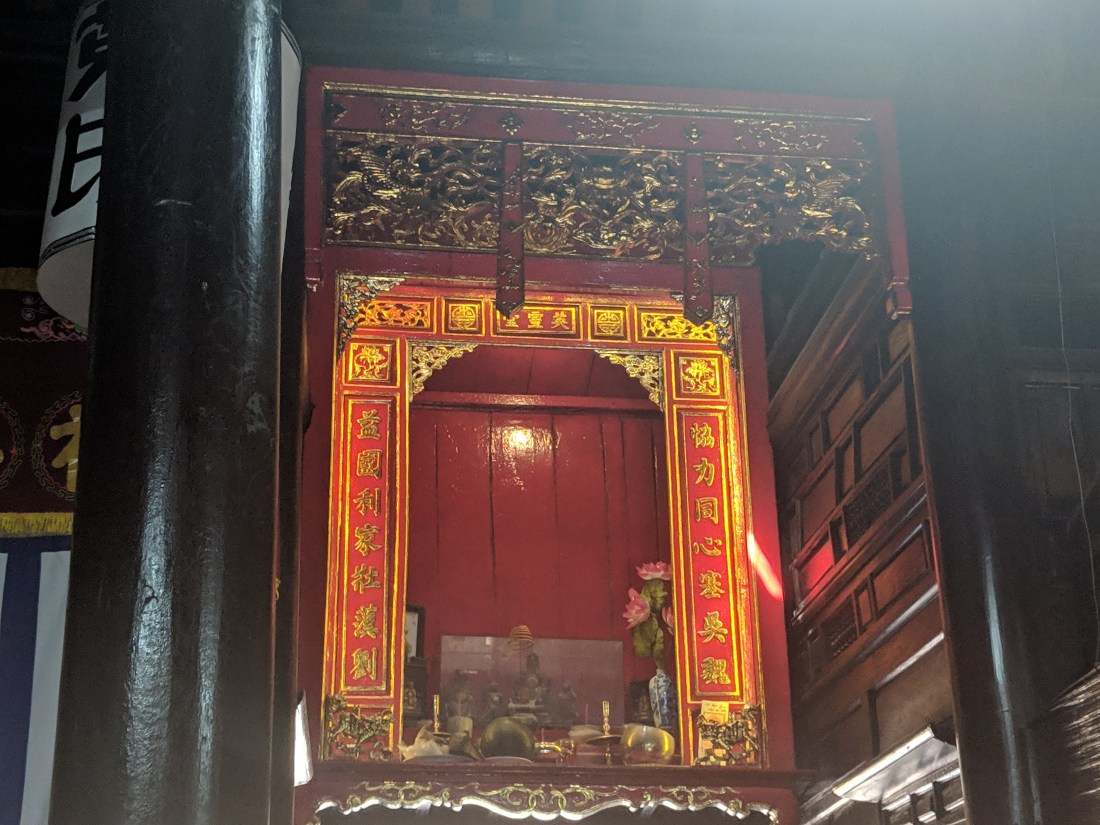
The canals run to the sea historically carrying trade goods: ceramics, spices, and silk.

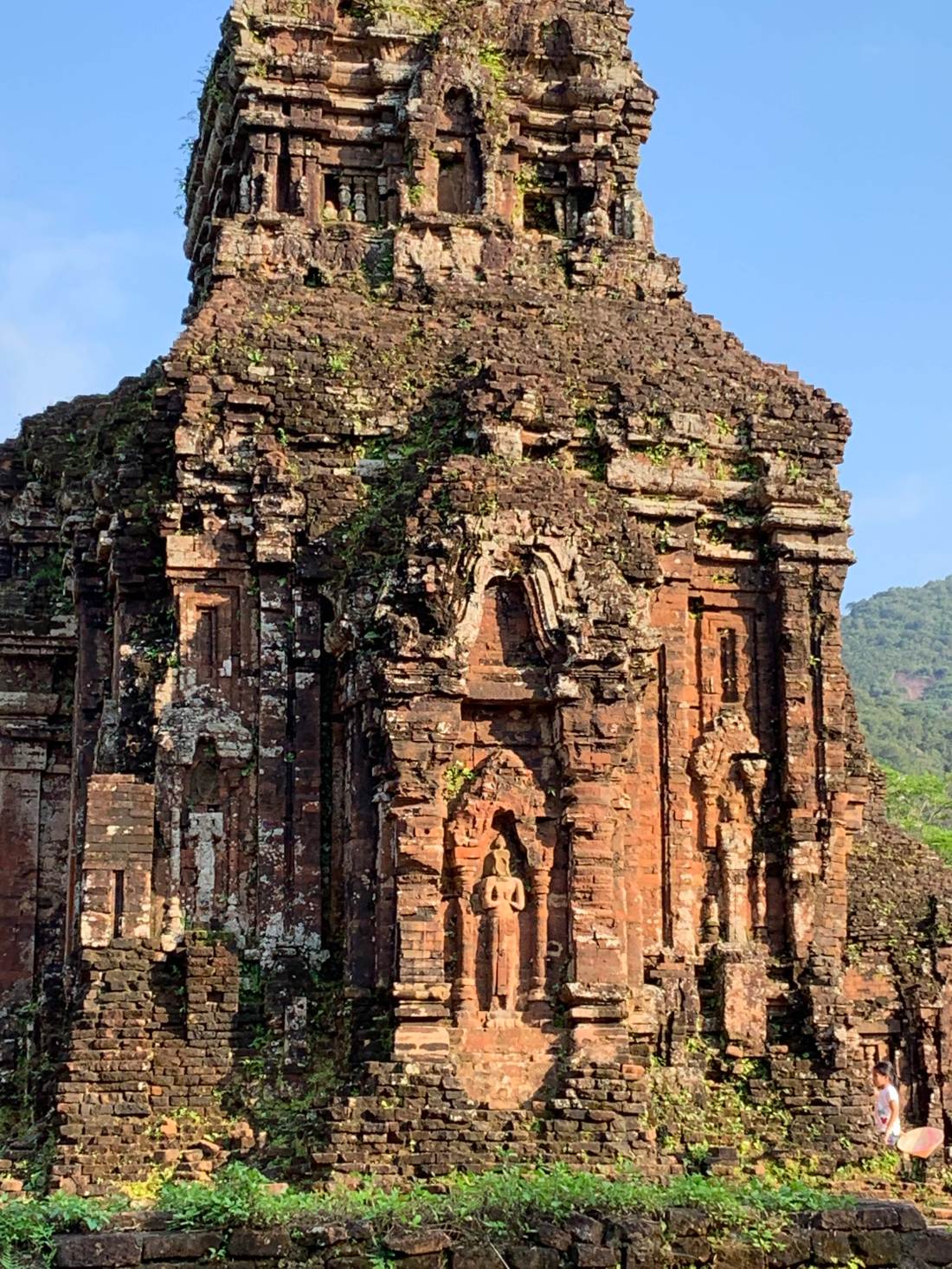
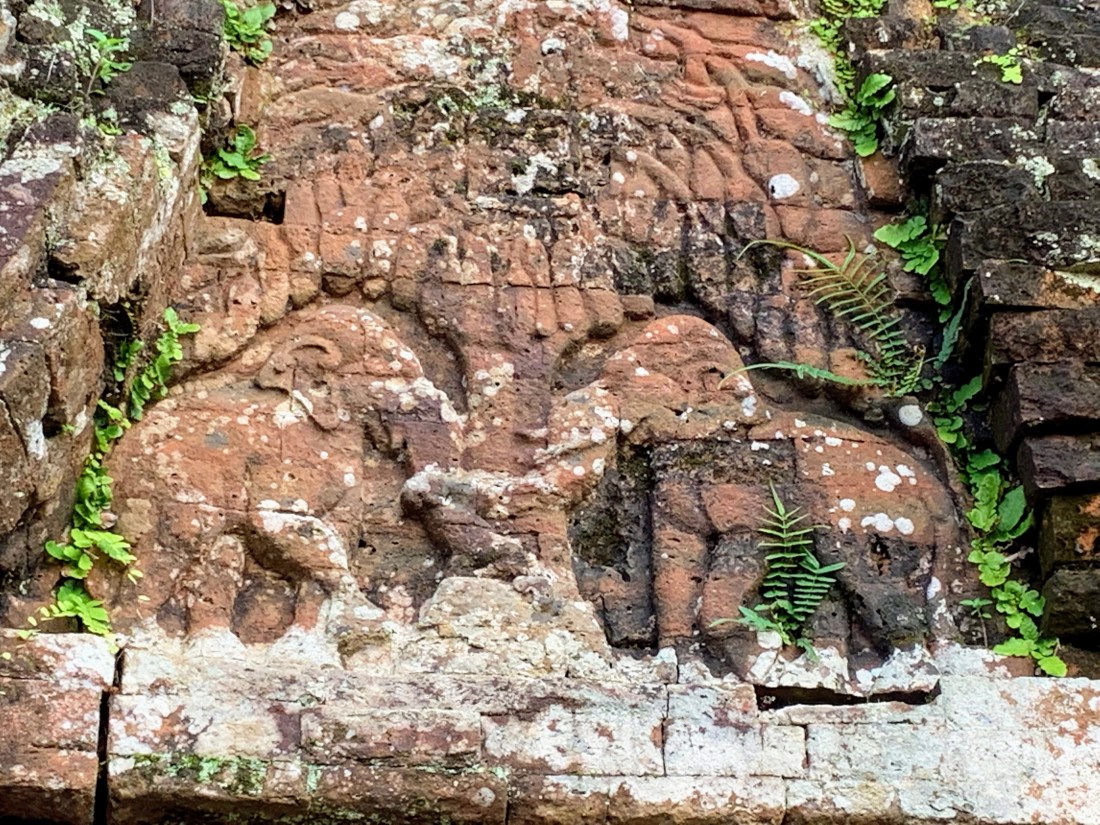
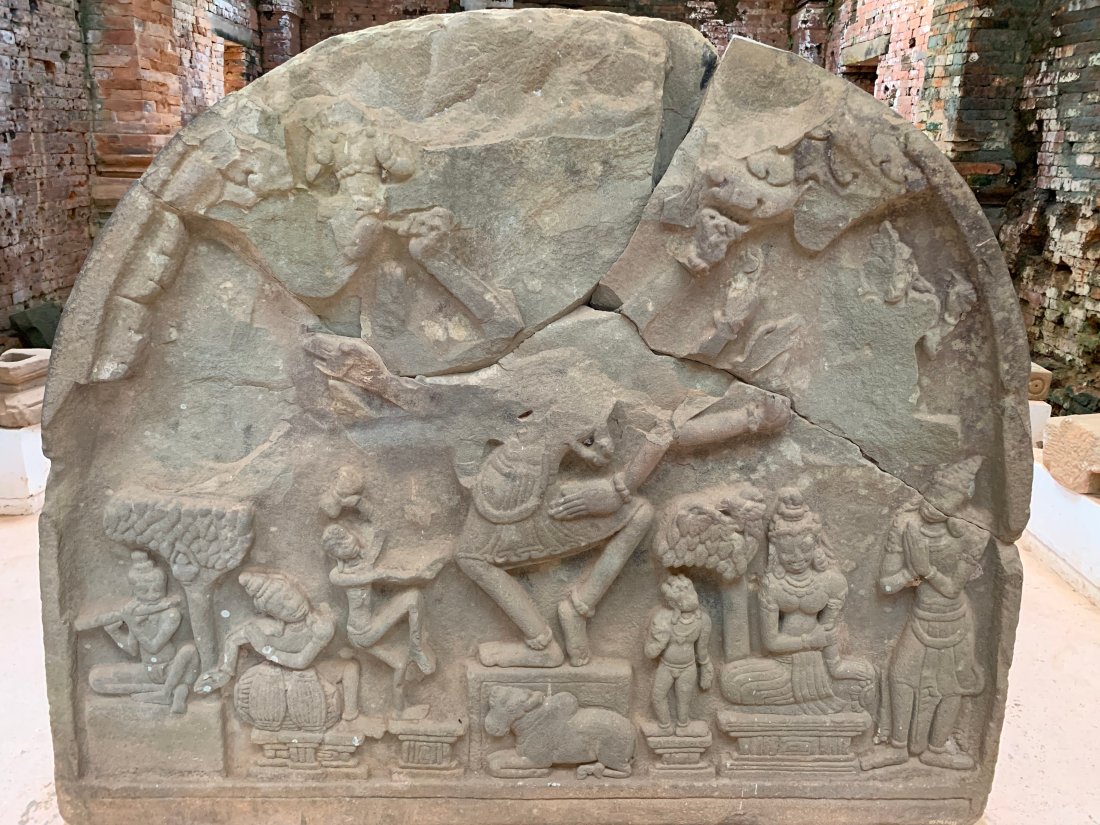
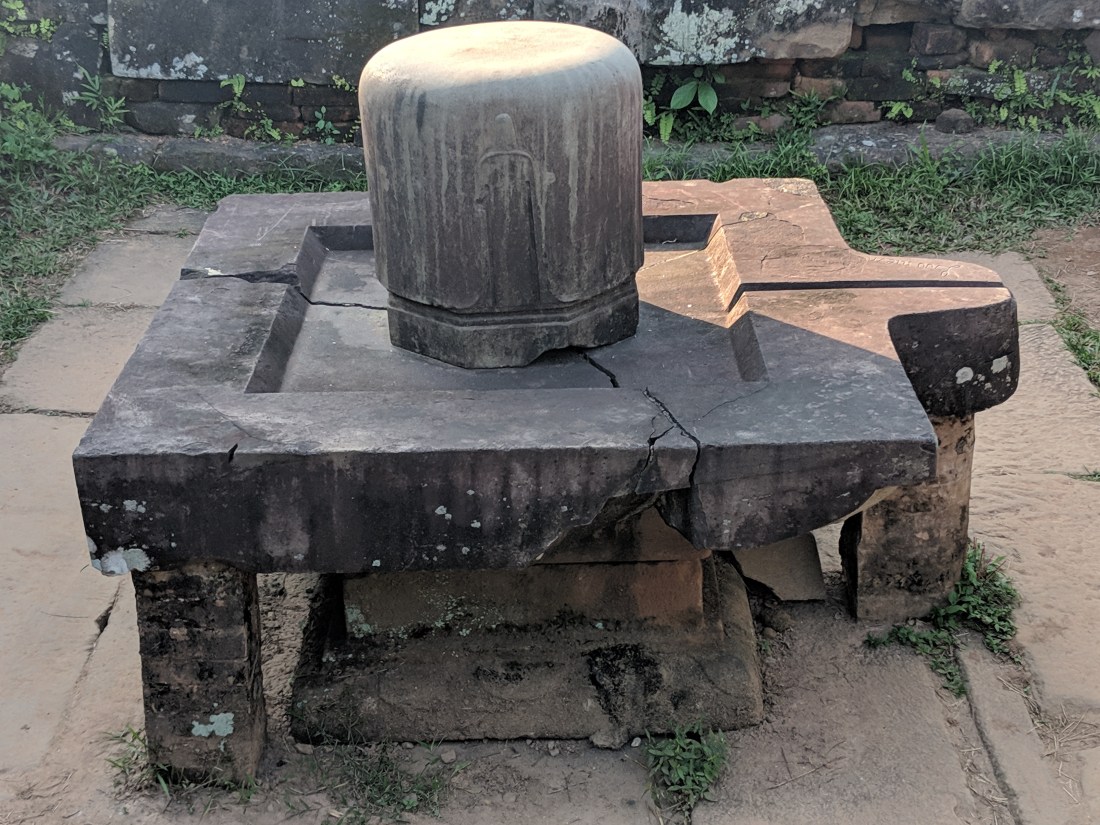
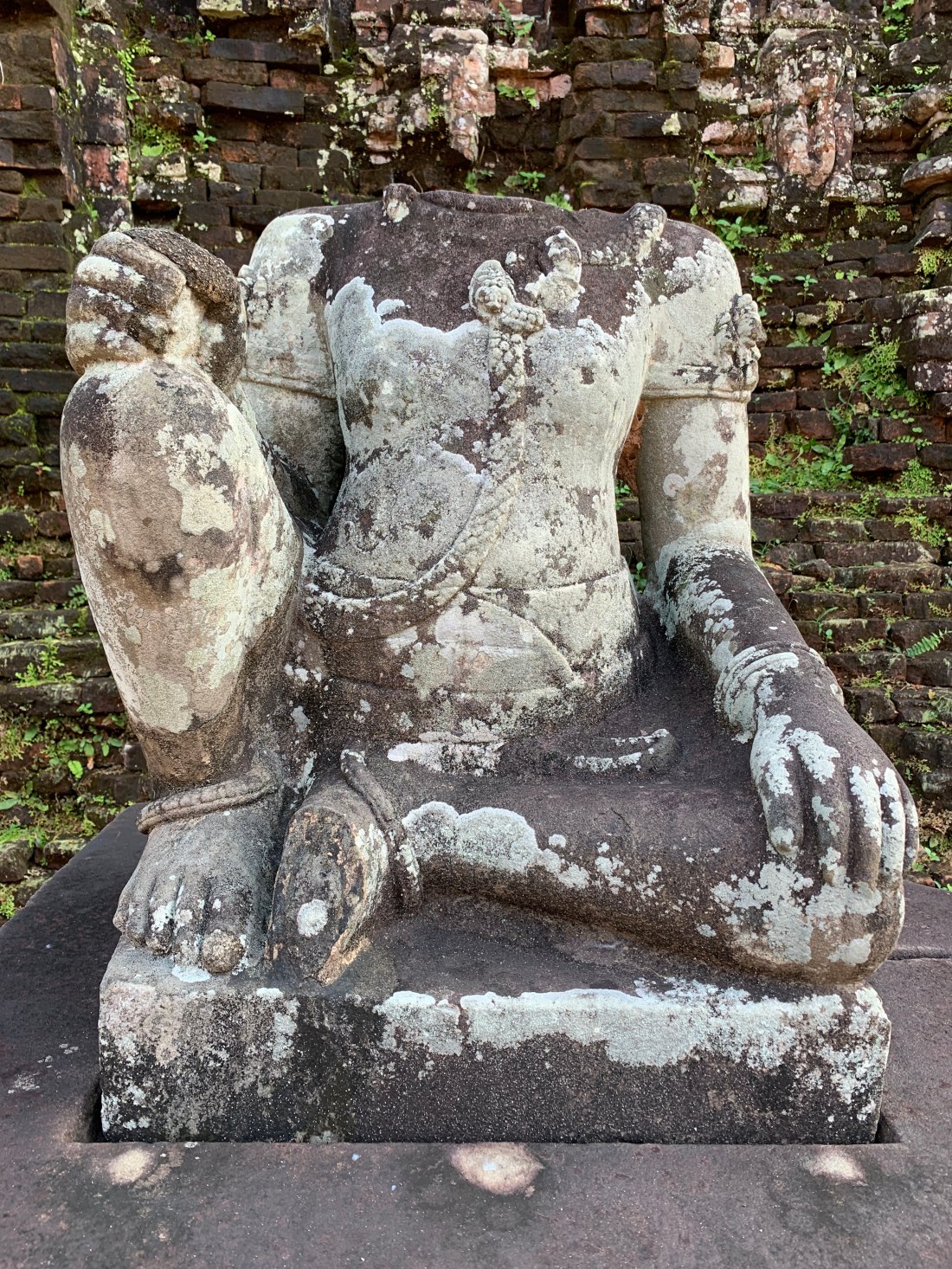
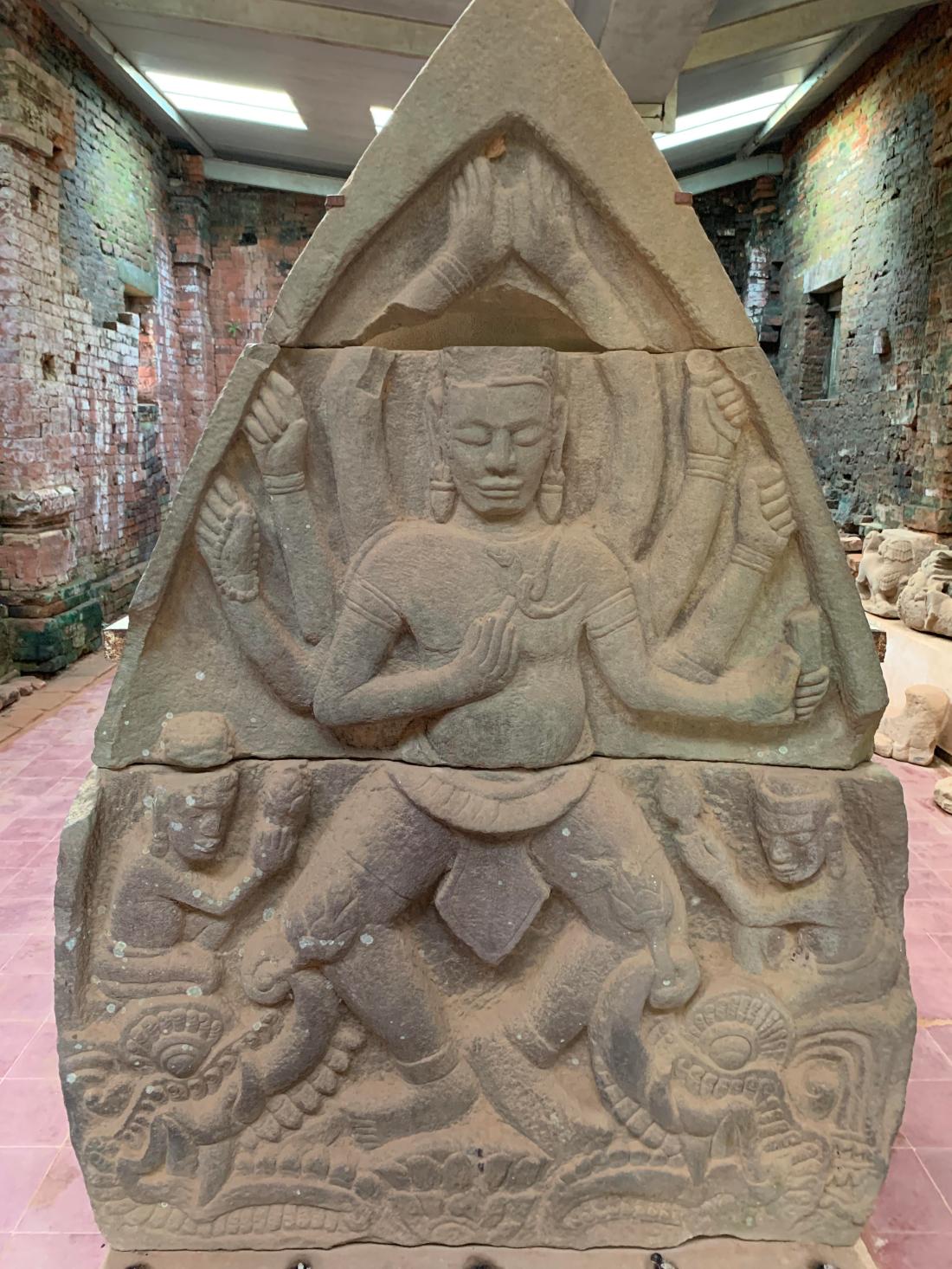
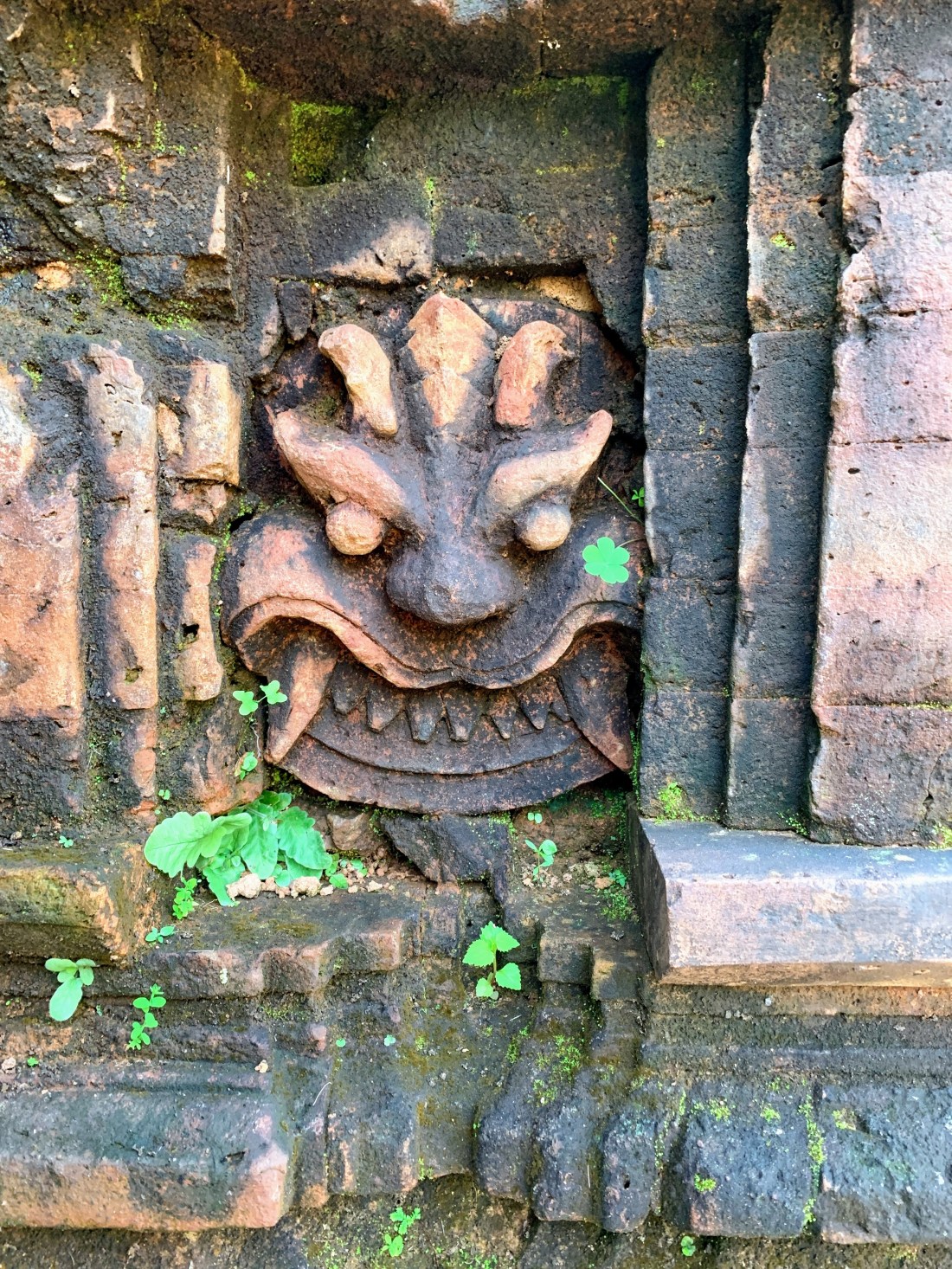
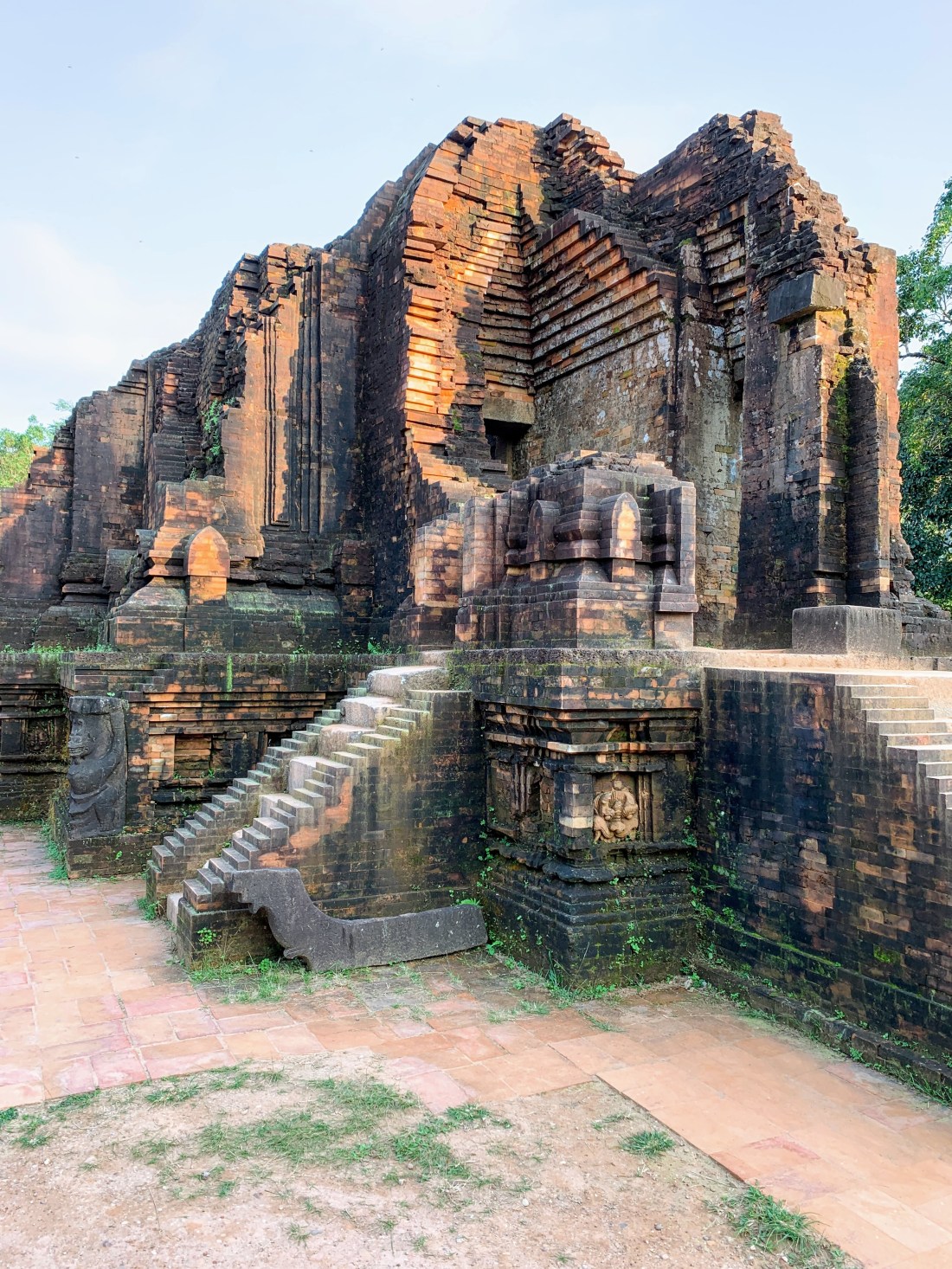
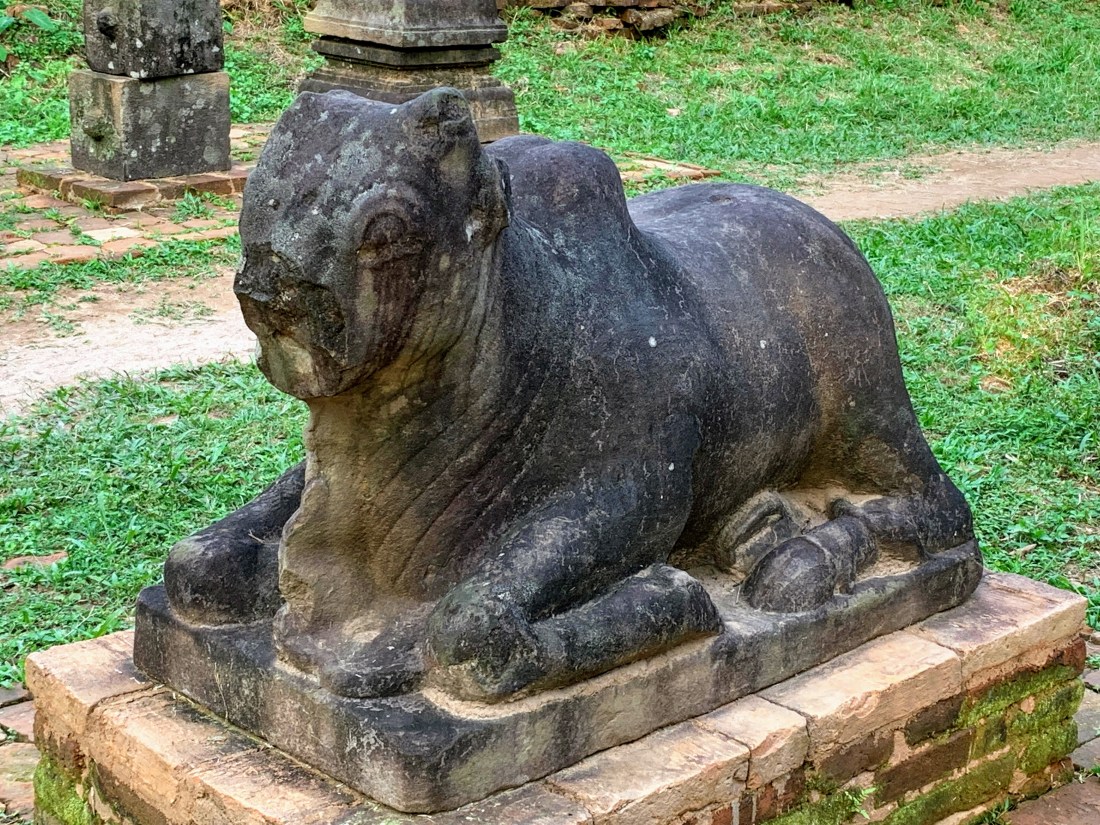
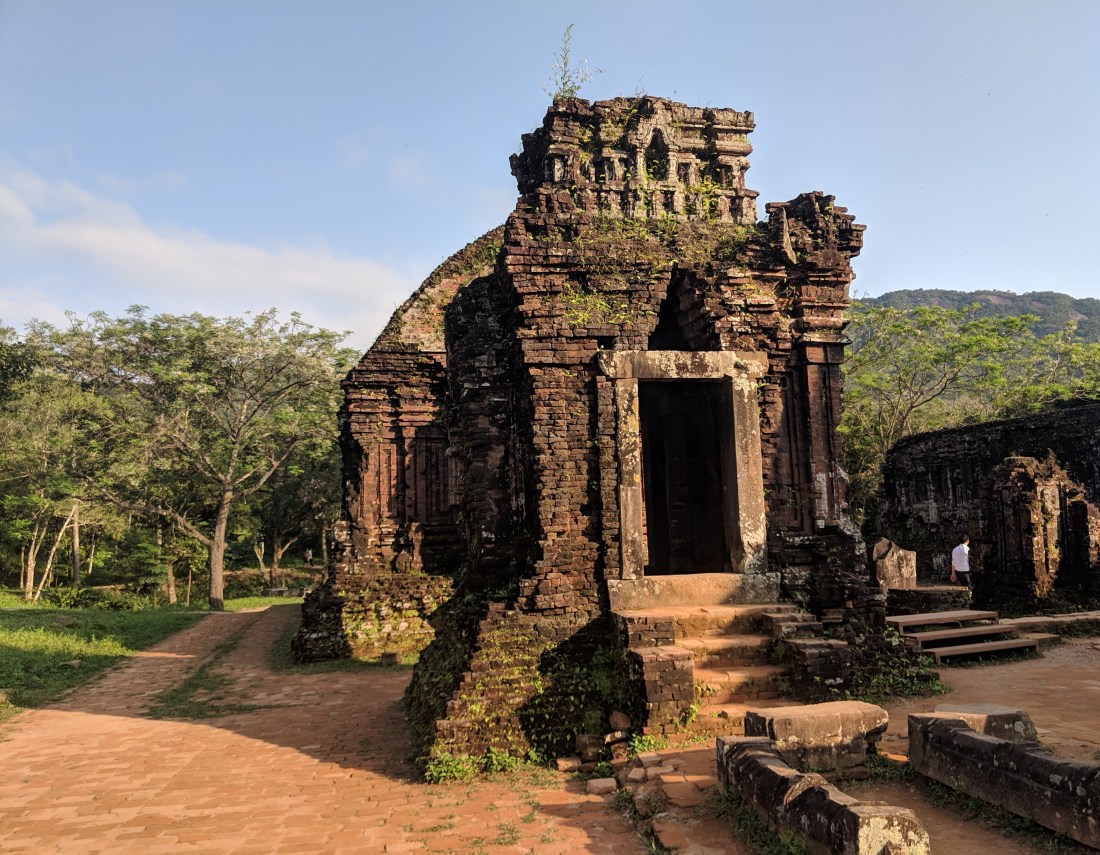
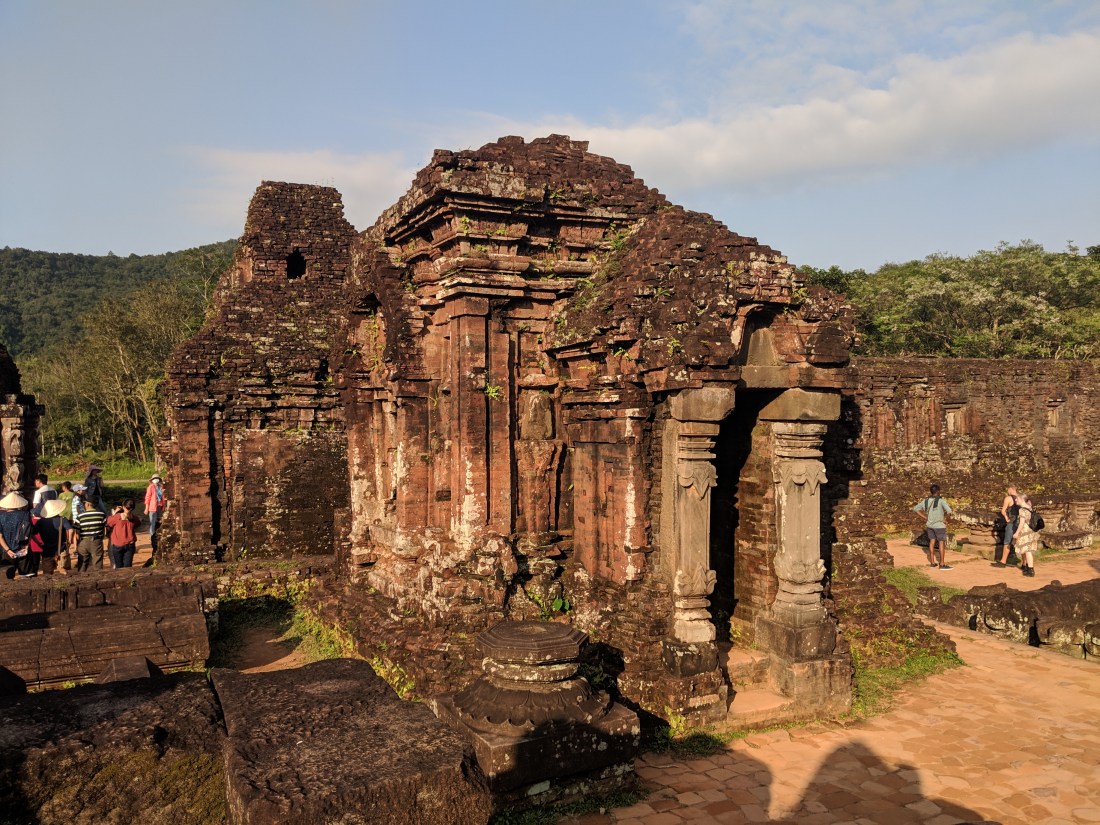
One day we visited My Son (Beautiful Mountain). The area of Vietnam from Hue south was controlled by the Cham (people of the Champan Empire, originally Malayo-Polynesian, originally from India) from the 7th to the 10th centuries before taken over by the Khmer. (the north by the Viet peoples of Chinese descent). My Son is the grouping of temples built by the Cham for Hindu gods, mostly Shiva, between the 7th and 10th centuries, 300-400 years and more before Angkor Wat! Most of the temples are in ruins today because the Viet Cong hid there during the war, and the Americans bombed the site extensively. Currently India has pledged 30 million USD for reconstruction.






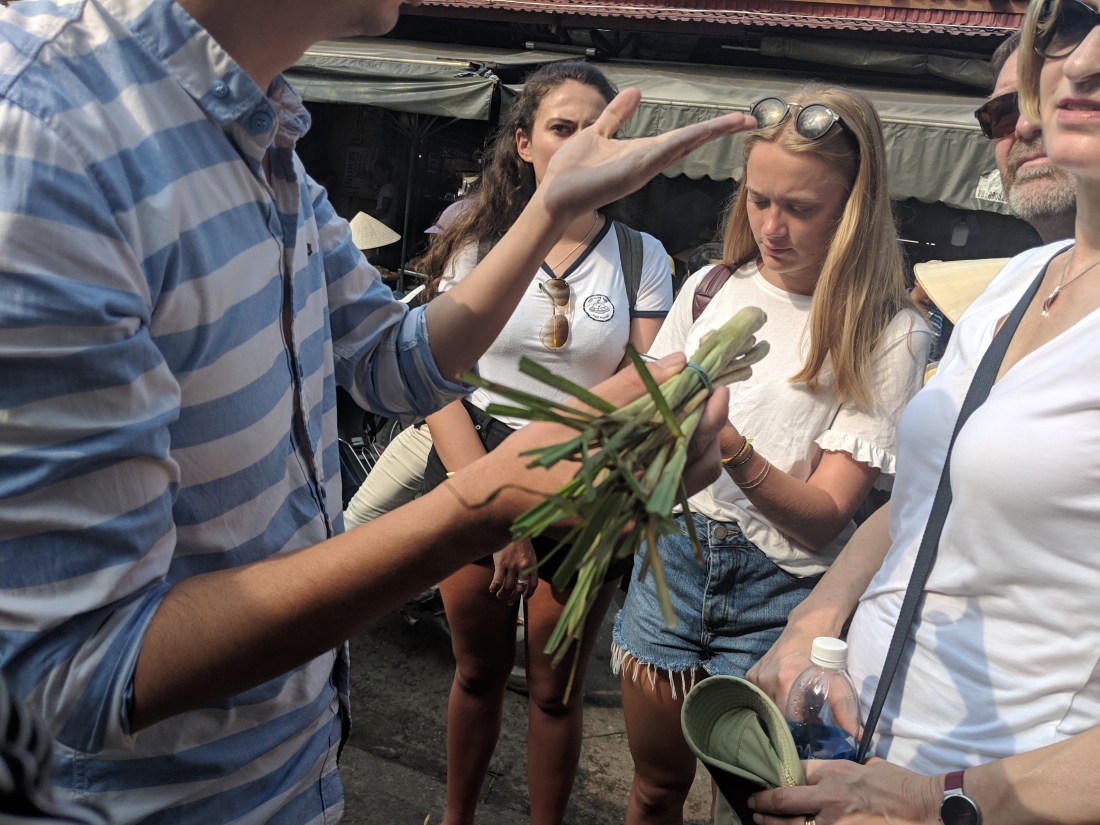
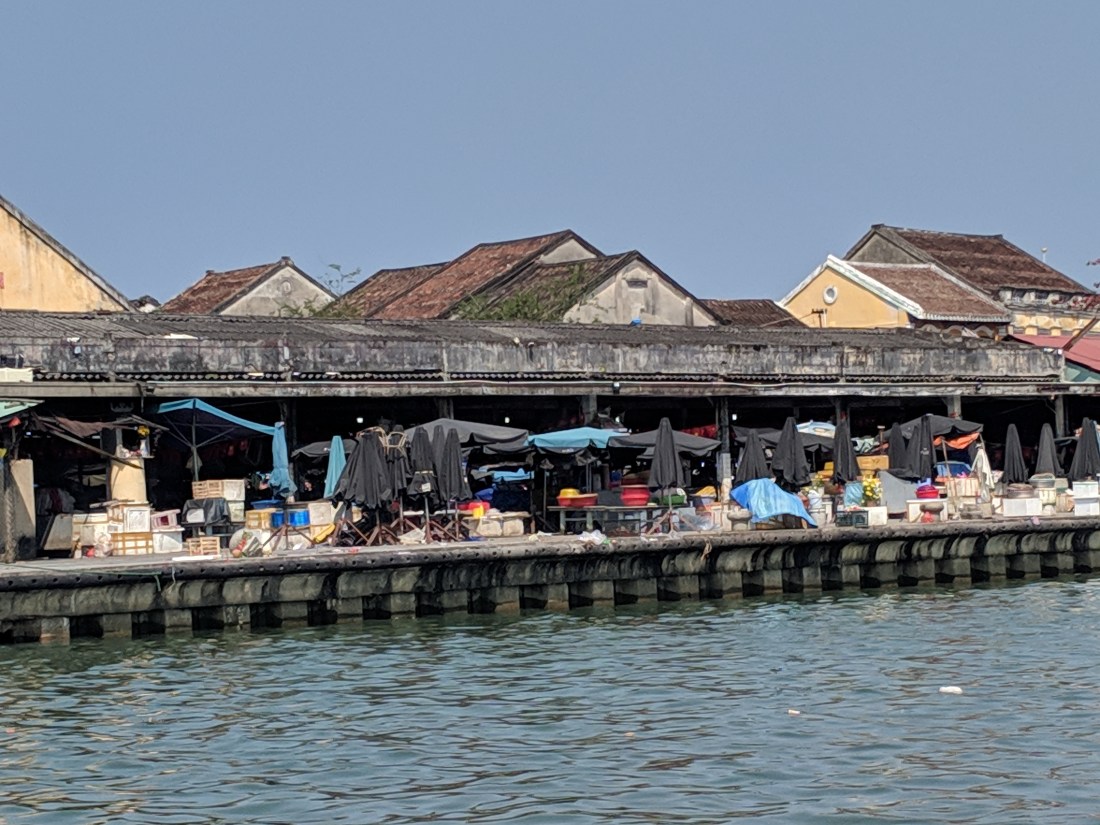
And of course we went for a Vietnamese cooking class with the requisite trip to the market and a boat ride on the Thu Bon River.



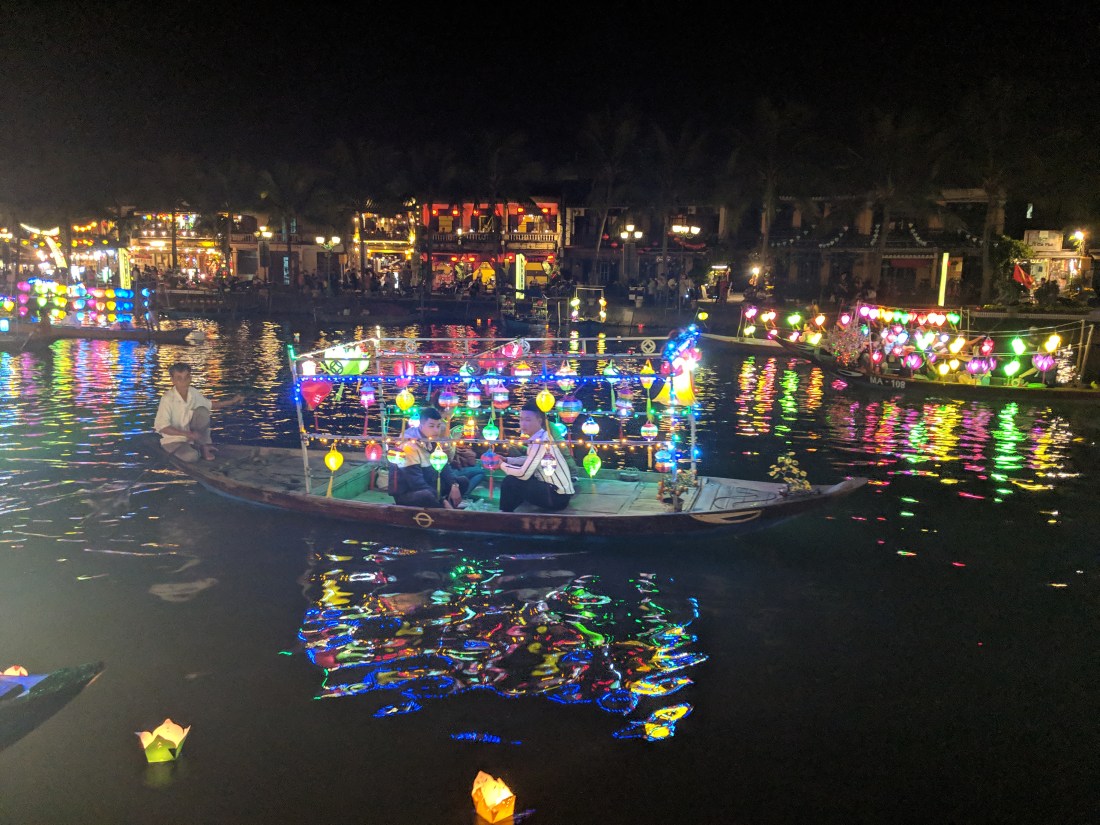
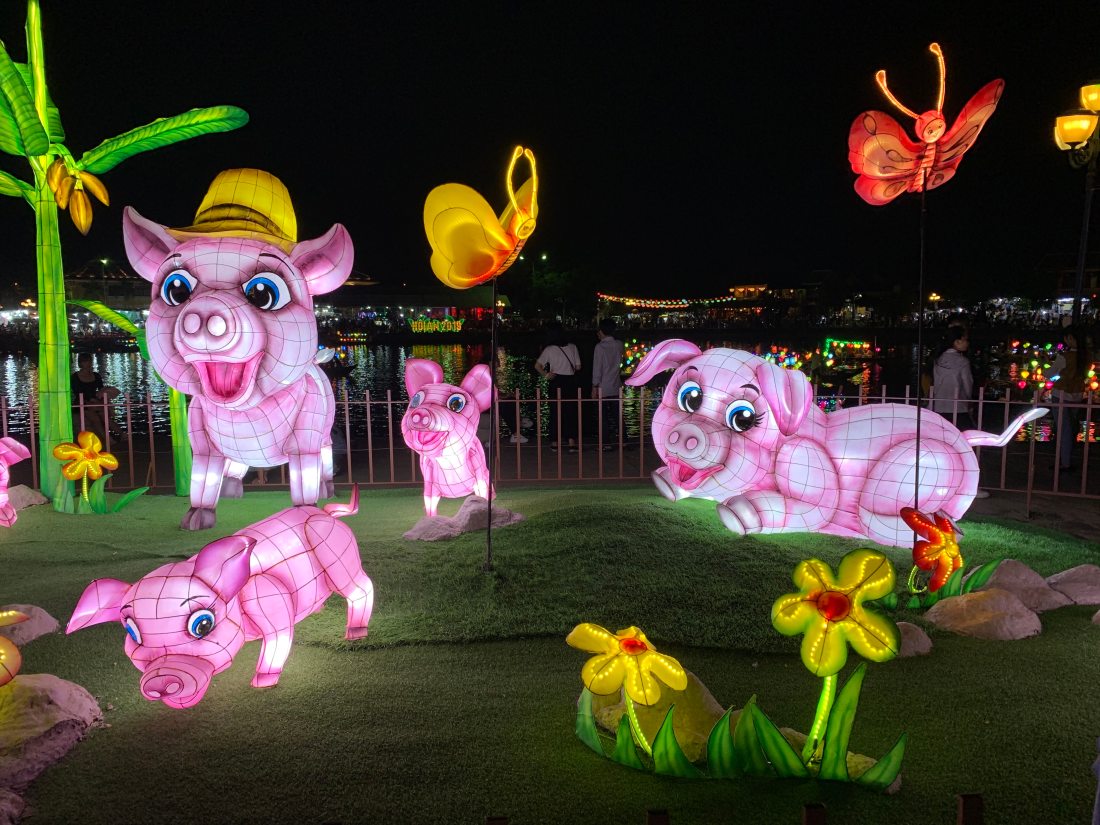
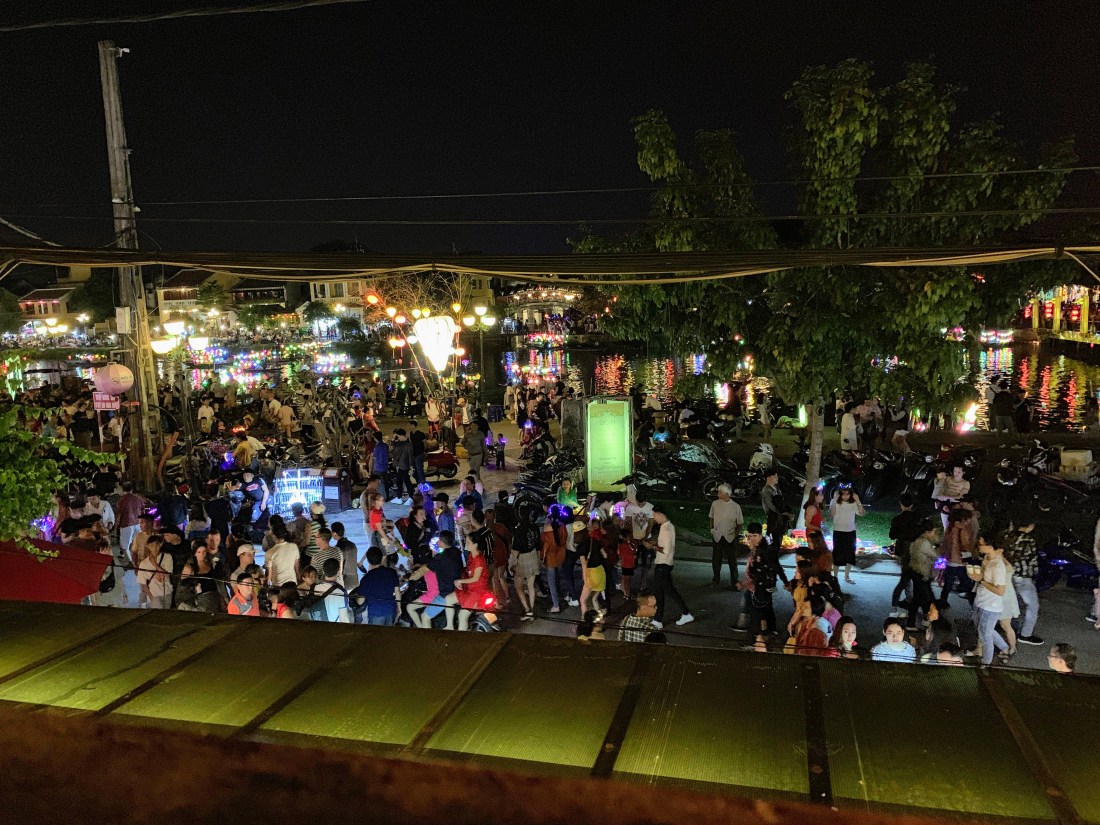
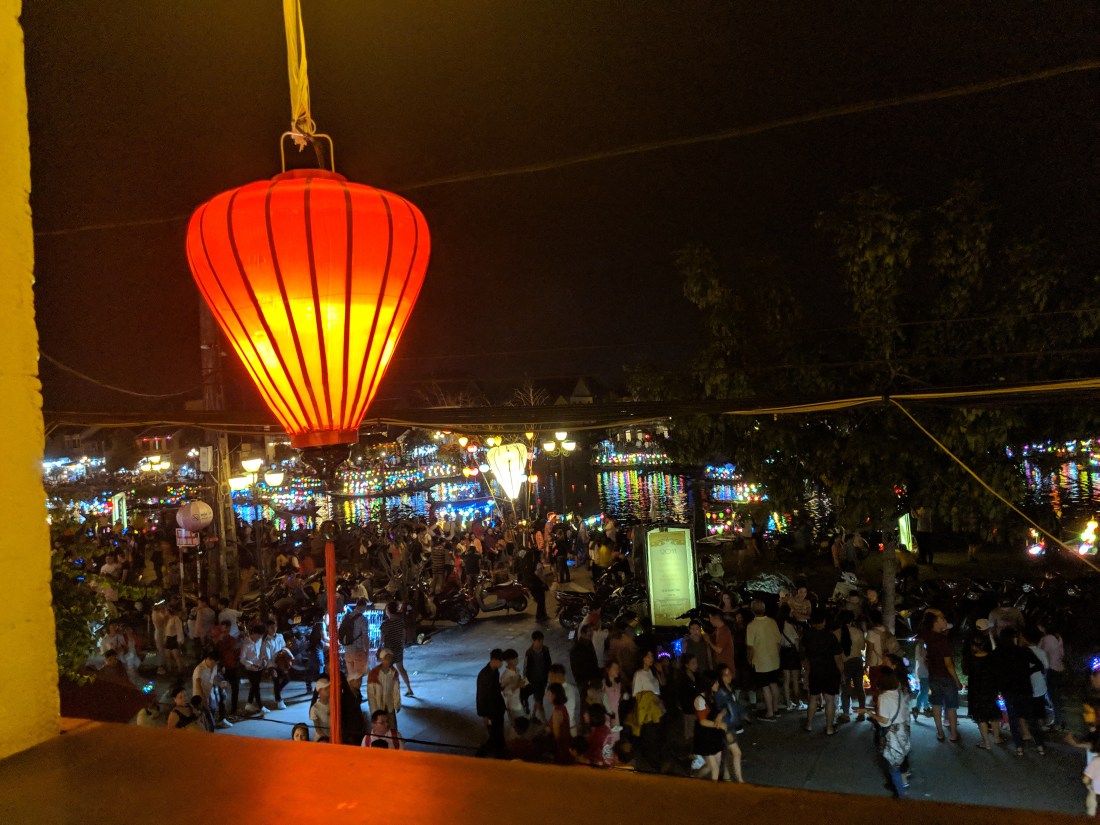
As much fun as Hoi An is by day, at night it lights up, literally! And the New Year crowds, OMG. I only hope the pictures can even slightly convey the enormity of the crowds, both Vietnamese and foreign tourists.
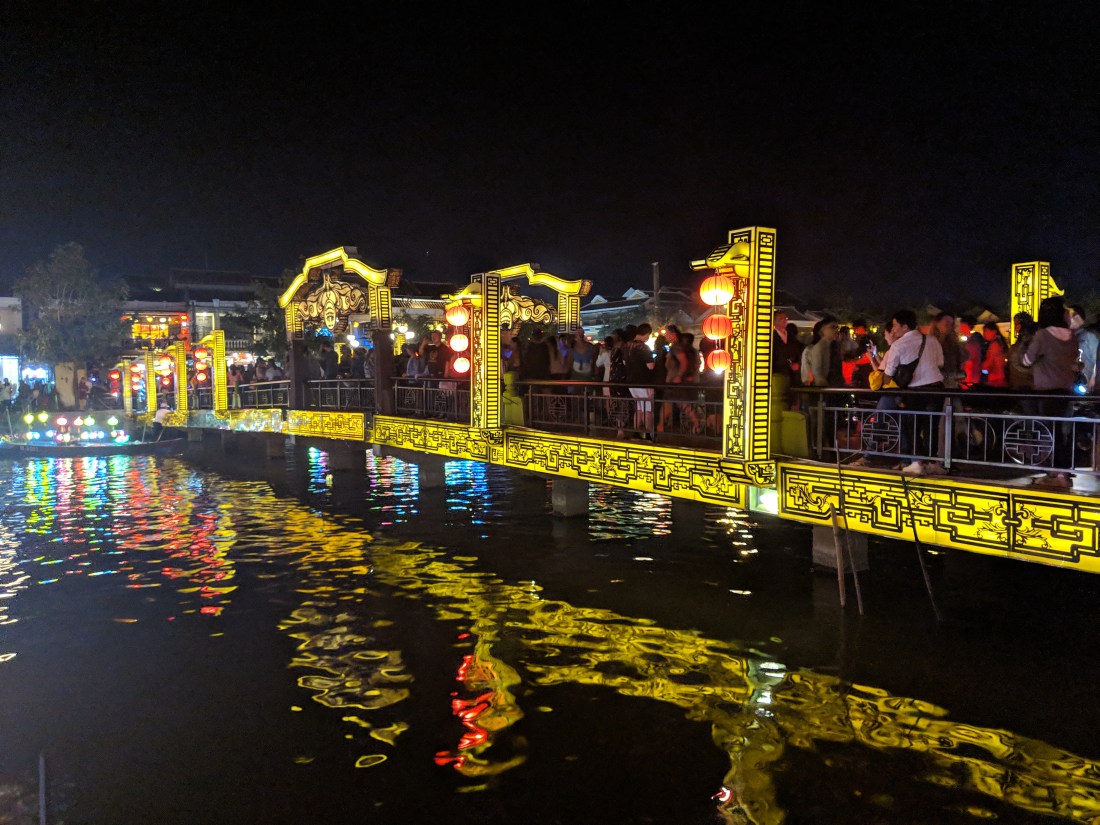
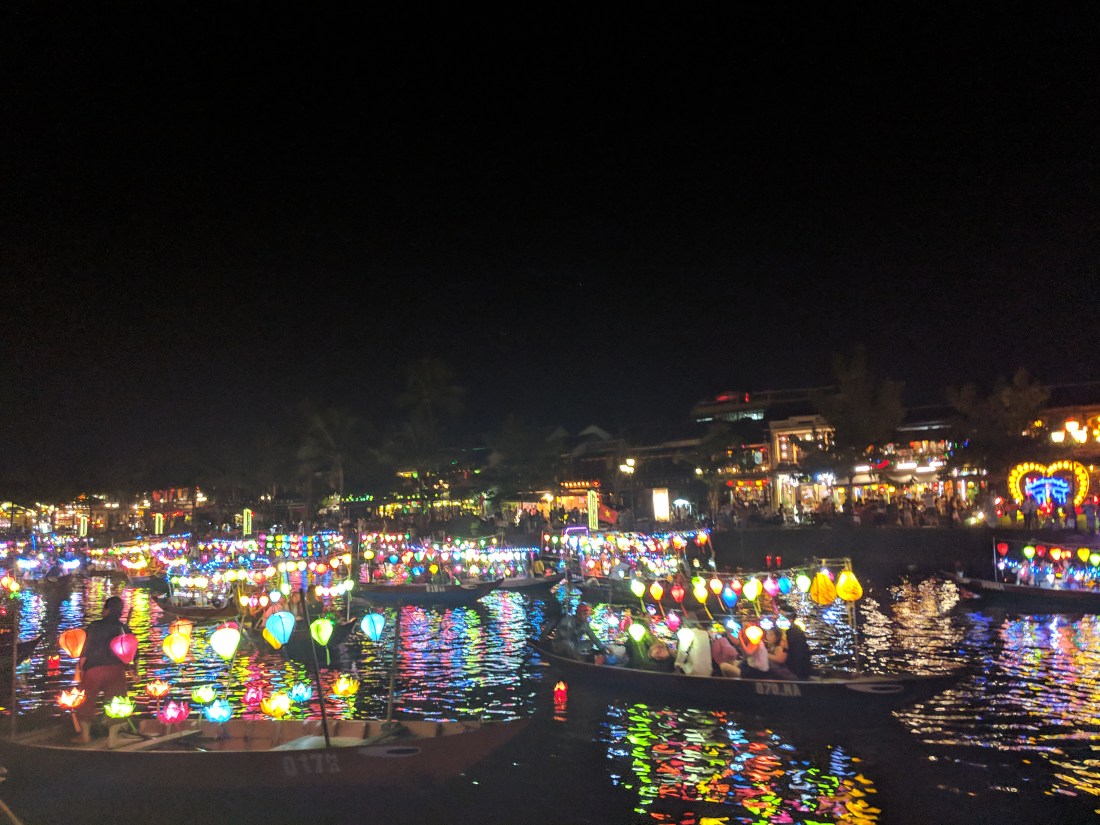
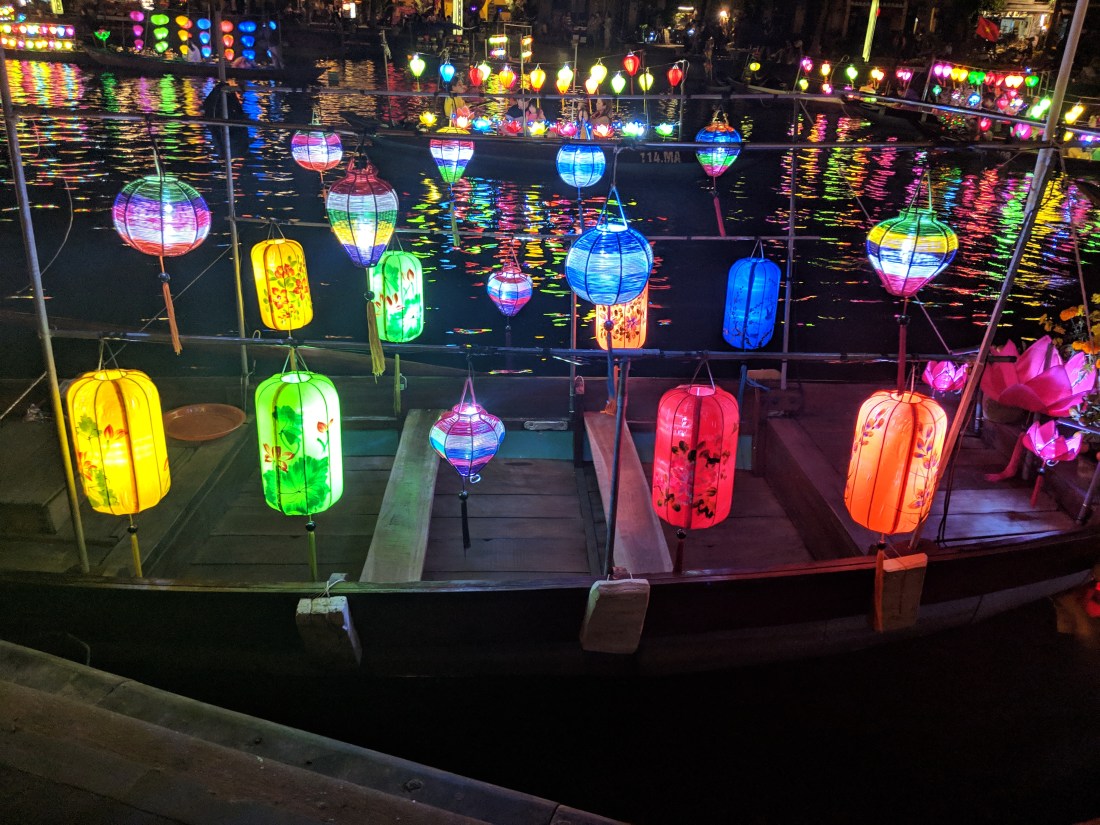

We spent our last day lazy on the beach, no pics.
 Jo & Eric's travels
Wow. The pineapple dish looks yummy. I like the long elegant dress if it isnt too costly. My yoga teacher will love the photo of shiva. Write on elizabeth gilbert!
LikeLike
These may be your most spectacular pictures yet!!!
LikeLike