
We arrived in Hong Kong airport and transferred directly to Macau, a process made super easy since we did not need to go through immigration or customs in Hong Kong; our luggage was transferred directly to the ferry for us! We literally flew over the water on a turbojet ferry and arrived in Macau a little over an hour later.

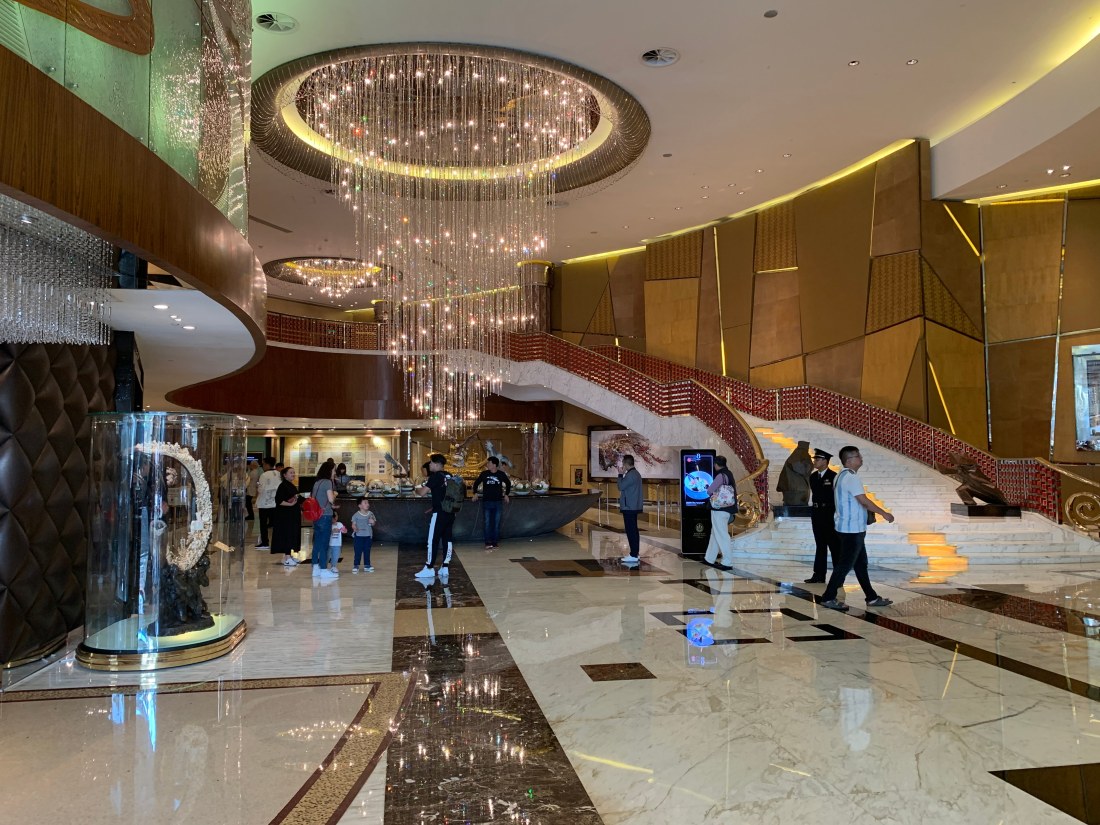
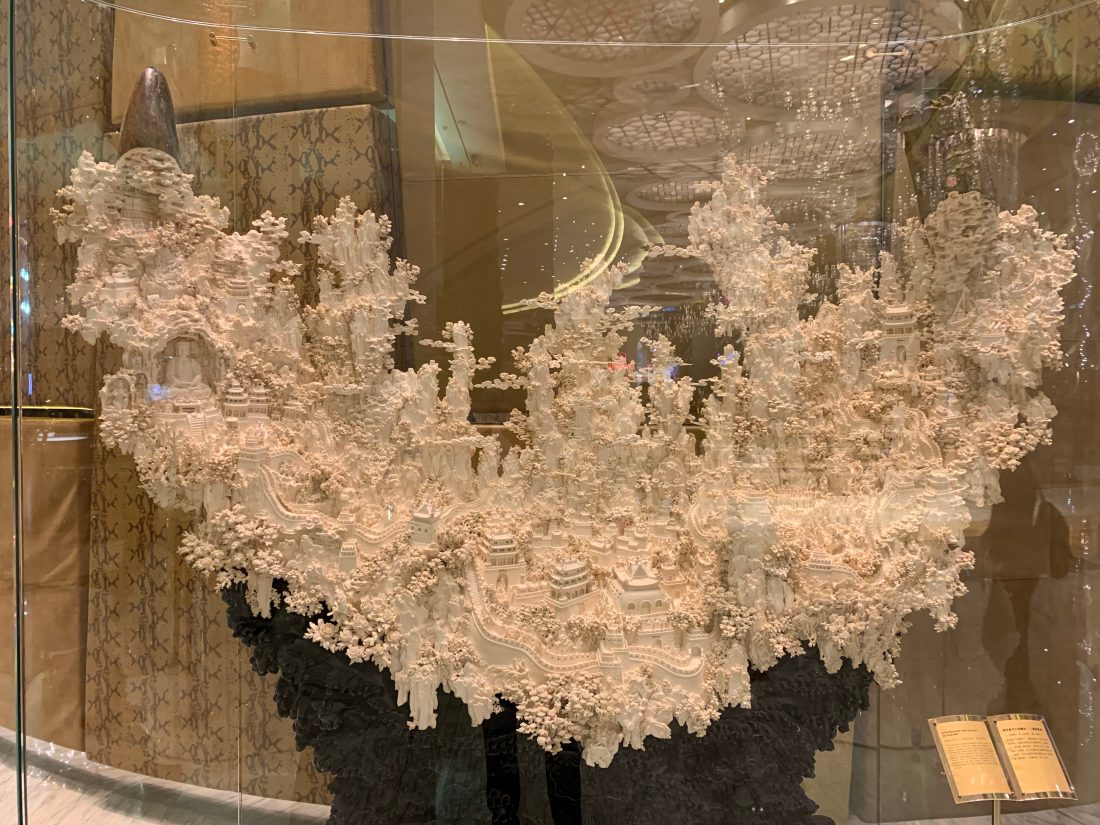
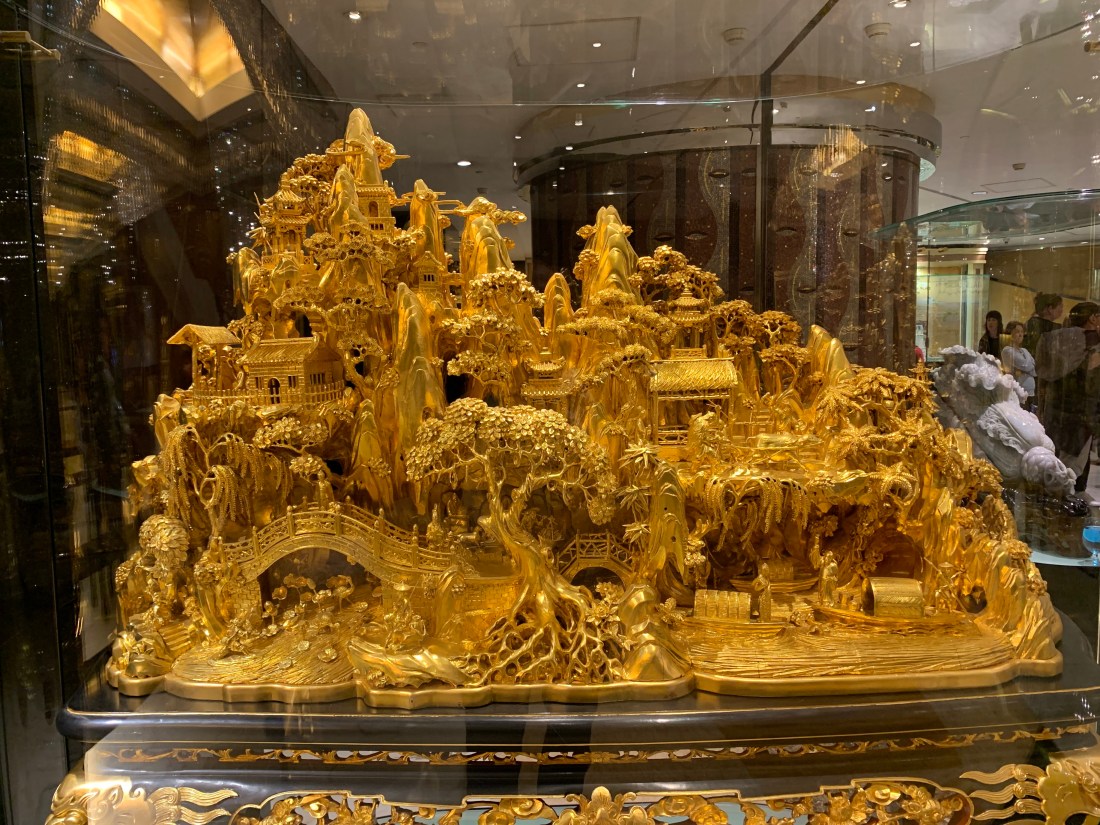
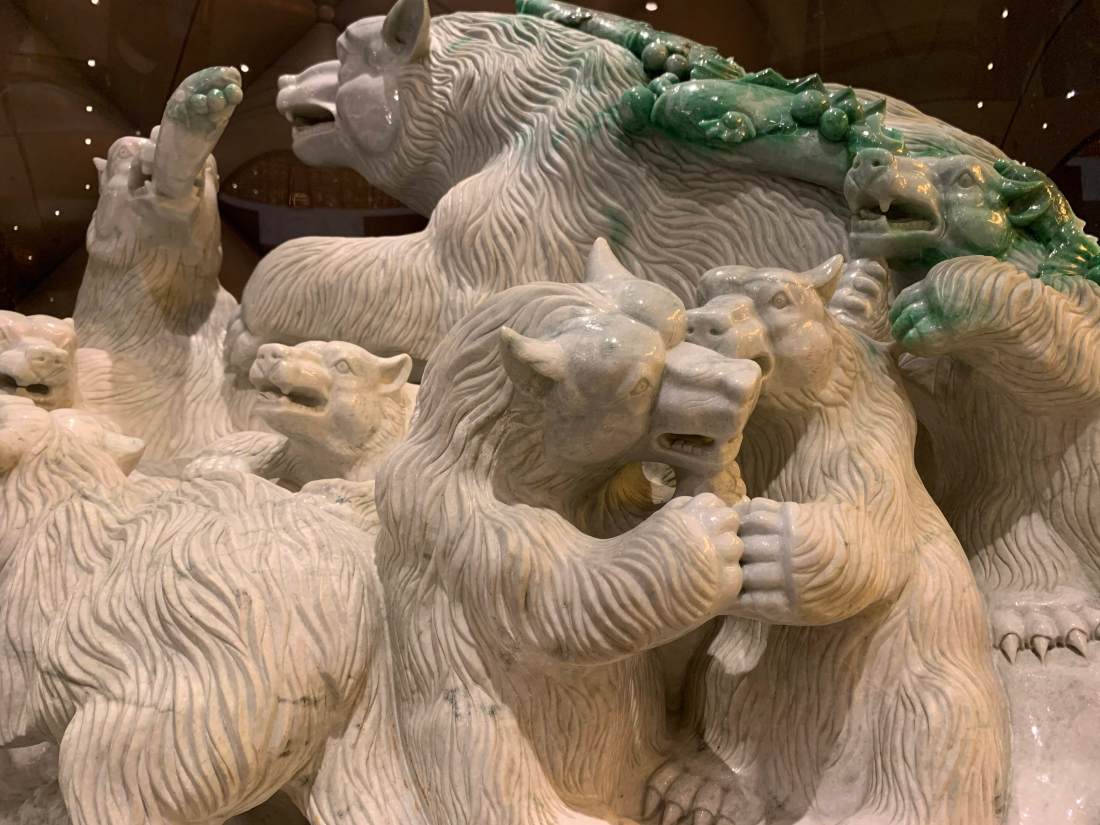
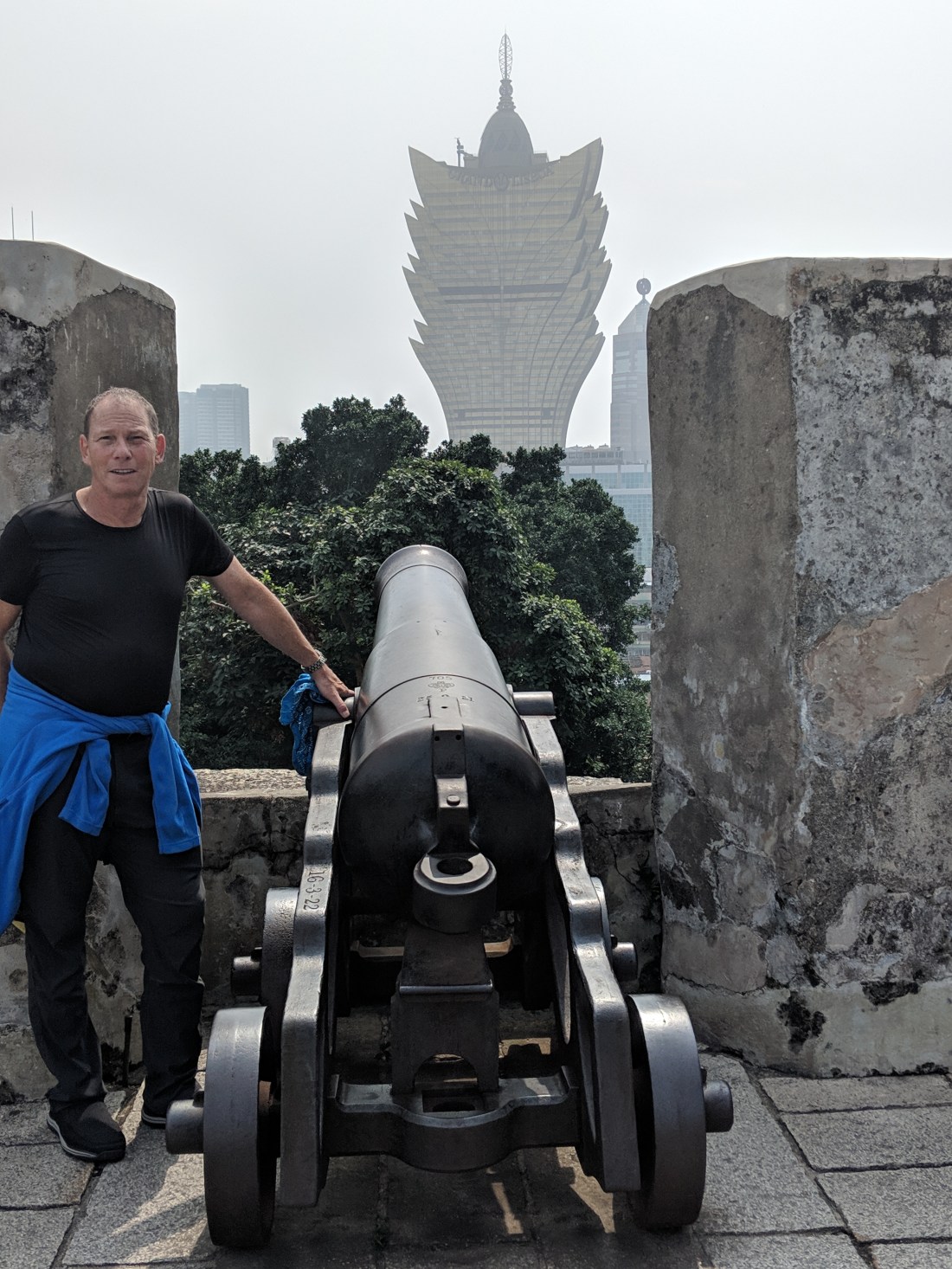
We had chosen the Grand Lisboa as our home in Macau. Not only was its lobby magnificent with gorgeous sculptures and other works of art, it is also one of the tallest most iconic landmarks in the city shaped like a lotus flower. We joked that we could never get lost in the city; you could see our hotel from almost everywhere.
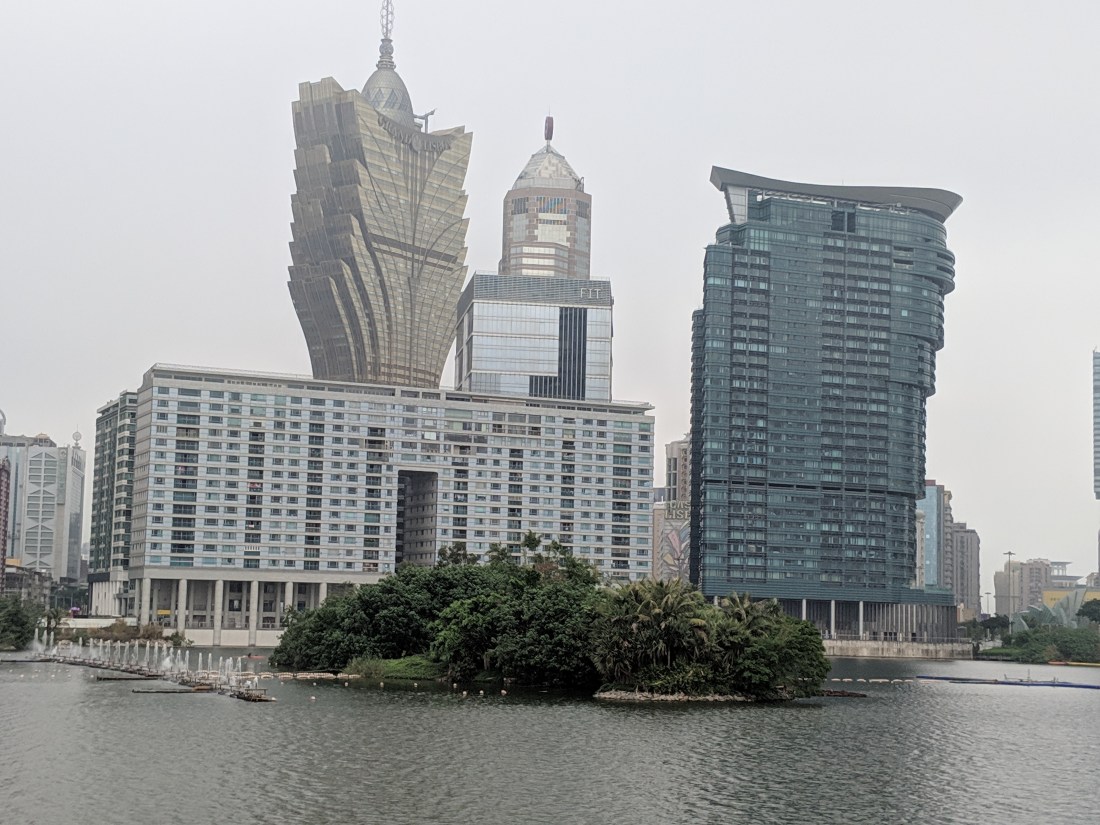
Macau, like most cities, is prettiest at night.
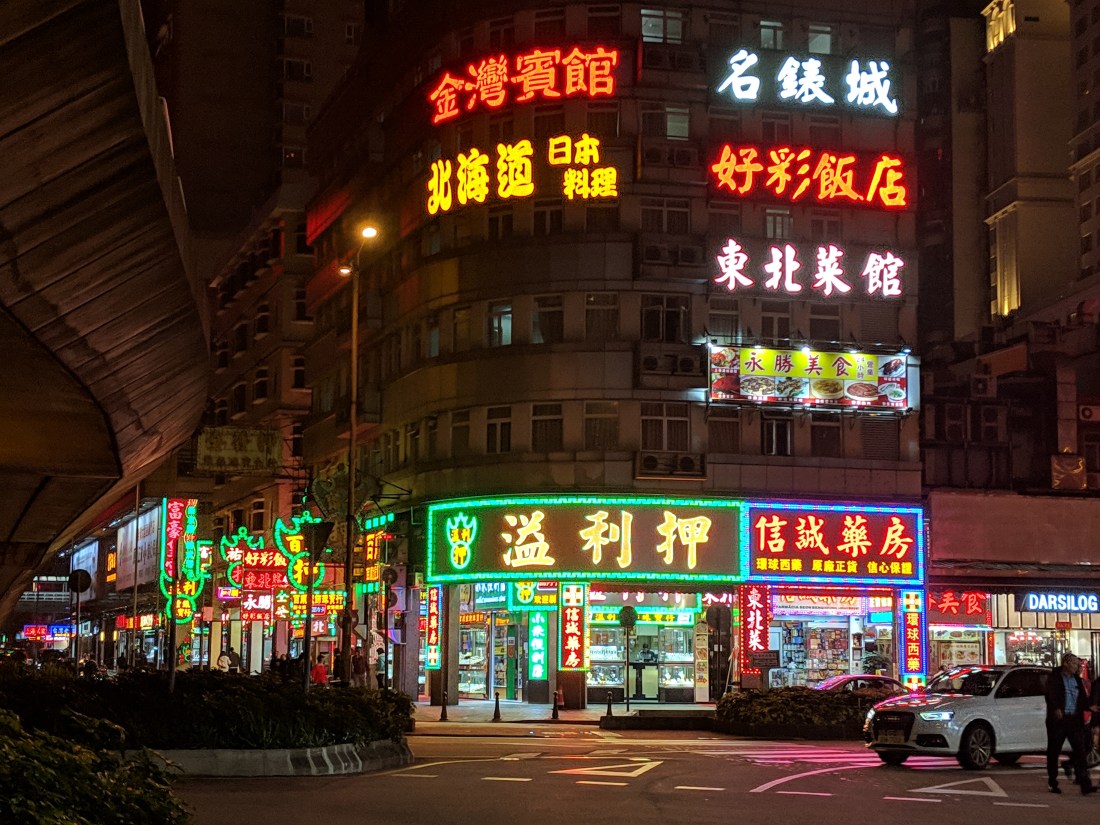
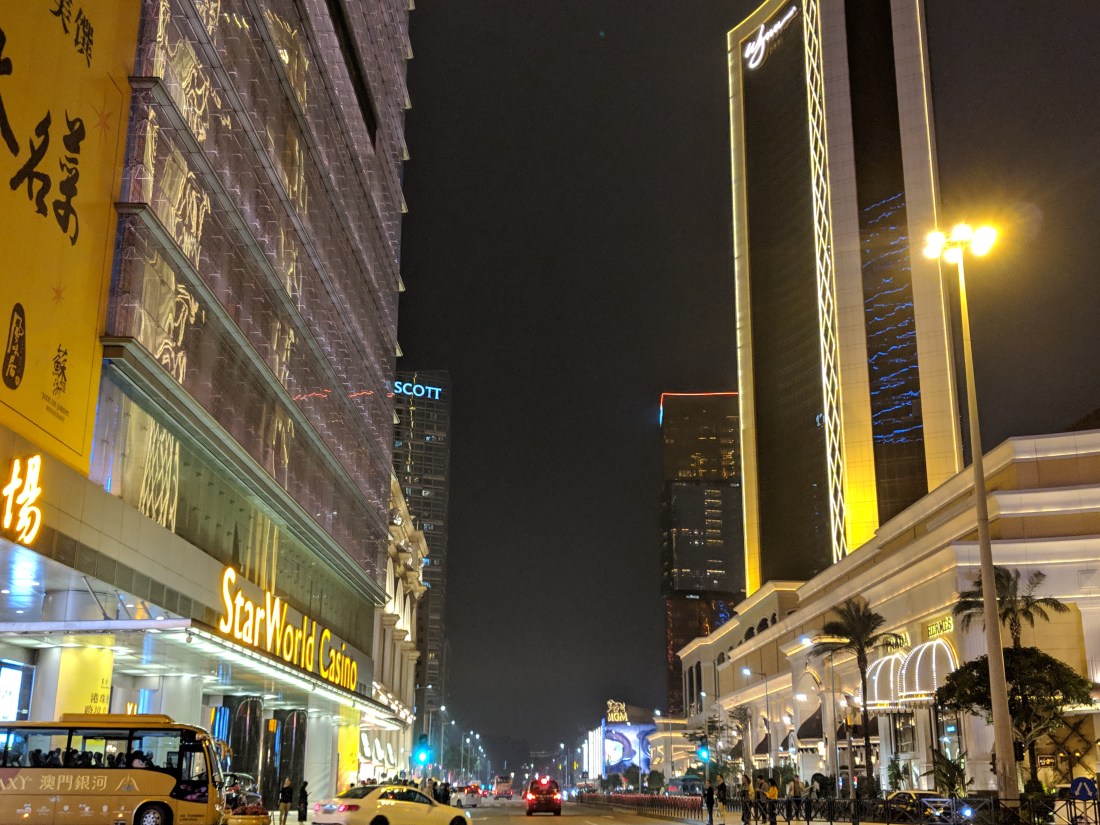
I would describe Macau as a Chinese Las Vegas , but with old world charm, having been a Portuguese controlled trading post for about 400 years. Like Hong Kong, Macau went back to China in the late 90s, but the effects of the prolonged occupation remains. There are numerous churches and mansions that remain and make up the historic center of Macau. We spent the better part of 2 days exploring these UNESCO World Heritage sites.

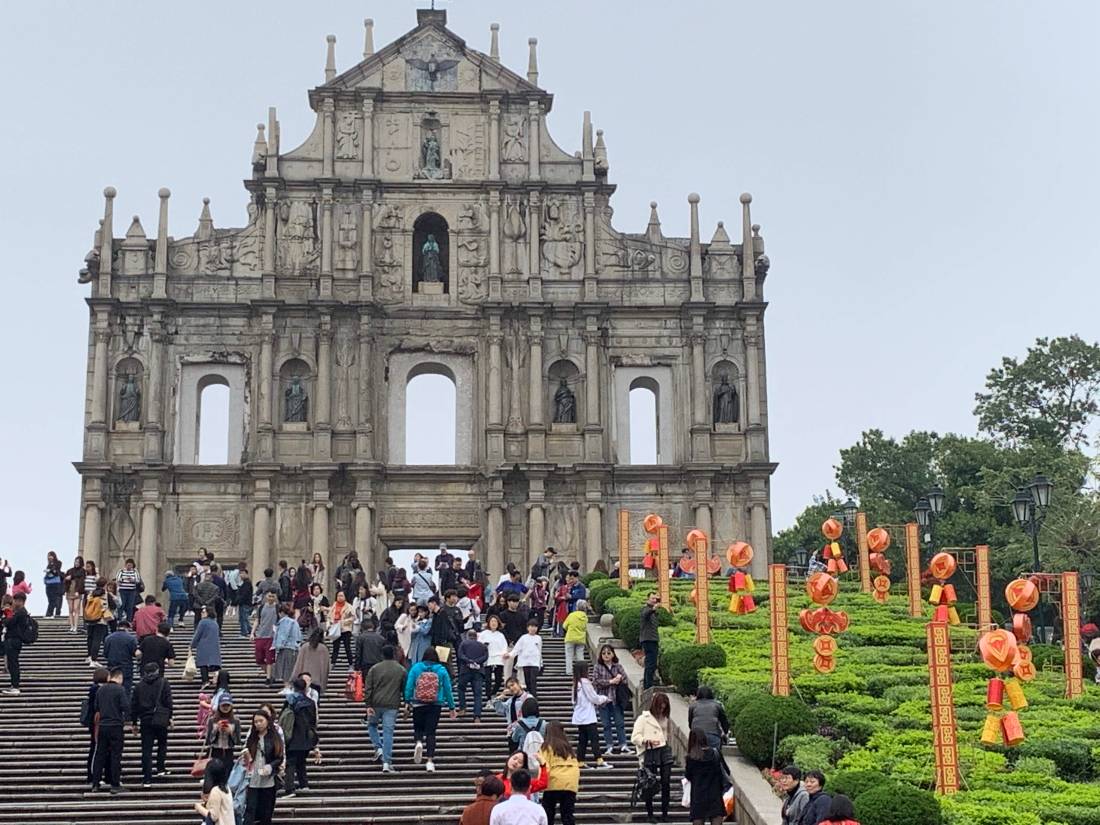
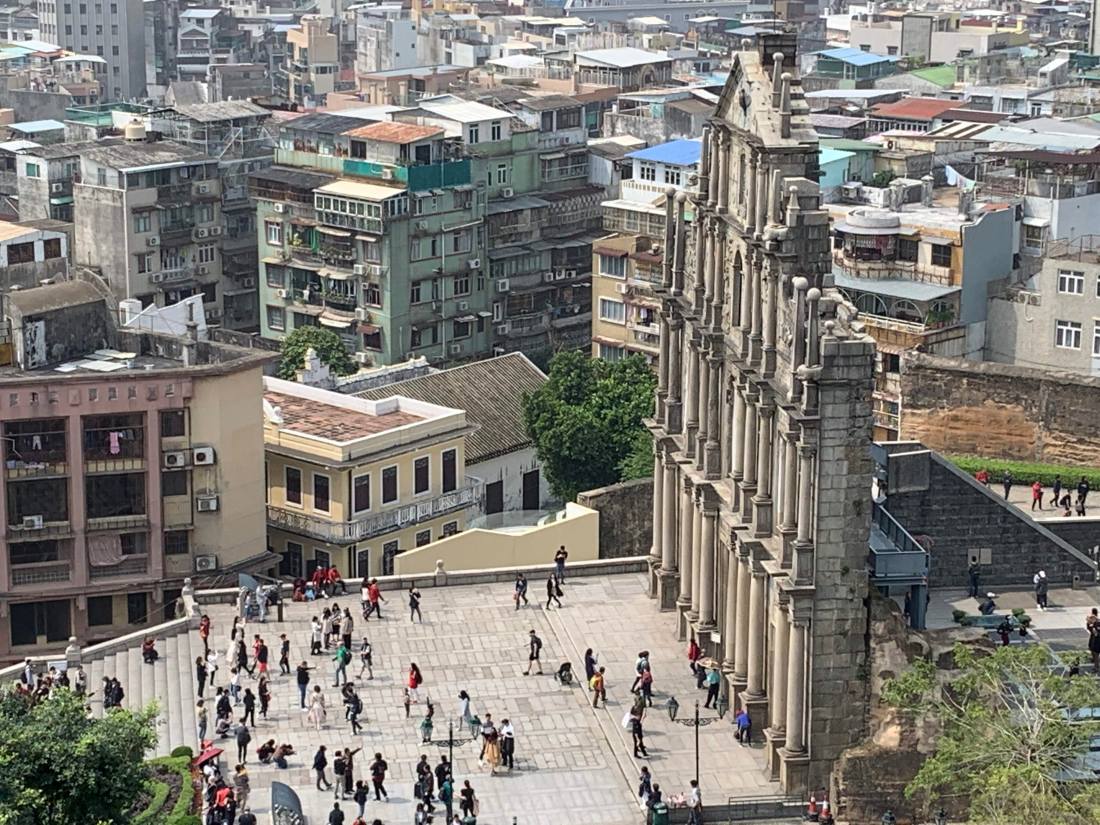
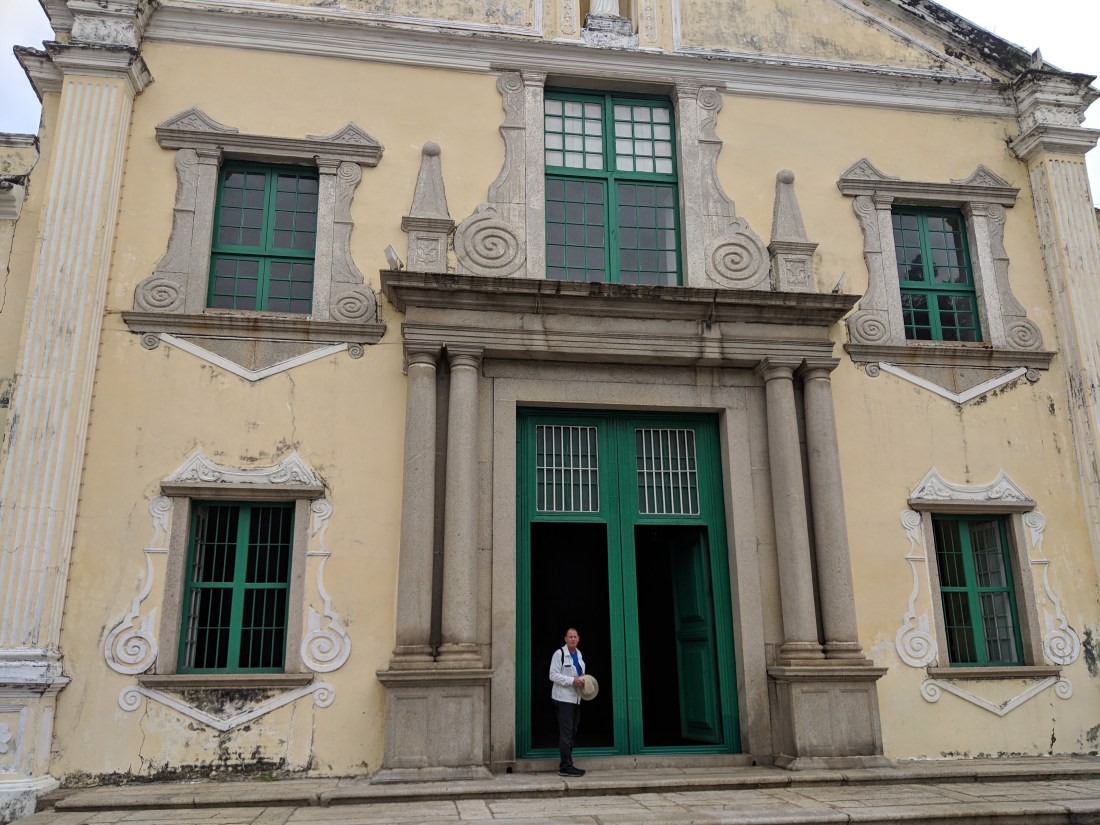


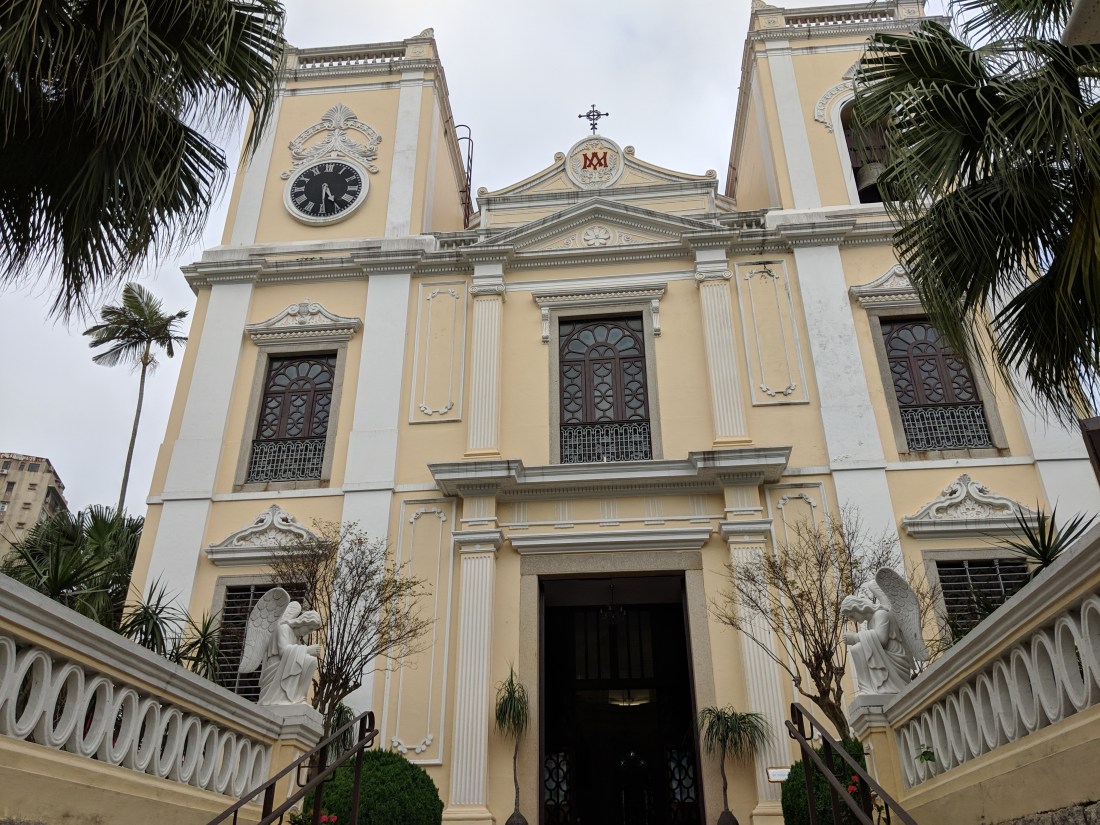


The A-Ma temple, first built in the mid-fifteenth century, was there when the Portuguese first arrived. It is dedicated to the Chinese goddess of the sea, Mazu. It is said that when the Portuguese sailors first arrived on the peninsula and asked what the name of the place was, they were told “maa-gok,” which means Pavilion of the Mother. But they heard “Macau,” and so named the city.

One of the best things about Macau is the food. Because of the long history of Portuguese controlling Macau, there has been a strong influence on the food. Some consider Macanese food the first Asian fusion cuisine. We enjoyed so many Macanese specialties including Portuguese fried rice, which is basically Chinese fried rice adding chorizo and bacon, Portuguese egg tarts, pork chop buns, African chicken, almond cookies, spicy meat jerky, crunchy peanut candy, and more, oh so good! Hong Kong, with its long British history, has similarly interesting food.
So after a couple great days in Macau (and yes, Eric came out ahead at the casinos) we took a turbojet ferry to Hong Kong Island. We stayed in the central area close to the famous mid-level escalators. the longest outdoor covered escalator system in the world. The system covers over 2,600 ft in distance and traverses an elevation of over 443 ft from bottom to top. It opened in 1993 to provide a pedestrian link between the Central and Mid-level districts on Hong Kong Island to relieve car and public transportation congestion.
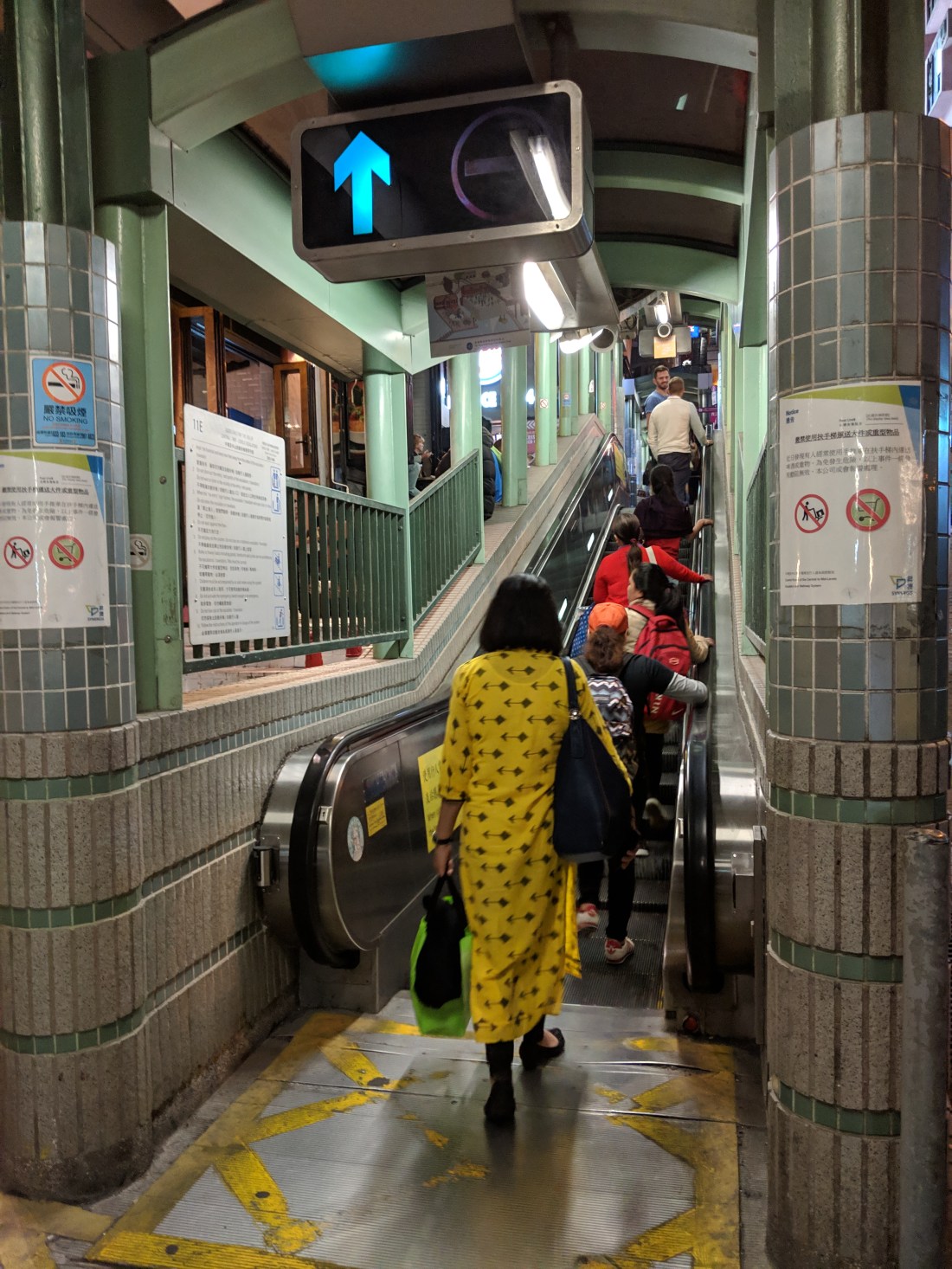
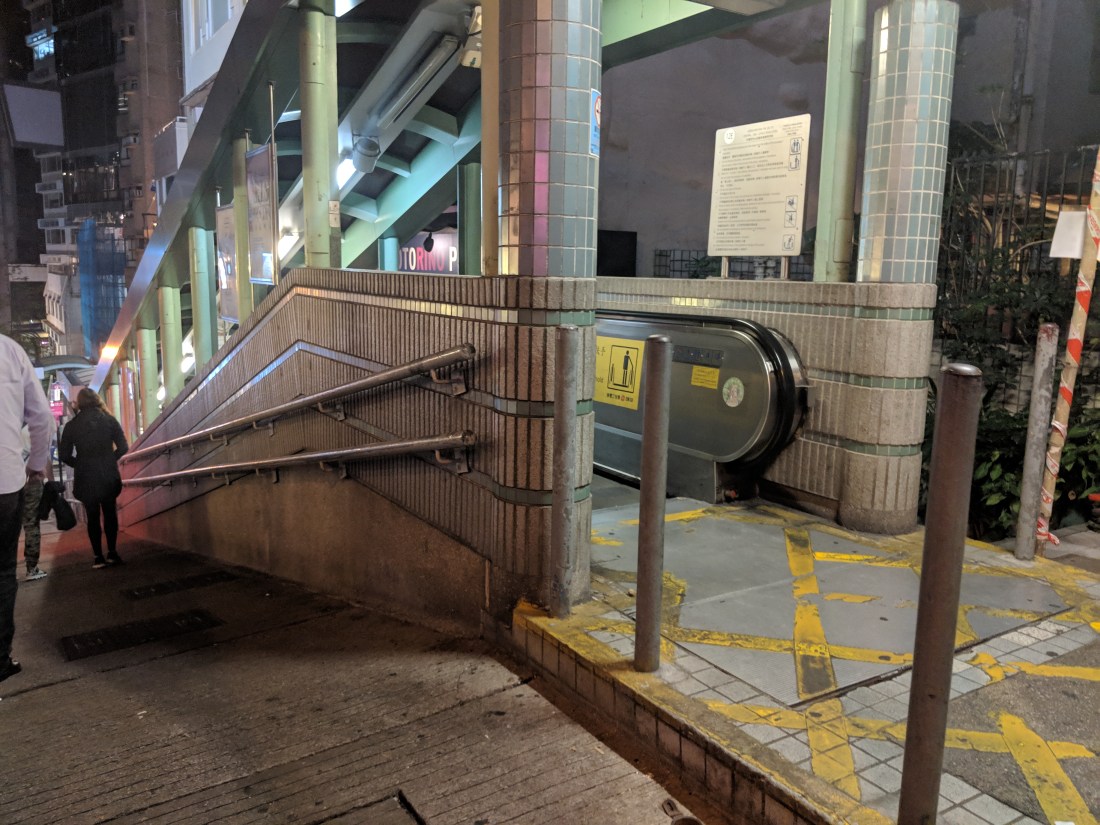
Also nearby was the Lan Kwai Fong district, a fun night bar and eatery area which we frequented.

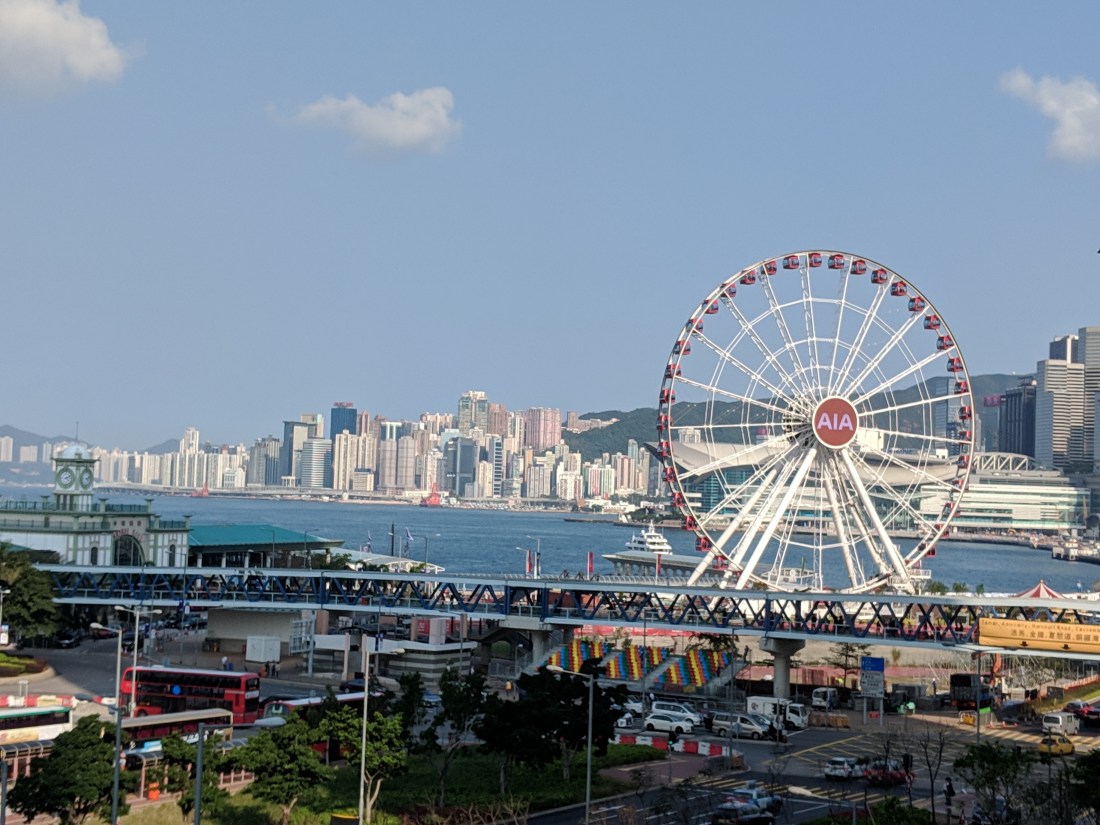
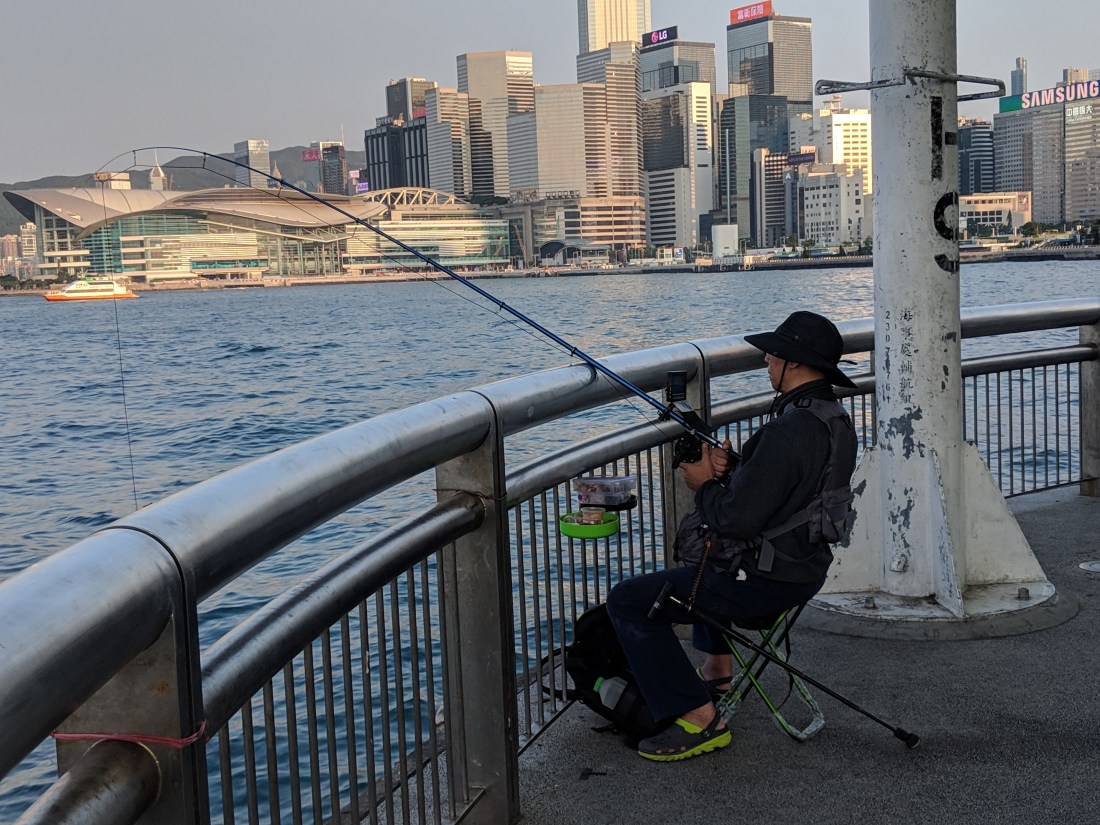
We spent our first afternoon visiting Victoria Harbor and walking around our Central neighborhood.

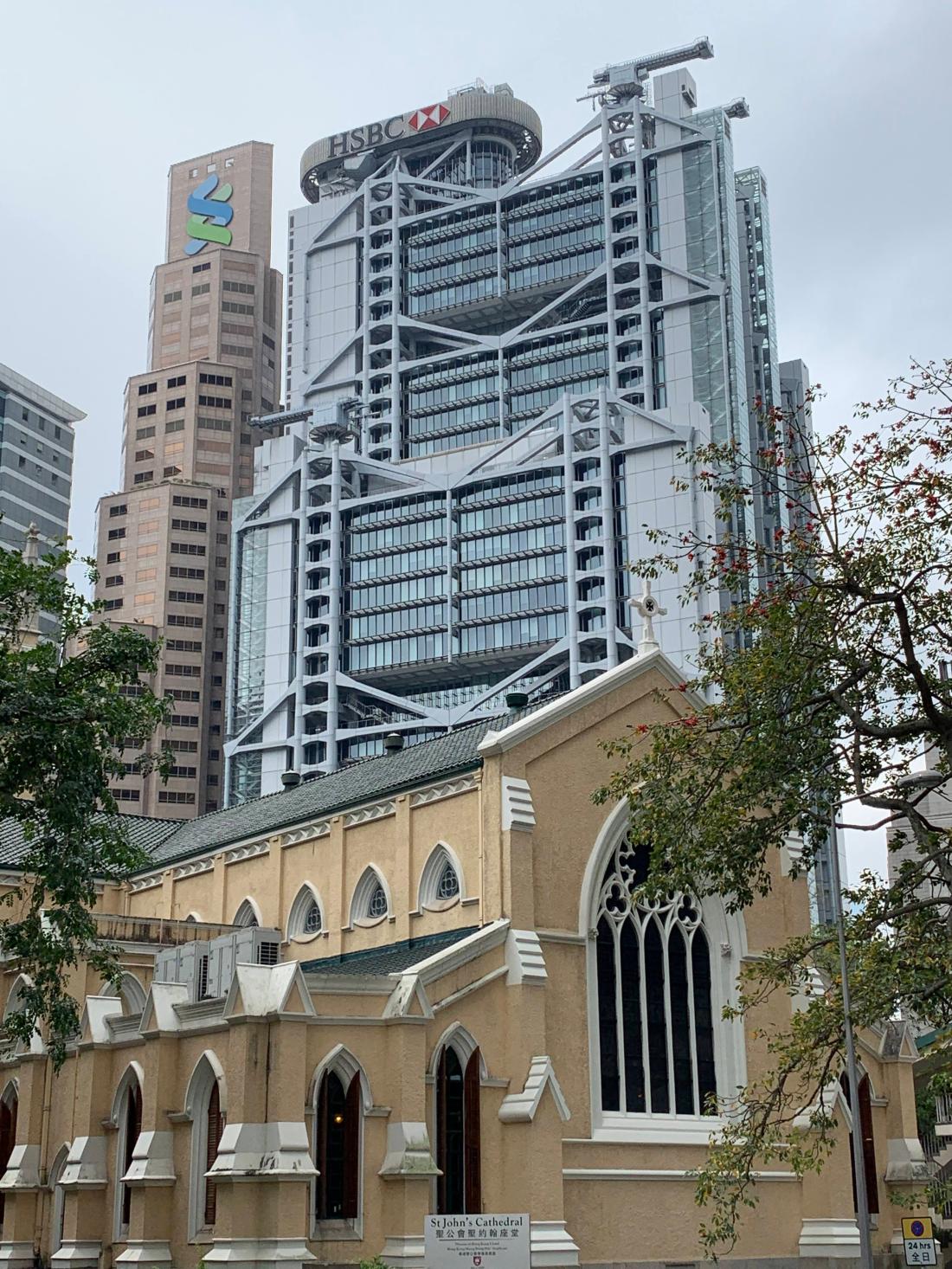
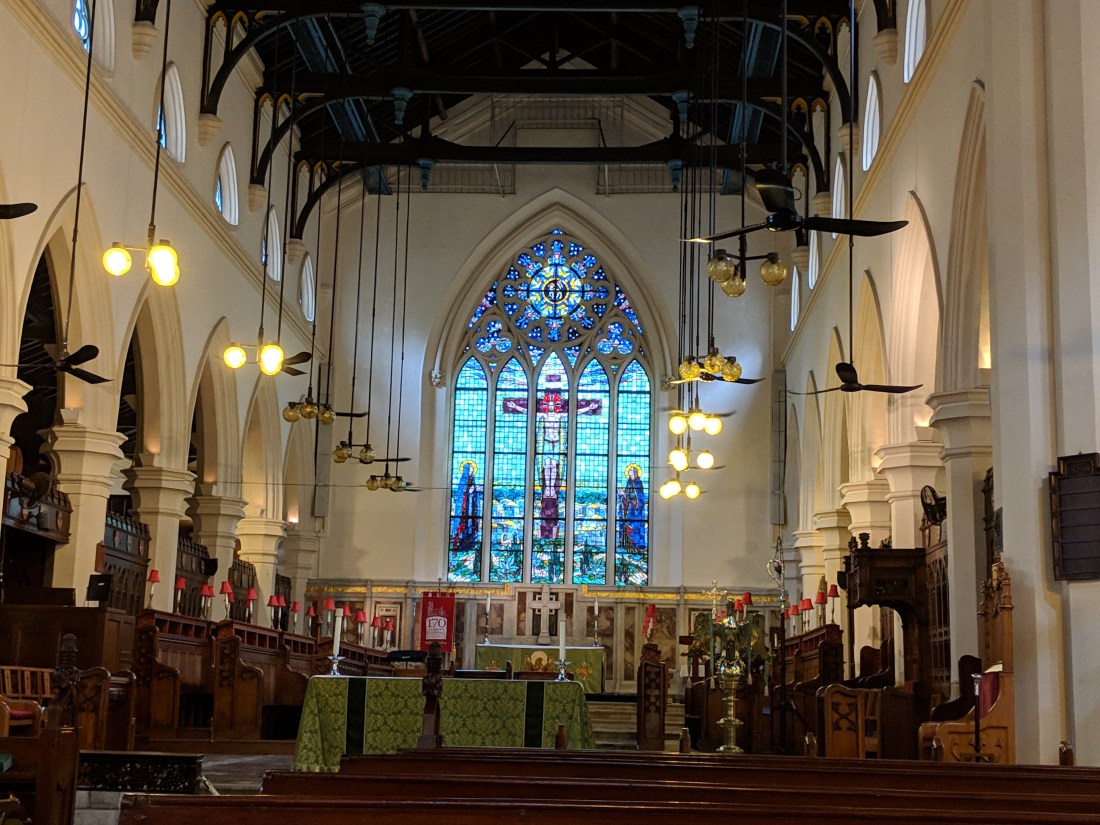
And happened past St. John’s Cathedral, built in 1849, the oldest surviving western ecclesiastical building in Hong Kong.
The next day we hired a local guide Ed to show us around a bit. First he took us to more Central sites.



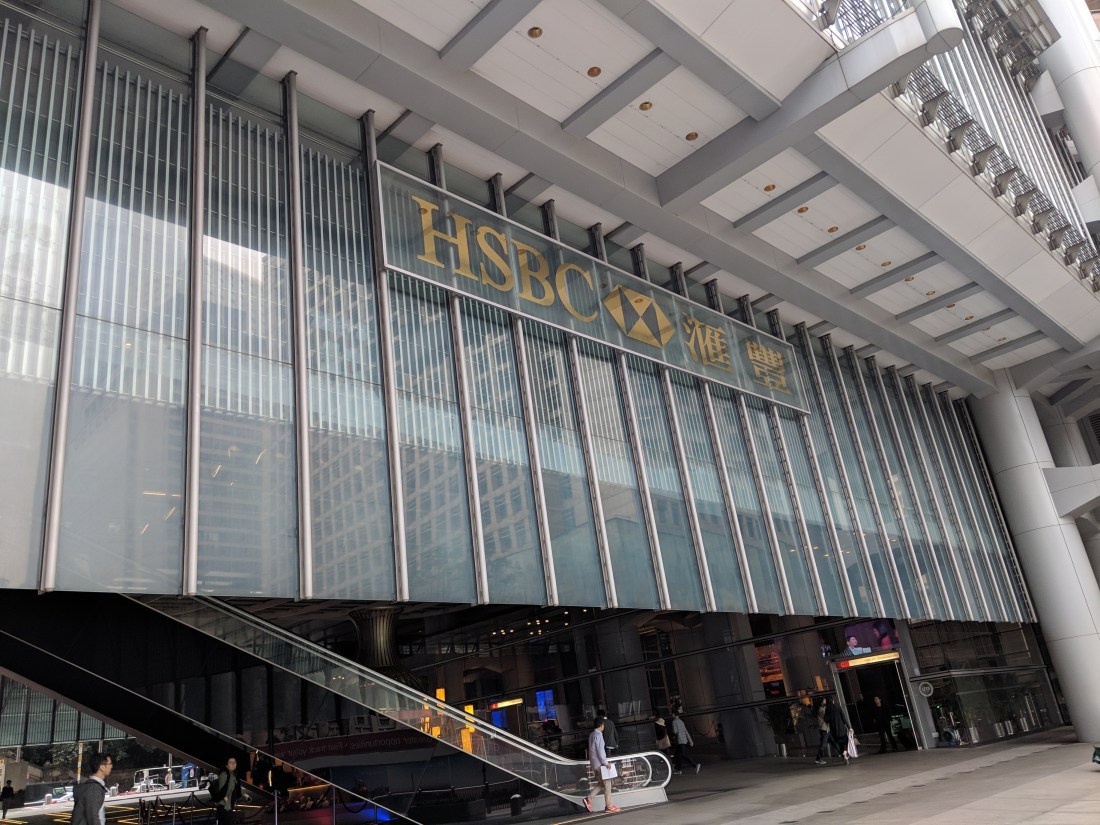
The HSBC corporate headquarters building was built in the mid 1980s costing over $650 million US; at the time it was the most expensive building in the world. It was constructed using light and air feng shui principles, and was revolutionary at the time using sun for heat, light, and energy, sea air for natural coolant, no internal structural support, and many other innovative principles. Another important fact about the building is the fact that when built, it was originally on the harbor shore. But now, due to decades of land reclamation, it is almost a quarter mile from the shore.
The pair of bronze lions out front, a symbol of power and luck to residents, were confiscated by the Japanese during their occupation in WWII and sent to Japan to be melted for bullets near the end of the war. But the war ended and they were found by a US sailor in Osaka and returned to their original location.

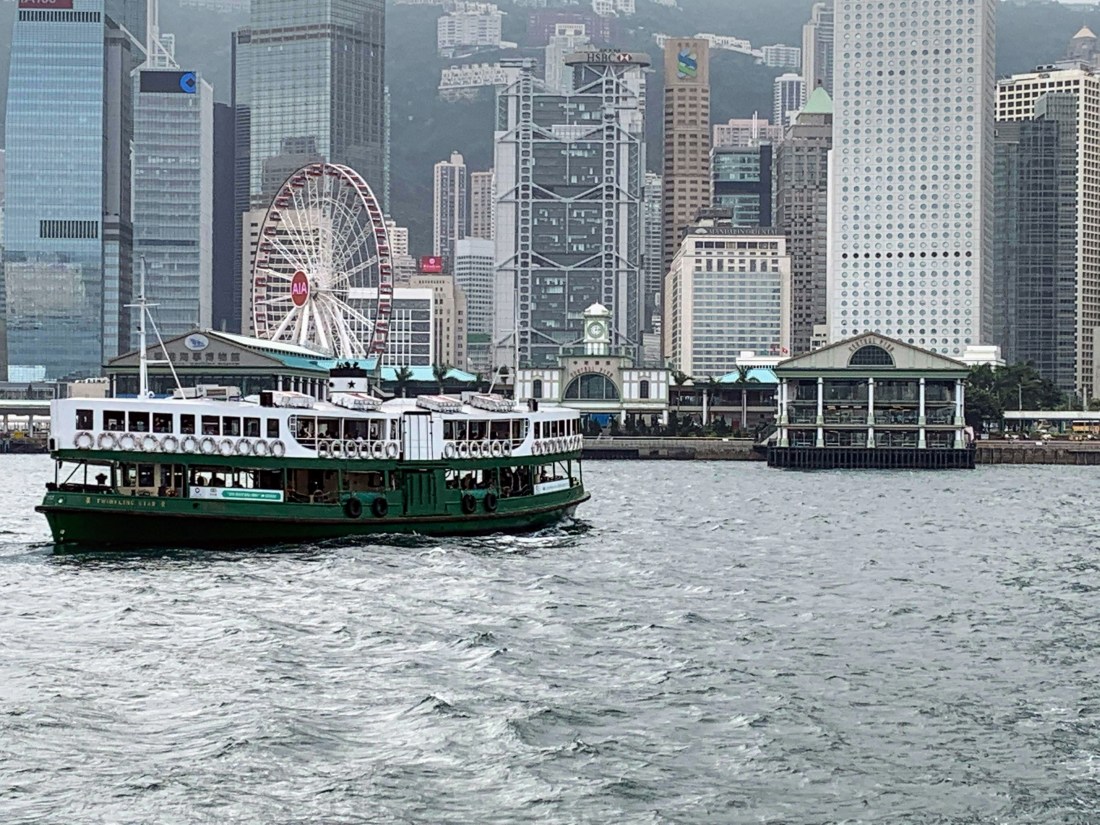
We then took the Star Ferry across Victoria Habour to the Kowloon side.


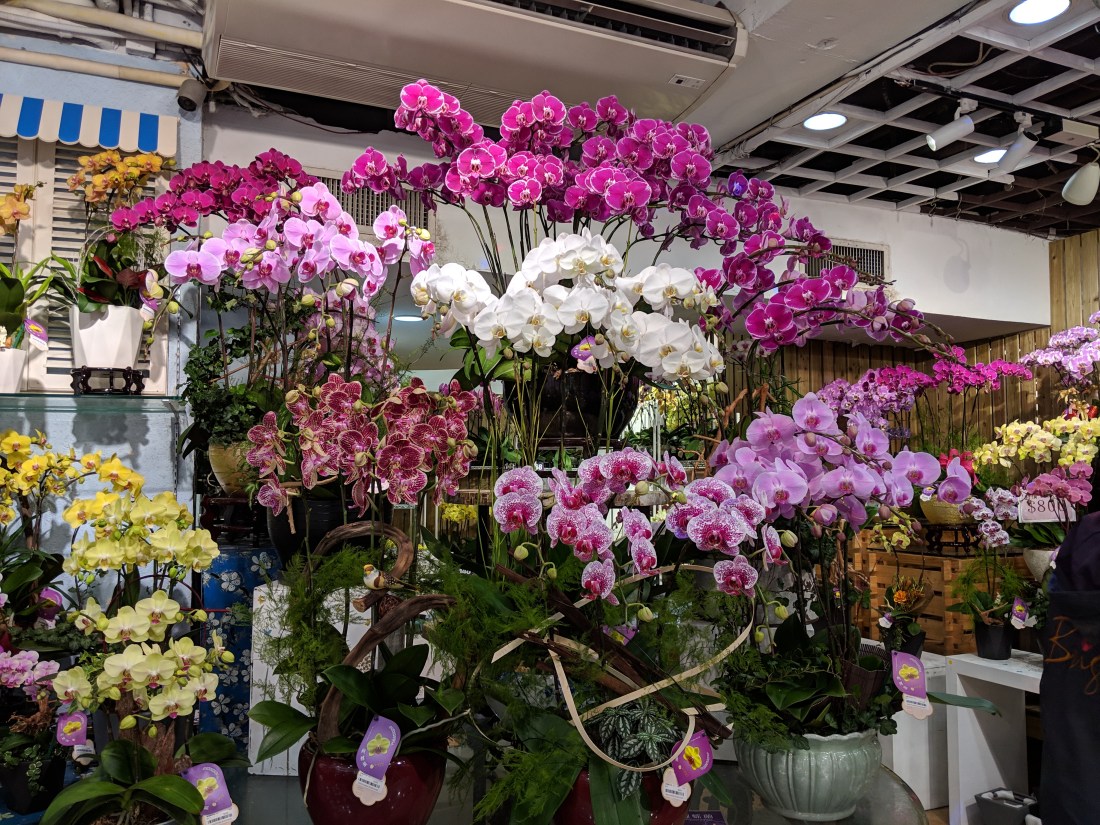
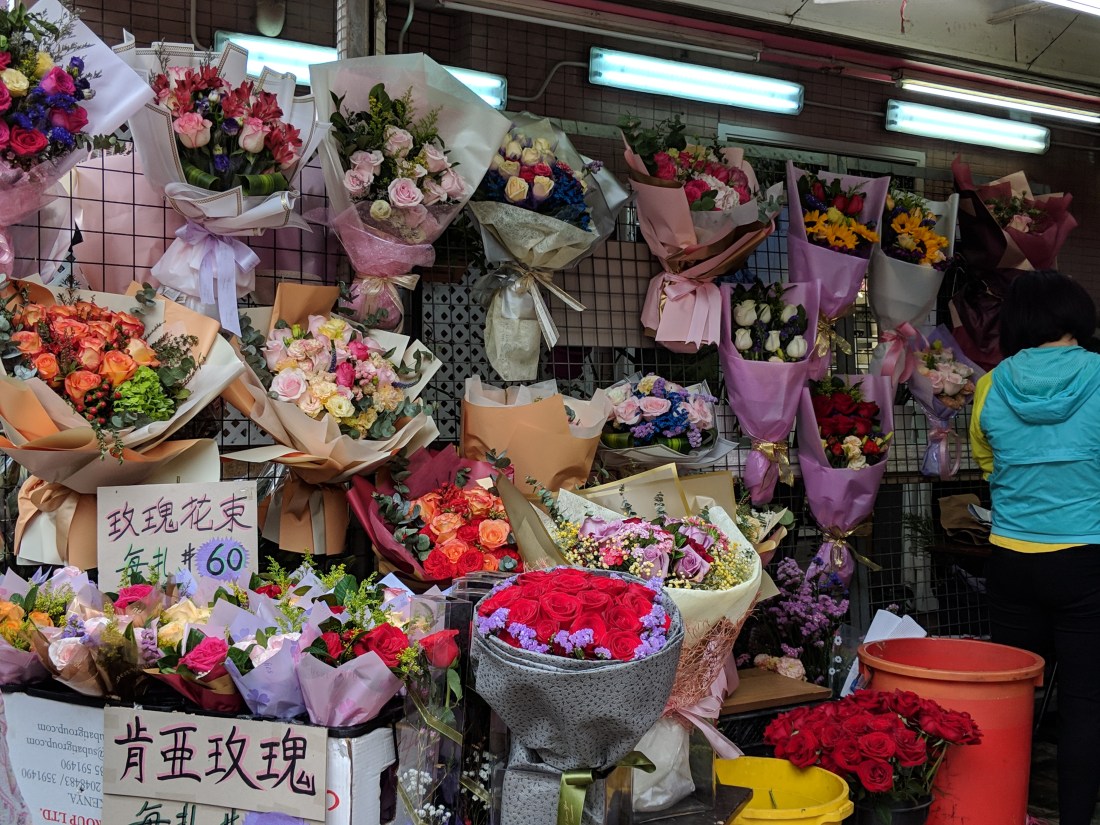
Kowloon is most noted for its many markets. One of my favorites was the extensive flower market.
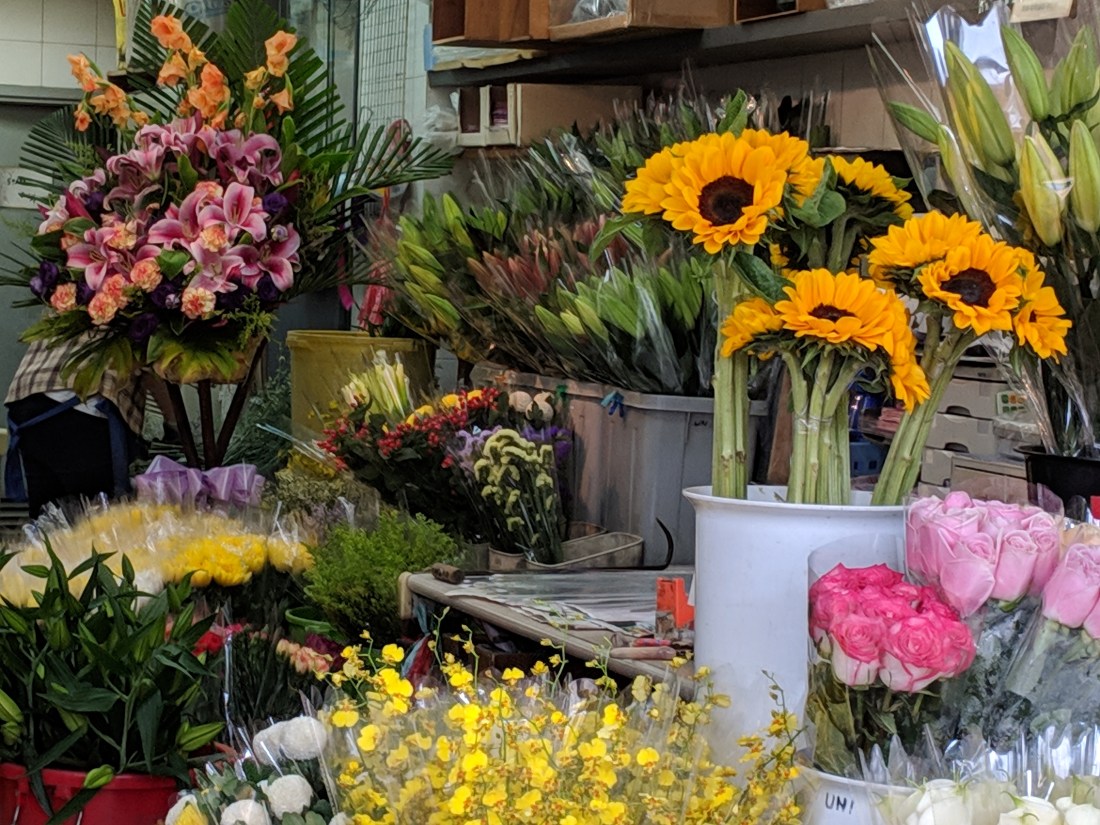
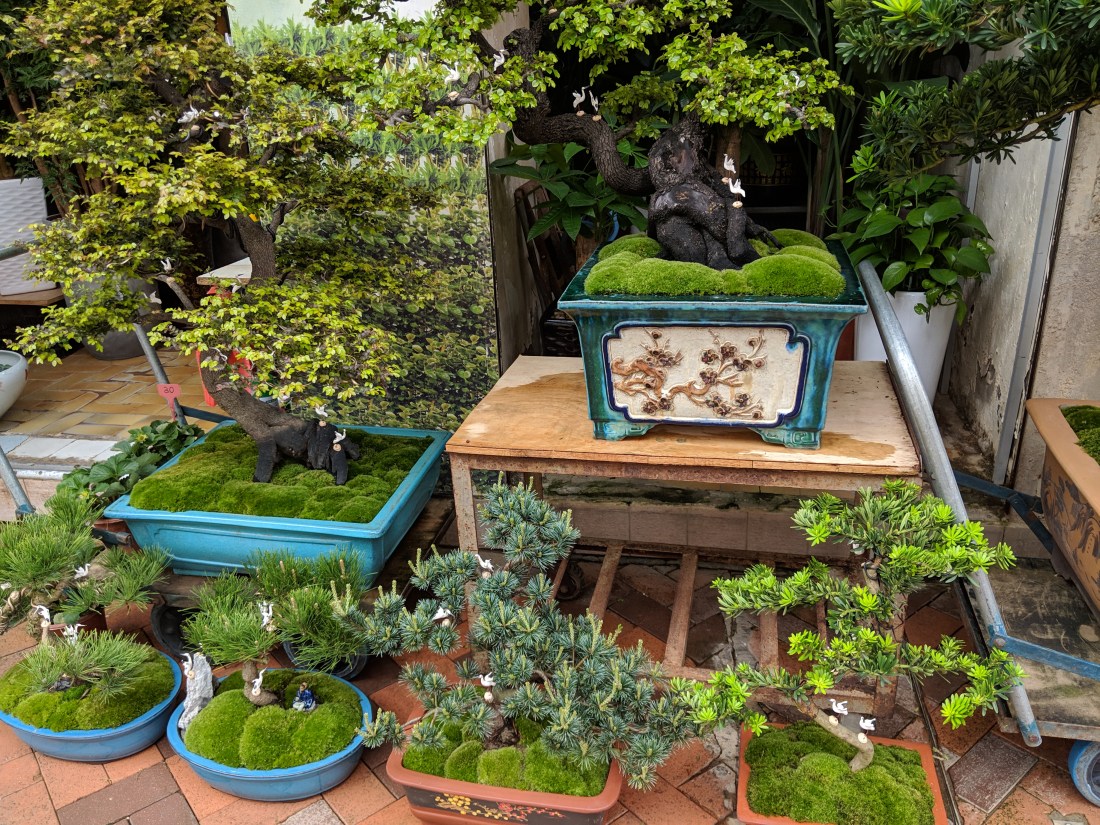

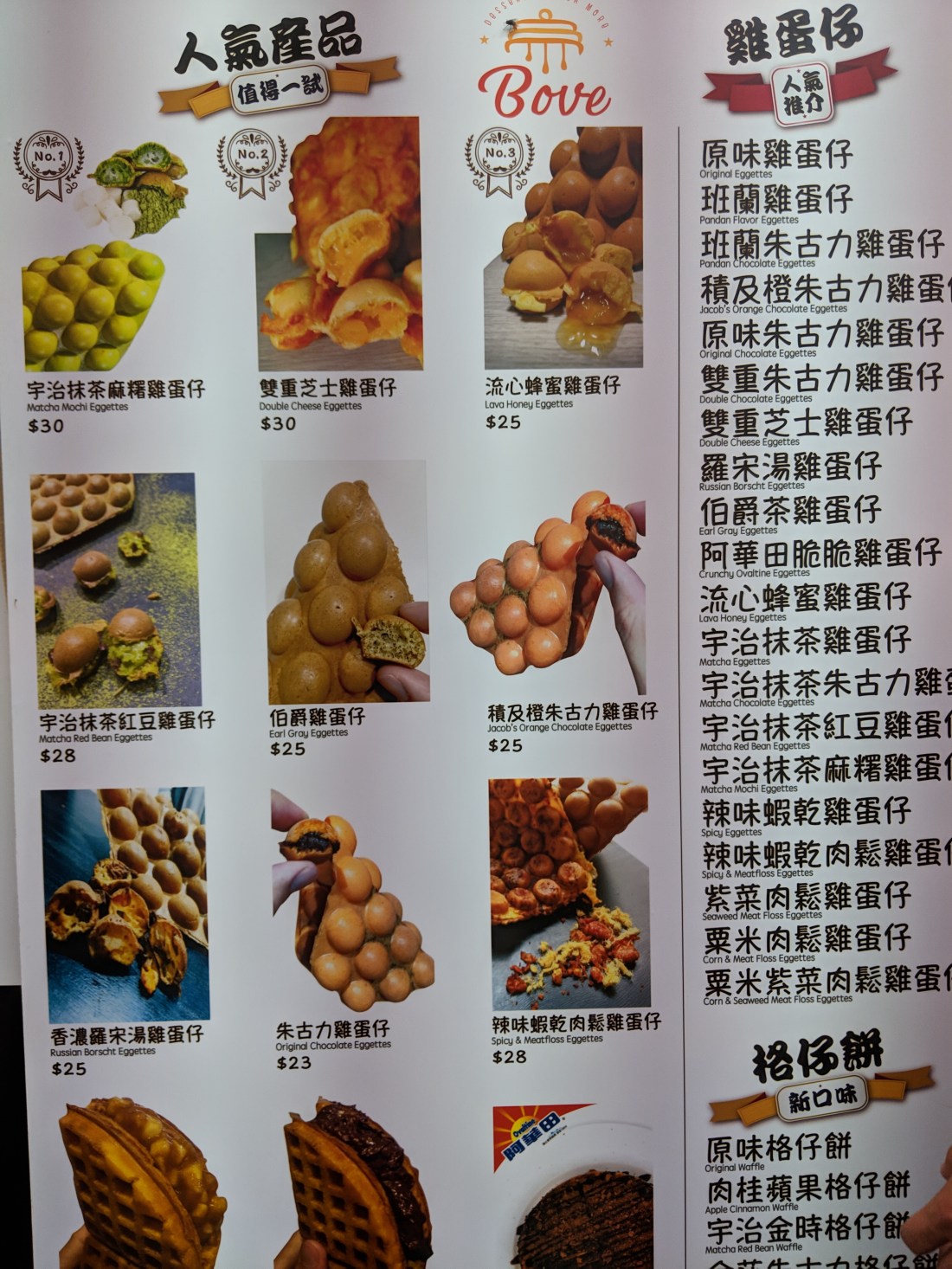
Ed also introduced us to Hong Kong’s unique and varied street foods. We tried everything. Like Macau’s Portuguese influence in its Chinese food, Hong Kong has been heavily British influenced. Our favorite dessert was a take-off on waffles.

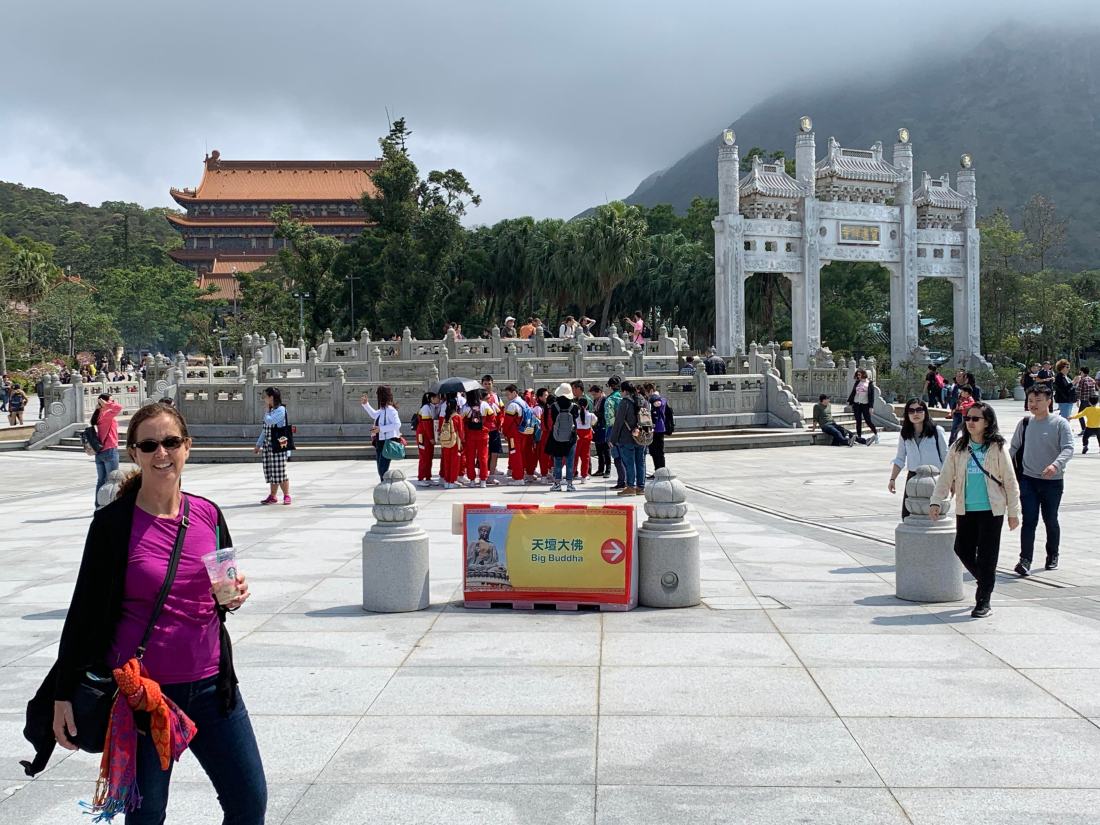
The next day we headed by subway over to Lantau Island and took the cable car up to Ngong Ping Village.


At the top we visited the bronze Tian Tan Buddha, the world’s largest outdoor seated buddha, built in 1993 by the monks of the nearby Po Lin Monastery.

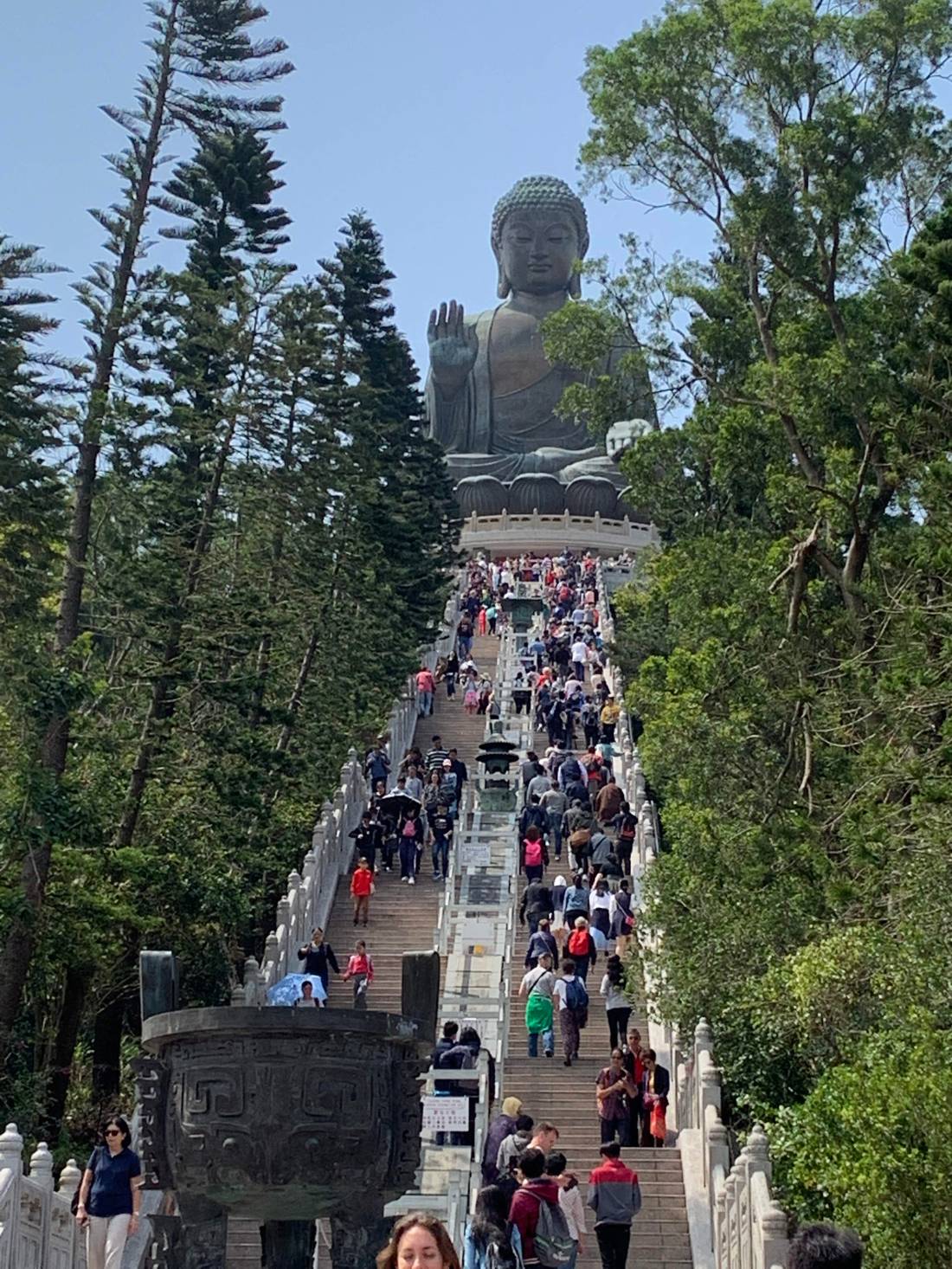


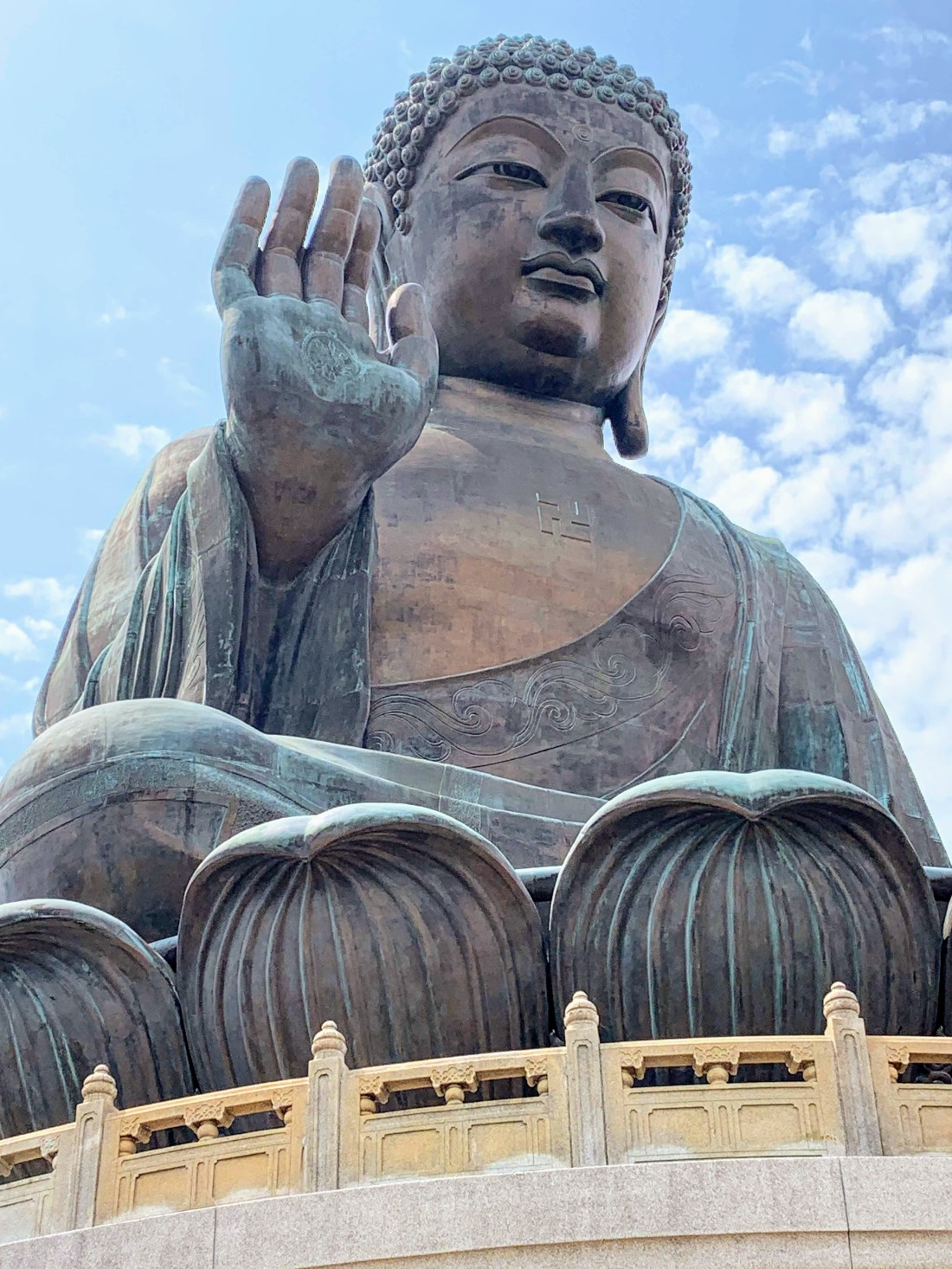

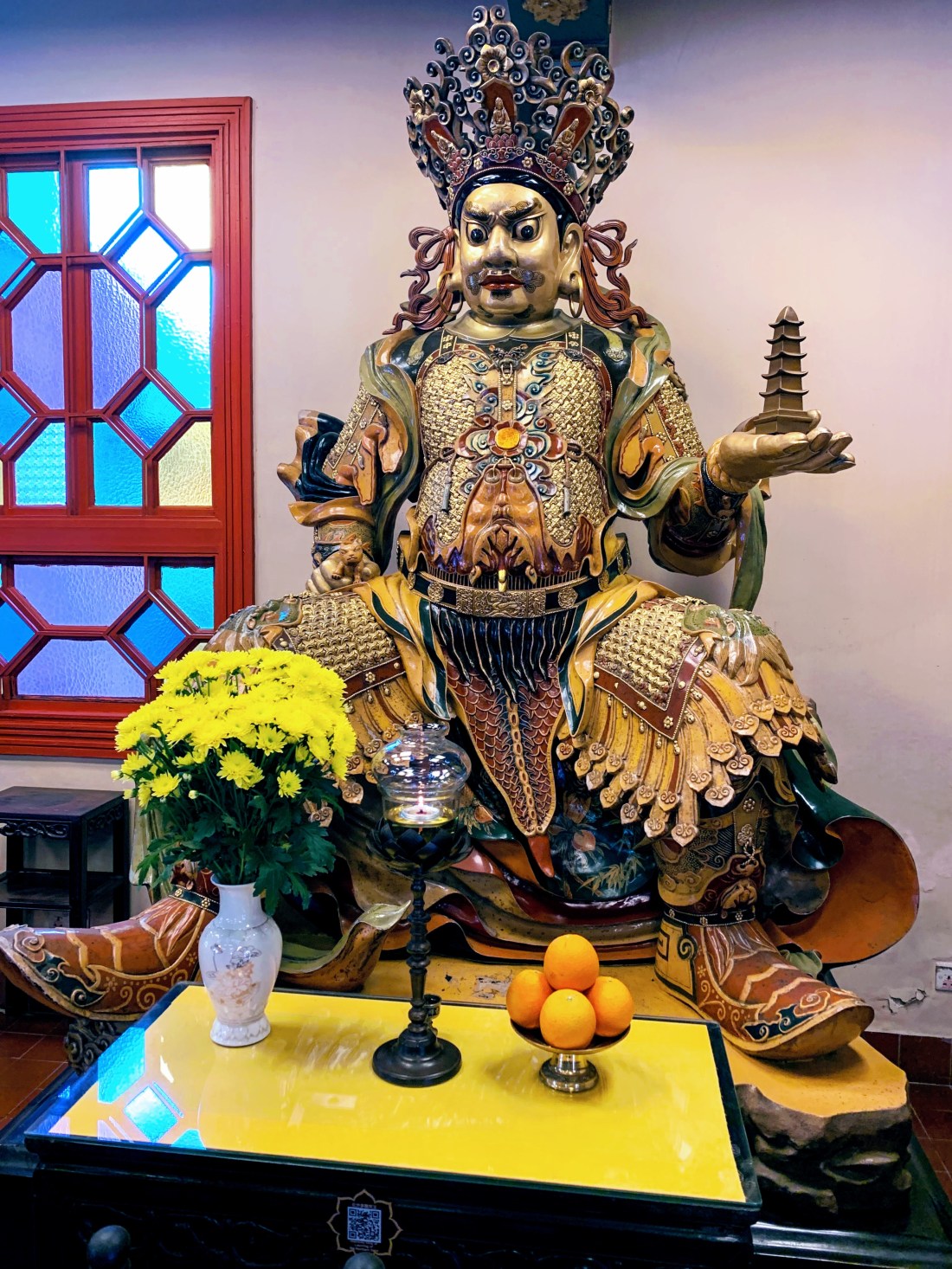
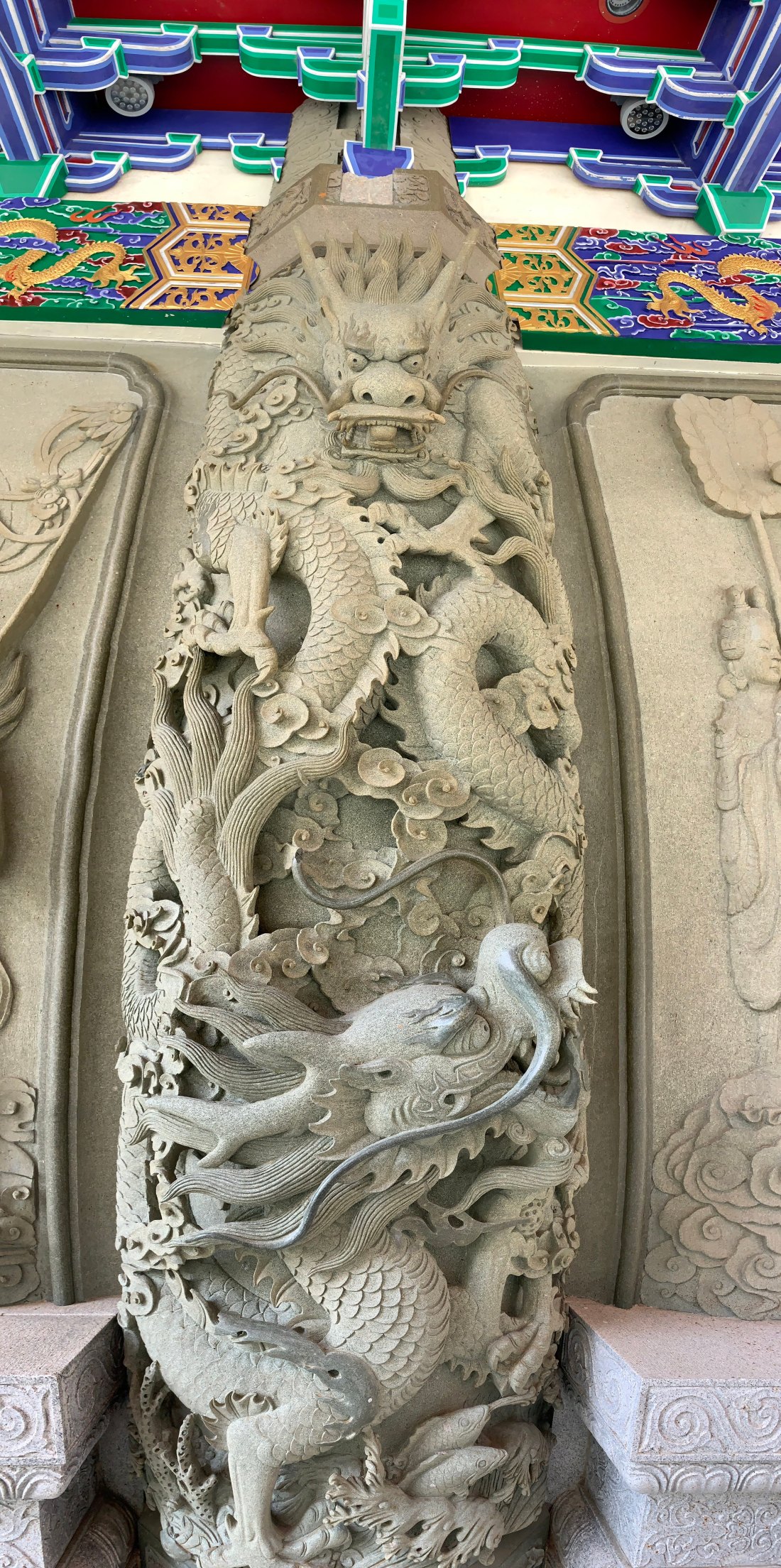
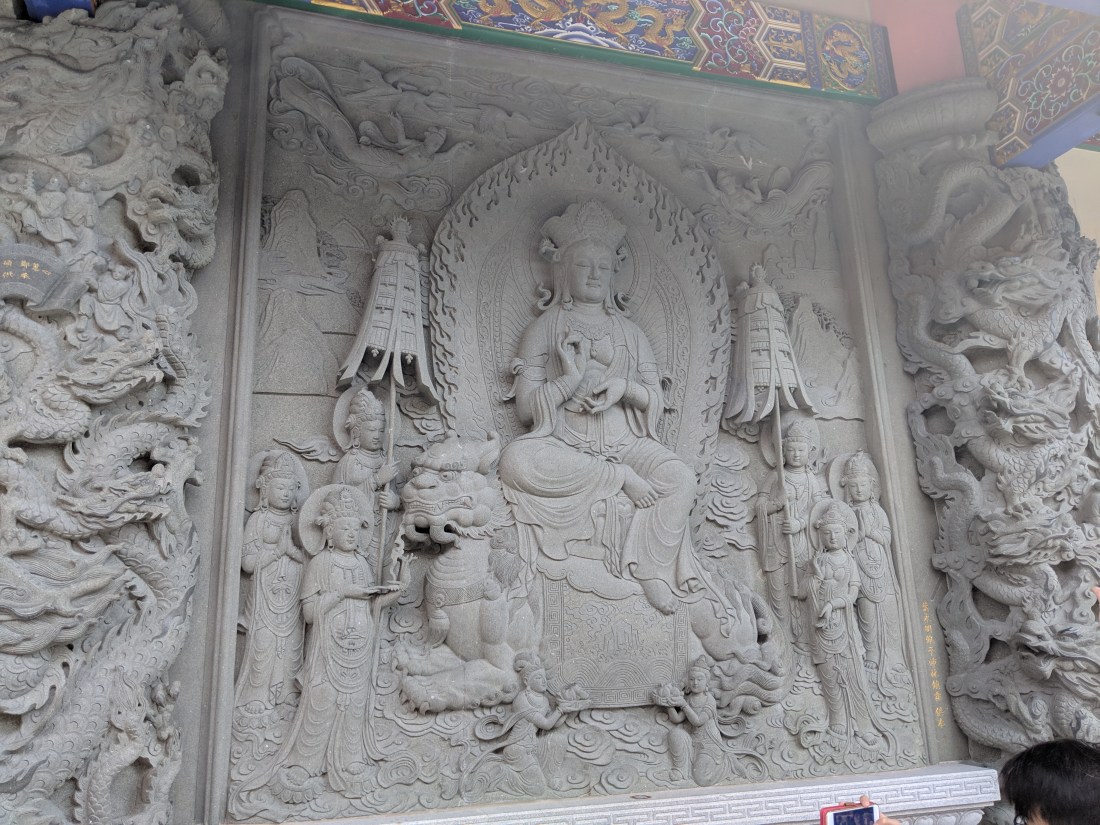
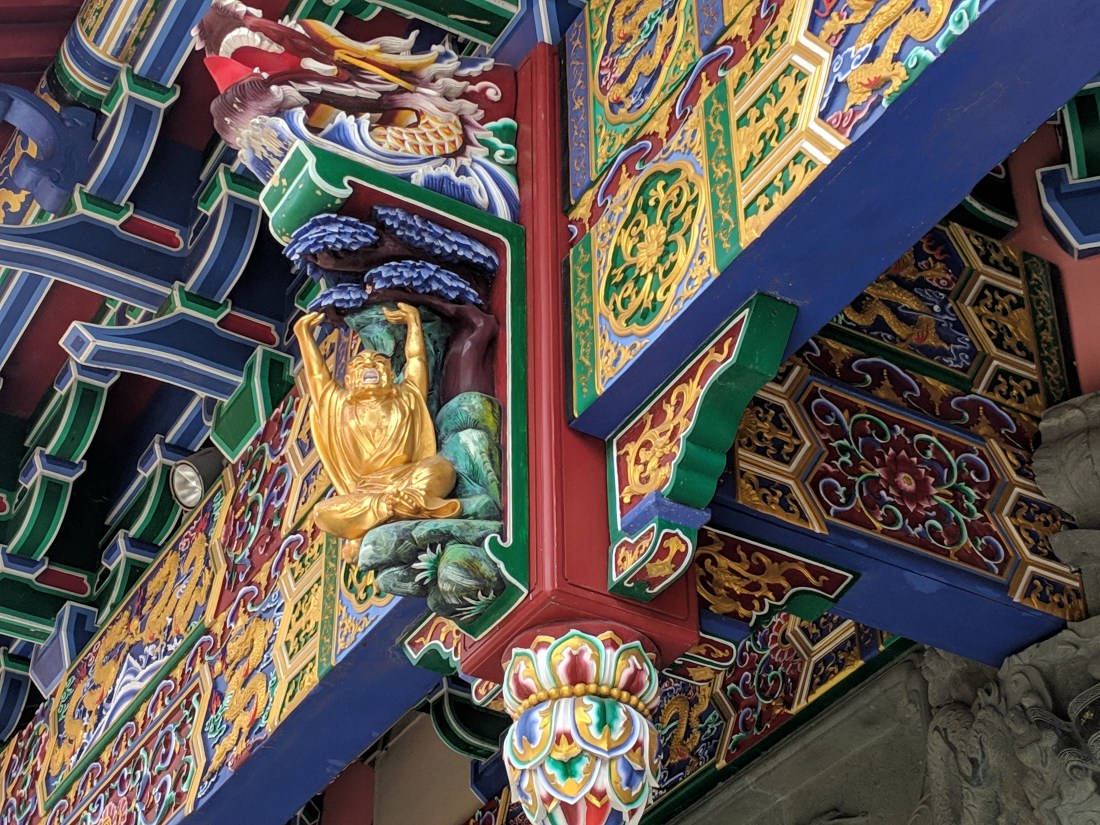
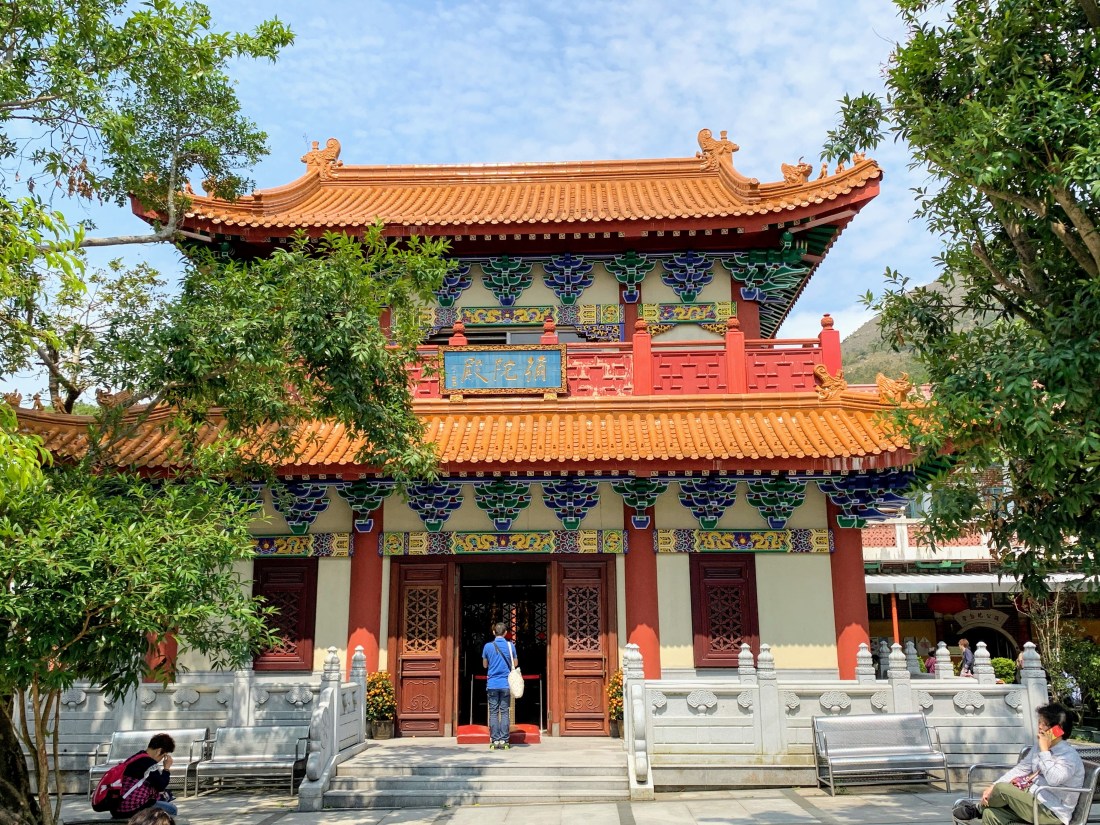
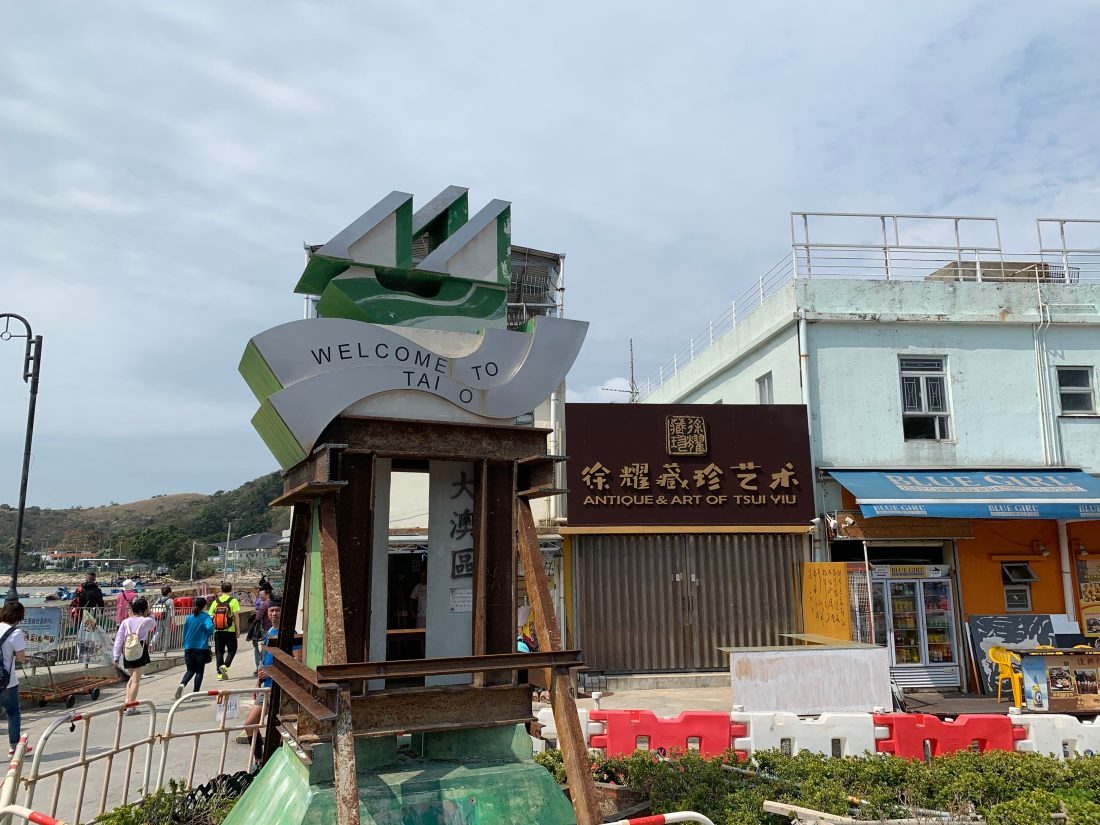
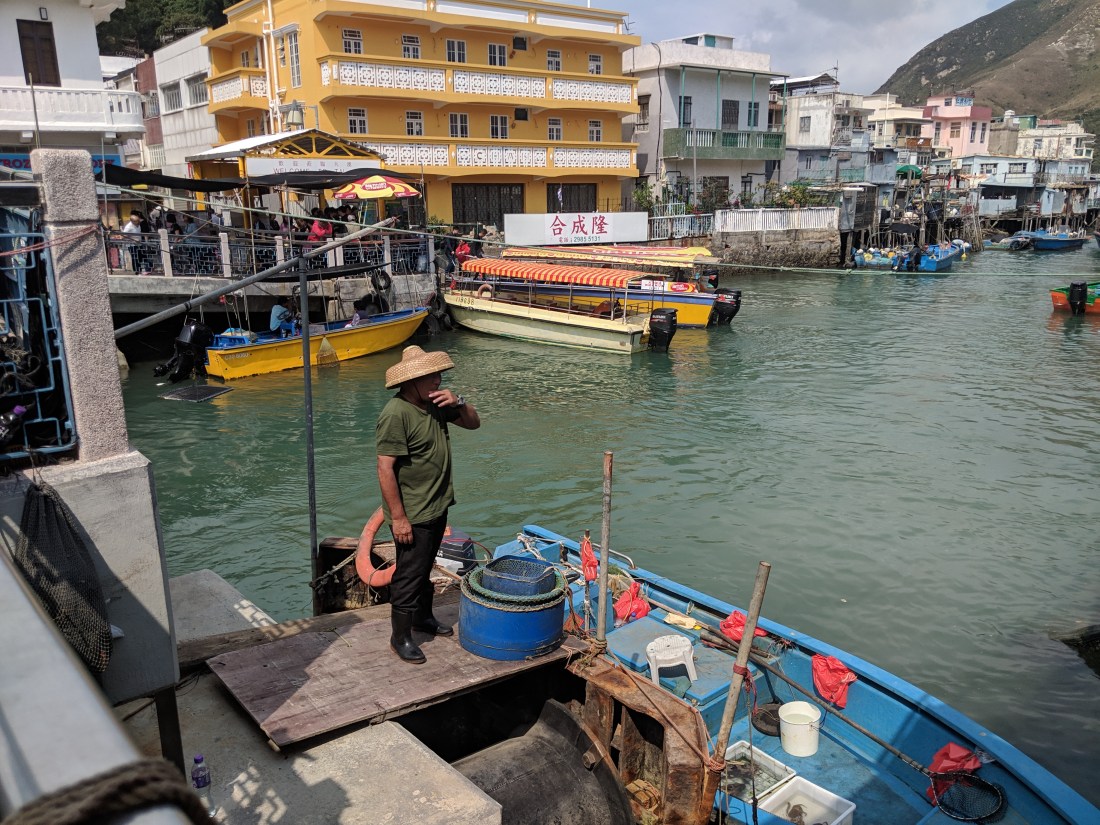
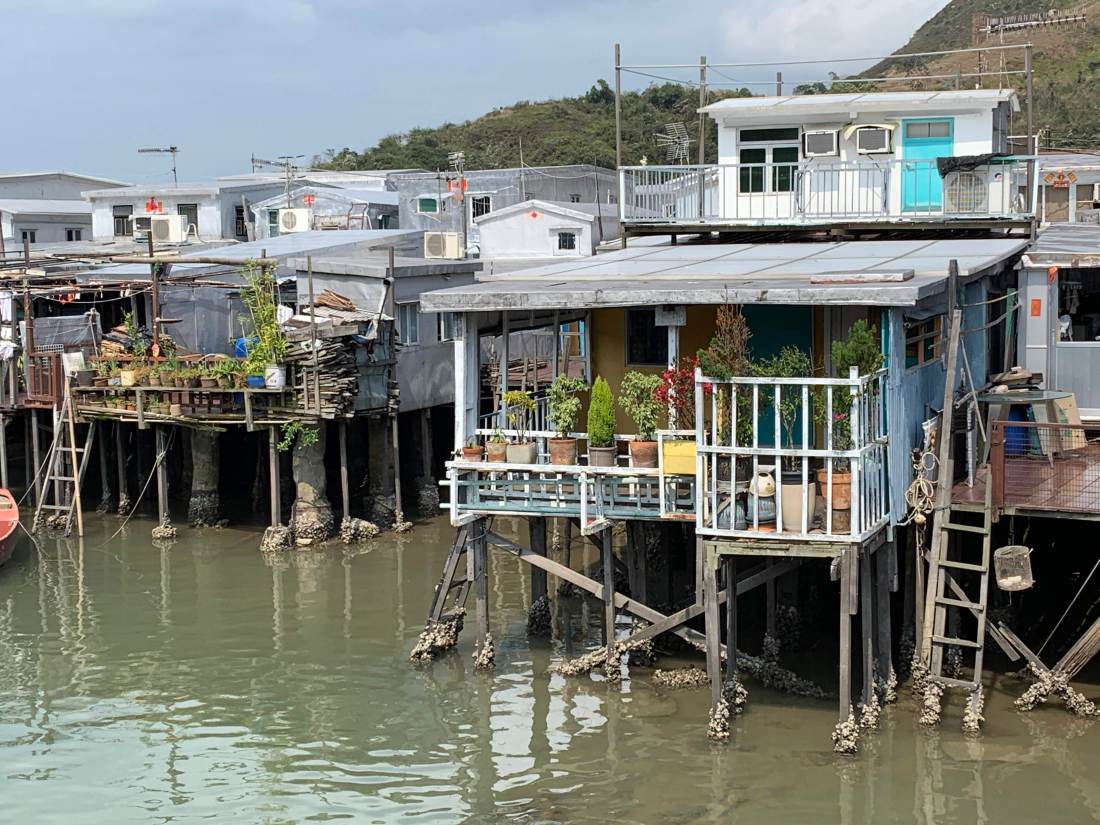
From the top we took a bus to Tai O Village on the northwestern shore of Lantau Island. It is a 300 year old fishing village with numerous homes and shops on stilts. They are famous for salted seafood. We had a delicious lunch at a local restaurant before heading back to Kowloon.


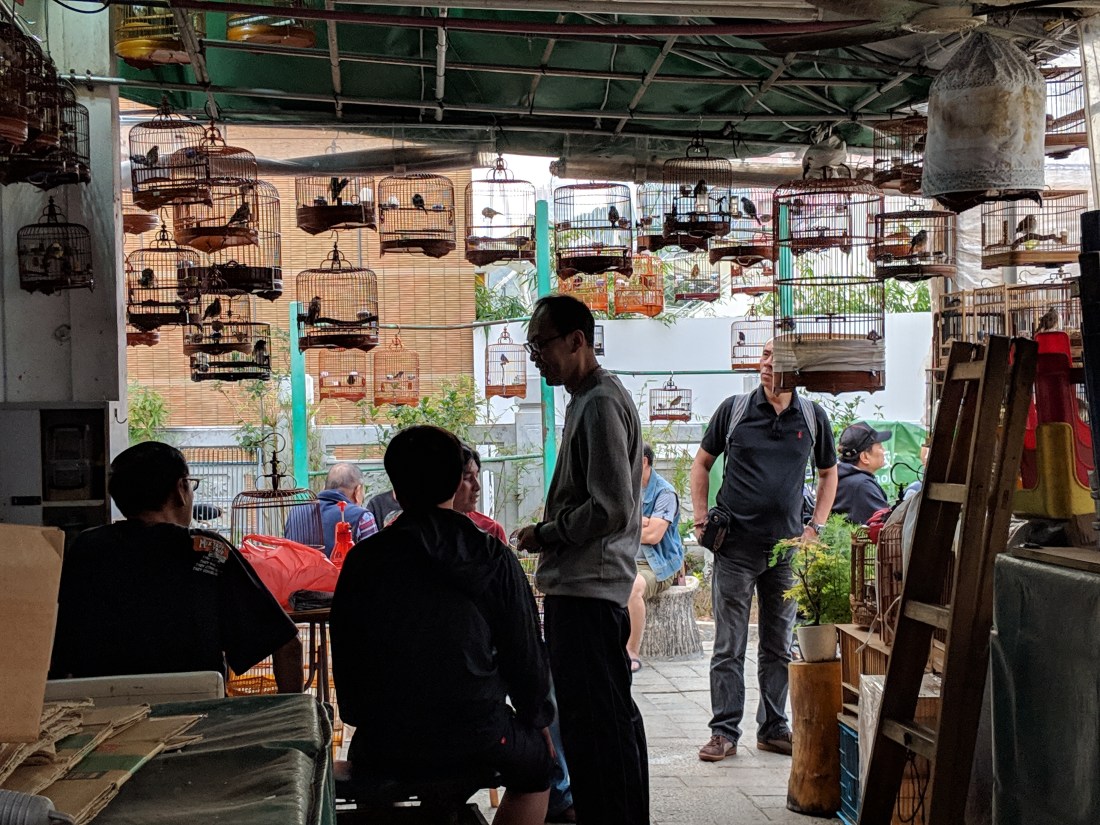
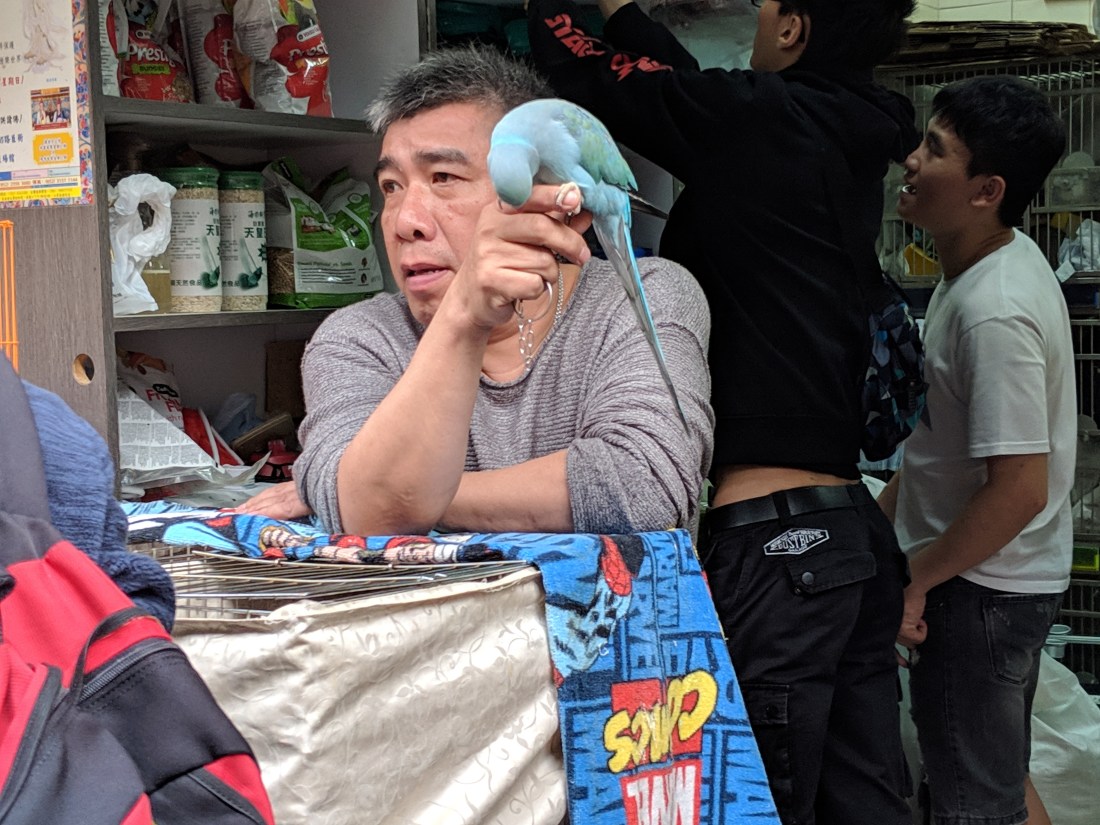
Once back at Kowloon, we visited the bird market, which we had missed the day before. Not only are there hundreds of birds for sale, several local men bring their pet birds along for playdates.

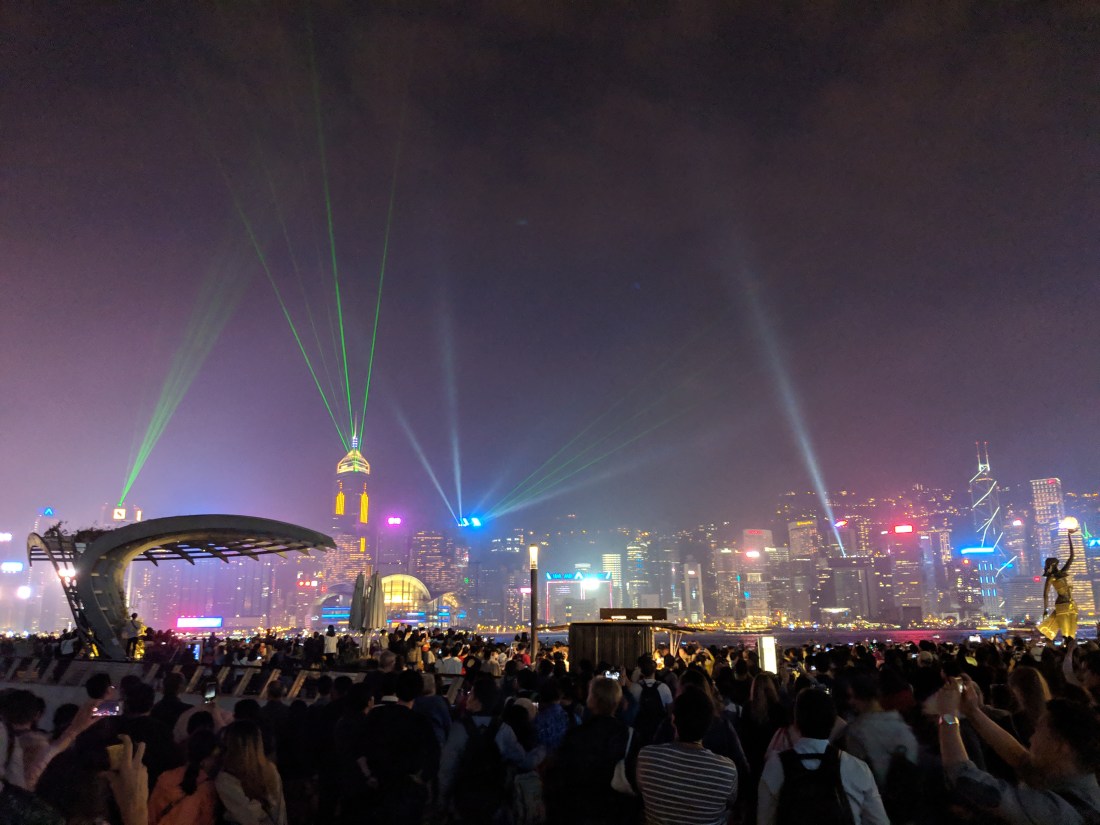
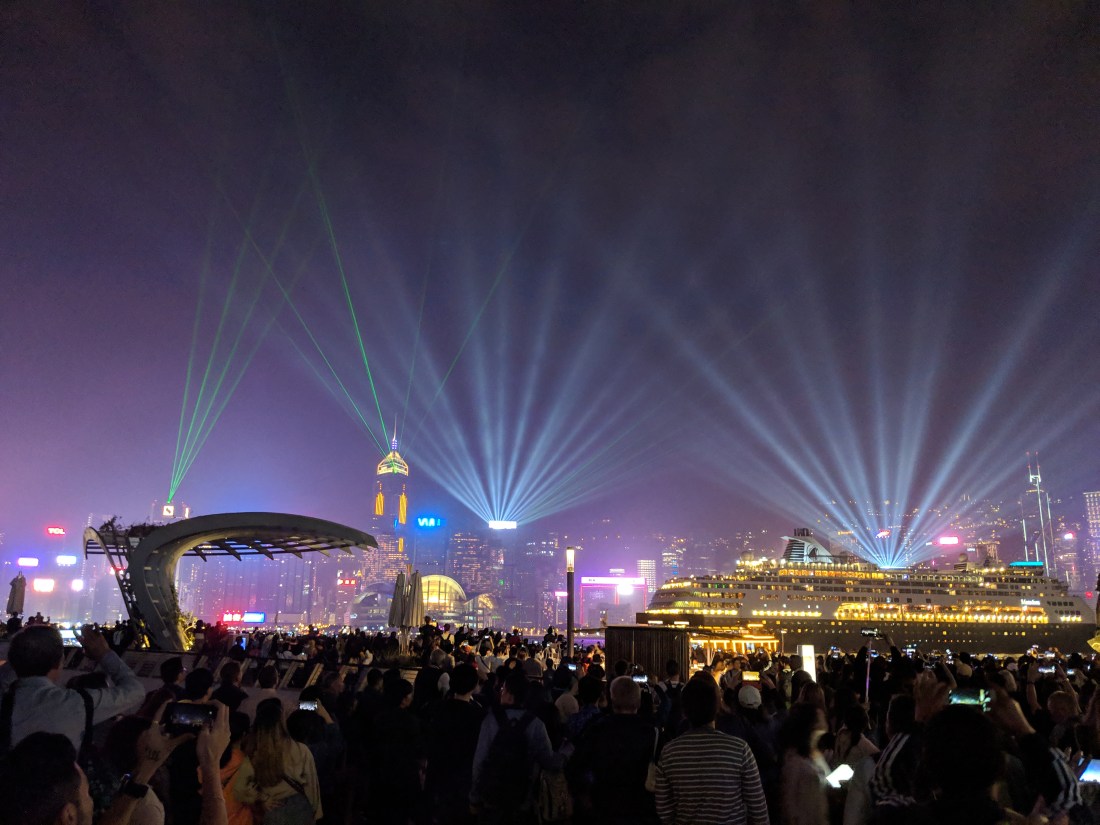
Finally, we made our way down to the Kowloon shore to watch the Hong Kong evening laser light show.
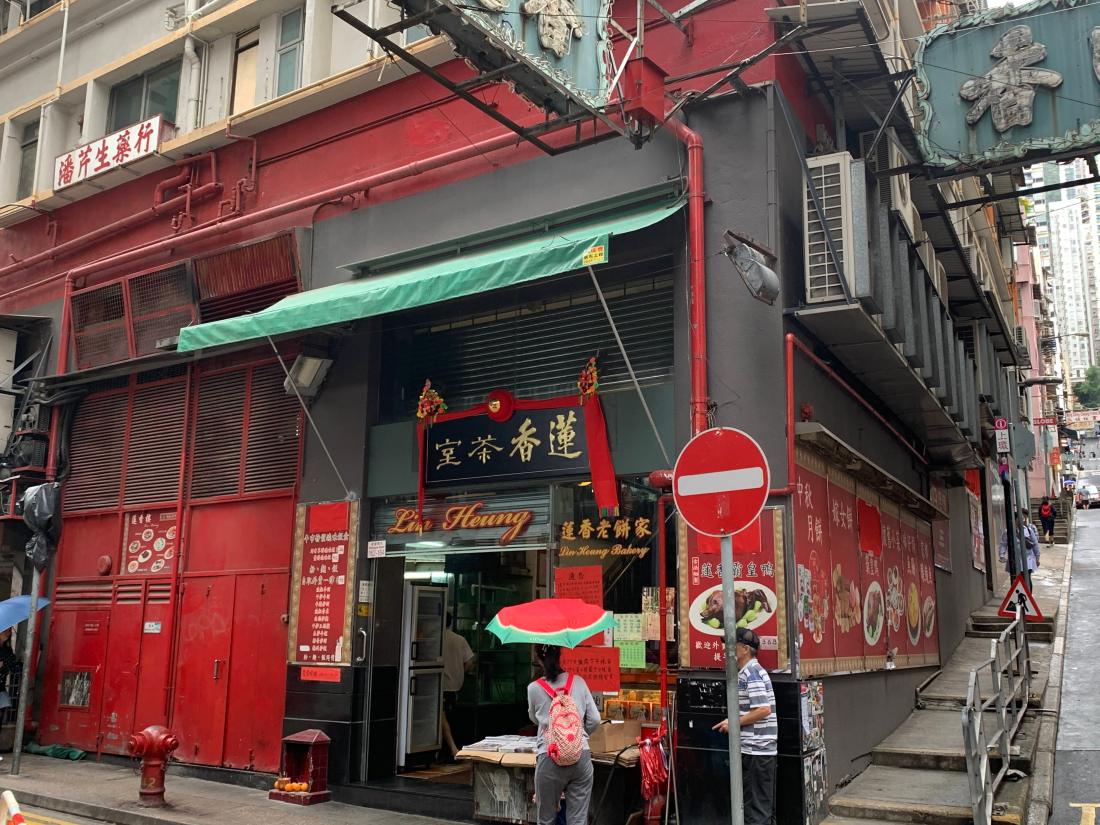
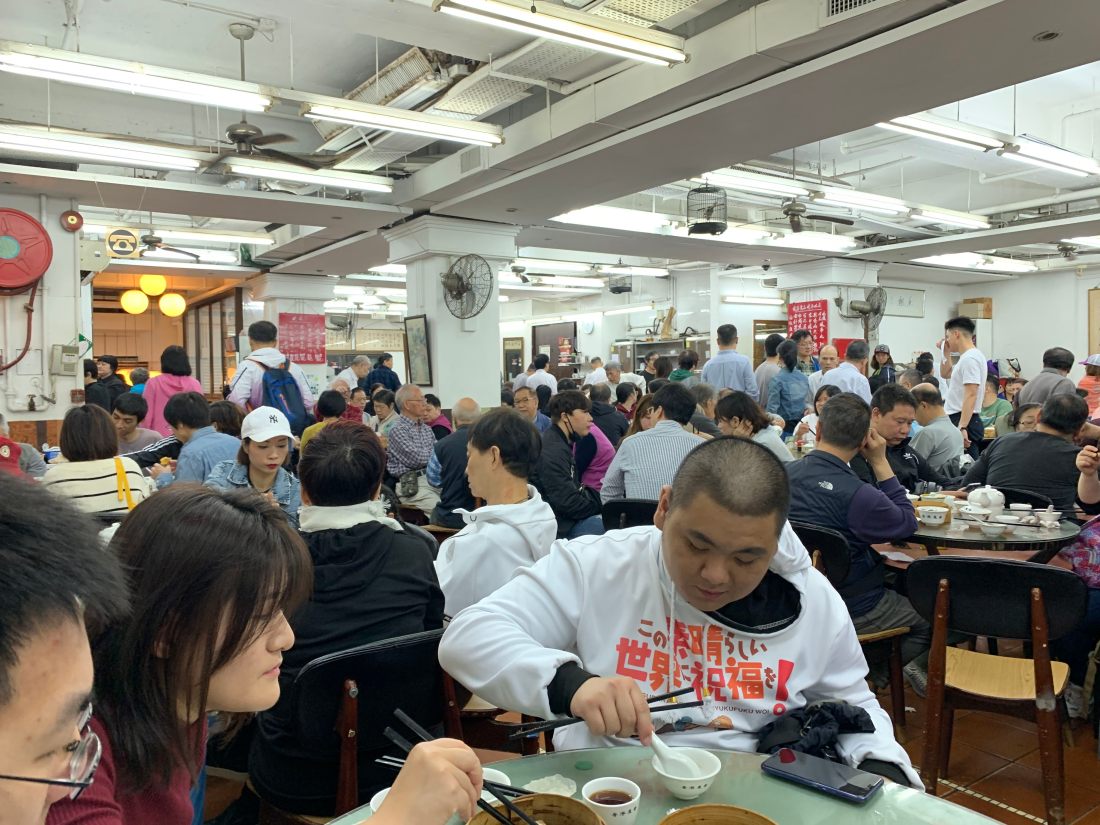
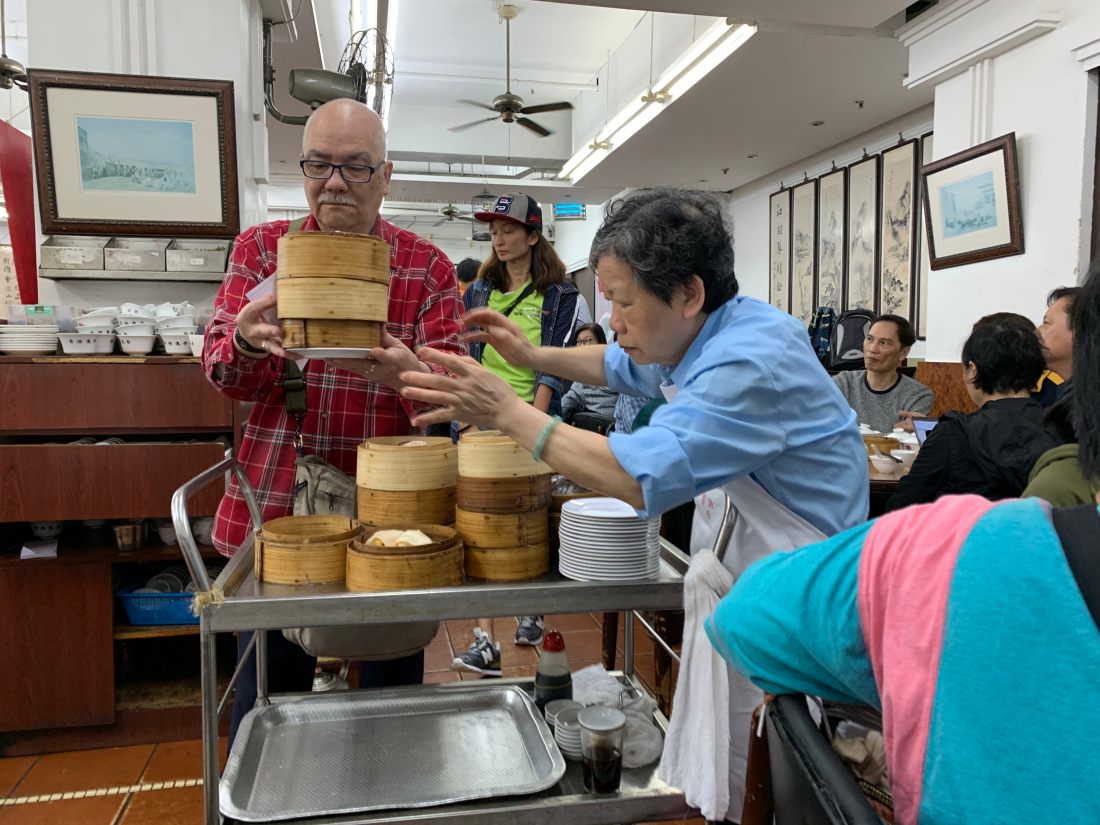
The next day was a rainy day. We started the day in a famous Chinese tea house in our neighborhood: Lin Heung opened in 1926. Most of the current staff have worked there their entire lives.
We then spent most of this rainy day at the Hong Kong Museum of History which had incredible exhibitions of the island’s history starting with the natural environment of the geologic evolution and the flora and fauna:

Then man’s prehistory:
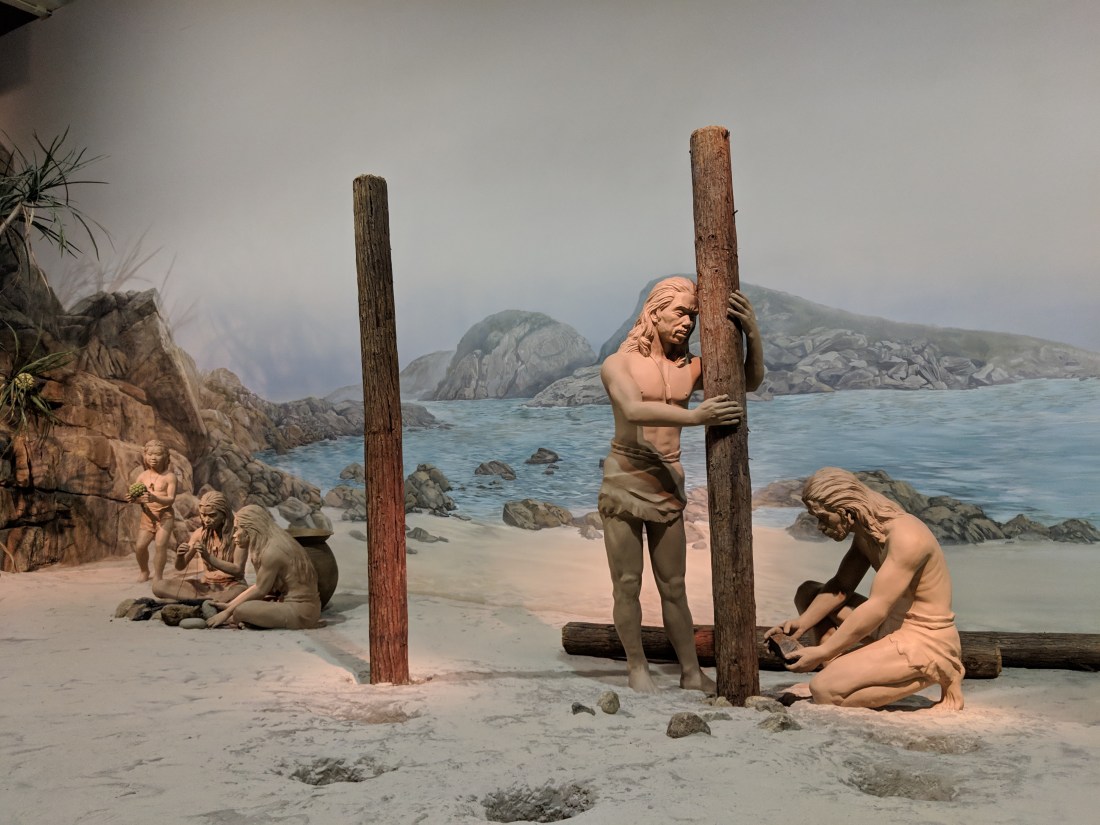
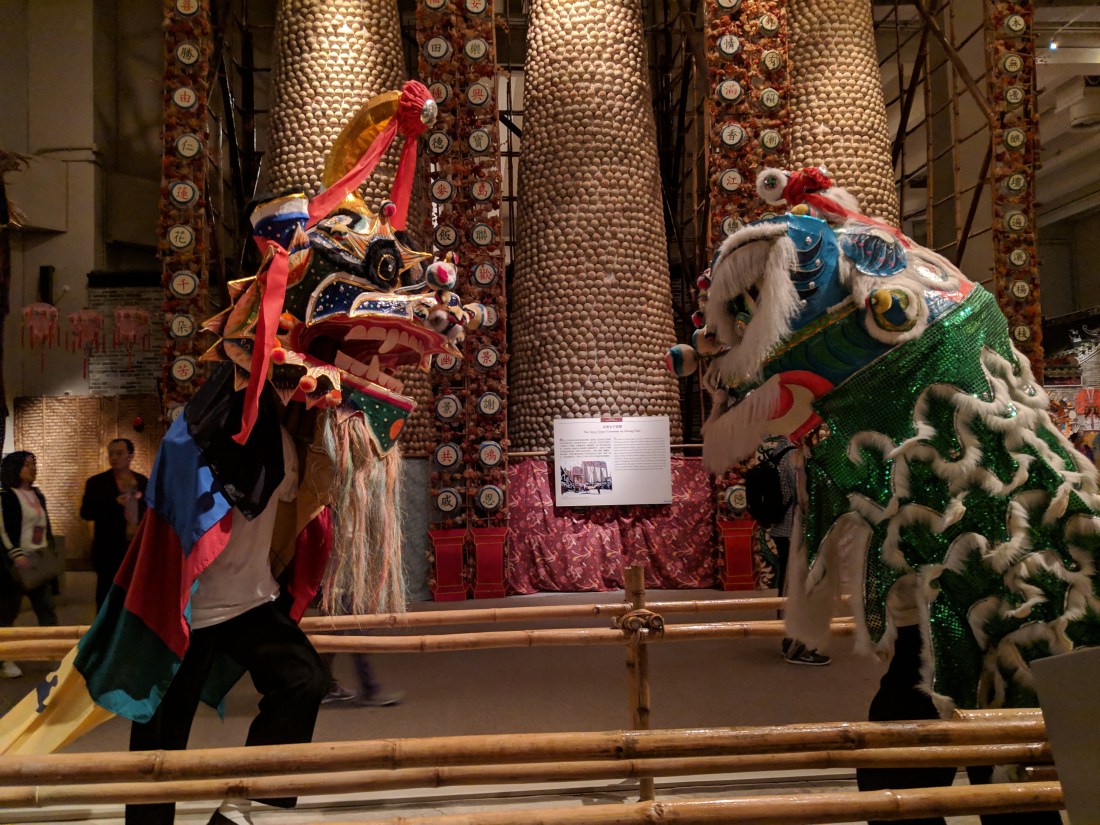
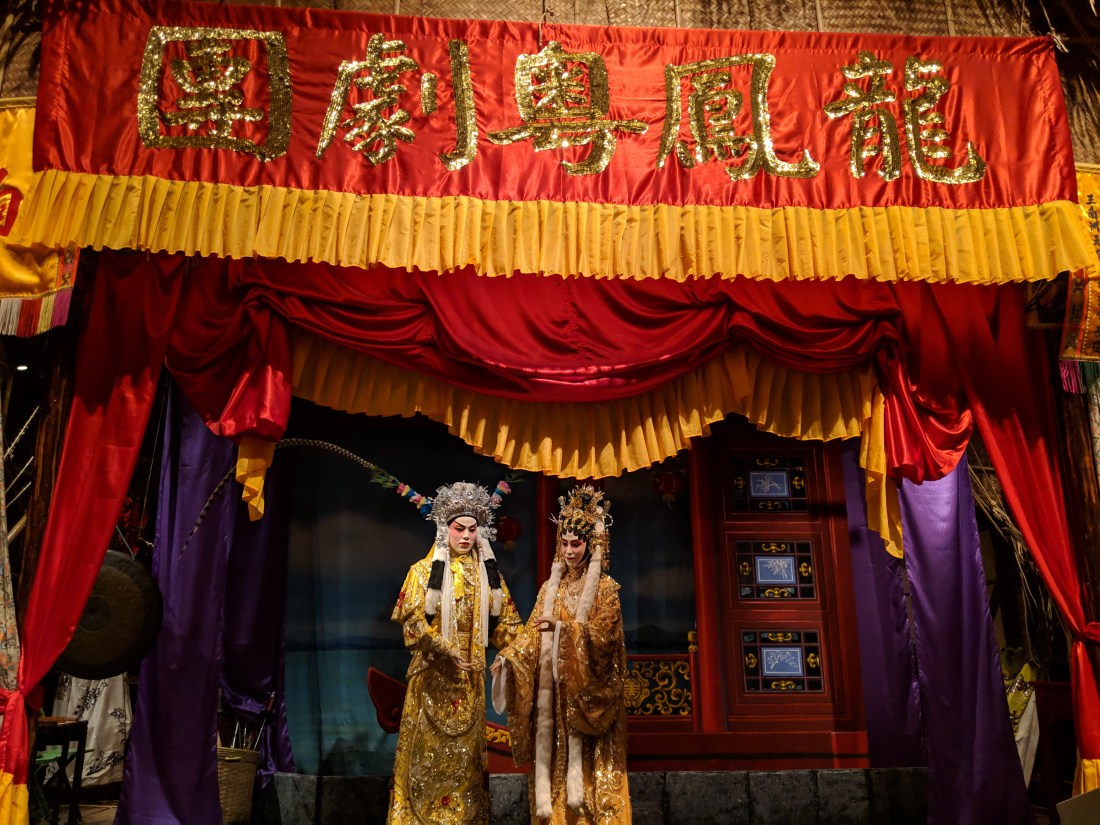
It continued with exhibitions of the many dynasties, the folk cultures, the opium wars, the birth and growth of the city, the Japanese occupation, and finished with the modern metropolis and the return to China. We spent most of the day there and learned tons. My favorite displays were those of the folk cultures.
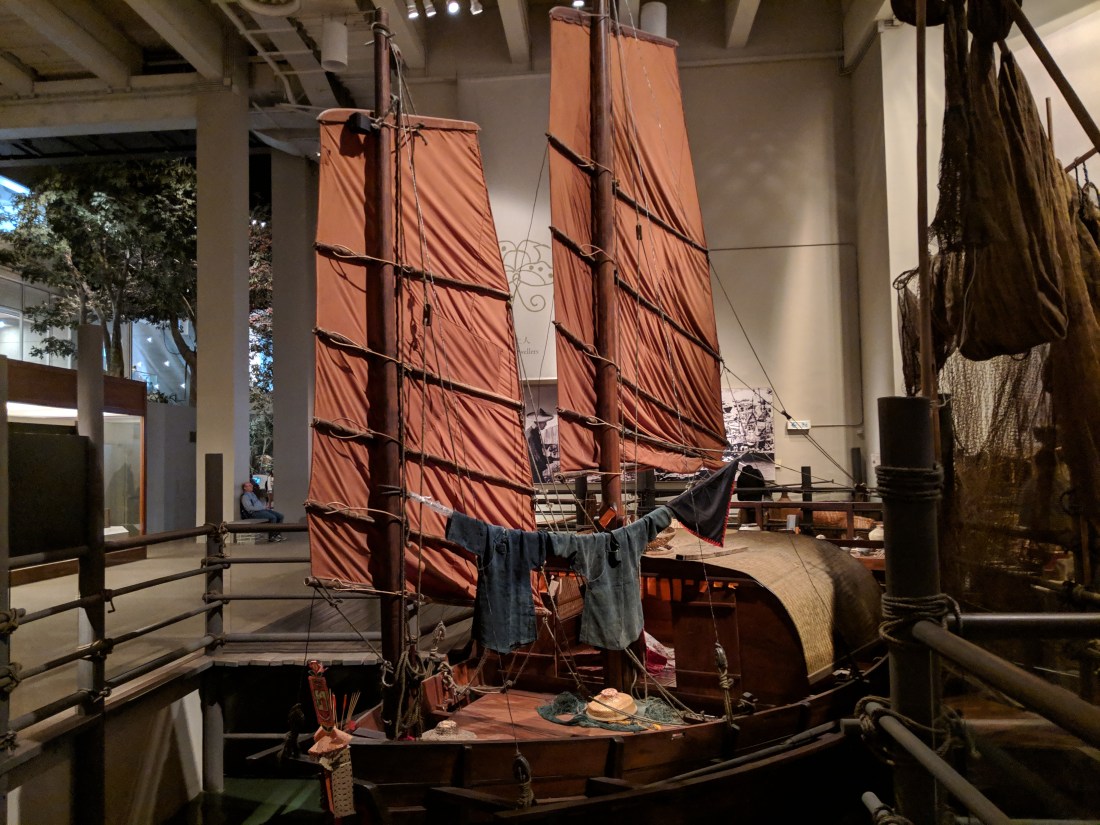
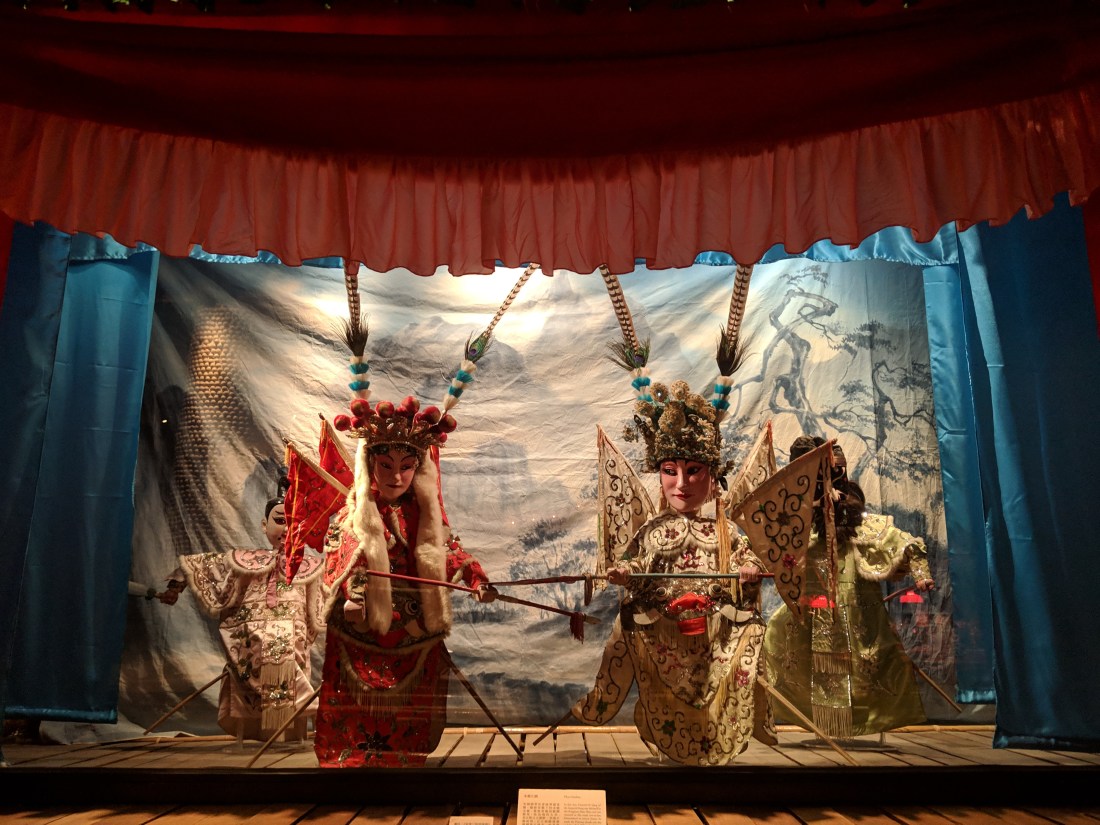
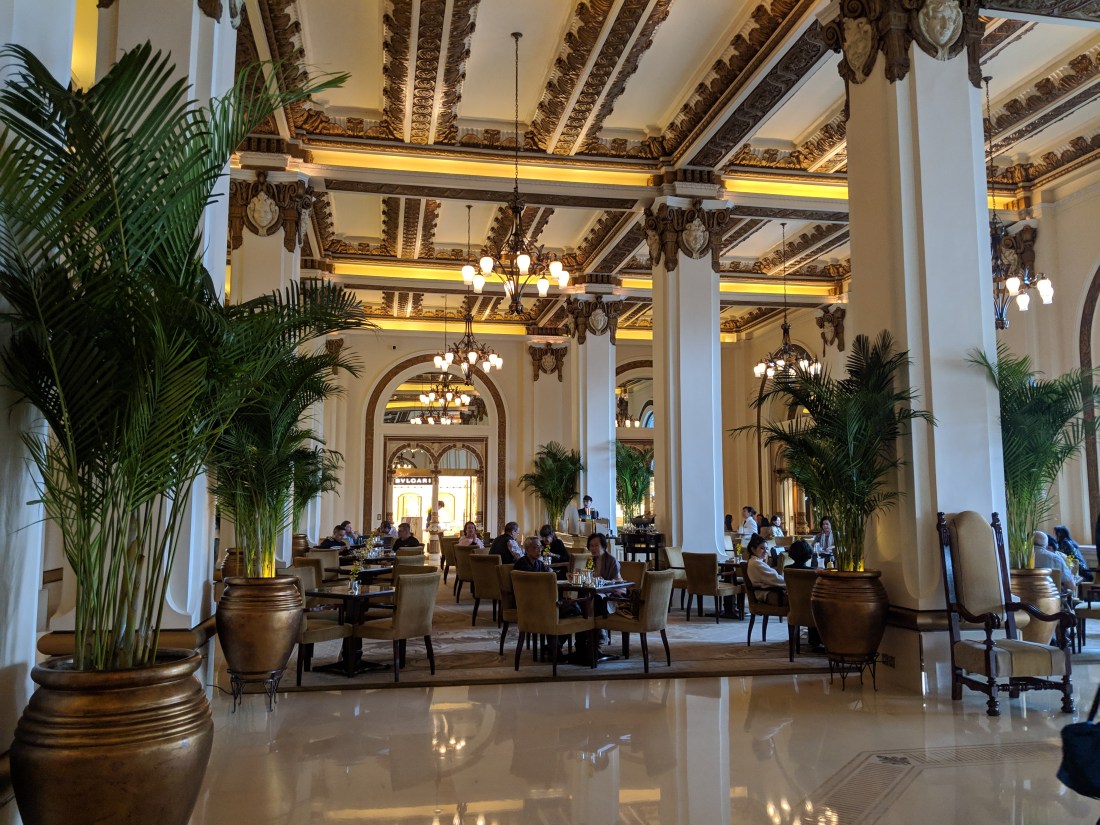
We then for our second tea of the day: high tea at the top 103rd floor of the Ritz Carlton.
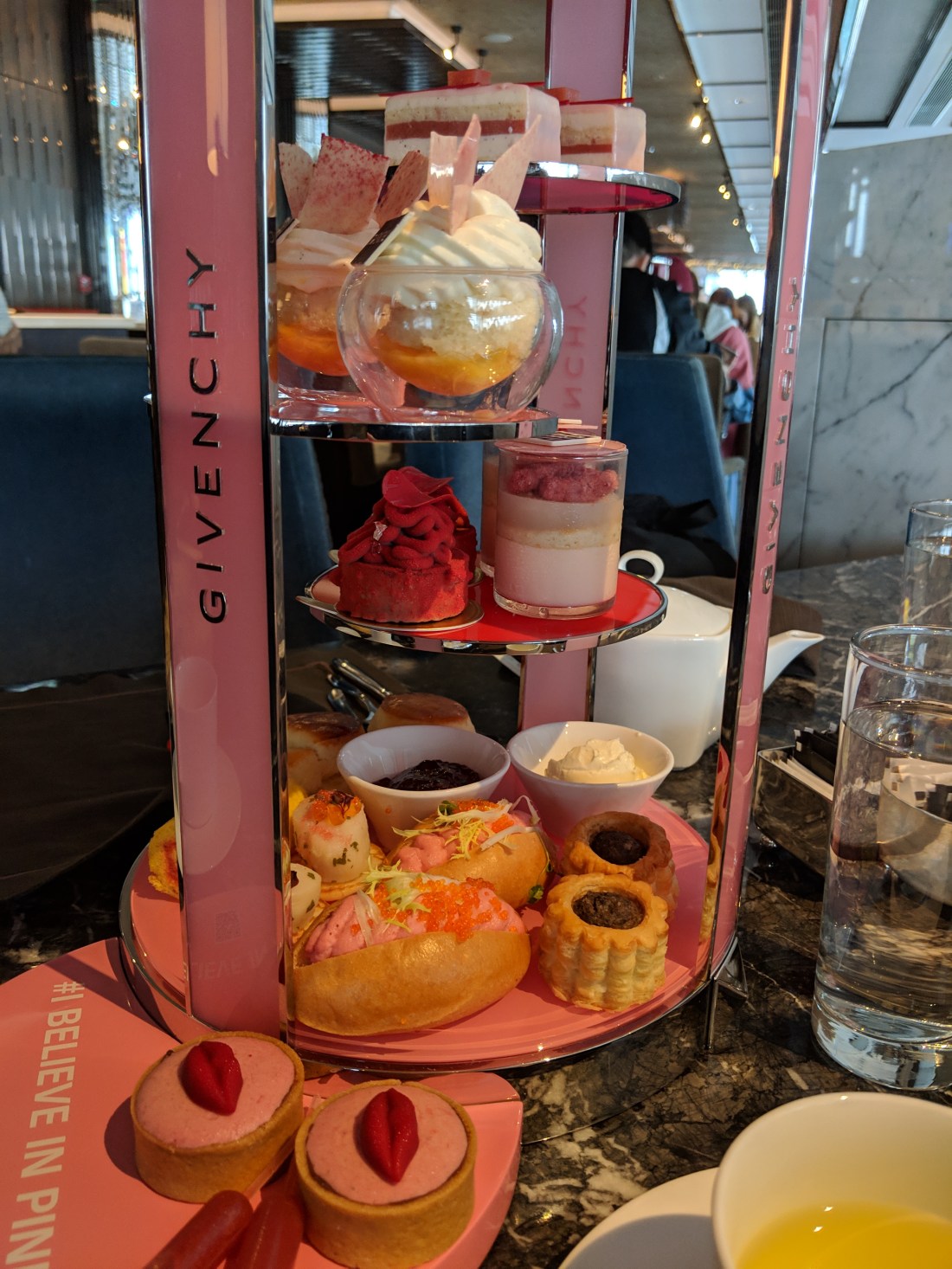
On our last day in Hong Kong, and our last day in Asia, we travelled up to the top of Victoria Peak for a hike. During the English control of the island, the British were very fond of living up on the the top of the mountain for the cool breezes and relief from mosquitoes, but did not like the hike up the hill. Originally they used coolies – Chinese slaves – to carry them up the hill in sedan chairs. Originally opened in 1881, the famous Victoria Peak tram is still running.
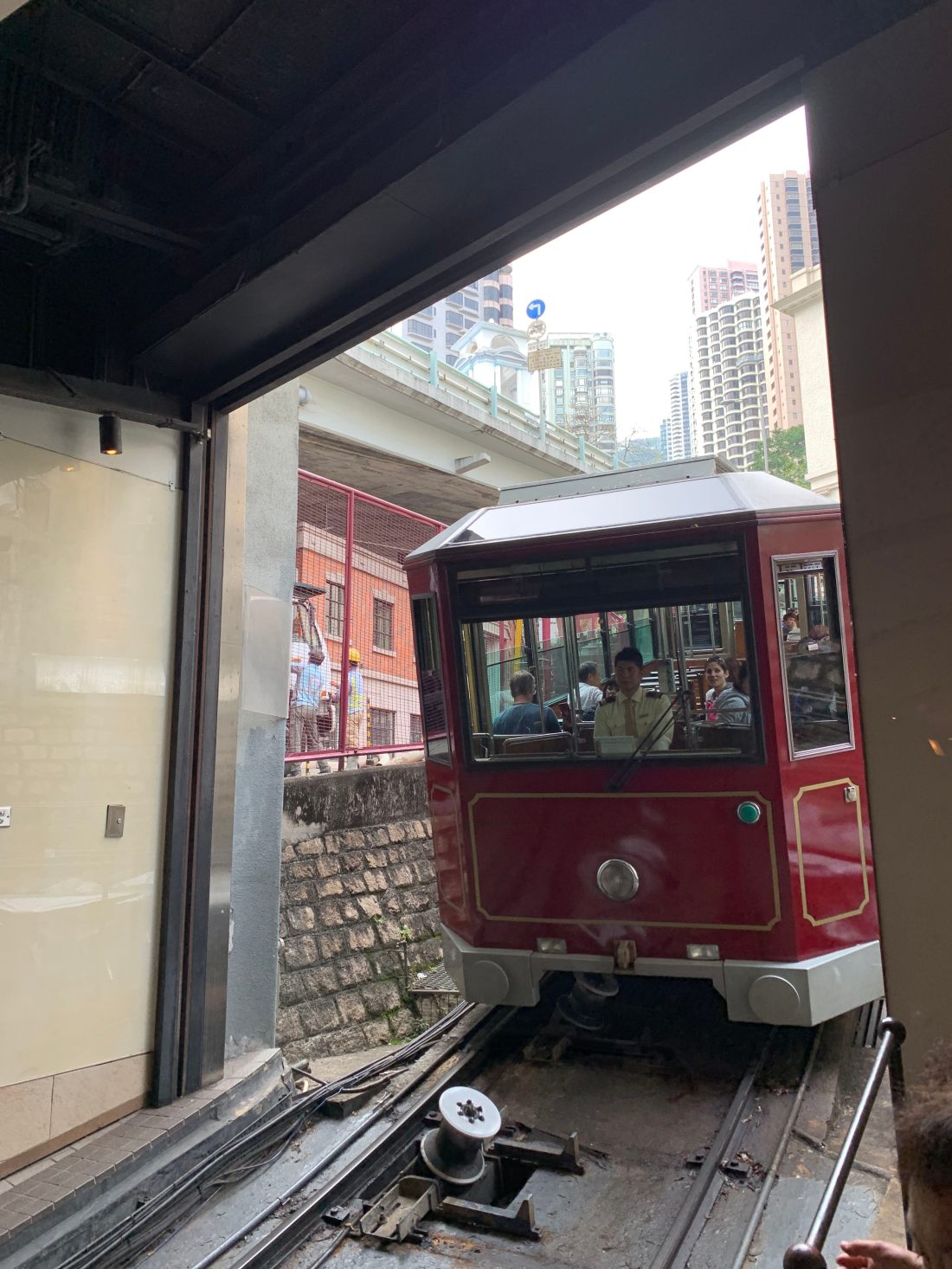
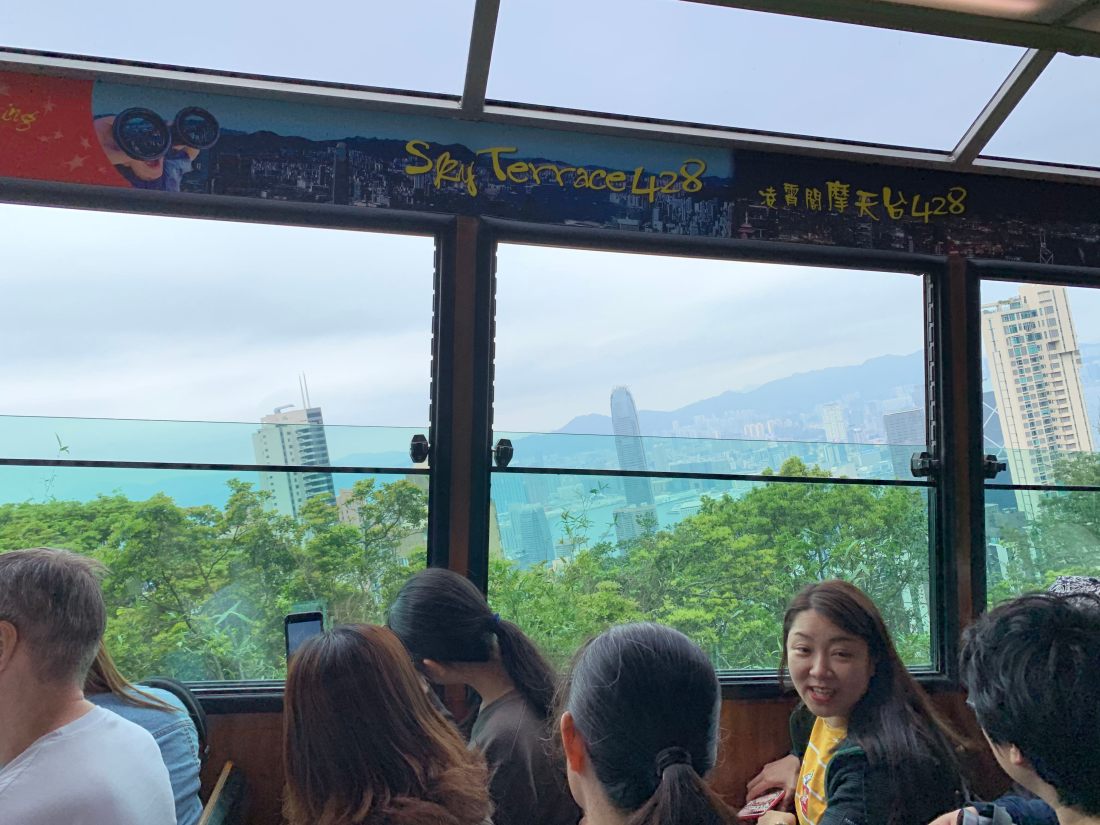
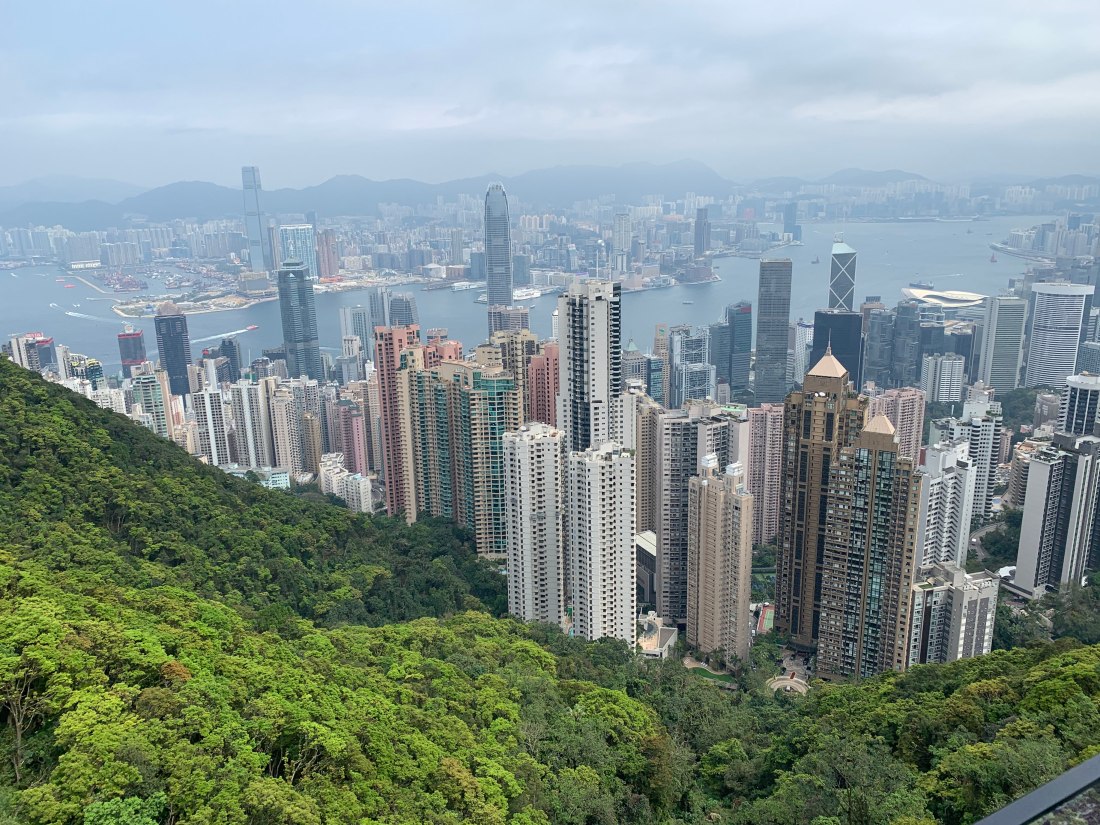
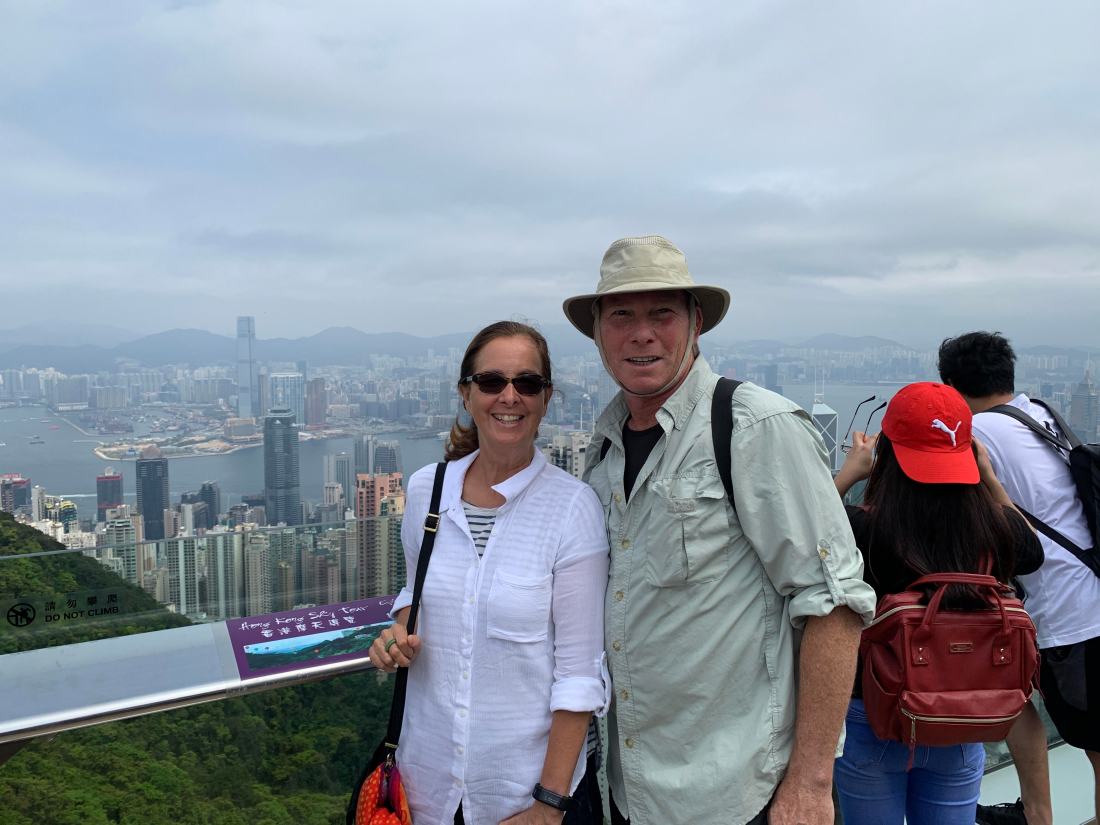
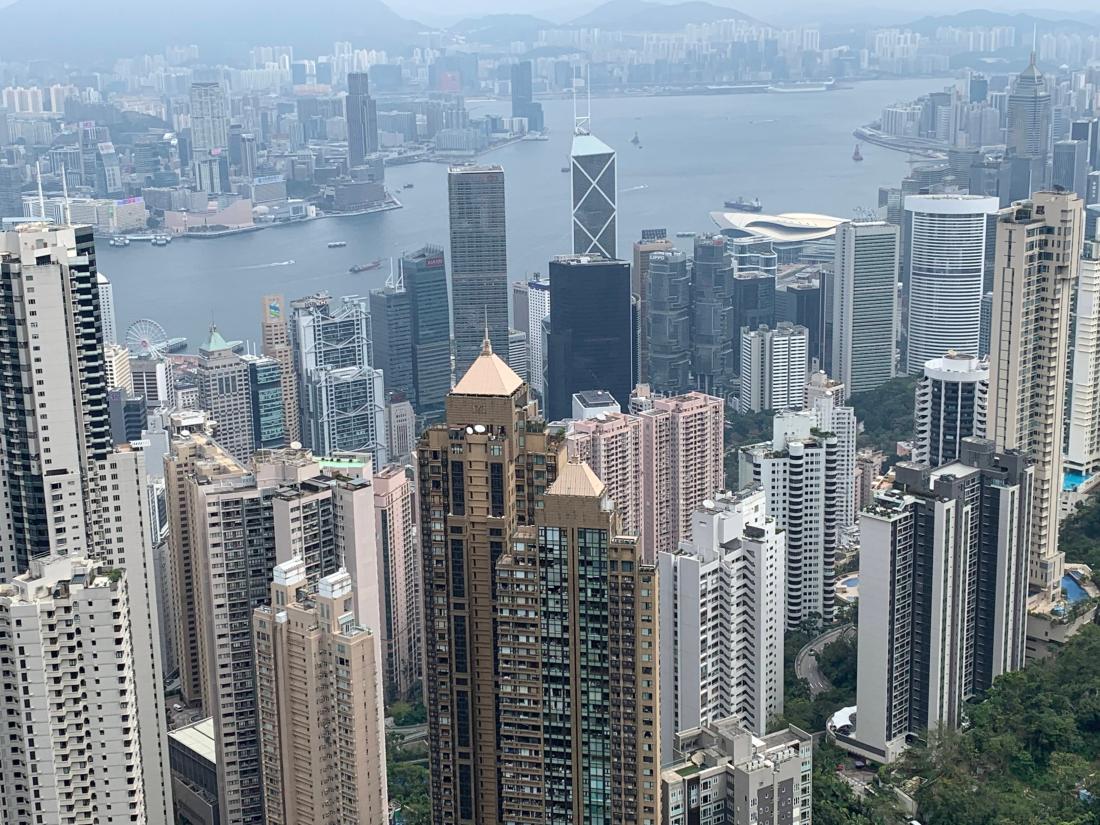
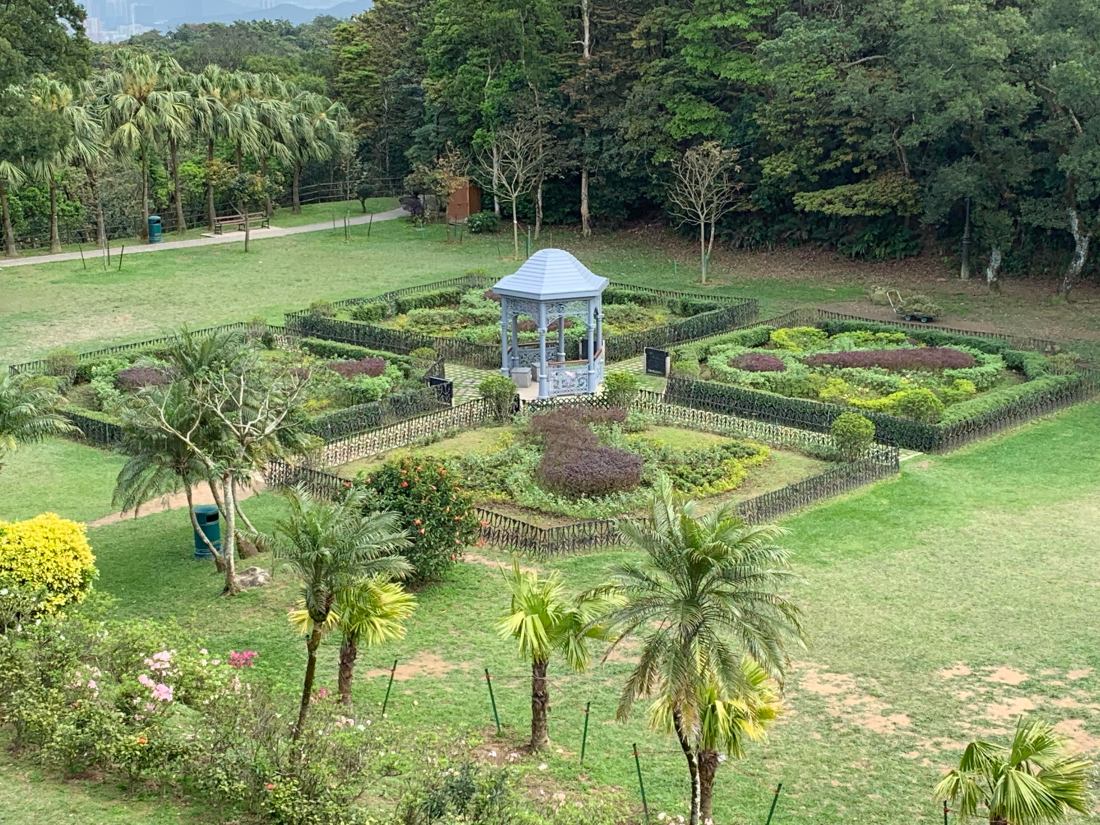
We had a lovely final day.
 Jo & Eric's travels
A fabulous finish! And you both look so great 😘
LikeLike
You both look like you could continue travelling around the world. What a wonderful experience.
LikeLike