
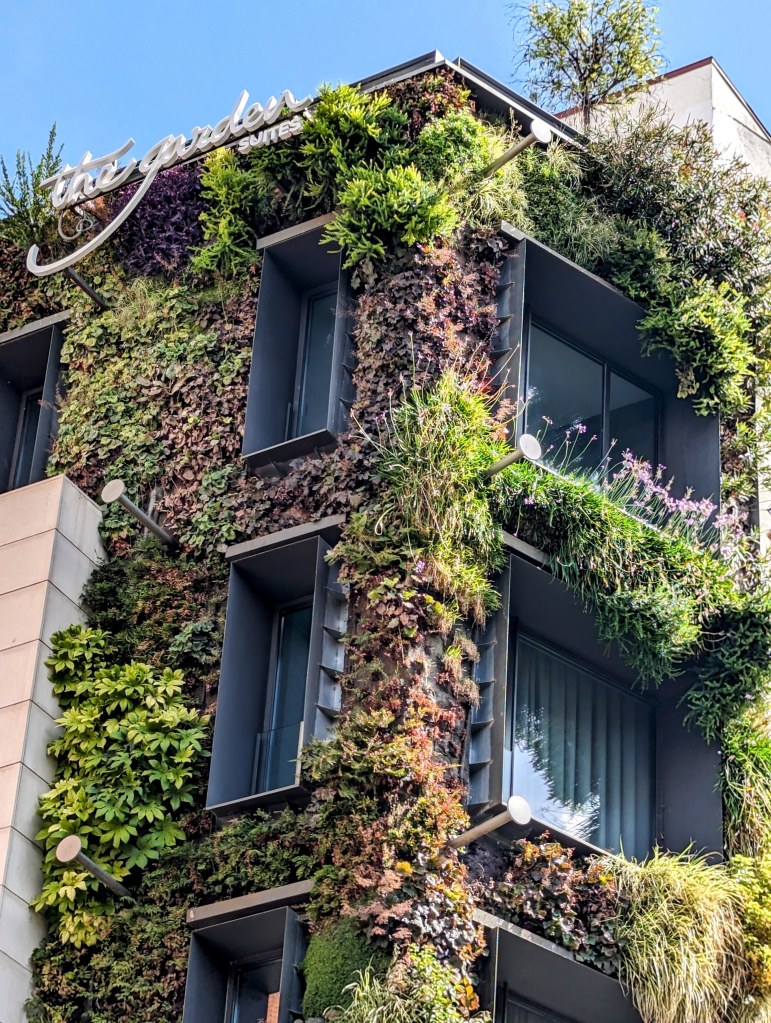
We arrived Monday via train from Barcelona and checked into our Airbnb, which is incredibly well located near all the famous museums.
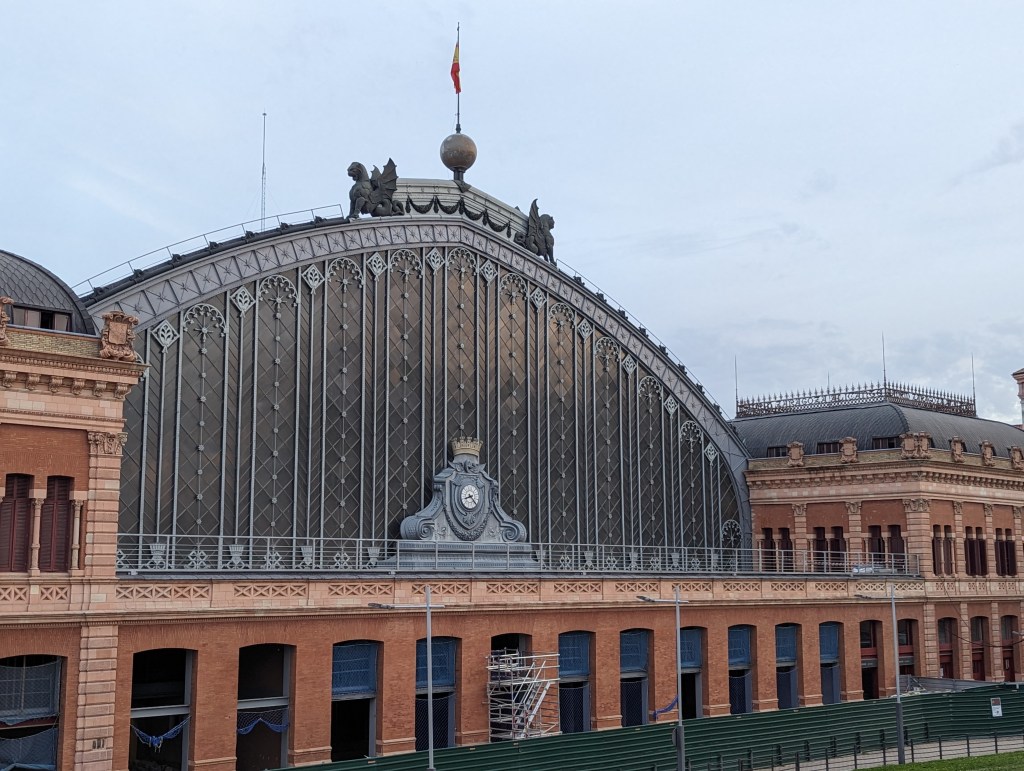
Day 1 we took a hop on/off bus to get an overall feel for the city and picked spots for further exploration. We were impressed with the architecture as well as the numerous statues, arches, and fountains throughout the city.
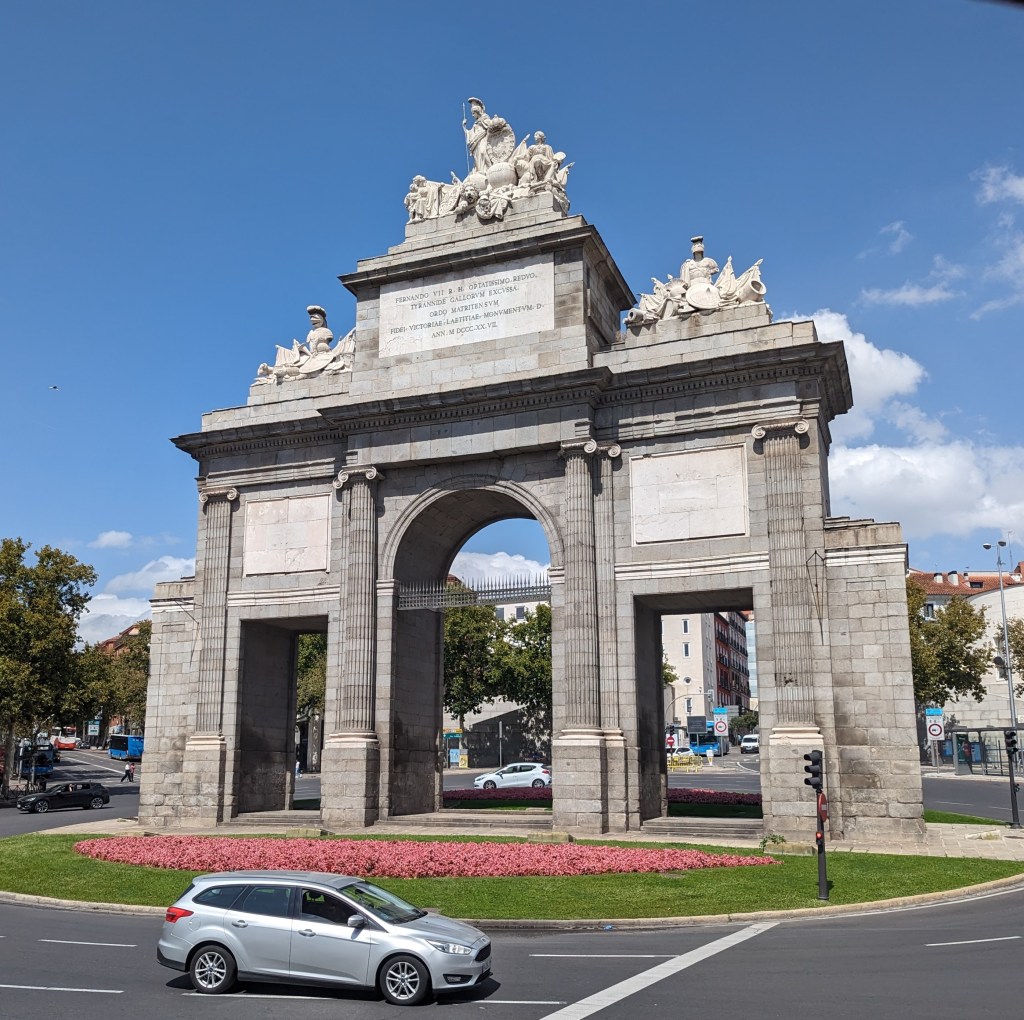
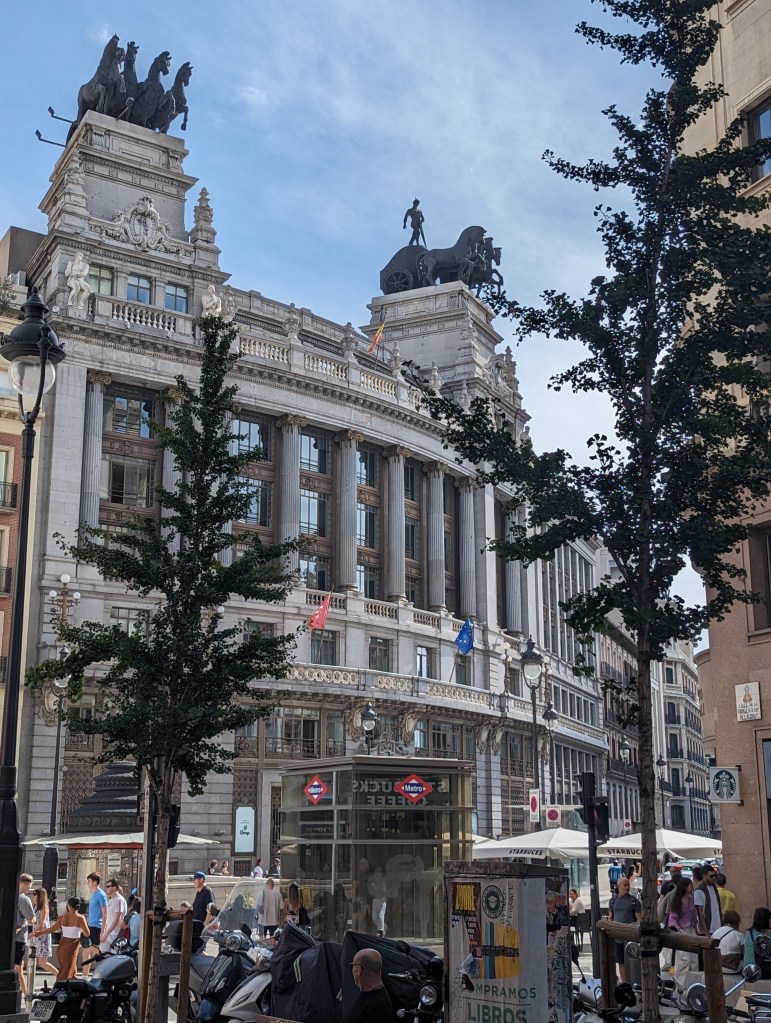
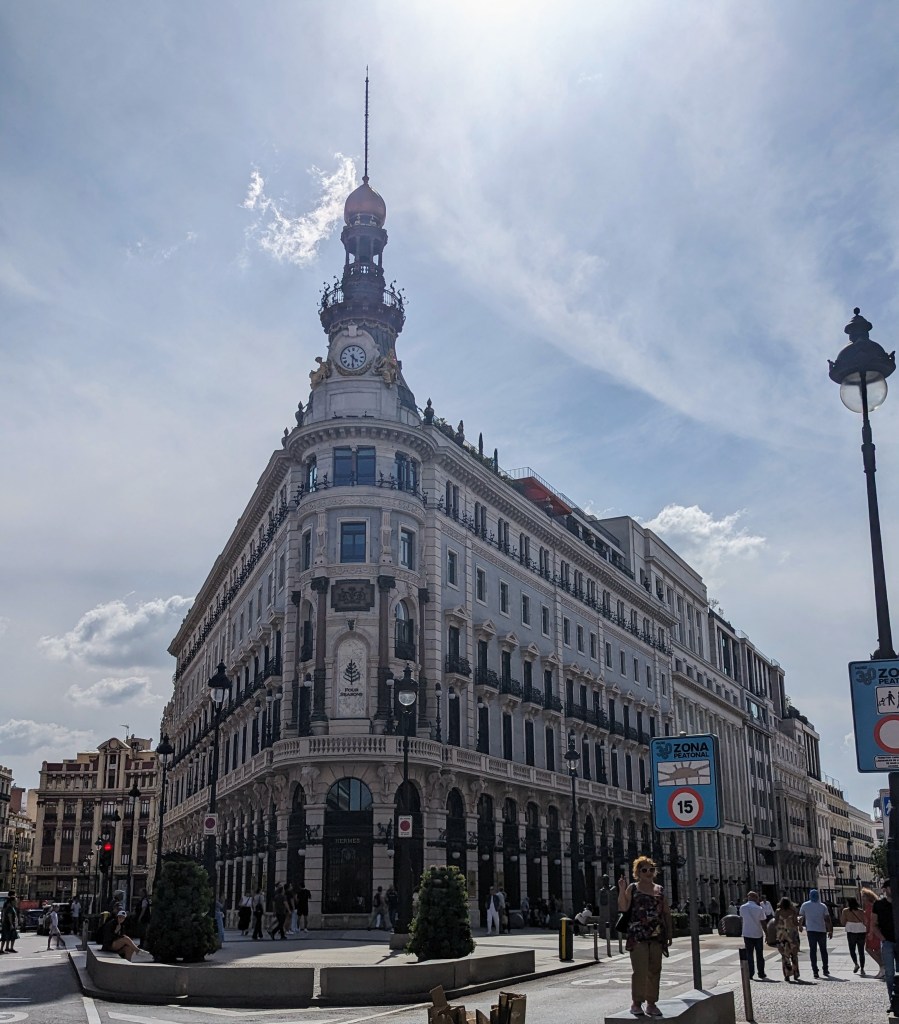

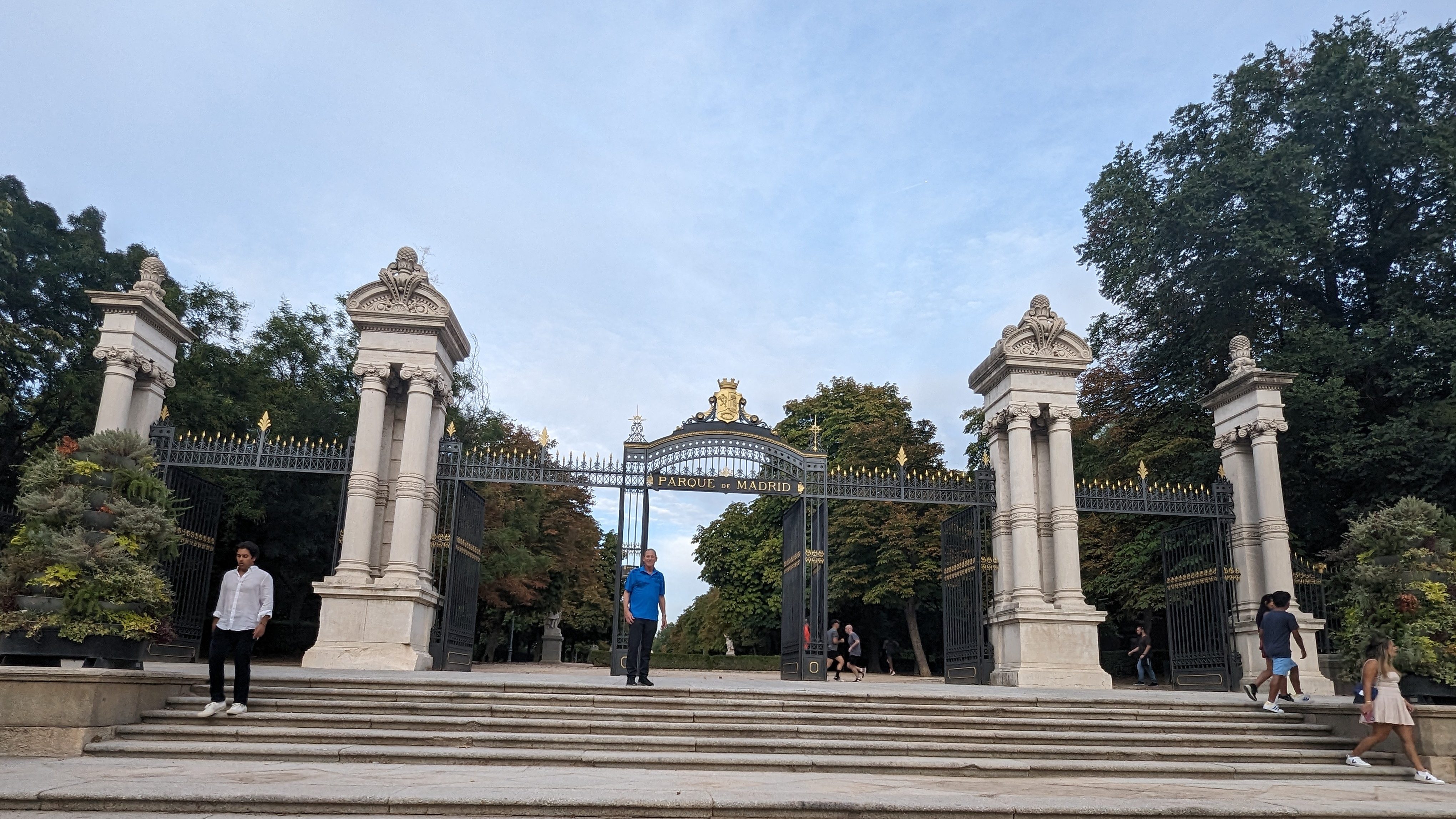
And we took a walk through the park.
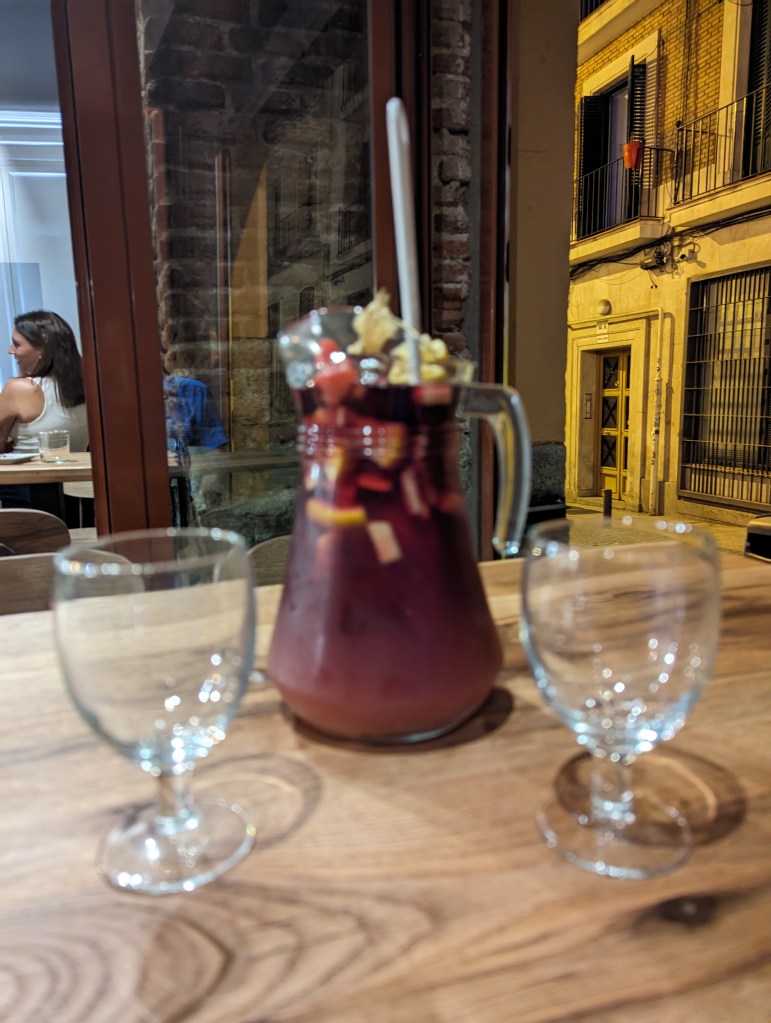
After a long day of walking, we rewarded ourselves with a pitcher of sangria at the tapas bar El Sur, which is right next to our apartment building, what luck!
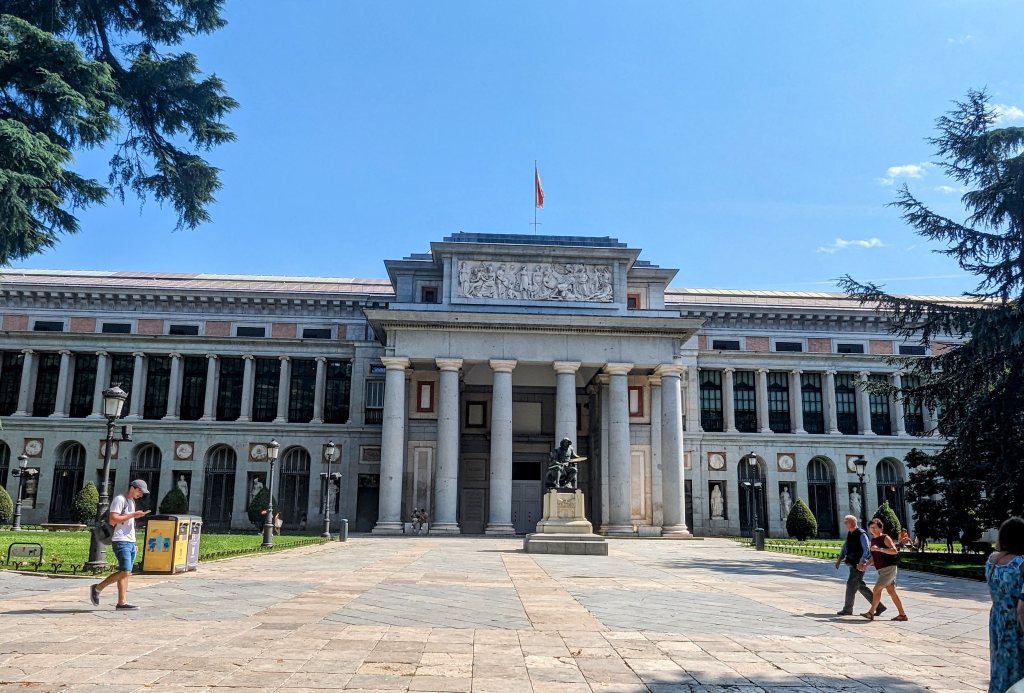
Day 2 was our 37th wedding anniversary. We started the day with a visit to the Prado Museum. We spent 4.5 hours there and loved every second of it.
After a rest we headed out in Spanish style for dinner at 8:30 at Bibo Madrid by Dani Garcia and had the most excellent meal that any foodie would enjoy.
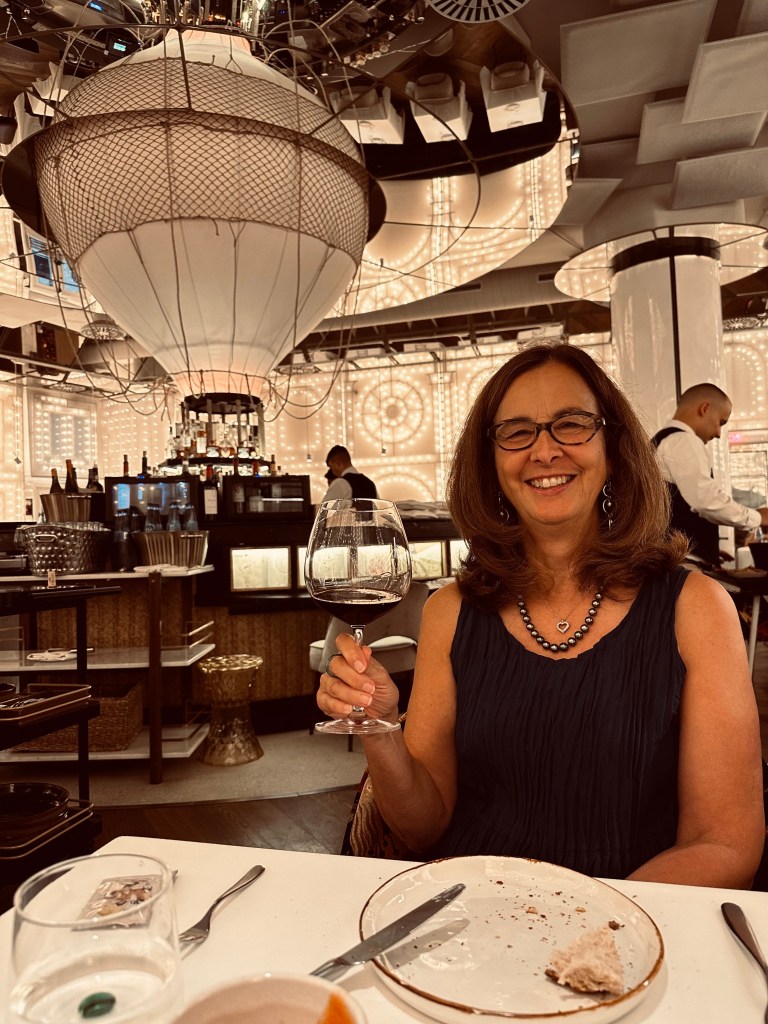
The desert was an especially memorable combination of chocolate flavors and textures.

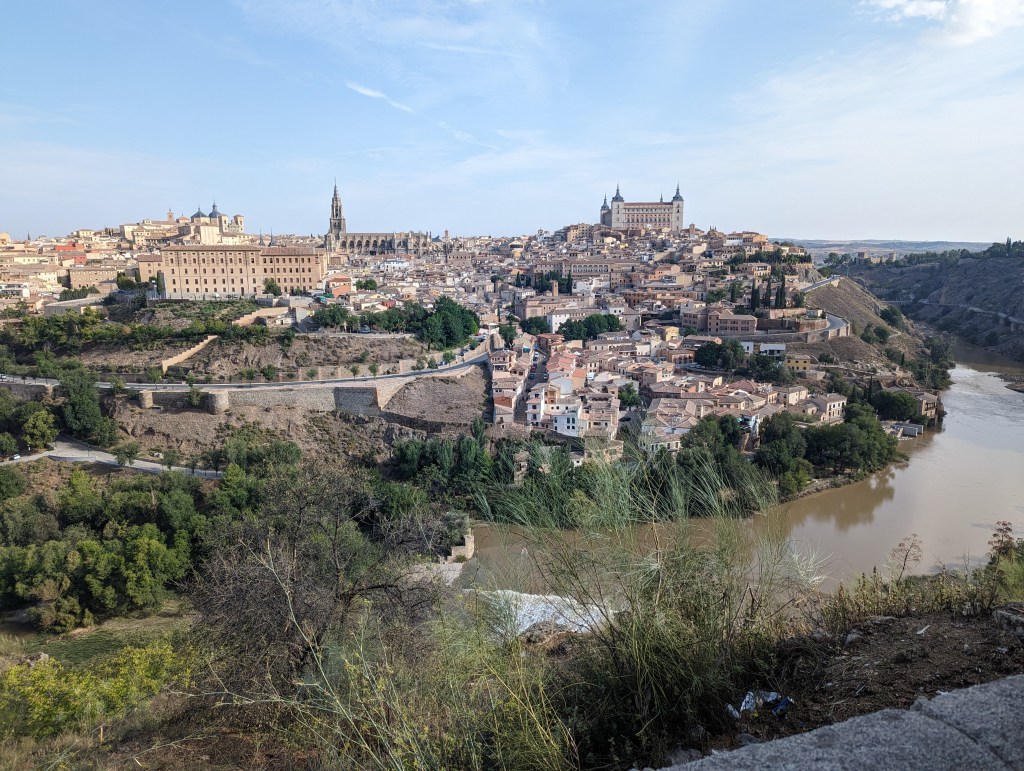
The 7th of Sept. we took a train to Toledo; what an adventure. Before entering the town we stopped for a panoramic pic from above the town.
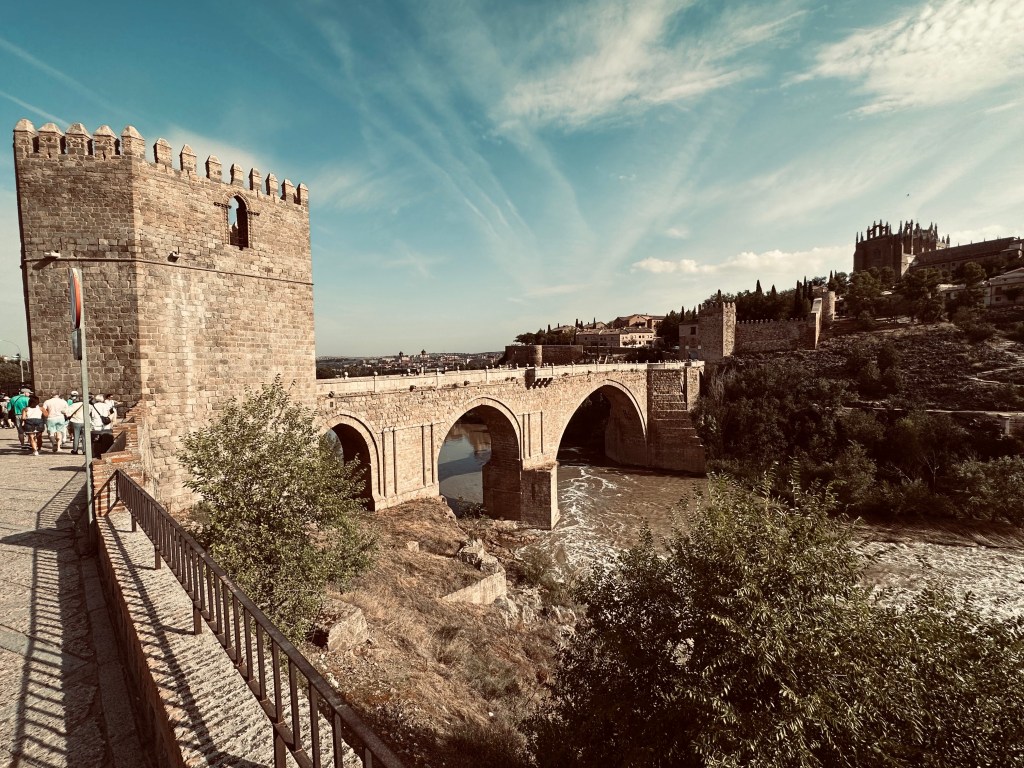
Then we walked over the Alcantara Bridge, one of the many bridges over the Tagus River into town. It was originally built by the Romans.
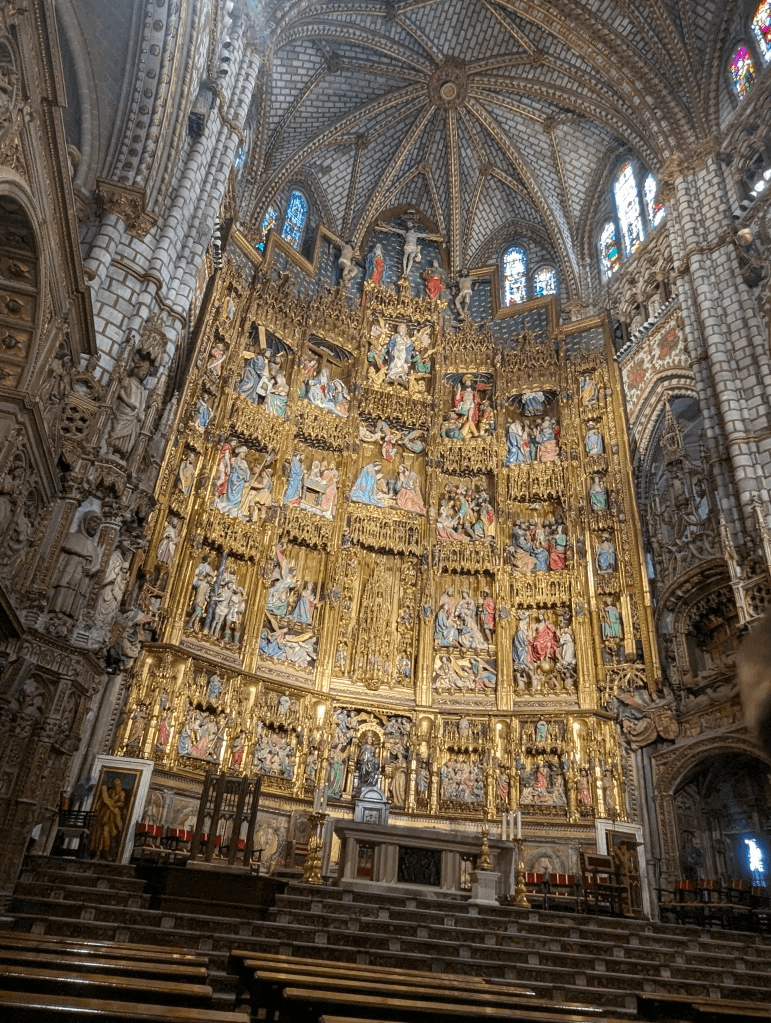
Then, of course, we took a guided tour of the Toledo Cathedral, which honors the Virgin Mary and is the current seat of the Archdiocese of Toledo. It is one of only 3 gothic churches built in Spain in the 13th century. It was built above a mosque. Although started in 1226 by Ferdinand III, a lot of the art was added when Spain became wealthy in the 16th century from all the money (and gold) made from imports from the Americas (like chocolate!).

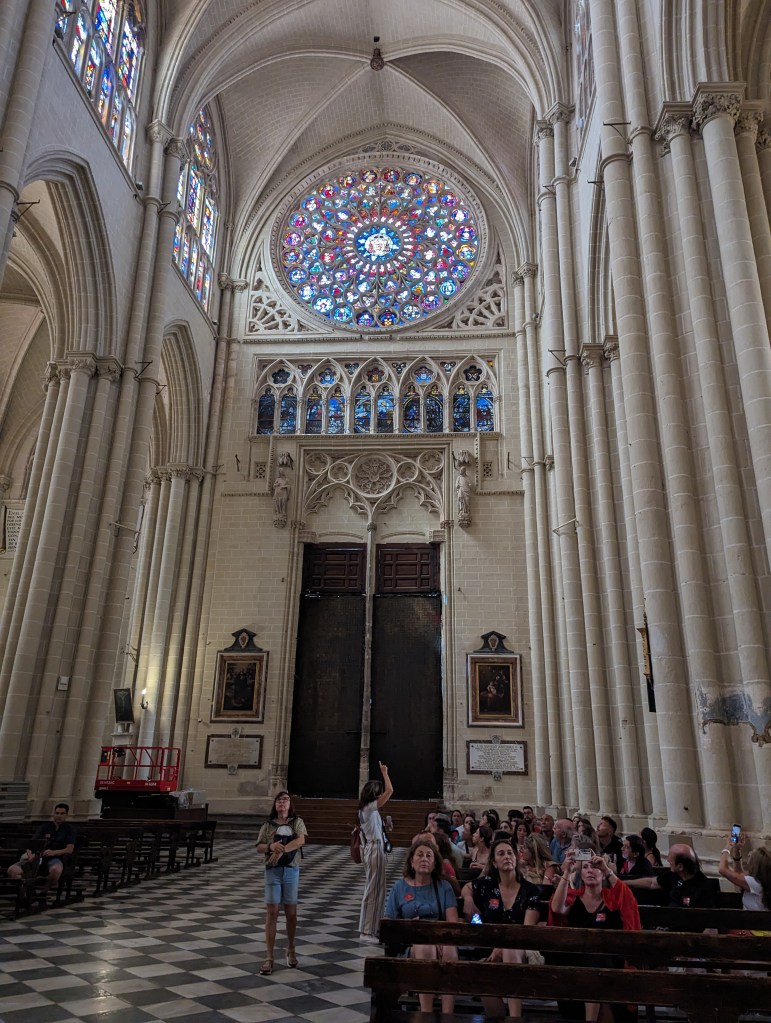
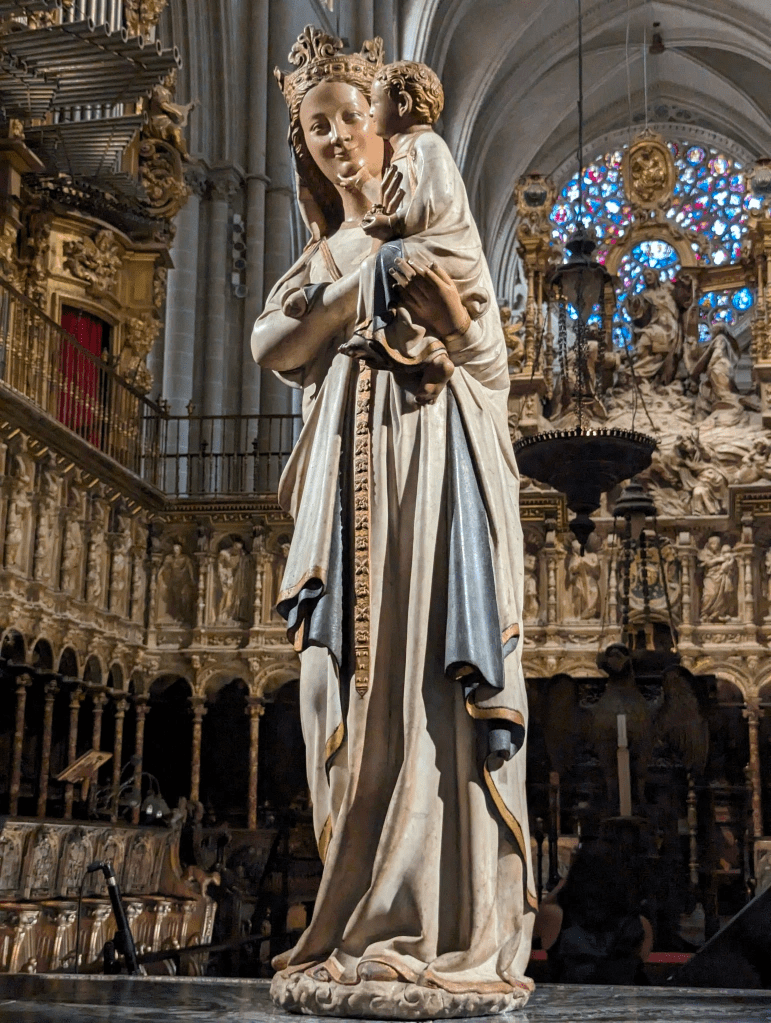
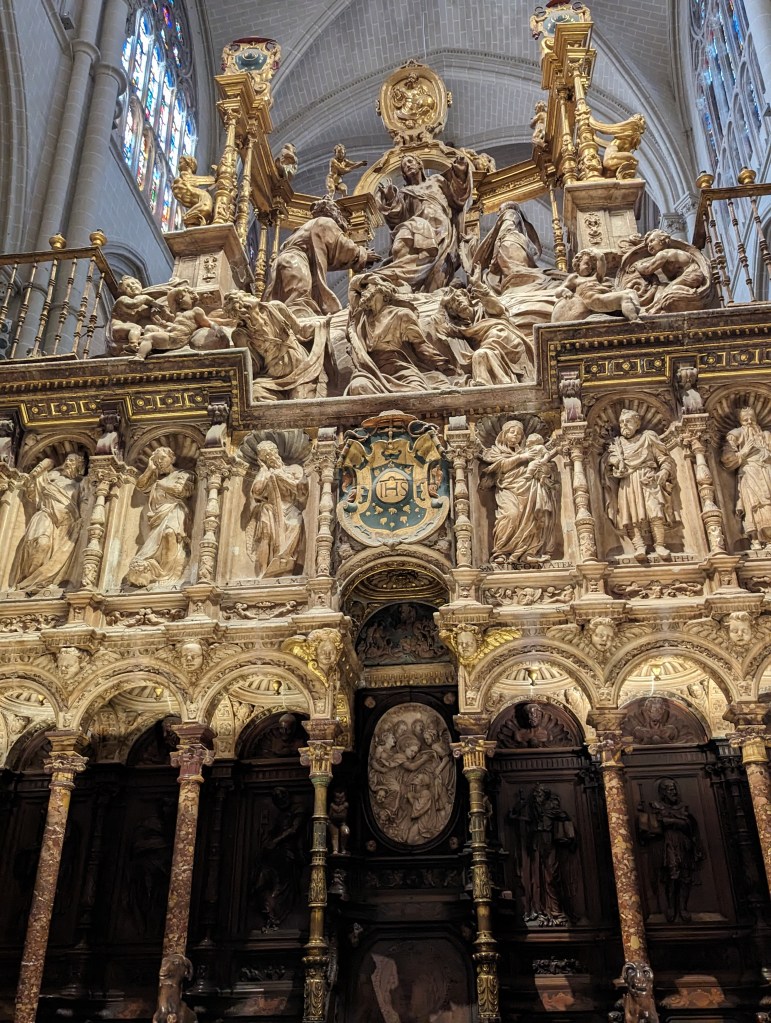
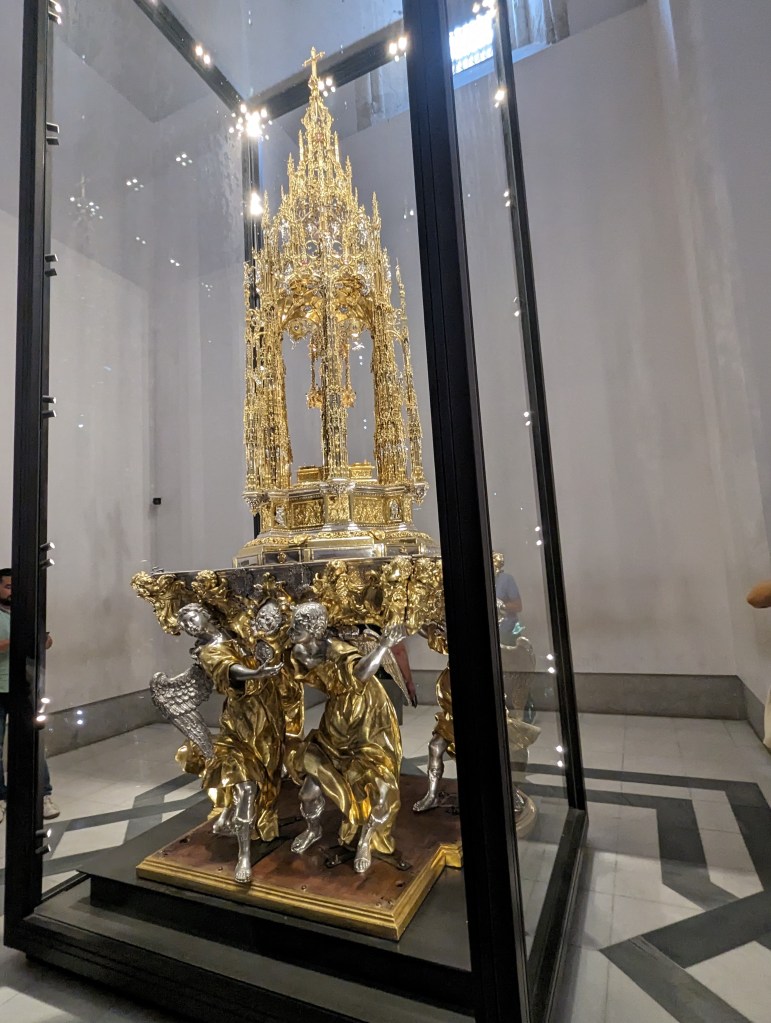
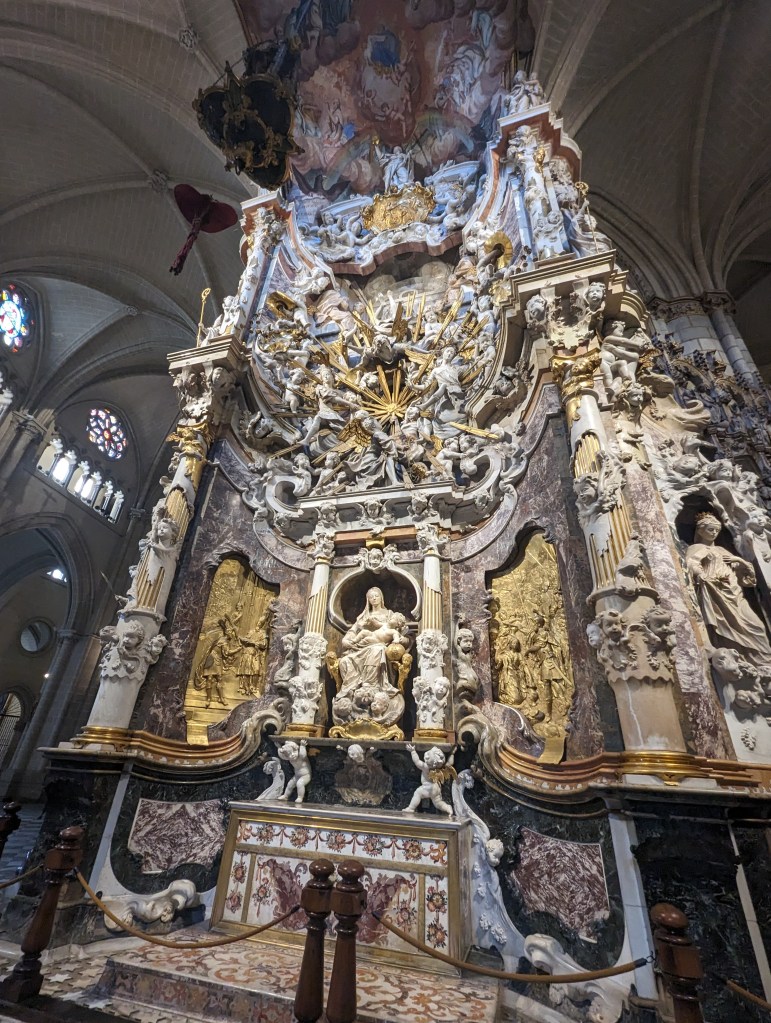


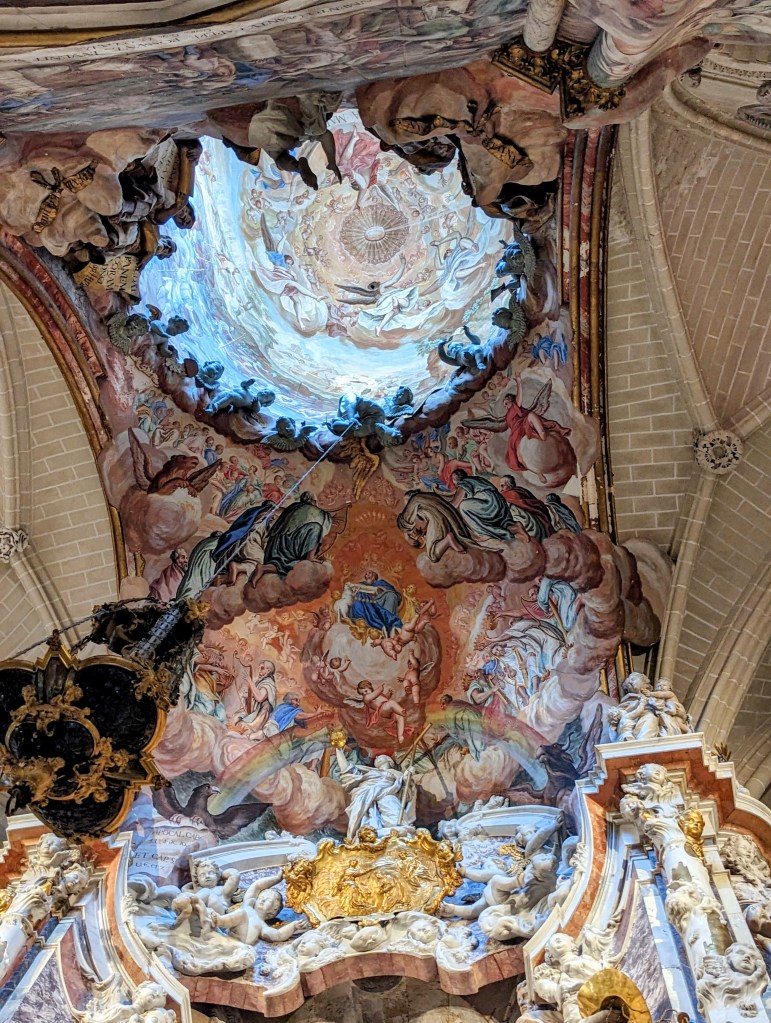
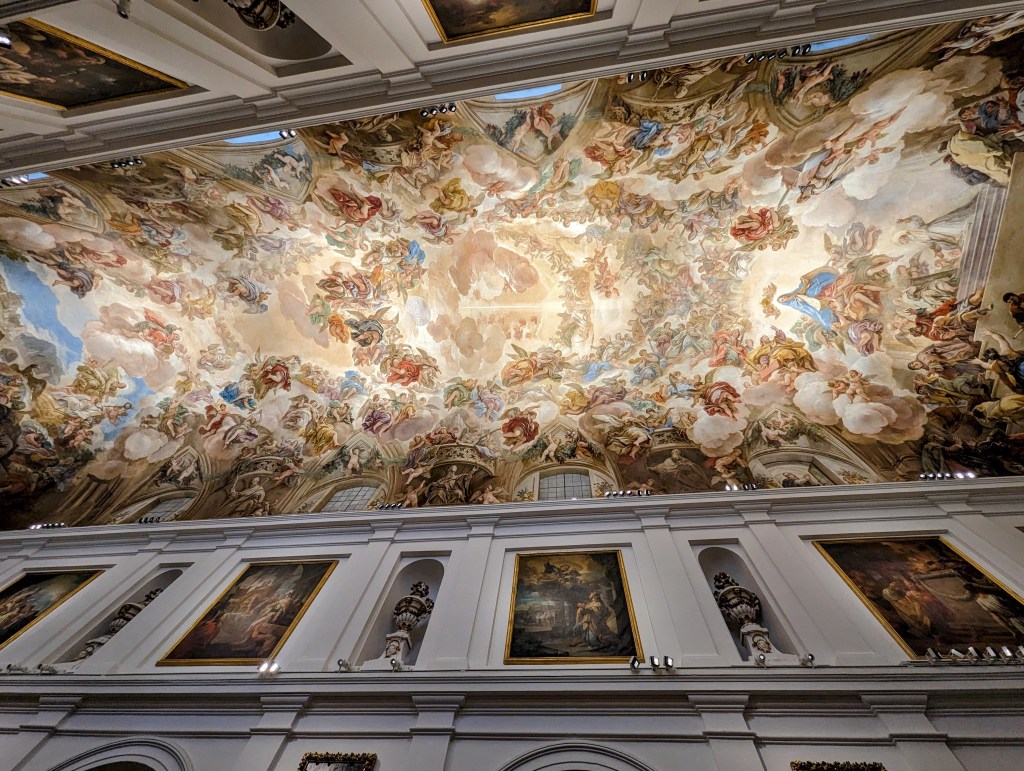
The Sacristy is full of art. We were particularly taken with the ceiling frescoes.
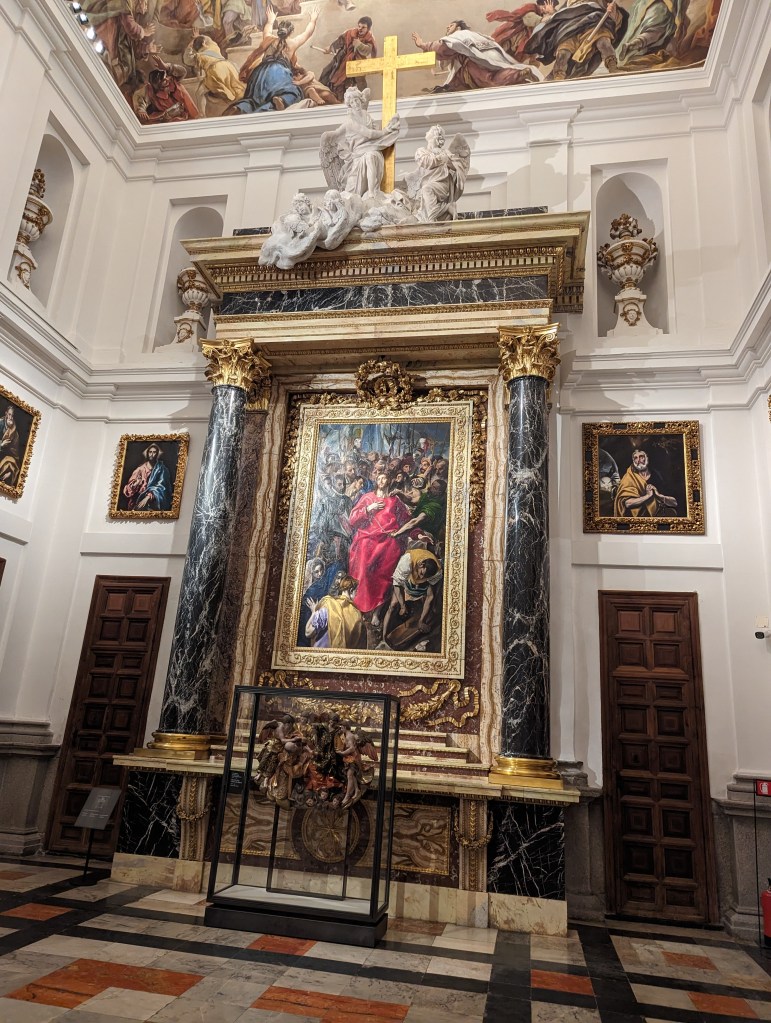
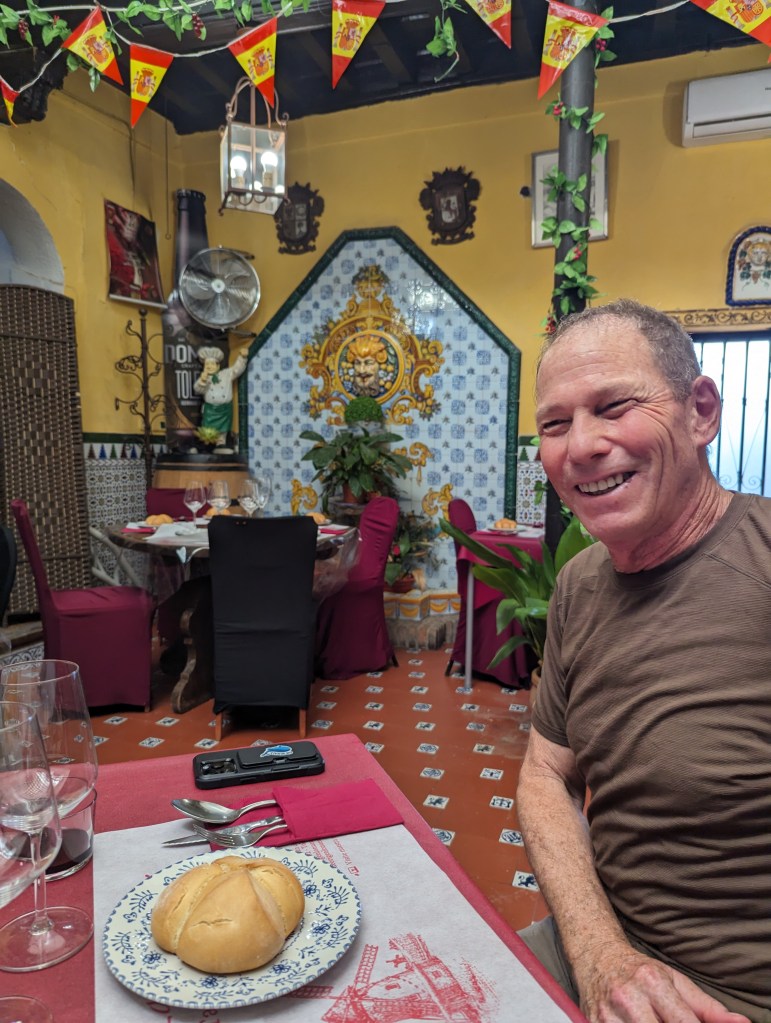
By this point in the day we were ready for some tapas. We had a lovely lunch at Lo Nuestros.
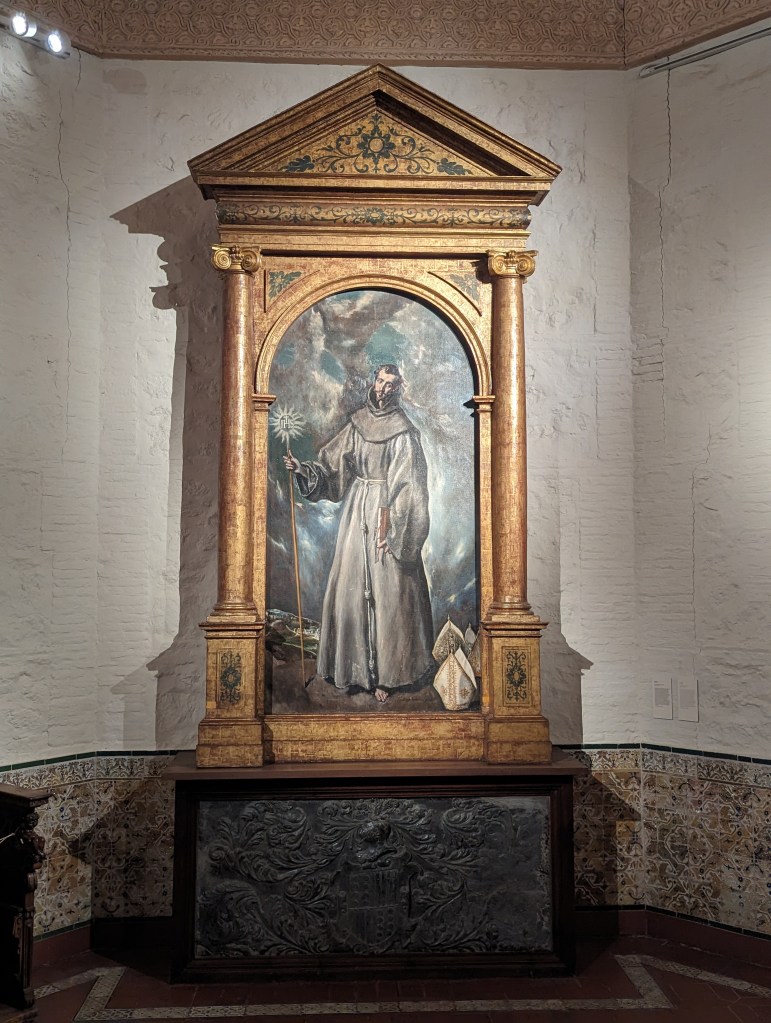
After lunch it was time to visit El Greco’s home in Toledo, which is now a museum with many of his works.
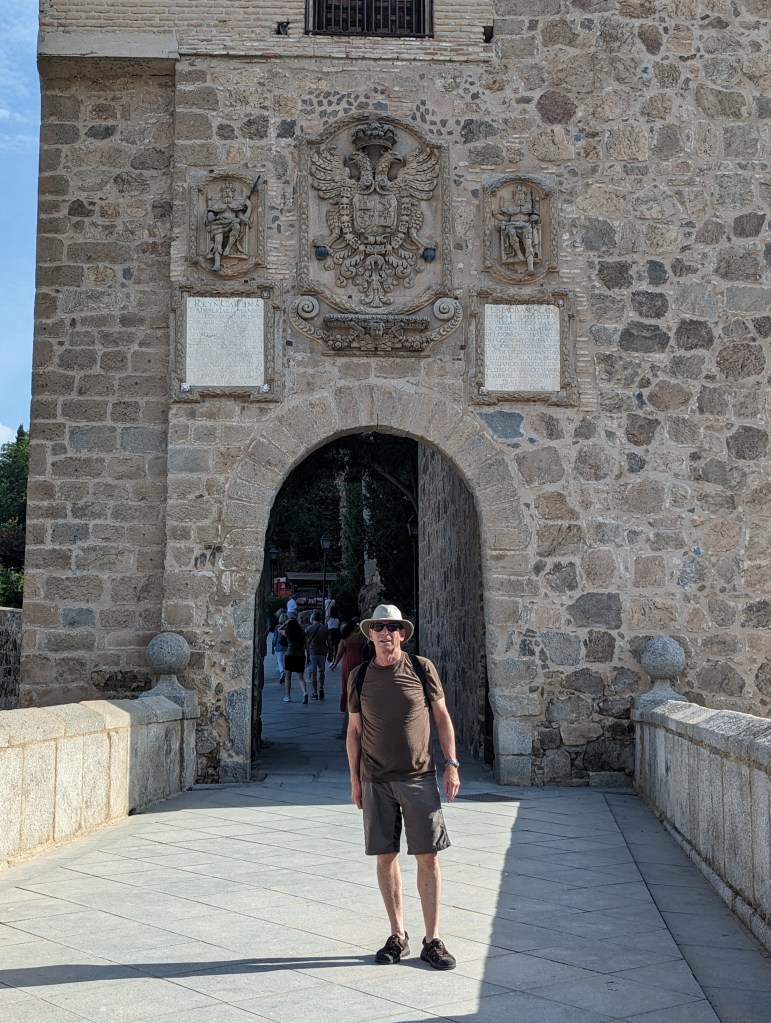
We then walked through the Puerte Del Sol, built in the 14th century originally as a gate to the city (which has since been expanded well past this gate).

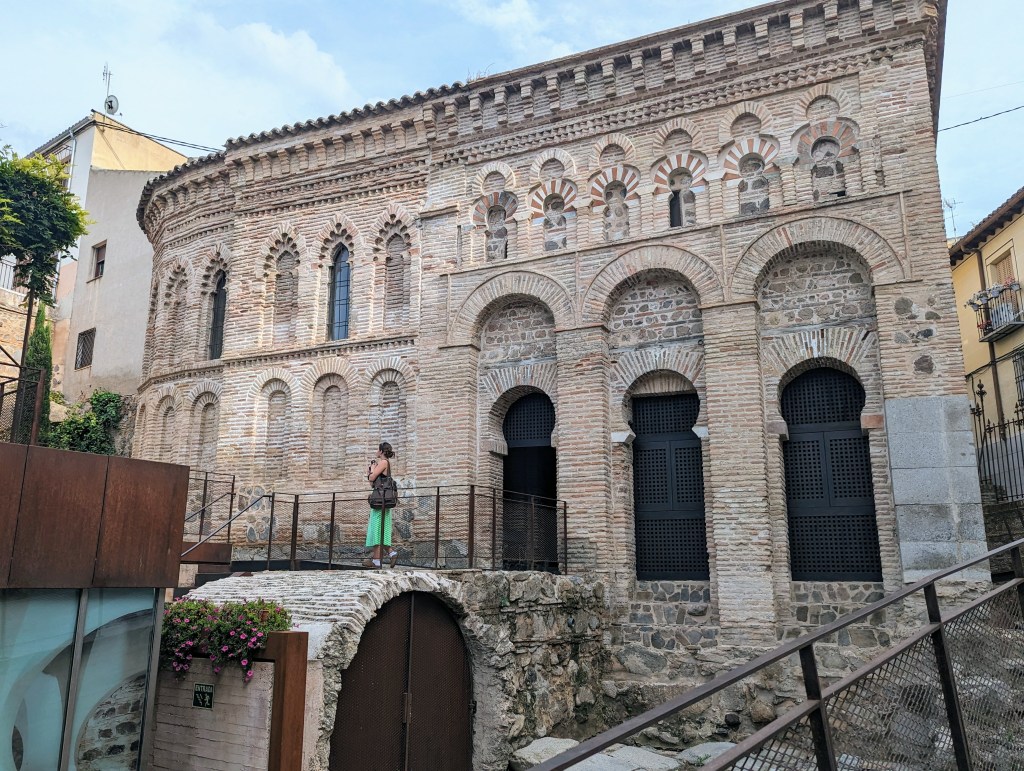
On the other side of the gate was Mezquito del Cristo de la Luz, now a catholic church, but built in 999 as a mosque.
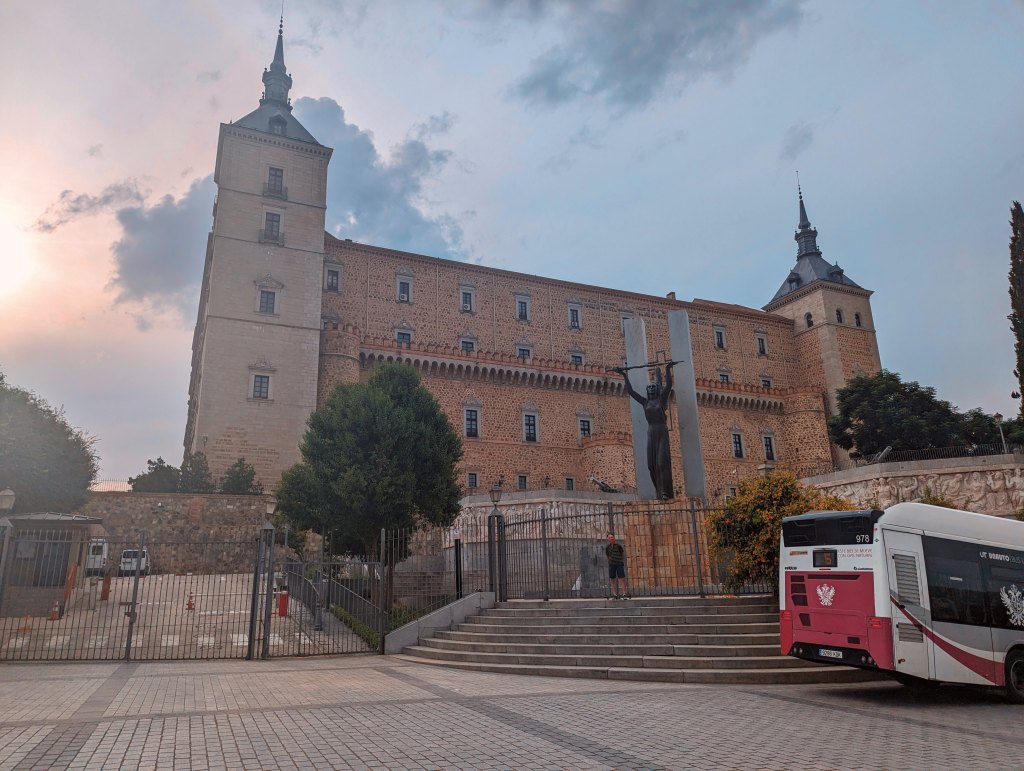
And finally, we trekked up the hill to the Acazar, now a military museum, to catch our bus back to the train station.
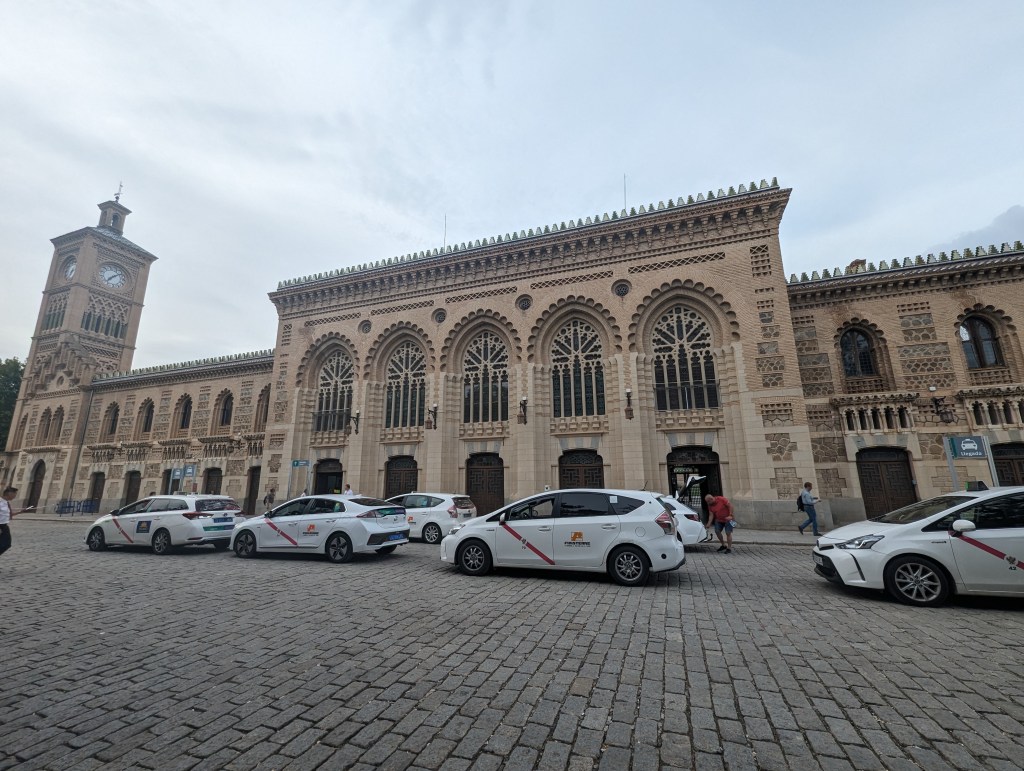
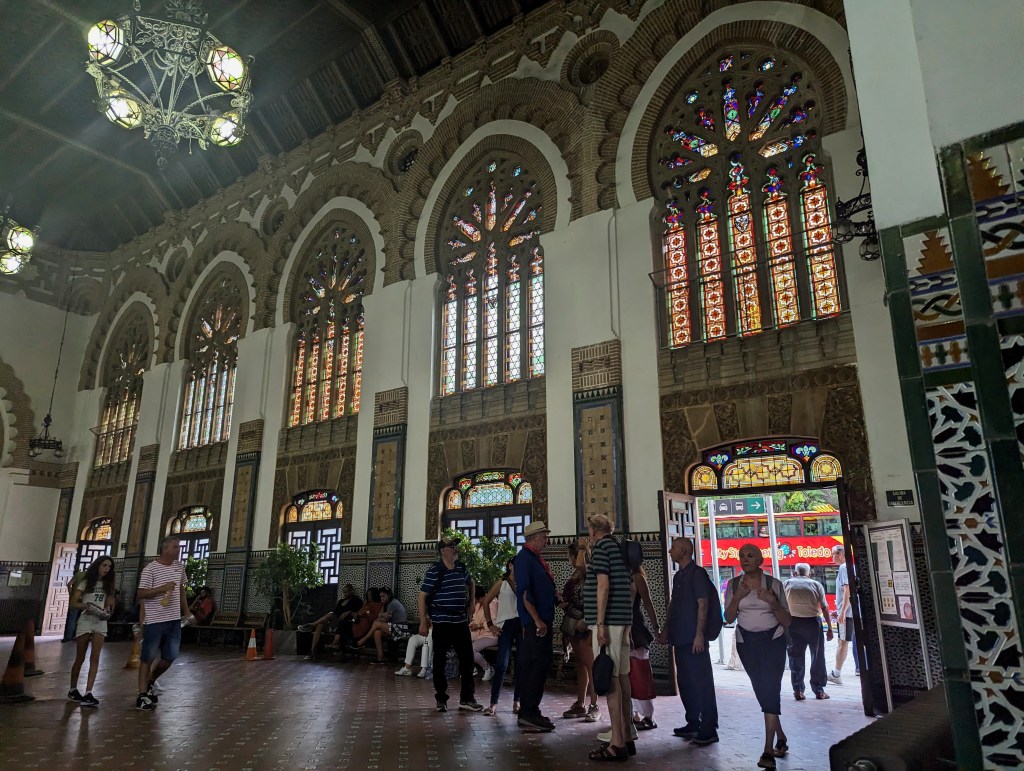
When we arrived in Toledo, we were so excited to get into the Old Town that we had failed to appreciate the train station itself.

After such a long day, we were too tired for anything more than bread, cheese, and, of course, Iberian ham.
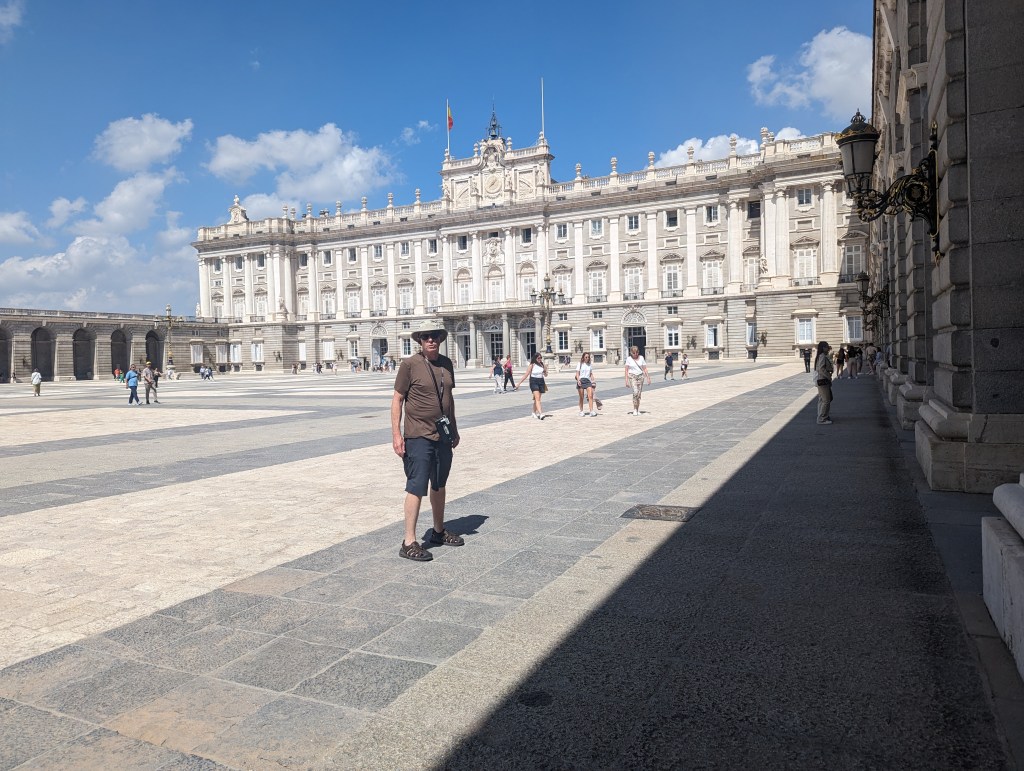
On Friday we woke slowly. But once we got our energy back, we decided it was time to visit the Royal Palace. For the most part photos were not allowed. Here are the few that were.

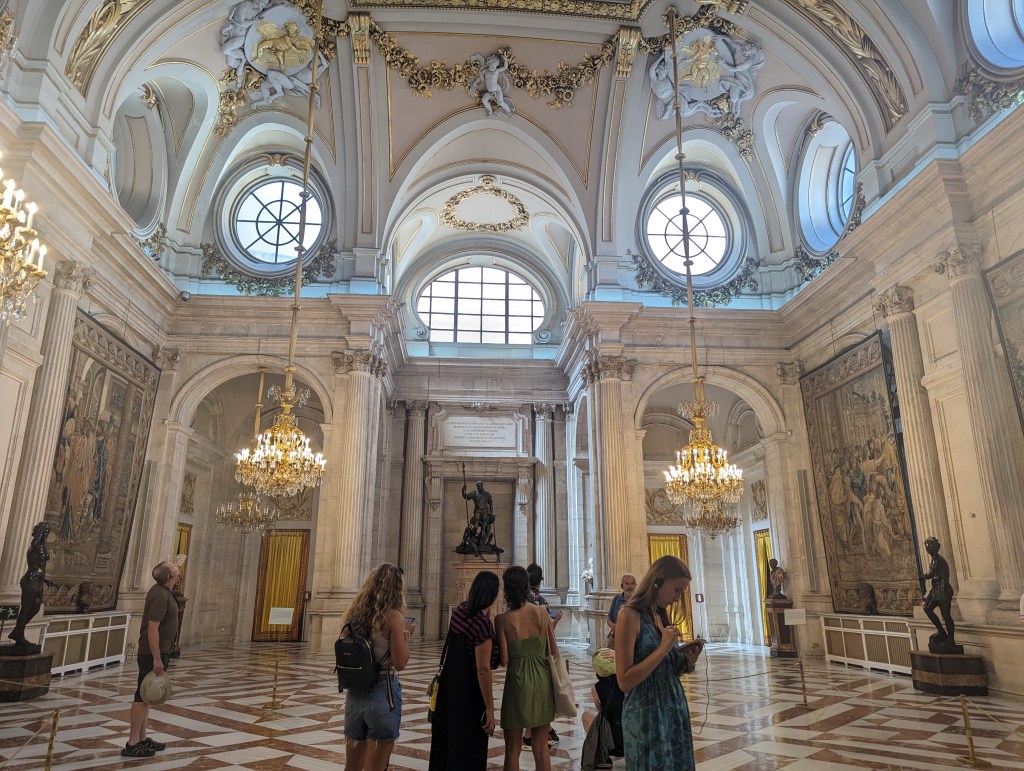
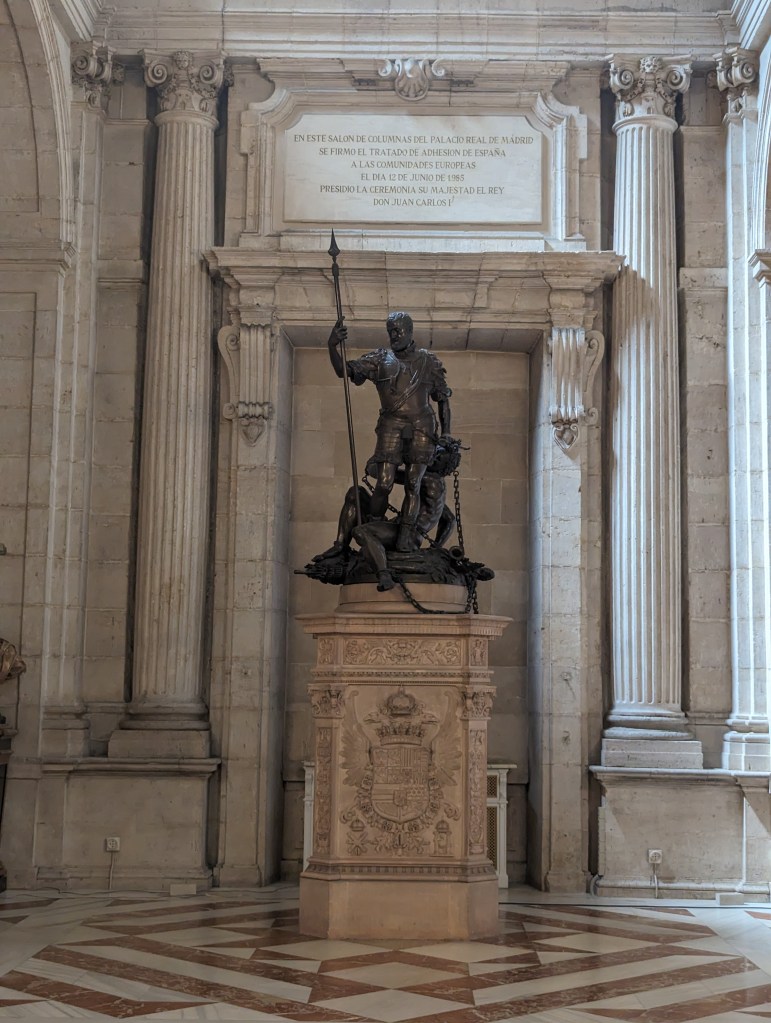
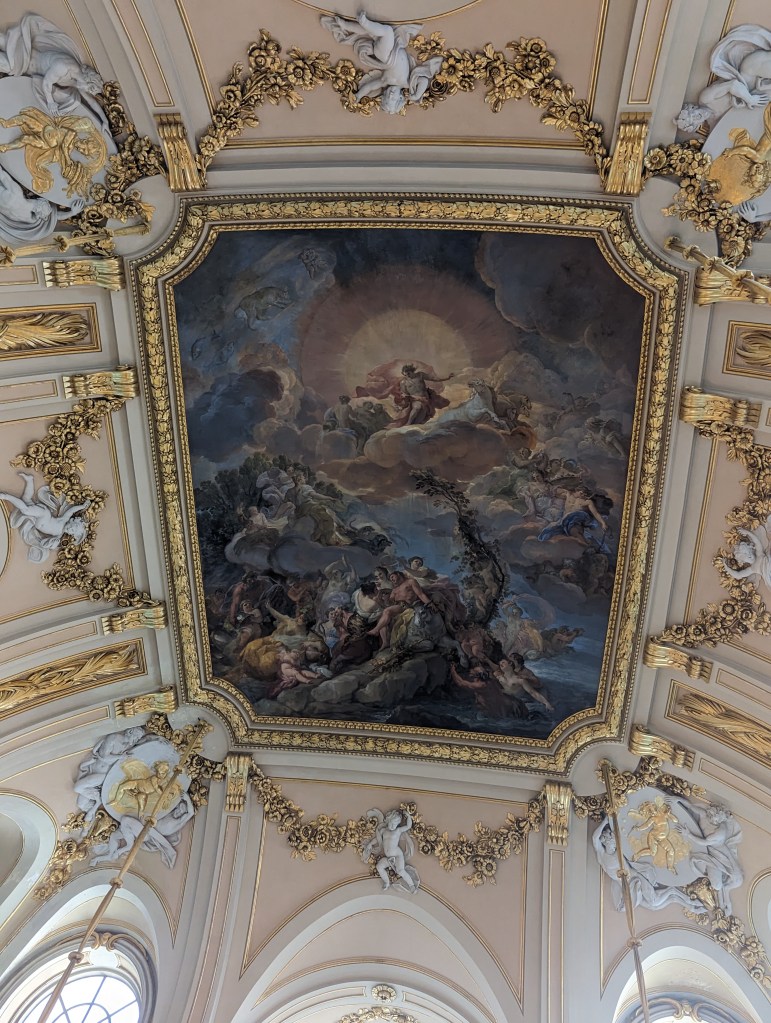

On Saturday we rented a car and drove to the Royal Monastery of San Lorenzo (El Escorial). It is a 16th century complex that has a monastery (still in use), a library, a basilica, a school, and 2 palaces, and now a World Heritage site. It was built in a very austere style by King Philip II and it is where he lived and died. Most of the kings of Spain and their families are buried under the basilica including Bourbons and Habsburg royals. When in the 18th century the Habsburgs ascended the throne, Charles IV did a lot of remodelling and brought in many works of art, including many tapestries by Goya. Both palaces have been restored to a lot of original furnishings. The library was incredibly impressive with its floor to ceiling shelves filled with volumes as well as frescoes adorning the ceilings. The basilica at first was closed due to a wedding (fun) but then it opened, and we were awed by its beauty and riches in artwork, frescoes, and statues. Unfortunately few photos were allowed. Here are the few that were.
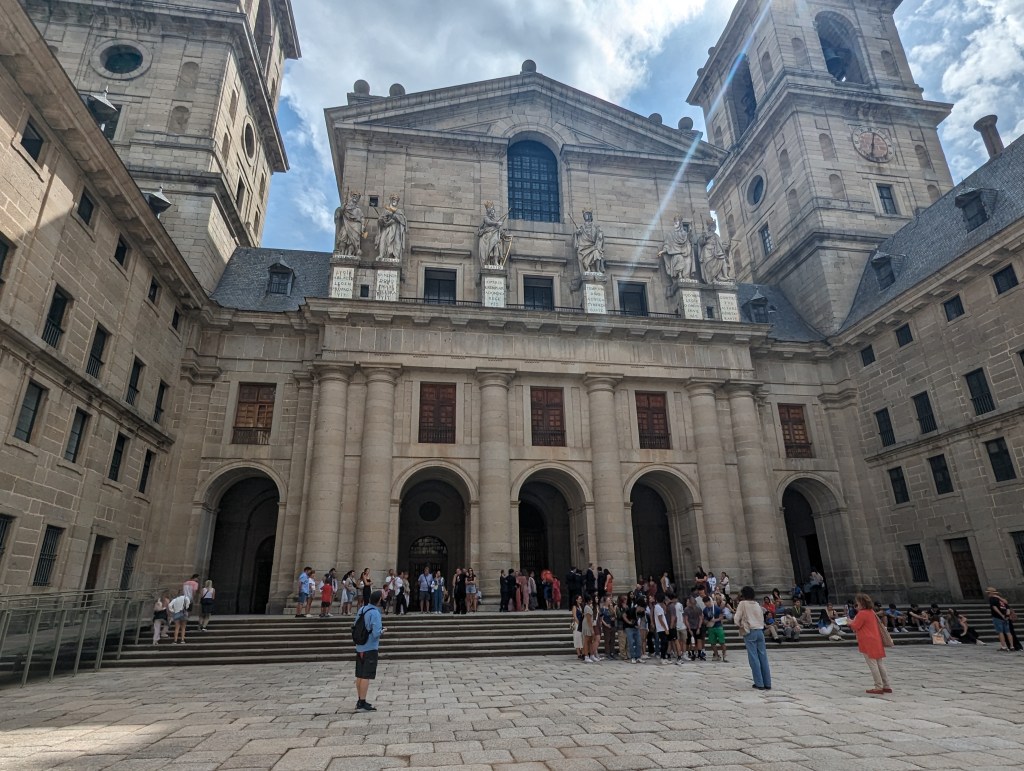


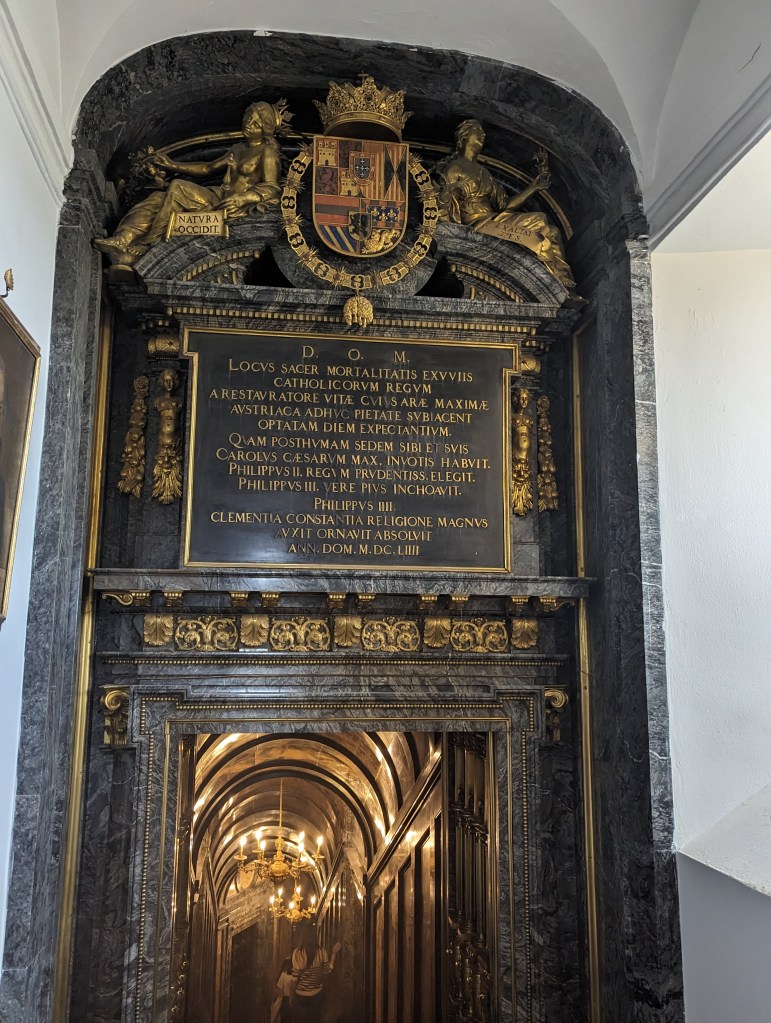
We had planned to visit the Valley of the Fallen while in San Lorenzo, but unfortunately, it was closed for a wedding. So we headed back to Madrid.
On Sunday after a delicious brunch at Frida in the middle eastern section of town, we strolled over to Columbus Square. Christopher Columbus is a really big deal in Spain since he was responsible for their riches of the 16th century.
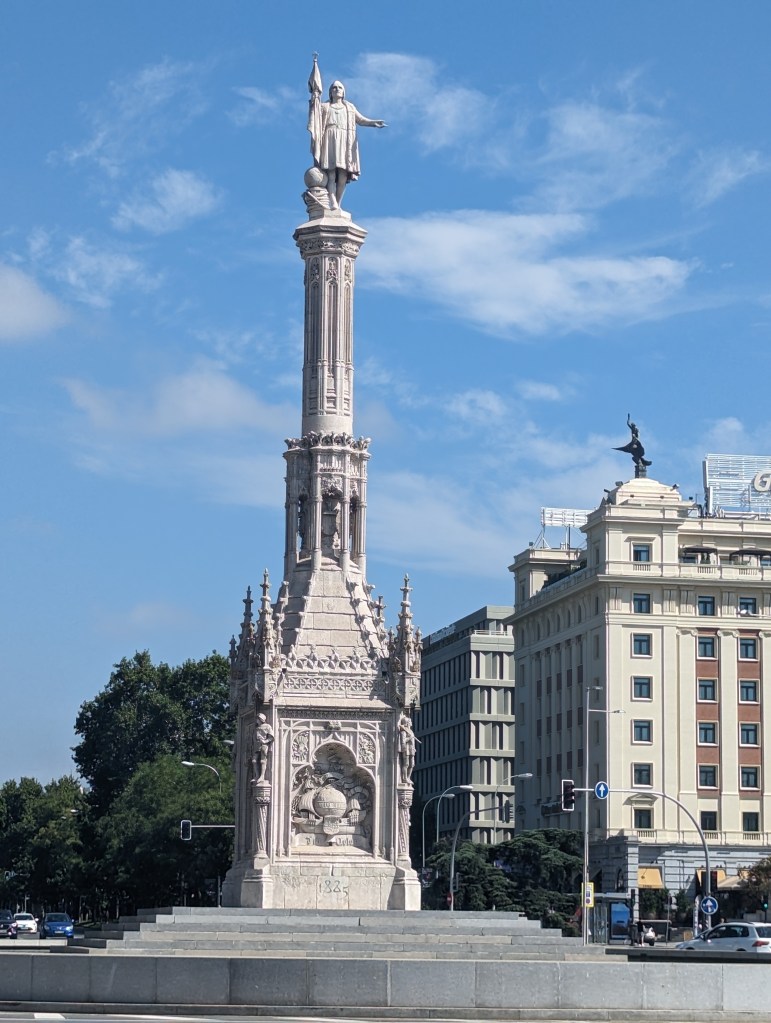
I had also wanted a picture of the Julia sculpture by Catalan artist Juame Plensa also there since 2018.
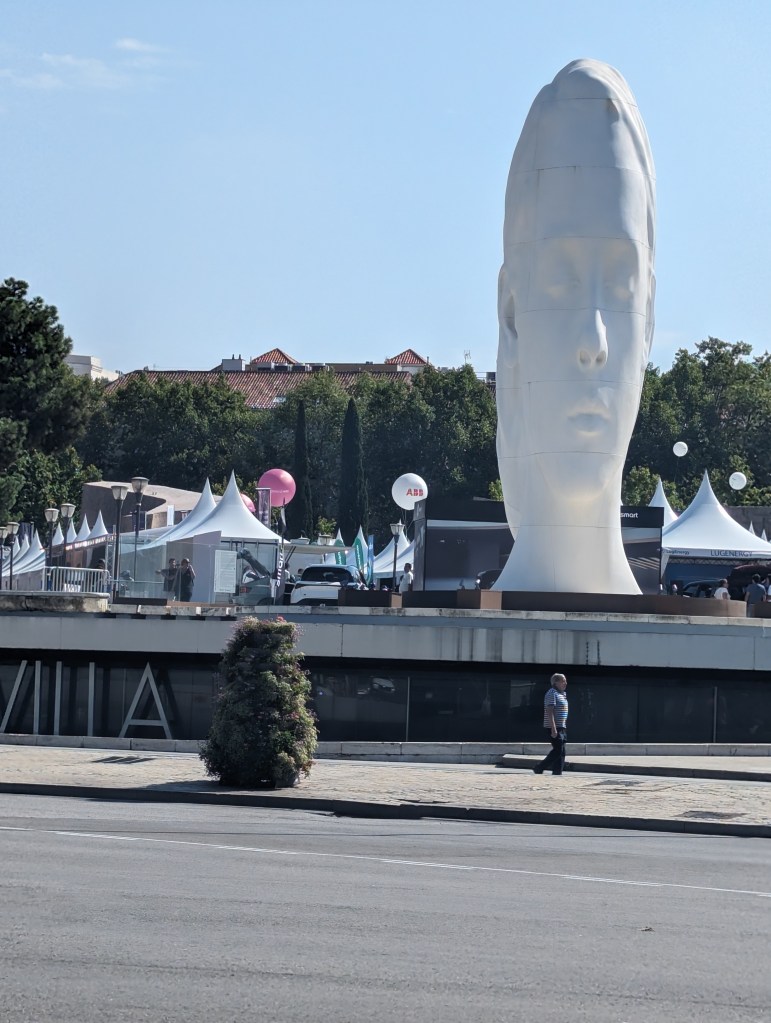
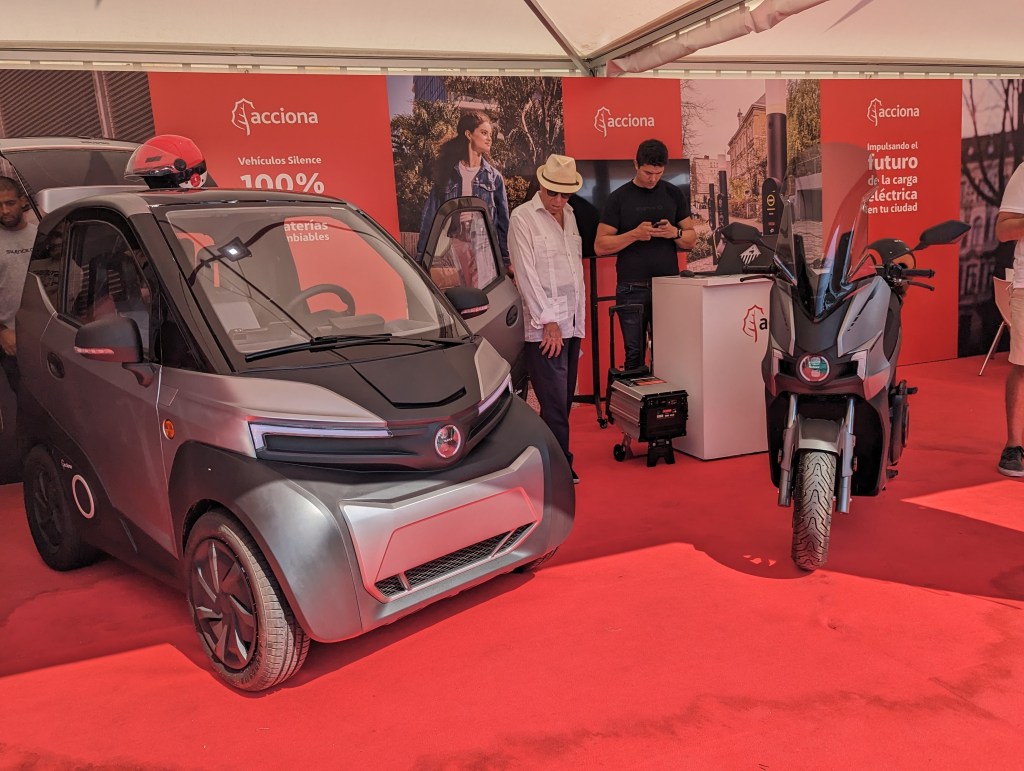
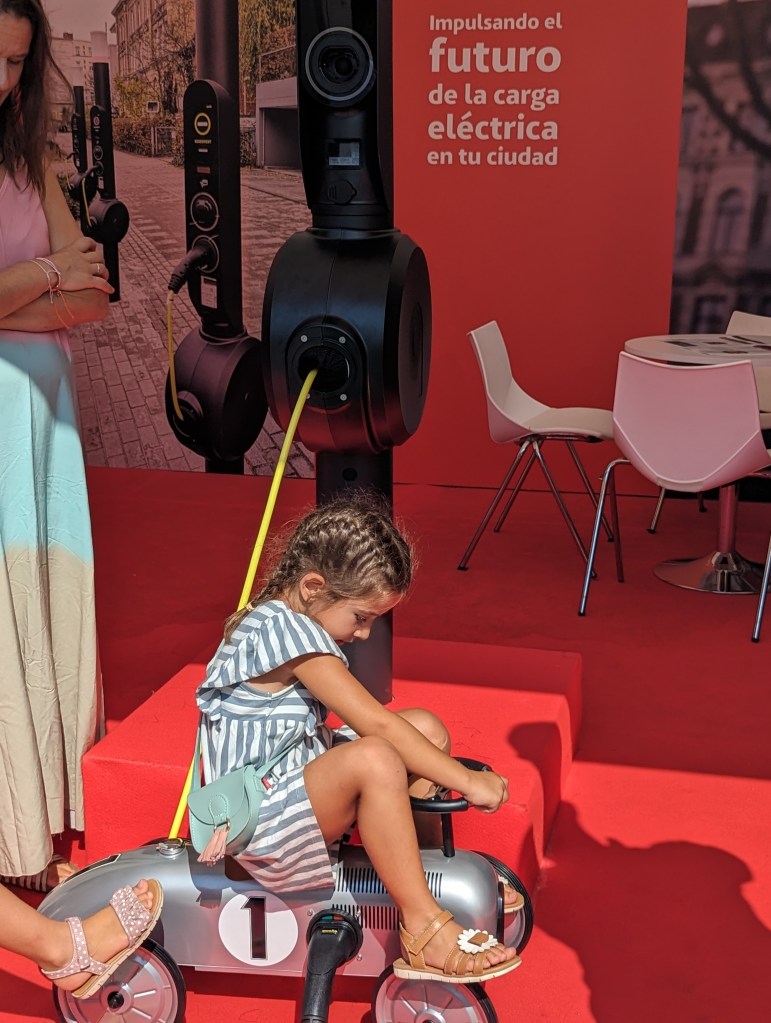
What we found behind her was an electric car fair. Eric was amazed at how many companies now make quality electric cars. But there was also something there for everyone, all electric!

We strolled home through the park and took the rest of the afternoon off.
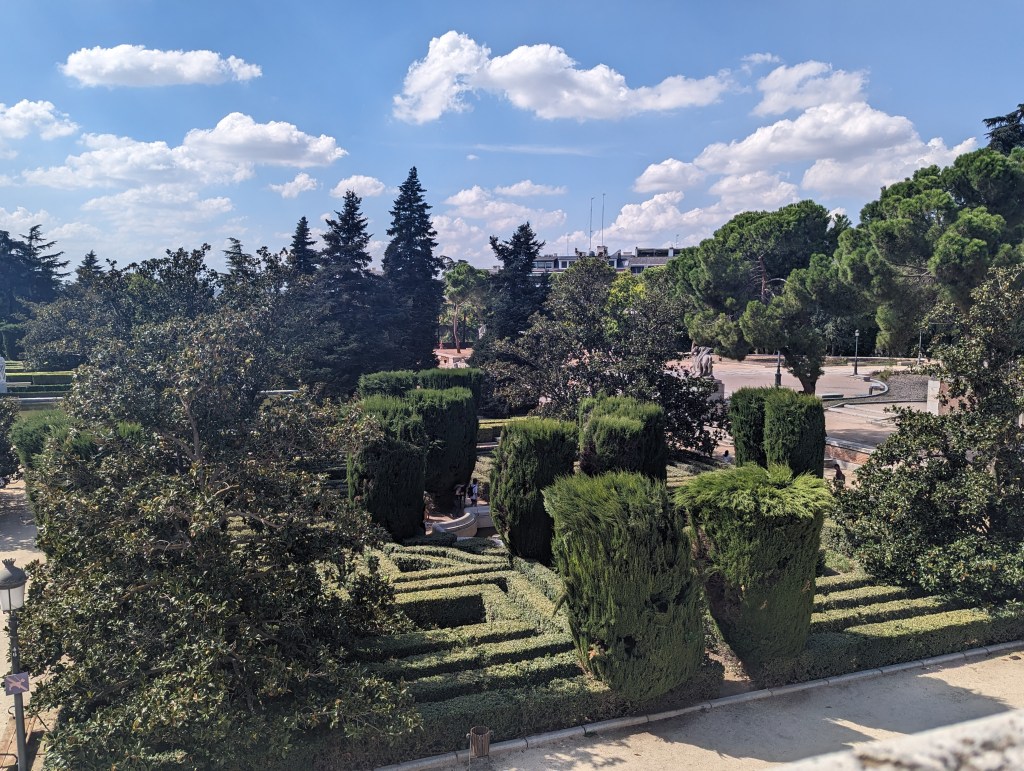
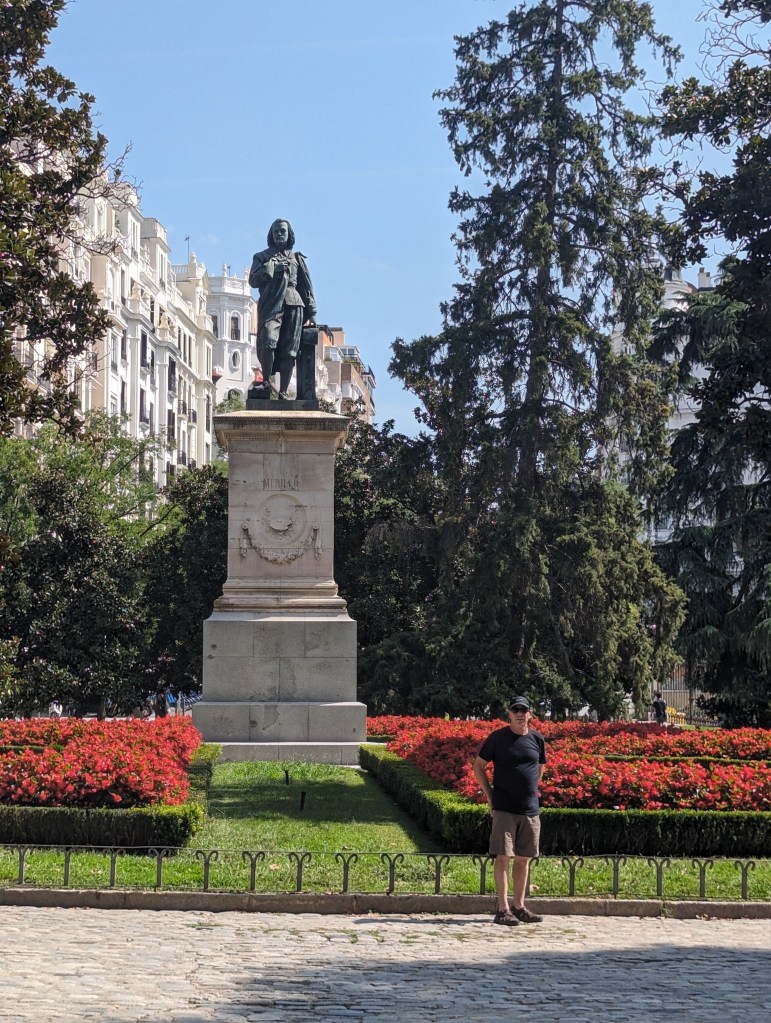
On Monday we strolled through the Royal Gardens. There wan not a lot in bloom, but beatutiful nevertheless.

That night we went to dinner at Casa Benigna, which not only had the most delicious and different paellas, but also had some of my favorite decor in a restaurant ever, right down to the hand made just for them dinnerware.


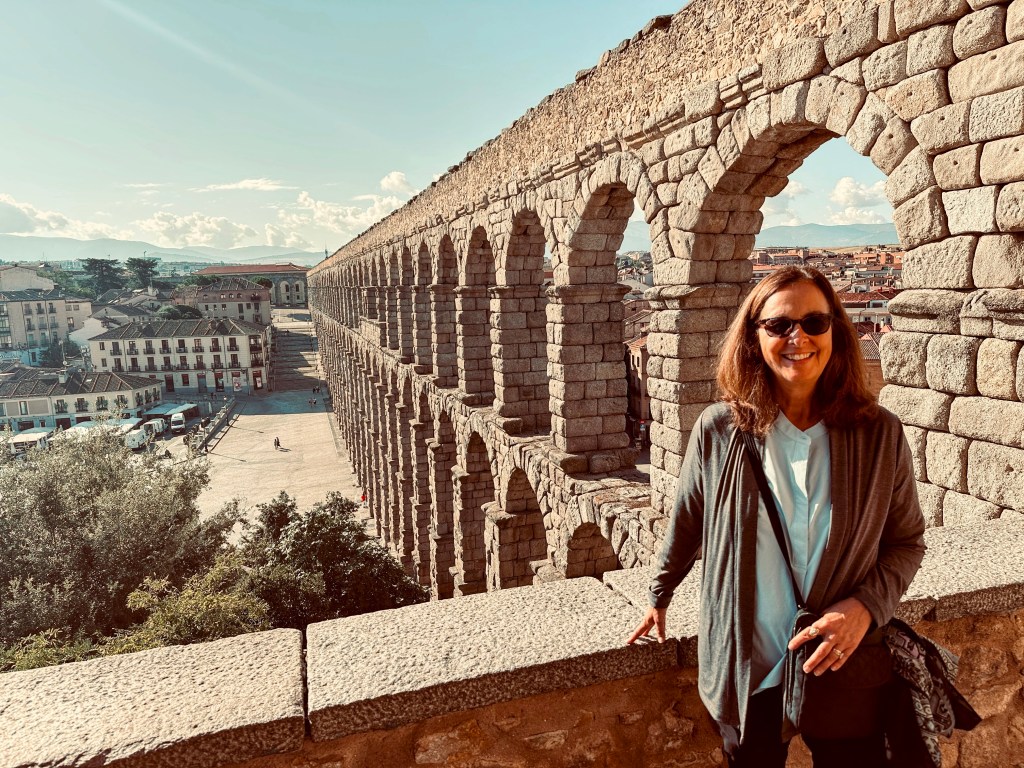
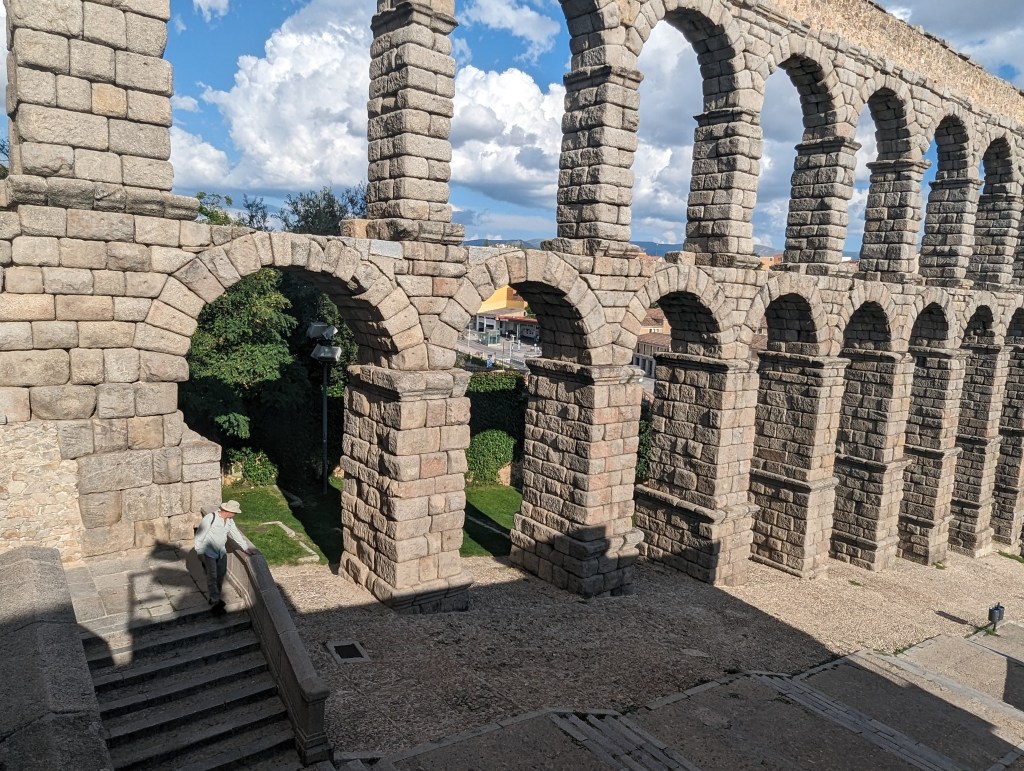
Tuesday we awoke early and took the train to Segovia, which is most famous for it Roman Aqueduct.
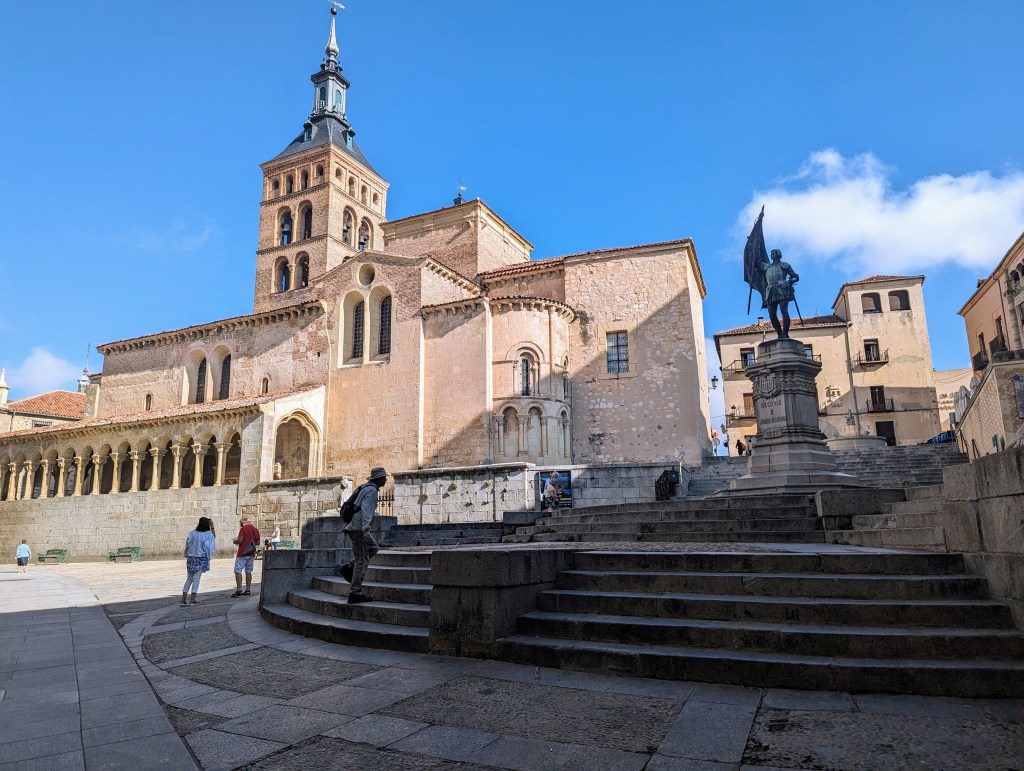
We strolled by the Church of St. Martin
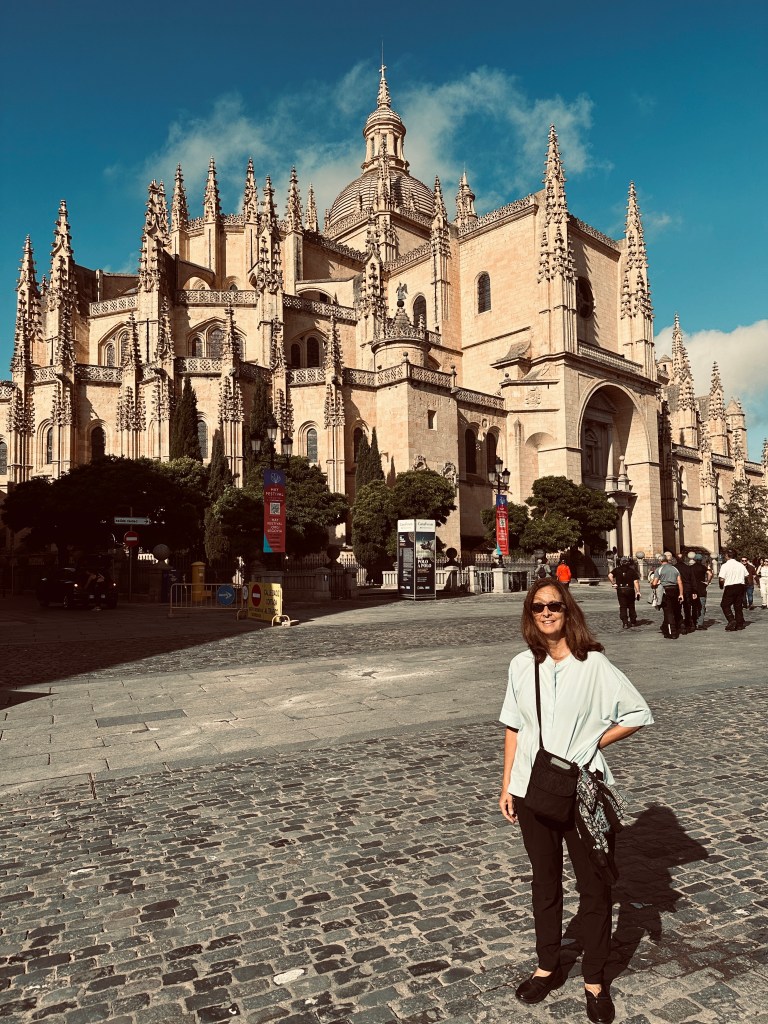
And on to the cathedral of Segovia, which is one of the last Gothic cathedrals built in Spain in the 16th century as the Renaissance was starting, so it does have some Renaissance features.

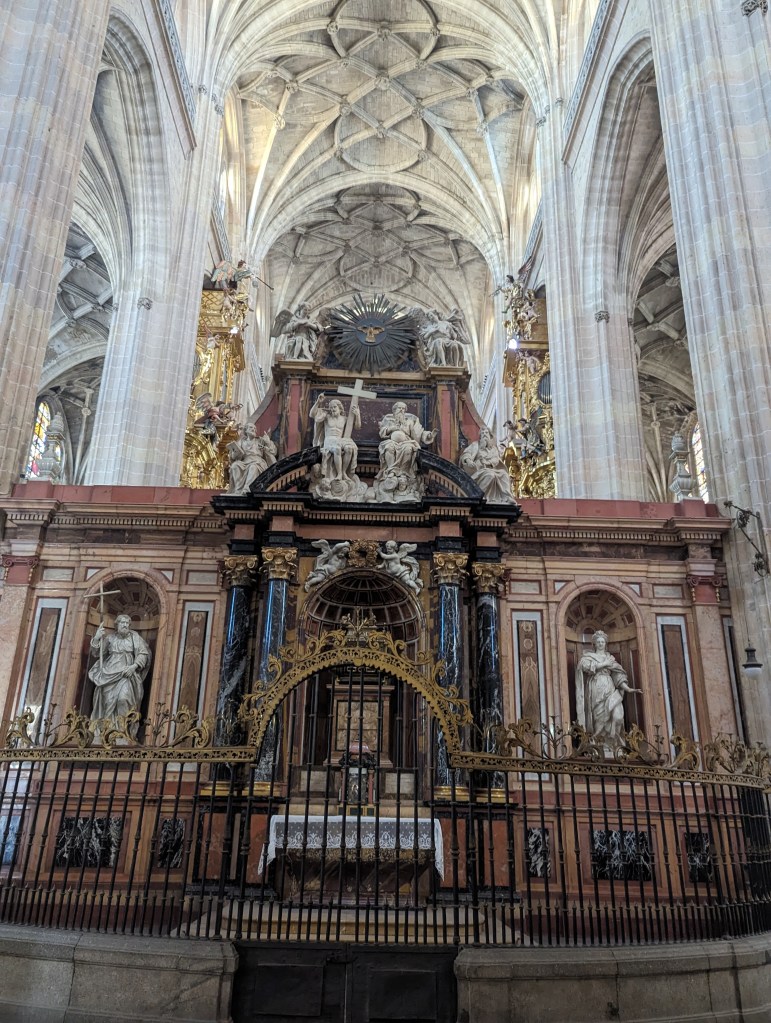
There were so many beautiful and impressive chapels.
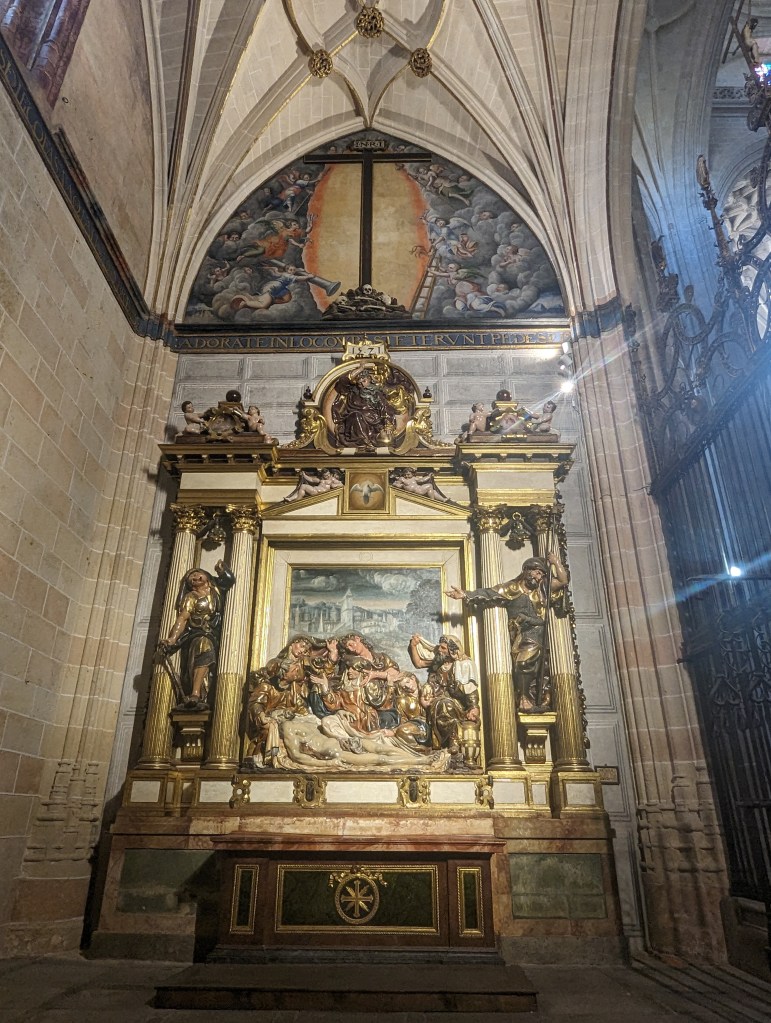
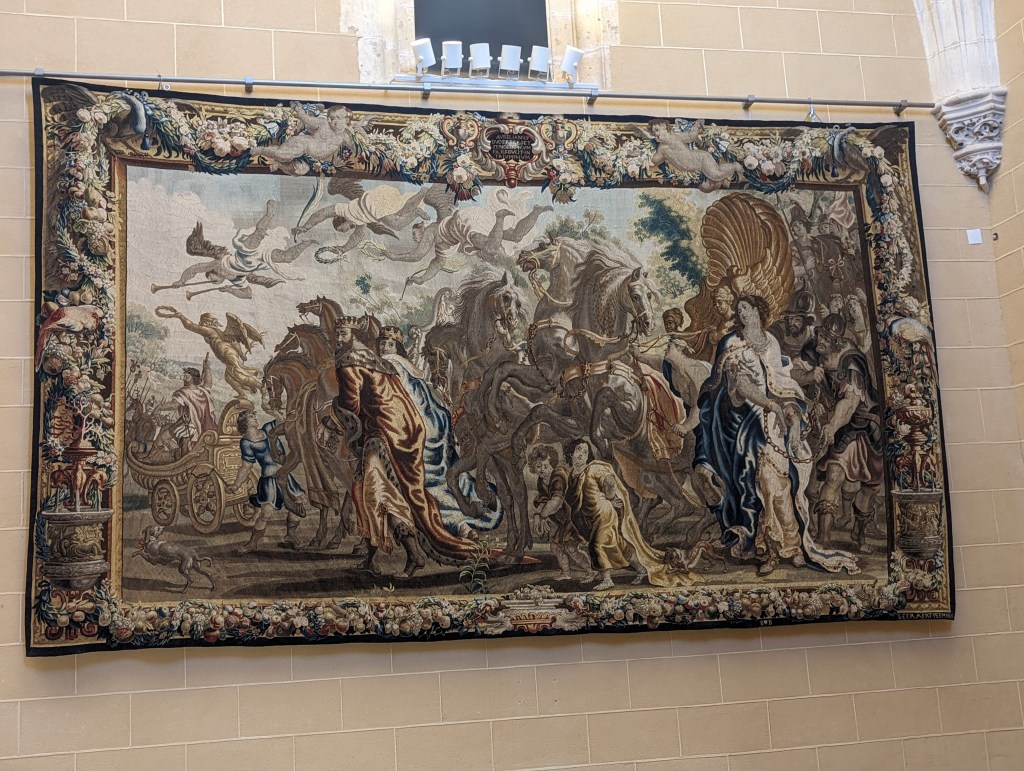
The cathedral is known for its Chapter Room with many tapestries called “The Planets”, made in Brussels during the 16th century.

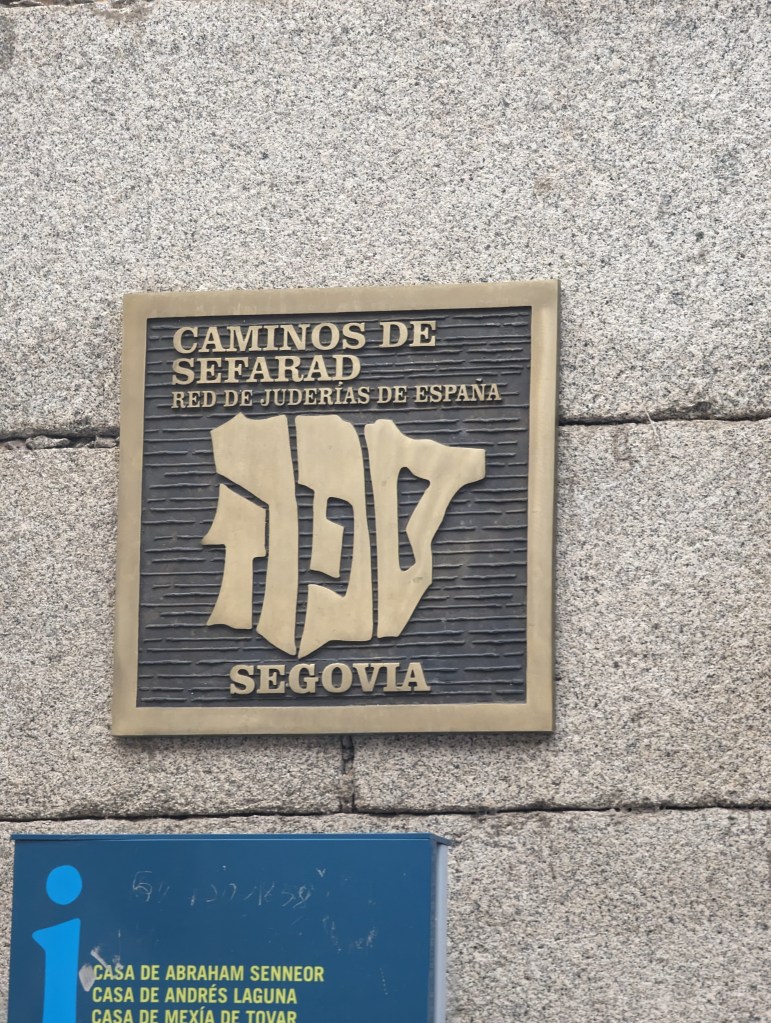
We strolled through the Jewish Quarter, which had been quite prosperous until the late 15th century, when they were expelled from Spain by King Ferdinand and Queen Isabella.
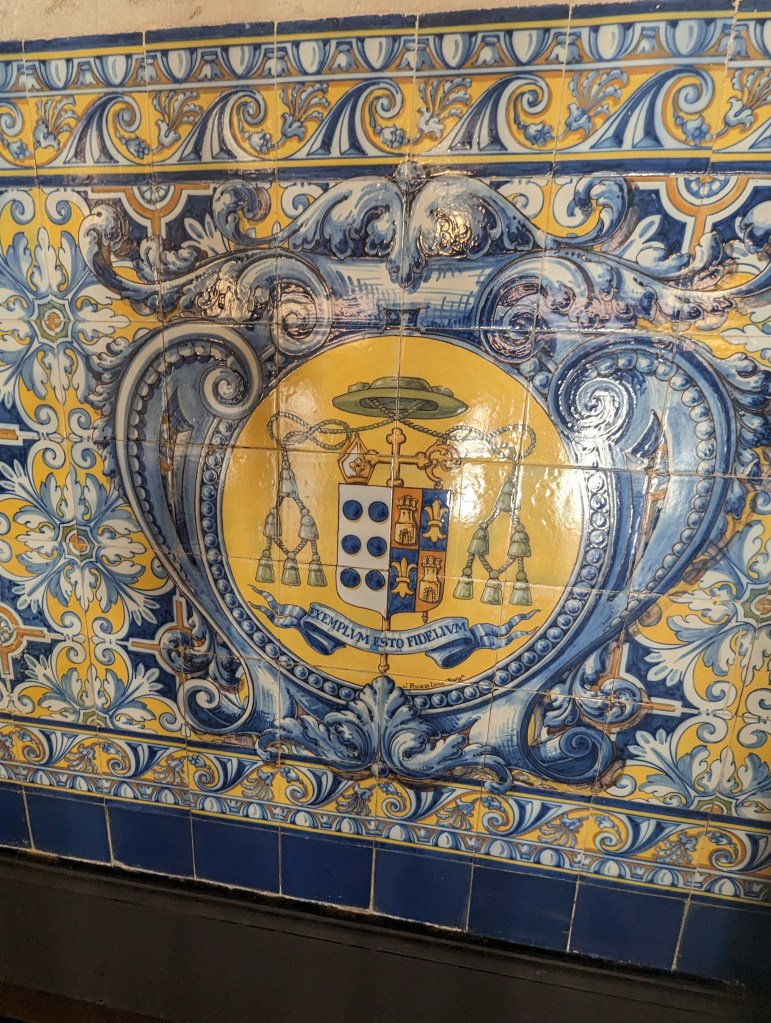
We then visited the Episcopal Palace of Segovia, which has been home to successive bishops right through 1969.

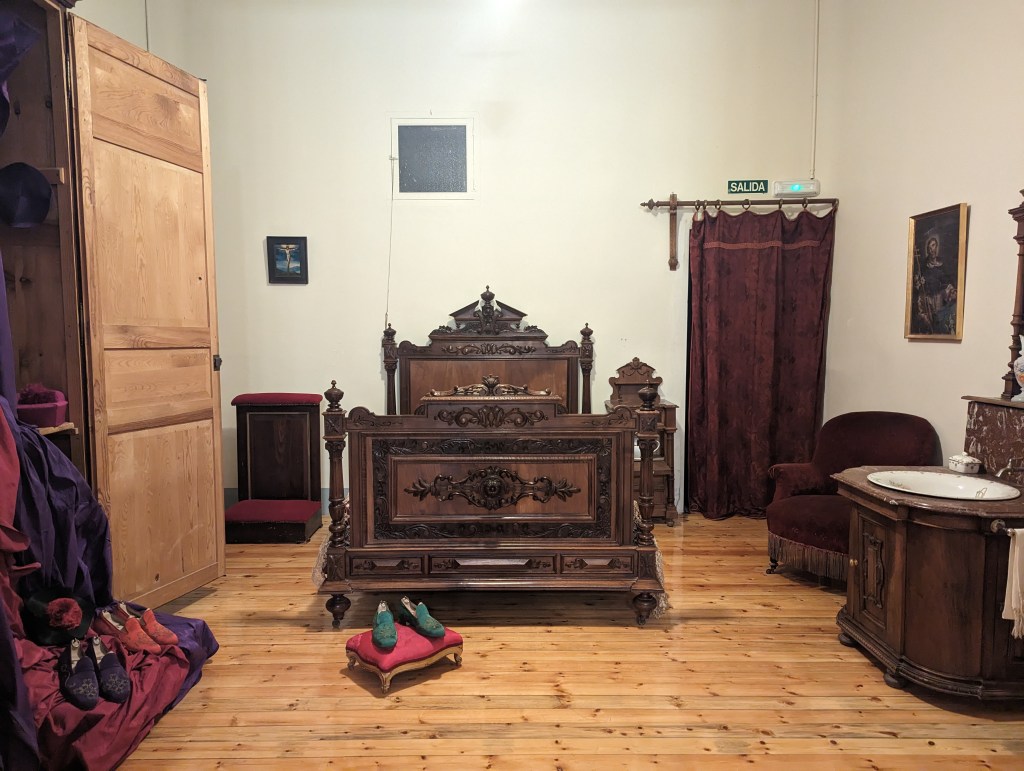
And finally, to the Alcazar. Although the Alcazar of Segovia dates from the early 12th century, it is one of the most famous medieval castles in the world, and is one of the most visited monuments in Spain, it looks like a Disney castle to me.

It’s gardens are gorgeous.
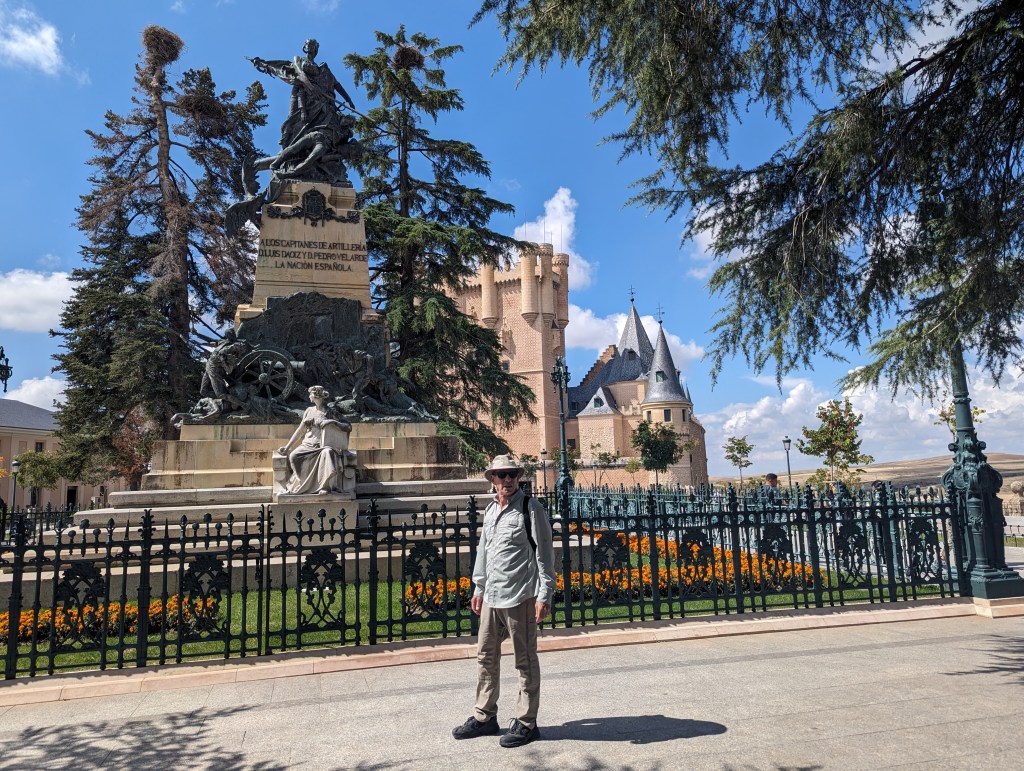
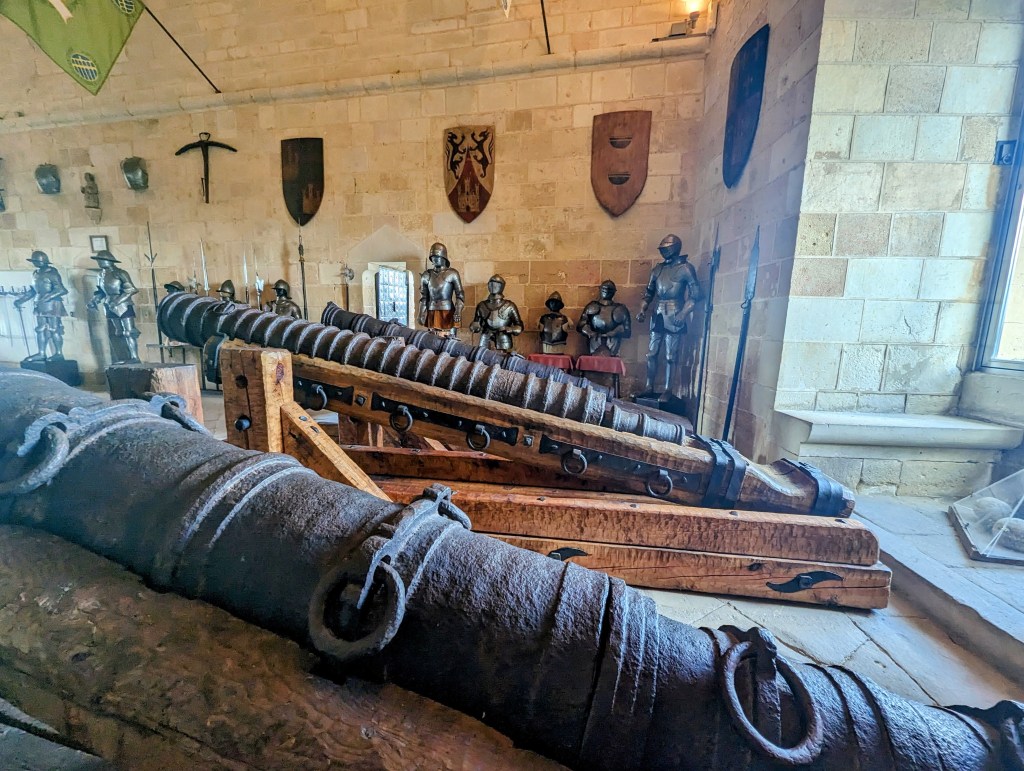
Its layout reflects the splendor of the court during the Middle Ages, and its walls have witnessed battles, palace intrigues, and royal weddings. Since its ancient existence, the Alcazar has been a Roman fort, a medieval fortress, a royal palace, custodian of the royal treasure, a state prison, and now a military museum.

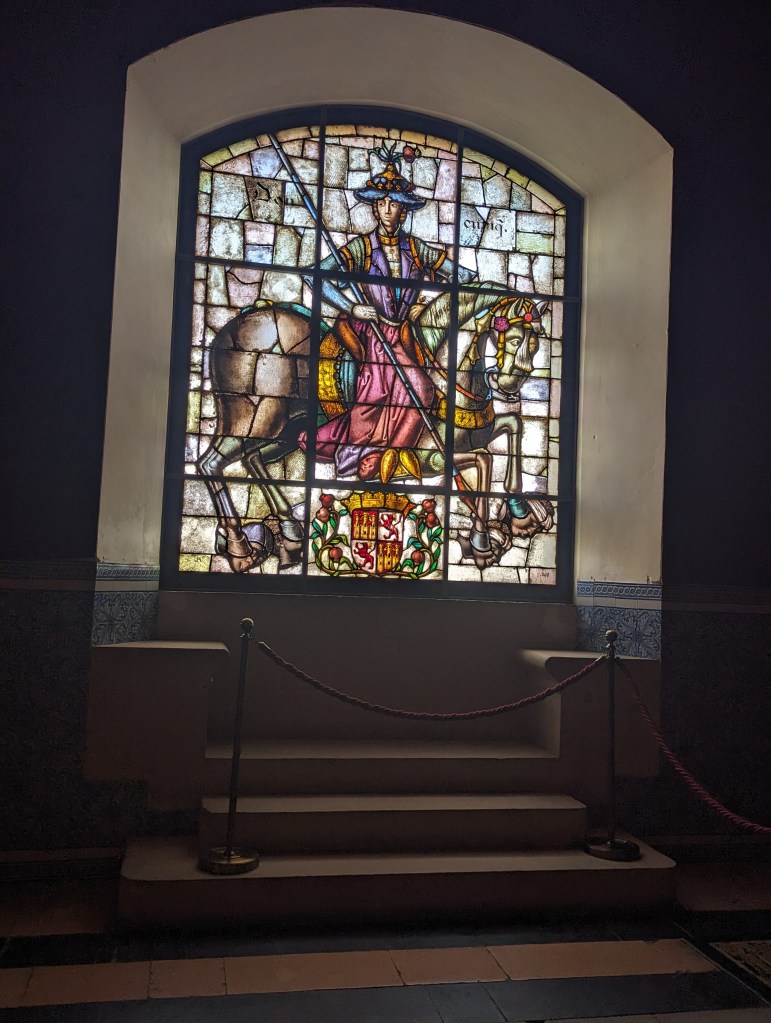
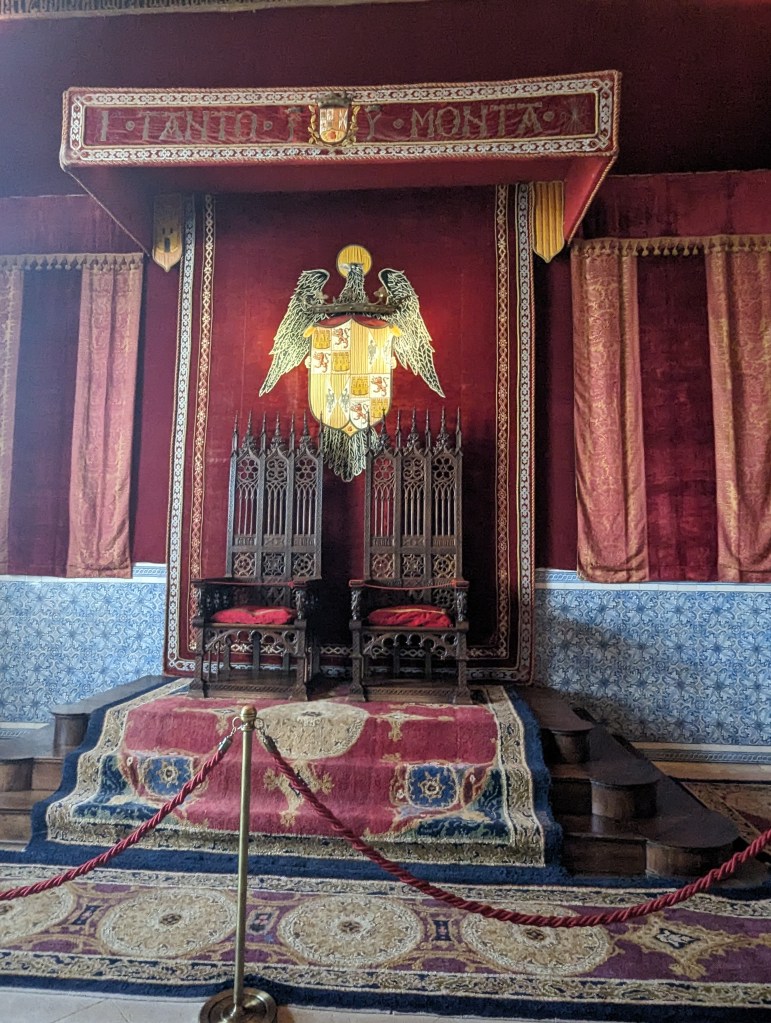
And like everywhere else in Spain, the ceilings are magnificent.

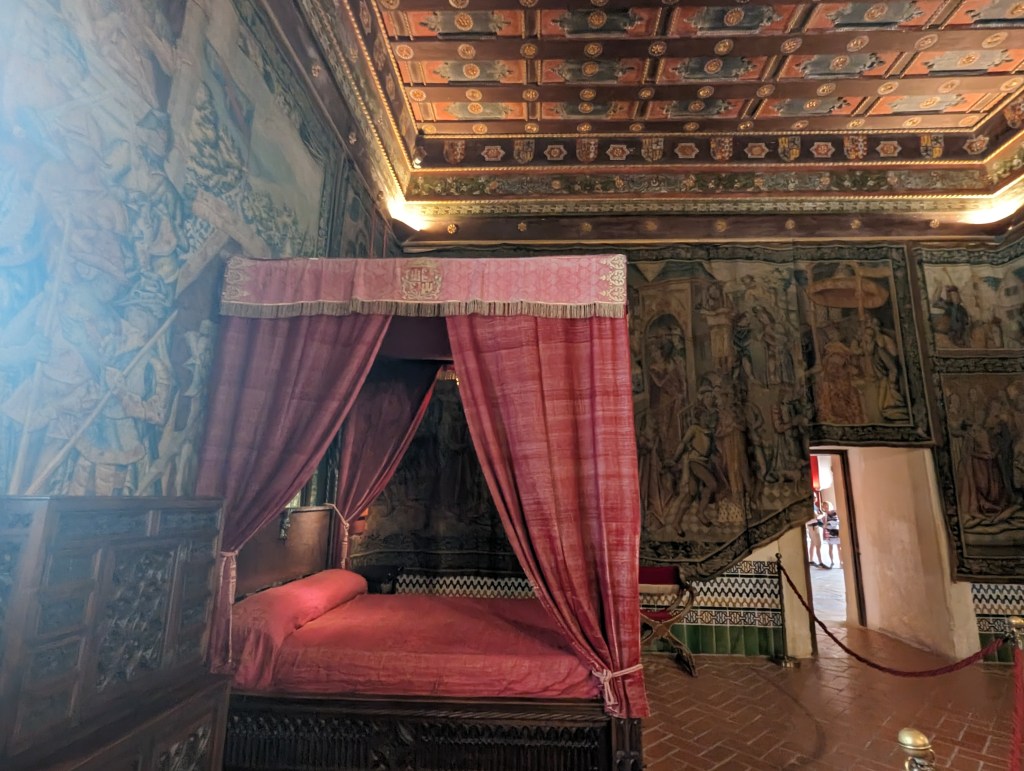
The military museum stresses the link between the military and science throughout history.
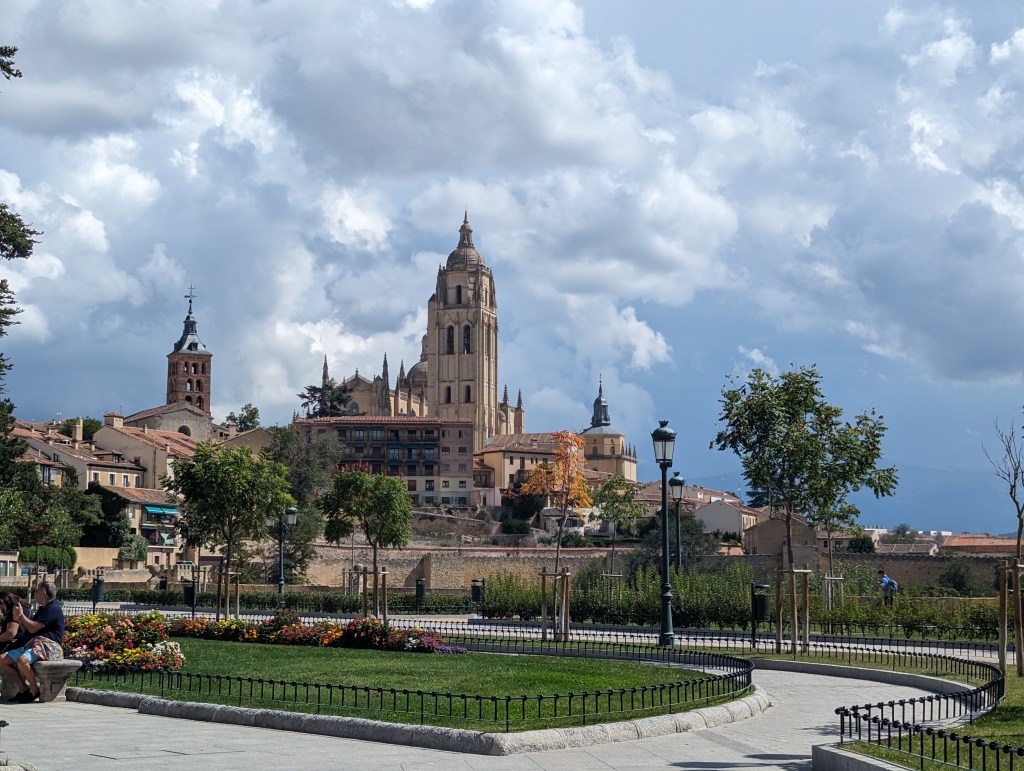
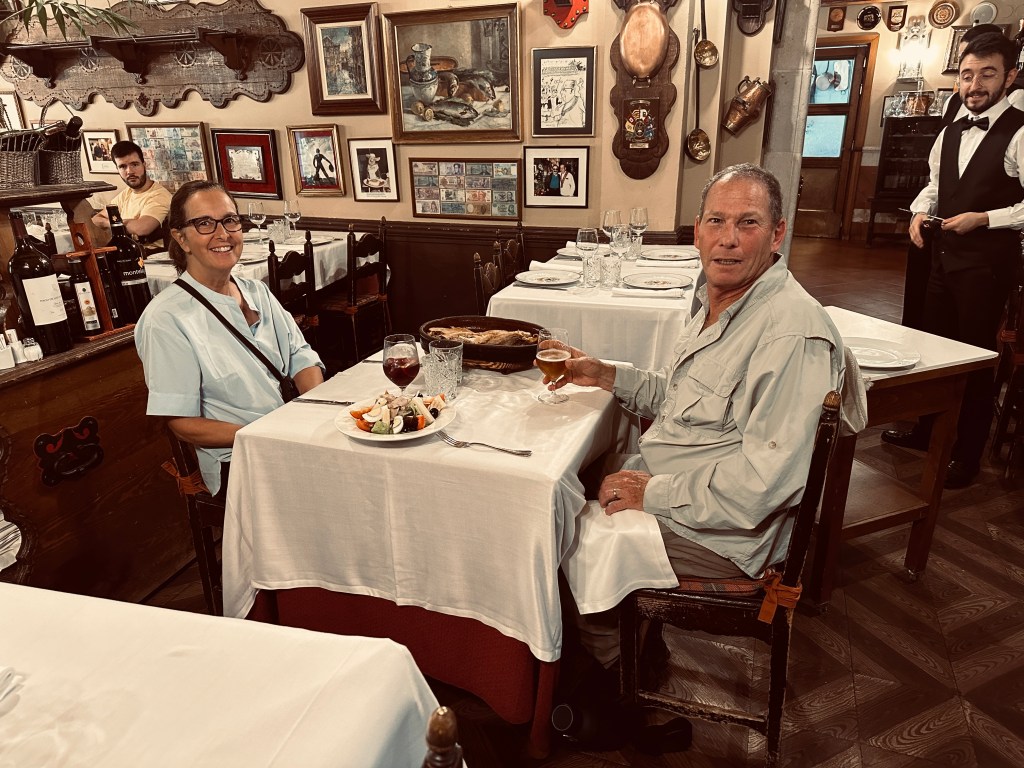
After a long day of sightseeing, we treated ourselves to an early dinner before heading back.

And a last stroll along the Aqueduct before catching a bus to the train station to head back.
For our last day in Madrid, we decided to visit the Thyssen-Bornemisza museum. (We skipped the Reina Sofia). Equipped with audio guides, we had a 5+ hours lesson in the history of art from the Byzantines (not my favorite) to Caravaggio

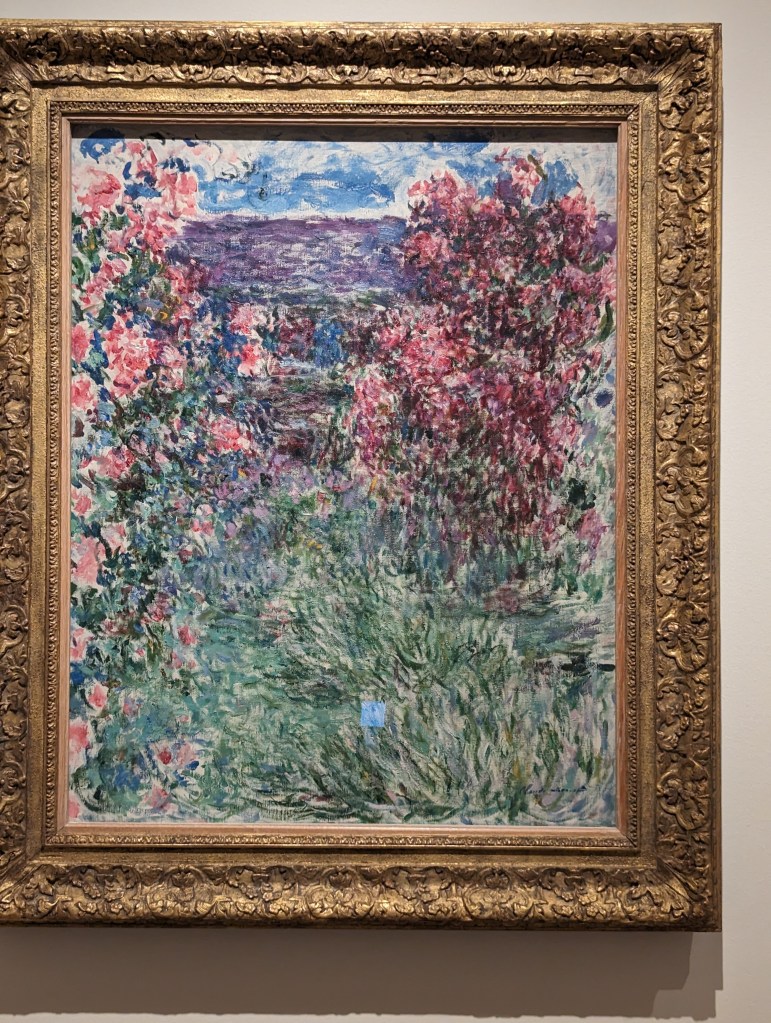
to Monet
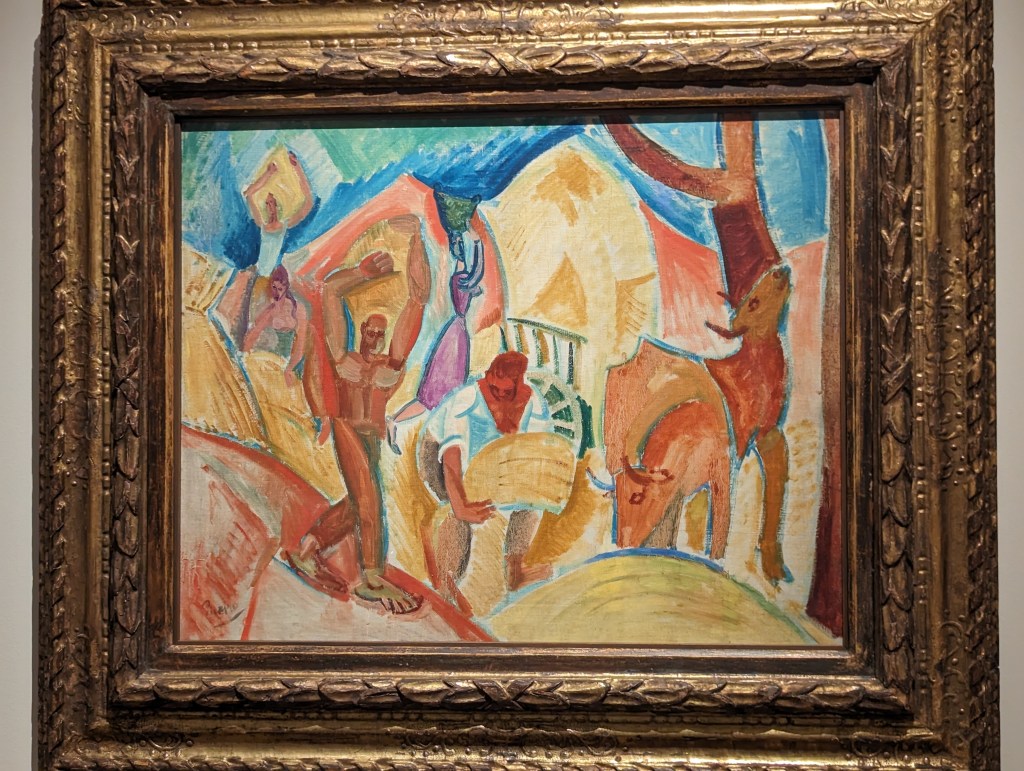
and Picasso
and Roy Lichtenstein

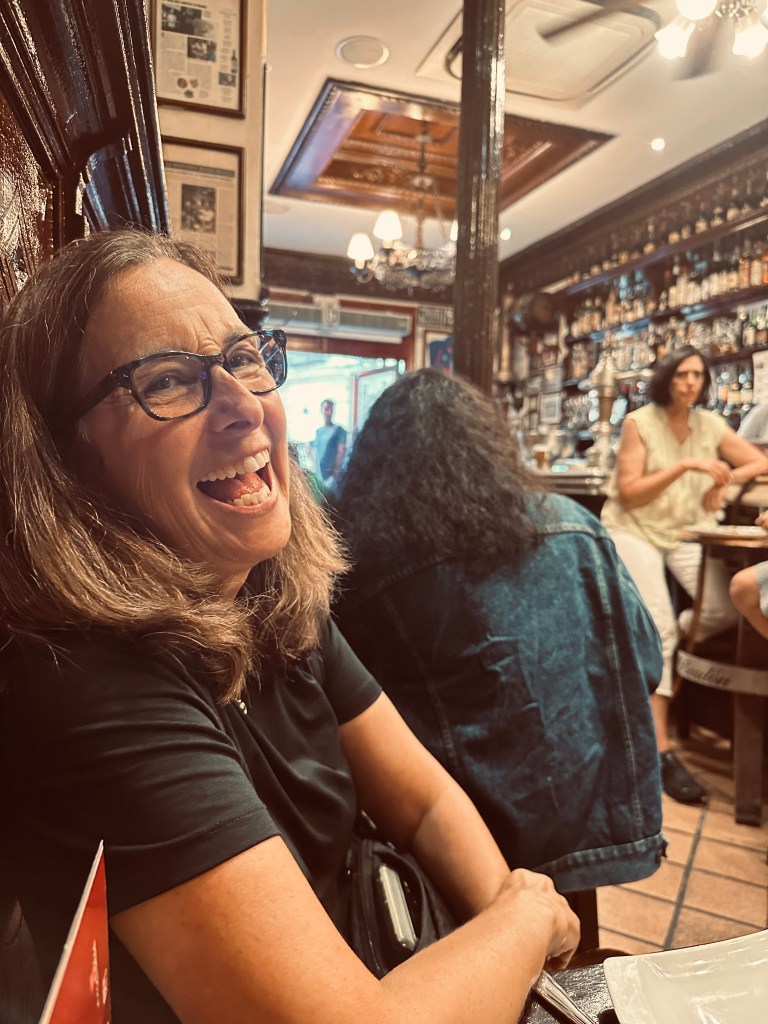
Our last night in Madrid we spent imbibing a jug of Sangria in a local bar.
 Jo & Eric's travels