
We crossed from Spain into Portugal on another beautiful day. We arrived early to our Airbnb in Viana do Castelo, but our generous host Sofia greeted us warmly into her unbelievably beautiful home.
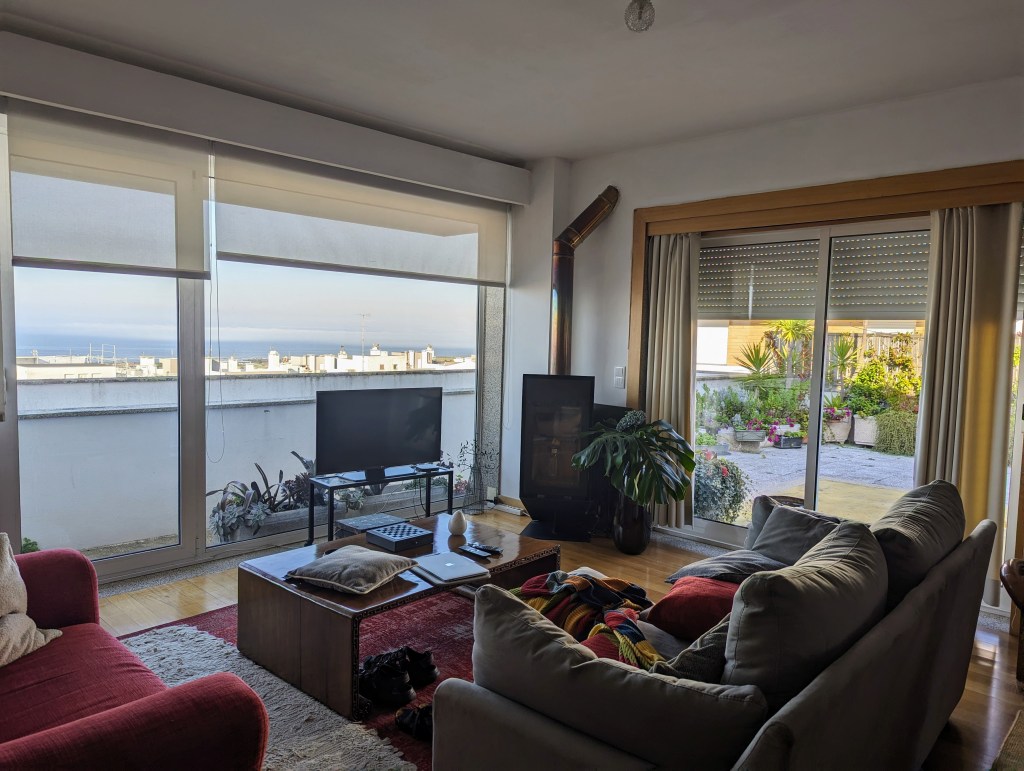
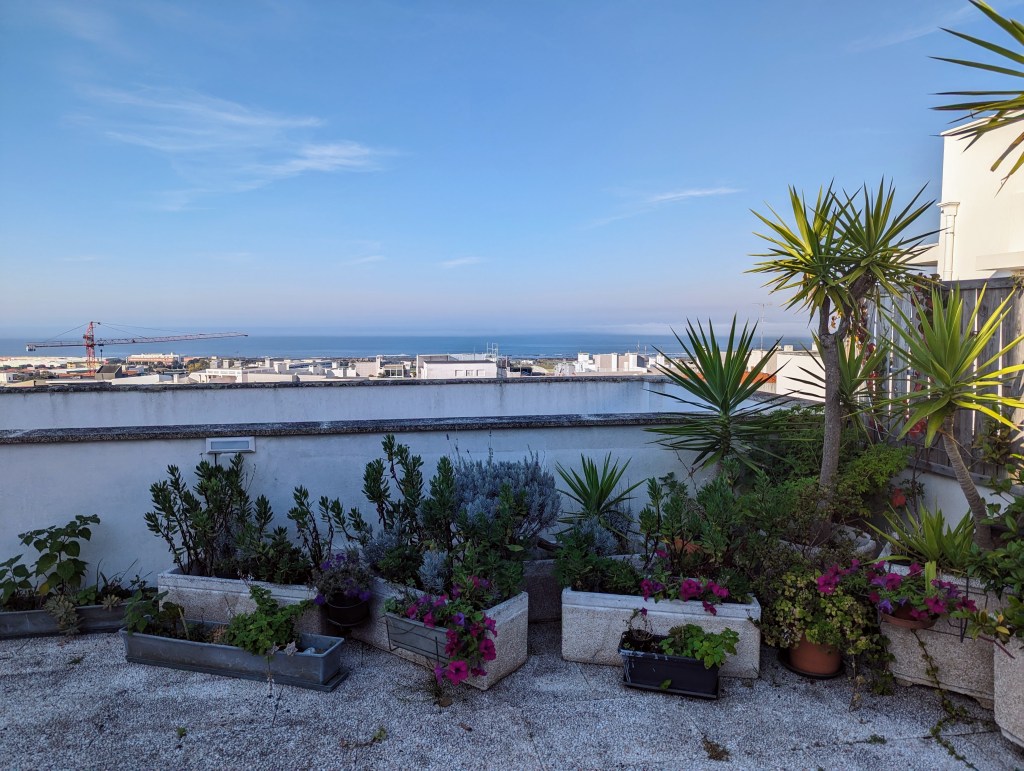
We wandered around a bit, taking in the Atlantic Ocean and the cute little town that is Viana do Castelo.


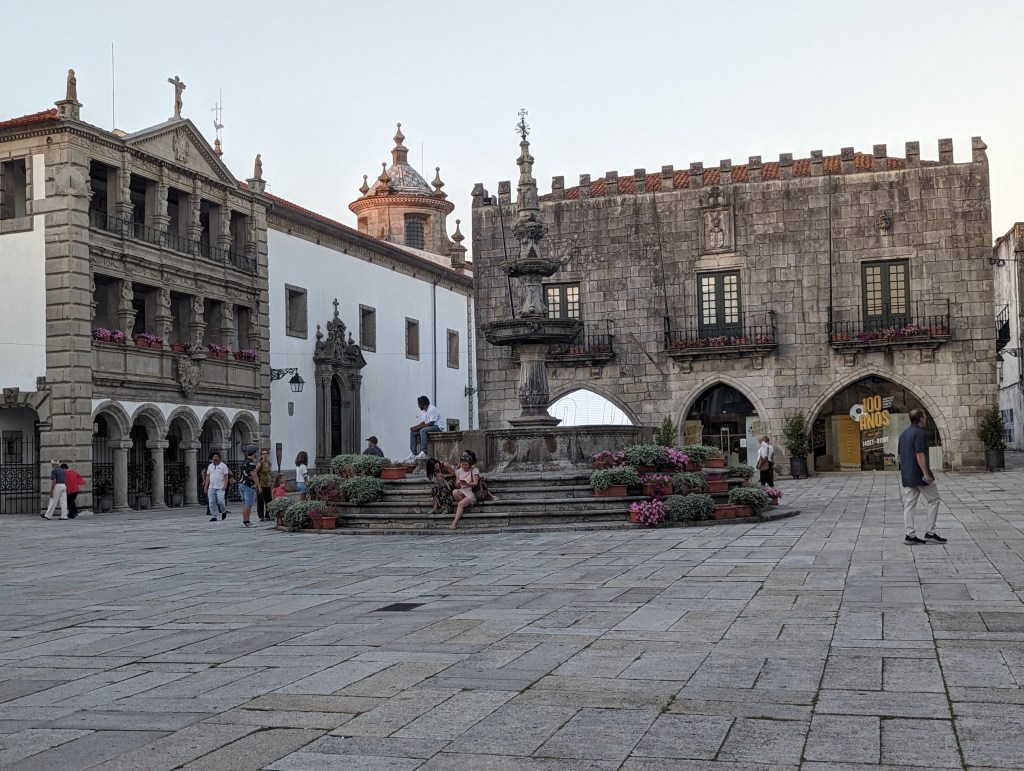
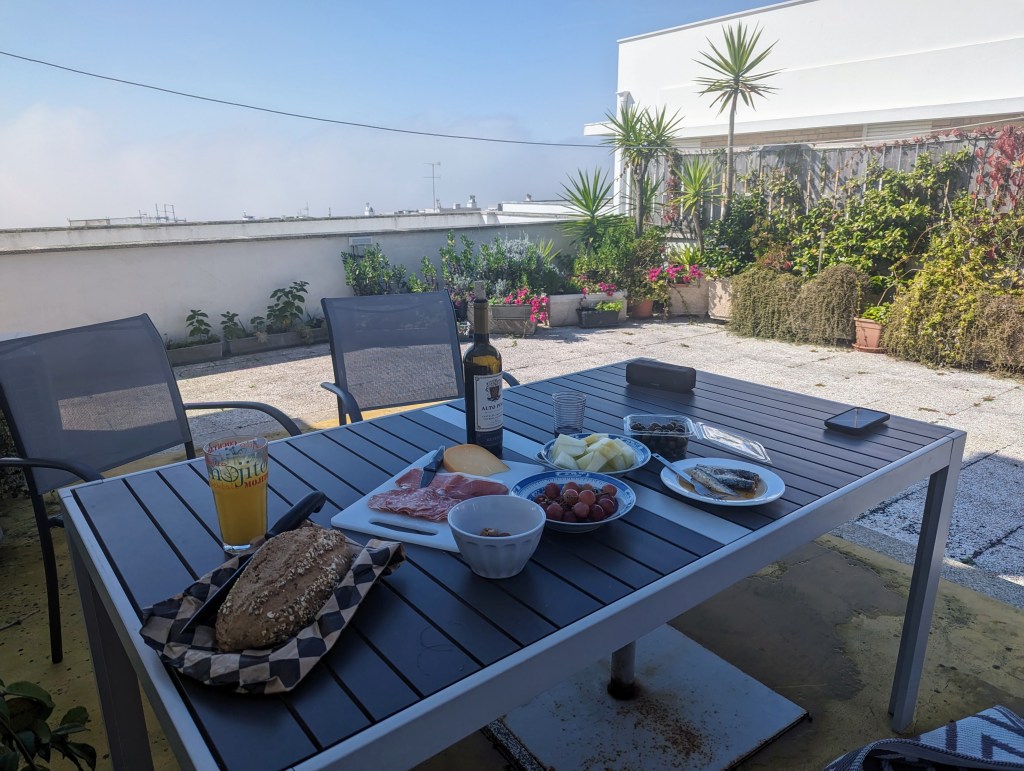
We had dinner in town both nights we were there, but otherwise we were happy to rest up from our travels and enjoy the view.

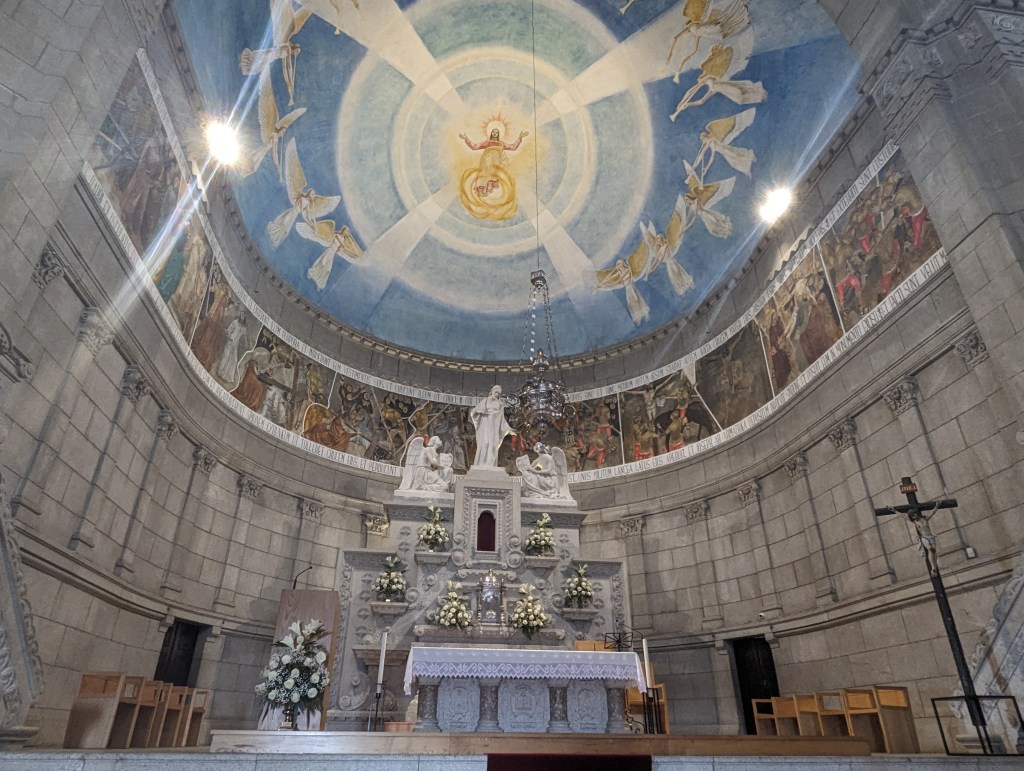
The main attraction in town is the Diocesan Sanctuary of the Sacred Heart of Jesus high at the top of Monte de Santa Luzia, which was closed to us on Sunday. So Monday morning on our way out of town, we gave it a visit.
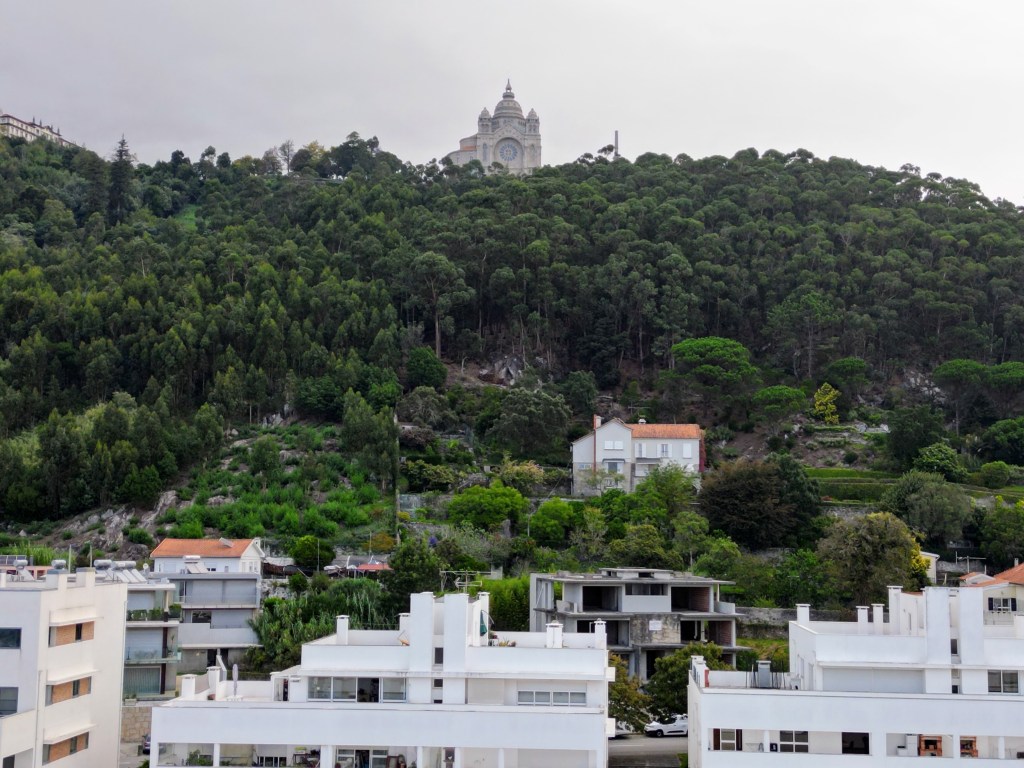
Building on it began in 1904, but it was not completed until 1959.

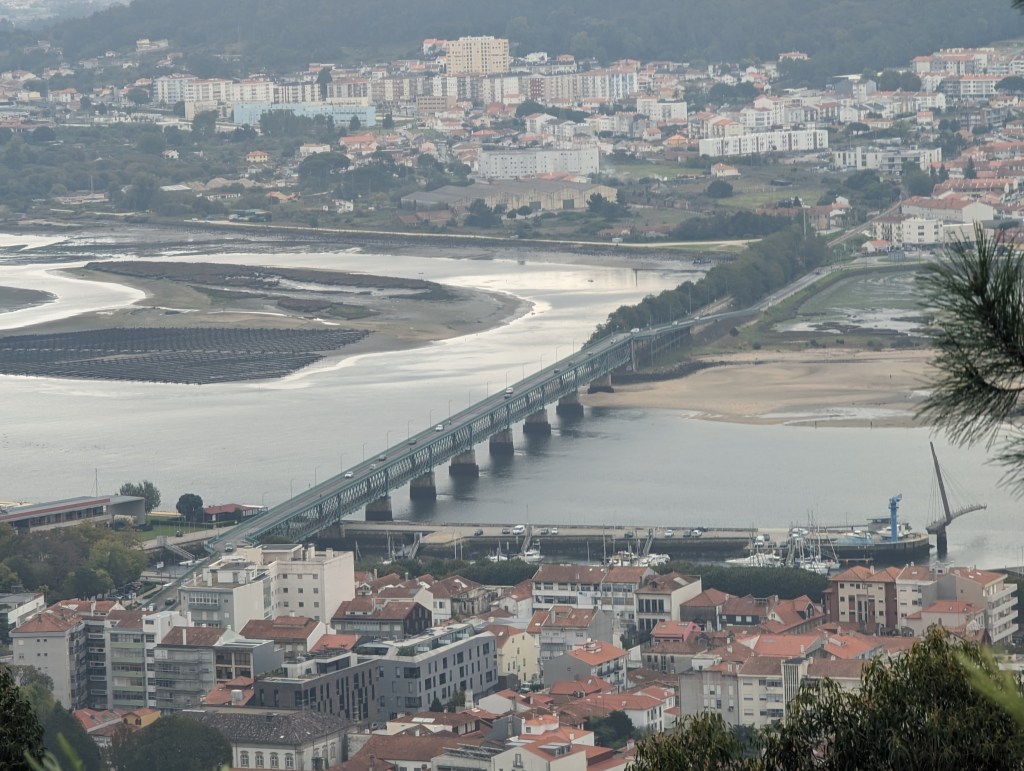
But it was really not all about the church; it was about the views of Viana do Castelo and the Lima River. Until the mid 19th century, the river was the main source of transporting goods. But when roads and railroads were built connecting Viana do Castelo to Porto, the need for the bridge arose. The bridge was designed by Gustave Eiffel (known for the tower with is name in Paris) and was opened in 1878.
And then it was on to Porto. Porto is also a river town and the original capital of Portugal. The river divides Porto on one side and Gaia on the other. Porto+Gaia=Portugal. Although Porto is known as the home of port wine, actually all of the wineries are on the Gaia side. The grapes are grown in the Douro Valley, but the wine is made in Gaia, not Porto, because in the 13th century the Bishop and Catholic church’s land taxes in Porto were so expensive. King Alfonso III gave the poor town of Gaia on the other side of the Douro River from Porto a Fomal Letter, allowing tax free wine production. The invention of port wine is because when the Portuguese would ship their wine, it often turned to vinegar. They learned to preserve it by adding grappa to it, making it the super sugary, high alcohol content wine that is port. Recently Porto has become a common tourist destination, and it is showing signs of it’s growing pains with construction everywhere.
We arrived in late afternoon and after hassling to find a place to park the car for several days, we checked into our tiny but well located Airbnb. Then we went for a stroll around the city.
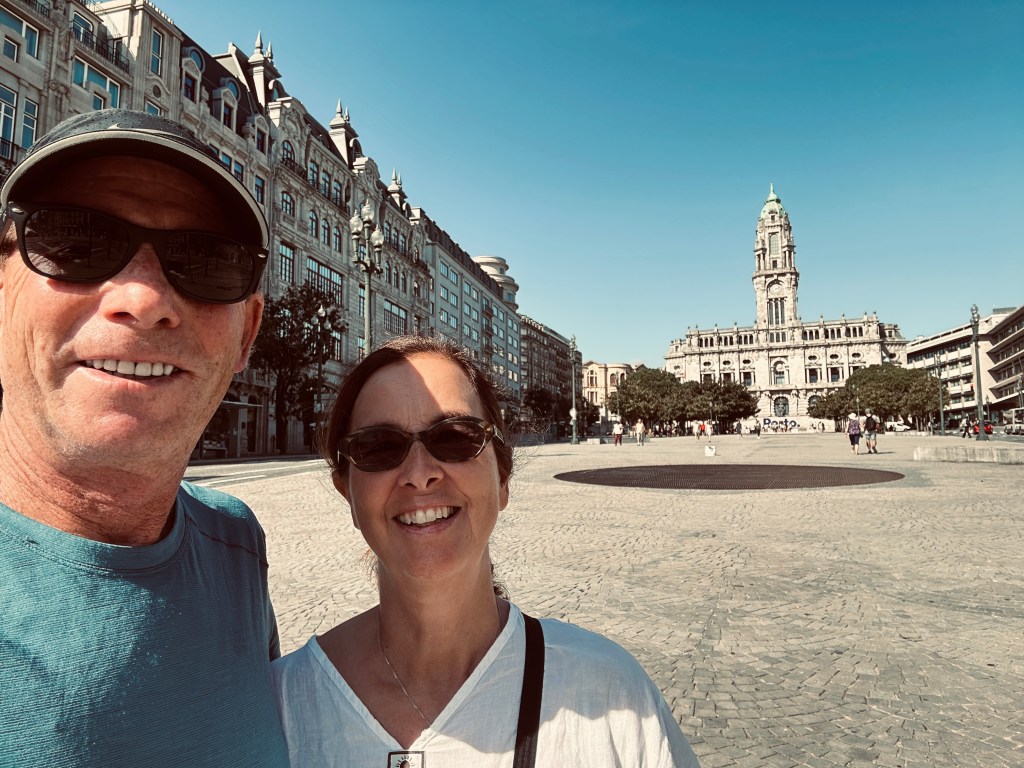
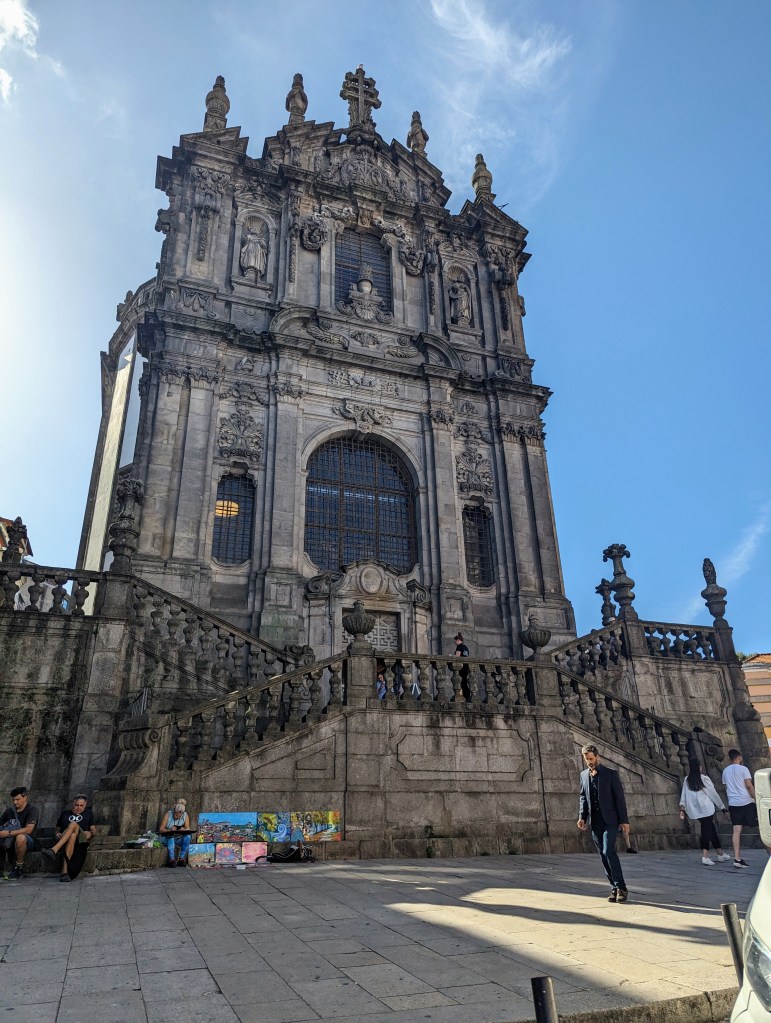
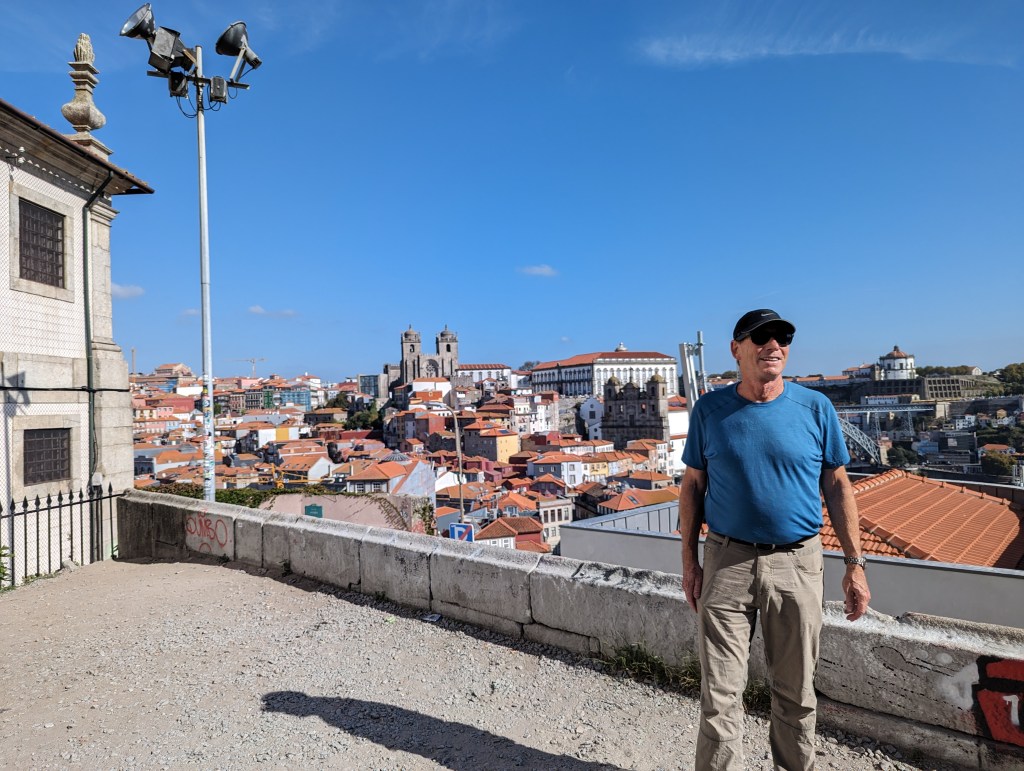
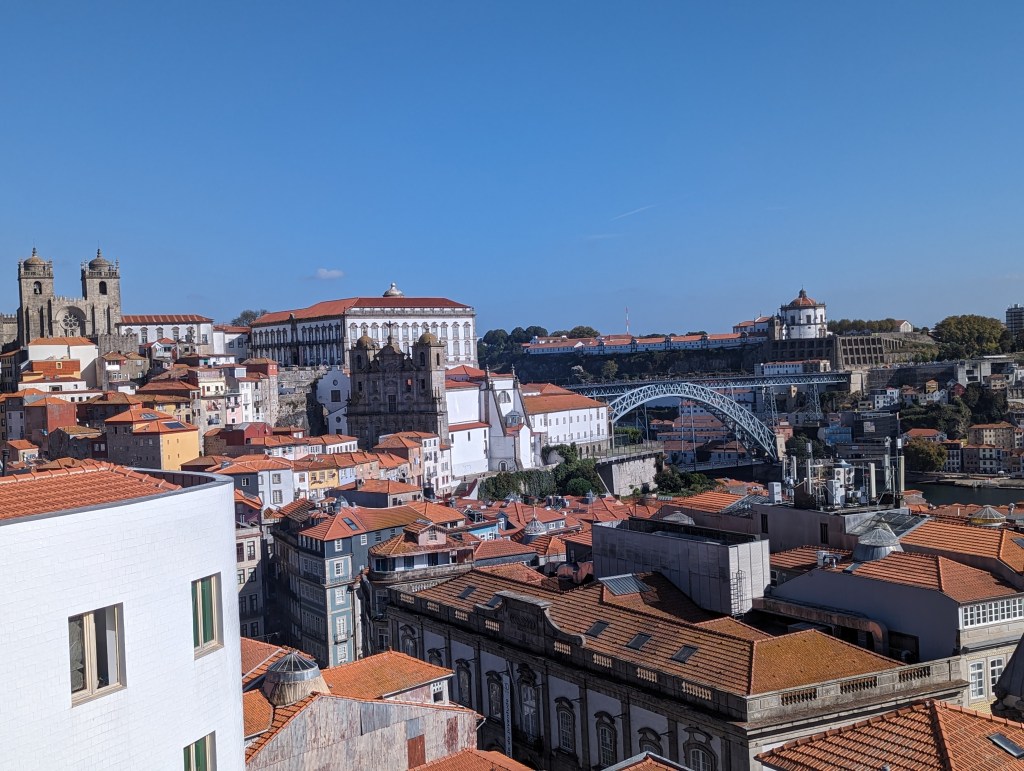
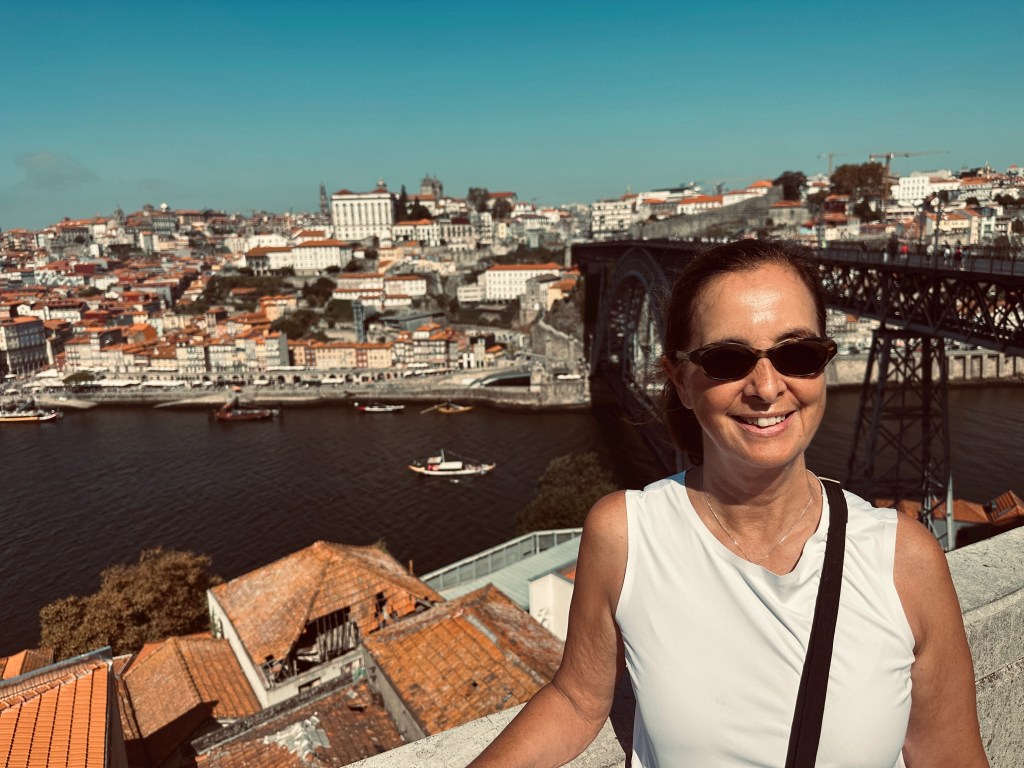
We found a fantastic viewpoint from which to look out onto the city of Porto and the Douro River.

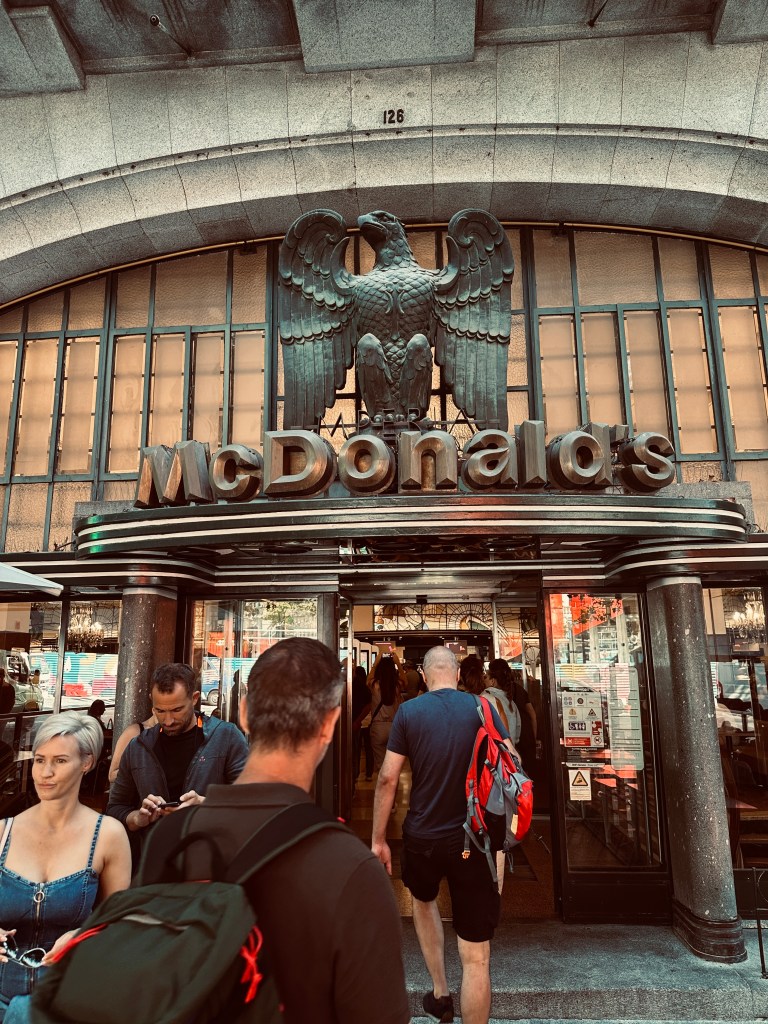
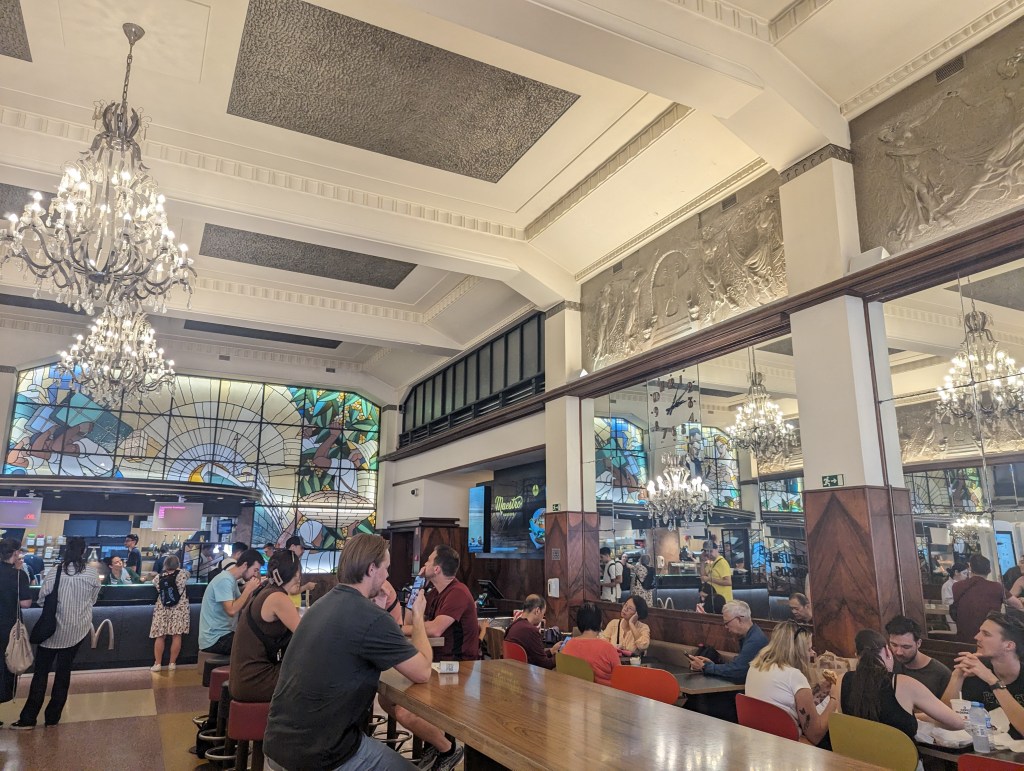
The next morning we had a walking tour with Ana. She showed us the “most beautiful McDonald’s in Europe,” which had been a cafe and was in an historically protected neighborhood of Porto. As tourism started to climb a decade ago, McDonald’s snatched up the spot.
She showed us the Church of Santo Antonio Dos Congregados, built in 1703 and explained the use of tiles: Azulejos.
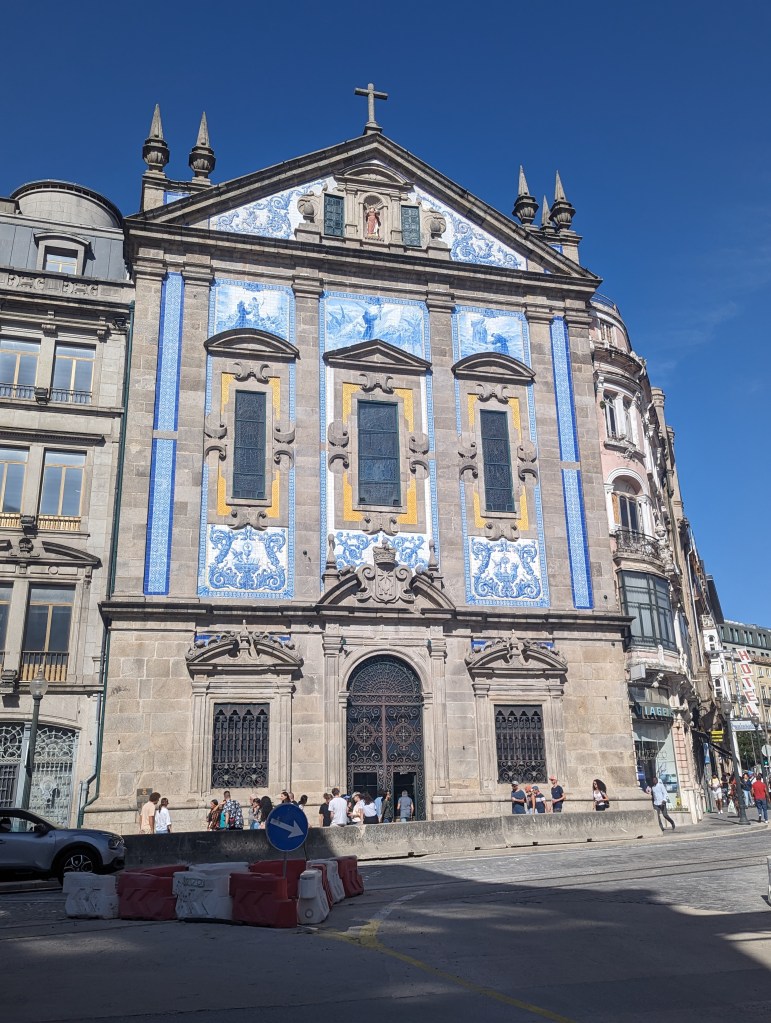
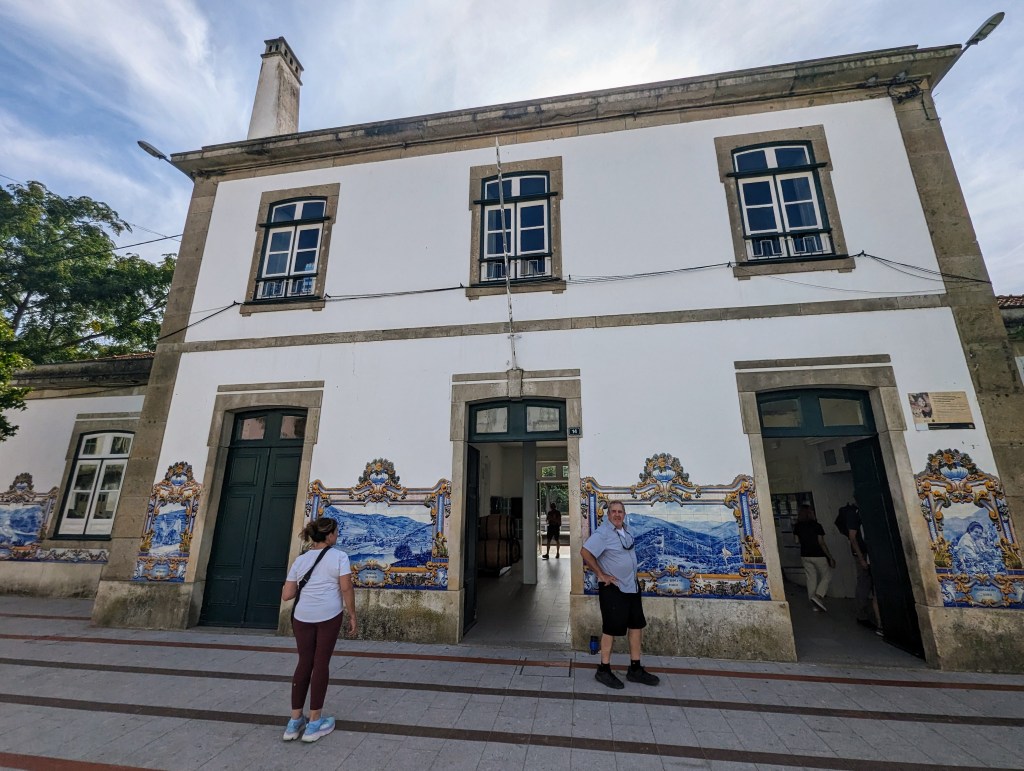
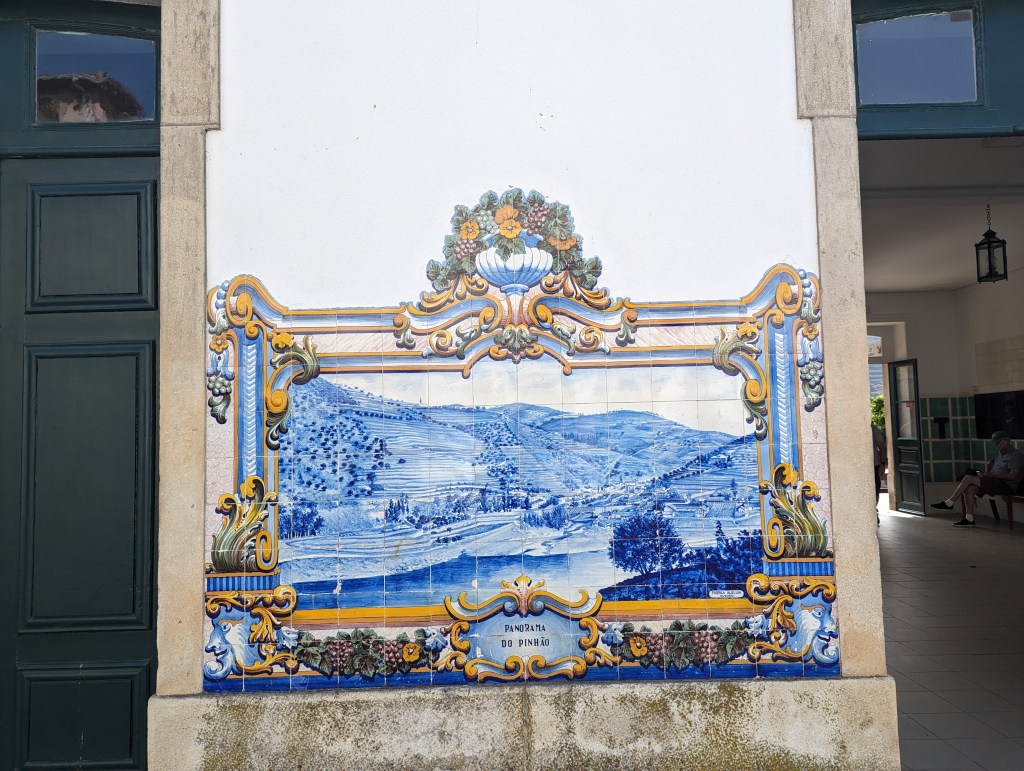
Azulejos are a unique type of tile deeply intertwined with Portuguese culture. Azulejos were originally for the outside of stone buildings, to better transmit heat, keeping the interior warmer in the winter. They were first introduced in the 15th century by King Manuel after he saw them in Seville and found them beautiful. The blue was influenced by both those from Delft, Netherlands, and those of the Ming Dynasties. Initially the blue tiles were very expensive, therefore used mainly by the church and the wealthy, but now are used extensively for interior decoration as well. As evident in the train station.
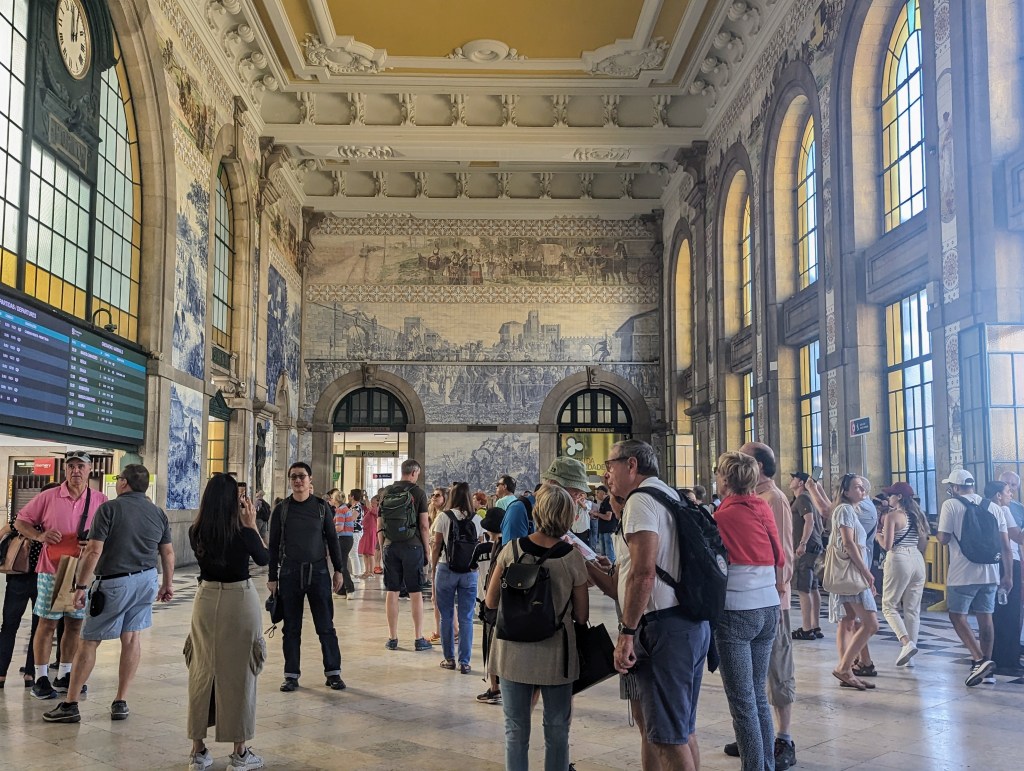
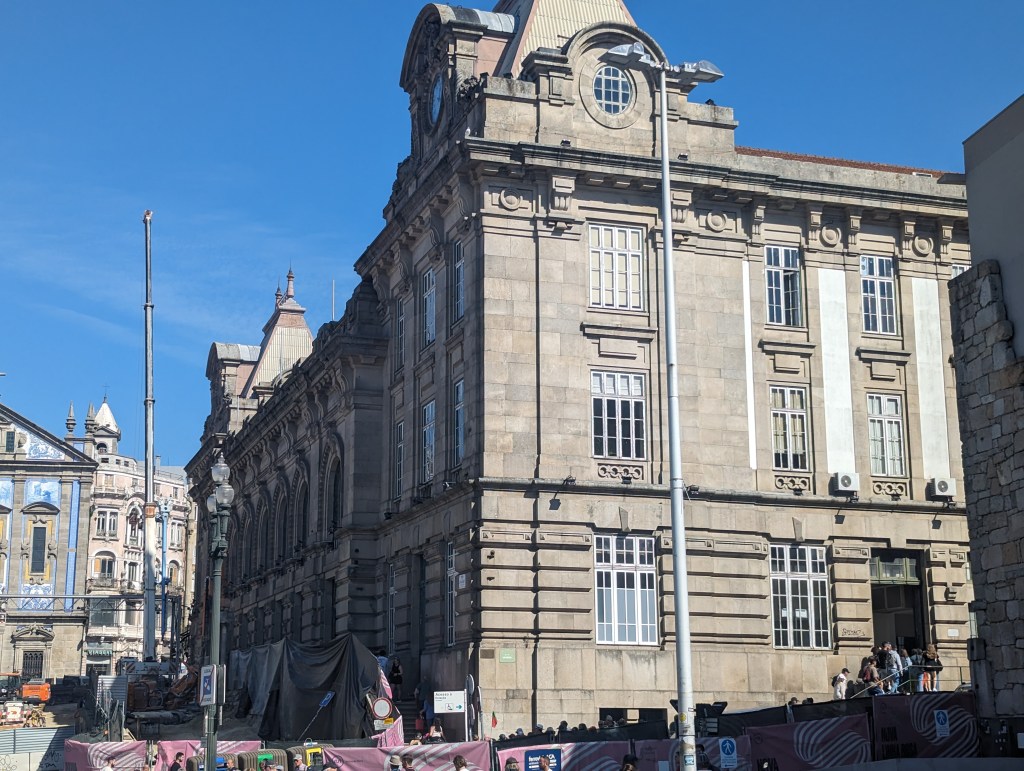
The station was built in the early 20th century on the site of a previous benedictine convent. Currently, a new metro is being constructed below it, and the construction mess and noise are boisterous at best.
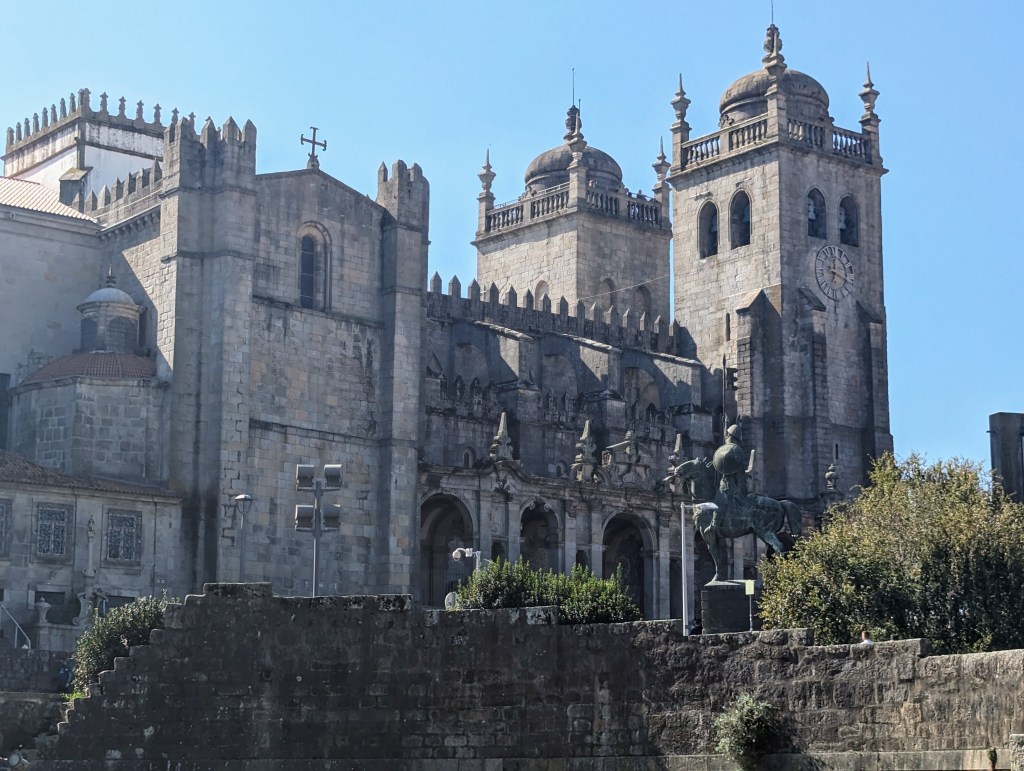
We walked past the cathedral of Porto.
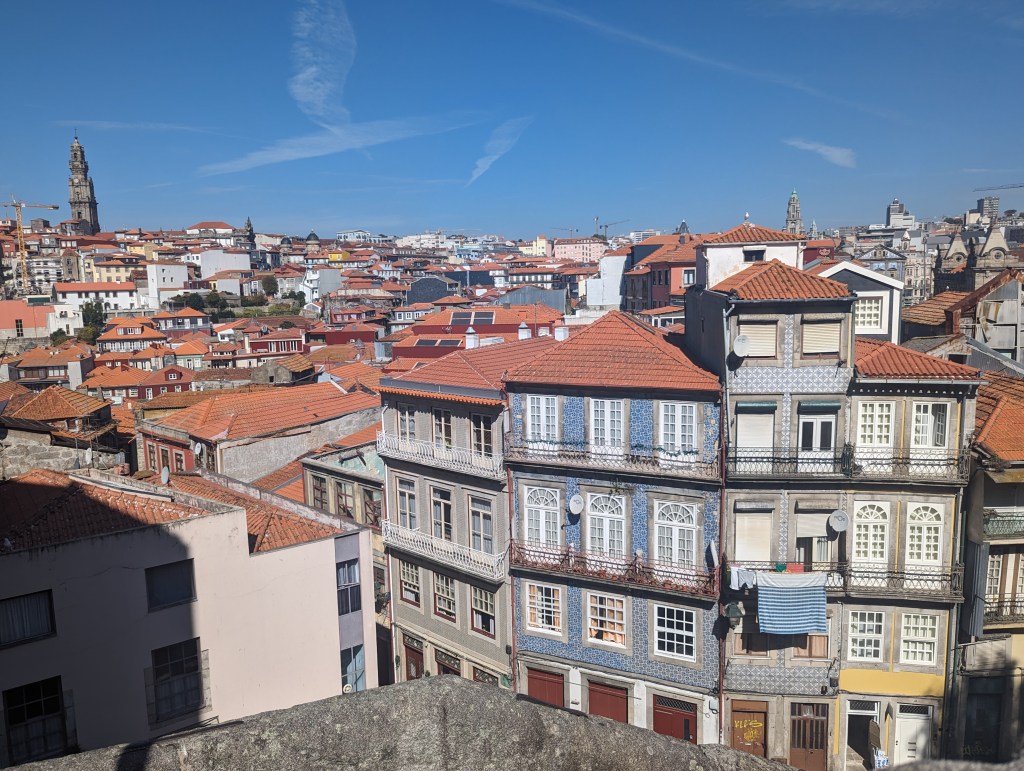
and she showed us a typical neighborhood in the old city of Porto.
She introduced us to nato, which is a Portuguese delicacy first made in Porto by the nuns. The monasteries would often be paid by farmers in eggs. The nuns used the egg whites to clean and starch the robes for the priests. They used the extra egg yolks mixed with sugar, then cooked in pastry to make these sumptuous delicacies.

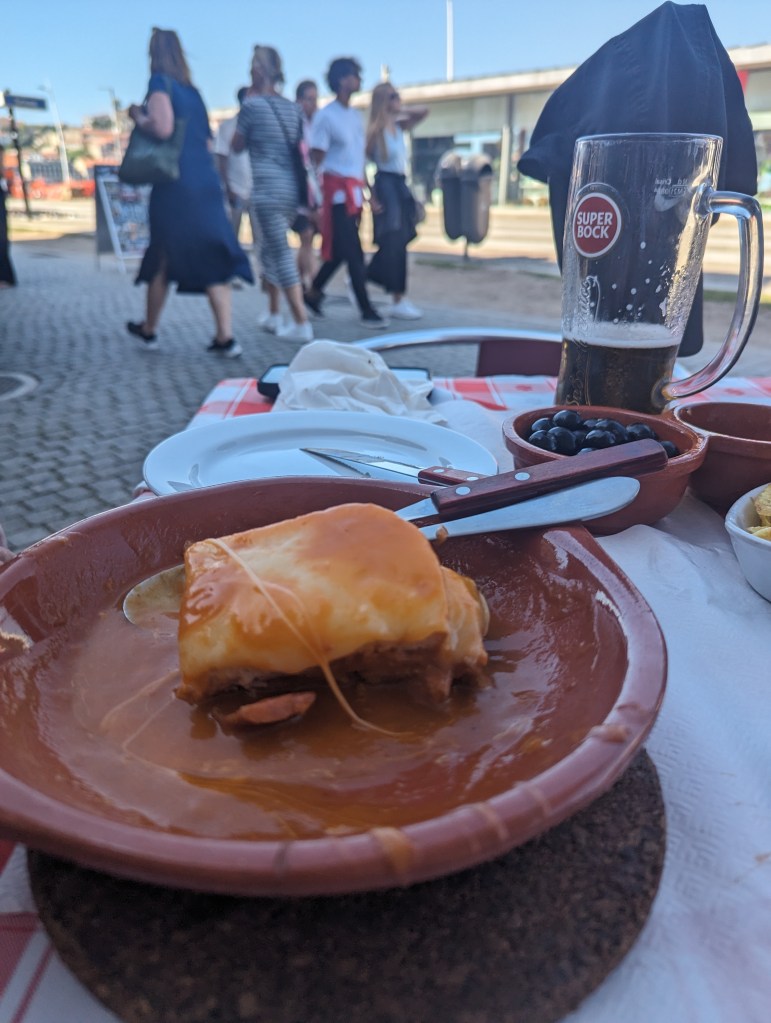
She encouraged us to try the local meal Francesinha, a sandwich made up of several layers, usually meats, but can be vegetarian, then covered in a spicy tomato sauce, often topped with an egg. Legend has it that it was invented in the 1950s by a Frenchman living in Porto who was disturbed by how “covered up” Portugese women were compared to the French and wanted a dish spicy enough to “blow their skirts off.” By today’s standards, not so spicy.

And finally, she introduced us to Fado, which is Portuguese poems sung to music with “much emotion,” usually sad enough that the best compliment to the singer is if the audience is crying at the end of the song.
After the tour, we headed to the market for a late lunch.

The next morning we visited the cathedral and the Bishops’ Palace, but were unimpressed with both. Then it was time to cross over to the Gaia side.

We decided to try the Francesinha for lunch.
Some of the port wineries and stores were beautiful.
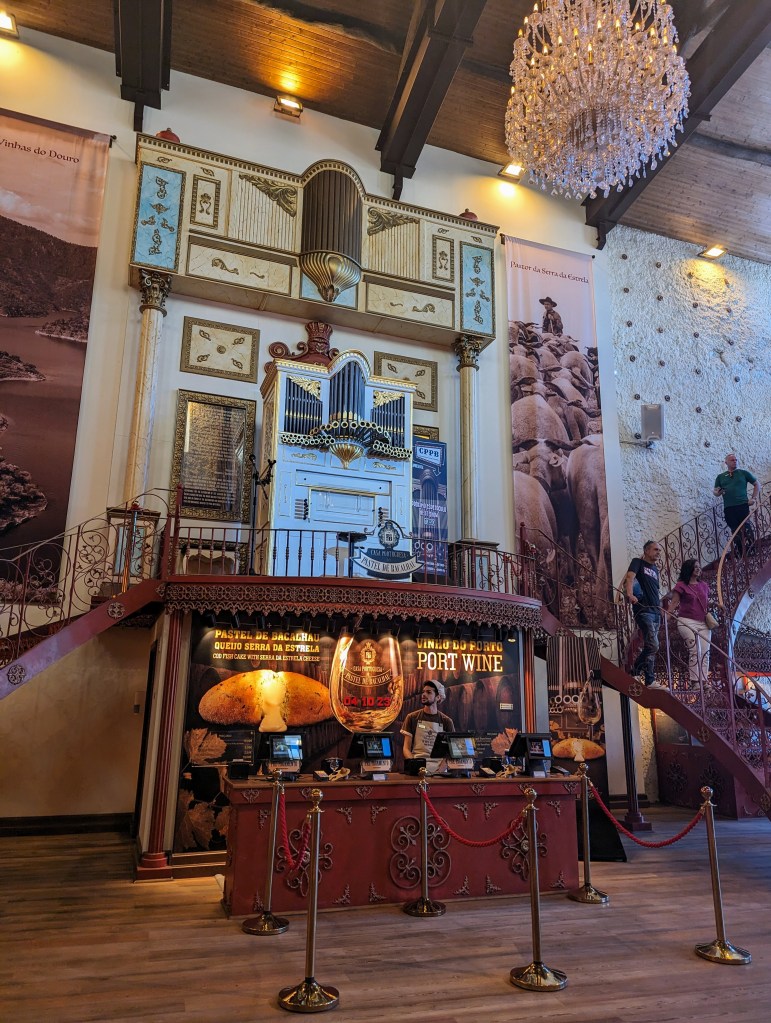
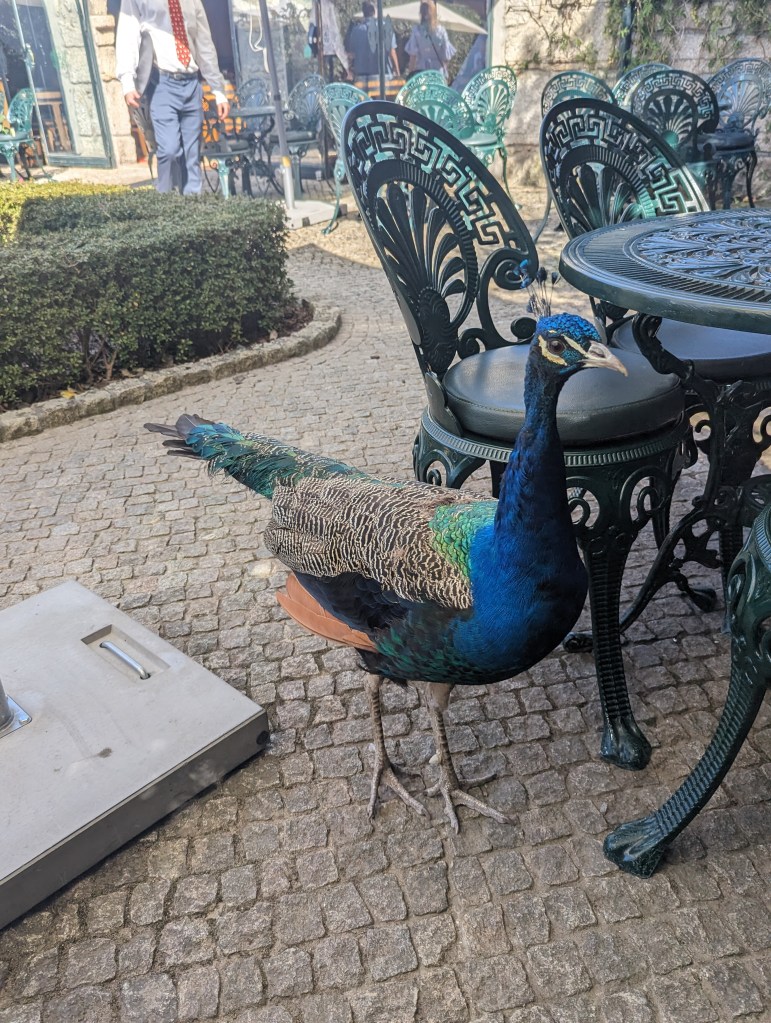
We climbed the very steep hill to try a tasting at the Taylor winery, which turned out to be a beautiful setting, and not bad wines.
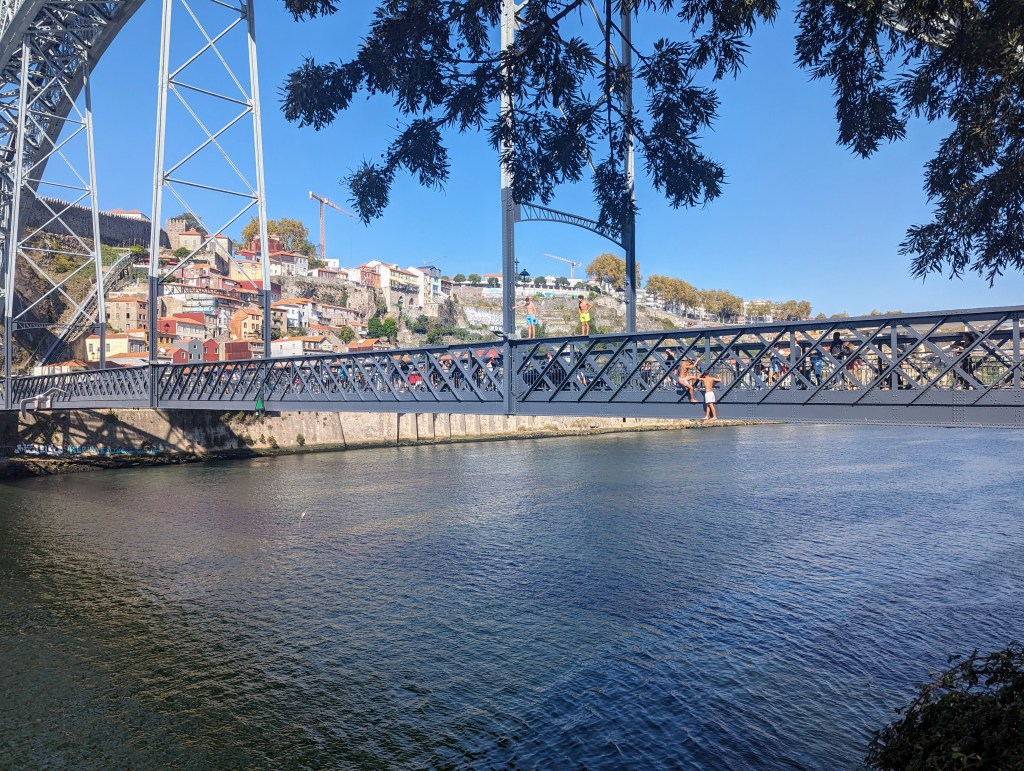
We arrived back to the base of the bridge just as come local youths were jumping into the river as a local street band played the Beatles’ Yellow Submarine.
That night we had the most delicious dinner at restaurant serving local cuisine called Terreirinho, so excellent.
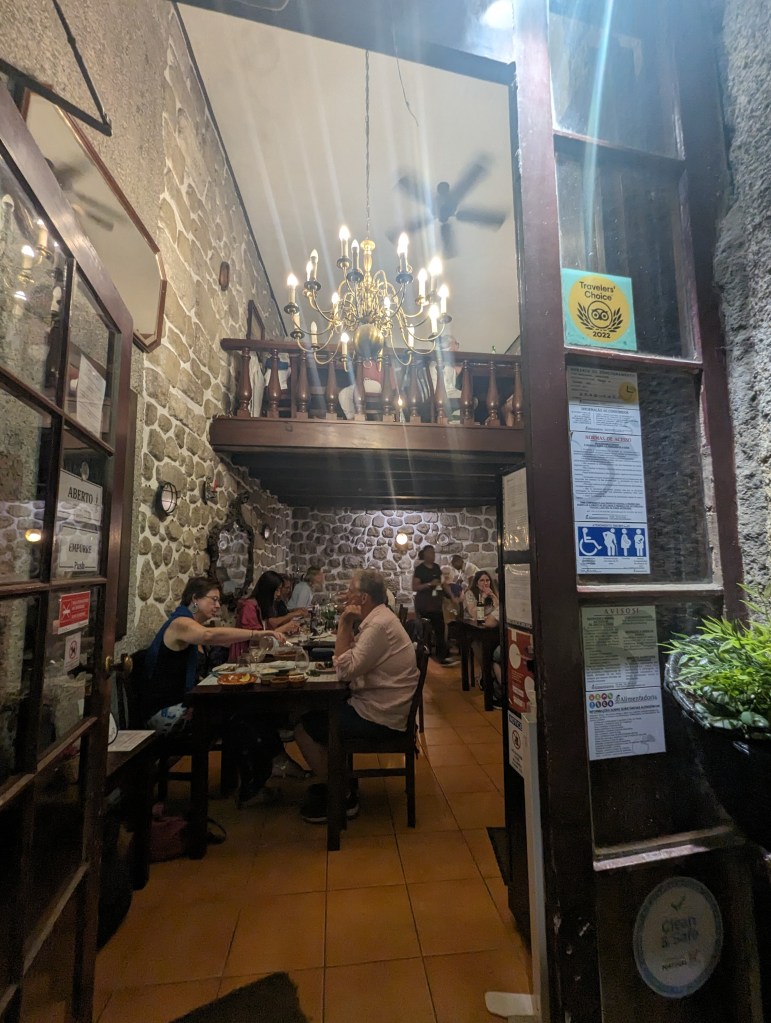
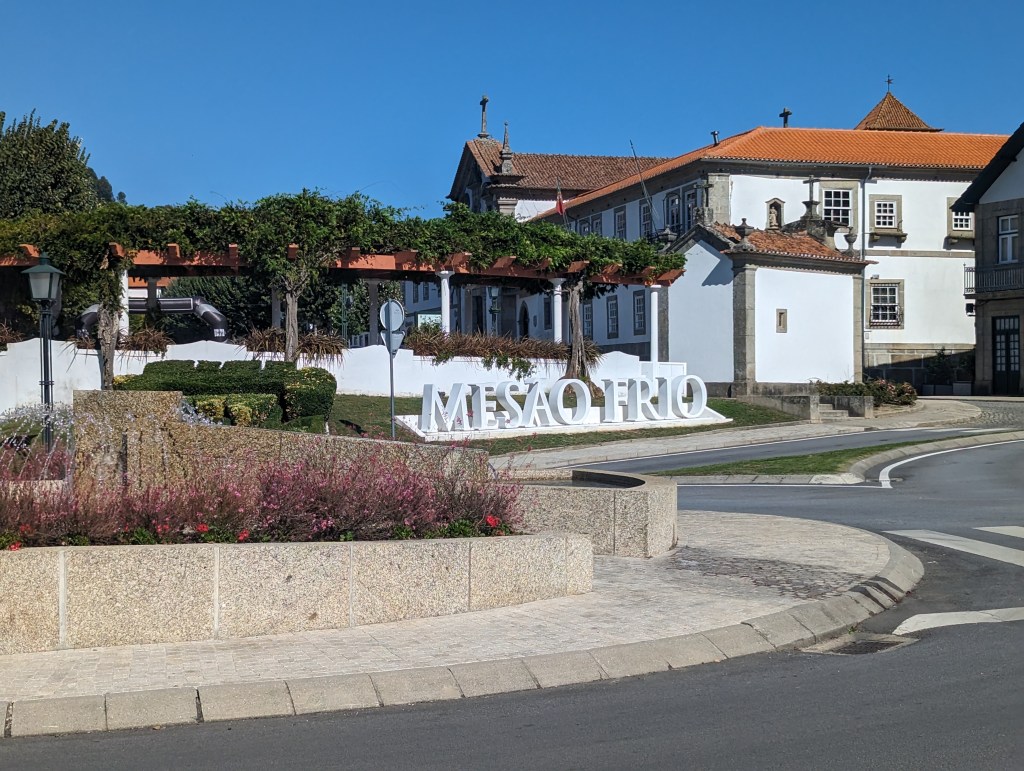
And then it was on to the Douro Valley. We had booked at Casa de Canilhas and arrived early, so first had lunch in the local town of Mesao Frio.
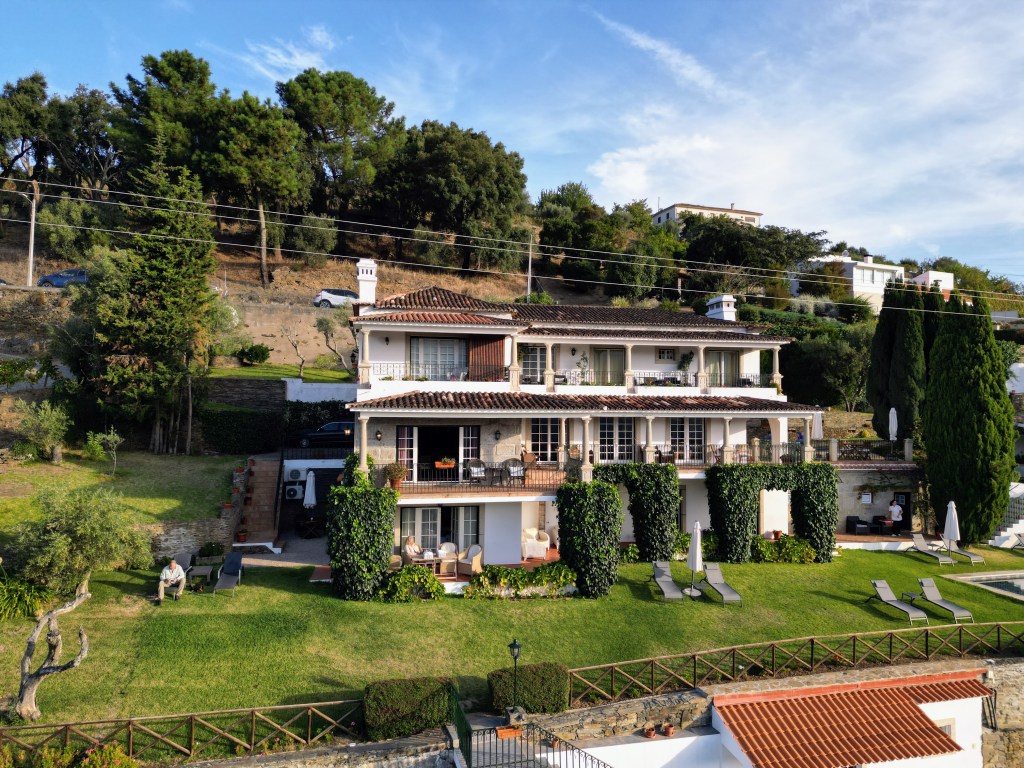
We then headed over to our hotel. We had expected it to be beautiful, but it actually took our breath away. Pictures cannot capture all of the beauty, but we tried.


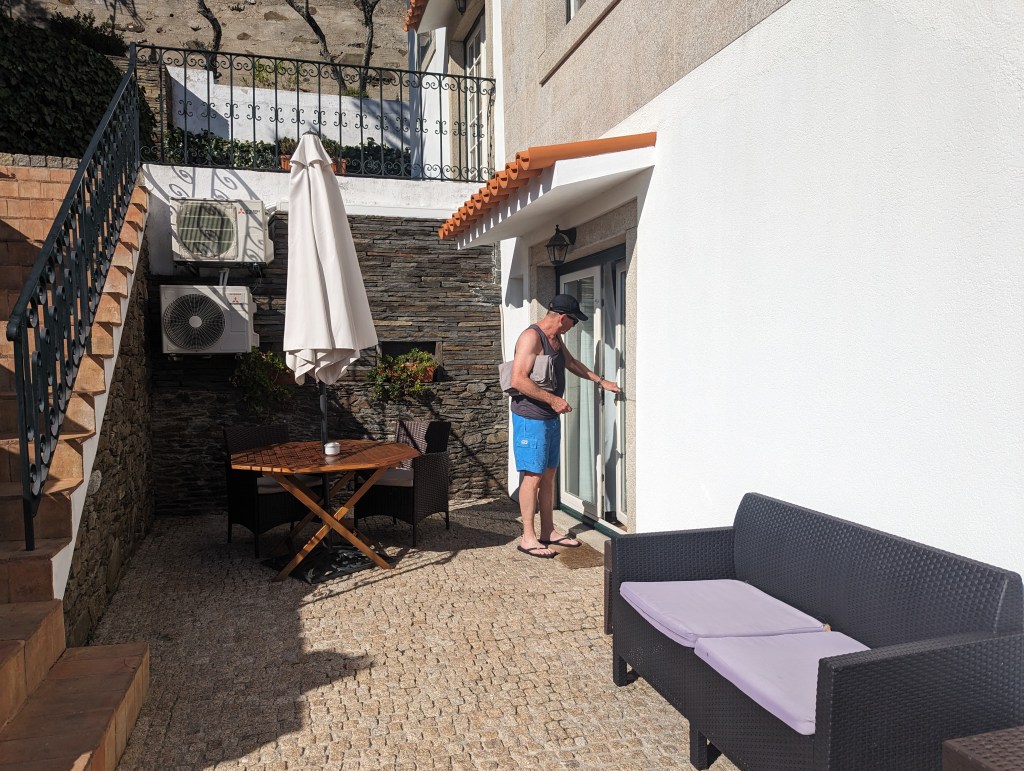
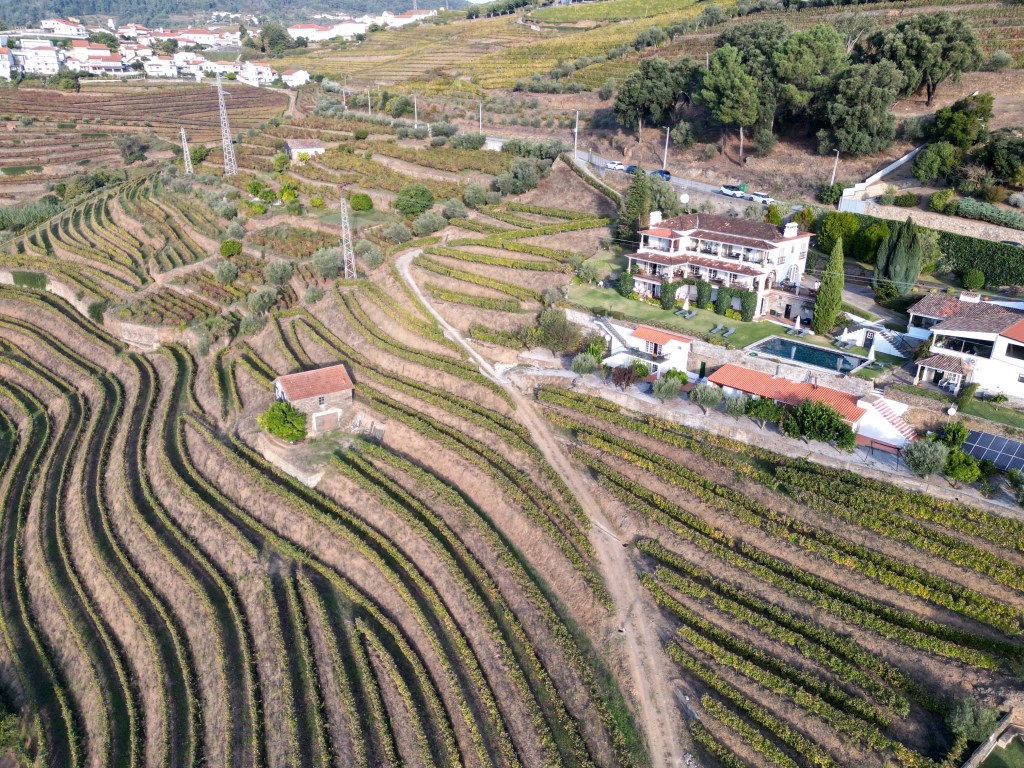
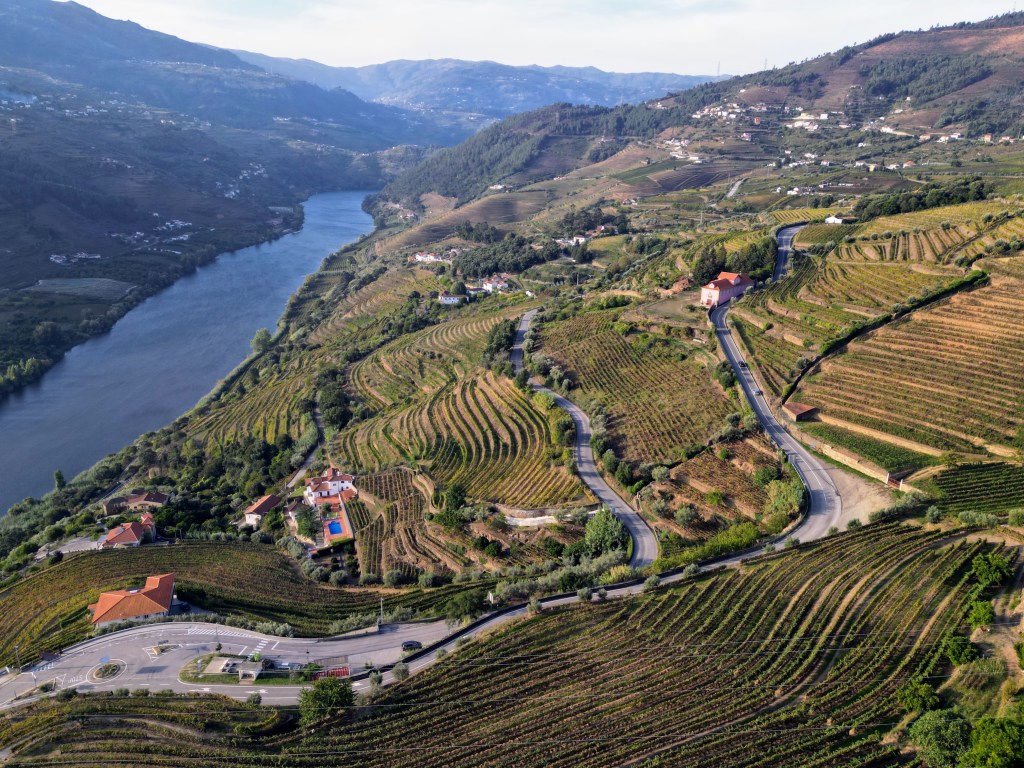
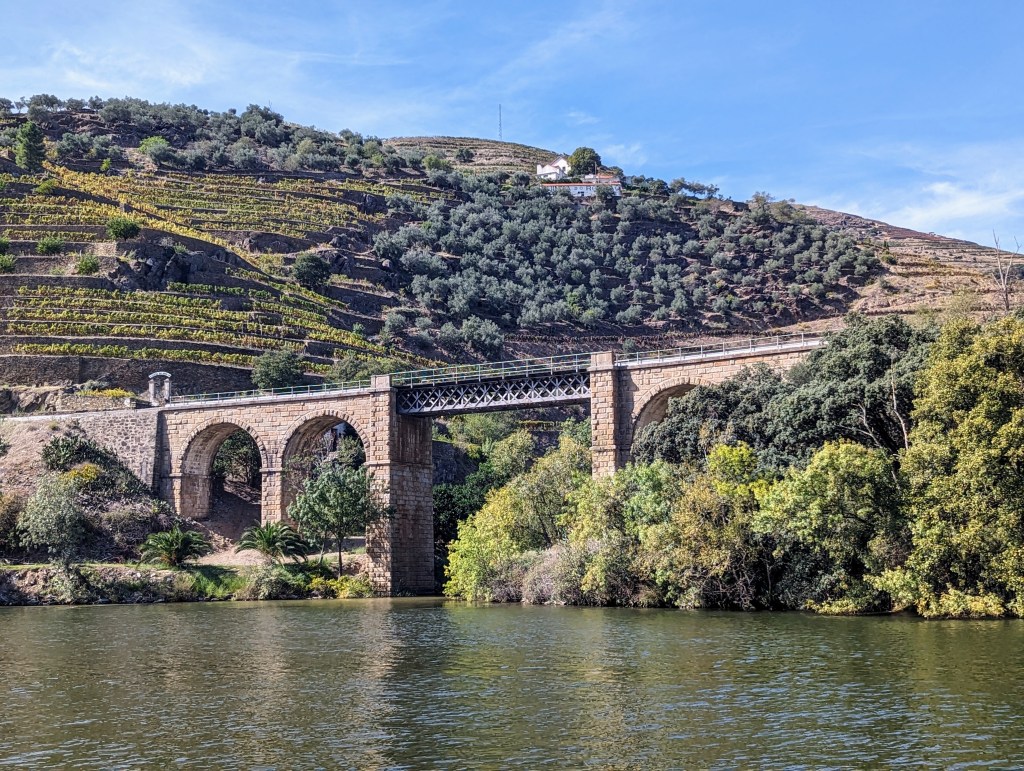
It was with reluctance that we tore ourselves away the next morning to drive along the Douro River on its southern side all the way to the town of Pinhão. There we took a river cruise aboard a historically typical fishing boat.
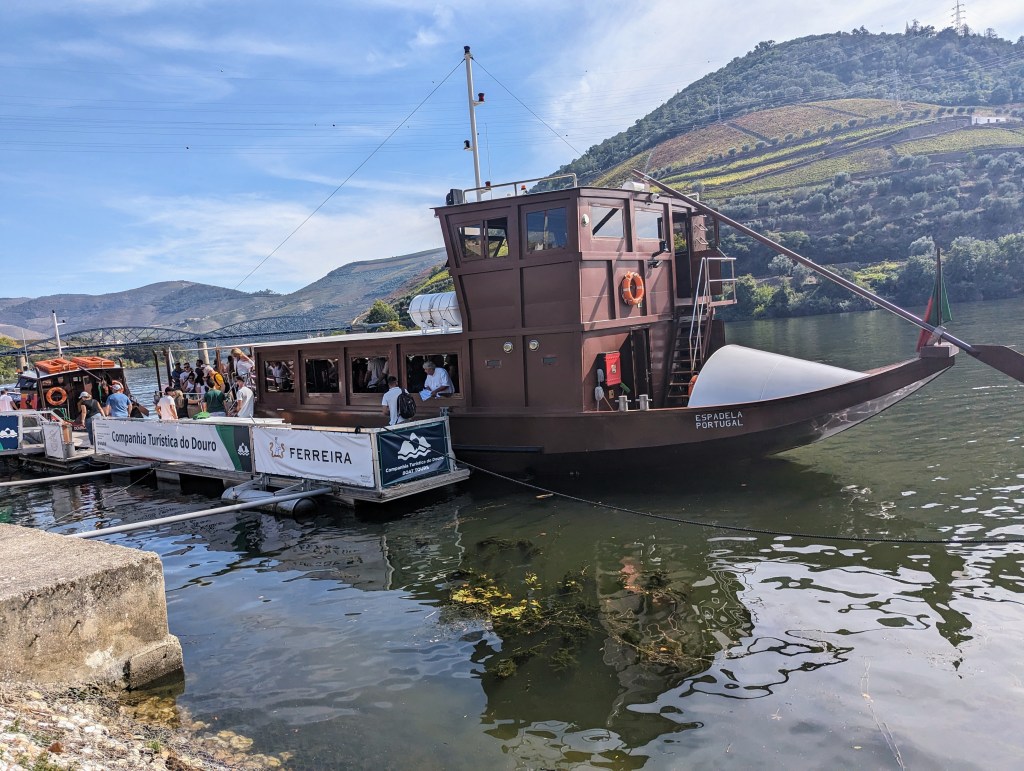
There were wineries and vineyards all along the way.
Before heading to the winery, we stopped by the train station in Pinhão to see it’s famous tile pictorial scenes.
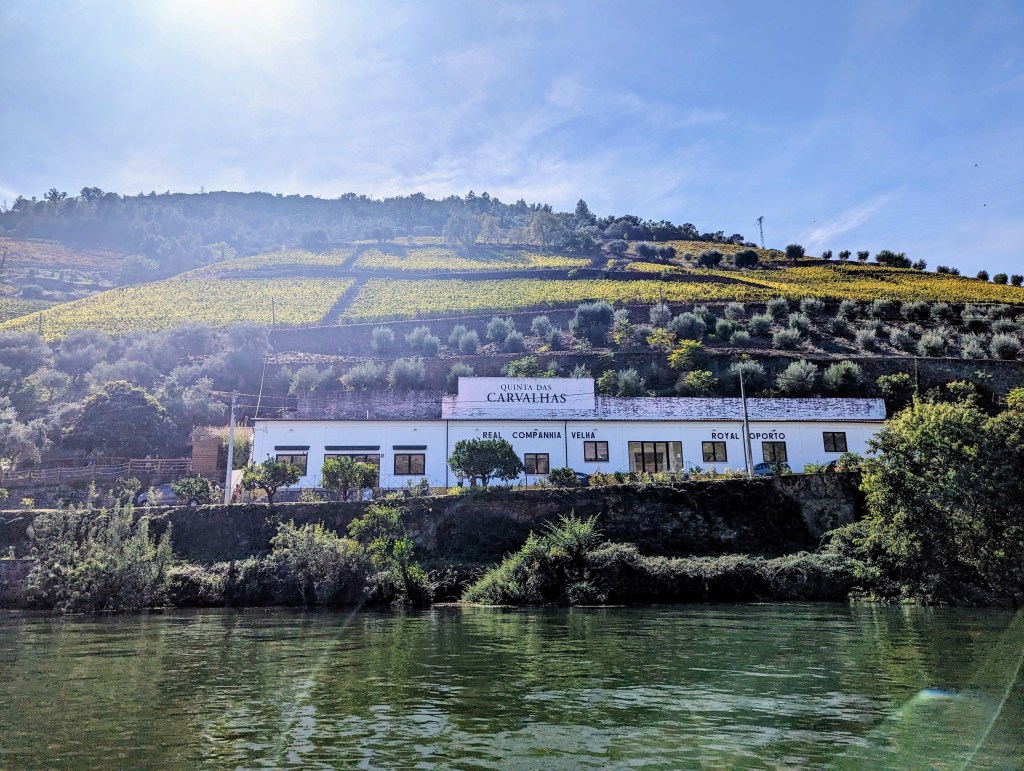
We then went for a wine tasting at Quinta Carvalhas, which is considered to be one of the best in the region.

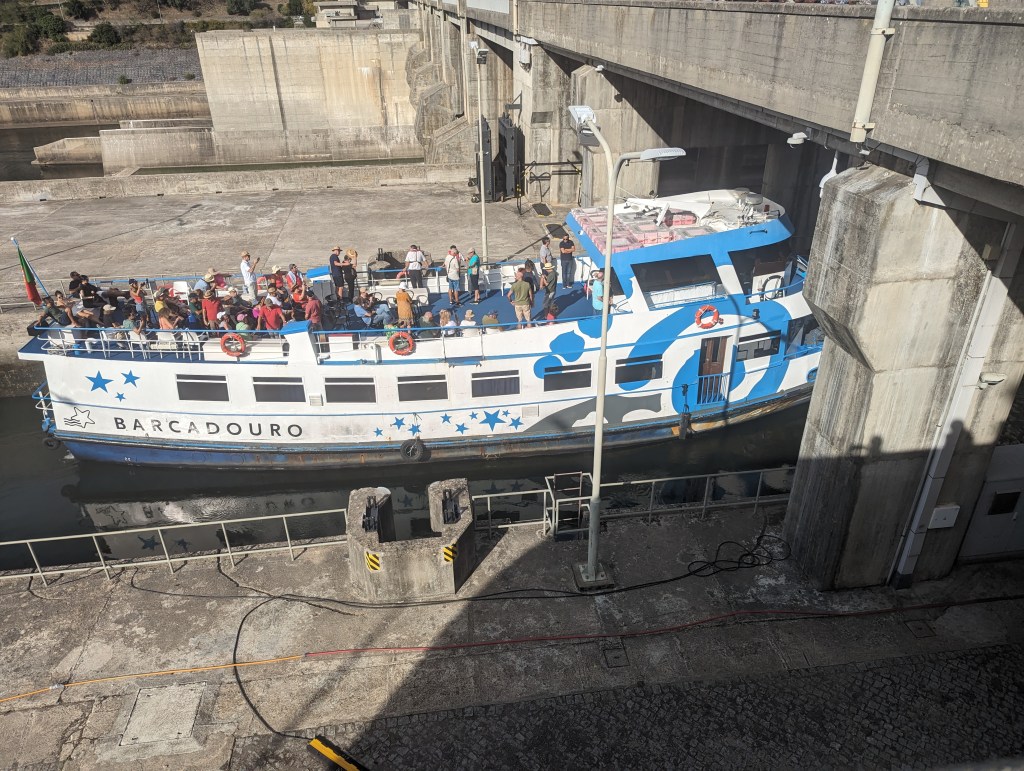
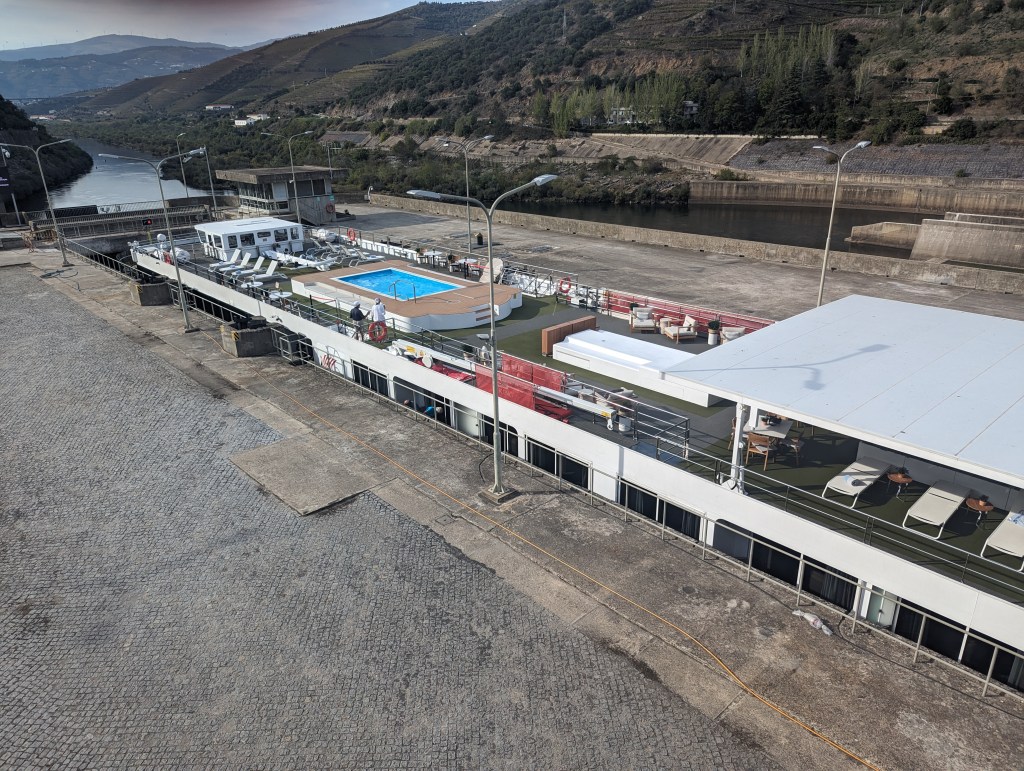
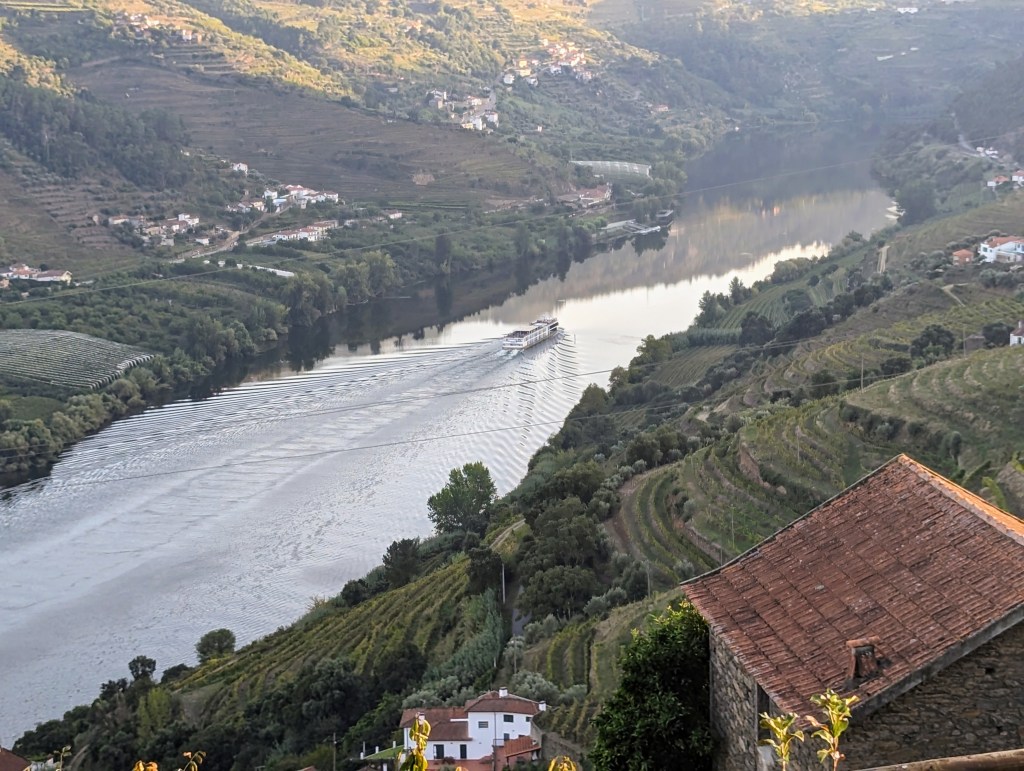
But we were unimpressed with the wines, so decided to forgo any further tastings and just enjoy the drive and the views. On the way back down the Douro River, we happened to pass the locks just as a day tour boat was coming upstream, and a Viking Cruise ship was headed down. Eric was fascinated with watching the locks functions.
We stopped in the town of Lomego and visited its cathedral.

When we got back to our hotel about an hour later, it was in time to see the same Viking cruise ship passing along downriver.
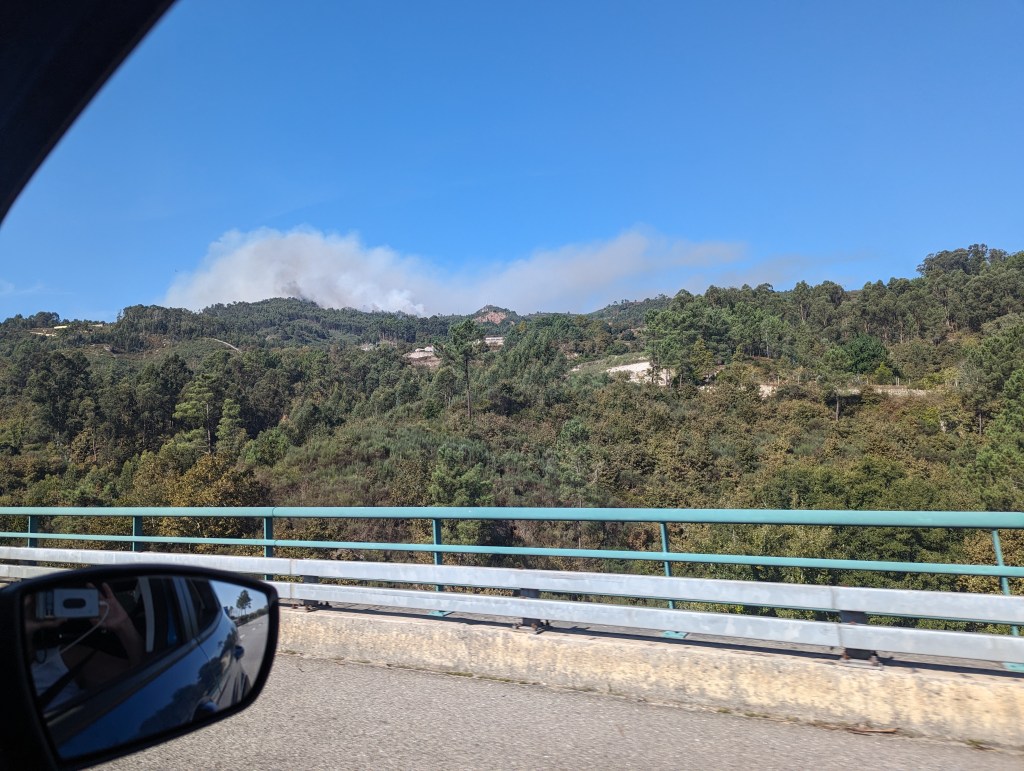
The next morning as we left the Douro Valley, we passed two fires up in the mountains. We had commented to each other on the way in how much like tinder the woods looked. The recent run or 90 degree days did not help.
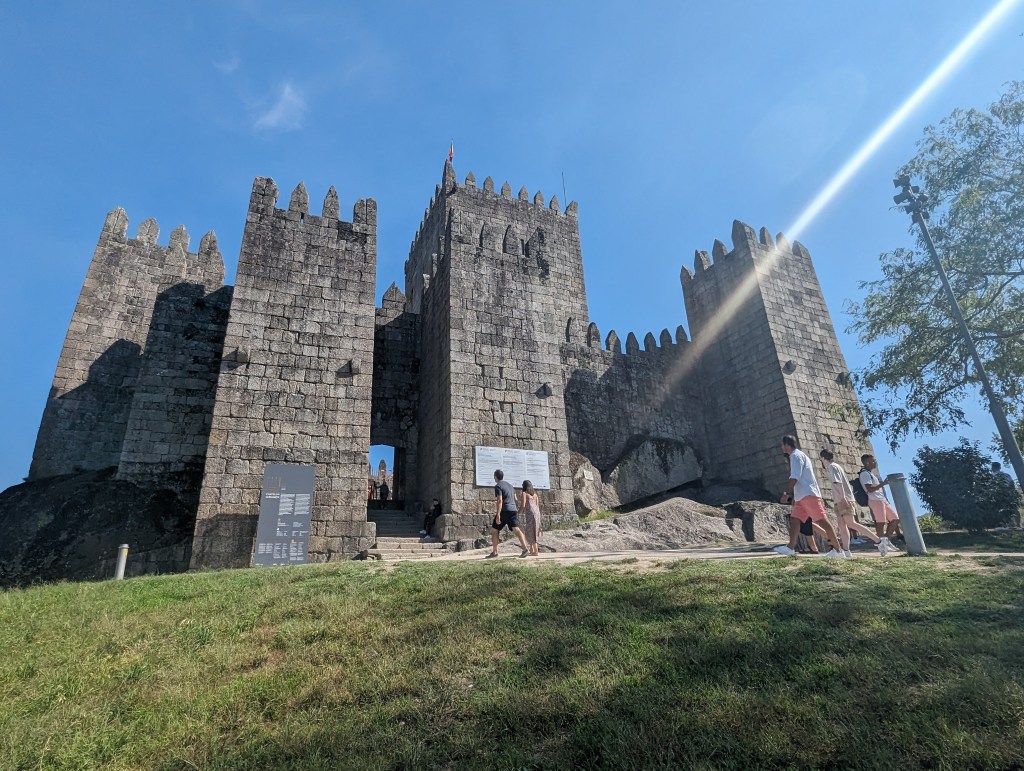
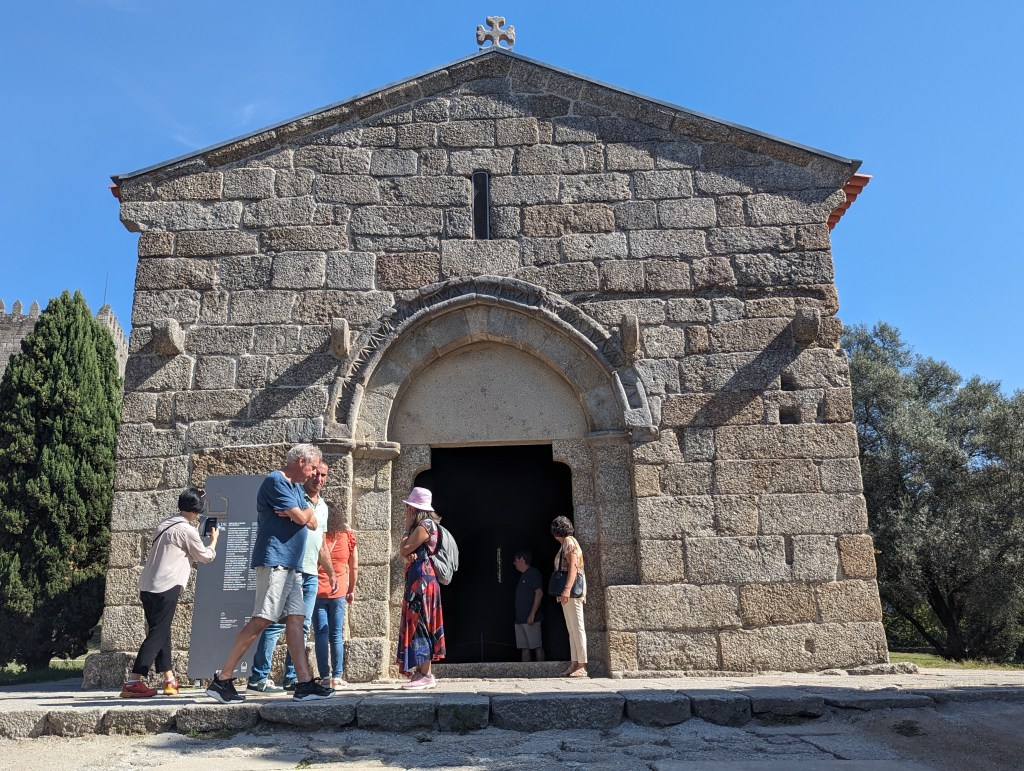
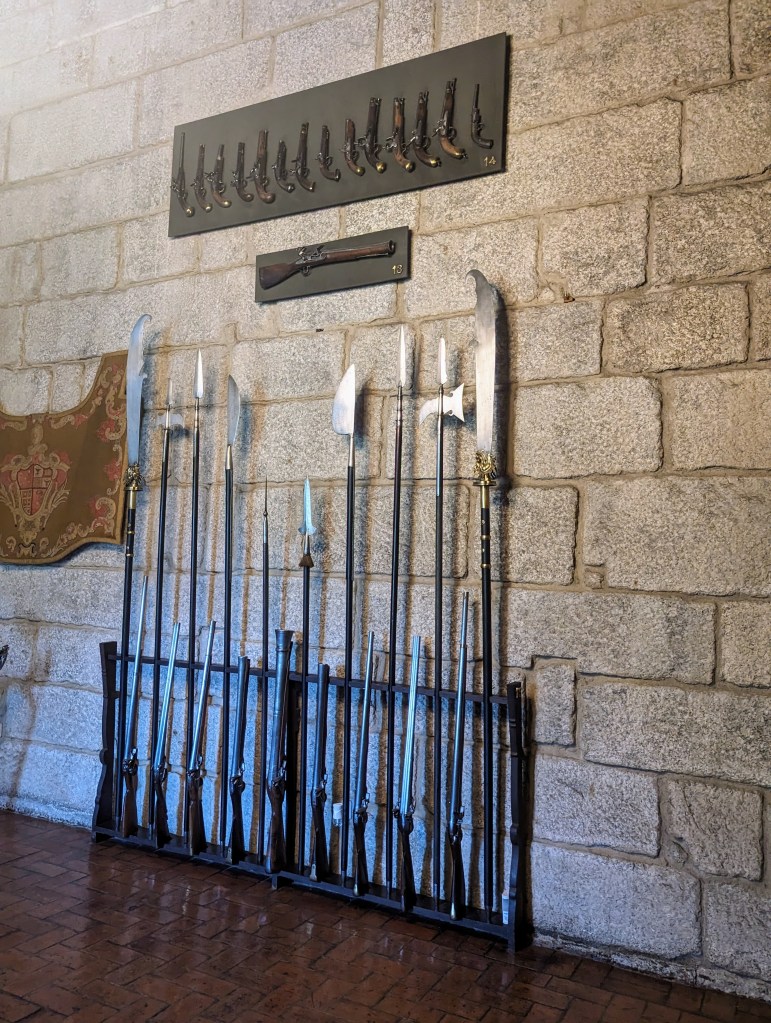
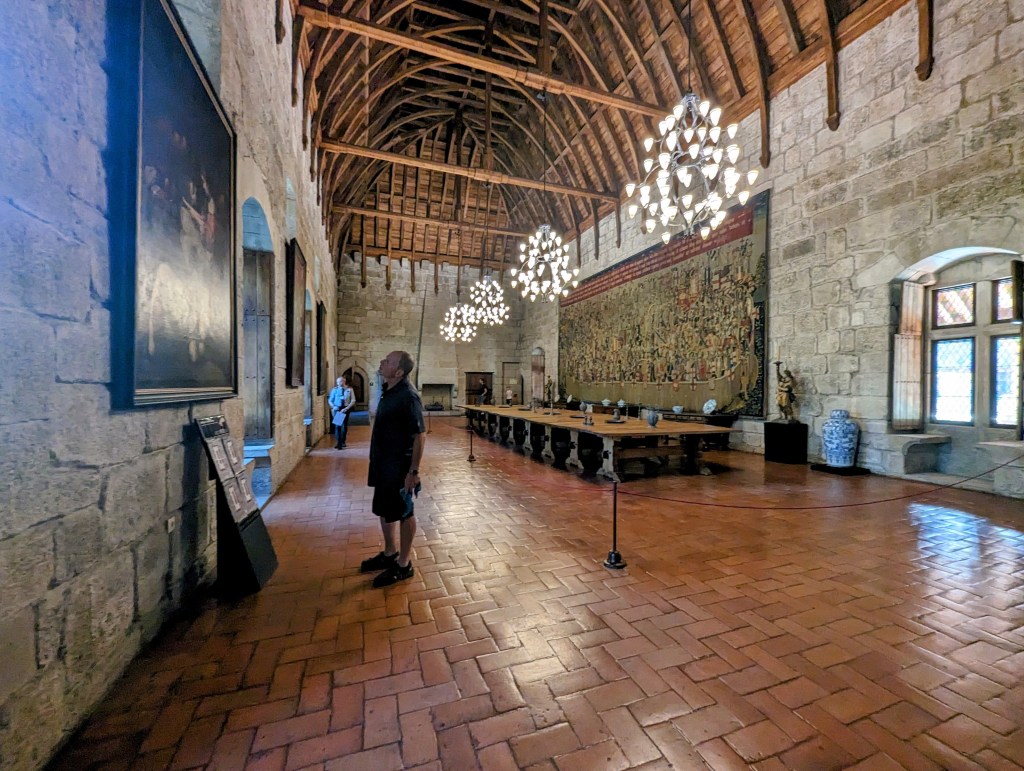
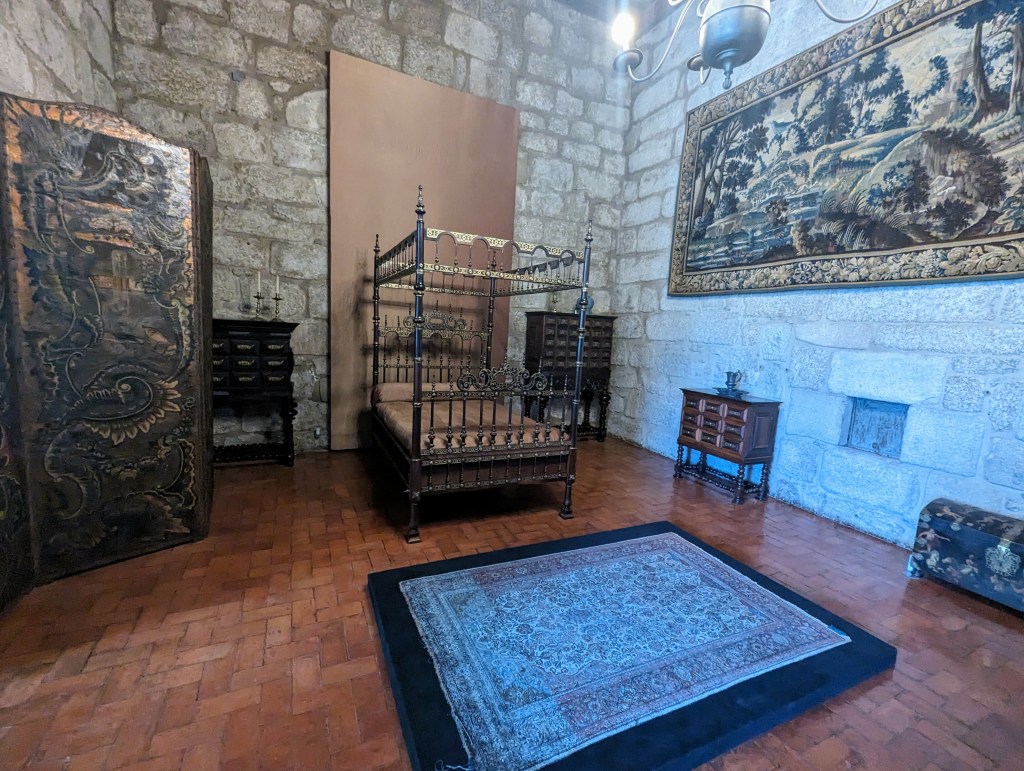
Our last stop in the Northern Region was in the small well preserved midieval town of Guimarães, where we visited the 10th century castle, church, and Duke’s Palace.
Then we left the Northern Region and headed to the Central Region of Portugal.
 Jo & Eric's travels
This arrived just in time as I was beginning to worry that it had been awhile since your last update!
It looks like it really pays to spend multiple hours trip planning because you two are getting to see
lots and enjoying seeing places that are not too touristy and more of the nature and customs of the
people. Fall has finally arrived here with lots of color and falling temperatures. much love, mom
LikeLike
Love these pictures! Makes me want to go back 😊
LikeLike