We left Nazaré early in time to pick up Eric’s brother Howard from the Lisbon airport. Our AirBnb host was accommodating enough to let us bring our luggage and leave it. Once again we had managed to book an incredibly well located and comfortable apartment. Once the car was safely tucked into the garage for the next few days, we headed out to explore the neighborhood, which was in the Baixa area, on the border of the Chiado neighborhood.
Howard & Eric in front of statue of 16th-century epic poet Luis de Camões
We had a long leisurely lunch of Portugeses specialties at Restaurante O Castiço. While Howard rested, Eric and I went food shopping. Then it was out into the night toward the Tagus River. There we sampled Portuguese street food while “Girls Just Wanna Have Fun” blasted from the loudspeakers.
largest grilledsardines any of us had ever seen
The next morning our walking tour commenced at King Pedro IV square, known by the locals as Rossio Square, its name before the statue arrived.
statue King Pedro IV
Our guide told us all kinds of important facts about Lisbon’s history, the most important of which is that there was a huge earthquake on Nov. 1, 1755 which set off fires and a tsunami basically leveling the city and killing about 75,000 people. So despite Lisbon being the second oldest city in Europe (Athens the oldest), most of what we were to see in Lisbon had been built since 1755.
Theater Politeama built 1913 at end of square
The next square we visited held the open air market first started in 1775 after the hospital that had been there was destroyed in the earthquake. It contains a statue of King Jão I, who had been an illegitimate son of King Pedro I. When in the mid 14th century his father and half brother both died, the country fell into turmoil, and Jão I defended the country from Spain. He later married an English princess, strengthening the bonds of the two countries. Their 8 children and their subsequent offspring became the explorers who helped build the Portuguese Empire around the globe.
Figueira Square with statue D. Jão I
In the background of the square can be seen the castle of Lisbon. Human occupation of the site dates back to the 8th century BC. The current castle building was begun during Moorish occupation in the 10th century. The castle, like everything in Lisbon, was seriously damaged in the 1755 earthquake and fell into disrepair. The current castle was renovated during Salazar’s rule in the 20th century to be a national monument.
São Jorge Castle
We then walked to another square in which stands the Church of Saint Dominic. When it was first built in 1241 it was the largest in Lisbon and the site of royal weddings. It was not only damaged in the 1755 earthquake, but having been rebuilt, it was gutted by a fire in 1959. Since then the roof has been restored, but the walls have been left as a memorial to those who lost their lives fighting the fire.
Saint Dominic church
interior St. Dominic church with it’s fire burned walls
But what the site is most infamously known for is the massacre of several thousand Jews who had become “New Christians” during the Inquisition. During a mass In St. Dominic’s Church on April 19, 1506 while praying for the end of the plague, an angry mob erupted blaming the New Christians for the plague. On April 19, 2006 a monument was placed in this square. It reads “In memory of the thousands of Jews who were victimized by intolerance and religious fanaticism, killed on the massacre that started on 19 April 1506, in this square.” We visited this site only days after the horrific attack by Hamas in Israel.
We then commenced to climb into theMouraria, the Moorish Quarter, which is a multicultural neighborhood in which are Asian, African, and Arabic shops and restaurants. Large parts of Spain and Portugal, including Lisbon, were occupied by Islamic rulers from 711 until 1294. This accounts for the Moorish influence of art, architecture, language, foods, etc. seen throughout Portugal.
Mourarianeighborhood
I particularly liked the telephone booth (seen in the background above) converted into a free public lending library.
As the neighborhood is quickly gentrifying, a local artist decided to post pictures of the elderly native inhabitants still residing there.
We strolled past this guy; his is a unique way to sharpen a knife.
And past this tribute to Maria Severa, a prostitute Fado singer from the Mouraria neighborhood whose popularity grew even after her death at only 26 in 1846. She is credited for the origin of the popularity of Fado as a musical genre.
One of the many influences of the Moors in Portugal, seen especially in the Mouraria area, is the use of tiles on buildings. The entire city of Lisbon is like an open air tile museum.
As we climbed to and reached the top of Mouraria, we were rewarded with views of the city.
Across the river below can be seen the statue of Christ the Redeemer built in the mid twentieth century modeled after the one in Rio de Janeiro, Brazil.
As we then passed into the Alfama neighborhood of the city, we passed under an arch in which an artist had painted the history of Lisbon in comics.
My favorite is the last, which represents the “Carnation Revolution,” which was the mostly bloodless coup that took place on April 25, 1974, ending a fascist dictatorship. In the early hours of the 25th of April “Grandola, Vila Morena” by Jose Afonso played on Radio Renascenca. This song was the sign to the Portuguese people that the revolution was starting. Red carnations were given to soldiers who placed these flowers inside their guns and on their uniforms. Carnations then became a symbol of democracy and the revolution.
We then meandered through the Alfama neighborhood, which is home to the oldest Fado cafe in Lisbon.
Sitting in the square next to the cafe, and next to a picture of himself and his wife, sat this elderly gent.
Meanwhile his wife sold us homemade ginjinha, a cherry liquor served in a chocolate cup, yummy.
Ginjinha is a specialty of Lisbon and can be found everywhere, often served in restaurants following dinner.
Alfama is also known for its gorgeous tile buildings.
We ended the tour at the Lisbon Cathedral, one of the city’s oldest monuments dating back to 1147, and having survived battles and the devastating earthquake of 1755. Every year on June 13th, St. Anthony’s day, the patron saint of Lisbon and the cathedral, 11 preselected couples get married there. All of their wedding and honeymoon expenses are paid by the city and sponsors.
After 3 hours of walking, it was time for a well deserved lunch, which we partook at Taberna de Baiaxa. We had the most delicious lunch of local delicacies, discovering pica pau.
Despite our long morning and Howard still being a bit jet lagged, due to bad weather predictions for the later half of our Lisbon visit, we soldiered on. The afternoon touring took place on the top of a hop/hop off Yellow Bus. We passed the Edward VII Park with its magnificent views of the Tagus River.
And the Ritz Four Seasons and the Intercontinental Hotels.
And the Amoreiras shopping center built in the 1950s.
statue marquis de Pombal
We rode through Lisbon’s first water treatment plant.
And past the aqueduct that supplied it.
But most fun, we passed through a neighborhood with mosaic tile street art on every block.
Due to the lateness of the day, we did not get out at the Monastery of Belem; we planned to return the following day.
We did, however, get out to stretch our legs and see the Tower of Belem while the sun was still shining.
We completed the Yellow Bus circuit passing the 25th of April Bridge, built by Salazar, but renamed after his demise.
Christ the Redeemer
After an exhausting day we dined in the neighborhood at Bono Restaurante and had a most delicious dinner. The next morning the predicted rain arrived. We thought if we got out to the Belem Monastery early we would beat the lines. But alas, even the ticket holder line was over an hour wait, in the rain, so we decided to forgo the monastery and headed to the tile museum, which is where just about every other tourist in Lisbon, it seemed, had decided to spend the rainy day. But once inside we were not disappointed. The National Museum of Azulejo was first built in 1509 as a convent, founded by Queen Leonor. The museum collection features decorative ceramic tiles, ie azulejos, from the second half of the 15th century to the present day. The exhibitions explain the Moorish influences and the evolution of the art both religiously and secularly.
Because it was a convent, it has an elaborately decorated chapel.
and cloister.
Even the stairways are decorated. Note the use of angled tiles to match the slope of the stair.
In addition to the numerous tiles in the museum, there are many porcelain figurines throughout, like in this magnificent nativity scene.
The third floor of the museum is dedicated to tile art of the 20th century, which were some of my favorites.
Rafael Bordalo Pinheiro 1846-1905
João Abel Manta (1928)
Rogério Ribeiro (1930-2008)
Bela Silva (1966)
The rain broke long enough that evening for us to slip out for the most amazing burgers at a little place right around the corner.
The next morning, as predicted, it was raining. But the weather for the following day, Howard’s last, was expecting high winds and 1-2 inches of heavy rain, so we forged out to Sintra. We left from the Rossio train station.
We arrived in Sintra in the pouring rain and had some extra time before our entrance into the Pena Castle, so stopped for coffee before catching the bus up to the castle. From the bus, it is a 30 minute hike uphill to the palace. Luckily the rain was down to a drizzle. This is what awaited us.
this is a stock image from the internet of what it is supposed to look like on a sunny day.
Pena Palace is one of the first examples of 19th century Romanticism. It was originally constructed as a 16th century convent but underwent several disasters including the 1755 earthquake, which left it in near ruins. It was acquired by King Ferdinand II in 1838 for himself and his family. All that is red is the restored convent. That in yellow is the “new” construction.
Despite our timed entry ticket, we waited in line 45 minutes to get to the gate of the palace.
iron gate Pena Palace
details iron gate
And then another 20 minutes to actually get inside the palace. But once there, it was worth the wait.
dining room Pena Palace
art on the wall is by King Ferdinand II himself
cloister
clock tower
sitting room
smoking room, which was considered a luxury
King Ferdinand II was a lover of art and had an eclectic taste, as can be seen in the decor of the rooms.
art deco chandelier
porcelain figurine from Orient
reception room with eclectic decor
Triton’s Arch
After the hike back down the hill to the bus, Howard was too tired to try to go to the Moors Castle, so we caught the bus back into town.
National Palace Sintra
Sintra historic center
We had a huge late lunch at Tacho Real in town before catching the train back to Lisbon, too exhausted and wet for any more touring of Sintra.
That night, as predicted, a huge storm blew in. The next day, when there was a little break in the storm, we ventured out to do some souvenir shopping, and this is what we saw only 2 blocks from our apartment.
scaffolding ripped from top of building by high winds
We stayed in most of the day, sneaking out just for dinner in a local restaurant.
Our first stop in the Central Region of Portugal was the cute and romantic town of Aveiro. Like most of Portugal, this town has seen a huge uptick in tourism in the last decade. The fist thing one notices is the bridges covered in ribbons and the boats in the canals.
The ribbons are, similar to the locks in Paris, tied onto the bridges by lovers to represent their eternal love. The locals like to say that they are much more beautiful than locks, and more ecologically friendly. They certainly are colorful. We quickly checked into our very well positioned Hotel Aveiro Palace. We actually had one of the corner rooms overlooking the canals.
Then we immediately went for a boat ride. The boat: a moliceiro is a traditional boat of the Ria de Aveiro, very similar to a Venetian gondola. The boat got its name because it was used to transport and collect moliço, a type of seaweed abundant in the region that was used as fertiliser. Today they are only for tourists.
Our guide explained that historically, Aveiro’s major export for centuries, starting in the 10th, was salt. The men who harvested the salt were called the marnotos.
The women, the salineiras, then carried the salt on their heads to the large boats for shipping.
He also told us that regularly, about once a week or so, the canals need to be totally drained because otherwise they start to smell bad. It takes about 8 hours to drain them then refill, so it is usually done overnight.
Aveiro is also known for its many stunning Art Nouveau buildings from the early 20th century, many of which are along the canal.
Art Nouveau Museum
After our boat ride we strolled through town. We passed a square where we saw a large crowd. As we drew near, we saw fire fighters setting up a ladder. They were rescuing a bird that had become stuck in a storm drain.
the bird’s wings can just be seen in the top left of center, just under the cylindrical drain.
Then we went for dinner in a Michelin starred restaurant right on the canal.
The next morning we took a walking tour with Sergio, who was born to Portuguese parents in NYC, but he has lived in Aveiro since a very young age. He was so happy to have fellow New Yorkers on his tour. We started at City Hall, which was built in the 18th century in the Tuscan style, which is quite rare in Portugal.
City Hall Aveiro
Sergio also told us about the dying art of Portuguese pavement, knownin Portugese as calçada portuguesa or simply calçada is a traditional-style pavement used for many pedestrian areas. It is dying because they are very expensive to replace and few workers have the skills to do so.
Sergio also told us about the azulejo tiles which we had learned about in Porto. But he said in Aveiro they were not just used by the wealthy. Often they were incorporated by shop owners as a form of advertisement explaining the type of shop.
sign for a shoe shop promising precision
Sergio then took us into a beautiful little church to admire its inner decorations. He explained that in the winter of 1575 a terrible storm brought silt into the mouth of the canals, virtually closing them and thus stifling shipping of salt or any other products out of Aveiro. The city was very poor for the next couple of centuries. But in the 18th century, when walls were no longer considered essential to guard a city as they had been in medieval times, they took down the outer walls, as large stones were scarce in the region, and used them to reform the canals and reopen access to the ocean. Rebuilding began in earnest. This little church is an example of the work done during this time of relative wealth for the city. Note the lower walls are the azulejo tiles. The upper are all in gold: gold over blue. In Aveiro when something has two good outcomes at once, he gave the example “I went to the party and had fun, AND I met my future partner there,” that would be called a “gold over blue” situation.
gold over blue
Sergio took us to the Aveiro Museum, founded in 1458, this former female Dominican convent where Saint Joana Princesa lived reflects the experience of the community of nuns over approximately four centuries, with different architectural styles. Saint Joana’s tomb is within.
Saint Joana’s Tomb
Sergio then went on to explain the local treat: Ovos Moles. Their creation story is very similar to that of the natas in Porto: gifts of eggs to the monastery from local farmers, use of egg whites on priests’ robes, adding sugar to the remaining egg yolks for the treats to eat and sell. But the end result is quite different: sweetened egg yolks wrapped in a very delicate rice paper shaped like one of the many sea shells.
box of ovos moles
Sergio also showed us some Art Nouveau buildings not on the canals.
And finally, Sergio encouraged us all to “tie the knot” for our eternal loves.
Unfortunately it was already time to leave Aveiro for our next stop: Belmonte. We drove almost 2 hours east through mountainous terrain to arrive late Sunday afternoon in Belmonte. We were booked at the Pousada Belmonte. A Pousada is the Portuguese equivalent to the Spanish Parador. This Pousada, located high on the hill, had been a monastery. It was also gorgeous and so romantic. But as we tried to settle in and rest, we realized that the castle we had come to see would close in just a couple of hours and was closed on Monday, a fact we had failed to check when setting our itinerary. So we rushed out to take a look.
Belmonte Castle
The castle was fist built in the 12th century. At one point it was used as a castle by the family of the man who “discovered” Brazil. It has an unusual oval shape. It is currently used for music events.
Interior Belmonte Castle
view of Church of San Tiago, built in 13th century
Church of San Tiago
What we learned about Belmonte once we had arrived, is that it is known for hiding Jews that fled Spain and from around Portugal during the Inquisitions of the 15th and 16th centuries. The local Jews would go to mass on Sunday but practice their own religious rituals in secrecy in their homes. During the regime of Salazar, the Jews continued to practice their faith in secrecy. It was not until 1989 that Jews in Belmonte began openly practicing their faith, almost 500 years. The local synagogue was rebuilt and now also holds a Jewish history museum. Unfortunately we arrived too late in the day, and it too was closed on Monday. But we felt the need to go by and pay homage. It was the day after a vicious terrorist attack by Hamas on Israel.
Synagogue Belmonte
We were finally able to go back and enjoy our Pousada.
interior Pousada Belmonte
Pousada Belmontecloister
bar in a chapel of Pousada Belmonte
ruin of portion of old monastery
corridor in Pousada Belmonte
The rooms rather than having numbers had Friars’ names. Ours was Friar Malaquias, the barber,
which was fitting because Eric had just gone to the barber in Porto.
The dining room in the Pousada was exquisite and delicious.
The next morning everything was closed. Eric took the opportunity to get some drone shots.
Pousada Belmonte from the back
drone picture of the castle from the back showing the interior where concert events are held
Church of San Tiago and Belmonte Castle
Then it was a couple hours drive back to the west coast town of Coimbra. There we checked in to the most romantic boutique hotel: Quinta Das Lágrimas (Villa of Tears).
salon Quinta Das Lágrimas
Upon check-in we were provided with a booklet explaining the hotel’s history. It is a very long involved Romeo & Juliet type love story that took place over 650 years ago involving heir to the throne Pedro and his cousin Inês, who was ultimately murdered by the king’s knights. Pedro and Inês were said to have had their secret rendezvous in the woods surrounding Quinta Das Lágrimas. Inês was killed there, and her dying tears were said to have created the Fountain of Lágrimas which is in the gardens behind the hotel. We had a gorgeous room overlooking the gardens, which were lit up at night for romantic strolls.
view from our room Quinta Das Lágrimas
The walls of the hotel are covered in artistic renditions of Inês and Pedro from every one of the last 7 centuries.
Pedro and Inês
The next morning we headed out to learn about the scholarly town of Coimbra.
Our guide Ricardo is from Genoa, Italy. He had been a graduate student at the Coimbra University 10 years ago, fell in love with the city, and never left.
First he took us through the downtown, touristy area of Coimbra.
main plaza in Coimbra
And we think we start decorating early for Christmas in the US! This was October 10.
Igreja de Santa Cruz, built in 12th century, restored in 16th century
Igreja de Santa Cruz interior
He then took us up the hill toward the university via the market, which was slow due to it being a Tuesday.
Coimbra market
He explained to us that Coimbra U. is the oldest university in Portugal, and one of the oldest in the world, dating back to 1290. It is now a UNESCO World Heritage site due to both its architecture and traditions.
One of the many long held traditions of the school involve the optional students’ dress, which is:
And he showed us the store where the students buy their clothes.
And there are many rules surrounding the wearing of the clothes which include: not allowed to use a backpack or any bag, just a black folder in which to carry books and computer, not allowed to use an umbrella – in rain cover your head with the cape, must wash the cape by hand in the river, and lots more. He showed us the student activities building:
On the side of which there are several panels showing the history of the capes.
At this point in the tour he told us the belief in Coimbra that it was the inspiration for the Harry Potter stories. J.K. Rowling had lived in Portugal, married to a Portuguese man at the time. In addition to the students’ dress, Salazar is believed to be the inspiration for Slytherin. The university has houses to which students join, and many more “connections.”
He showed us the student steps up to the university. (We walked around and up the hill).
imagine doing that a couple of times a day!
He walked us past the 16th century reproduction aqueduct built on the site of a Roman one, which now is at the entrance to the botanical gardens. In front of the aqueduct is a statue of Pope John Paul II who visited in 1982 when he went to Fatima to pay homage to Our Lady of Fatima, whom he credits for having saved his life when there was an assassination attempt on his life the year prior.
Pope John Pall II statue built 1989
The botanical gardens are free to the public and run by the universtity and used by the school of botanical sciences as a laboratory.
Botanical Gardens Coimbra
And finally we arrived at the school. Here we find two more Harry Potter links:
Minerva and the owl; both symbols of wisdom
We passed one of the oldest schools here, the medical school.
But what all the tourists come to see (and there were literally bus loads) is the law school.
port to the law school
law school court yard
The library is currently under renovation, but it is believed to have inspired the moving staircases at Hogwarts and was used for the “Be Our Guest” scene with Emma Watson in “Beauty and the Beast”
Law library exterior
copyimage of law library interior from internet
The clock tower is believed by the students to be the wise old owl watching them from every angle all the time.
the clock faces are the eyes, the curled facade the beak
The view of the town of Coimbra and the Monego River from the law courtyard is magnificent. The Monego River is the longest river that runs solely on Portuguese lands.
As we walked down from the university, we passed the home of Jose Alfonso with his picture commemorating him on it. He is the author of “Grandola Vila Morena,” which was used by the armed forces to confirm that the 25th of April Revolution, the bloodless coup that ended Salazar’s dictatorship, was underway.
We ended our tour at the Old Cathedral of Coimbra. It is a Romanesque building began in the 12th century, shortly after Portugal was reclaimed from the moors. Many of its builders and craftsman had been moors converted to Christianity, but they did not include any human representations in the decor.
Old Cathedral Coimbra
The tiles and columns are decorated in moorish mosaics and plant and animal motifs.
We next headed to the beach town of Nazaré, known for as surf city for it’s huge waves in the winter. We checked into our Airbnb and thanked our former selves for our bookings prowess; each place has been more gorgeous than the previous!
our Airbnb Nazaré
We enjoyed a glass of wine and watched the sun set over the Atlantic, a rare treat for us.
The next morning we dragged ourselves away determined to see what all the fuss is about Fatima, having been told several times along the way not to miss it. After a bit of a drive, we parked and approached from the back, and it looked like any other cathedral to us. But a quick stop in the restroom made us realize this was something bigger; the bathroom size rivaled any airport facilities. We rounded the corner and found this.
Fatima Cathedral
It is one of the largest international destinations for religious tourism, receiving around six million visitors per year. Catholic history reports that an apparition “the Angel of Peace” appeared to three shepherd children in 1917. The children reported the apparition’s appearance on the 13th of every month May 13, 1917 through October 13, 1917. The sixth and final apparition is said to have been witnessed by 70,000 pilgrims who had gathered. Pilgrims immediately began visiting the site, and construction for the church began in 1920.
Many of the pilgrims approach on their knees.
Chapel of the Apparition. Our Lady of Fatima is in the glass enclosed case
Interior of The Cathedral
The naves along the walls of the cathedral have reliefs of the stages of the life of Christ.
On the edge of the grounds is a piece of the Berlin wall given by a Portuguese emigrant to Germany to symbolize unity.
portion of Berlin Wall
On the way back from Fatima, we stopped in Batalha to see the monastery.
The Monastery of the Dominicans of Batalha was built by King João to thank the Virgin Mary for the victory of the Portuguese over the Castilians at the battle of Aljubarrota in 1385. It was to be the Portuguese monarchy’s main building project for the next two centuries. Here a highly original, national Gothic style evolved, profoundly influenced by Manueline art, as demonstrated by its masterpiece, the Royal Cloister. It was added onto over the next two centuries by several kings and their architects. But in the mid fifteenth century with the untimely death of King Duarte, who was adding on an octagonal chapel behind the apse of the church, followed by his architect the following year, construction was abruptly halted. This is now known as the unfinished chapel. The monastery is now a UNESCO World Heritage site and one of Portugal’s Seven Wonders.
Monastery of the Dominicans of Batalha
church interior
funeral chapel in which lie many kings and their families
funeral chapel dome
cloister
We did not know what to expect at the unfinished chapel, but no ceilings?
unfinished chapel
The detail work is spectacular. If finished, the chapel would have been stupendous.
Before leaving town, Eric sent the drone up to take a look at the unfinished chapel from above.
The next morning we headed out to the town of Alcobaça. The 12th century church and monastery of Alcobaça were the first Gothic buildings in Portugal, and it was one of the most important mediaeval monasteries in Portugal.
Monastery of Alcobaça
More than any monastery we had previously visited, this one really gave us a feel for how the monks lived.
monks’ meeting room
kitchen showing large vents over fire pit for cooking
kitchen sinks
church interior
But what was most fun for Eric and me follows. Remember the story of Inês and King Pedro from Coimbra? They are both buried here.
tomb of Inês
tomb of King Pedro
Then it was time to head back and spend some time in Nazaré and enjoy the beach.
We crossed from Spain into Portugal on another beautiful day. We arrived early to our Airbnb in Viana do Castelo, but our generous host Sofia greeted us warmly into her unbelievably beautiful home.
pictures do not do justice to this place
view from our terrace
We wandered around a bit, taking in the Atlantic Ocean and the cute little town that is Viana do Castelo.
there was a bike racing event in town
shopping street in town
one of the main plazas in town, now for shopping
We had dinner in town both nights we were there, but otherwise we were happy to rest up from our travels and enjoy the view.
drone picture of us hanging out on the terrace
lunch on the terrace
The main attraction in town is the Diocesan Sanctuary of the Sacred Heart of Jesus high at the top of Monte de Santa Luzia, which was closed to us on Sunday. So Monday morning on our way out of town, we gave it a visit.
Diocesan Sanctuary of the Sacred Heart of Jesus: as seen from town
Building on it began in 1904, but it was not completed until 1959.
Diocesan Sanctuary of the Sacred Heart of Jesus: up close
Diocesan Sanctuary of the Sacred Heart of Jesus: interior
But it was really not all about the church; it was about the views of Viana do Castelo and the Lima River. Until the mid 19th century, the river was the main source of transporting goods. But when roads and railroads were built connecting Viana do Castelo to Porto, the need for the bridge arose. The bridge was designed by Gustave Eiffel (known for the tower with is name in Paris) and was opened in 1878.
Eiffel Bridge over Lima River, Viana do Castelo
And then it was on to Porto. Porto is also a river town and the original capital of Portugal. The river divides Porto on one side and Gaia on the other. Porto+Gaia=Portugal. Although Porto is known as the home of port wine, actually all of the wineries are on the Gaia side. The grapes are grown in the Douro Valley, but the wine is made in Gaia, not Porto, because in the 13th century the Bishop and Catholic church’s land taxes in Porto were so expensive. King Alfonso III gave the poor town of Gaia on the other side of the Douro River from Porto a Fomal Letter, allowing tax free wine production. The invention of port wine is because when the Portuguese would ship their wine, it often turned to vinegar. They learned to preserve it by adding grappa to it, making it the super sugary, high alcohol content wine that is port. Recently Porto has become a common tourist destination, and it is showing signs of it’s growing pains with construction everywhere.
We arrived in late afternoon and after hassling to find a place to park the car for several days, we checked into our tiny but well located Airbnb. Then we went for a stroll around the city.
City Hall Porto built in 1920s
Clérigos Church Baroque church built in mid 18th century
We found a fantastic viewpoint from which to look out onto the city of Porto and the Douro River.
2 towers of Porto Cathedral can be seen in background
view of bridge over Douro River
typical historic fishing boats, now used for tourists
The next morning we had a walking tour with Ana. She showed us the “most beautiful McDonald’s in Europe,” which had been a cafe and was in an historically protected neighborhood of Porto. As tourism started to climb a decade ago, McDonald’s snatched up the spot.
Interior McDonald’s Porto, with stained glass and metal reliefs
She showed us the Church of Santo Antonio Dos Congregados, built in 1703 and explained the use of tiles: Azulejos.
Church of Santo Antonio Dos Congregados
Azulejos are a unique type of tile deeply intertwined with Portuguese culture. Azulejos were originally for the outside of stone buildings, to better transmit heat, keeping the interior warmer in the winter. They were first introduced in the 15th century by King Manuel after he saw them in Seville and found them beautiful. The blue was influenced by both those from Delft, Netherlands, and those of the Ming Dynasties. Initially the blue tiles were very expensive, therefore used mainly by the church and the wealthy, but now are used extensively for interior decoration as well. As evident in the train station.
Porto Train Station
The station was built in the early 20th century on the site of a previous benedictine convent. Currently, a new metro is being constructed below it, and the construction mess and noise are boisterous at best.
outside the train station
We walked past the cathedral of Porto.
Cathedral Porto
and she showed us a typical neighborhood in the old city of Porto.
She introduced us to nato, which is a Portuguese delicacy first made in Porto by the nuns. The monasteries would often be paid by farmers in eggs. The nuns used the egg whites to clean and starch the robes for the priests. They used the extra egg yolks mixed with sugar, then cooked in pastry to make these sumptuous delicacies.
natas, best eaten warm
She encouraged us to try the local meal Francesinha, a sandwich made up of several layers, usually meats, but can be vegetarian, then covered in a spicy tomato sauce, often topped with an egg. Legend has it that it was invented in the 1950s by a Frenchman living in Porto who was disturbed by how “covered up” Portugese women were compared to the French and wanted a dish spicy enough to “blow their skirts off.” By today’s standards, not so spicy.
And finally, she introduced us to Fado, which is Portuguese poems sung to music with “much emotion,” usually sad enough that the best compliment to the singer is if the audience is crying at the end of the song.
After the tour, we headed to the market for a late lunch.
Porto Market
The next morning we visited the cathedral and the Bishops’ Palace, but were unimpressed with both. Then it was time to cross over to the Gaia side.
View Gaia from the bridge
looking back at Porto from Gaia
We decided to try the Francesinha for lunch.
Some of the port wineries and stores were beautiful.
We climbed the very steep hill to try a tasting at the Taylor winery, which turned out to be a beautiful setting, and not bad wines.
We arrived back to the base of the bridge just as come local youths were jumping into the river as a local street band played the Beatles’ Yellow Submarine.
That night we had the most delicious dinner at restaurant serving local cuisine called Terreirinho, so excellent.
And then it was on to the Douro Valley. We had booked at Casa de Canilhas and arrived early, so first had lunch in the local town of Mesao Frio.
We then headed over to our hotel. We had expected it to be beautiful, but it actually took our breath away. Pictures cannot capture all of the beauty, but we tried.
view from our pation
view from our infinity pool.
our patio, on which breakfast was served every morning
drone shot of our hotel
higher drone view of the hotel showing the area around the hotel
drone shot of the valley below the hotel
It was with reluctance that we tore ourselves away the next morning to drive along the Douro River on its southern side all the way to the town of Pinhão. There we took a river cruise aboard a historically typical fishing boat.
There were wineries and vineyards all along the way.
Quinta Carvalhas
Before heading to the winery, we stopped by the train station in Pinhão to see it’s famous tile pictorial scenes.
Pinhão Train Station
We then went for a wine tasting at Quinta Carvalhas, which is considered to be one of the best in the region.
wine tasting at Quinta Carvalhas
But we were unimpressed with the wines, so decided to forgo any further tastings and just enjoy the drive and the views. On the way back down the Douro River, we happened to pass the locks just as a day tour boat was coming upstream, and a Viking Cruise ship was headed down. Eric was fascinated with watching the locks functions.
tour boat headed up river
Viking ship lowering to lower river
We stopped in the town of Lomego and visited its cathedral.
Lomego Cathedral
When we got back to our hotel about an hour later, it was in time to see the same Viking cruise ship passing along downriver.
The next morning as we left the Douro Valley, we passed two fires up in the mountains. We had commented to each other on the way in how much like tinder the woods looked. The recent run or 90 degree days did not help.
fire up on the mountain and seen from our car
Our last stop in the Northern Region was in the small well preserved midieval town of Guimarães, where we visited the 10th century castle, church, and Duke’s Palace.
Guimarães Castle
Guimarães Church
Guimarães Duke’s Palacearms room
Guimarães Duke’s Palacedining hall
Duke’s bedroom
I would like this to be my new dutch oven
Then we left the Northern Region and headed to the Central Region of Portugal.
At this point, a quick note about the regions of Spain, which is how I have broken up my posts. In Spain, an autonomous community (region) is the first sub-national level of political and administrative division (not judicial), created in accordance with the post Franco Spanish Constitution of 1978, so kind of like a state. Most have unique cultures and food, and some language, as stated previously.
Pamplona is the capital of the Navarra Region. We felt the need for a visit, mostly inspired by Hemingway. But also because it is a major stop on the French Route of the Camino de Santiago, which we will follow for the next several days. It is a relatively big city. We went straight for the bullring and the Old Quarter, as we have in most cities.
exterior and main entrance to bullring
standing in the center of the bullring
We watched a video of images of the running of the bulls. The provided audio guide taught us everything we never wanted to know about bull-fighting from the life of the bull to the behind the scenes activities of all involved. My favorites included the costumes of the toreros (bull-fighters)
and the chapel where they all stop for a few moments to pray right before entering the ring.
After the bullring we walked down the road through which the bulls are herded during the July festival: San Fermin.
Of course we enjoyed some local beer (cerveza) and pintxos. Then we strolled around town including past the cathedral
Catedral Metropolitana de Santa María la Real de Pamplona
Once it started to rain, we got in the car and headed to our next stop. We arrived in Santo Domingo de la Calzada in the late afternoon and were pleasantly surprised by every aspect. First, our Parador de Santo Domingo de la Calzada was, fittingly, a 12th century hospital dedicated to pilgrims of the Camino de Santiago. The exterior is not much to look at, but once through the doors, wow is all I can say!
Parador Santo Domingo de la Calzada lobby
sitting area in lobby
And our room opened out onto the square facing the cathedral.
view of Cathedral of Santo Domingo de la Calzadafrom our room
bell at the top of the cathedral (courtesy Eric’s drone)
But most fun for us is that after all the very touristy places we had visited in Spain thus far, this finally felt authentic to us. Santo Domingo de la Calzada is a very small town whose main focus is on the many, many pilgrims that pass through daily year round. We were able to watch them start their treks every morning, passing through the square, and gathering in the evening after a long day of walking for a well deserved meal and rest.
Pilgrims in the square gathering at dusk.
That night we watched Emilio Estevez’s The Way starring his father Martin Sheen. It was fun to see towns just visited and some yet to come. It also gave us and appreciation for the pilgrims’ journeys.
The next morning we popped into the little church across the square from the cathedral.
And when we came out there were pilgrims chatting with an old local.
And the new day brought an entirely new experience for our journey. We were just south of wine country! So of course we had to spend the day visiting wineries and having tastings. First stop was Bodegas La Rioja Alta, a very upscale place indeed.
Next we visited Bodegas Gomez Cruzado, which we liked even more, had a wine tasting and stayed so long (they were busy), they brought out a charcuterie board to thank us for our patronage and patience!
Bodegas Gomez Cruzado
Bodegas Gomez Cruzadointerior
Our third winery was Ramon Bilbao. Although we were impressed with the building, both inside and out:
Ramon Bilbao’s green roof
Ramon Bilbao lobby
We got the feeling of a very commercial business, the staff were not hospitable, and we had already drunk enough wine, so we left without even tasting. The next day we were to find out that our instincts were correct.
When we got back to town, we needed to walk off some of the wine, so figured it was time to visit the cathedral. The cathedral itself was not so impressive, but it’s story is fascinating. Santo Domingo himself aided the pilgrims on their journey on the Camino de Santiago. When he died in 1109, he was buried in the local church, which has been rebuilt many times through the centuries and raised to cathedral status in the 13th century.
Santo Domingo’s mausoleum
Restorations have continued right through the 20th century, giving the interior an interesting mixture of art. Mosaics in the crypt were commissioned for the millenial of the saint’s death in 2019.
A miracle is attributed to Dominic according to which two beheaded cooked chickens resurrected to testify in favor of a pilgrim wrongly accused of theft, who himself was resurrected after being hanged. A pair of descendants of the chickens are kept at all times in the choir loft of the cathedral. Other descendants are kept in the local pilgrimage refuge. Unfortunately, I failed to get a good picture of the chickens, who are replaced every few days.
After resting up, we headed out to our first Michelin starred restaurant, which was literally steps away across the square. Stunning that such a small town can boast 2 Michelin star restaurants.
Restaurante Los Caballeros
The next morning began with bicycle races starting in the square; I love this town!
We had booked a private tour of a family owned bodega, so we set out. At first we drove right past it.
But after parking, we found it.
La Bodega del Tesoro
Inside was a hidden gem.
Our host Jose has restored this 1891 winery (Bodega) lovingly and beautifully. First he gave us a video and slide presentations explaining many things about the region and its history. First of all, although we are in La Rioja region of Spain, it is not synonymous with Rioja (no La) wine. The region is divided into 3 sections: Rioja Alta, Alavesa, and Baja. Rioja wine growing extends into the Basque and Navarra regions of Spain as well.
In the Medieval times, almost every family home made their own wine and kept it in caves under their homes along with their food. The caves are like cold storage. In the late 19th century with relative prosperity in the town, some of them opened as bodegas. In the mid 20th century when the American phylloxera devastated the French wine industry, the French turned to Spain for both grapes and wine. The Spanish wine industry grew. As it did, big corporations came in and bought up a lot of the small bodegas. Today over 90% of all Spanish wine is controlled by these big corporations, of which Roman Bilbao is one. Most of the family owned and run bodegas are literally collapsing into the ground.
previous cave of collapsed bodega.
The town is now shrunk to only about 500 residents; their son goes to school in nearby city of Logrono, so sad.
But despite its tiny size, it has the requisite church, built in the town’s better times.
Jose has preserved 3 Bodegas: 2 adjacent and one across the street, trying to preserve the history of the town. He took us across the street to the cave there and served us a sample of his wine straight from the barrel.
restored cave
wine cellar at end of cave
Jose also explained how the classic method of winemaking in Spain differed from that of France in that they used the whole grape including not only the skin, but also the stems, threw it all into a barrel, stomped it with their feet, used a technique called carbonic maceration, then pressed the grapes.
wine press
looking down into a modified barrel, which is where we were to have lunch
Jose’s wife was meanwhile preparing our lunch in her kitchen.
Our first course was served with a white wine out on the patio.
mussels in a tomato sauce
Then we were taken into the restored cave for lunch.
inside the barrel
view of the cave from inside the barrel
Eric looking out from the barrel
Second course was a delicious potato and sausage stew served with a red wine of 100% timpanelli, which is the most common grape in all the Rioja regions.
Next we were served tomatoes right from the home garden drizzled with balsamic reduction. And finally, baby lamb chops grilled on the fire below the barrel, accompanied, of course, with more red wine.
And finally, cheesecake and coffee, which we could not finish. We could barely walk out of there, we were so stuffed. We had a truly wonderful day.
The next morning it was with regret that we left Santo Domingo de la Calzada. As we drove along the Camino de Santiago, we were impressed with the number of pilgrims we passed, some older than we. It did not, however, entice us to make the trek ourselves; we were happy to be driving.
We stopped in the cute town of Burgos.
Plaza Mayor Burgos
And, of course, the cathedral, of which construction began in the 13th century but was not completed until the 16th. It is a comprehensive example of the evolution of Gothic style.
The Cathedral of Saint Mary of Burgos
from behind the choir
even the door is gorgeous
A quick stop at the pharmacy revealed that in Spain, even those are cute.
Our next stop on the Camino de Santiago was León. We had booked an Airbnb (time to do laundry). Yet again we had the most fortunate location.
view of the cathedral from our apartment; so close!
We had an early dinner in the square and called it a day. In the morning we set out to see the Convent of San Marcos, a part of which now is the Parador de León. It also houses the Museum of León, which unfortuanately was closed. It was originally built in the 12th century as a hospital and refuge for pilgrims on the Camino de Santiago. But it needed a complete overhaul in the 16th century when the convent and cloister were added as well as a palace. Construction and renovation continued through the 18th century. Today this parador is one of the most important monuments of the Spanish Renaissance.
Parador on the left; church and museum entrance on the right
We then doubled back to the Old Quarter for lunch followed by a visit to Casa Botines, an early work of Gaudi prior to his masterpieces in Barcelona. It was completely constructed in 10 months. It was first to incorporate his genius innovations such as steel columns holding up beams rather than just using supporting walls, thus allowing an open space. Other innovations include how he used interior open spaces (like tiny vertical courtyards) and windows to increase light and airflow throughout and gutters draining to holding tanks to capture water for the occupants’ use.
Casa Botine, 1891
It was built for the main floor to be used to sell expensive imported textiles to the new bourgeoisie in town, the basement its warehouse, homes for his 2 benefactors’ families on the next 2 floors, and 12 more apartments above. It has been restored and a museum since 1996.
main floor textile shop
upstairs child’s bedroom
notice the hot water heater on the left
we were particularly amused with the dental office
Let me digress just a moment for an aside at this point. Spanish people must be very conscious of their dental care. We have been amused how on the main streets of every city we have visited in Spain so far, no matter how large or small, there are dental offices that include orthodontics and veneers. Some have several. We are no longer concerned with what to do if a dental emergency should arise, lol.
After we left Casa Botines, it was time for the cathedral.
Santa Maria de la Regia
We were beginning to feel “cathedraled out.” But this one was truly special. Initiated in the 13th century, and dedicated to the Virgin Mary, it is one of the greatest works of the Gothic style with French influences. The church has nearly 1,800 square meters of stained glass windows. The great majority of them date from the thirteenth to the fifteenth century: a rarity among medieval gothic churches.
The site was originally Roman baths, then in the 10th century, after driving out the moors, a Romanesque monastery. Construction on the current Gothic style church began in the early 13th century. Like Burgos, it was designed on the French style. Because of the baths below, the foundation has had issues. The cathedral required a huge renovation of its foundation and pillars in the 19th century, but its Gothic simplicity was maintained.
main altarpiece
one of the 4 rose windows
East nave with the Virgin and Child
There are over 50 statues of the Virgin in the cathedral’s collection.
statue of the Virgin pregnant
back of choir and stained glass
Cloister
We left León the next morning heading west continuing to follow the Camino de Santiago stopping first in Astorga with its requisite cathedral.
Catedral de Santa María de Astorga
But more fun was the Gaudi Palace built between 1889 and 1913. Along with the Botines in León, it is one of the few he built outside of Catalonia. It was built in the neo-Gothic style. The bishop who had commissioned Gaudi to build it died before it was finished, so Gaudi quit the job, and it was finished by another architect.
Astorga is also know for some edible specialties: mantecadas, which are very much like a very light pound cake, and which of course we had to try, and chocolates, which we bought to take with us on our travels.
Our next stop was the castle in Ponferrada, built by the Knights of Templar. It is a castle which covers approximately 16,000 square meters built between the 12th and 13th centuries.
We particularly liked the primitive nature of the battle equipment.
catapult
We then had a long leisurely delicious lunch at Restaurante Cuadras.
Ponferrada is the last major city on the French route of the Camino de Santiago. But we were not yet ready to enter Santiago, and we wanted to visited one more parador, so we headed north to Vilalba, which is a medieval city, the last city on the Northern route of the Camino de Santiago. It is in the Region of Galicia, which is the same as Santiago de Compostela.
Parador de Vilalba
Galicia has its own language, Galician, from which Portuguese is derived. But although it is widely spoken, it does not seem to be the primary language here as Catalan and Basque languages were in their respective regions.
The Parador de Vilalba was a 15th century fortress. It is also know for it 100+ year old tree standing nearby which has been named the Pravia and hosts the annual nativity celebration at Christmas.
The Pravia
Church of St. Mary across from parador
We had a light dinner in a cute little cafe that has been in the family, now second generation, for nearly 80 years.
Finally the next morning, it was on to Santiago de Compostela!
The Plaza del Obradoiro is the main square in front of the Cathedral of Santiago de Compostela, and is the final point of the journey for the pilgrims. Words cannot explain the feelings of euphoria and camaraderie in the square. As pilgrims enter and shout for joy at having “made it,” all who are present send up a cheer. This can happen several times an hour, especially in the late afternoon. It is a contagious ebullience even for those tourists of us who did not make the journey on foot or bicycle.
Plaza del Obradoiro Cathedral de Santiago (Saint James)
Santiago detail
Because it was raining, we decided it was a good time to visit the museum and learn a bit of the history. First Saint James (Santiago): According to the story, Christ had instructed his apostles to spread his word “to the ends of the earth.” At the time, the atlantic ocean was considered the end of the earth. So Saint James proselytised throughout the Iberian peninsula, now Spain. When he returned to Jerusalem in AD 44, he was beheaded by Herod, becoming the first apostle to be martyred. Legend has it that his disciples carried his body back to Spain and buried it there on the mount, where it lay hidden for centuries.
The legend continues that in the 9th century, Pelayo, a hermit who lived in the region of Galicia, was praying when he saw a bright light shining down from the sky. Intrigued by the light, he followed its path until he arrived at a field. There, Pelayo discovered a hidden tomb, in which he found the remains of a beheaded man, whom he believed to be the apostle St. James. The field of stars gives the town the rest of its name: Compo (field) stella (stars).
Upon hearing of the finding of St. James’ tomb, King Alfonso II made a pilgrimage to the site, making him the first pilgrim, and setting in place both the importance of the site and the act of the pilgrimage.
King Alfonso II, 791-842
Pilgrimages started almost immediately. But it was not until the late 11th century that the building of the Romanesque cathedral was begun. Building continued for over 130 years until finally Master Mateo, an artist and architect, was brought in to complete the project. He built the famous Portico of Glory over the main entrance of the cathedral. When in the 18th century the current Baroque facade was built, it was placed in front of the original Romanesque one, thus protecting it from the elements and preserving it.
looking up from the inside of the cathedral at the original Rose Window of the Portico of Glory
A lot of the original pieces from the rose window, the outer statues, and original inner decorative statues are now displayed in the museum. The museum also houses a library, many liturgical artworks including bishop’s robes, chalices, and this beautiful monstrance.
The museum also gave us access to the cloister, which holds some of the original bells.
The museum also had several rooms with tapestries.
Ane entire room of tapestries were all designed by Goya, which was particularly fun for us because we had seen Goya’s original “cartoons,” from which these tapestries were designed, in the Prado Museum in Madrid. They were innovative in their day because they showed average Spaniards and did not have religious themes.
When we emerged from the museum, it was still raining. But the lines to the cathedral entrance on the “French” side had shortened, so we entered the cathedral to visit Santiago’s crypt.
The following morning we took a walking tour of the city. We learned much more of the history of both the city and the cathedral. We learned that the reason the seashell is the symbol of the Camino de Santiago is because the original pilgrims, most of whom had never seen the sea before, in order to prove that they had completed the pilgrimage, would walk the rest of the way to the beach and collect a shell as their certification. Today’s pilgrims obtain a passport which is stamped in each town they pass through and then verified in the cathedral.
signs along the way in every town to guide the pilgrims
We also learned that the order of Santiago was founded in the 12th century. The knights were to protect the pilgrims along their journey. The oder’s symbol is the red crossed sword, which is shown in a detail of the 18th century facade shown below.
But the sword is also stamped onto a cake made of almond flour, eggs, and sugar (so delicious) and is special to the town.
Our guide explained to us about the different entrances to the cathedral. There is one called the holy door, which is only open during a year in which July 25 (feast day of Santiago) falls on a Sunday. If one passes through the holy door when open, and confesses one’s sins, then one is granted plenary indulgence, which is the absolution of all their sins.
Holy Door which enters from the Plaza of the Dead, a previous cemetery.
The main door into the cathedral is the Pilgrims’ door (which had too long a line for us the day prior). The line extending to the right in the picture below is about a third of those waiting to get in. But he told us what time to come back to avoid the crowds.
He walked us through the Old Quarter pointing out restaurants and shops. He showed us the church of Santa Maria Salome, Santiago’s mother, and the only church dedicated to her in all of Spain.
He also told us that in addition to its famous cathedral, the city of Santiago is known for its public university system, which is one of the oldest in the world. There are 3 colleges within the old city limits (including a medical school); the remaining are in the newer city. And finally, he led us into a park outside the Old City so we could get a great view of the cathedral from a distance.
Once the tour was complete and we had refreshed ourselves with lunch, we returned to the Pilgrims’ door at 3 pm, and just as he had promised, no line!
cathedral interior
altarpiece
altarpiece detail of Santiago
a side chapel
entrance to another side chapel
And just like that, we had seen the Cathedral of Santiago and finished our journey across Northern Spain.
Before leaving, I have been asked to comment on the Spaniards. Almost all we have interacted with have been warm, friendly, generous, and kind. But then most with whom we communicate have hospitality or service jobs, so really hard to judge. I have noticed that except for the very occasional group of (mostly) men in business suits, the dress is casual, even in nicer restaurants. The other day in León I noticed a very smartly dressed couple and realized that even in Madrid, it has been rare to see anyone who seems “fashionable.” We used to quip that Americans should not wear shorts or sneakers while in Europe so as not to stand out as tourists. But European men seem to have adopted shorts. And Nikes, Adidas, and even Sketchers are ubiquitous. We are most often addressed first in Spanish until our blank stares reveal us. One really cannot guess someone’s nationality, regardless of skin color, until words come out. And even then… the other day a very friendly waiter, who spoke little English, asked us, through Google translate (thank you Google translate; you have been essential) where we are from. When we responded New York, he lit up. “Oh,” he said, fellows from the “Americas;” he is Argentinian.
Friends asked me a few nights ago if there was a standout place so far, and I had replied it was all so good. But this is it! Donostia-San Sebastian (Donostia is Basque for San Sebastian) has it all: mountains, seaside, history, mix of cultures, architecture, and oh the food! San Sebastian boasts that after Luxembourg and Kyoto, it has the most Michelin stars per capita than any other city in the world. Although we did not manage one during our stay, the restaurants we chose were superb.
In addition to all the above, what makes San Sebastian so special is the mix of cultures: Basque and Spanish, but French as well, being so close (20km) to the border. It seems everyone here from the shopkeepers to the hotel cleaning staff speak at least 4 languages: Basque, Spanish, French, and English. It is humbling. For anyone following along on a map, it may seem odd that we traveled west from Bilbao to Santander then doubled back past Bilbao to San Sebastian. Bilbao was most accessible by train from Madrid. We then wanted to see some of Spain’s northern coast – the northern route of the Camino de Santiago. But from San Sebastian we then head south to follow the French route of the Camino de Santiago. Apparently there are several “official” routes, the French being the most popular.
We checked into the Hotel Zenit Convento San Martin, not a Parador, but a hotel from the restored Convent of St. Martin built in 1887 from stones of a local quarry.
Hotel Zenit Convento San Martin lobby with bar/salon in rear chapel
And it had a rooftop pool deck.
totally agree with Life is Beautiful sentiment
We were not in the old city, but just a few blocks from it and the beach.
looking toward the Old Quarter and Mount Urgull from the beach promenade
Island in the center of La Concha (Shell) Bay
After a most delicious lunch, we spent our first afternoon strolling around the Old Quarter.
City Hall, originally the library, which has now been relegated to the basement
And we visited the Basilica, an 18th century Baroque work of art right at the foot of Mount Urgull.
Basilica of Santa Maria del Coro
San Sebastian: patron saint of the city
altarpiece dedicated to the Virgin del Coro
Like so many churches, cathedrals, and basilicas in Spain, it was chock full of works of art.
Leaving the Basilica one can see the Cathedral through the streets of the Old Quarter.
We headed that way before returning to our hotel. The Cathedral of the Good Shepherd is Neo-Gothic style built in the late 19th century also from stones of local quarries; it achieved cathedral status in 1953.
Cathedral del Buen Pastor
The next morning we decided it was time to climb Mount Urgull, on the top of which is a 12th century fortress and castle presided over by The Sagrado Corazón (“Sacred Heart”) statue, which, measuring over 12 metres in height, has blessed the city since 1950 from the highest point of Monte Urgull. The statue itself rests upon a base which houses a chapel, making the entire monument more than 24 metres in height. Also known as the Cristo de la Mota, this monument is at one with the landscape of Donostia.
It was a long hike up, but we made it!
selfie from the top overlooking La Concha Bay
Sacred Heart statue from just below it.
shot of Sacred Heart Statue and adjoining castle and fortress taken by Eric via drone
After hiking back down, we treated ourselves to pintxos and beer.
the chalkboard lists pintxos that can be ordered hotin addition to those cold displayed
Walking back for a well deserved rest, we passed so many street artists. In addition to the usual guitarists, there were several sand artists, some making political statements.
people throw coins from the promenade to the sheet below on the sand
and even a couple dancing Argentine Tango.
After a rest, it was time for a walk on the beach.
Dinner was at Astelena 1997, and it was a stand out meal.
The next morning our weather luck finally gave out; we awoke to rain. It rains an average of 160 days a year in San Sebastian, 199 last year, so it was bound to happen. We had a walking tour with Daniel (no tour available in English day prior). Donned with raincoats and an umbrella we headed out to learn more about this gorgeous city.
Although there is evidence of human habitation since the Romans, and settlement of the Monastery of San Sebastian in the 11th and 12th centuries, the current city’s architecture is French-style of the late 19th century. This is the result of the occupation of the city by Napoleon’s armies in the early 19th century. On August 31, 1813 the Anglo-Portuguese troops drove the French army out. The battle that ensued caused a fire that burned most of the city, with only a few stone churches and other buildings left standing.
Statue on 31 Agosto (August) Street showing woman carry bricks commemoratingthe rebuilding of the city
San Telmo Museum original construction as a convent , now of Basque history, dates to late 16th century, one of the few buildings that survived the fire
Side view of Iglesia Saint Vincent the Martyr, 16th century Gothic church on 31 Agosto Street, also survived the fire
Most of the remaining buildings are from the 19th century. The center plaza which housed the original “new” city hall, now a cultural office, was originally a bull ring. Not well seen in this photo, the numbers above the doors on the left referred to the ticket holders’ spot to stand for the fight. These apartments surround the square. The owner occupants were required to allow spectators to pass thought their apartments for the fight, and the money for the ticket went to the city. But the owner could sell food and drink for a profit.
The city shield, barely seen above the clock, is that of a ship pointing west. The original shield had the ship pointing east until the discovery of the Americas, and the ensuing wealth brought, when the ship on the shield was turned.
It was Queen Maria Cristina of Austria who helped put San Sebastian on the “modern” map. In the late 19th century, she had a palace built there and used the beach to sunbathe and swim, practices that were considered only for commoners and fisherman prior. San Sebastian was her summer residence.
Palace of Maria Crisitna of Austria across La Concha Bay from the Old Quarter
It was Queen Maria Cristina who also help San Sebastian’s tourism growth as a gambling center with large casinos built prior to the development of Monte Carlo in France. There are a few casinos remaining.
Cold and wet after the tour, we went back to the hotel to change before heading back into town to try some of the new pintxos recommended by Daniel. Dinner was another amazing experience at Gandarias Restaurante. Have I mentioned how amazing the food is! We are sorry to be leaving the Basque Country, despite its rain.
We left Bilbao in the morning heading for the region of Cantabria. But on our guide Marvin’s advice, we decided to detour and see the Vizcaya Bridge, a UNESCO world heritage site. Here is it’s description from the UNESCO website: “Vizcaya Bridge straddles the mouth of the Ibaizabal estuary…completed in 1893. The 45-m-high bridge with its span of 160 m, merges 19th-century ironworking traditions with the then new lightweight technology of twisted steel ropes. It was the first bridge in the world to carry people and traffic on a high suspended gondola and was used as a model for many similar bridges in Europe, Africa and the Americas only a few of which survive. With its innovative use of lightweight twisted steel cables, it is regarded as one of the outstanding architectural iron constructions of the Industrial Revolution.”
It is still functional and has been since its construction except for 4 years during the Spanish Civil War.
And here are some pics of it. In the picture below, the white object in the lower right corner is the gondola full of people and cars and is headed to the left (west) side of the estuary.
close up of the transporter
It is truly stunning to see. But what was the fun surprise of our day is, we arrived just as crews were racing on the river!
People crowded the streets donned with shirts of their teams’ colors. The mood was festive; food and drink were plentiful.
They even had a drone following the crews and had live feed on a big screen in the middle of the square. What fun!!
We joined in the festivities: ate and drank our fill. Then we headed to Limpias.
When traveling, we like to say that the room/hotel is of little importance; it is all about the sightseeing. But at this point in the trip, we had decided to treat ourselves, relax a bit and make it all about the resort for a couple of days. We were booked in Parador de Limpias. Paradores are a network of 97 state-run hotels. They are properties consisting of restored castles, monasteries, convents, palaces, etc. Parador de Limpias was built in the late 19th century as a palace of King Alfonso XIII.
Parador de Limpias
our room
view of the garden from our room
When we managed to drag ourselves from the room the next morning, it was with no specific plans for the day. We drove around the small town of Limpias which has a Roman aqueduct, albeit small compared to that in Segovia.
And the town is known for the Church of St. Peter inside of which hangs a 6 foot crucifix called Christ of the Agony. According to legend, it is miraculous in that on Easter Sunday tears of blood have been seen coming from its eyes.
Church of St. Peter
The church, however, was closed, and the weather overcast and threatening, so we decided to get in the car and drive to the city of Santander. It poured while we drove, but we arrived to a beautiful sunny seaside town. Again the weather luck was on our side.
We walked along the promenade along the shore and passed the Botin Art Center, a coveted architectural Pritzker Prize winner in 1998 for the way it is cantilevered out over the sea.
It was also closed. (not a lot open on a Monday in Spain.) But the views from its platforms were spectacular.
We passed several outdoor sculptures.
We took a quick stop in a really cute indoor restaurant market.
And we strolled by the cathedral, also closed.
We got back in the car and drove a little further up the coast, wanting to see the palace, which is on the tip of a peninsula. We had to park and walk in about 900m. What we did not realize is, the whole peninsula is a public park.
public beach at entrance to the park
We passed an area with pens for aquatic animals.
penguins
walruses
What is hard to tell from the pictures is how well the pens melded into their surroundings. Each one had a pump system to exchange water directly into the ocean.
Eric standing above the walrus pen.
Next we passed a mini outdoor museum dedicated to sea exploration.
one of these ships is a replica of the Santa Maria used by Columbus
Finally we reached the end of the peninsula and the Magdalena Palace, which was built as a summer home for the royal family in 1911. It has been a museum since 1977.
Magdalena Palace
The views from the palace were a beautiful as expected.
We hiked out of the park through the middle wooded section, and arrived back to our car exhausted. We were happy to return to our paradores for some rest.
After a 4.5 hour train ride from Madrid through the Spanish countryside, we arrived mid day in Bilbao. Again, the train station itself was worth a photo op.
Station Interior
River View of Station Exterior
Fortunately our Airbnb was ready for us early. Once again we were told we missed several days of ridiculously heavy rain; we have been so lucky with the weather thus far! And once again we managed to be incredibly well located in an apartment accessible by foot everywhere. We spent our first afternoon getting acquainted with the new neighborhood.
Arriaga Theater. Built in late 19th century in neo-Baroque style
Santiago Cathedral This Roman Catholic church was originally built during the 14th–15th centuries as Bilbao’s main parish church, and was only declared a cathedral in 1950 when the diocese of Bilbao was officially created. Its origins probably date to well before the foundation of the city in 1300, when Bilbao was little more than a small enclave of fishermen.
Even the libraries in Spain are gorgeous inside and out.
Bilbao Library
On Tuesday morning we took a walking tour of the city. Our guide Marvin was born here in Bilbao: capital of the Biscay province of the Basque country, and he is extremely enthusiastic about and proud of his city. He explained the city’s origin was in 1300 as a fishing village. Its ultimate rapid growth and development was due first to the well located port for trading goods throughout Europe. The economic boom subsequently included ship building. Due to the large quantity of iron ore in its banks, iron export as well as iron products contributed to further significant growth of the city during the 19th century industrial revolution.
Church of St. Nicholas, an 18th century Baroque-style church which replaced the original (St. Nicholas being the patron saint of sailors and the town founded by fishermen), which was destroyed in 15th century floods.
The shield above St. Nick’s church is that of the city of Bilbao itself: the church of St. Martin next to the river with the bridge over it and 2 wolves. More on this below.
The bridge next to the church of St. Anthony for over a hundred years was the only bridge over the Bilbao River, thus consolidating access into the city thereby controlling commerce and safety. St. Anthony, the patron saint of animals, looks from above the belfry toward the market, which for years was a livestock market, but now is one of Spain’s largest indoor markets.
Church of St. Anthony, a Gothic style church rebuilt many times due to damage from floods and wars. Notice it is the same as the above Bilbao shield of arms.
inside the market
another of the many stalls inside the market
As the city grew, in the 18th century they built the Plaza Nueva: the New Plaza. It is now the site for lots of great restaurants as well as the Euskaltatzaindia, the official Basque language regulatory institution, seen below.
Euskaltzaindiain Plaza Nueva
As in Catalonia (Barcelona), where Catalan is always the first language listed, those here in the Basque country also take their language, food, and culture very seriously. Franco had actually outlawed Basque language during his nearly 40 years in power; it has made a significant resurgence since his death. It is a completely unique language with no origin from or similarity to any other known language. Those of the Basque region are intensely proud of their language and want to preserve it; over 80% of school children are taught it with side lessons for Spanish and English.
English translation: push (the Spanish word I learned in a NYC delivery room, lol)
The Basque culinary experience also has its own distinctions. Whereas in Catalonia tapas: small plates are favored, here they serve pintxos: finger food often served on a small piece of bread.
a pintxos bar where you would have 1 or 2, often paired with a Txakoli, the local white wine, before moving on to the next bar.
Having been advised by Marvin, we tried several of the local specialties.
Gilda: briny olives, a salt-cured anchovy, a pickled green guindilla pepper
Bacalao: cod with pil pil sauce
Salted cod has always been a major export as well as important to the local cuisine.
And of course the ubiquitous Iberian jamon
After a long afternoon of wining and dining, we rested up for our visit to the Guggenheim Museum Saturday morning. We strolled through the newer sections of Bilbao to arrive early.
A 43-foot flower-covered West Highland terrier by Jeff Koons guarding the Guggenheim since 1992
Guggenheim Museum entrance
The building itself is as interesting as any of the art installations.
the atrium
The special exhibition was a retrospective of Japanese artist Yayoi Kusama.
self portrait
Another interesting installation was that of Richard Serra, which one could experience both by walking through as well as viewing from above.
The Matter of Time, 1997
But again, it was the building itself that most impressed.
back of Guggenheim Museum
We had a late leisurely lunch of local flavors, then strolled home along the river, passing city hall along the way.
City Hall Bilbao
Luckily I had chosen this afternoon to catch up on photo editing and blogging, because as I write, it is pouring outside. Apparently it rains >120 days a year here, so we have been very fortunate indeed during our stay. Tomorrow we pick up our rental car and will start to visit some more sites along the Camino de Santiago, albeit driving. Bilbao was our first stop.
We arrived Monday via train from Barcelona and checked into our Airbnb, which is incredibly well located near all the famous museums.
AtochaTrain Station
Day 1 we took a hop on/off bus to get an overall feel for the city and picked spots for further exploration. We were impressed with the architecture as well as the numerous statues, arches, and fountains throughout the city.
The Toledo Gate. It was dedicated to Fernando VII and Spanish independence after the confrontation with the French occupation in the 19th century
BBVA Bank
The Four Seasons Hotel
My kinda apartments
Neptune is my spirit God; I’m a Pisces
And we took a walk through the park.
Park Gate
After a long day of walking, we rewarded ourselves with a pitcher of sangria at the tapas bar El Sur, which is right next to our apartment building, what luck!
Day 2 was our 37th wedding anniversary. We started the day with a visit to the Prado Museum. We spent 4.5 hours there and loved every second of it.
After a rest we headed out in Spanish style for dinner at 8:30 at Bibo Madrid by Dani Garcia and had the most excellent meal that any foodie would enjoy.
Bibo Madrid
The desert was an especially memorable combination of chocolate flavors and textures.
The 7th of Sept. we took a train to Toledo; what an adventure. Before entering the town we stopped for a panoramic pic from above the town.
Then we walked over the Alcantara Bridge, one of the many bridges over the Tagus River into town. It was originally built by the Romans.
Then, of course, we took a guided tour of the Toledo Cathedral, which honors the Virgin Mary and is the current seat of the Archdiocese of Toledo. It is one of only 3 gothic churches built in Spain in the 13th century. It was built above a mosque. Although started in 1226 by Ferdinand III, a lot of the art was added when Spain became wealthy in the 16th century from all the money (and gold) made from imports from the Americas (like chocolate!).
just a small portion of the exterior
the back end of the cathedral
13th century Romanesquesmiling Mary inside the choir
the choir, which has 2 still working organs
The Great Monstrance of Arfe. Made of the finest silver and gold and bejeweled with gems, it measures over ten feet tall. It is taken out once a year for the annual feast of Corpus Cristi.
alterpiece
the back side of the altarpiece
detail of back of altarpice
the last supper – hard to see in the big picture above
One of the most outstanding features of the Cathedral is the Baroque altarpiece called El Transparente. Its name refers to the unique illumination provided by a large skylight cut very high up into the thick wall across the ambulatory behind the high altar, and another hole cut into the back of the altarpiece itself to allow shafts of sunlight to strike the tabernacle. The above is the skylight.
The Sacristy is full of art. We were particularly taken with the ceiling frescoes.
The disrobing of Christ, 1579, by El Greco
By this point in the day we were ready for some tapas. We had a lovely lunch at Lo Nuestros.
After lunch it was time to visit El Greco’s home in Toledo, which is now a museum with many of his works.
St. Bernadine of Siena, 1603, El Greco
We then walked through the Puerte Del Sol, built in the 14th century originally as a gate to the city (which has since been expanded well past this gate).
On the other side of the gate was Mezquito del Cristo de la Luz, now a catholic church, but built in 999 as a mosque.
And finally, we trekked up the hill to the Acazar, now a military museum, to catch our bus back to the train station.
When we arrived in Toledo, we were so excited to get into the Old Town that we had failed to appreciate the train station itself.
ceiling detail
After such a long day, we were too tired for anything more than bread, cheese, and, of course, Iberian ham.
On Friday we woke slowly. But once we got our energy back, we decided it was time to visit the Royal Palace. For the most part photos were not allowed. Here are the few that were.
outside front of palace
Entry stairwell to palace
main reception hall
statue main reception hall
ceiling main reception hall
back of palace
small sample of palace garden
On Saturday we rented a car and drove to the Royal Monastery of San Lorenzo (El Escorial). It is a 16th century complex that has a monastery (still in use), a library, a basilica, a school, and 2 palaces, and now a World Heritage site. It was built in a very austere style by King Philip II and it is where he lived and died. Most of the kings of Spain and their families are buried under the basilica including Bourbons and Habsburg royals. When in the 18th century the Habsburgs ascended the throne, Charles IV did a lot of remodelling and brought in many works of art, including many tapestries by Goya. Both palaces have been restored to a lot of original furnishings. The library was incredibly impressive with its floor to ceiling shelves filled with volumes as well as frescoes adorning the ceilings. The basilica at first was closed due to a wedding (fun) but then it opened, and we were awed by its beauty and riches in artwork, frescoes, and statues. Unfortunately few photos were allowed. Here are the few that were.
in the courtyard
a chapter room
ceiling in the chapter room
The Last Supper
entrance to crypt of Spain’s kings and their spouses
We had planned to visit the Valley of the Fallen while in San Lorenzo, but unfortunately, it was closed for a wedding. So we headed back to Madrid.
On Sunday after a delicious brunch at Frida in the middle eastern section of town, we strolled over to Columbus Square. Christopher Columbus is a really big deal in Spain since he was responsible for their riches of the 16th century.
I had also wanted a picture of the Julia sculpture by Catalan artist Juame Plensa also there since 2018.
What we found behind her was an electric car fair. Eric was amazed at how many companies now make quality electric cars. But there was also something there for everyone, all electric!
We strolled home through the park and took the rest of the afternoon off.
On Monday we strolled through the Royal Gardens. There wan not a lot in bloom, but beatutiful nevertheless.
At the entrance to the Royal Botanical Gardens
That night we went to dinner at Casa Benigna, which not only had the most delicious and different paellas, but also had some of my favorite decor in a restaurant ever, right down to the hand made just for them dinnerware.
Tuesday we awoke early and took the train to Segovia, which is most famous for it Roman Aqueduct.
We strolled by the Church of St. Martin
And on to the cathedral of Segovia, which is one of the last Gothic cathedrals built in Spain in the 16th century as the Renaissance was starting, so it does have some Renaissance features.
The choir
The alterpiece
There were so many beautiful and impressive chapels.
The cathedral is known for its Chapter Room with many tapestries called “The Planets”, made in Brussels during the 16th century.
We strolled through the Jewish Quarter, which had been quite prosperous until the late 15th century, when they were expelled from Spain by King Ferdinand and Queen Isabella.
We then visited the Episcopal Palace of Segovia, which has been home to successive bishops right through 1969.
Entrance Hall
Bishops’ Bedroom
And finally, to the Alcazar. Although the Alcazar of Segovia dates from the early 12th century, it is one of the most famous medieval castles in the world, and is one of the most visited monuments in Spain, it looks like a Disney castle to me.
It’s gardens are gorgeous.
Its layout reflects the splendor of the court during the Middle Ages, and its walls have witnessed battles, palace intrigues, and royal weddings. Since its ancient existence, the Alcazar has been a Roman fort, a medieval fortress, a royal palace, custodian of the royal treasure, a state prison, and now a military museum.
the Throne Room
And like everywhere else in Spain, the ceilings are magnificent.
Royal Bedroom
The military museum stresses the link between the military and science throughout history.
The Weapons Room
The Cathedral as viewed from Alcazar
After a long day of sightseeing, we treated ourselves to an early dinner before heading back.
Cuchinello(suckling pig) is a specialty of Segovia
And a last stroll along the Aqueduct before catching a bus to the train station to head back.
For our last day in Madrid, we decided to visit the Thyssen-Bornemisza museum. (We skipped the Reina Sofia). Equipped with audio guides, we had a 5+ hours lesson in the history of art from the Byzantines (not my favorite) to Caravaggio
Essau selling his birthright, 1627
to Monet
House among the Roses, 1925
and Picasso
The Harvesters, 1907
and Roy Lichtenstein
Woman in Bath, 1963
Our last night in Madrid we spent imbibing a jug of Sangria in a local bar.
Upon arrival we put our luggage in a locker near the AirBnb, then Eric left us immediately to play in a poker tournament. He made it through the first day, got into the top 25% before getting knocked out late into the second day of 7.
poker room Barcelona
Susan and I walked all around including the Bari Gotic, which is where we were to stay, Plaza Catalunya, down La Rambla into the market, and onto Columbus at the bottom.
Plaza Catalunya
Susan letting Chris Columbus know he is pointing the wrong way: East
After checking into the AirBnb, which is a very large airy 2 ensuite king bedrooms with a very large, comfortable terrace, we went back to the market and picked up wine, Jamon, bread, cheese, etc and came back and crashed. Eric did not get home the first night until almost 1 am. Very long days! We’ve been visiting the sites, museums, etc, eating tapas, loving the fact that we are lucky with lovely weather. Apparently it was >1040 for several days before we got here, then poured rain for 2. We brought the sunshine and lower temps!
Market Food @ AirBnb
Day 2 we walked all around El Born, visited the Chocolate Museum, the Cathedral, and ate lots of tapas.
park in El Born
Barcelona Cathedral
Day 3 Eric joined and we visited La Pedra Casa Mila, Casa Batllo, both by Gaudi, and the Casa Amattler, a typical Catalan mansion, whose family made their fortune importing chocolate from the Americas! who knew?
On terrace Casa Batllo
Dining Room Casa Amatller
Next day Eric was back to the poker room. Susan and I spent the morning in the Picasso Museum, amazing! Then we headed to the beach.
Sunny day at Barconalatta Beach
Friday Eric was back to the poker room. Susan and I headed to Park Guell for more Gaudi architecture. The whole park was gorgeous; pictures do not do it justice.
Friday night we went to the Palau de Musica Catalan and heard the most amazing guitar trio & drummer: fantastic Spanish music with a couple who danced flamenco. The man was a truly stunning dancer! Eric missed it because we was still playing, and made it to day 2 of his tournament.
stage of Music Palace
Saturday morning Susan and I headed to the Miro museum, had lunch with her friends from Philly then headed up to the Montjuic Castle, which was the first activity that was a bit of a disappointment, but it at least had spectacular views, and a fun funicular ride down!
terrace Miro Museum
view from Castle Montjuic
view from funicular
Saturday night we had the most amazing meal at Los Coracoles. Eric arrived late because he was still playing poker. He came in 7th of 663 players and won over $20,000!!! What a great way to start the vacay!
Sunday was a day of eating, rest, and revisiting favorite spots on our last day in town.
We arrived in Hong Kong airport and transferred directly to Macau, a process made super easy since we did not need to go through immigration or customs in Hong Kong; our luggage was transferred directly to the ferry for us! We literally flew over the water on a turbojet ferry and arrived in Macau a little over an hour later.
We had chosen the Grand Lisboa as our home in Macau. Not only was its lobby magnificent with gorgeous sculptures and other works of art, it is also one of the tallest most iconic landmarks in the city shaped like a lotus flower. We joked that we could never get lost in the city; you could see our hotel from almost everywhere.
Macau, like most cities, is prettiest at night.
I would describe Macau as a Chinese Las Vegas , but with old world charm, having been a Portuguese controlled trading post for about 400 years. Like Hong Kong, Macau went back to China in the late 90s, but the effects of the prolonged occupation remains. There are numerous churches and mansions that remain and make up the historic center of Macau. We spent the better part of 2 days exploring these UNESCO World Heritage sites.
St. Dominic’s Church -late 16th century Baroque style
ruins of St. Paul’s Church, built early 17th century was the largest Catholic church in Asia at the time. Only the Southern facade still remains
St. Augustine’s, one of the oldest in Macau, originally built in 1586, its current neoclassic building dates from the early 19th century
Dom Pedro Theater, in St. Augustine Square, built in 1860 in neo-classical design, was one of the first western style theaters in Asia and hosted the first production of Madame Butterfly in Asia.. It was a home for refugees during WWII
St. Lawrence Church built in the early 17th century has been renovated 5 times and is currently the most beautiful inside, with numerous carvings and beautiful stained glass windows, and outside with gorgeous gardens.
Lilau Square. One of the few neighborhoods in Macau where Portuguese homes and Mandarin coexisted. The myth is that one who drinks from the natural spring fed water fountain here will return safely to Macau, important to this sea-faring trading post town.
The A-Ma temple, first built in the mid-fifteenth century, was there when the Portuguese first arrived. It is dedicated to the Chinese goddess of the sea, Mazu. It is said that when the Portuguese sailors first arrived on the peninsula and asked what the name of the place was, they were told “maa-gok,” which means Pavilion of the Mother. But they heard “Macau,” and so named the city.
One of the best things about Macau is the food. Because of the long history of Portuguese controlling Macau, there has been a strong influence on the food. Some consider Macanese food the first Asian fusion cuisine. We enjoyed so many Macanese specialties including Portuguese fried rice, which is basically Chinese fried rice adding chorizo and bacon, Portuguese egg tarts, pork chop buns, African chicken, almond cookies, spicy meat jerky, crunchy peanut candy, and more, oh so good! Hong Kong, with its long British history, has similarly interesting food.
So after a couple great days in Macau (and yes, Eric came out ahead at the casinos) we took a turbojet ferry to Hong Kong Island. We stayed in the central area close to the famous mid-level escalators. the longest outdoor covered escalator system in the world. The system covers over 2,600 ft in distance and traverses an elevation of over 443 ft from bottom to top. It opened in 1993 to provide a pedestrian link between the Central and Mid-level districts on Hong Kong Island to relieve car and public transportation congestion.
Also nearby was the Lan Kwai Fong district, a fun night bar and eatery area which we frequented.
We spent our first afternoon visiting Victoria Harbor and walking around our Central neighborhood.
And happened past St. John’s Cathedral, built in 1849, the oldest surviving western ecclesiastical building in Hong Kong.
The next day we hired a local guide Ed to show us around a bit. First he took us to more Central sites.
Dried seafood market on Des Voeux Road
Man Mo Temple on Hollywood Road built in 1847
I had to add this: the maternity hospital
The HSBC corporate headquarters building was built in the mid 1980s costing over $650 million US; at the time it was the most expensive building in the world. It was constructed using light and air feng shui principles, and was revolutionary at the time using sun for heat, light, and energy, sea air for natural coolant, no internal structural support, and many other innovative principles. Another important fact about the building is the fact that when built, it was originally on the harbor shore. But now, due to decades of land reclamation, it is almost a quarter mile from the shore.
The pair of bronze lions out front, a symbol of power and luck to residents, were confiscated by the Japanese during their occupation in WWII and sent to Japan to be melted for bullets near the end of the war. But the war ended and they were found by a US sailor in Osaka and returned to their original location.
one of the lions and Ed, our local guide
We then took the Star Ferry across Victoria Habour to the Kowloon side.
the clock tower, a landmark of the original train station
Kowloon Park
the Peninsula Hotel, originally built in 1928, was a Japanese headquarter during WWII
lobby of the Peninsula
Kowloon is most noted for its many markets. One of my favorites was the extensive flower market.
Ed also introduced us to Hong Kong’s unique and varied street foods. We tried everything. Like Macau’s Portuguese influence in its Chinese food, Hong Kong has been heavily British influenced. Our favorite dessert was a take-off on waffles.
The next day we headed by subway over to Lantau Island and took the cable car up to Ngong Ping Village.
view from the cable car of the bridge, longest in the world, connecting Hong Kong to Macau
At the top we visited the bronze Tian Tan Buddha, the world’s largest outdoor seated buddha, built in 1993 by the monks of the nearby Po Lin Monastery.
Ngong Ping Village
Po Lin Monastery
From the top we took a bus to Tai O Village on the northwestern shore of Lantau Island. It is a 300 year old fishing village with numerous homes and shops on stilts. They are famous for salted seafood. We had a delicious lunch at a local restaurant before heading back to Kowloon.
Once back at Kowloon, we visited the bird market, which we had missed the day before. Not only are there hundreds of birds for sale, several local men bring their pet birds along for playdates.
Finally, we made our way down to the Kowloon shore to watch the Hong Kong evening laser light show.
a cruise ship came into the harbor just at the end of the 10 minute show
The next day was a rainy day. We started the day in a famous Chinese tea house in our neighborhood: Lin Heung opened in 1926. Most of the current staff have worked there their entire lives.
We then spent most of this rainy day at the Hong Kong Museum of History which had incredible exhibitions of the island’s history starting with the natural environment of the geologic evolution and the flora and fauna:
Then man’s prehistory:
It continued with exhibitions of the many dynasties, the folk cultures, the opium wars, the birth and growth of the city, the Japanese occupation, and finished with the modern metropolis and the return to China. We spent most of the day there and learned tons. My favorite displays were those of the folk cultures.
We then for our second tea of the day: high tea at the top 103rd floor of the Ritz Carlton.
On our last day in Hong Kong, and our last day in Asia, we travelled up to the top of Victoria Peak for a hike. During the English control of the island, the British were very fond of living up on the the top of the mountain for the cool breezes and relief from mosquitoes, but did not like the hike up the hill. Originally they used coolies – Chinese slaves – to carry them up the hill in sedan chairs. Originally opened in 1881, the famous Victoria Peak tram is still running.


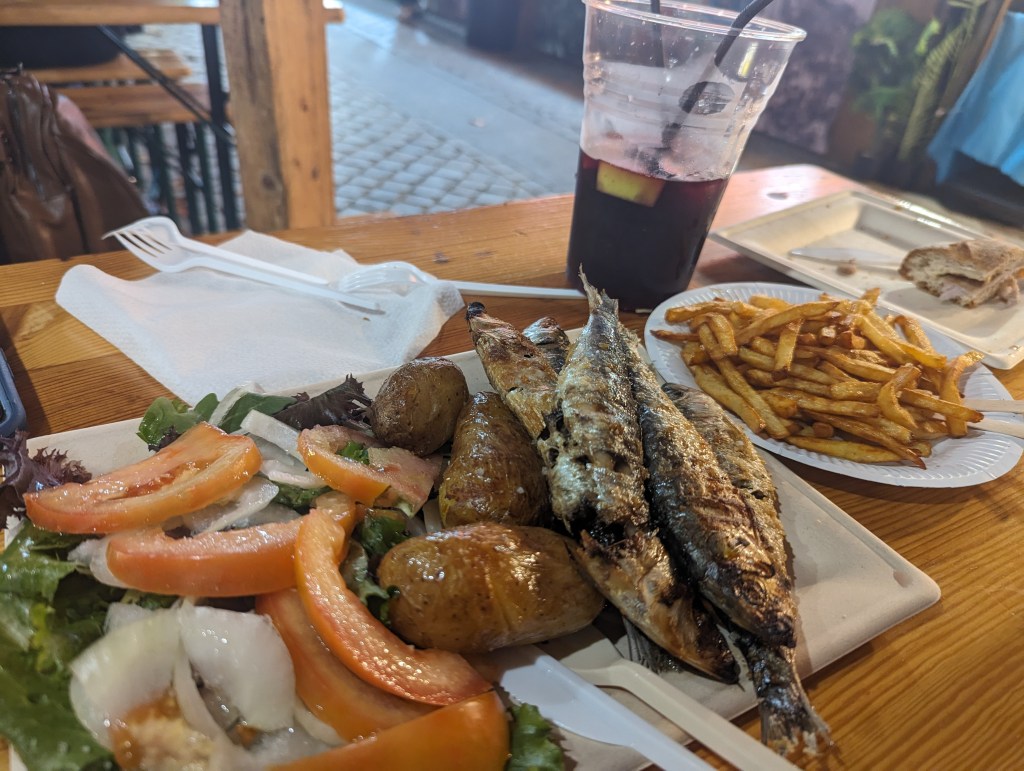

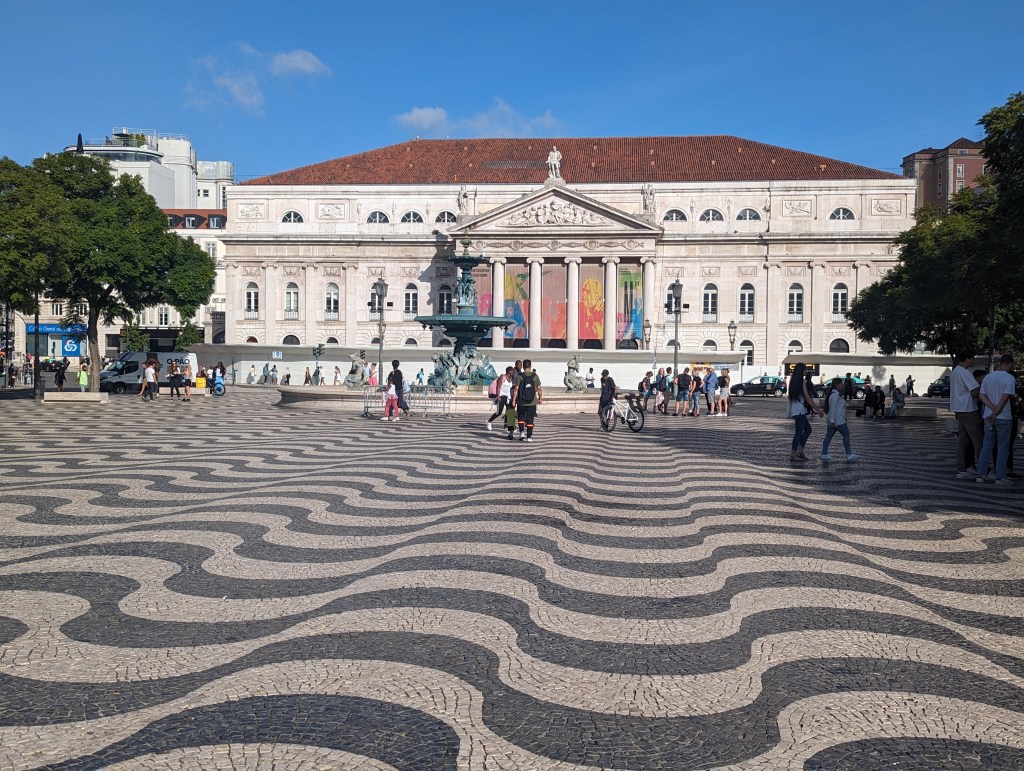
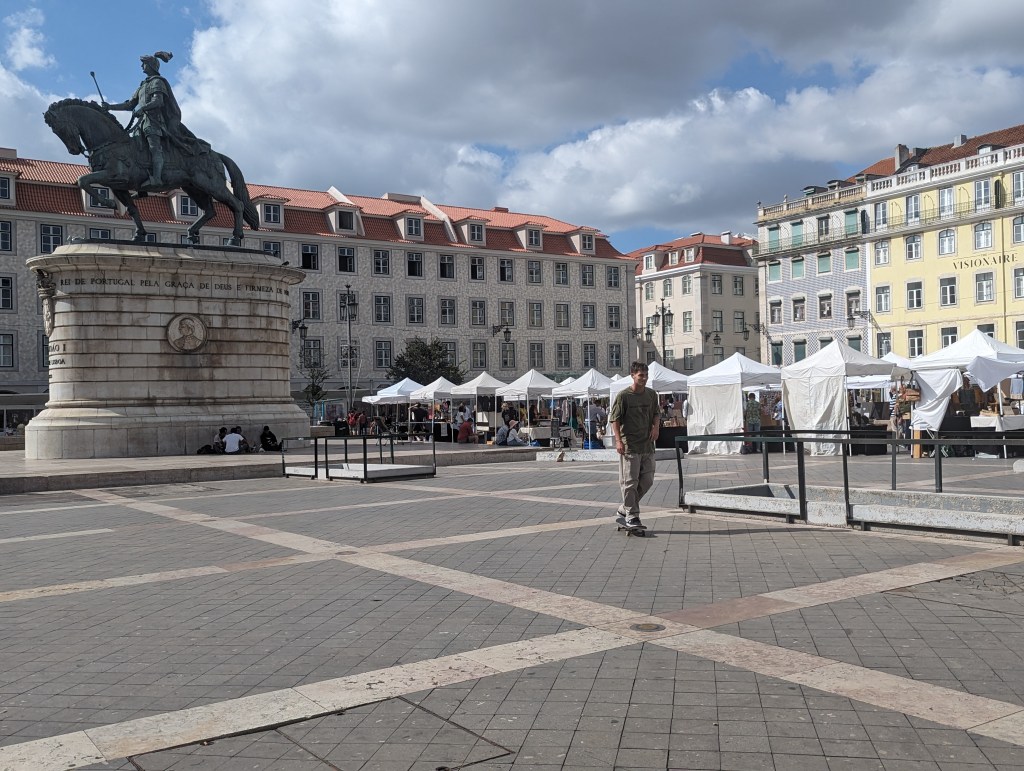
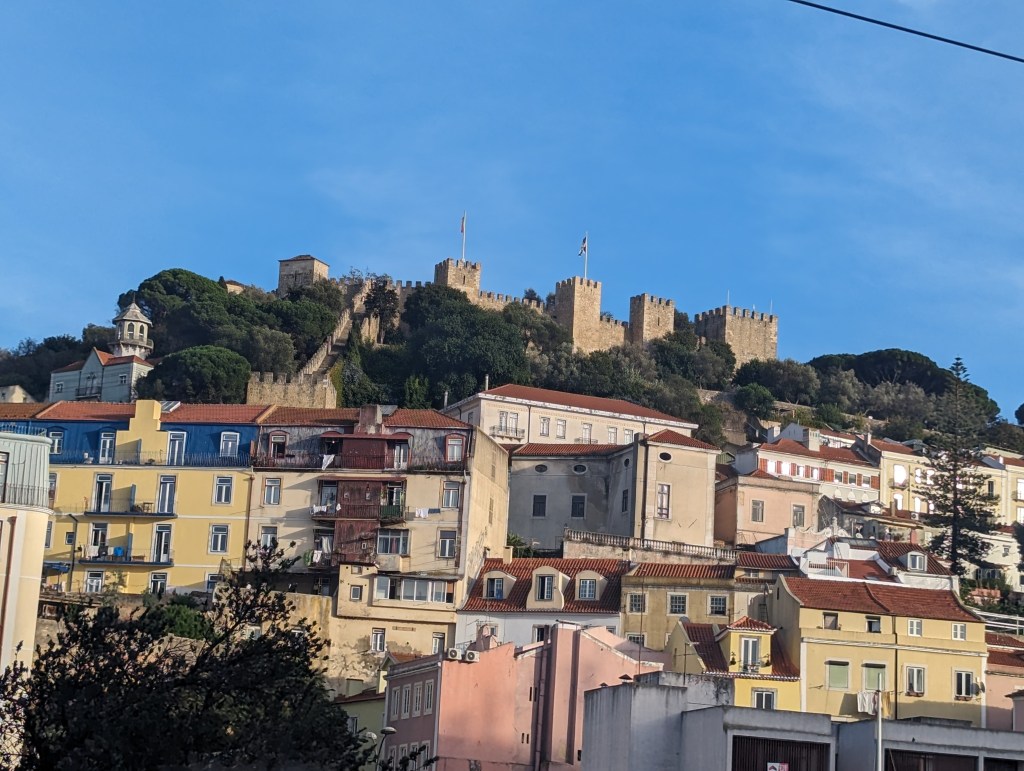
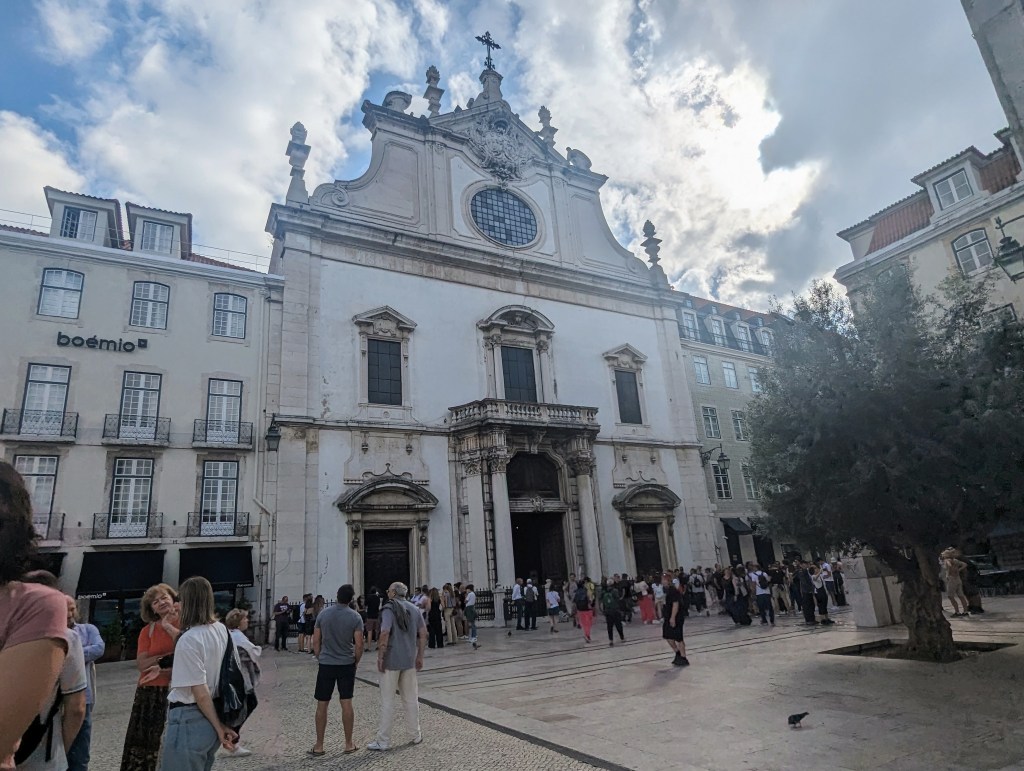
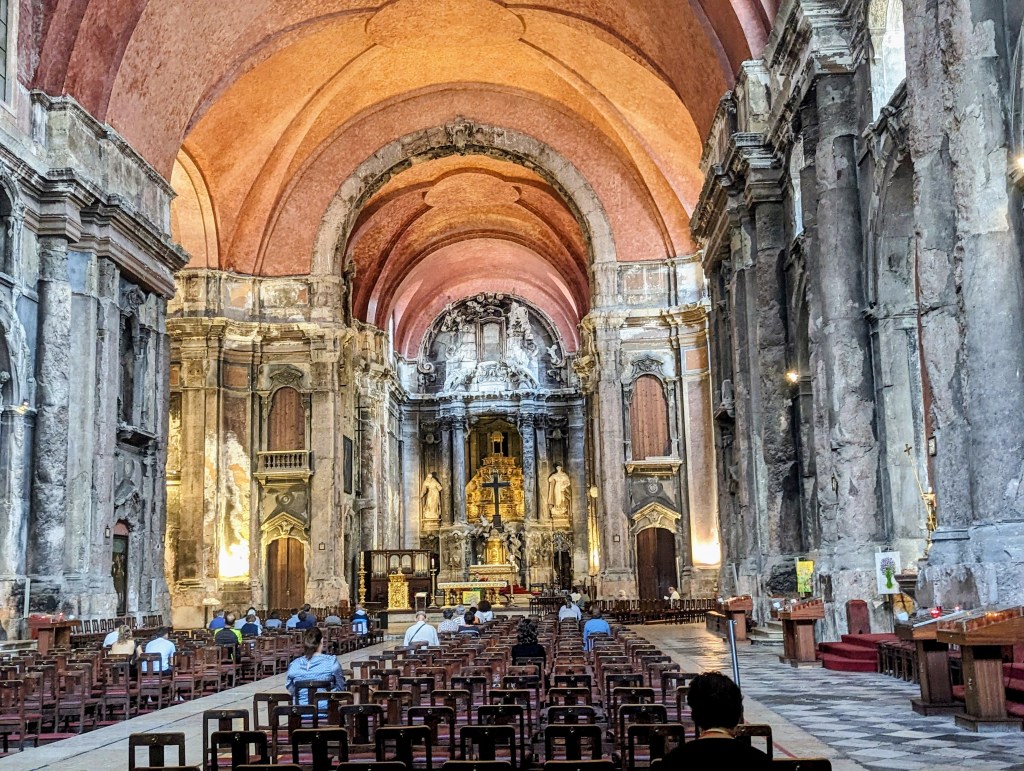
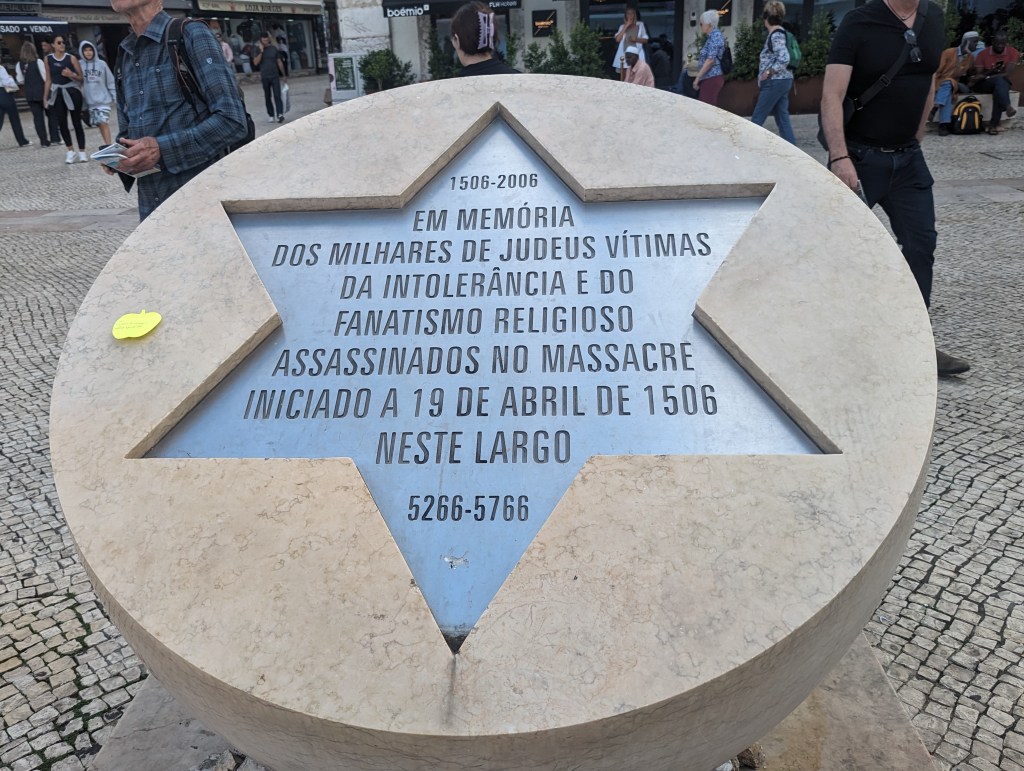

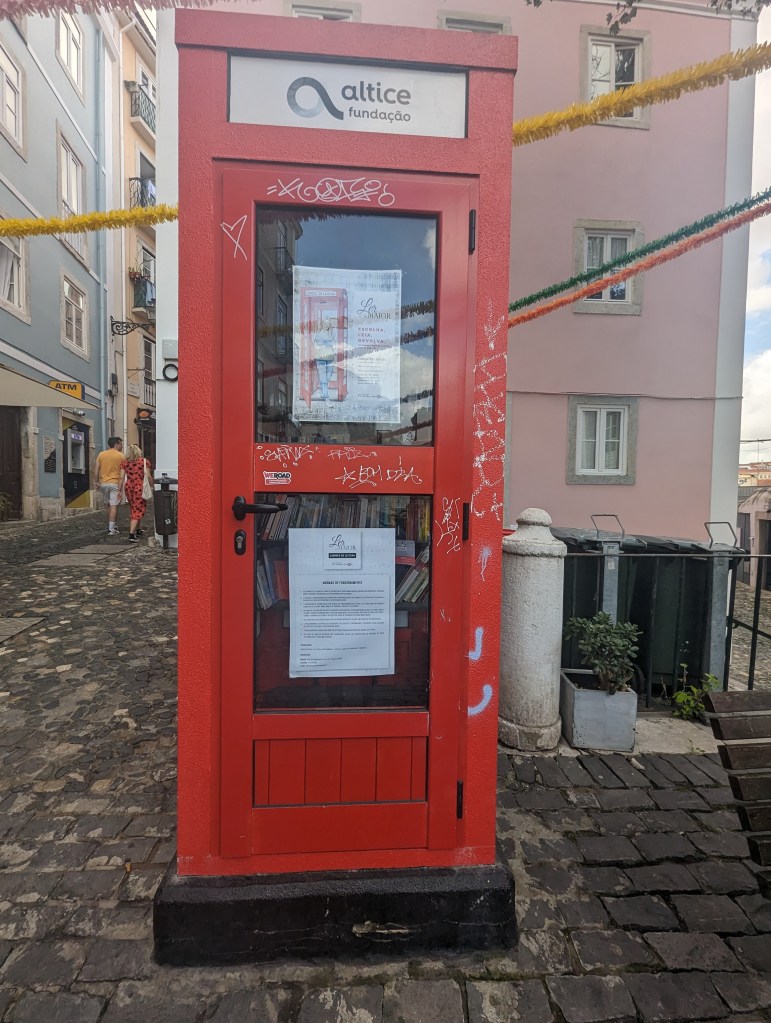
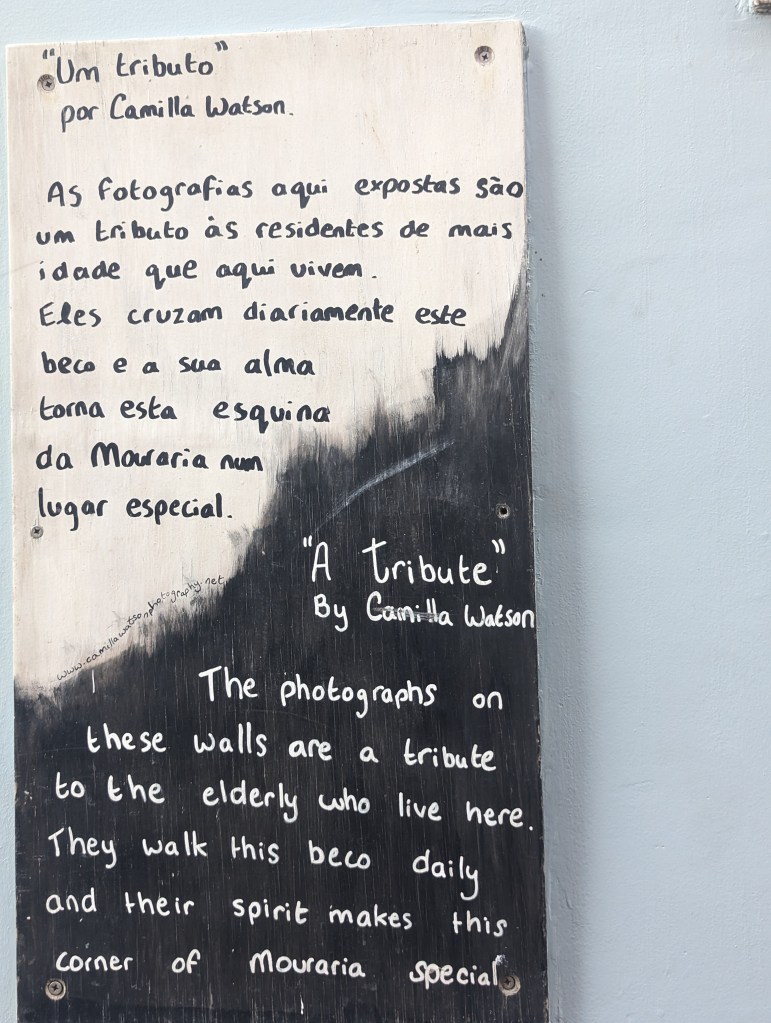
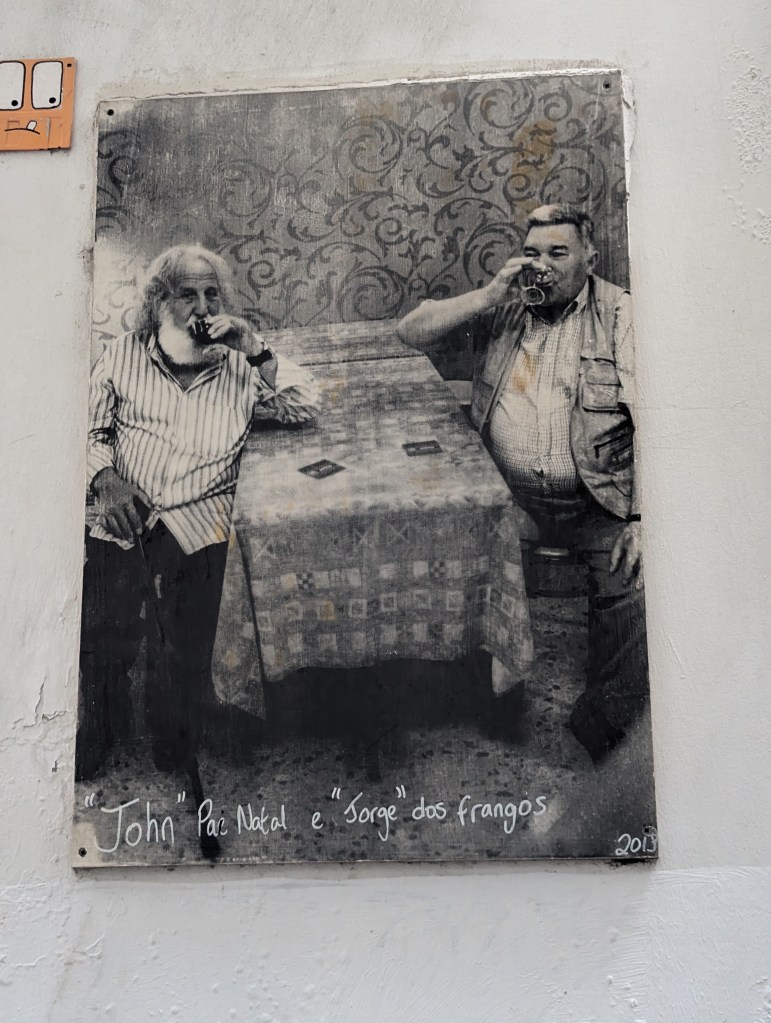


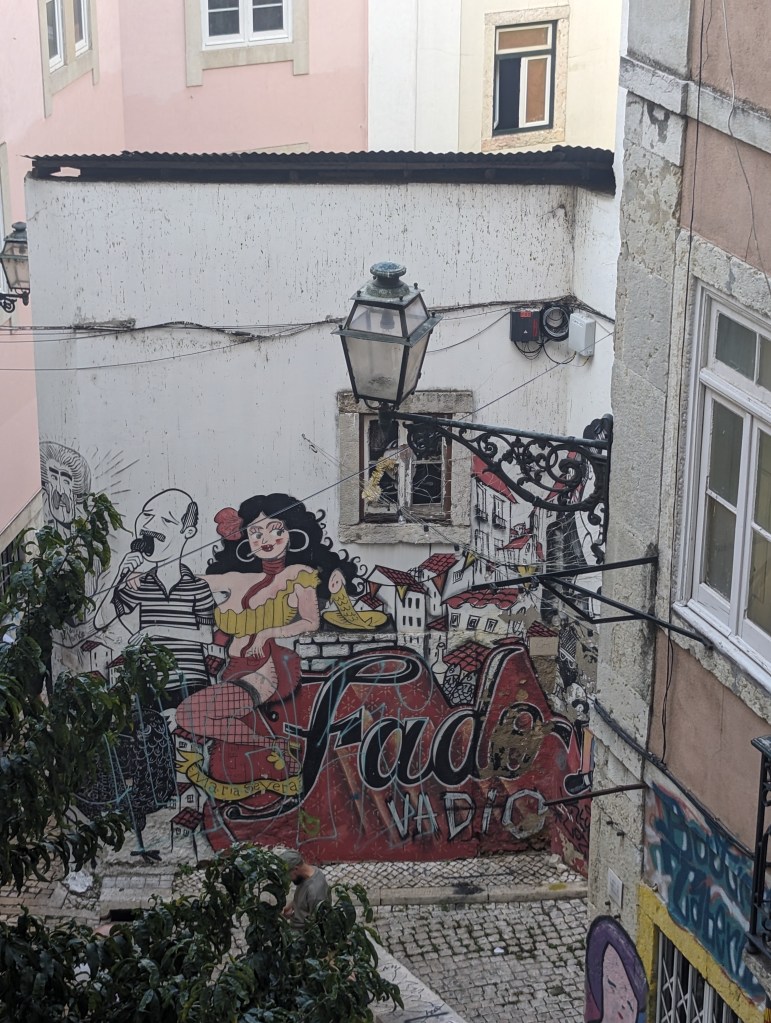


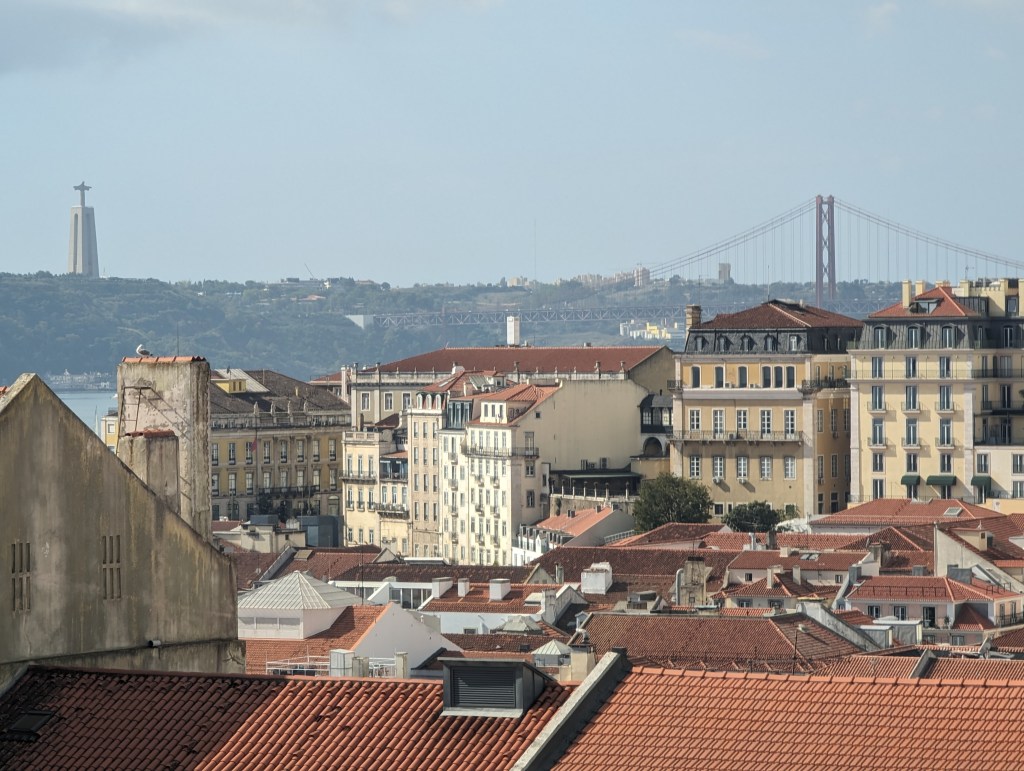
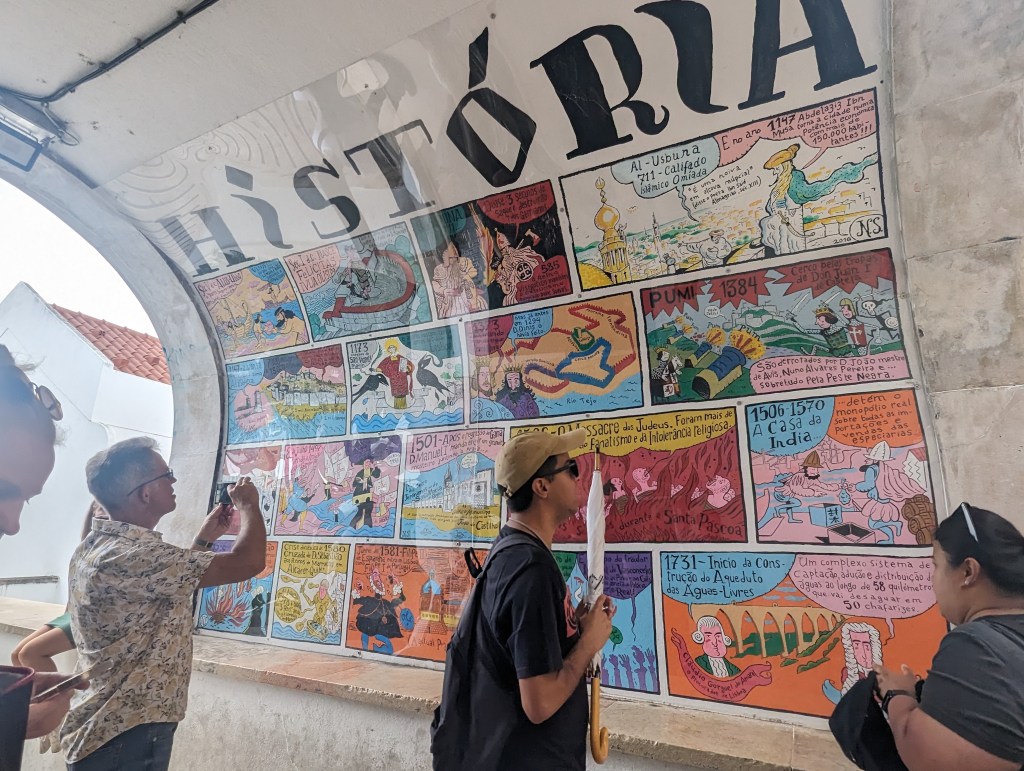
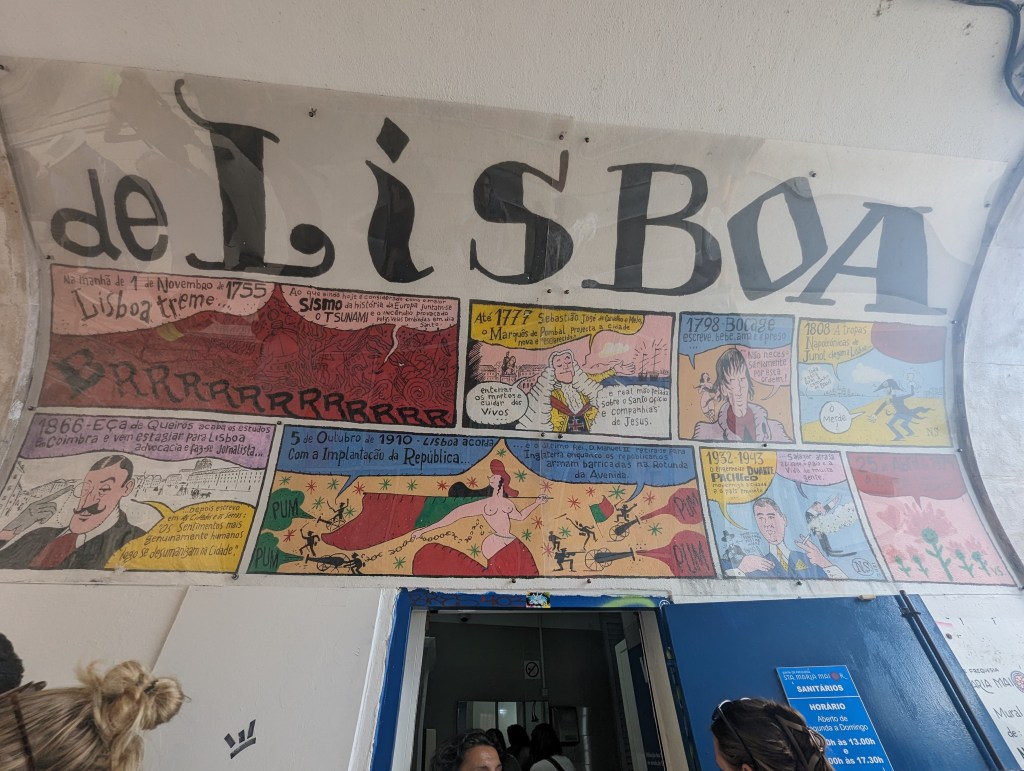
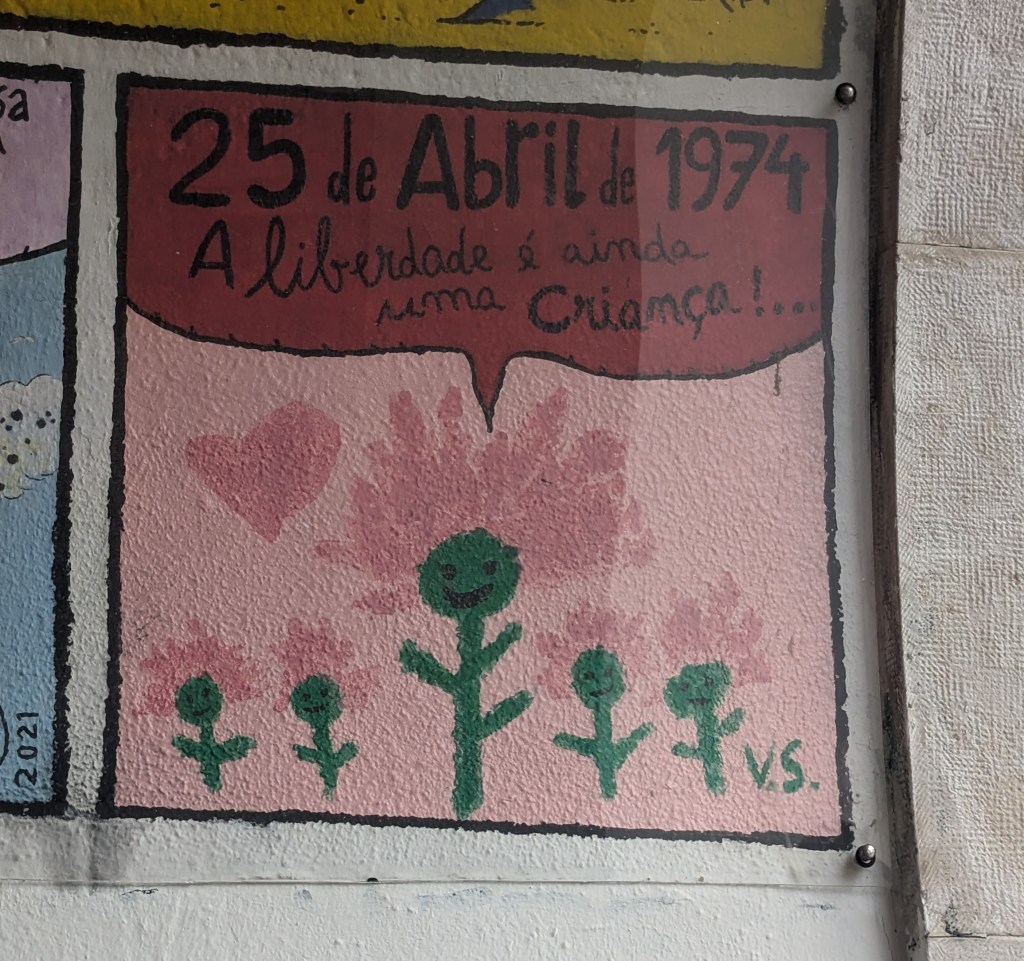
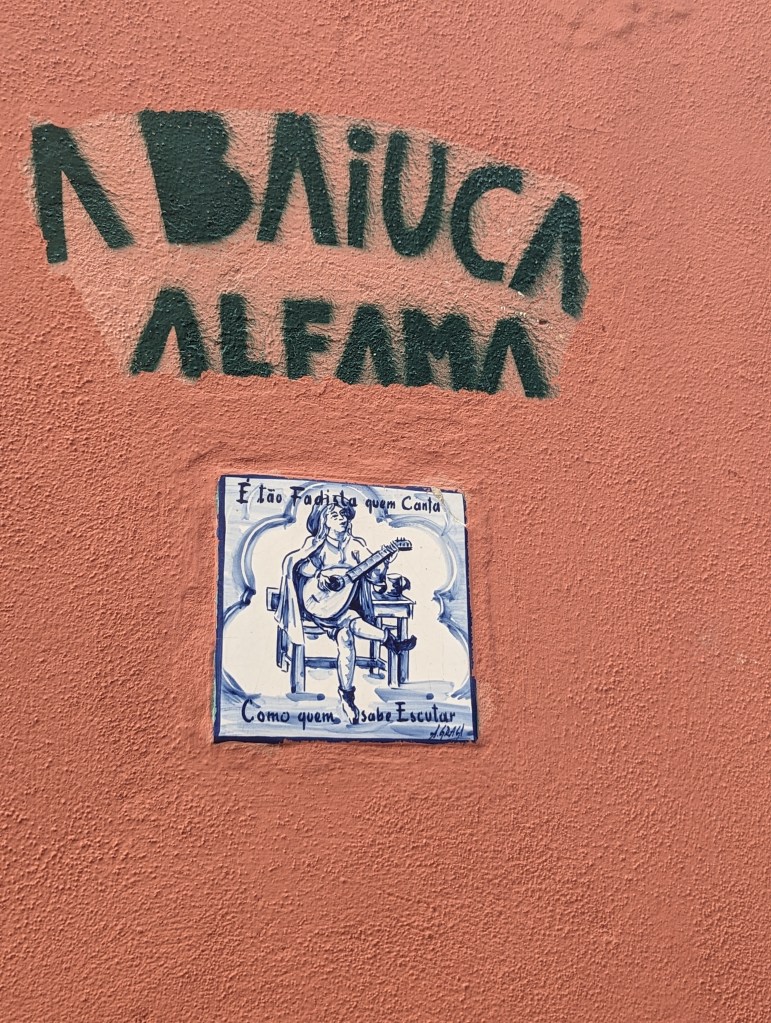
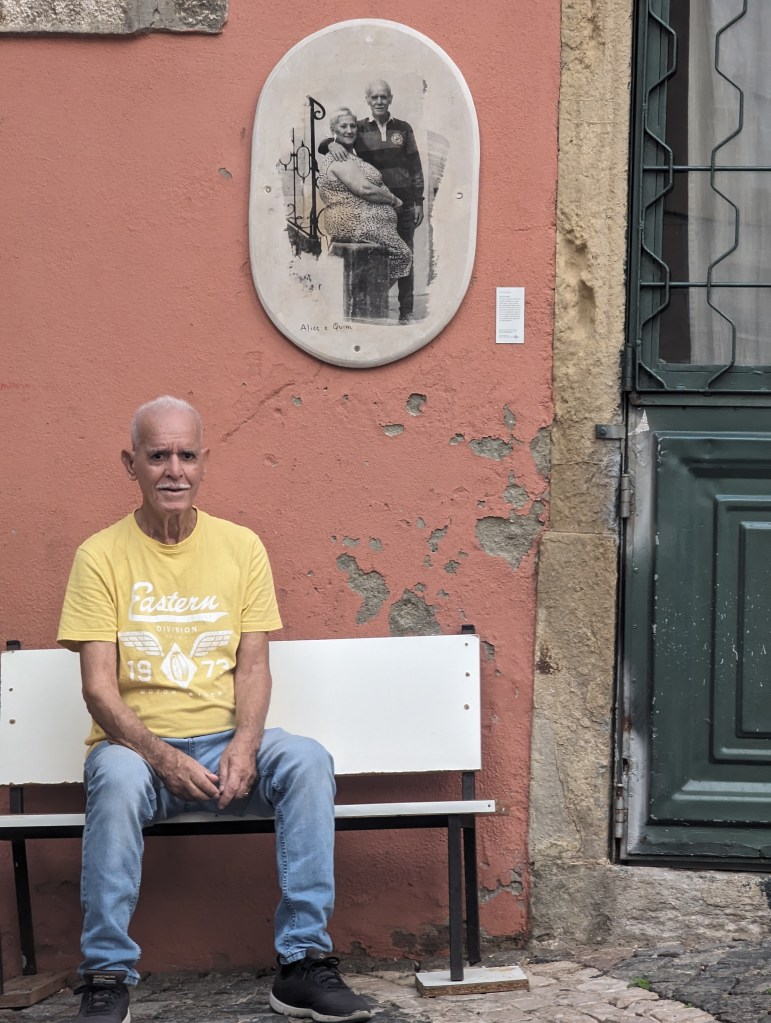
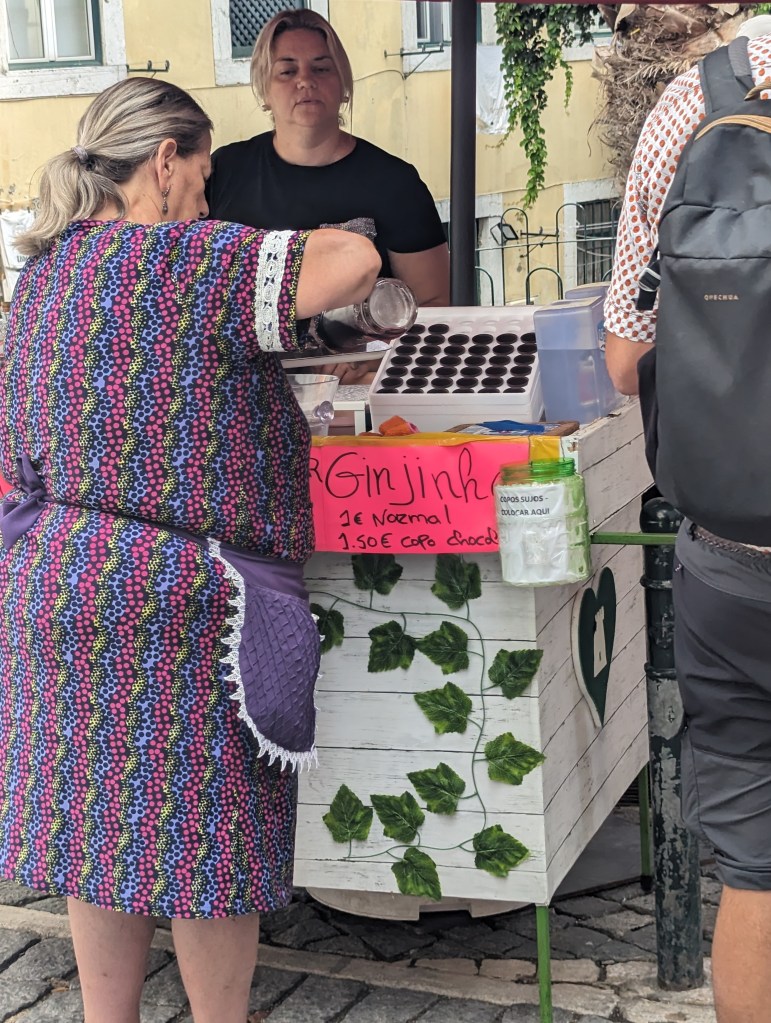
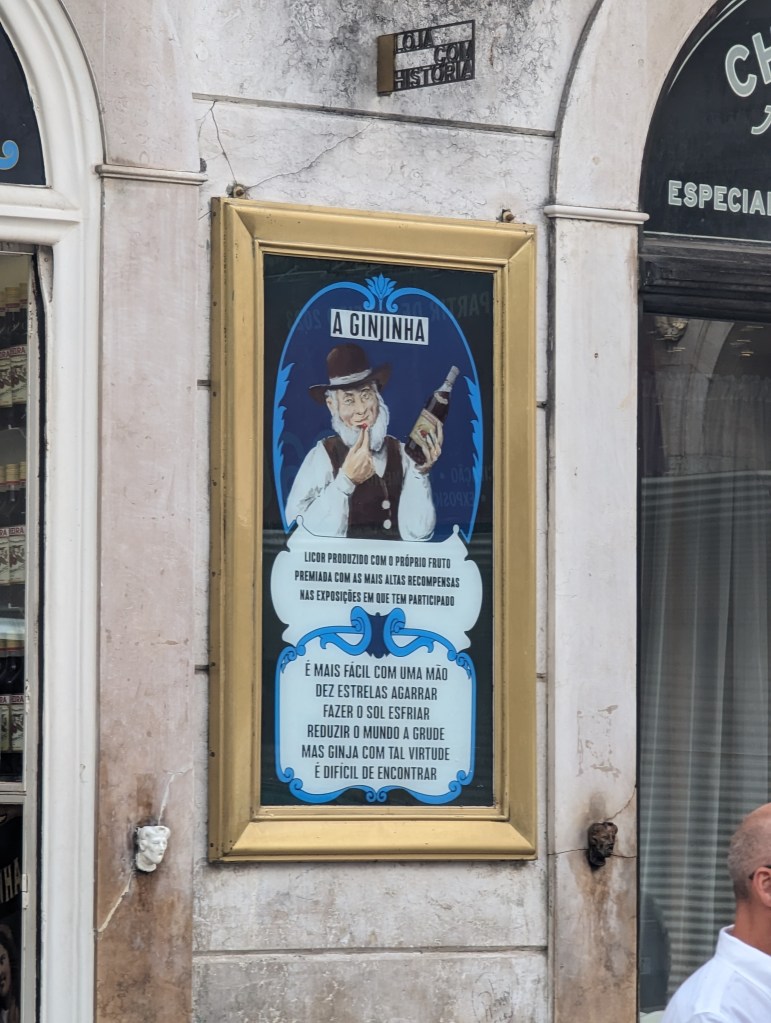


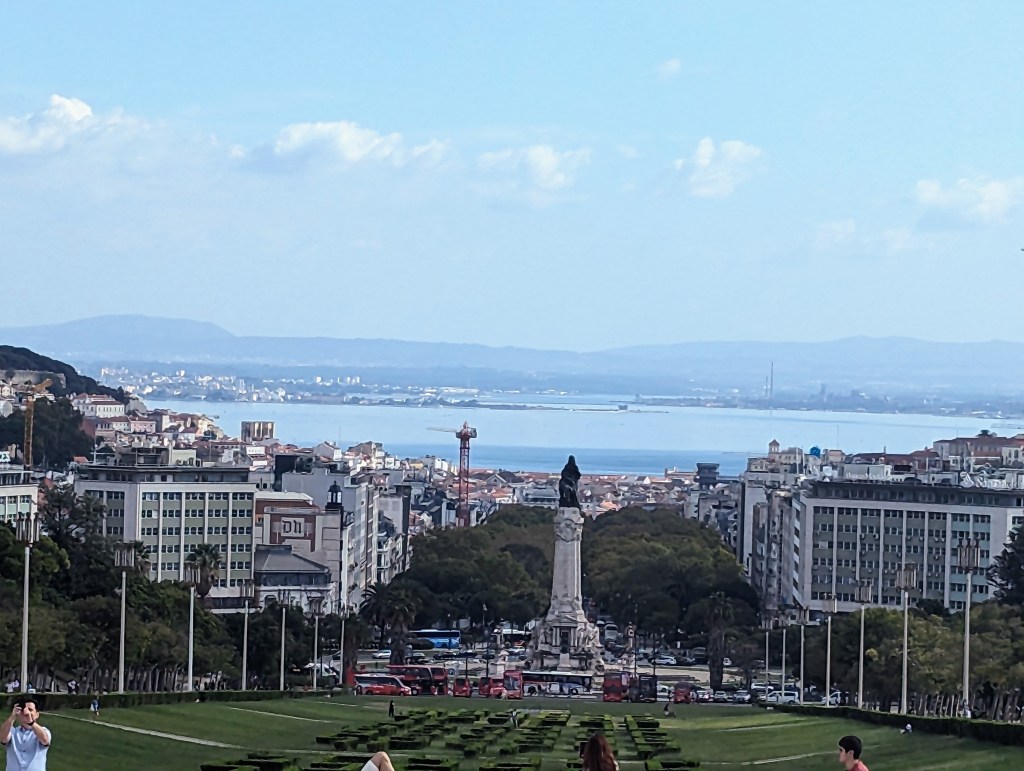
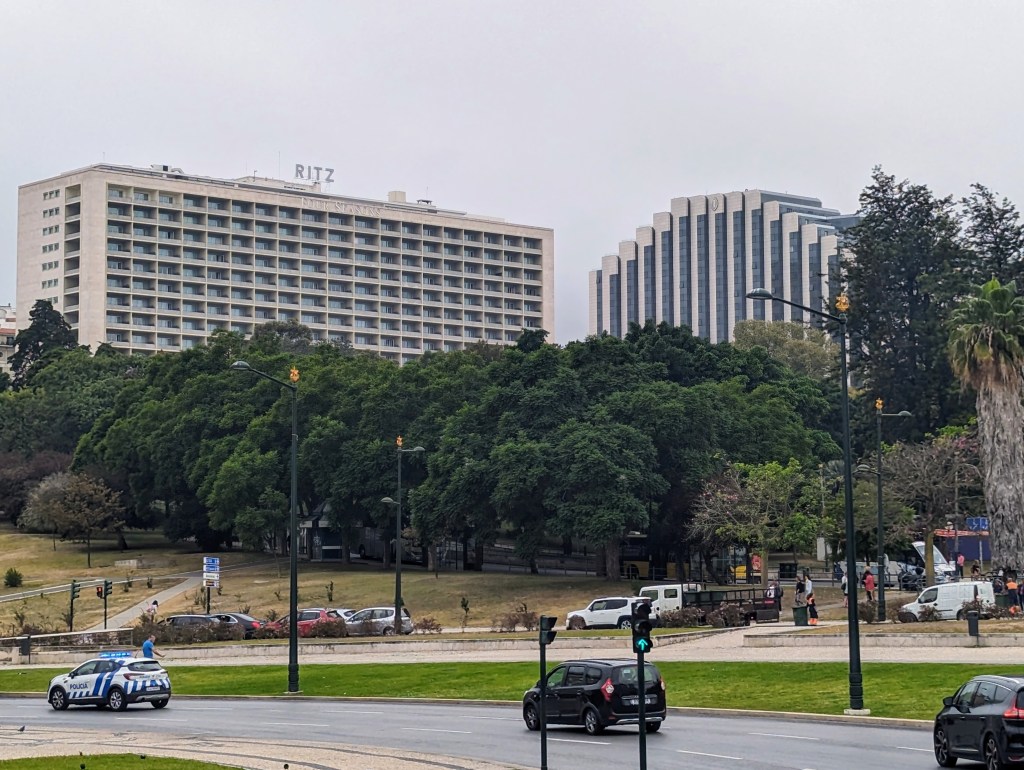
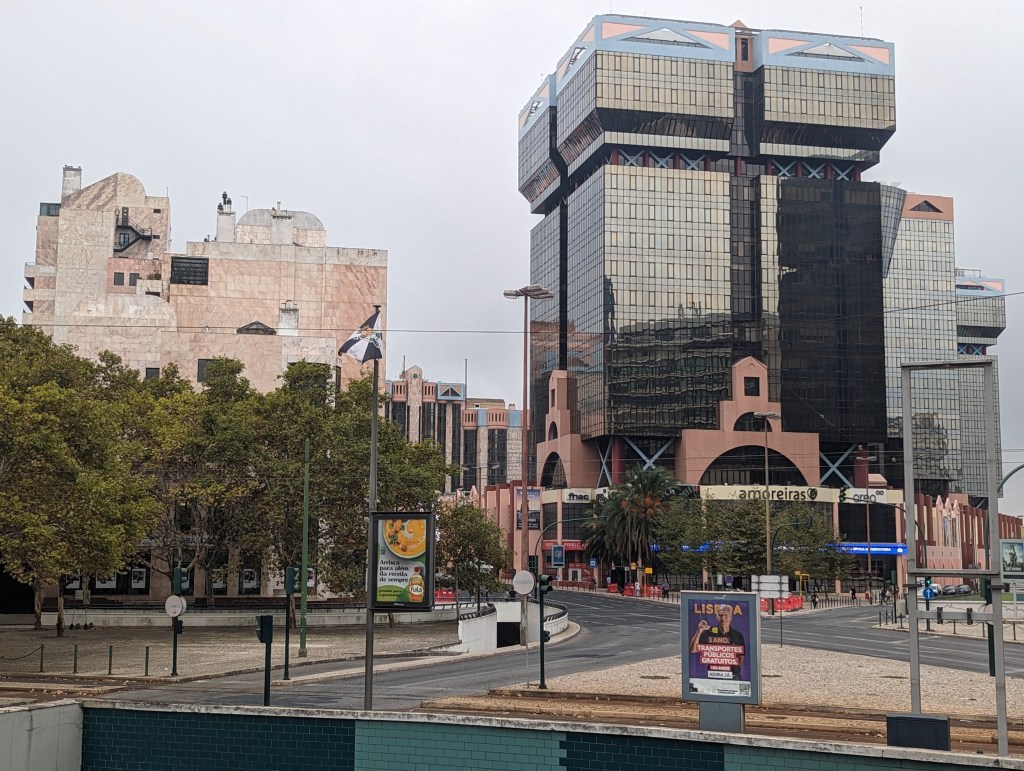

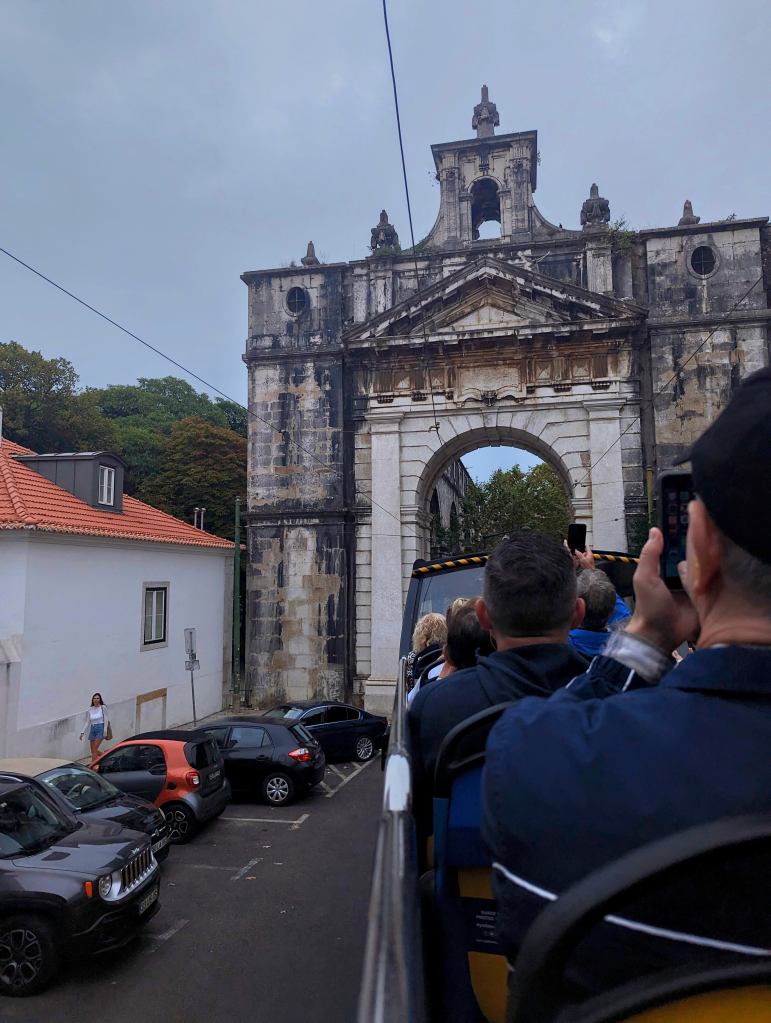

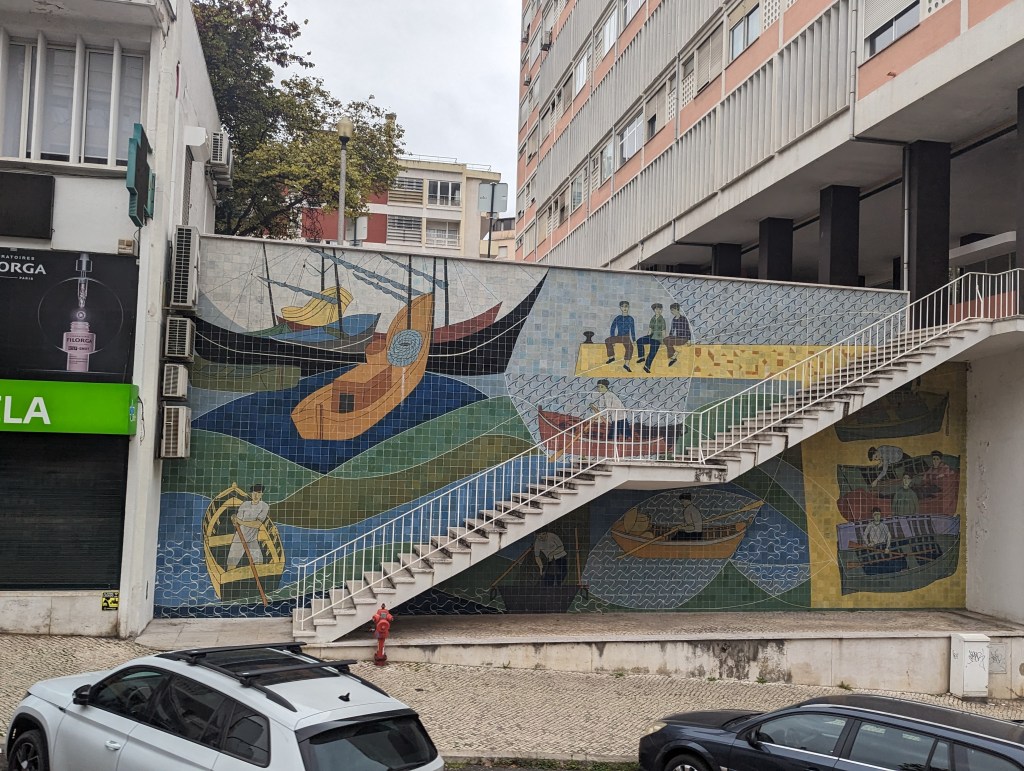
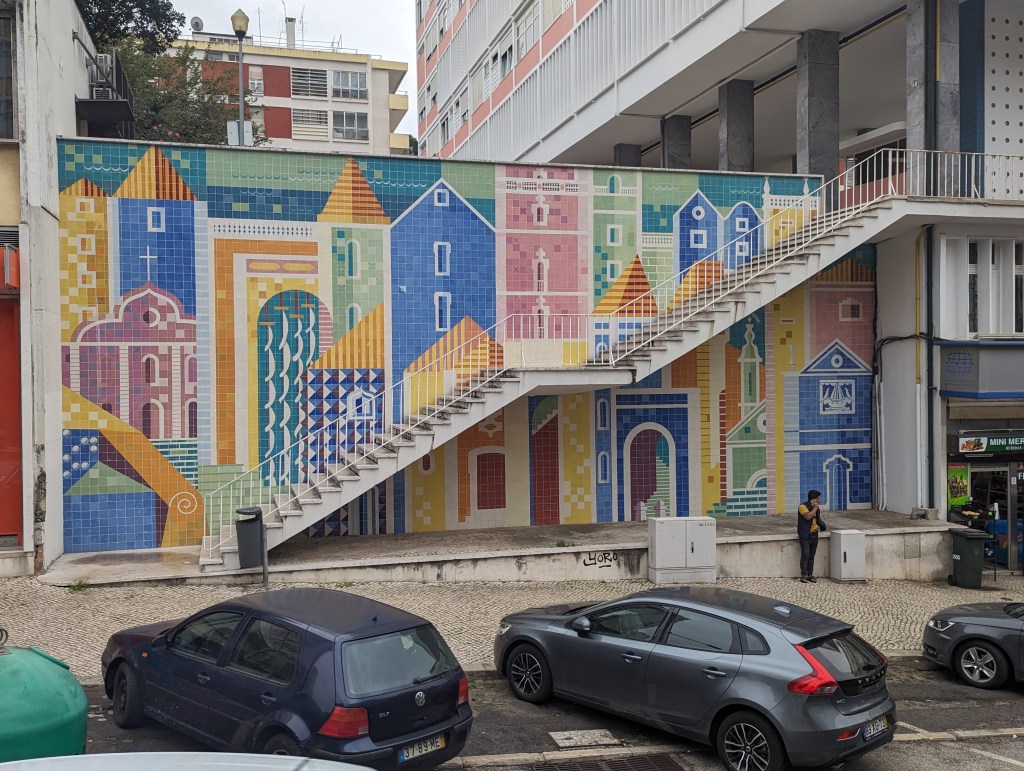
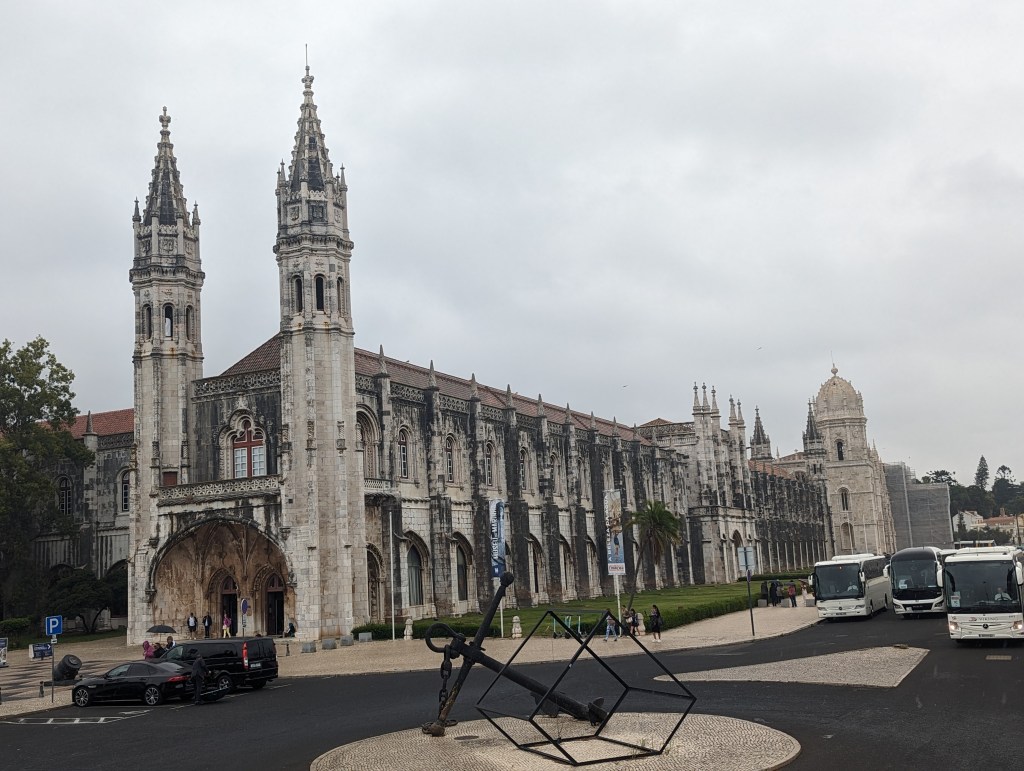

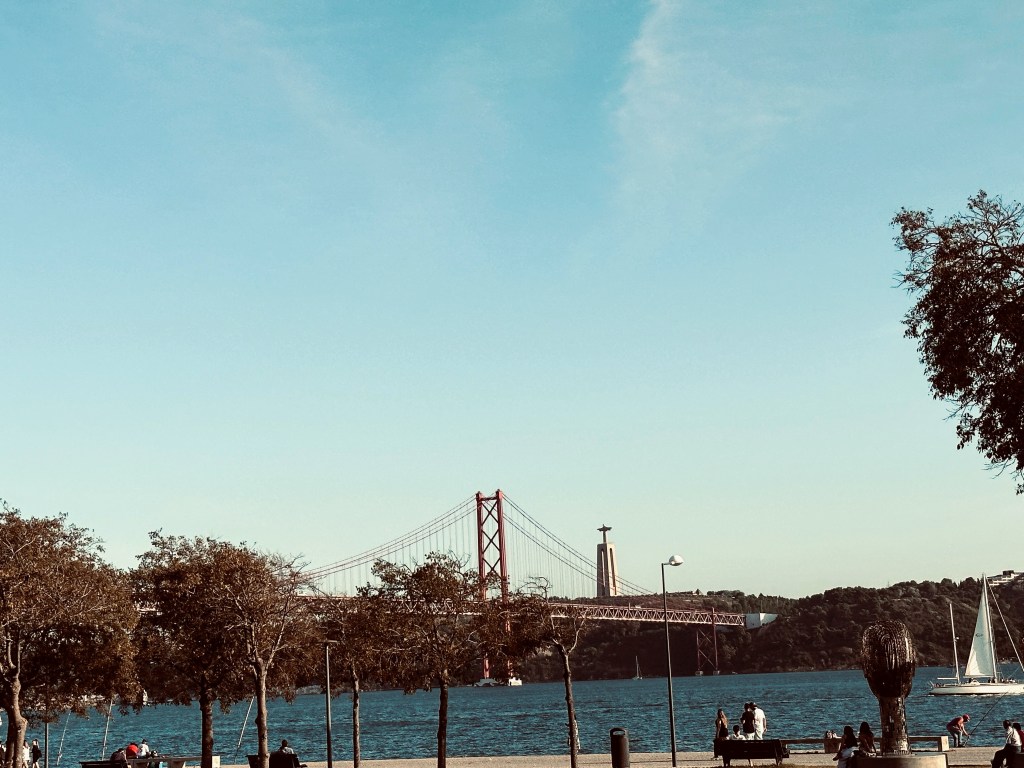

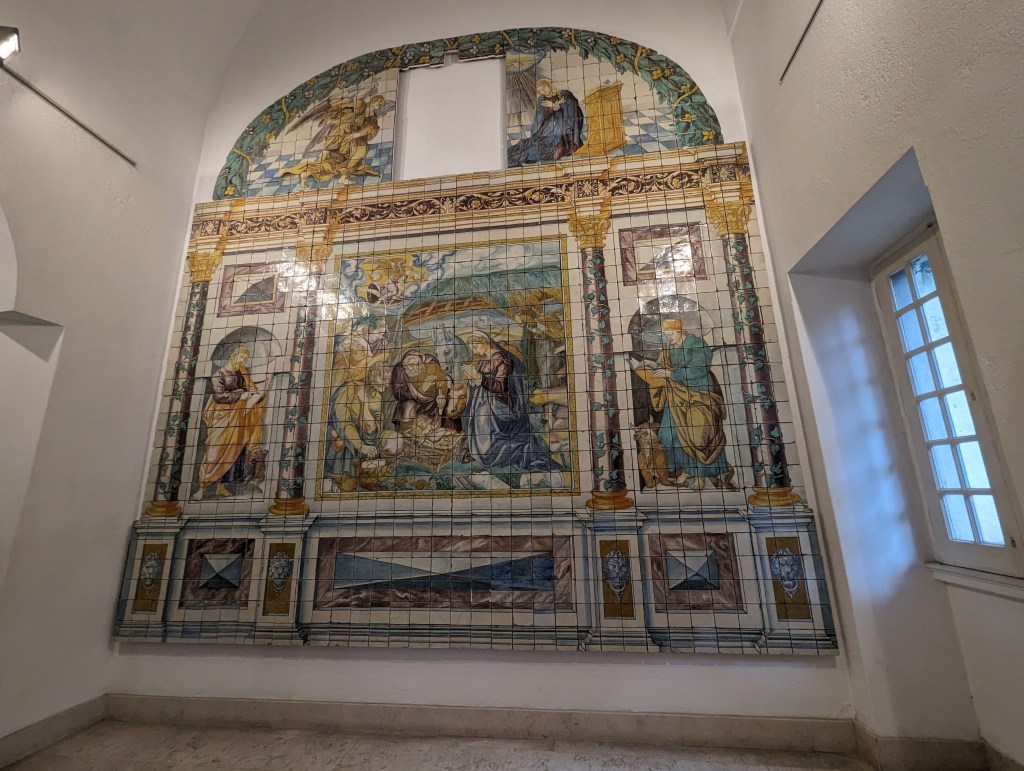
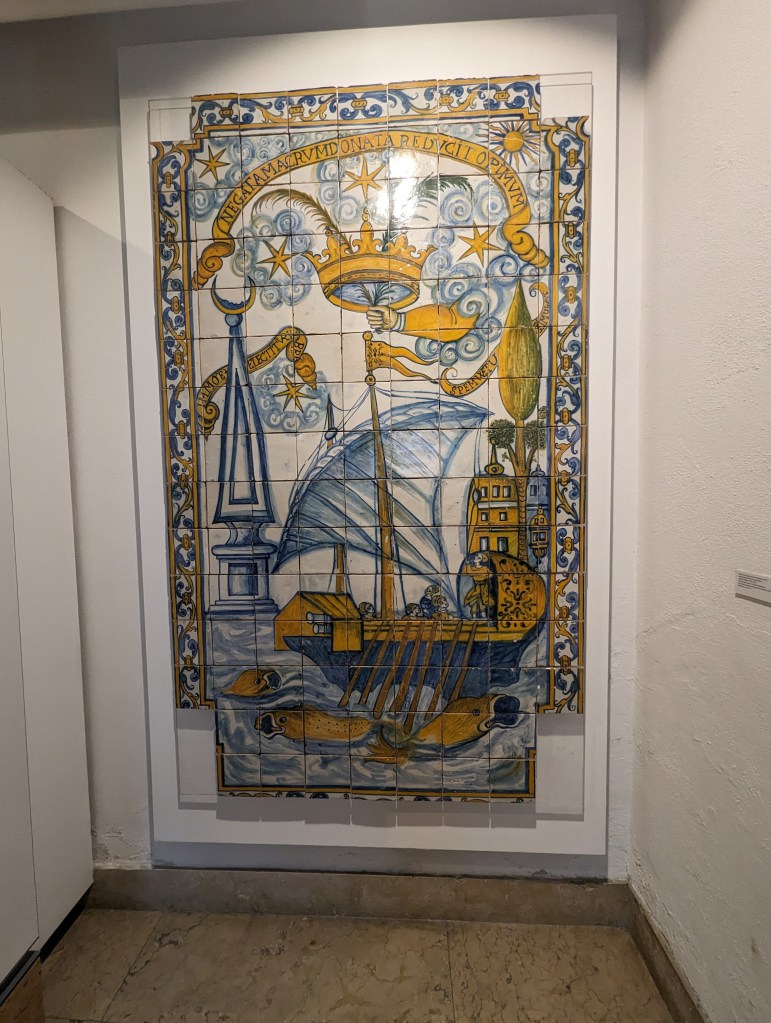
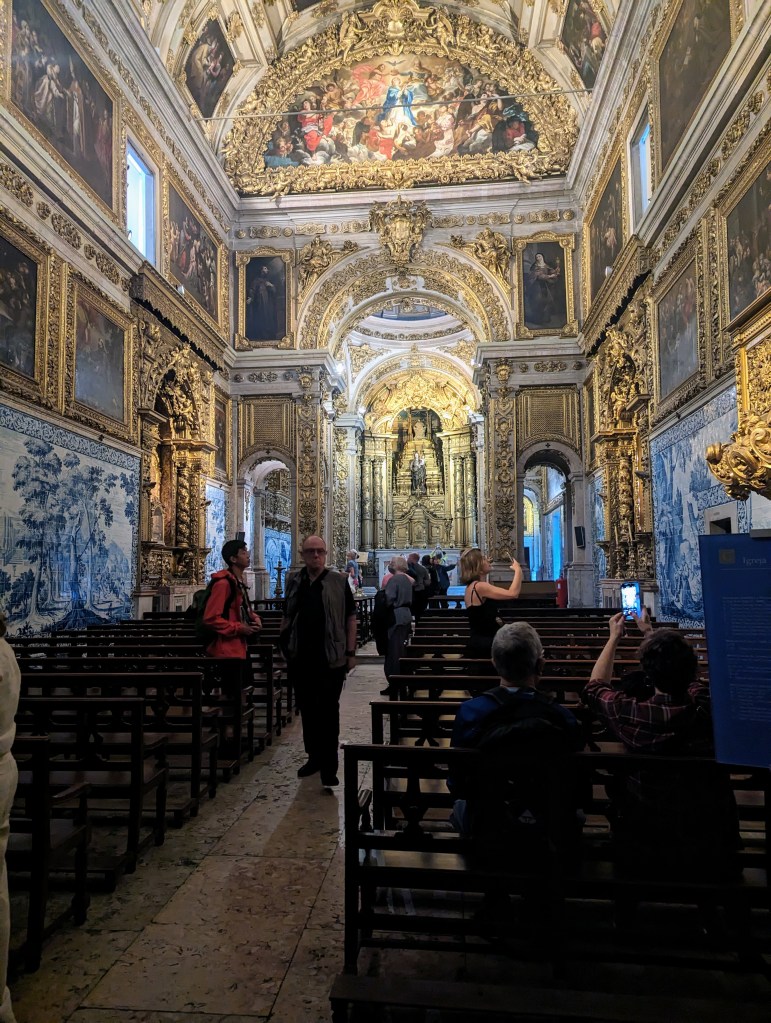
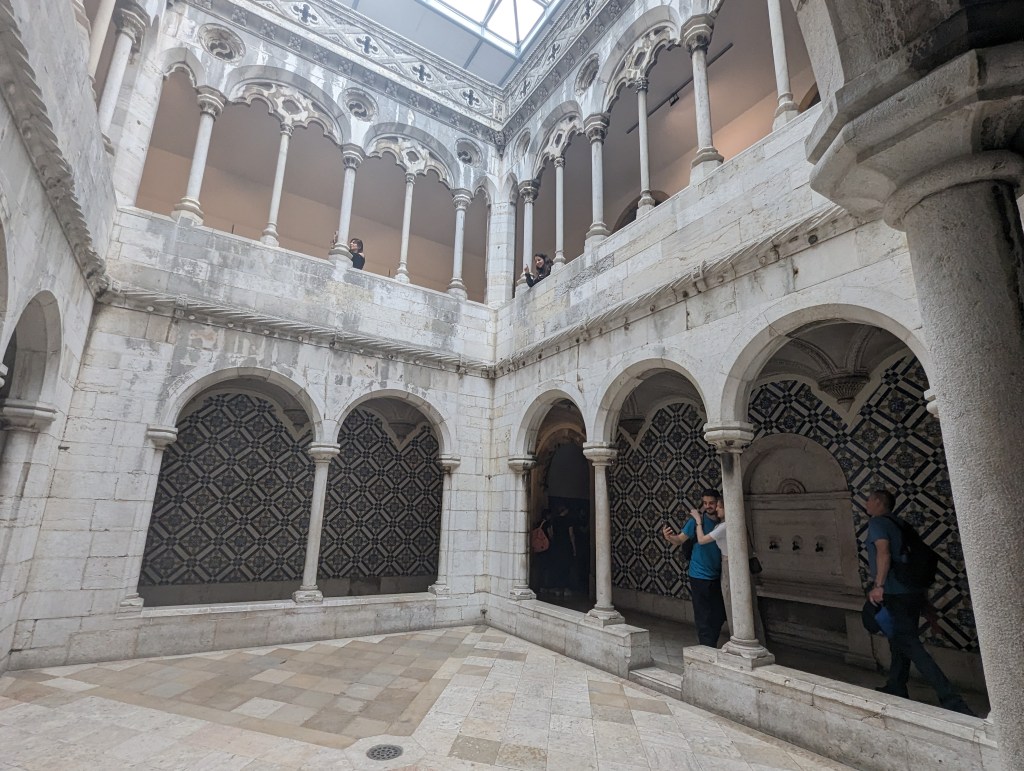
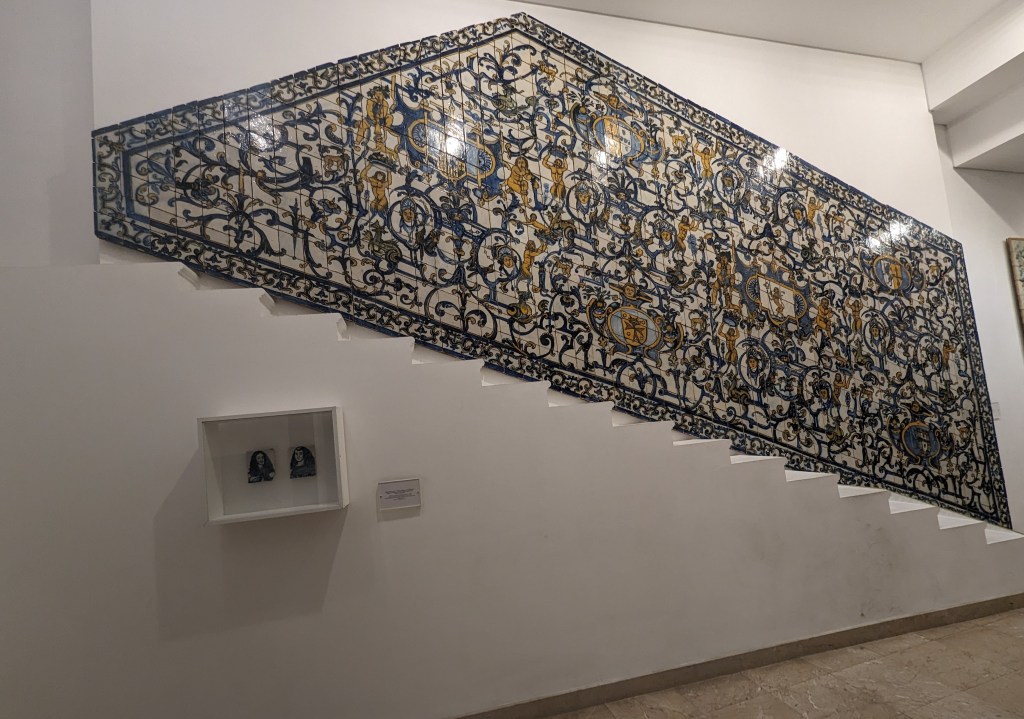
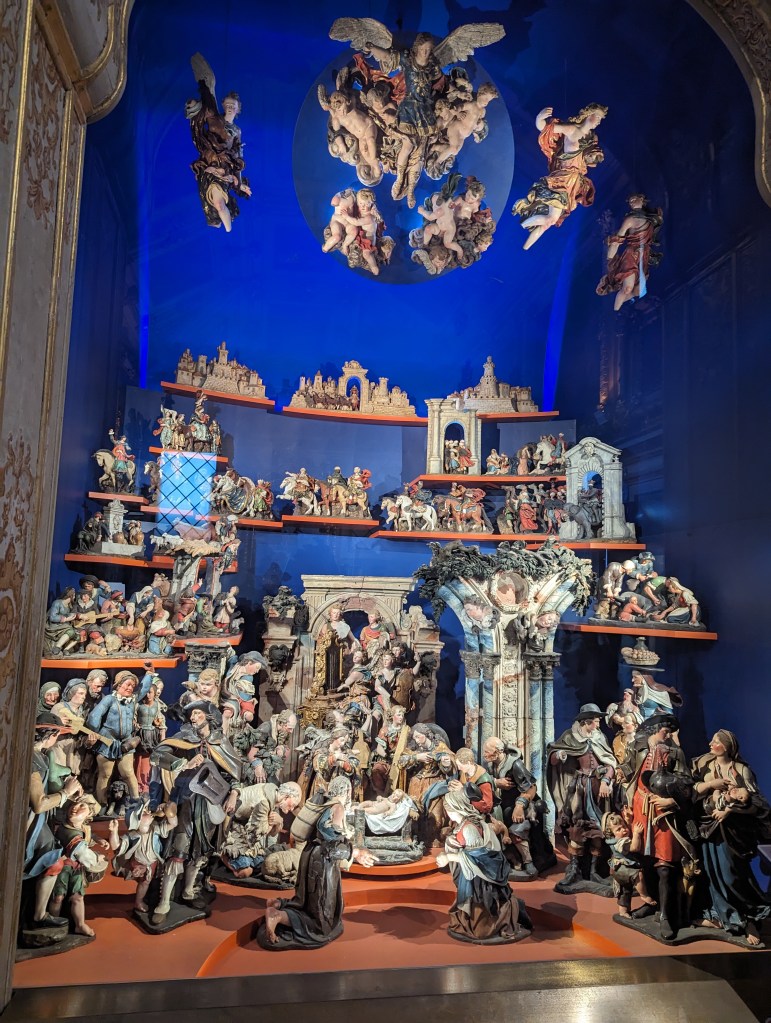
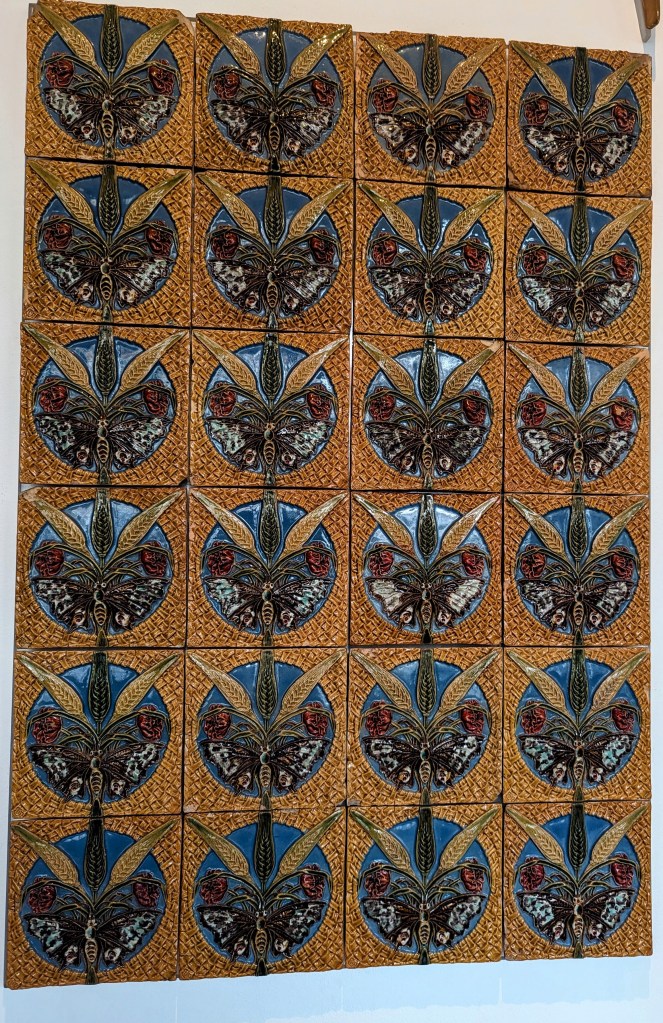
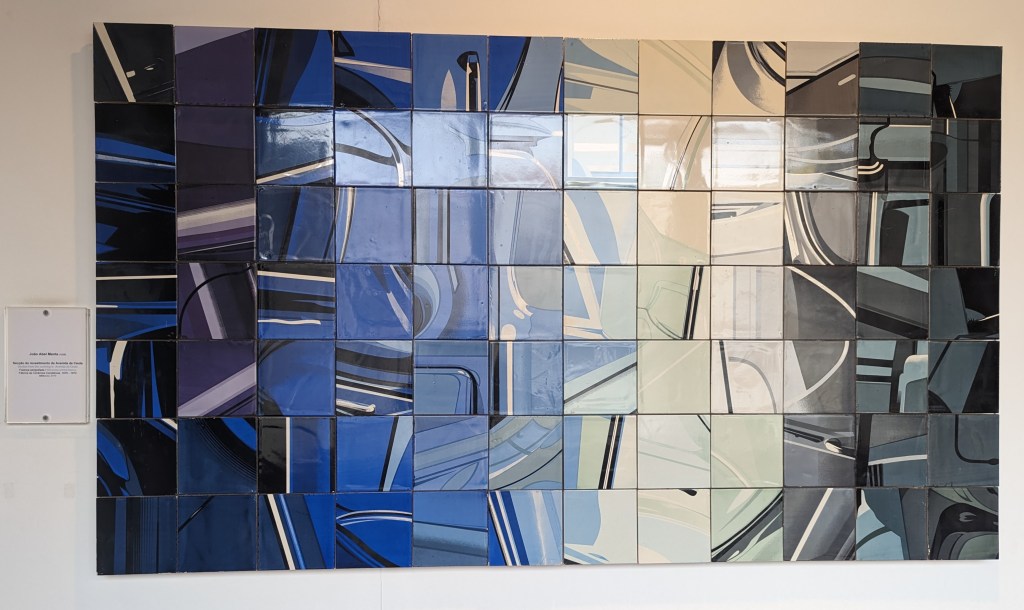
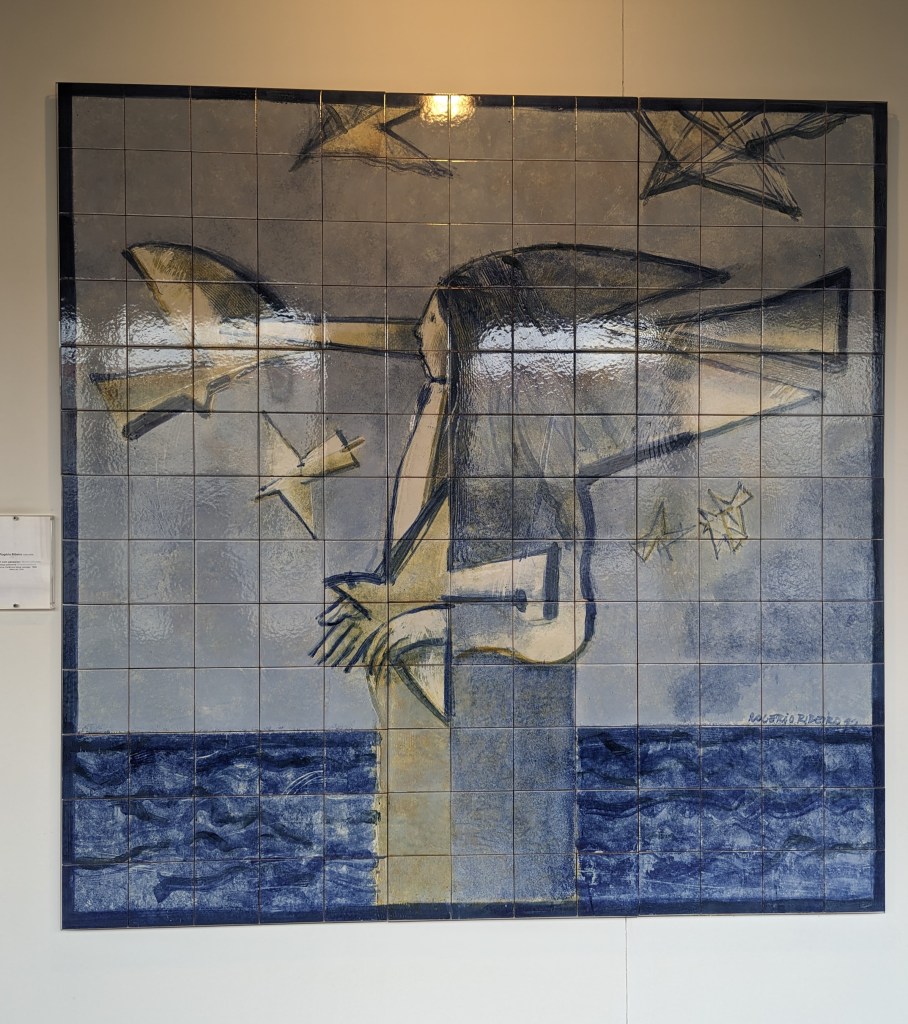

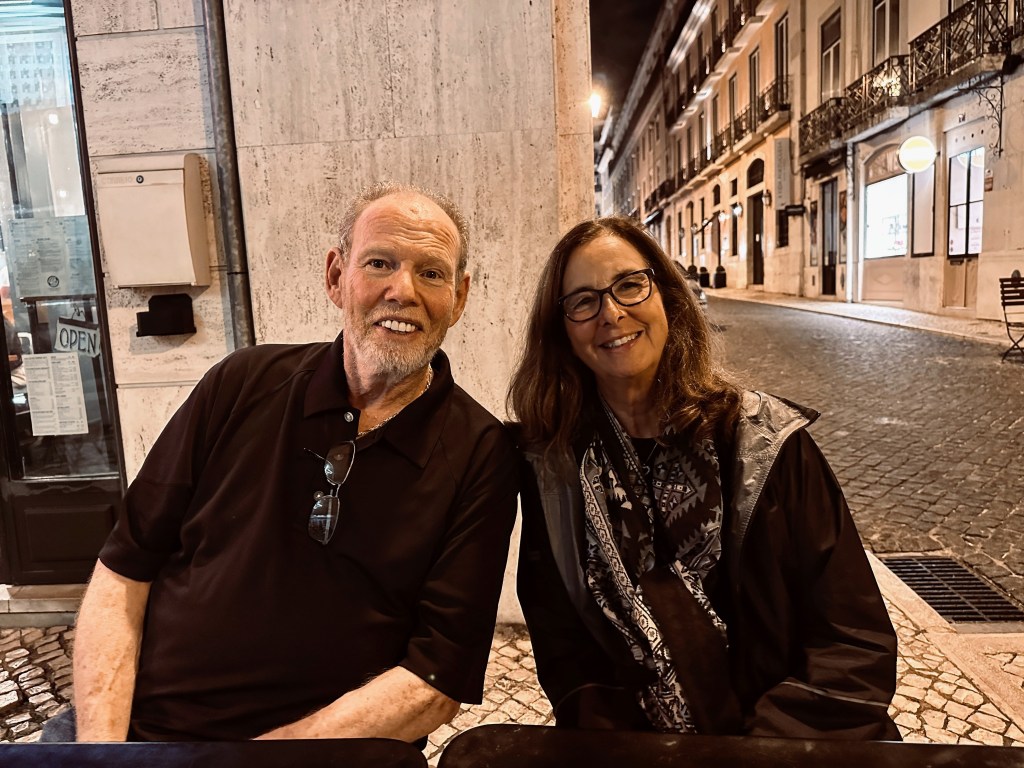
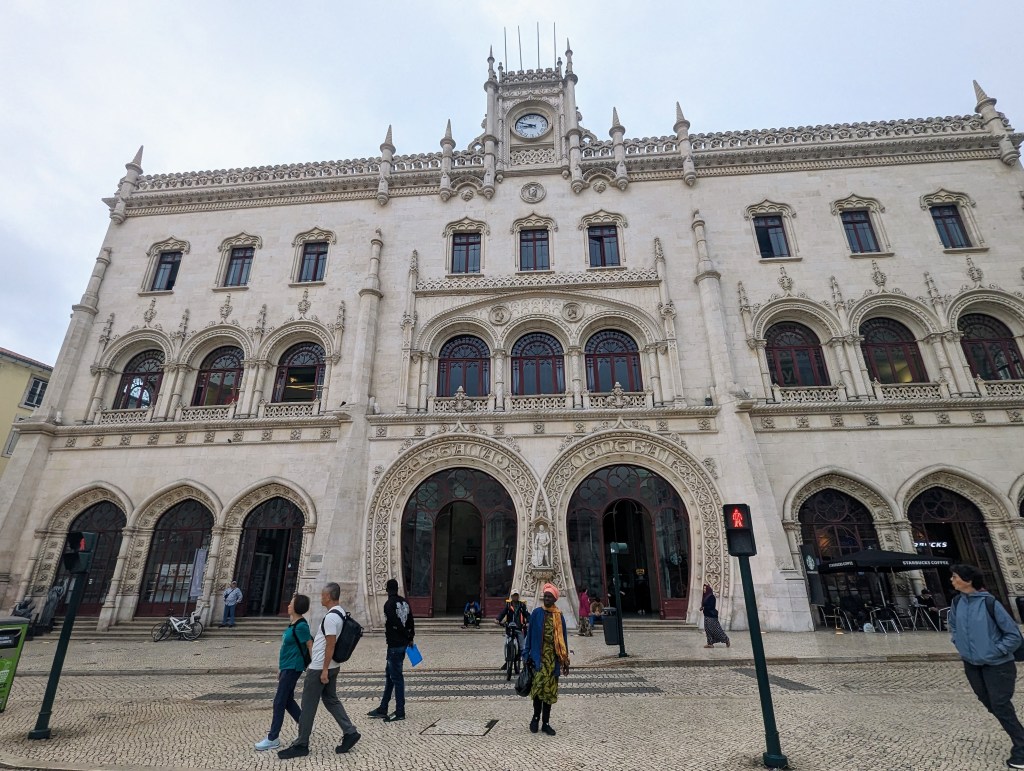
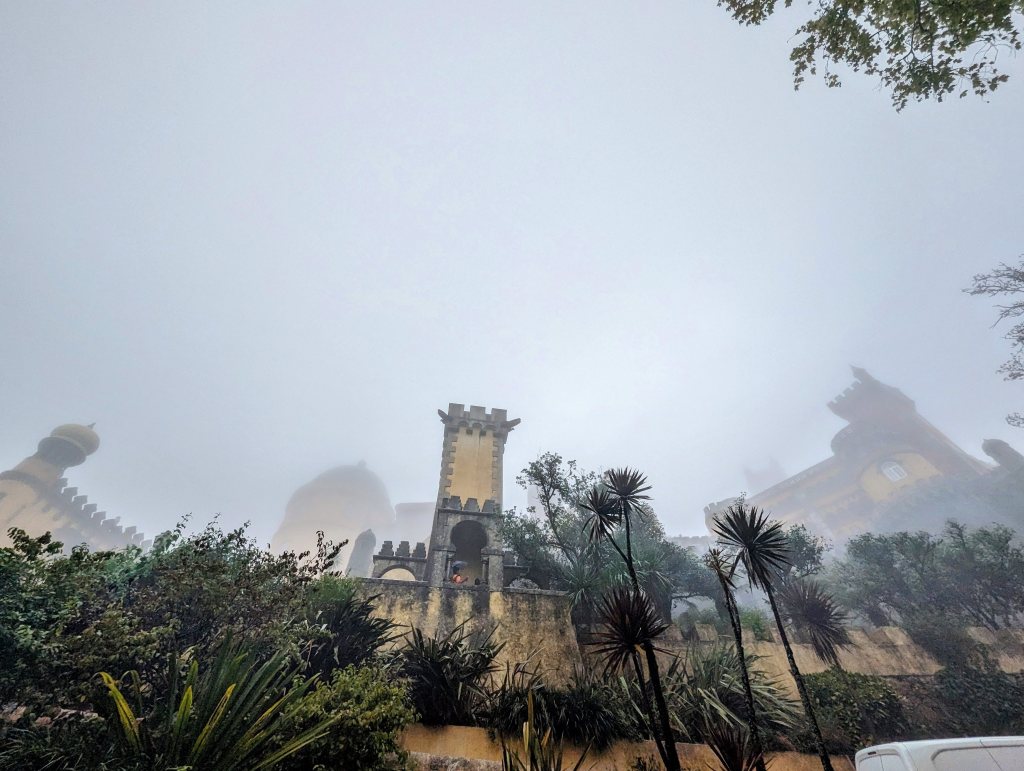

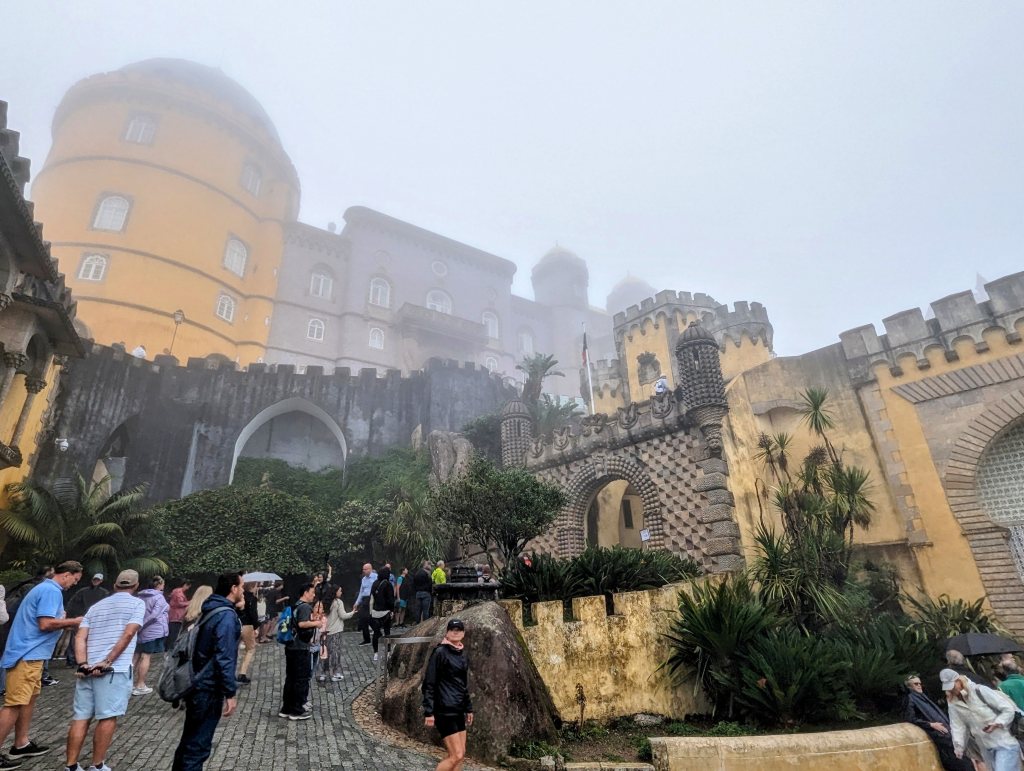
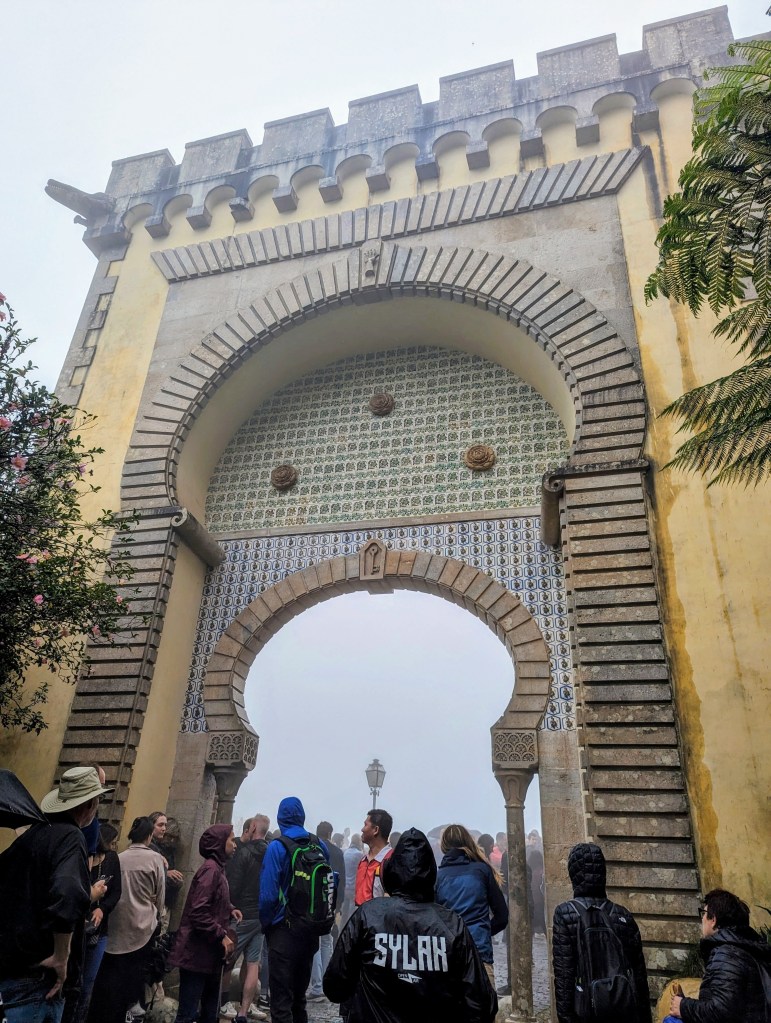
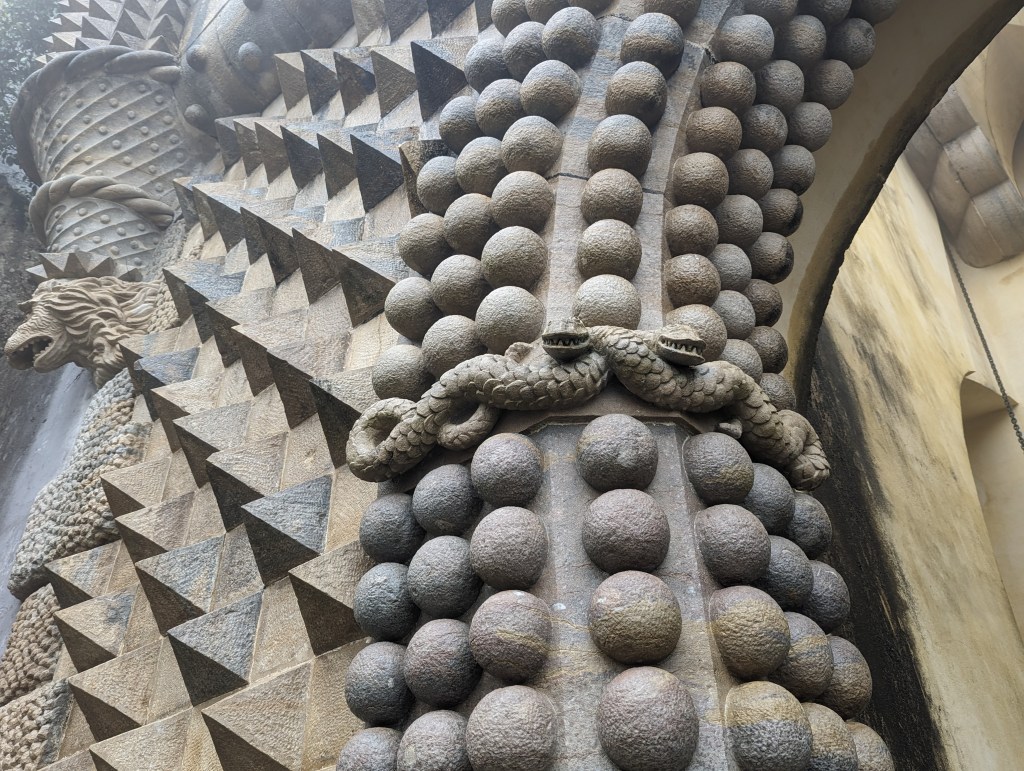
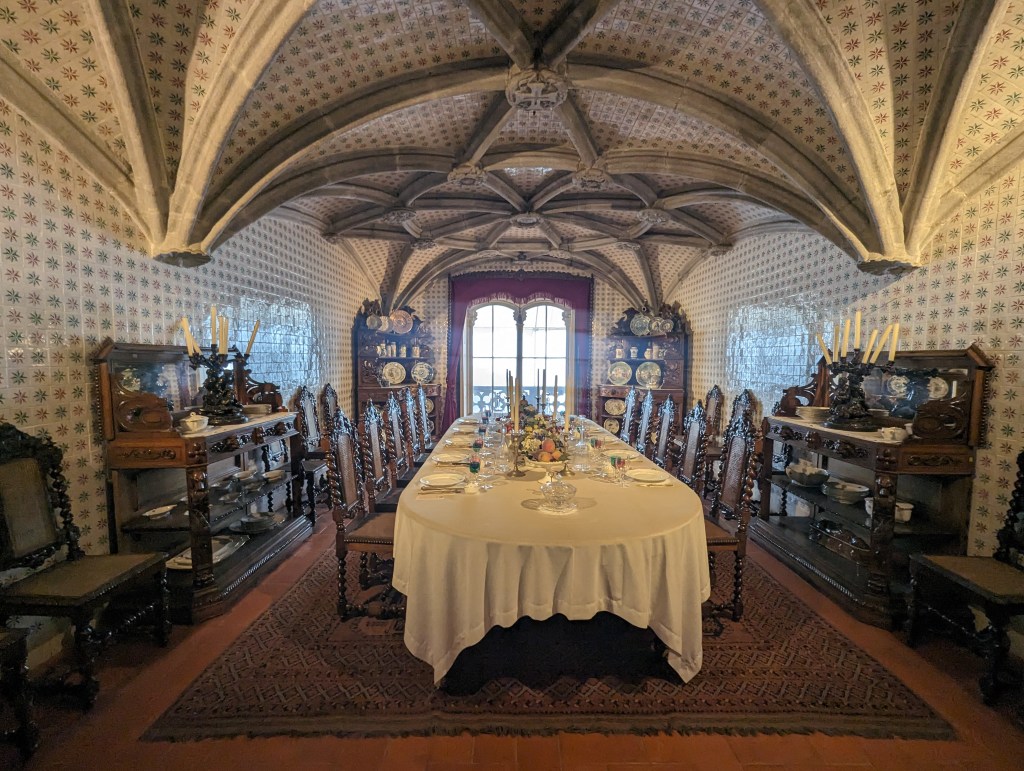
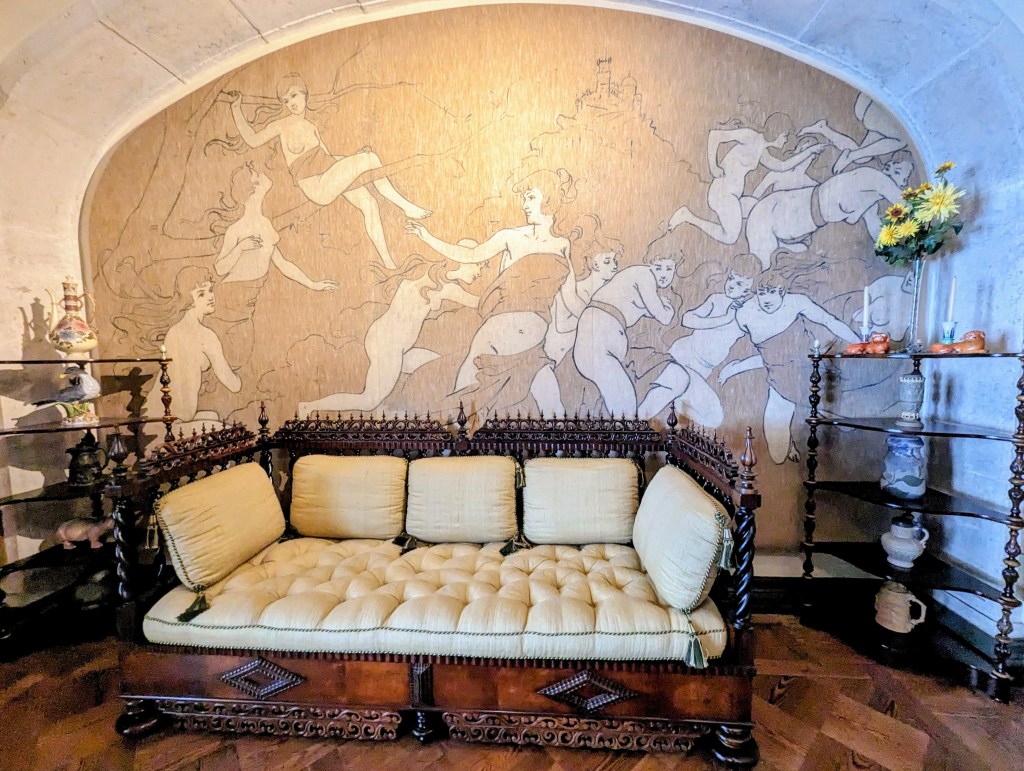
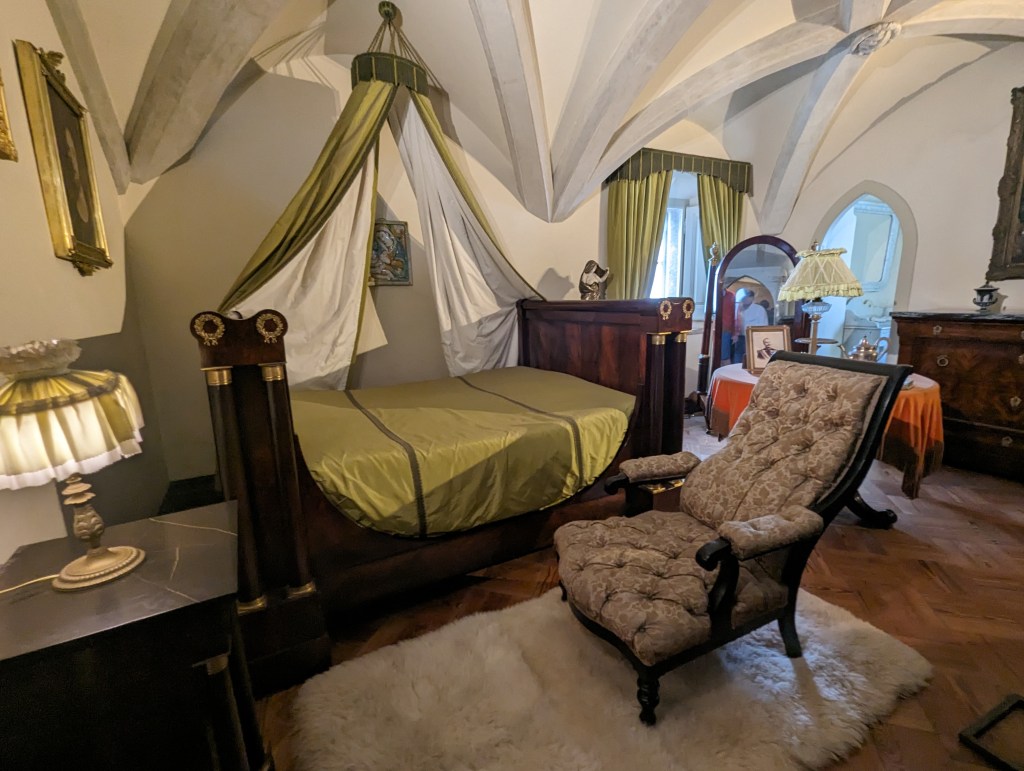
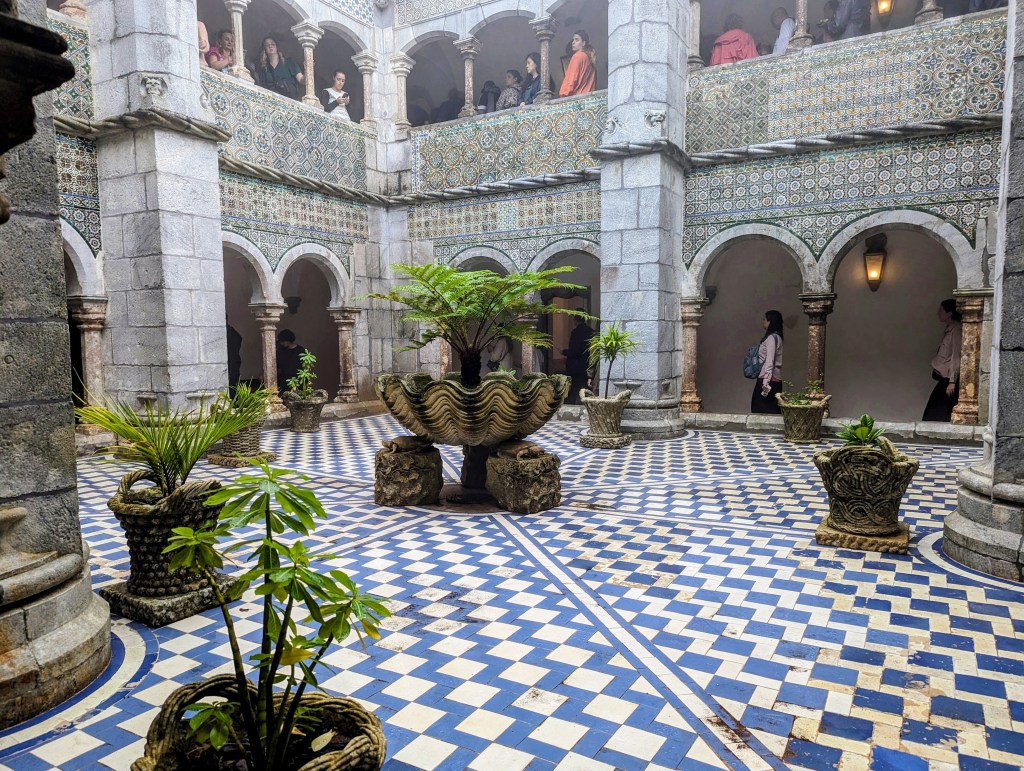
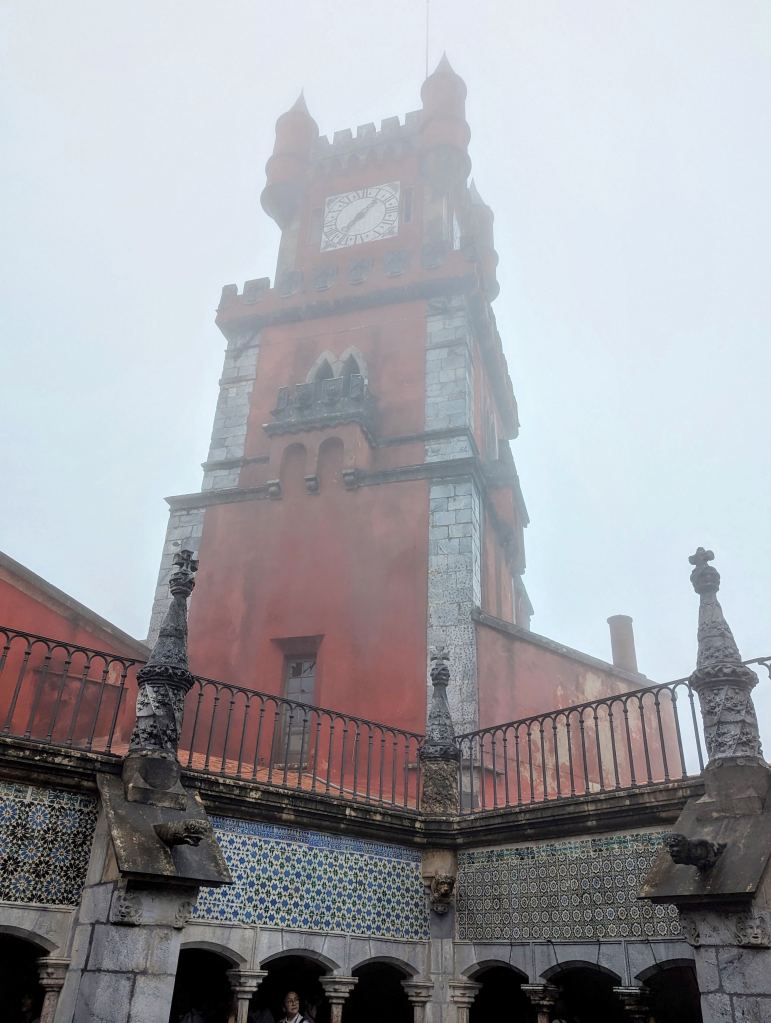
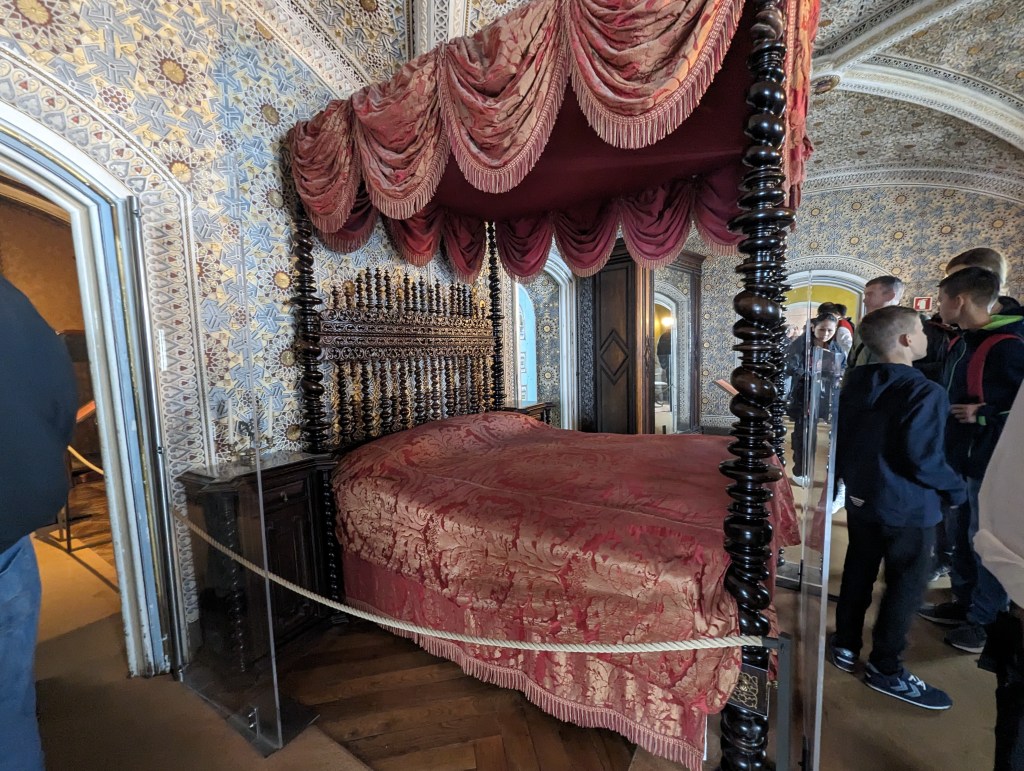
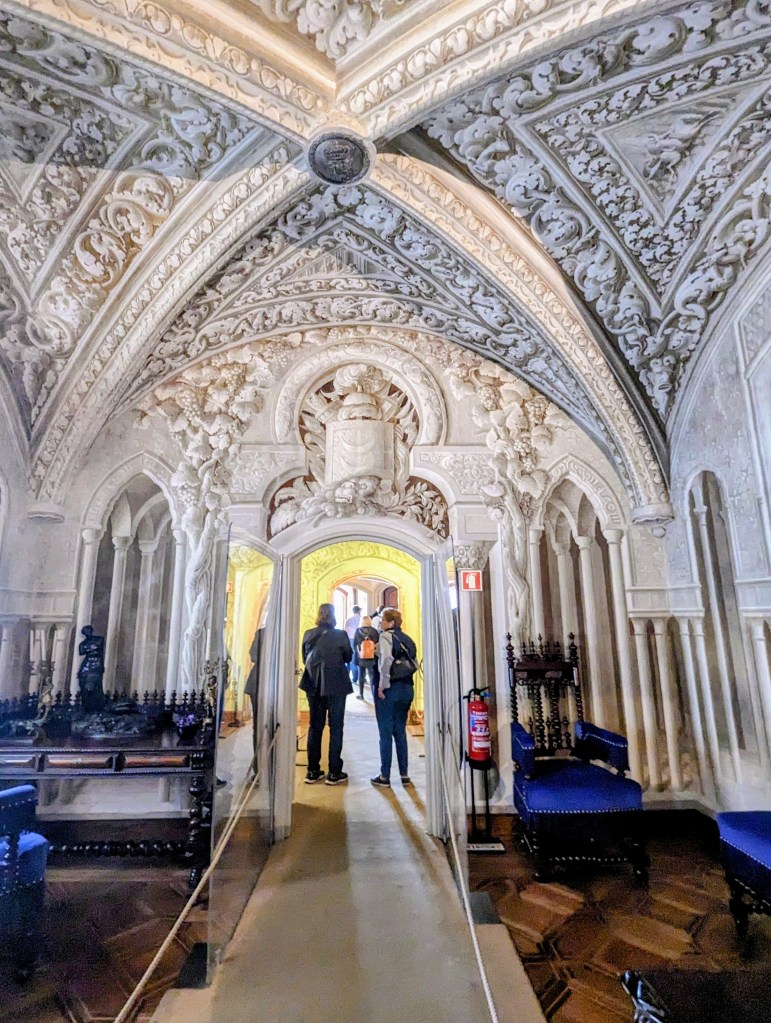
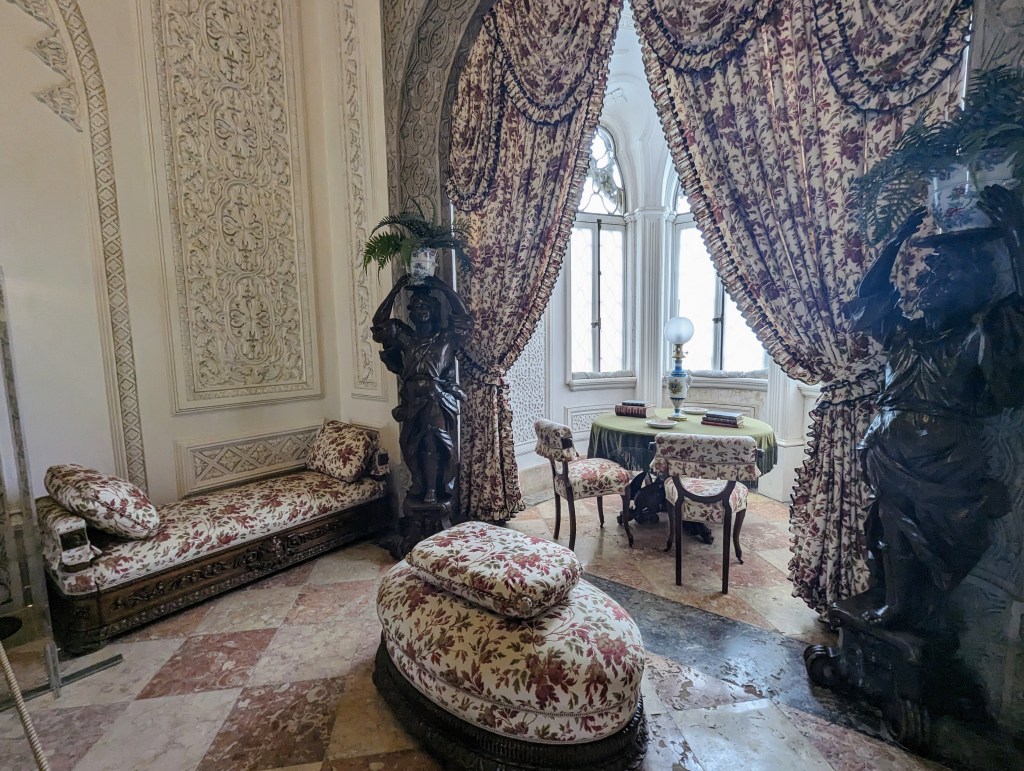
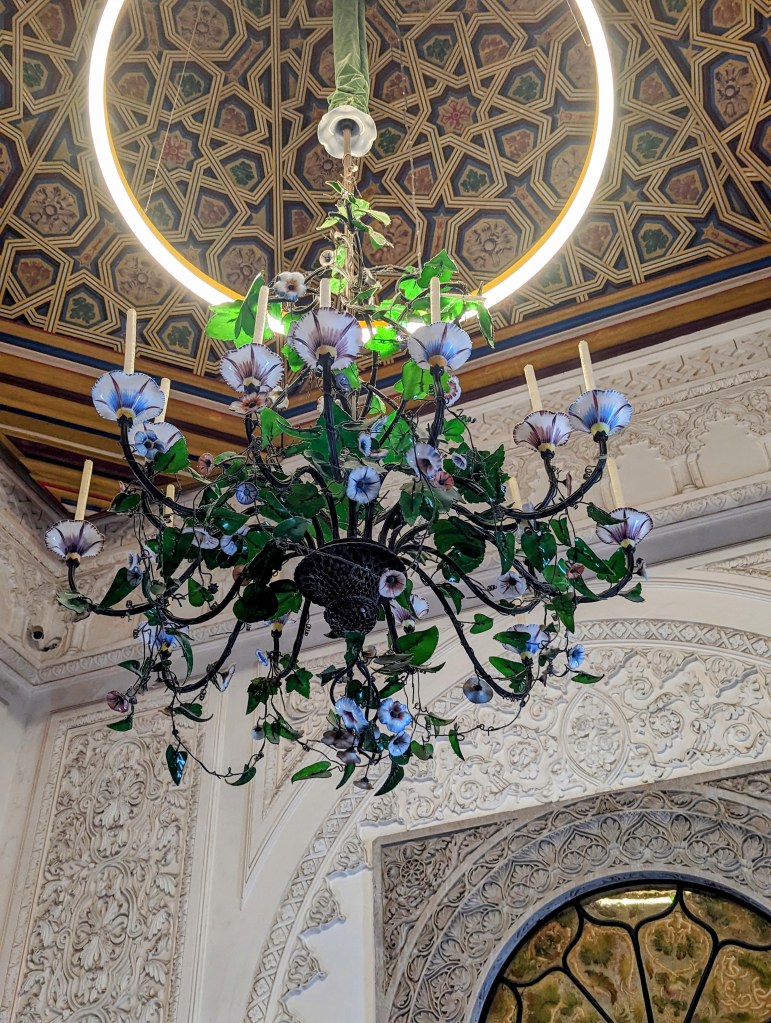
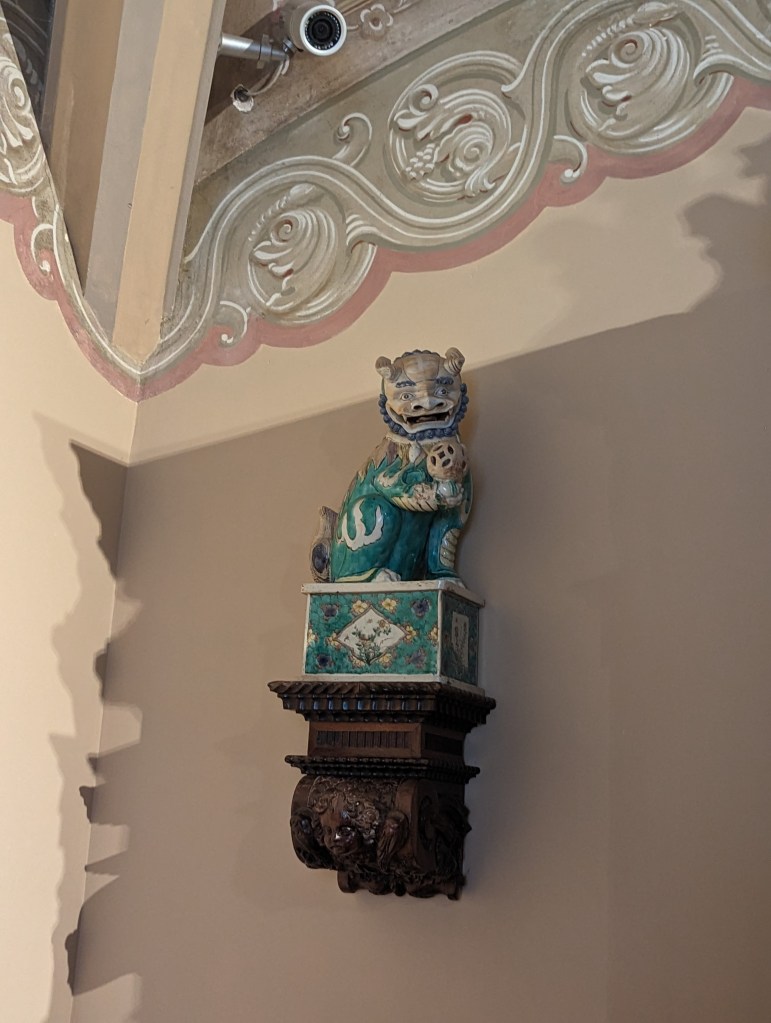
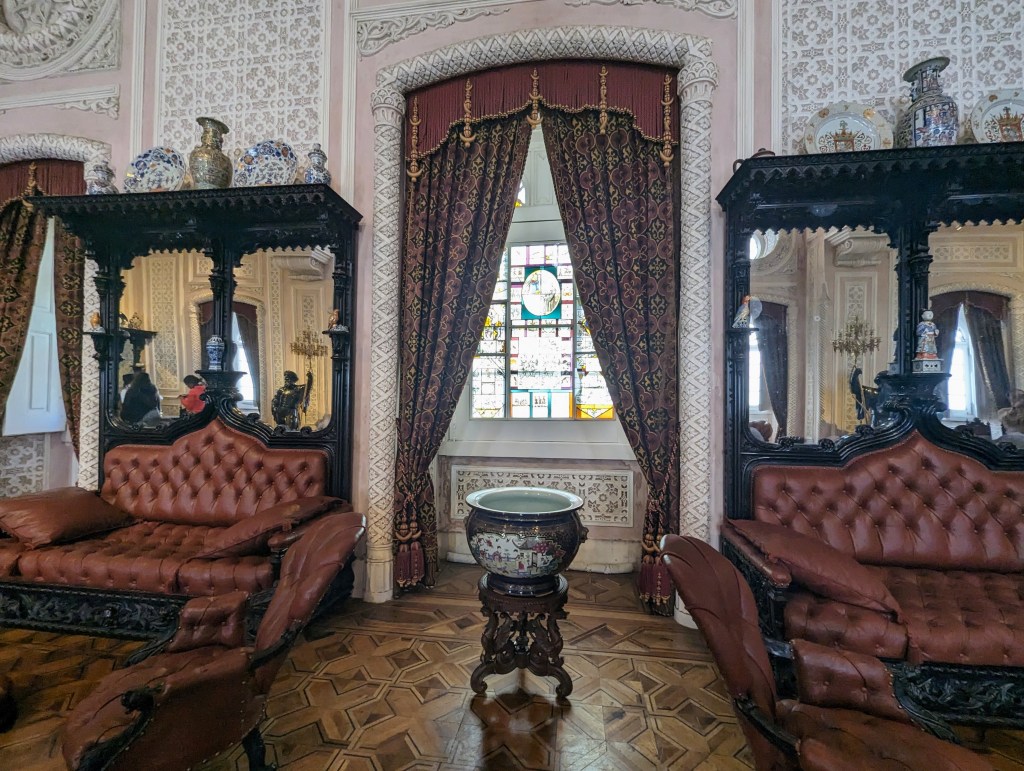

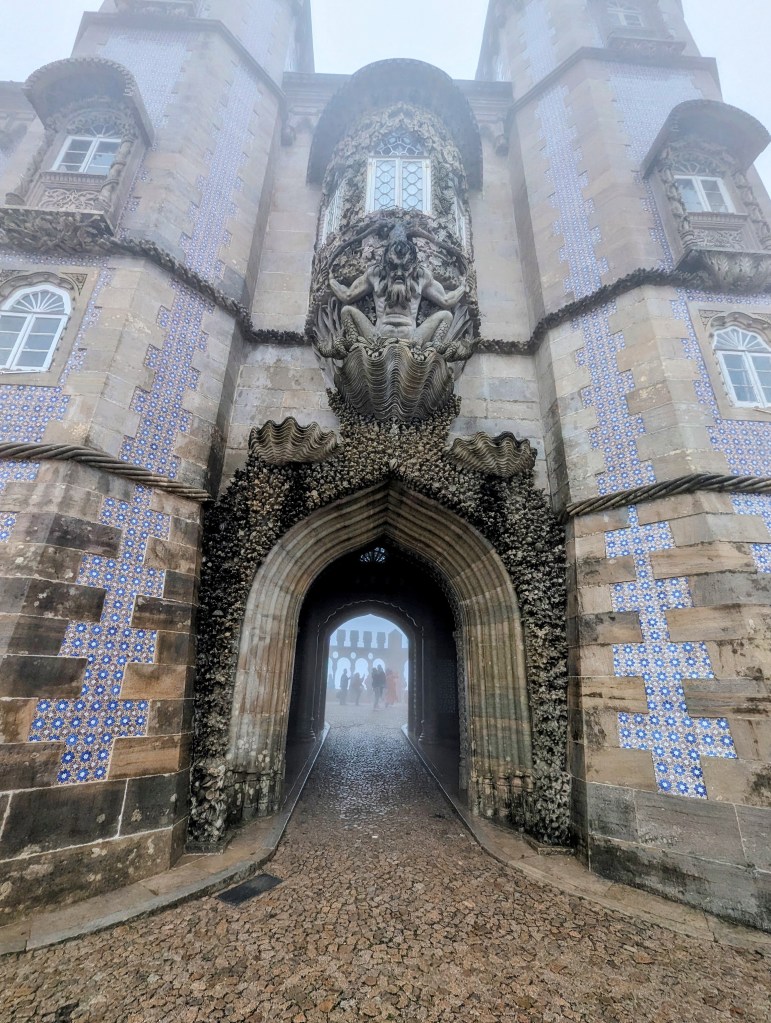
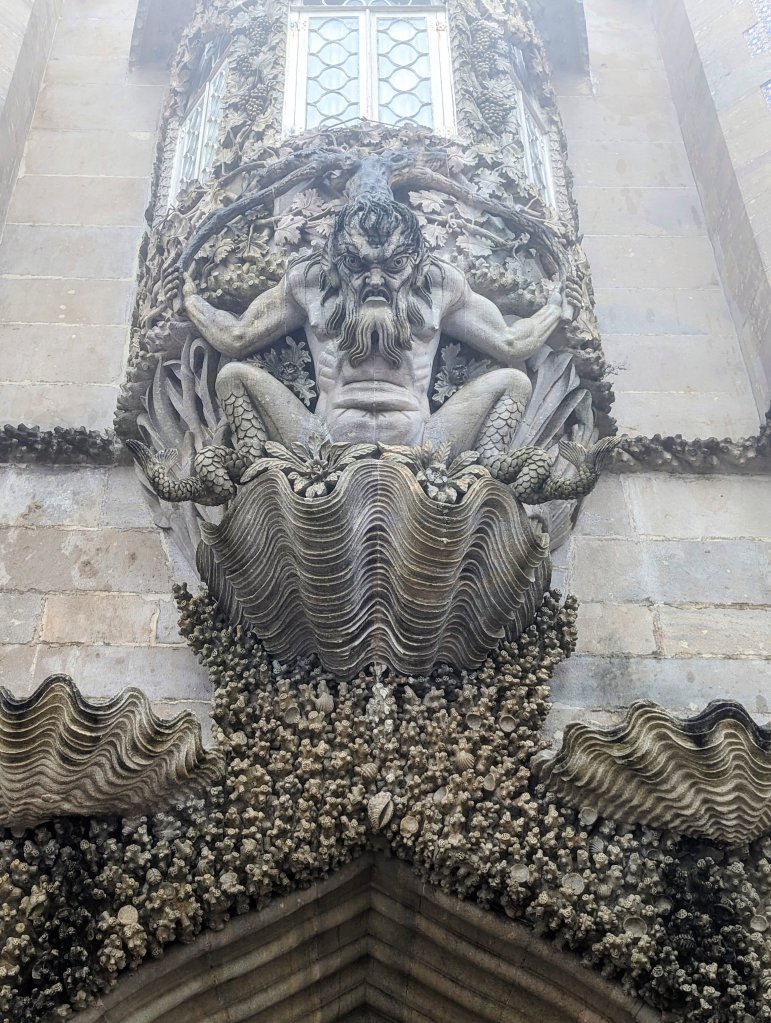
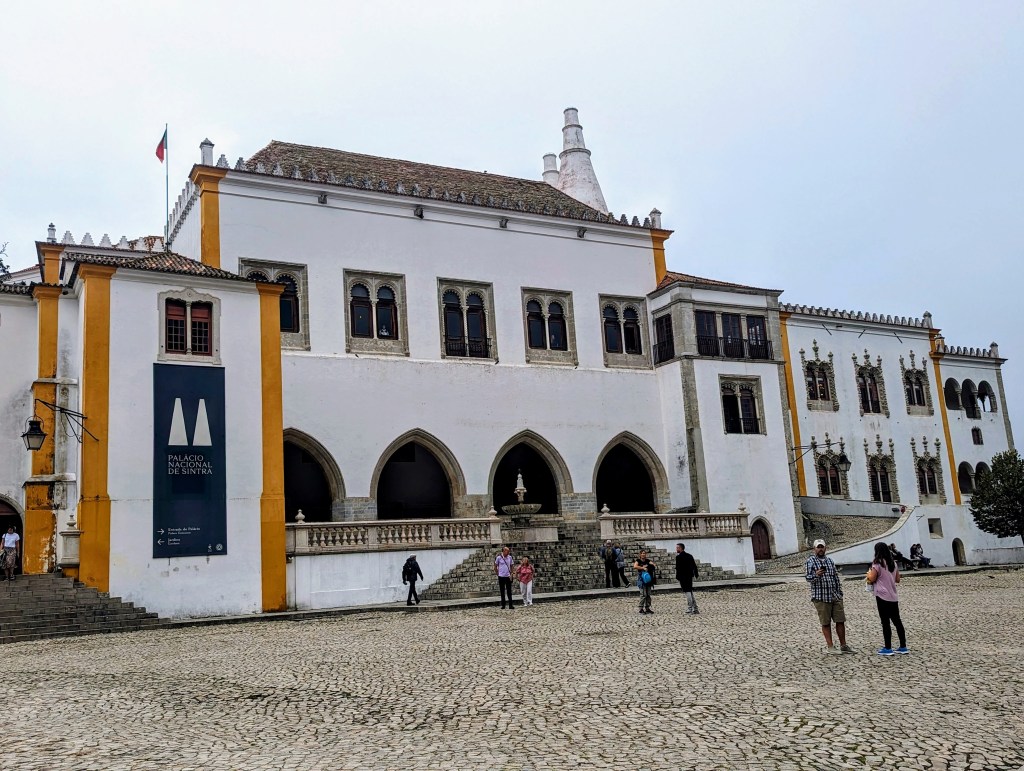

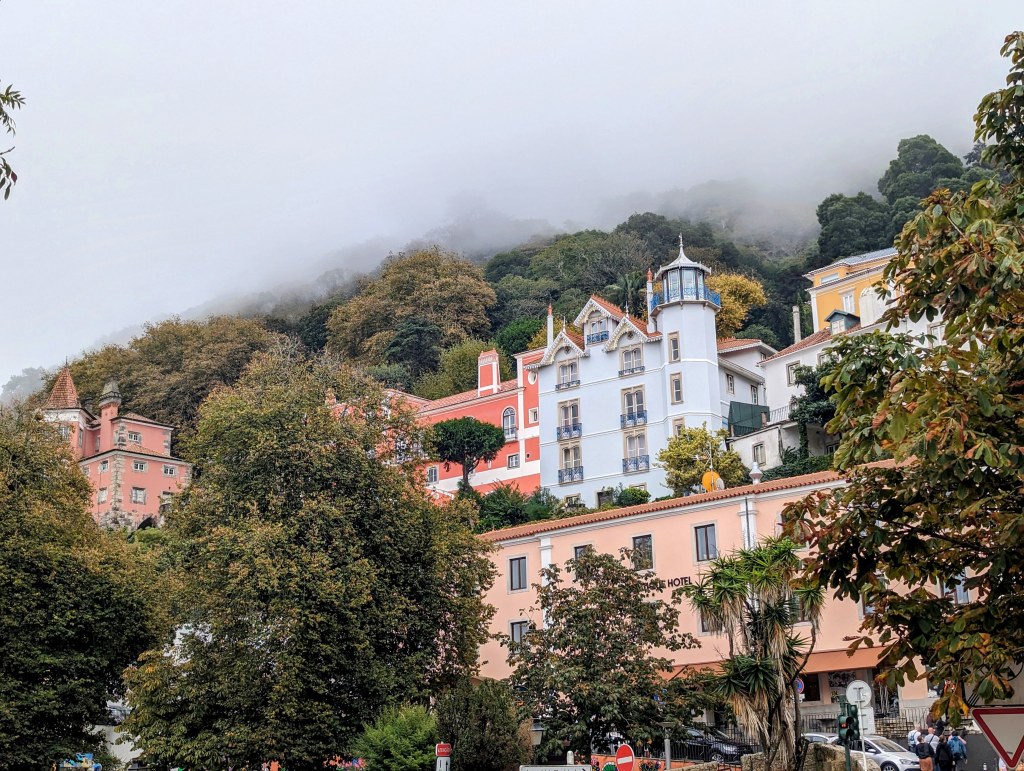

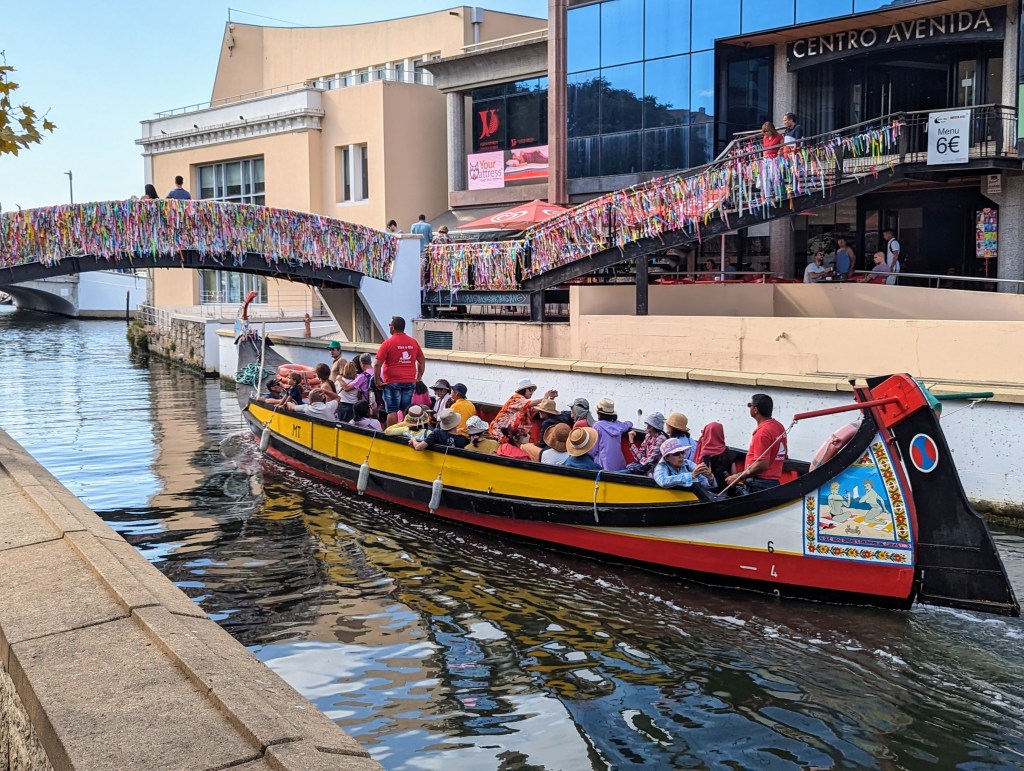

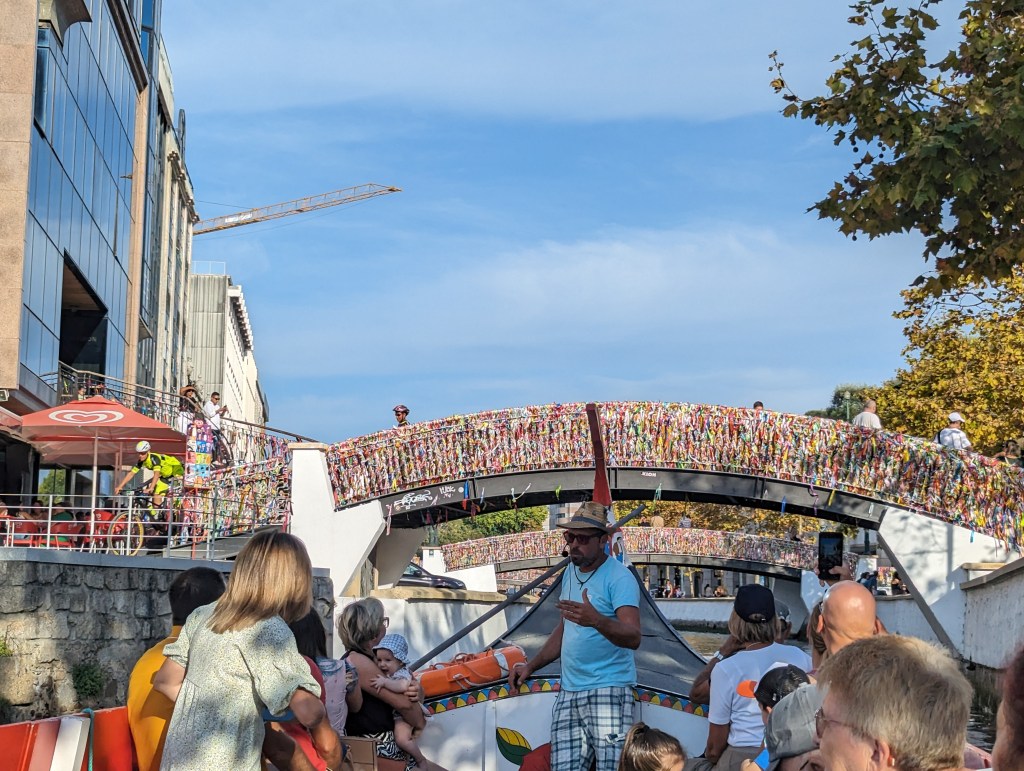
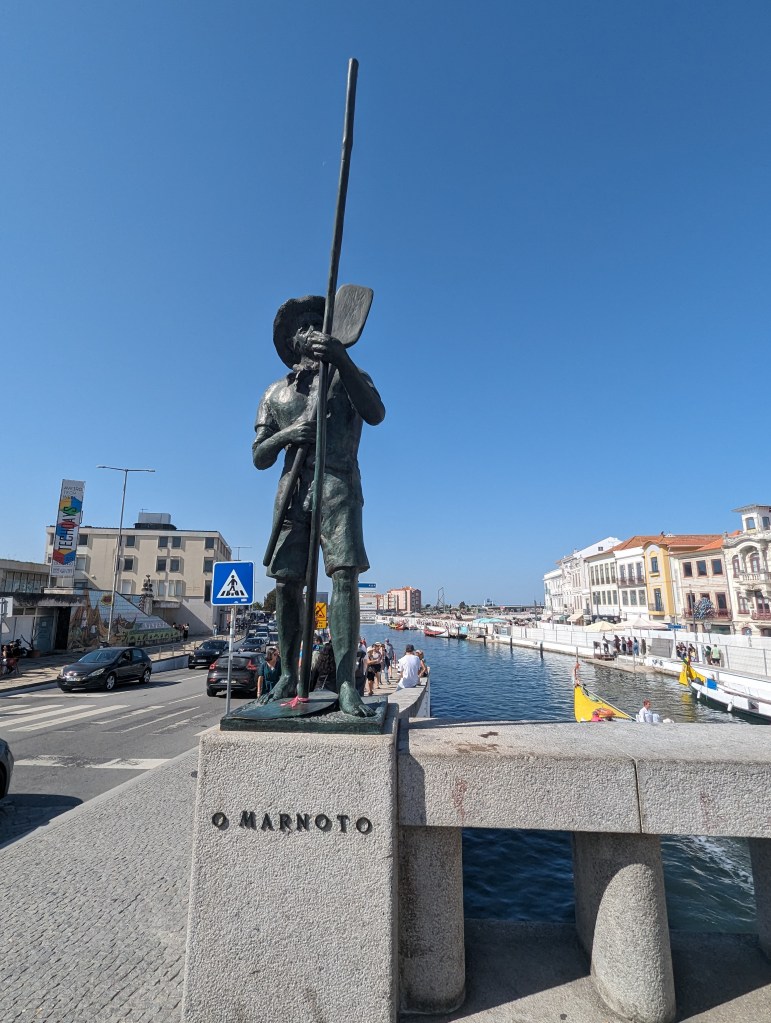
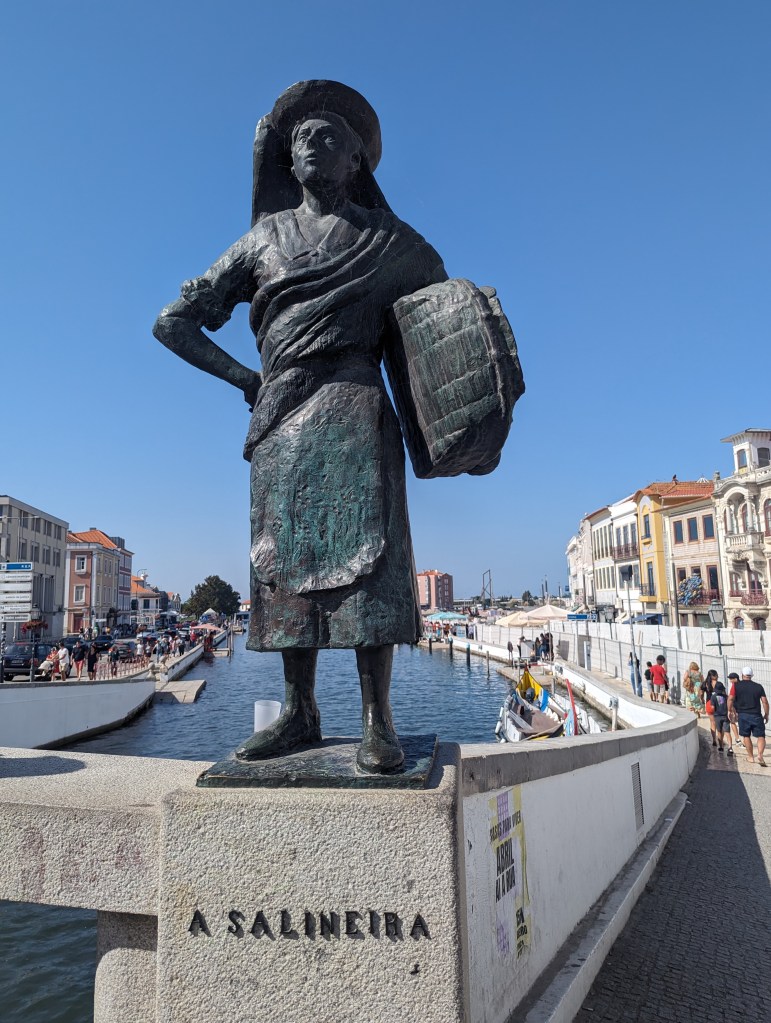

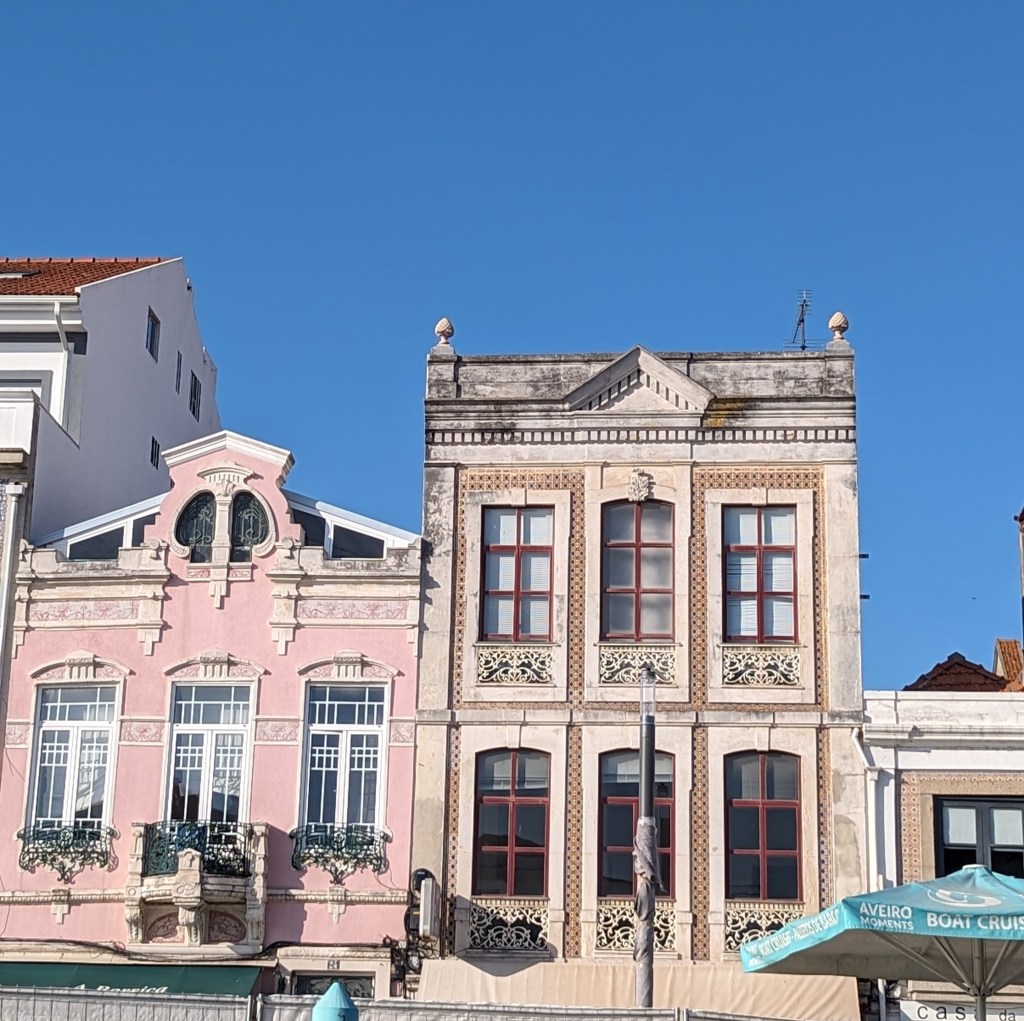
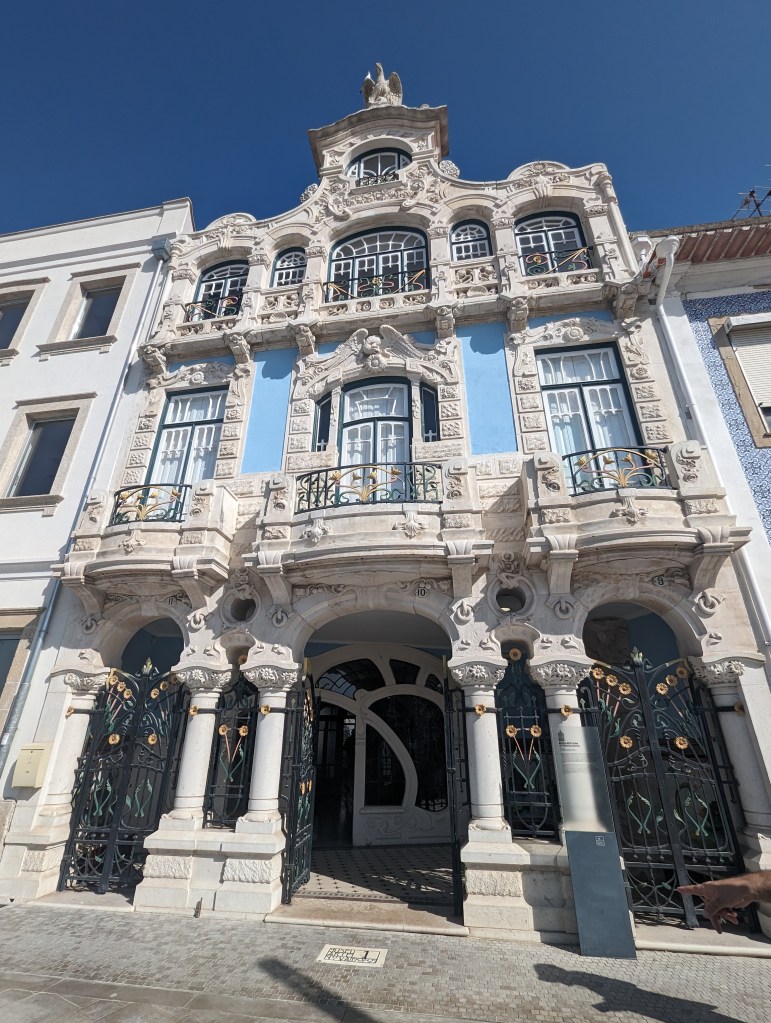

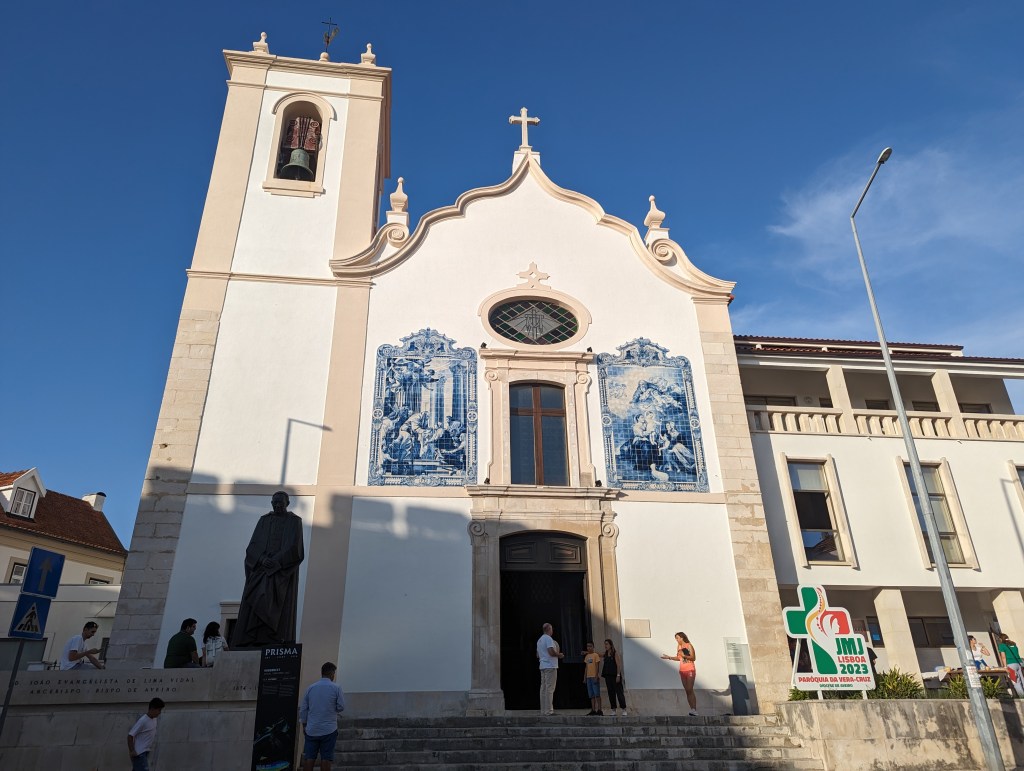
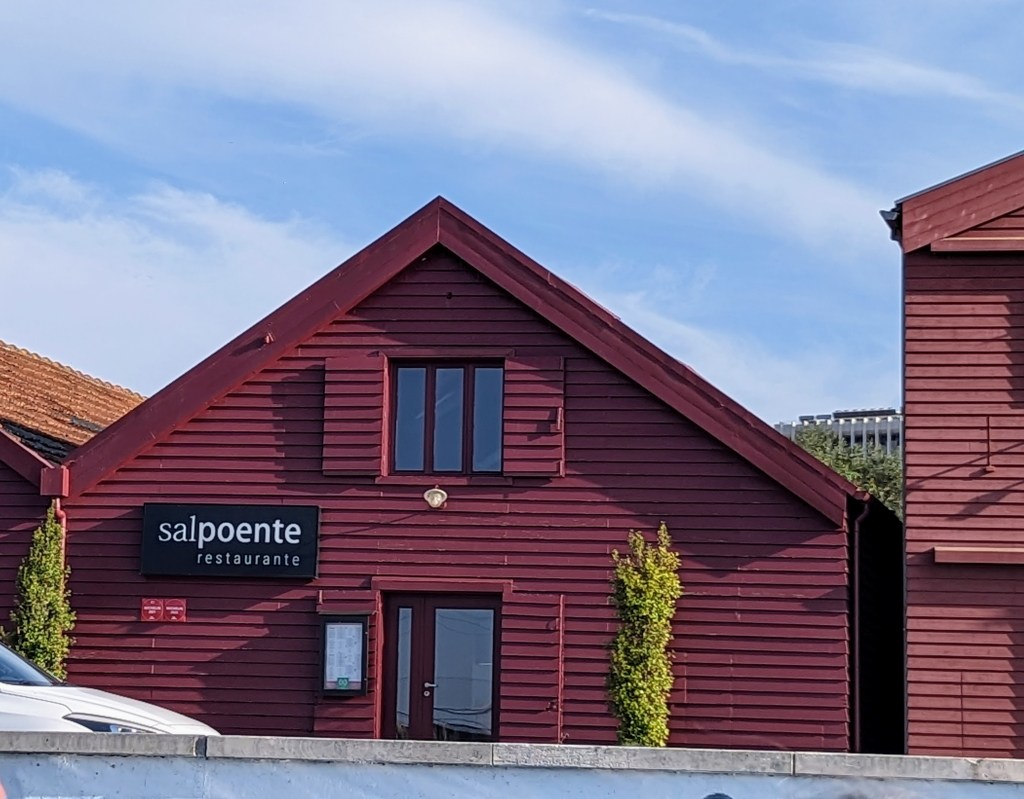
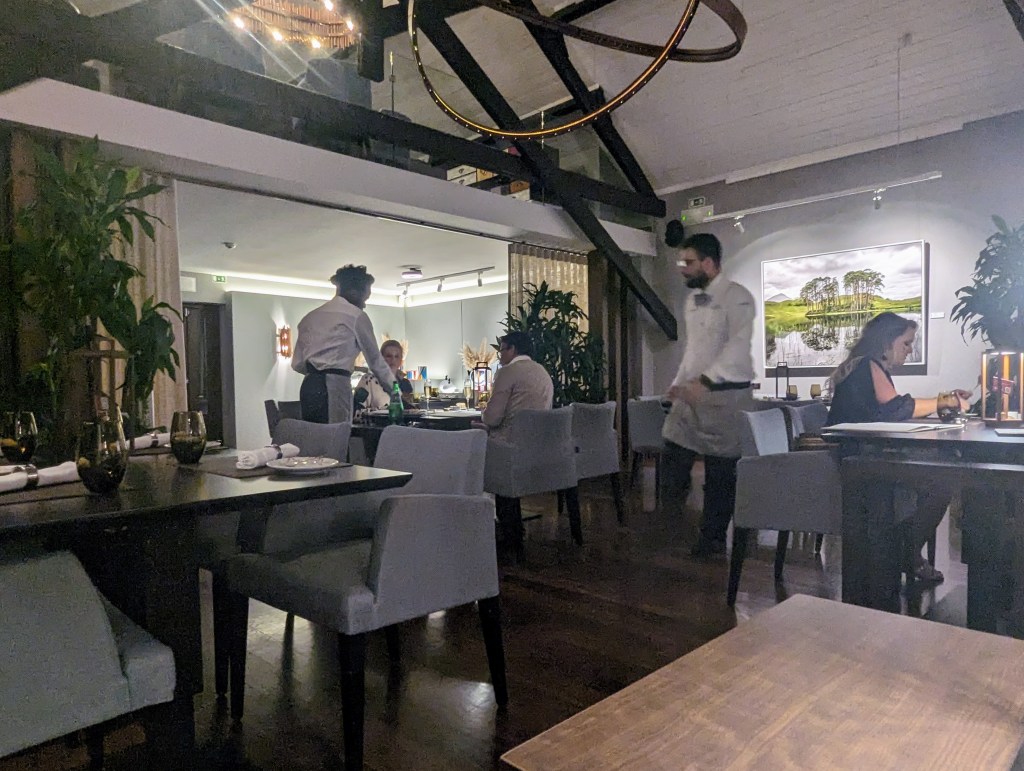
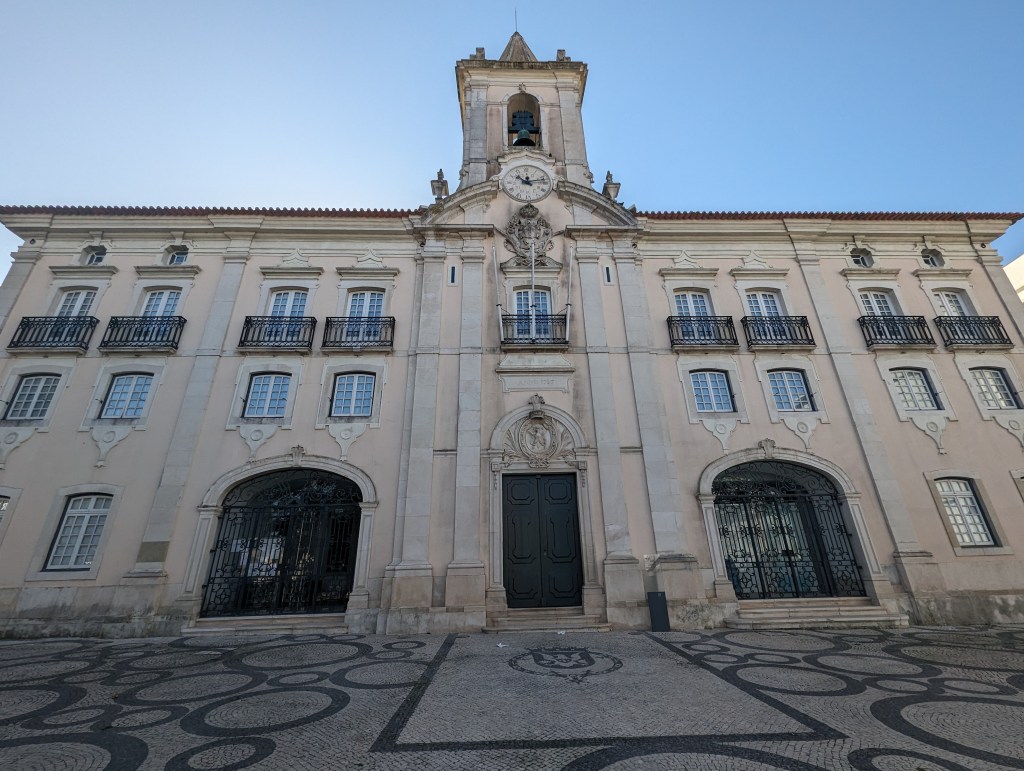
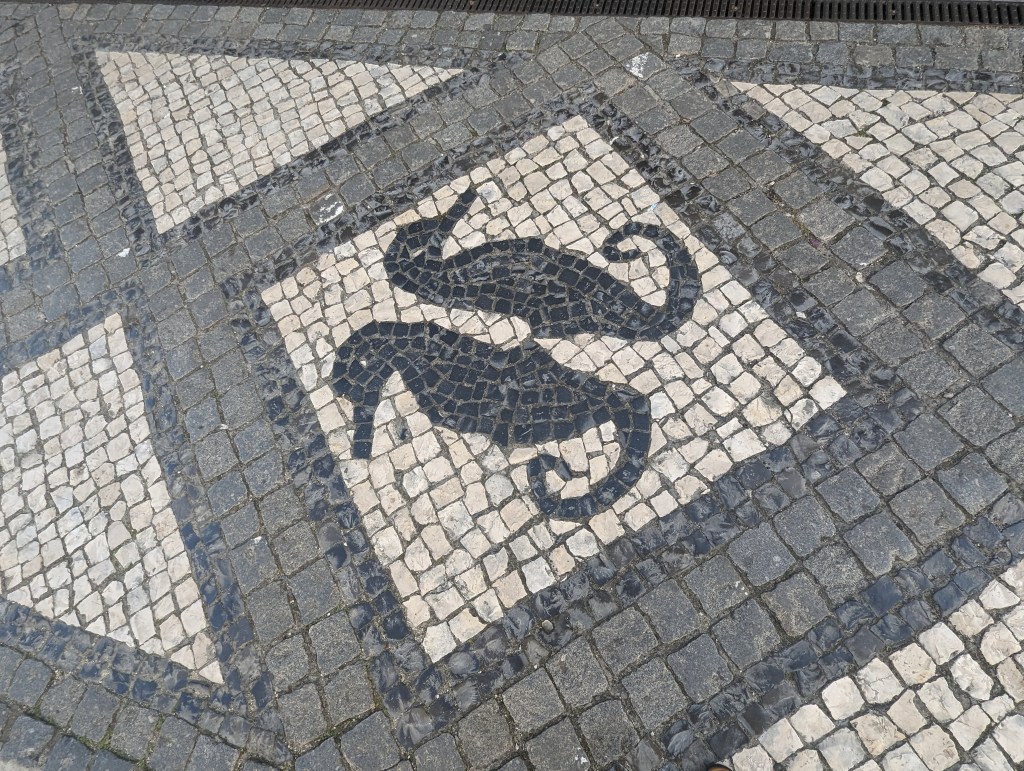
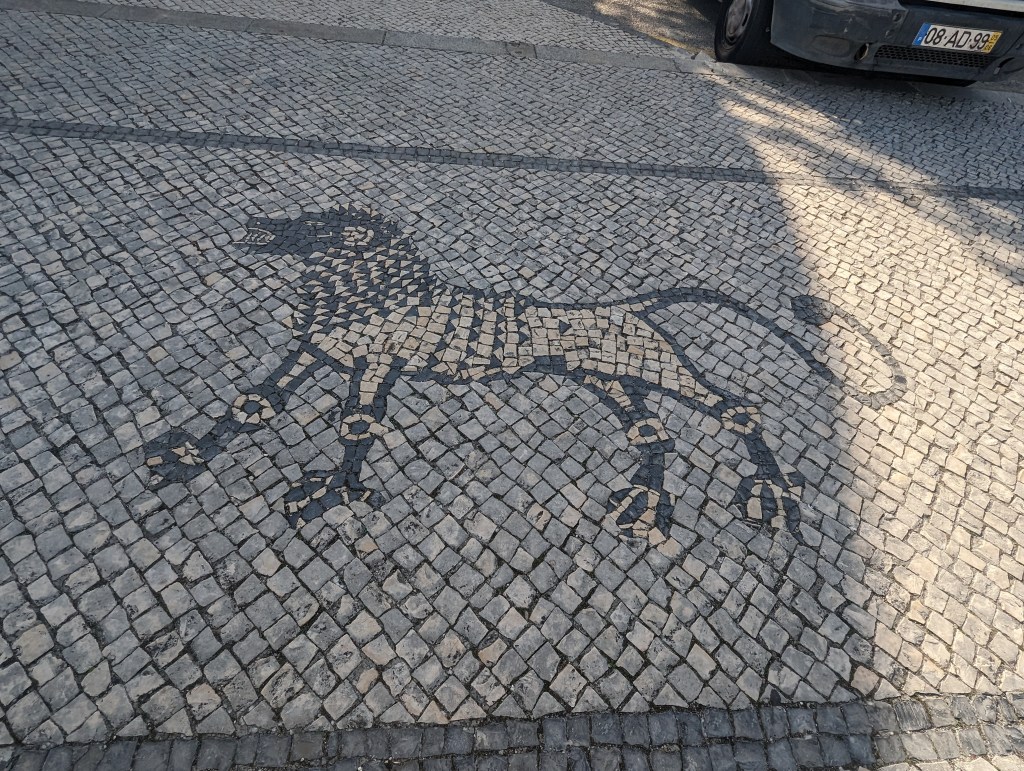
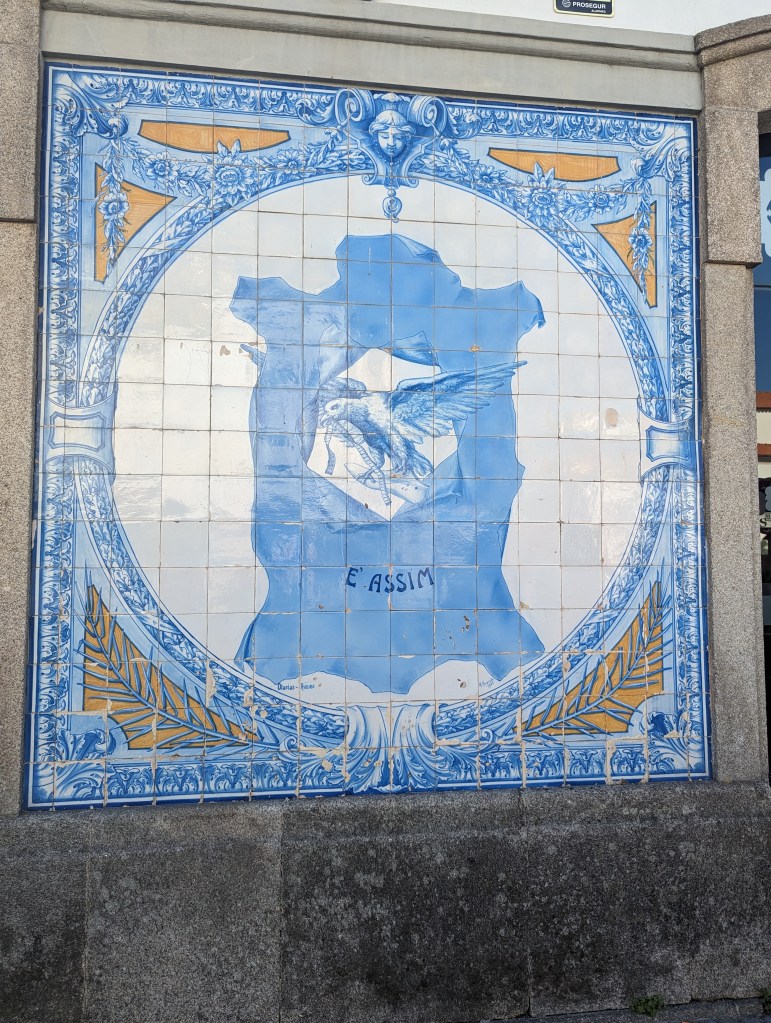
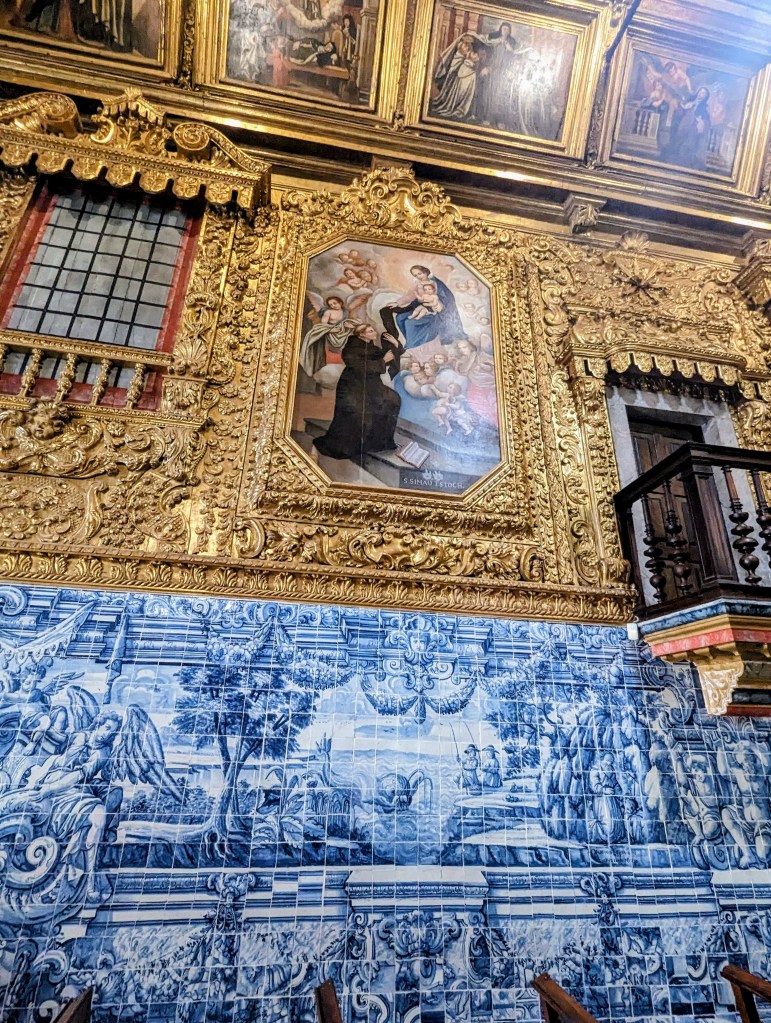

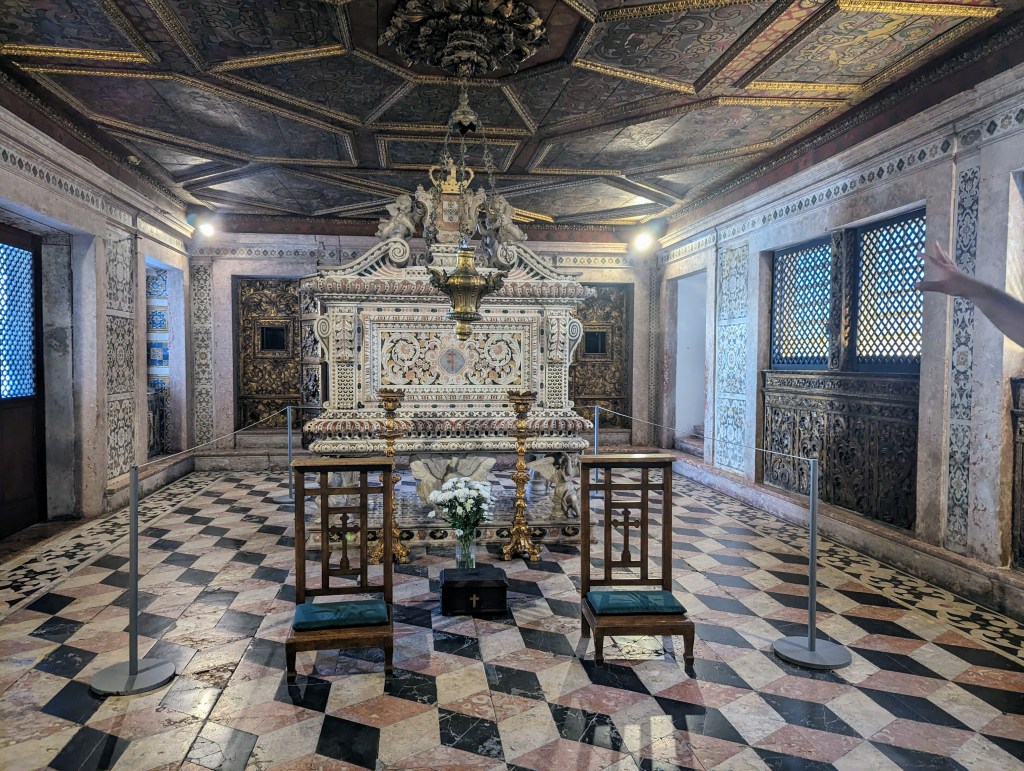
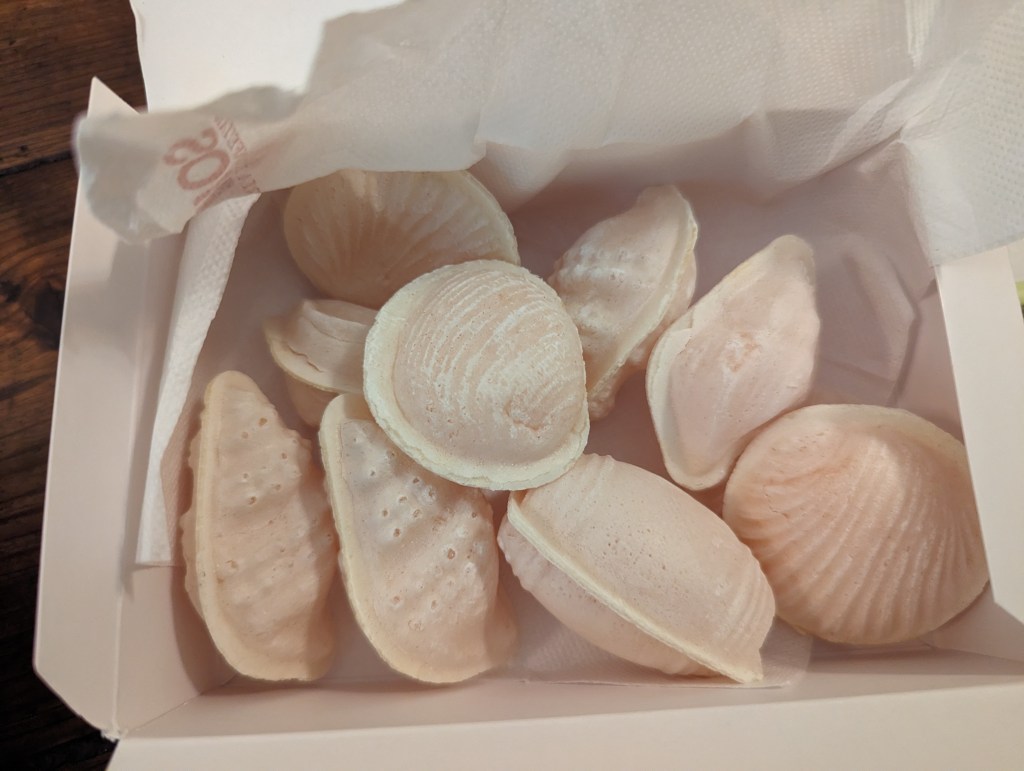
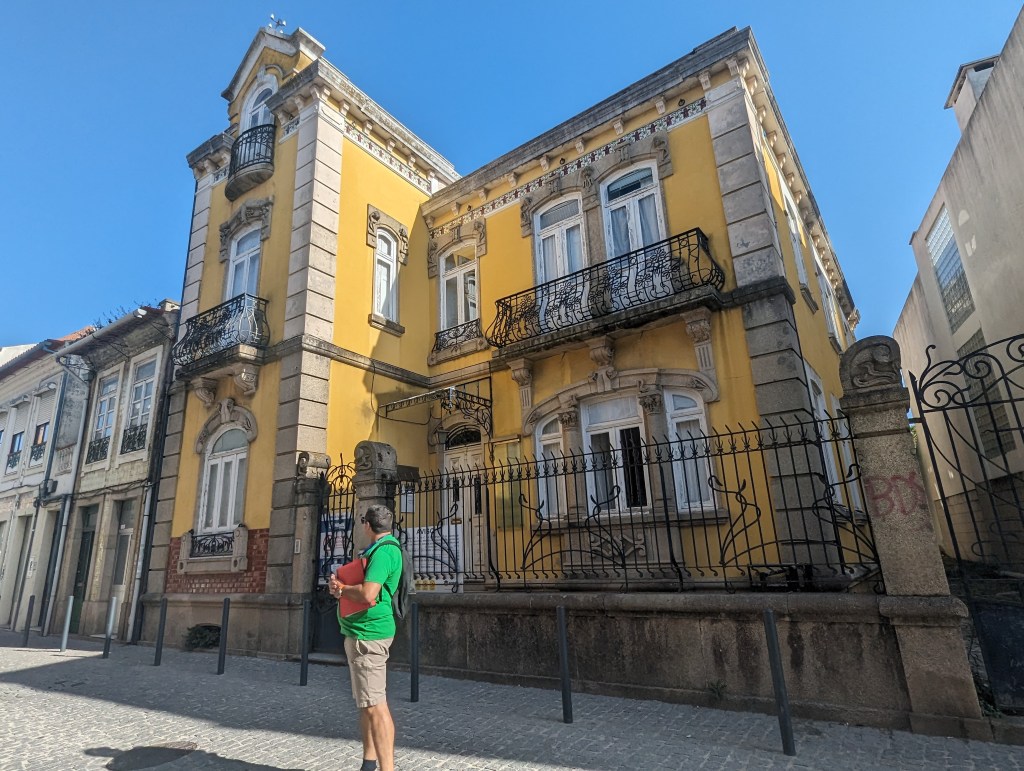
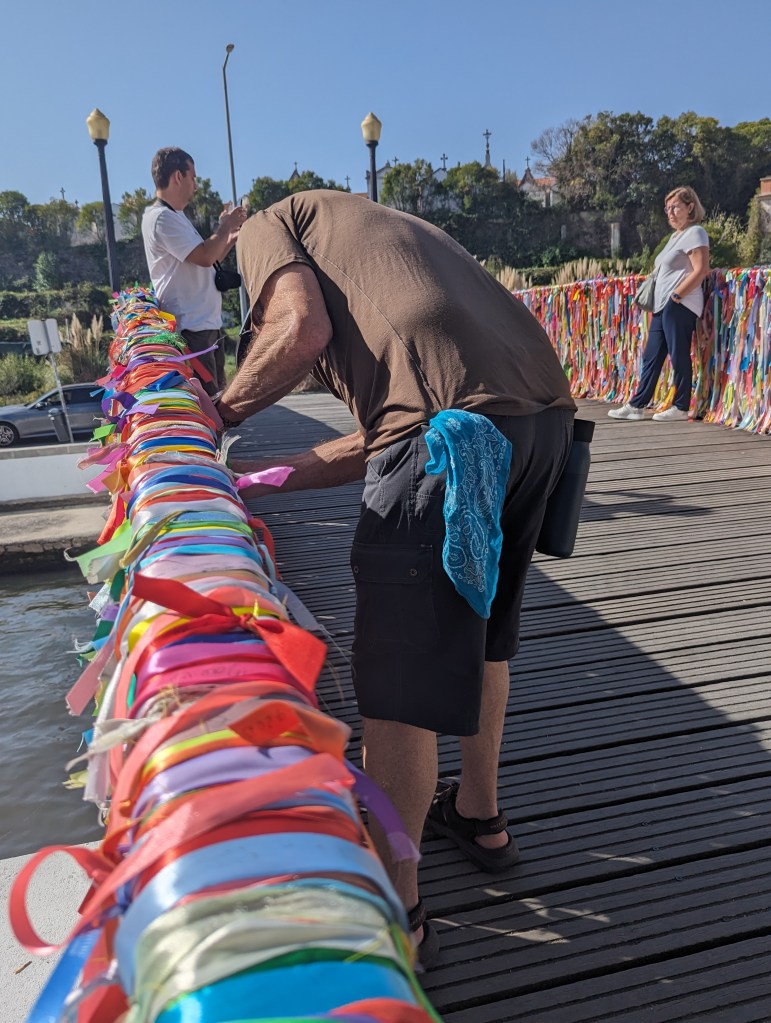
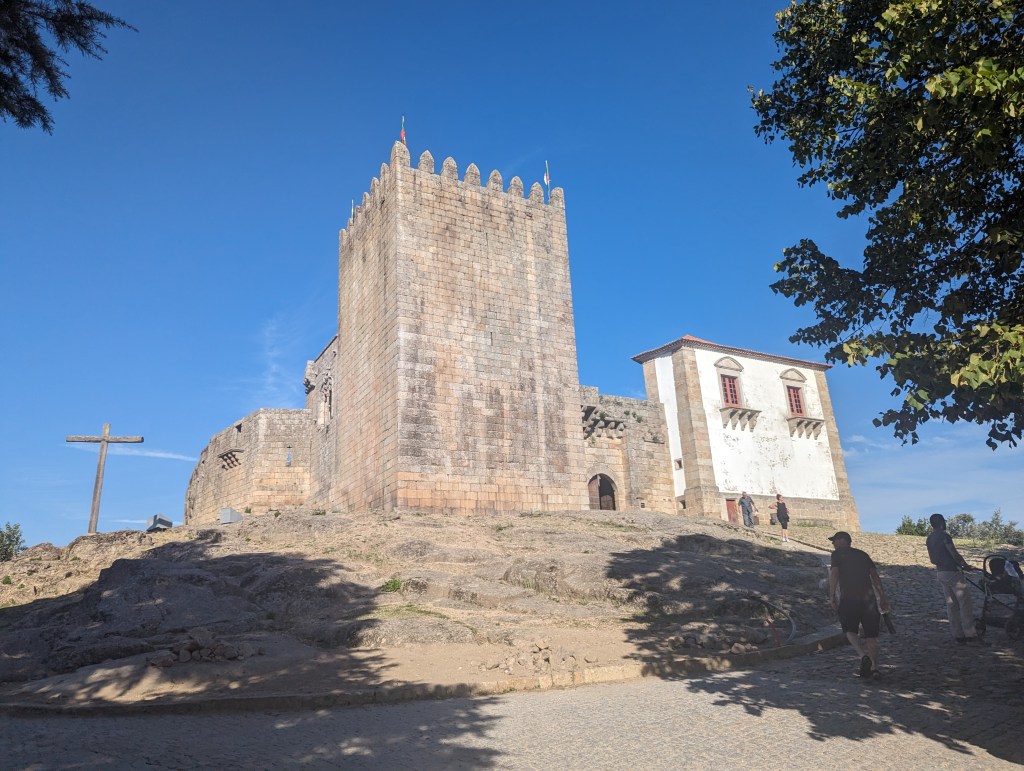
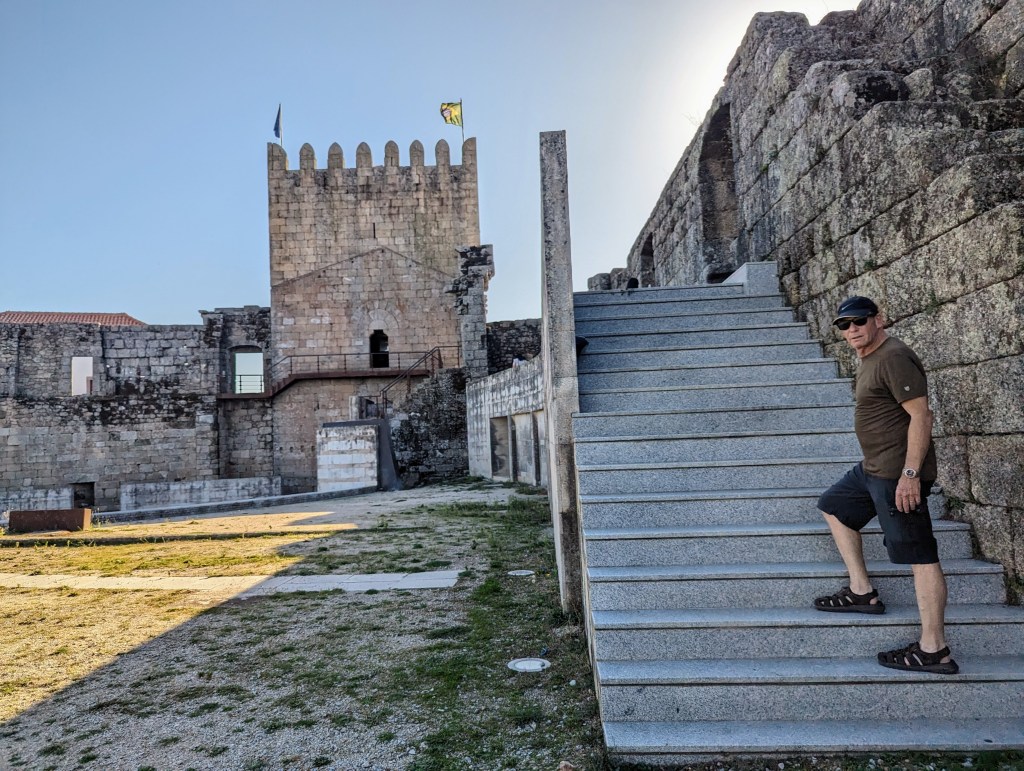
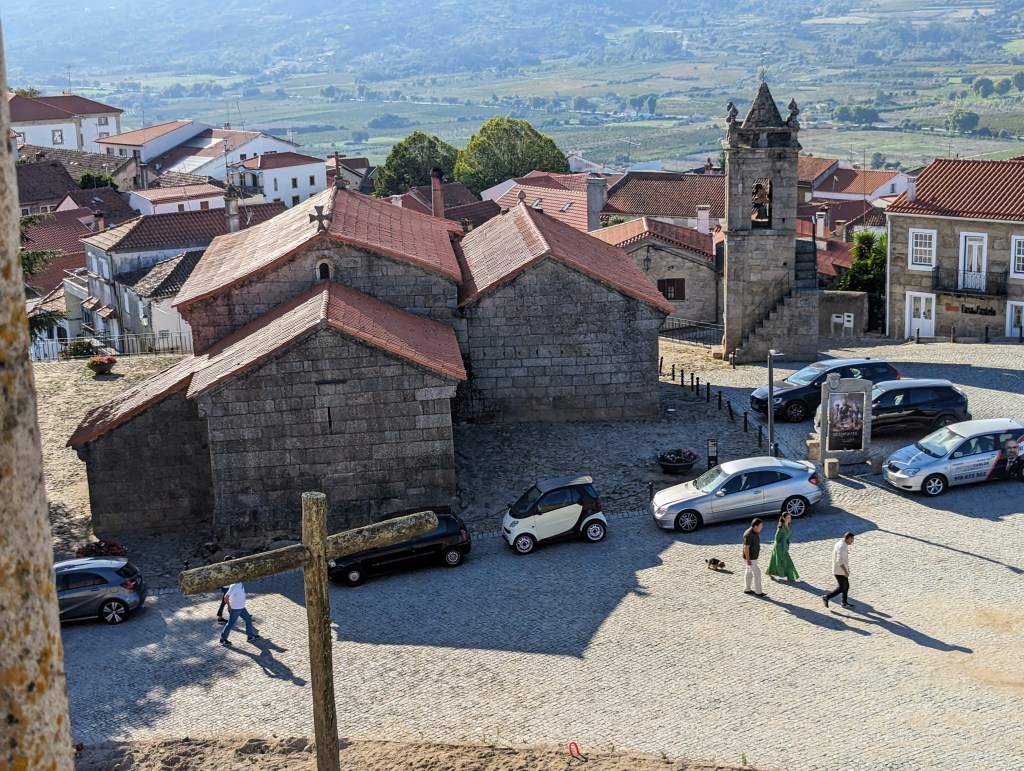
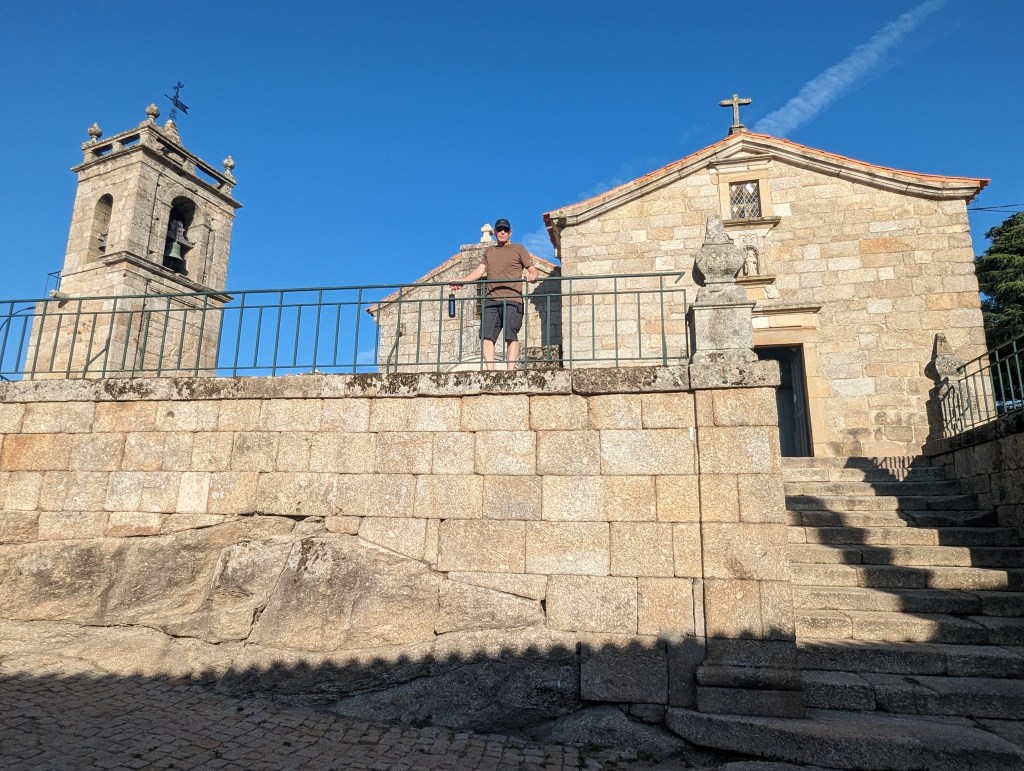


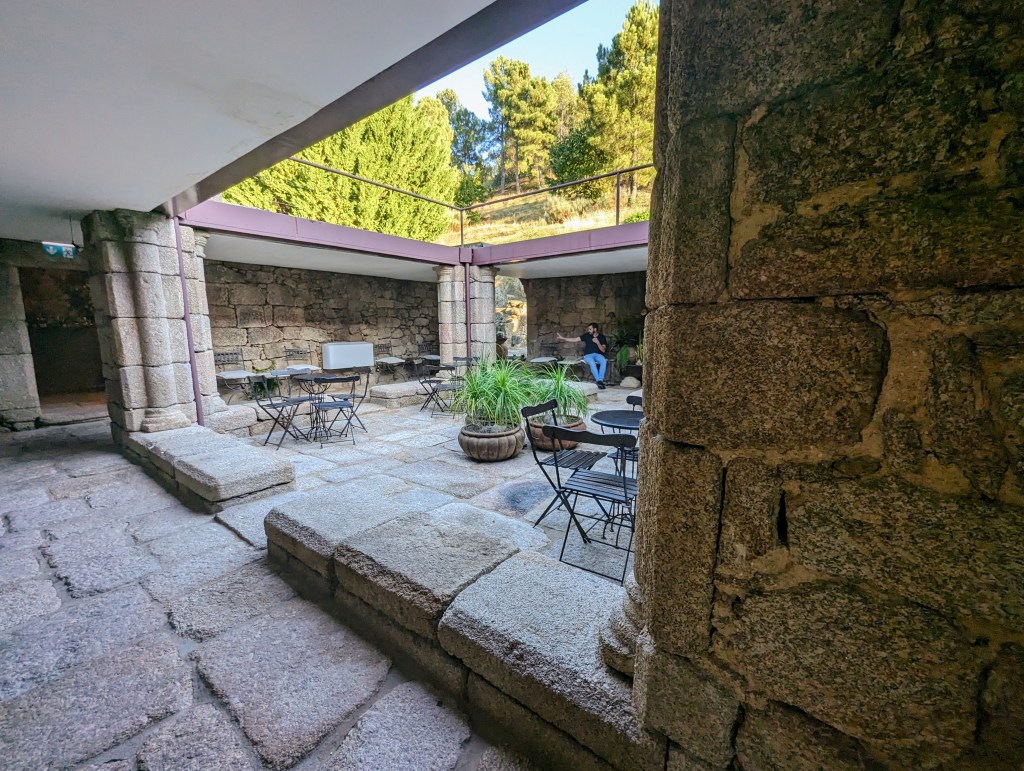
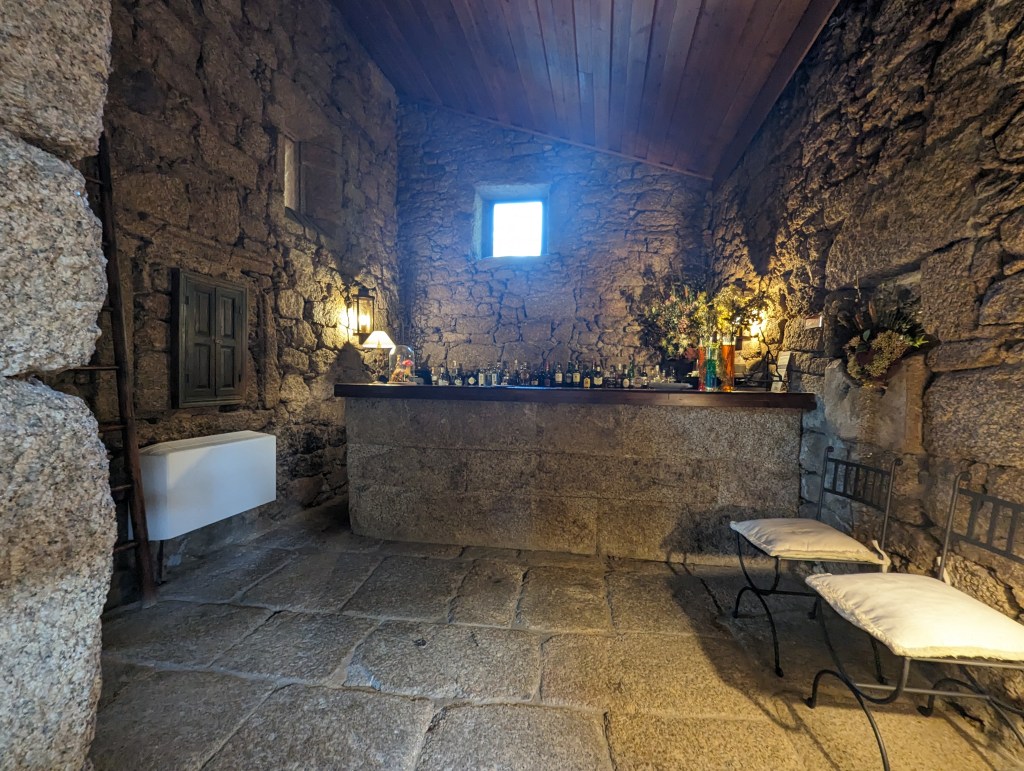


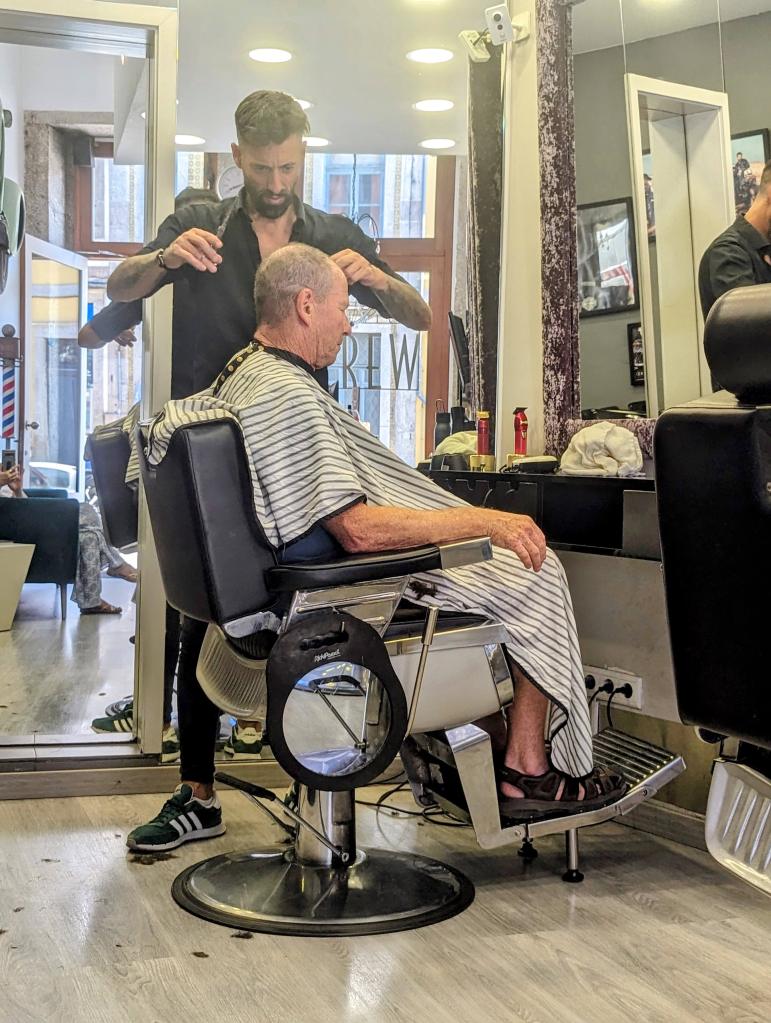
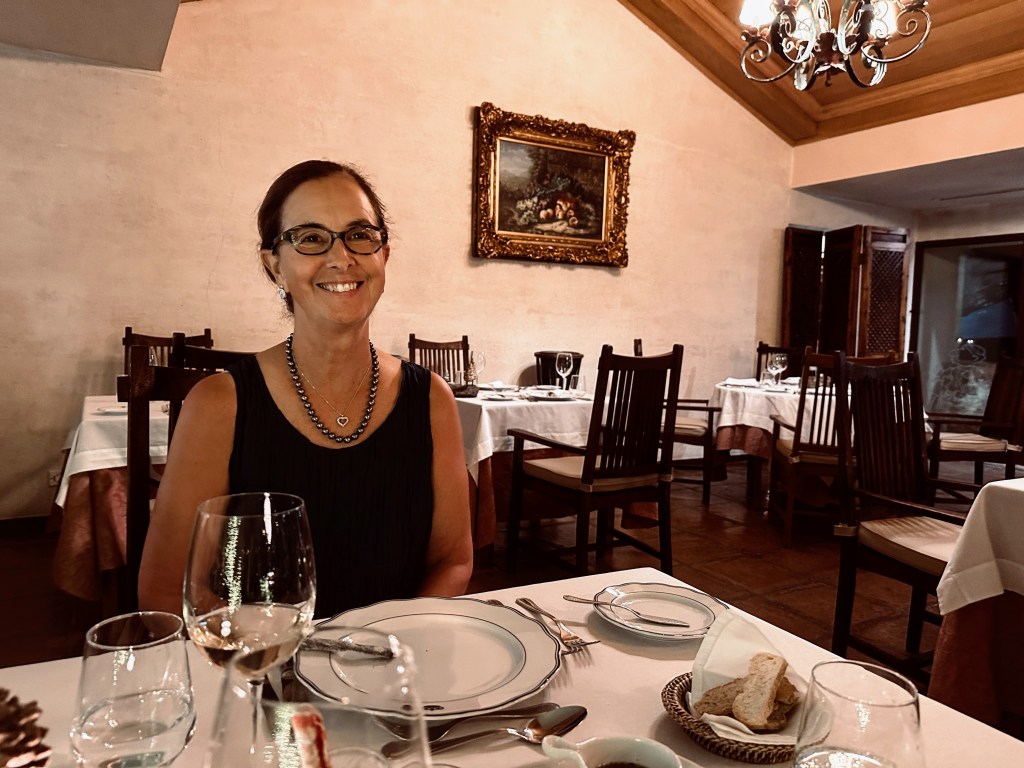
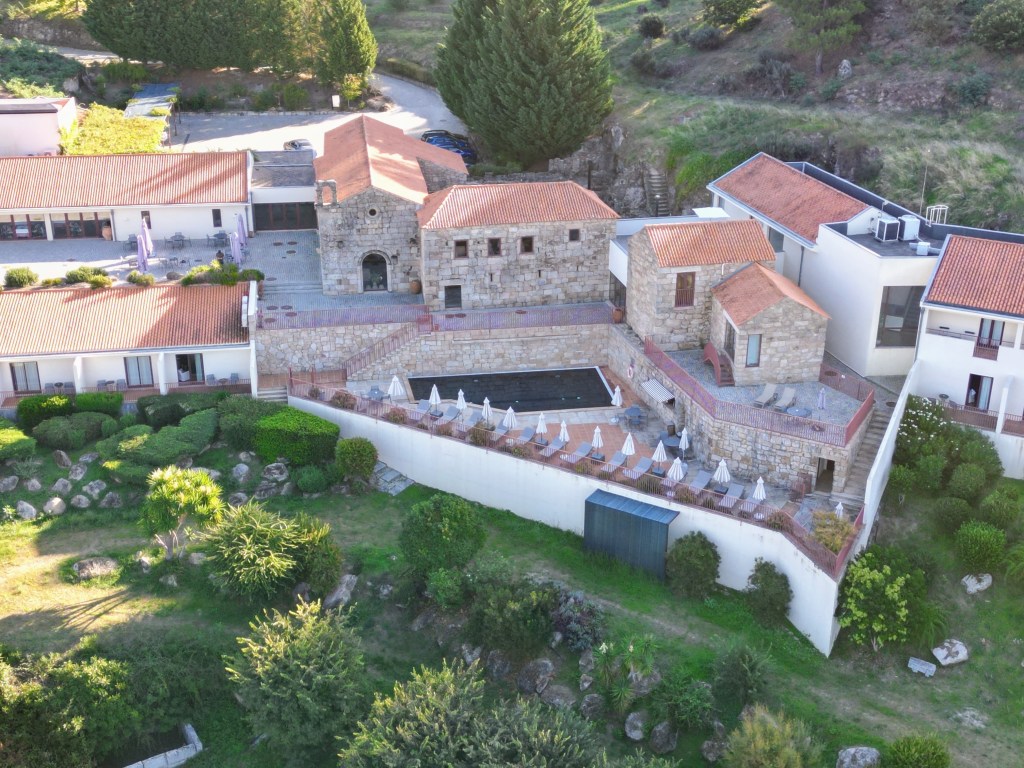
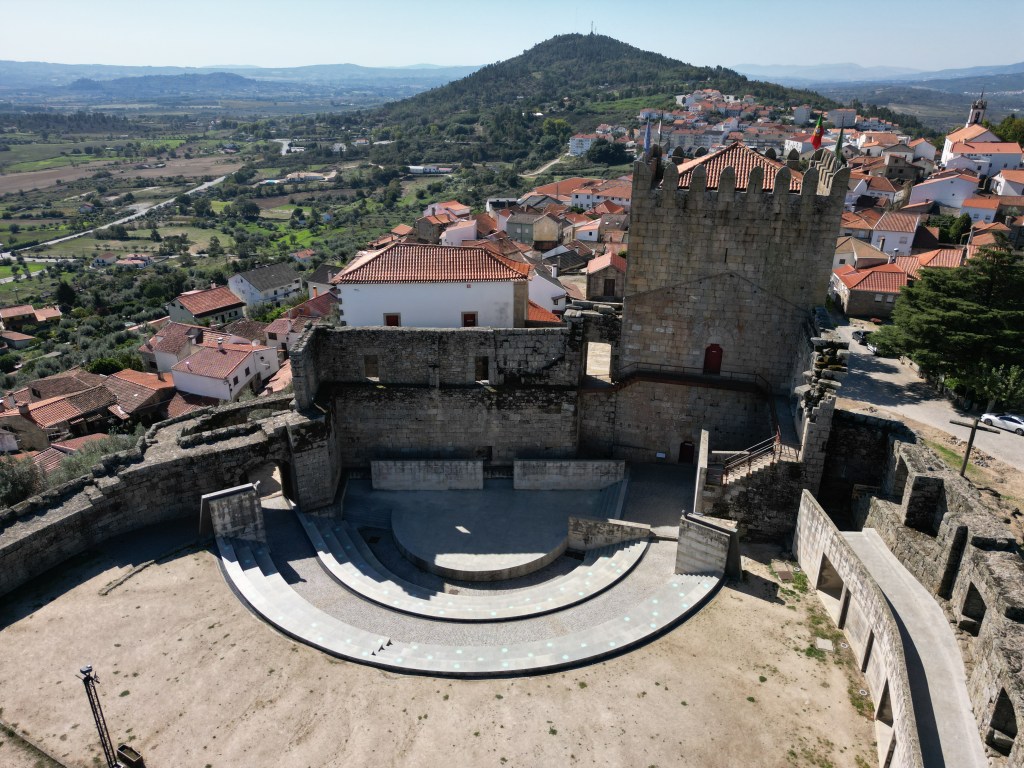

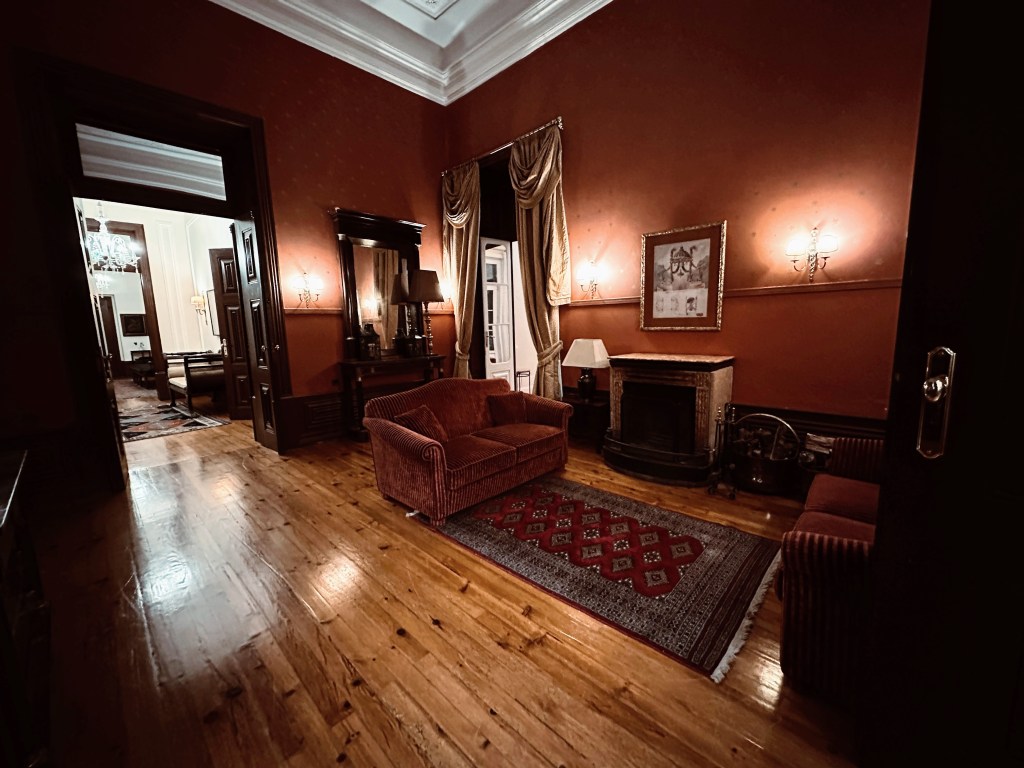
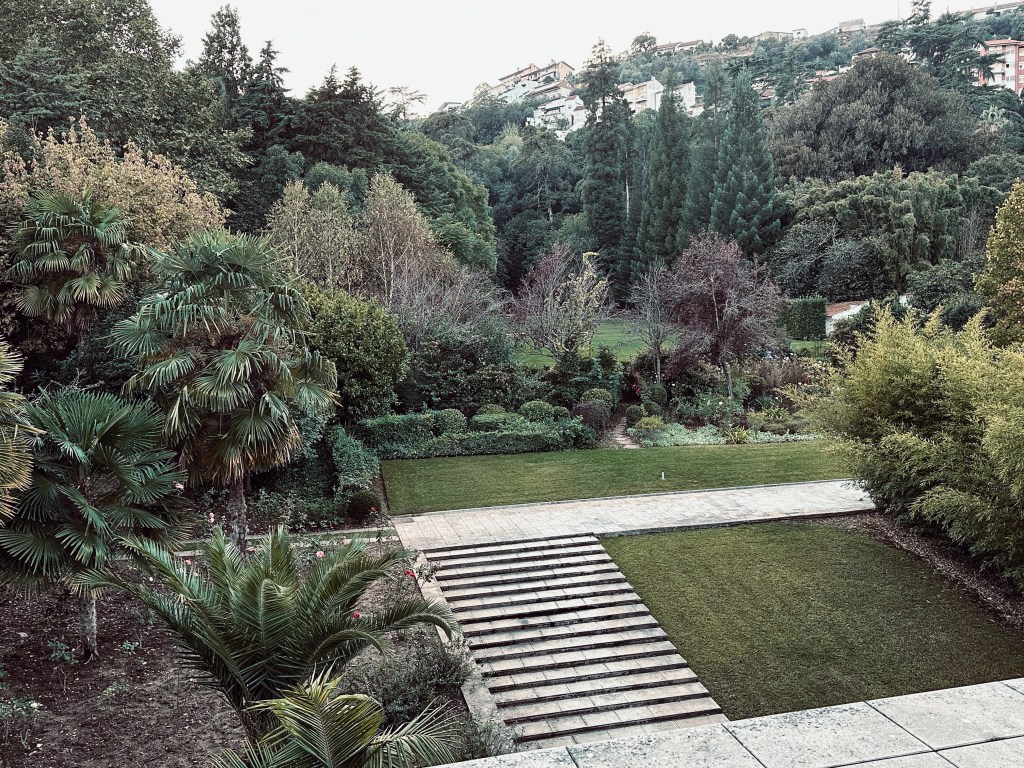
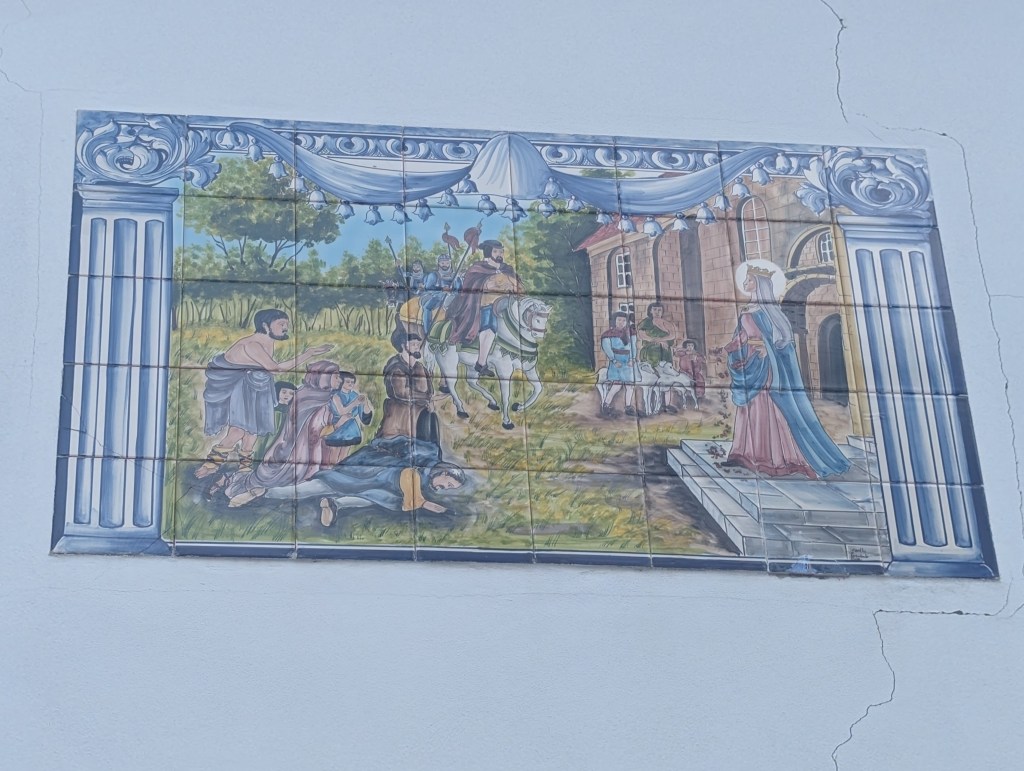

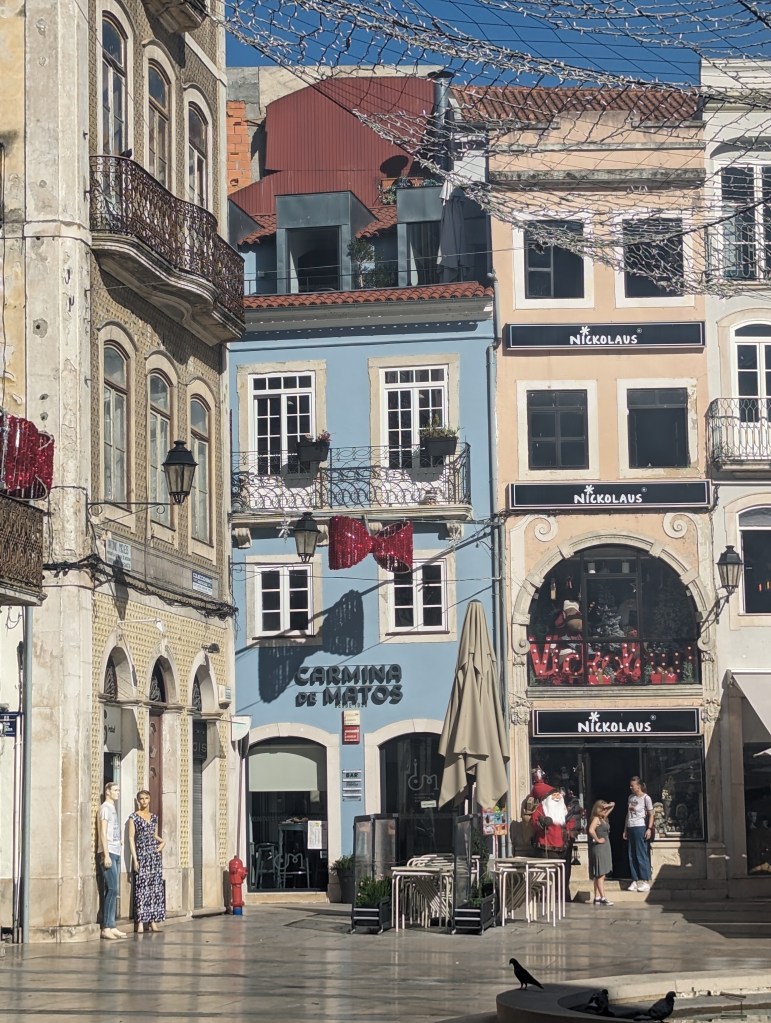

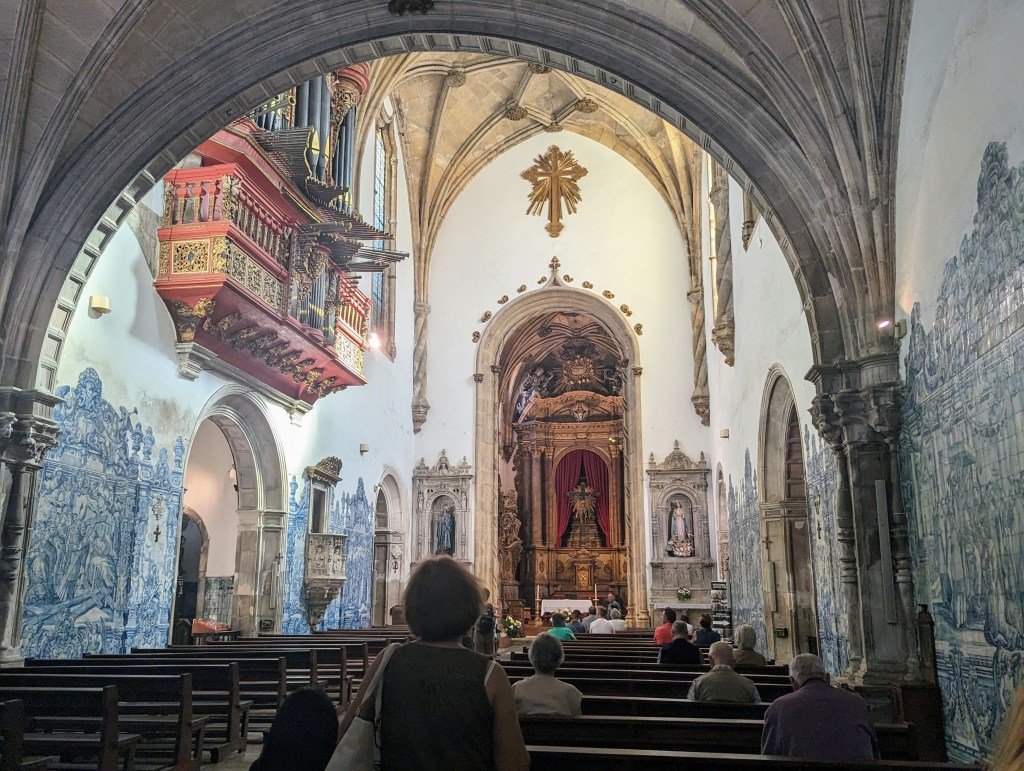
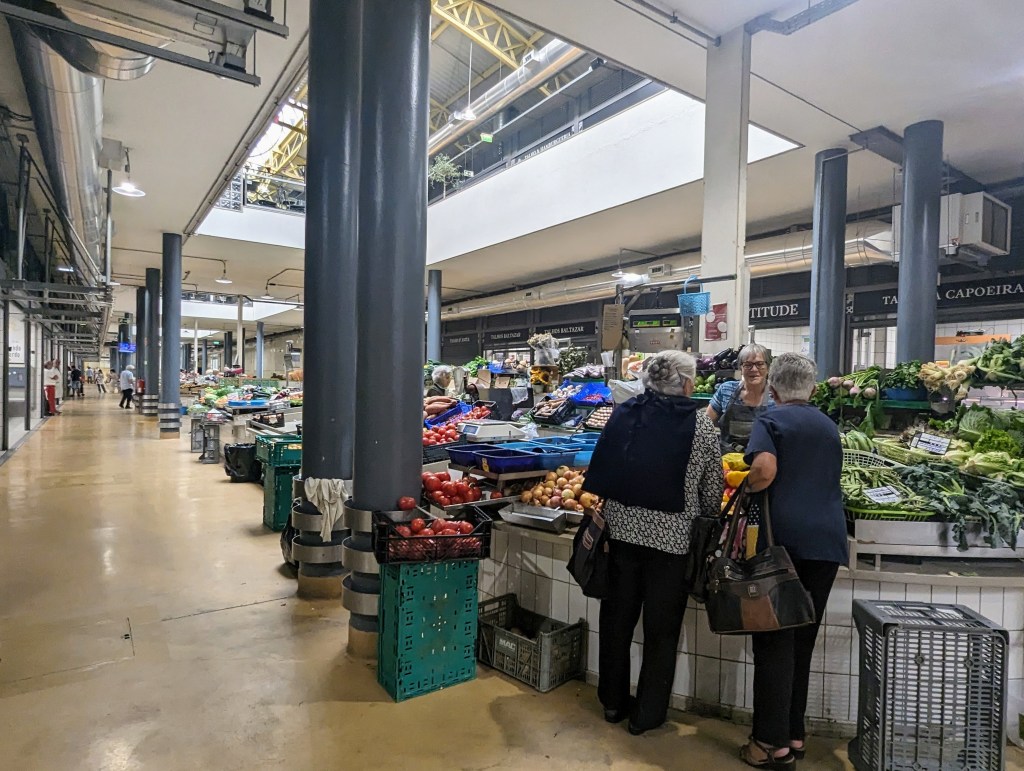
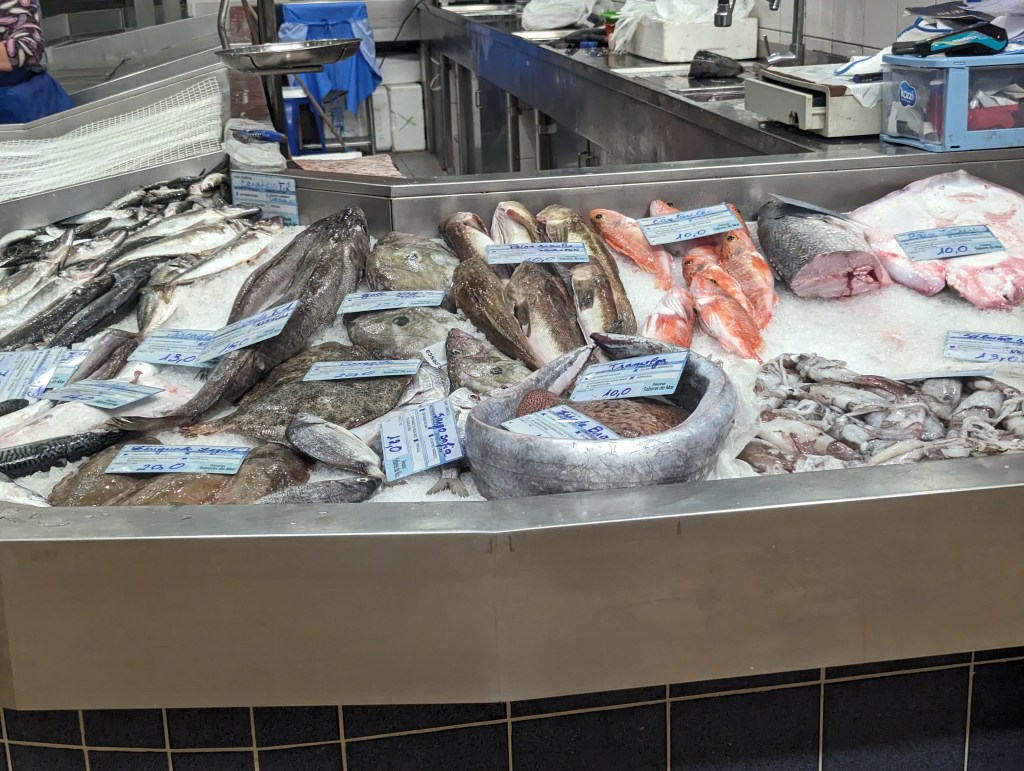

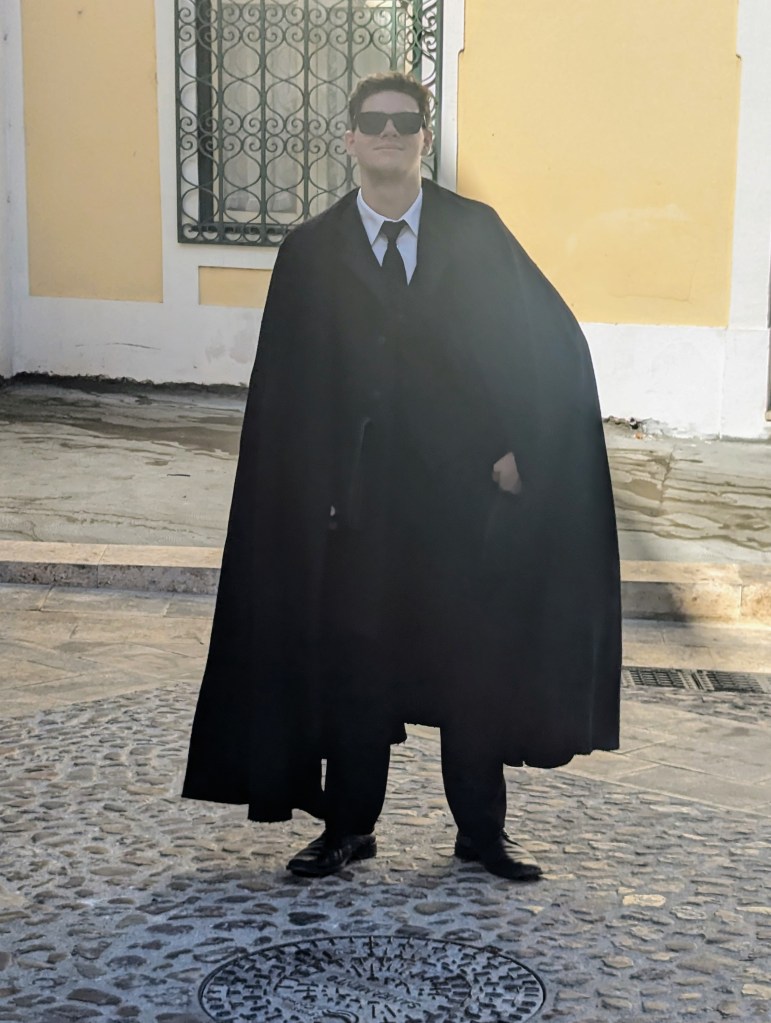
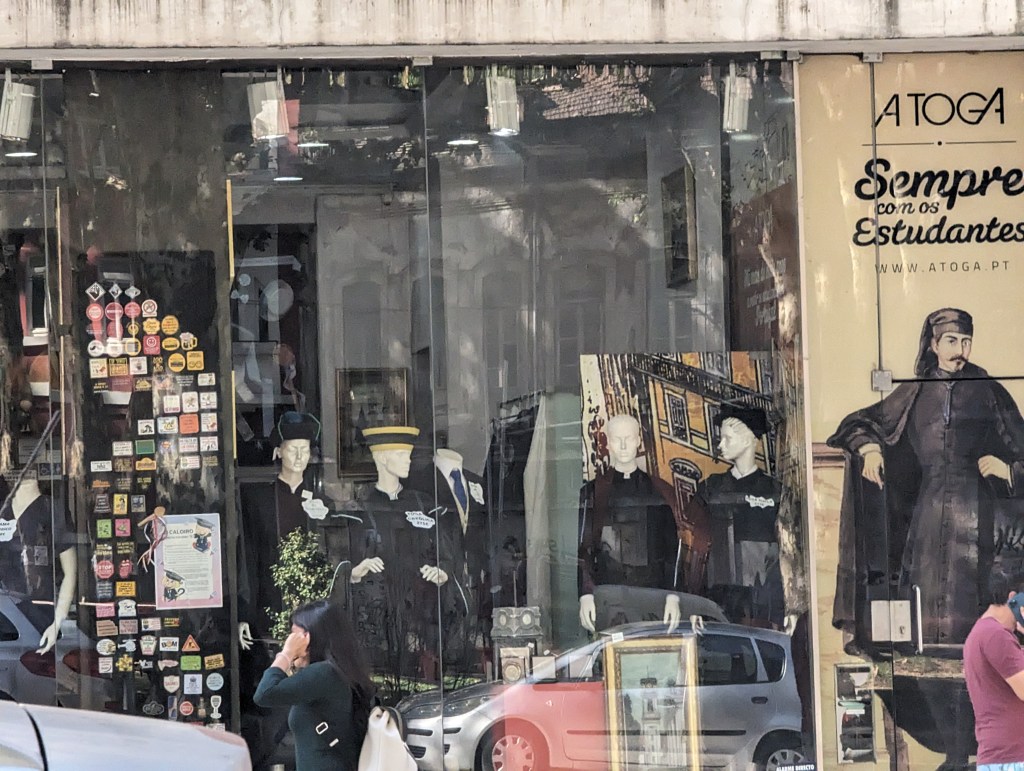
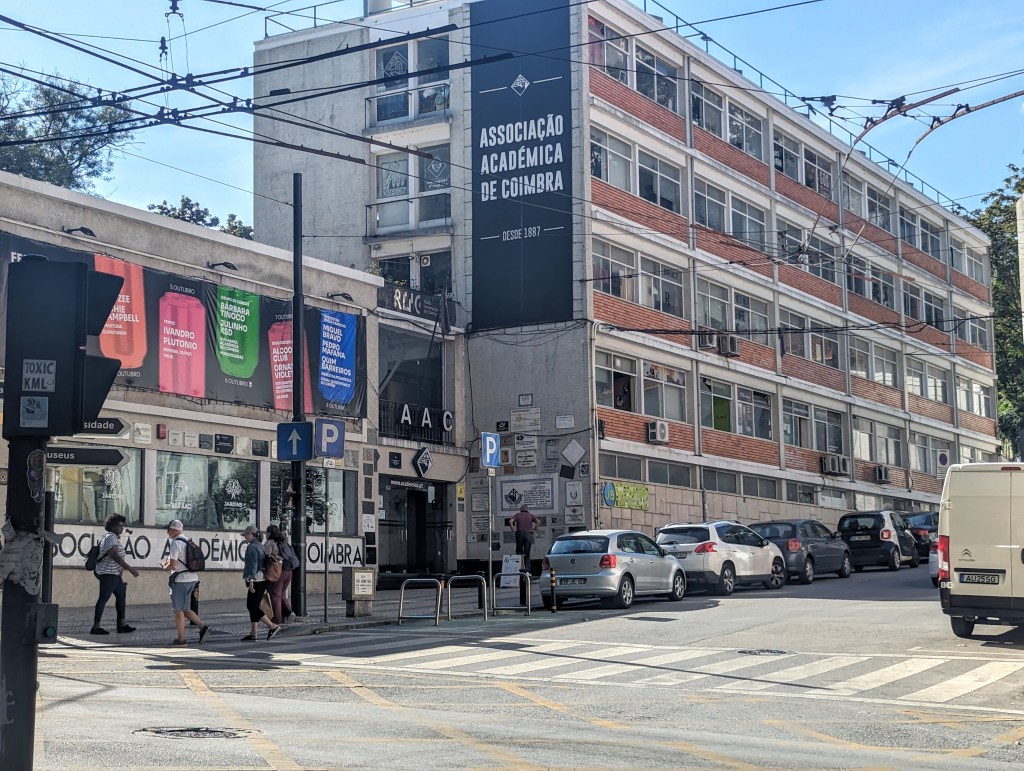
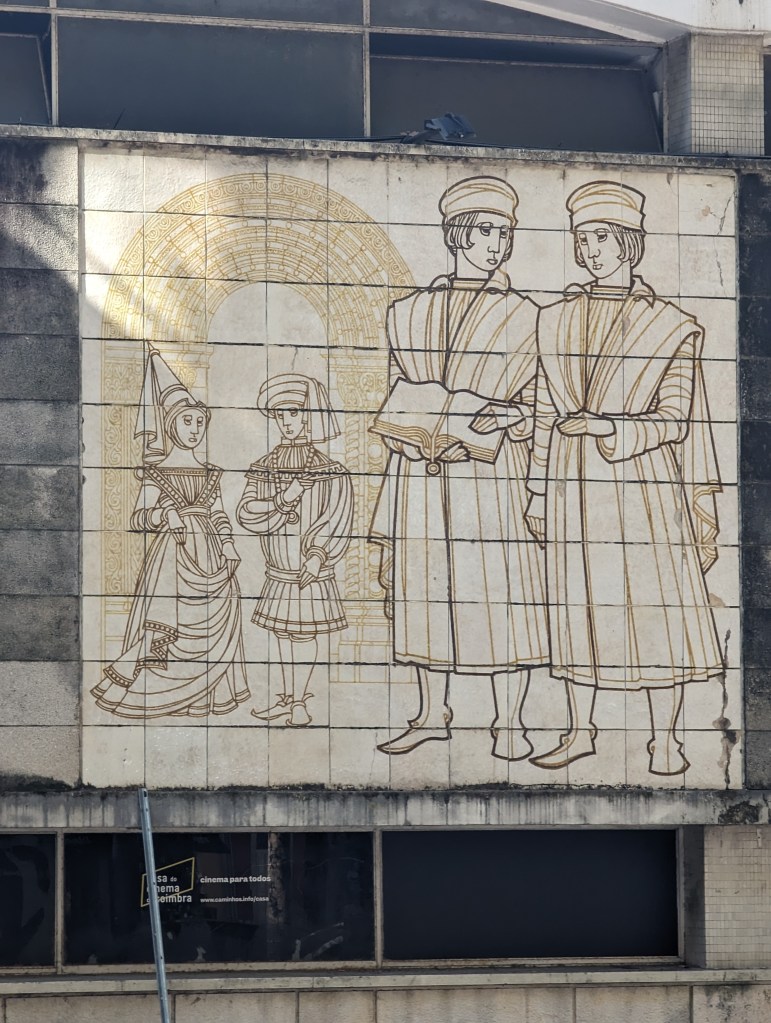
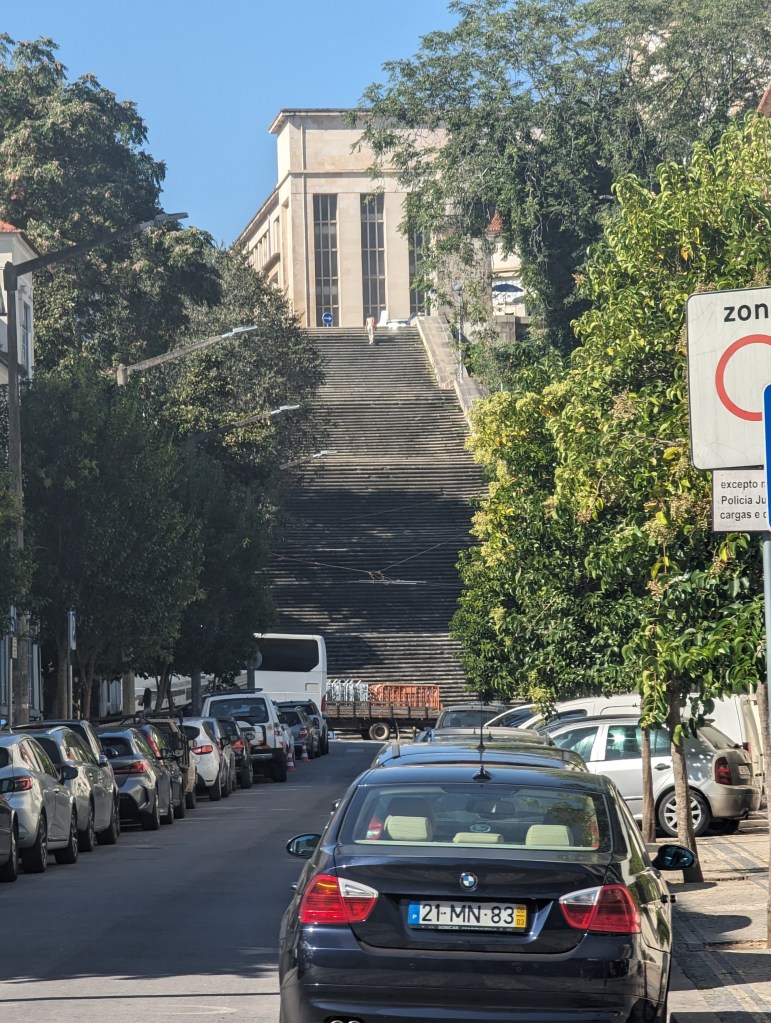
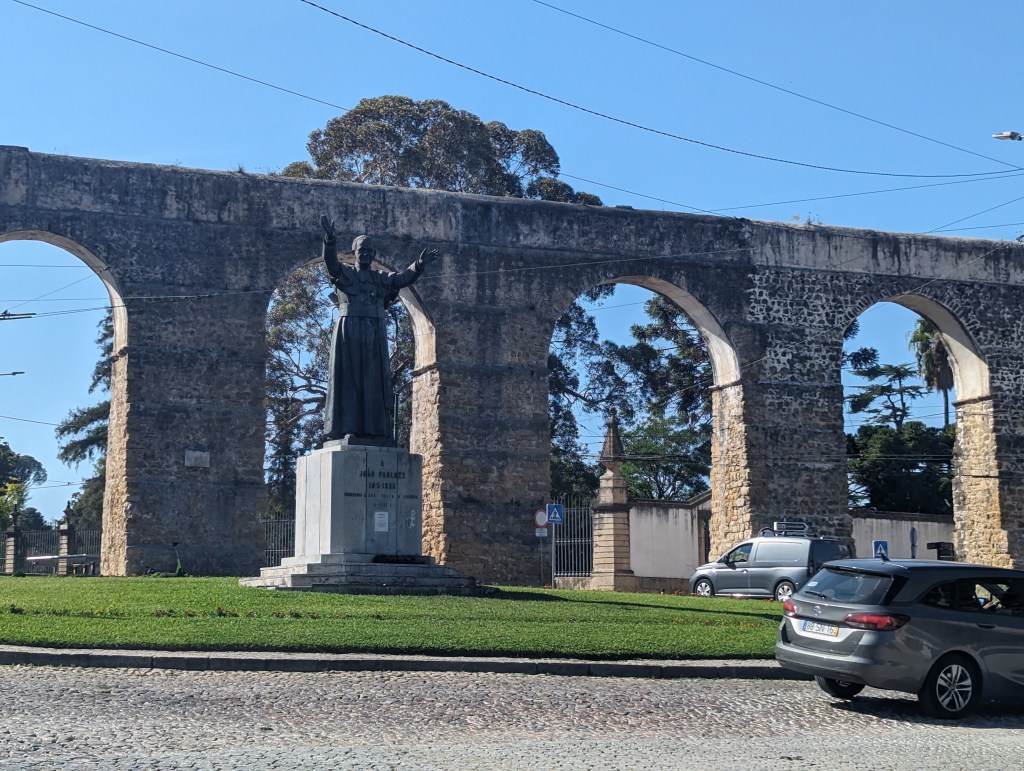
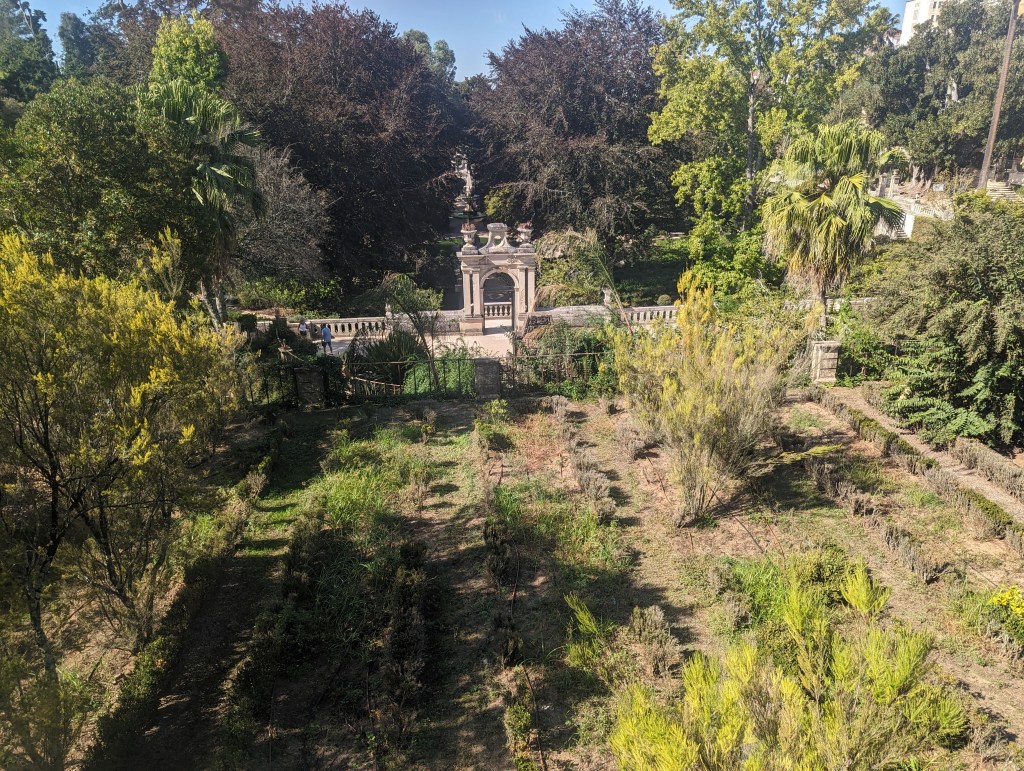

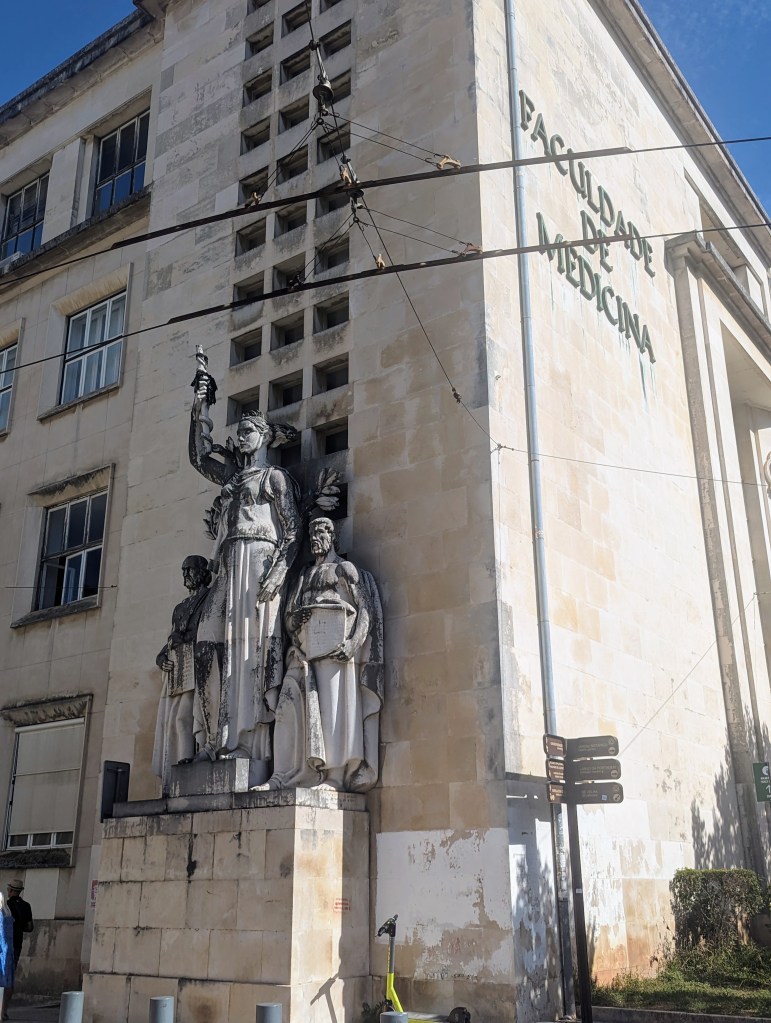
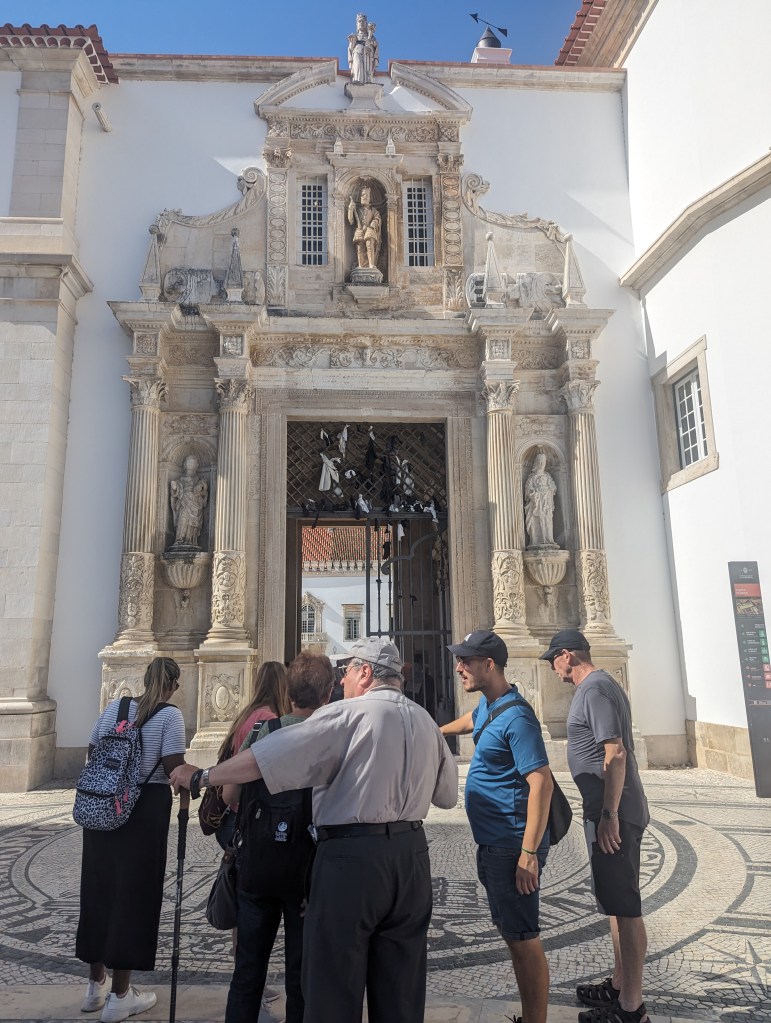
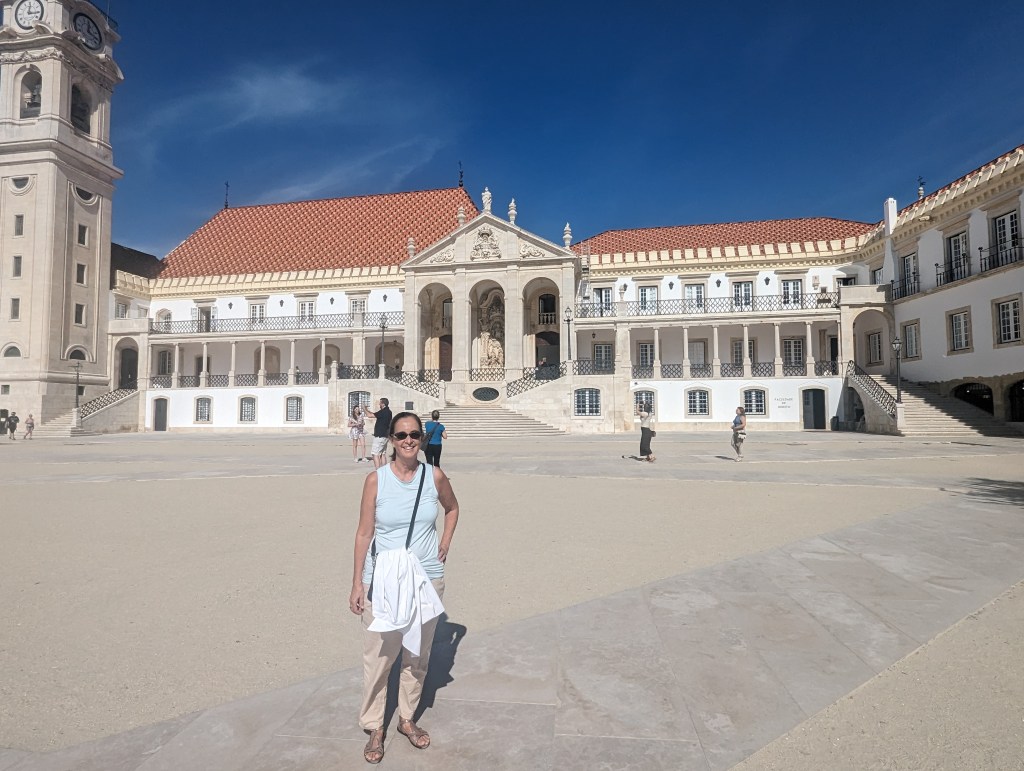
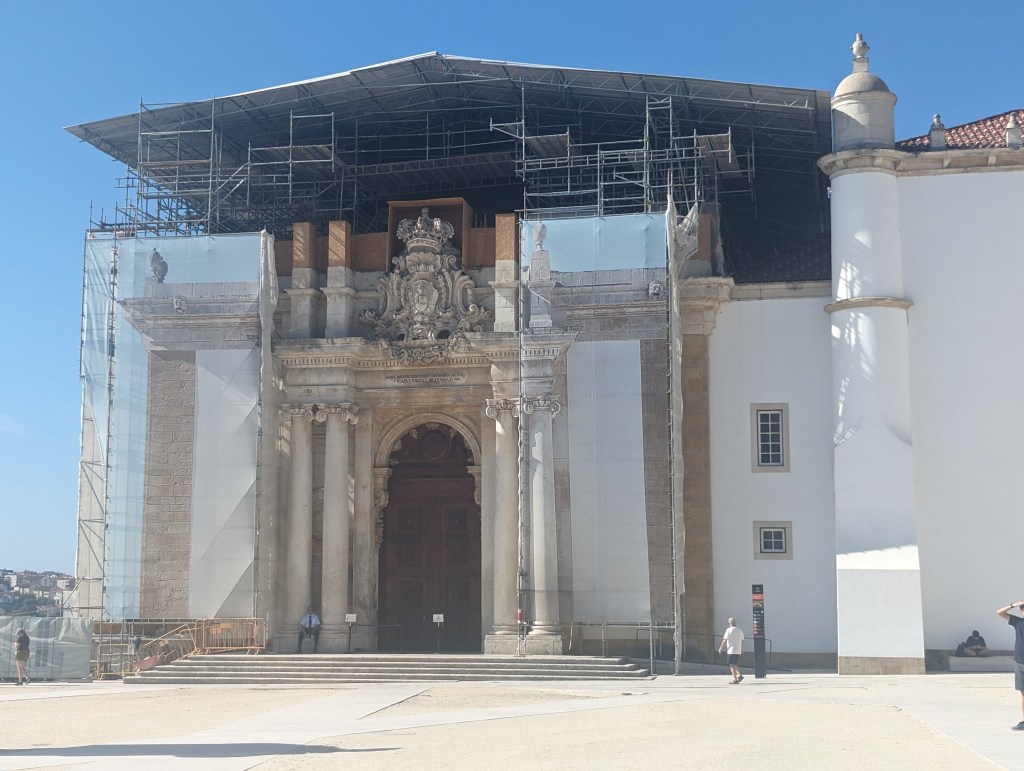
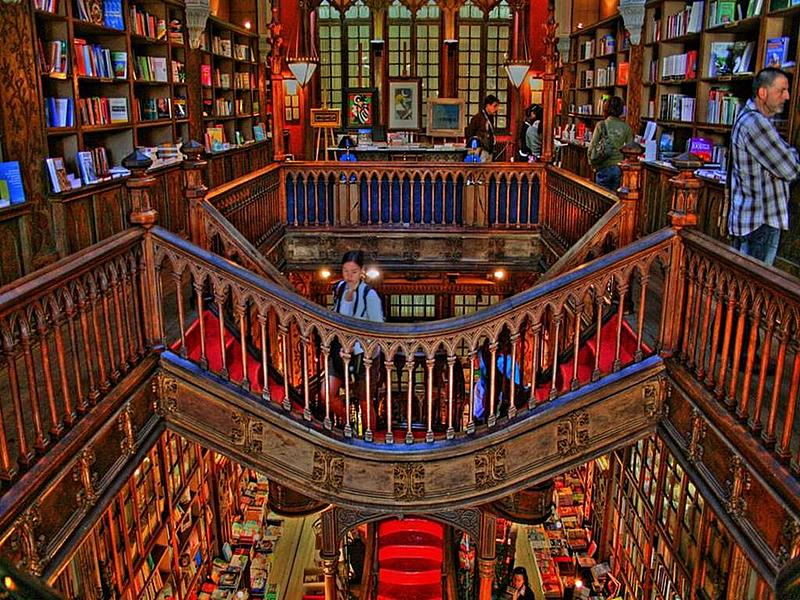

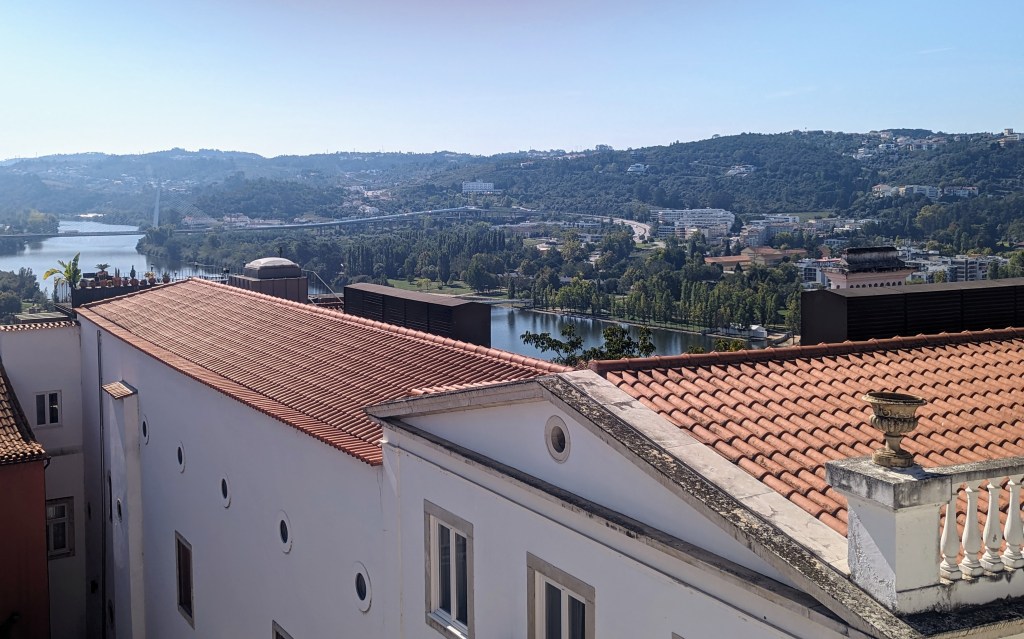


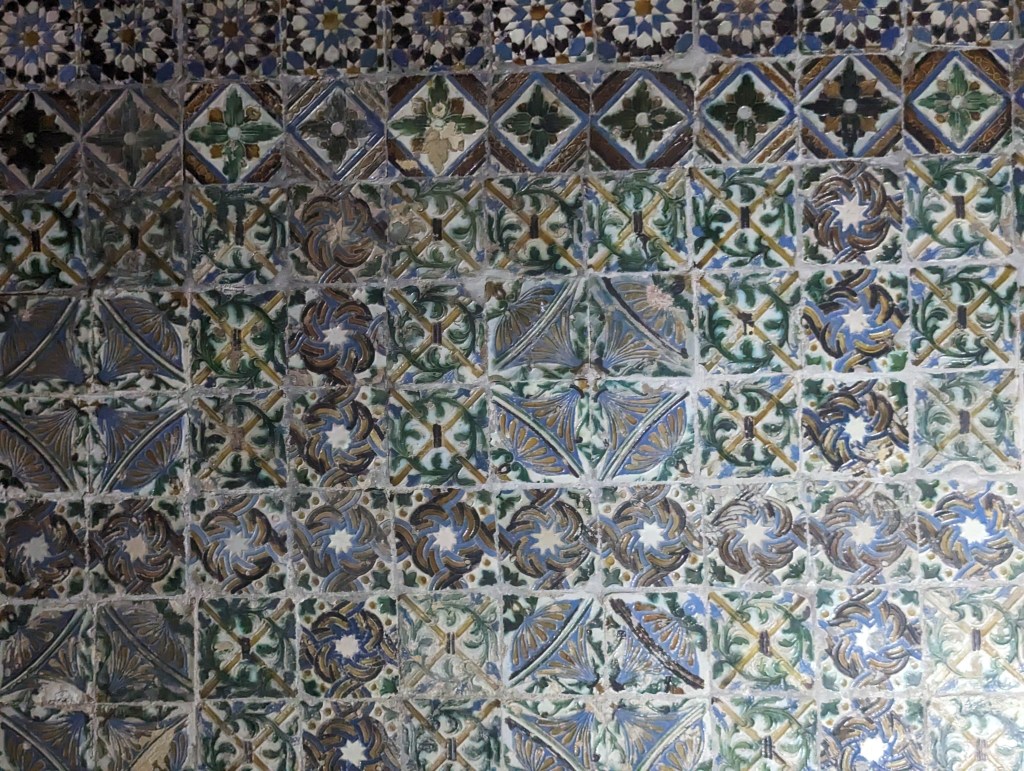
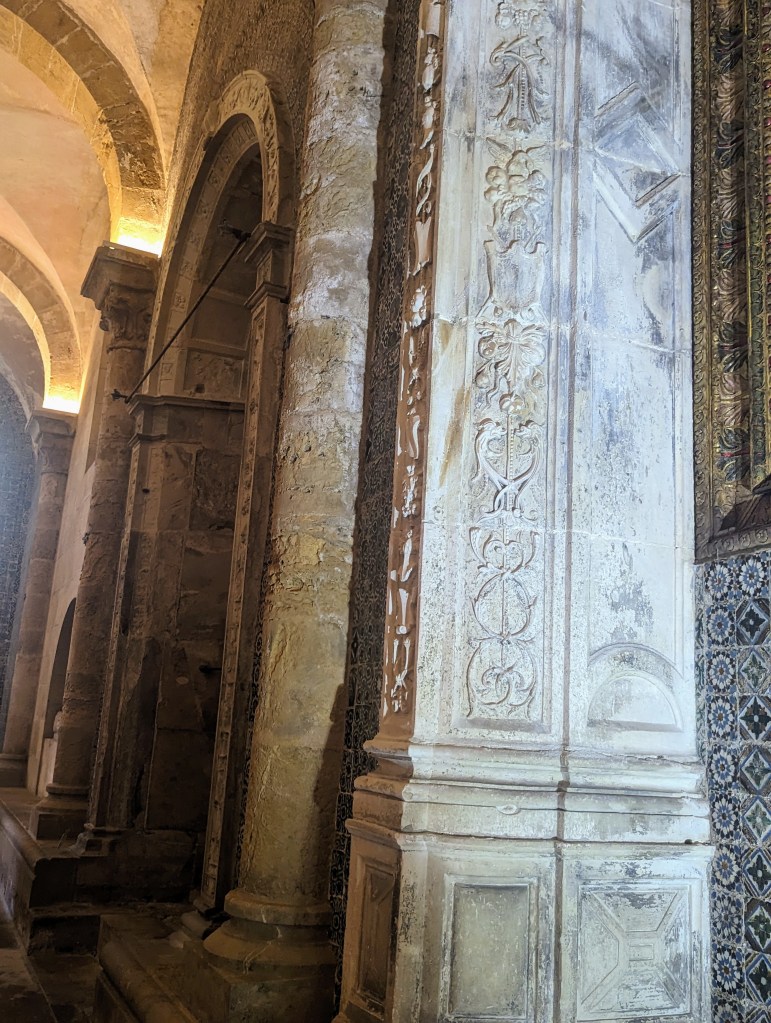
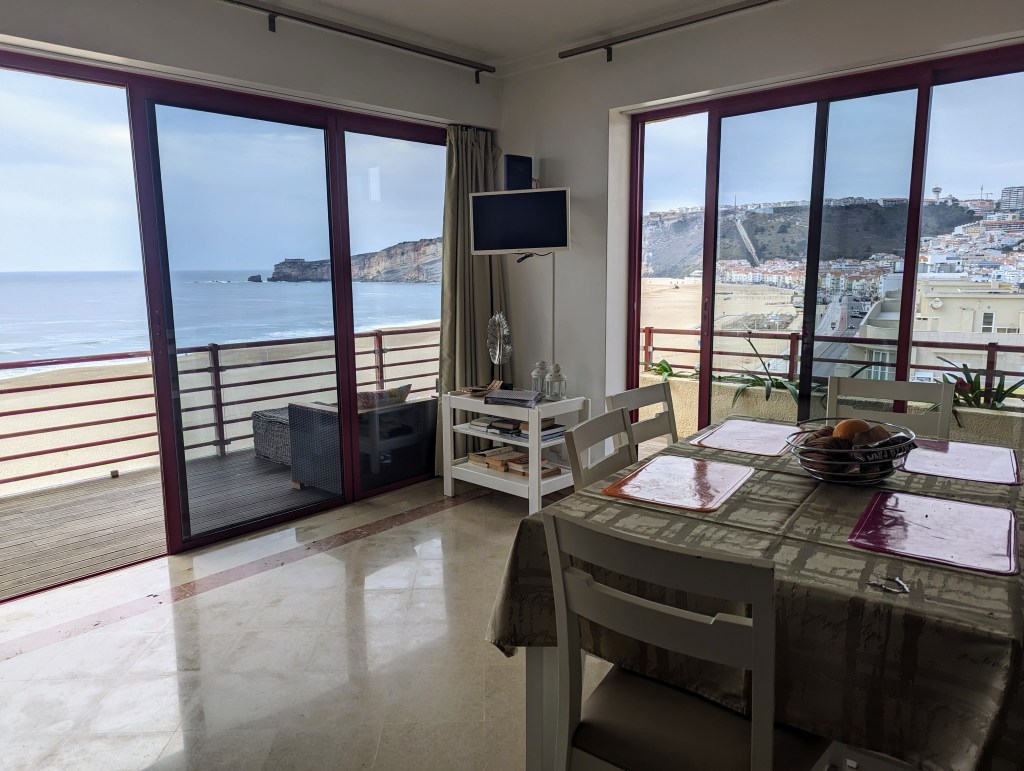
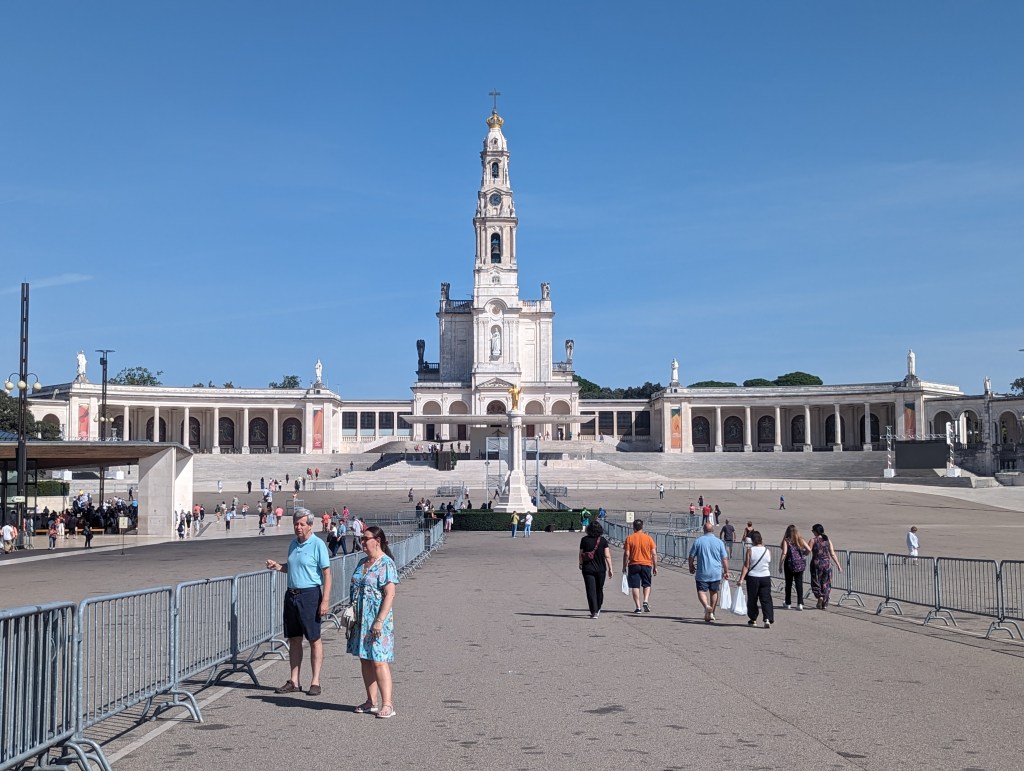

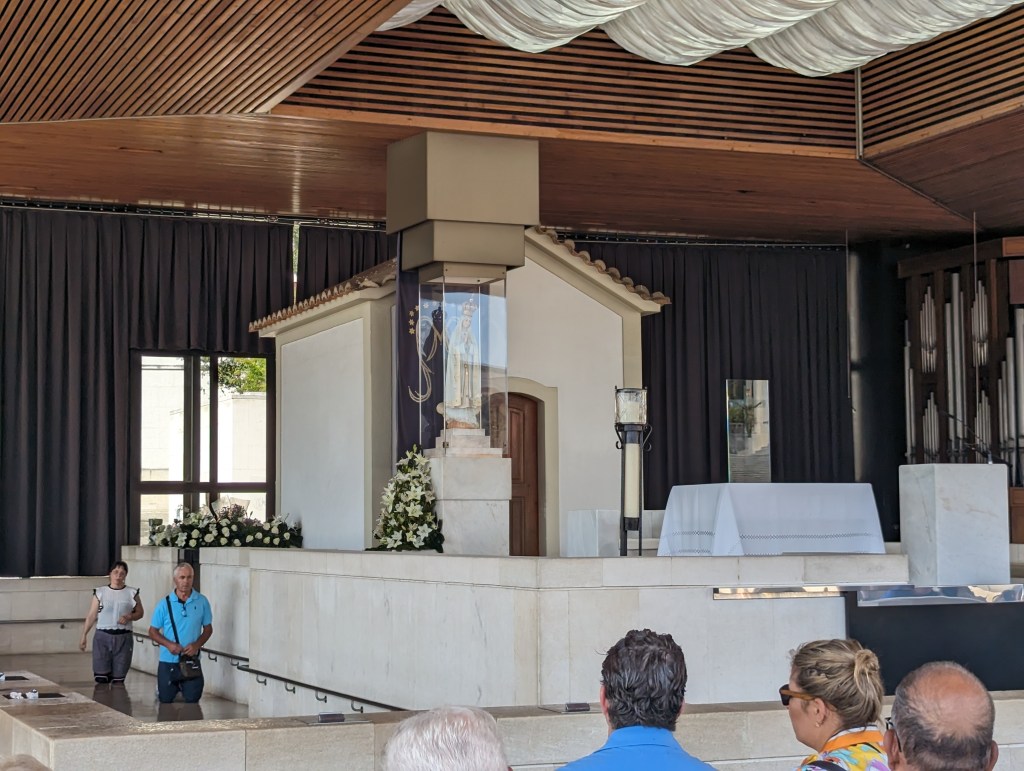


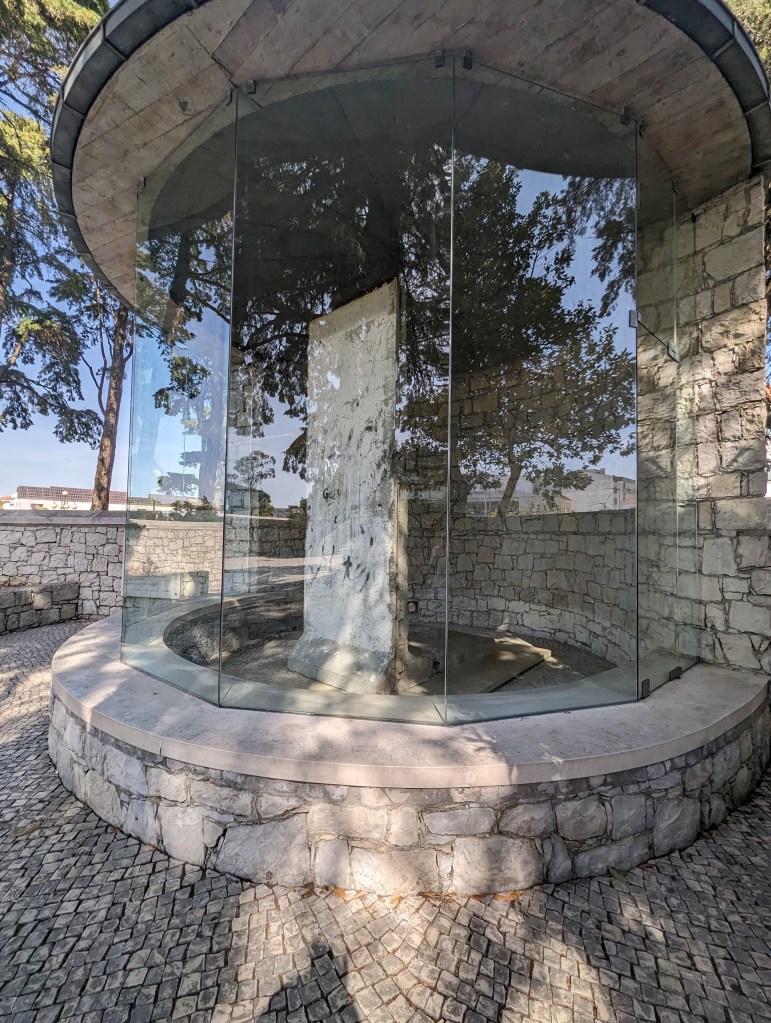
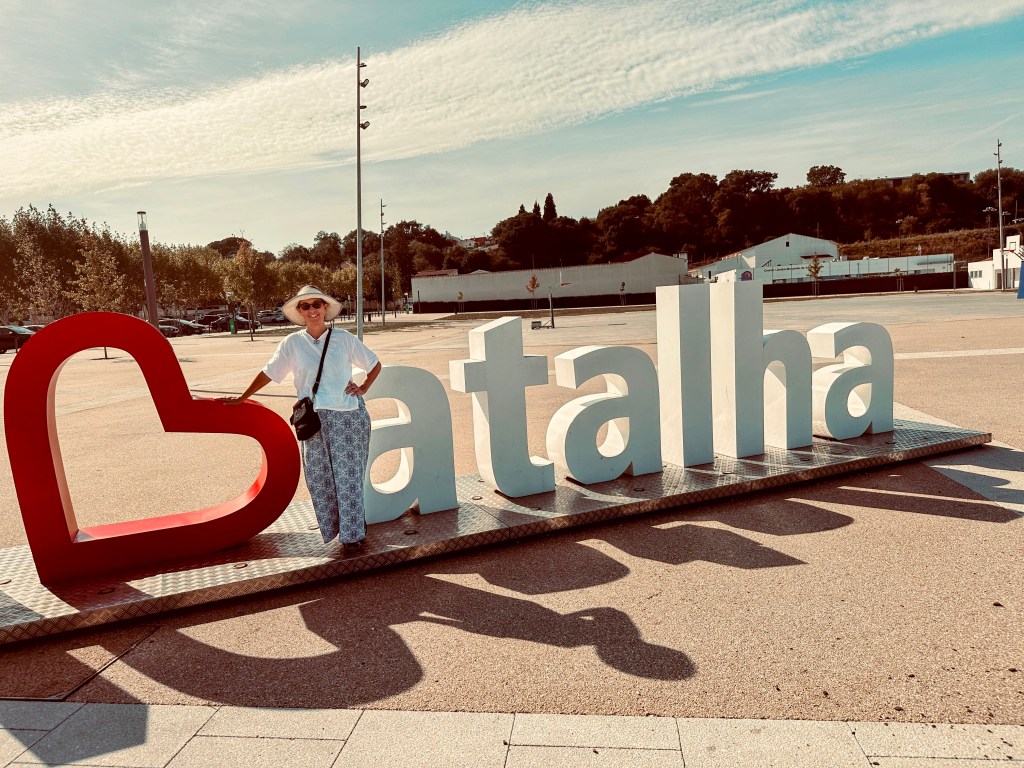
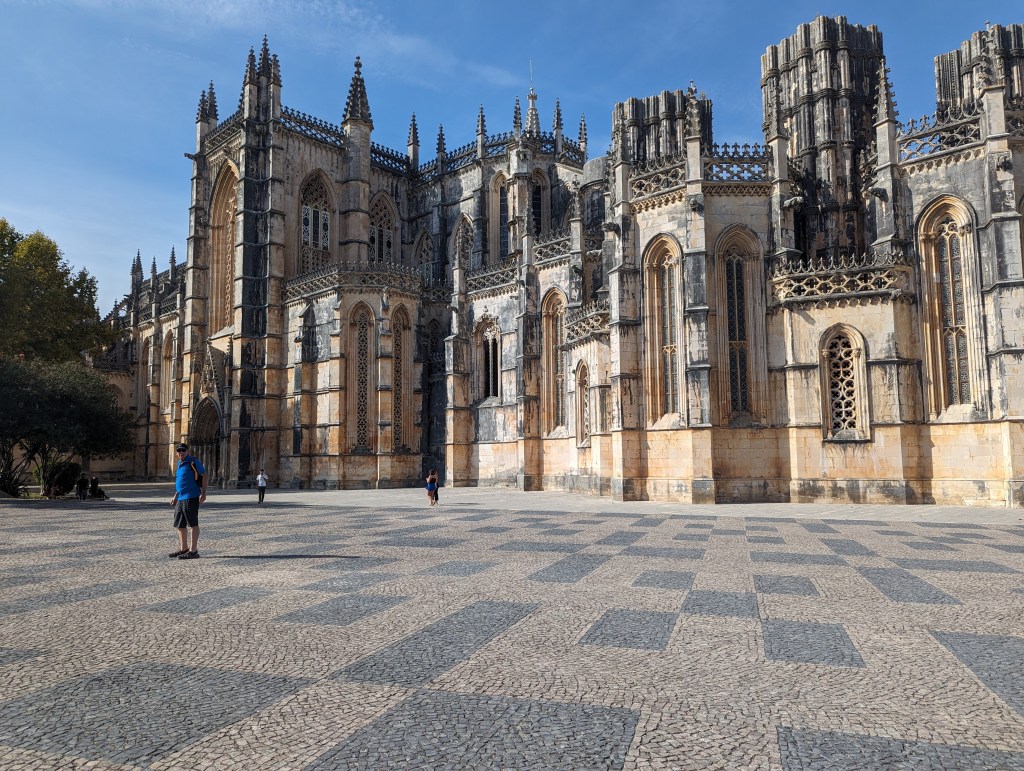
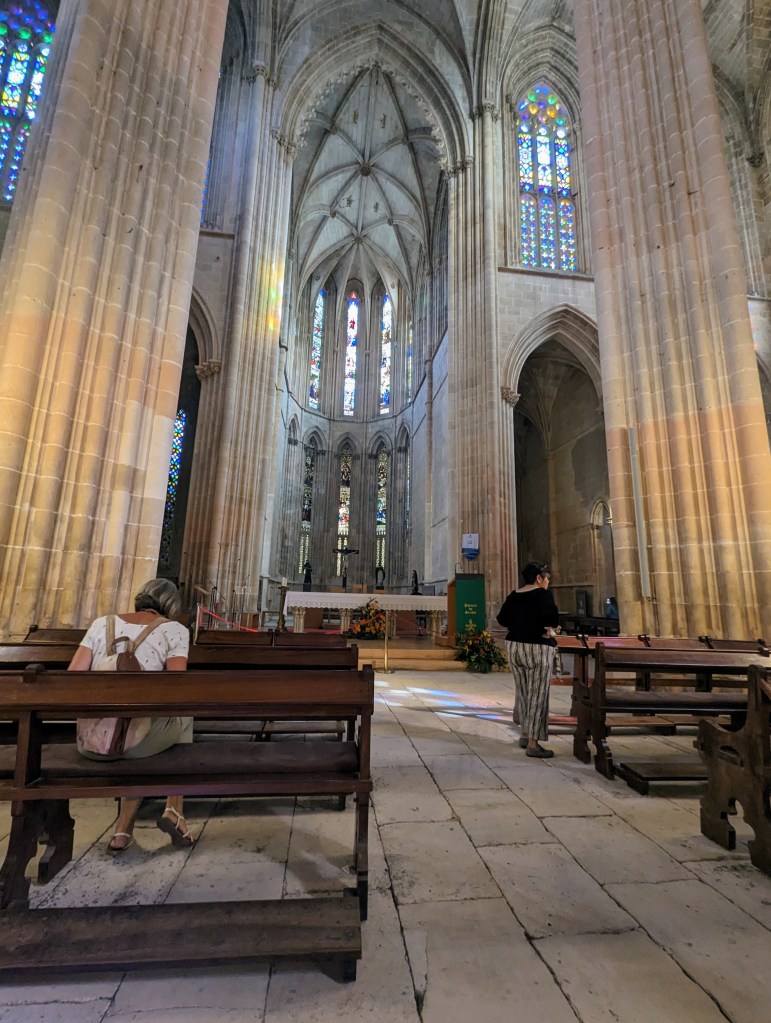

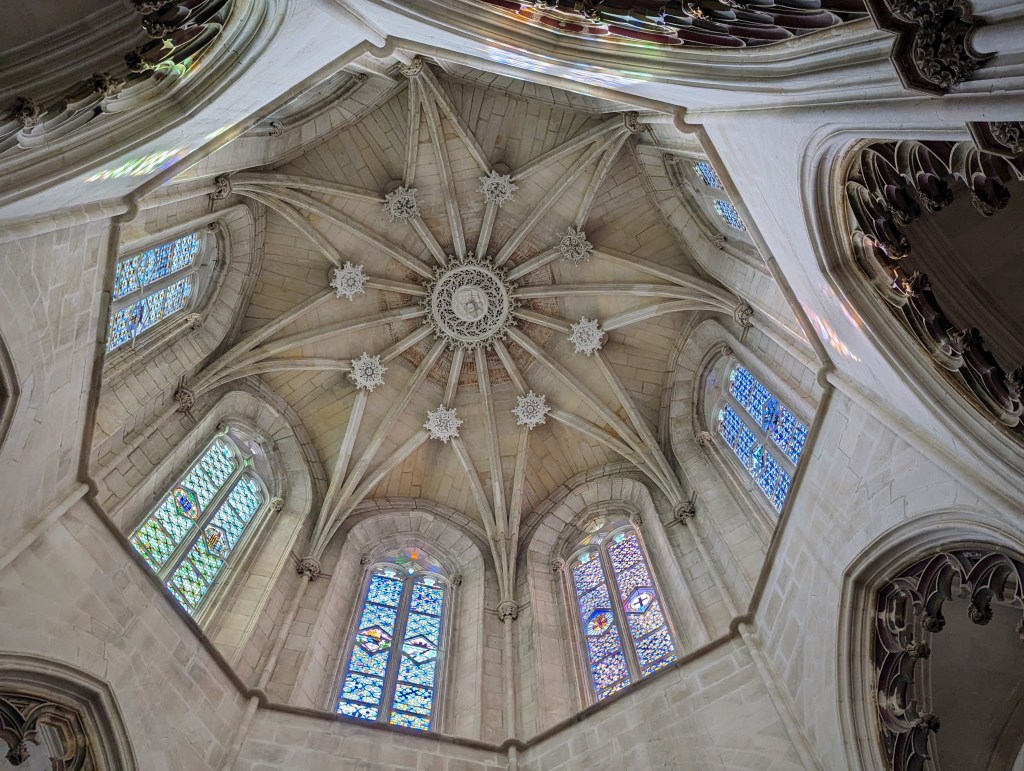
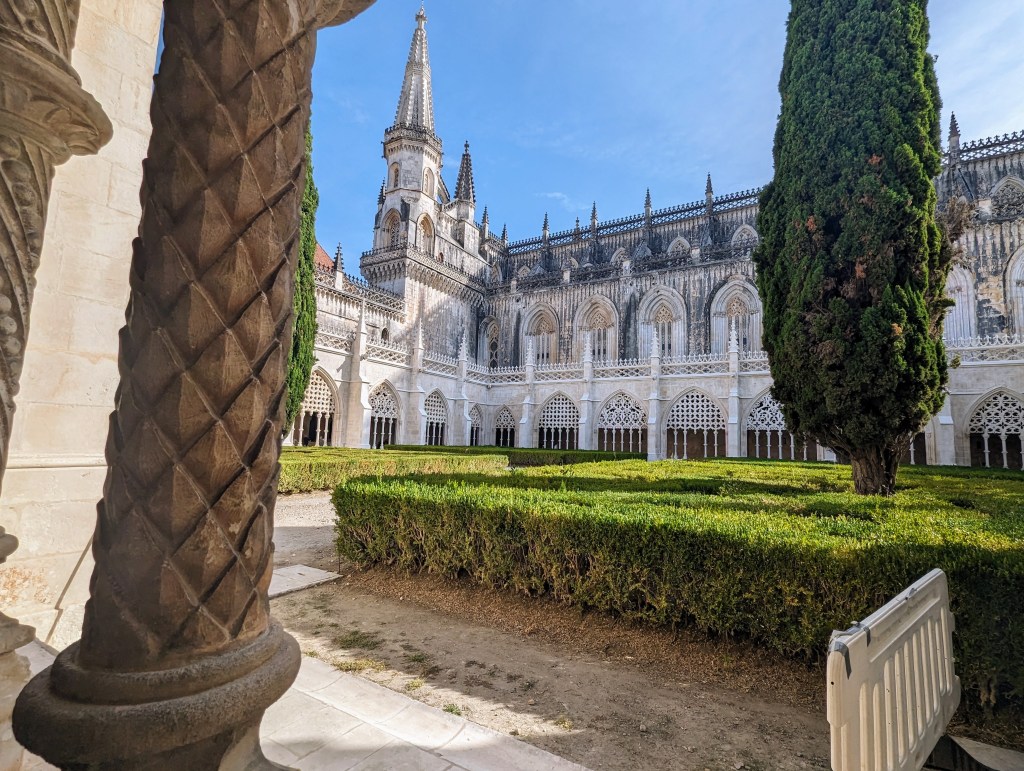
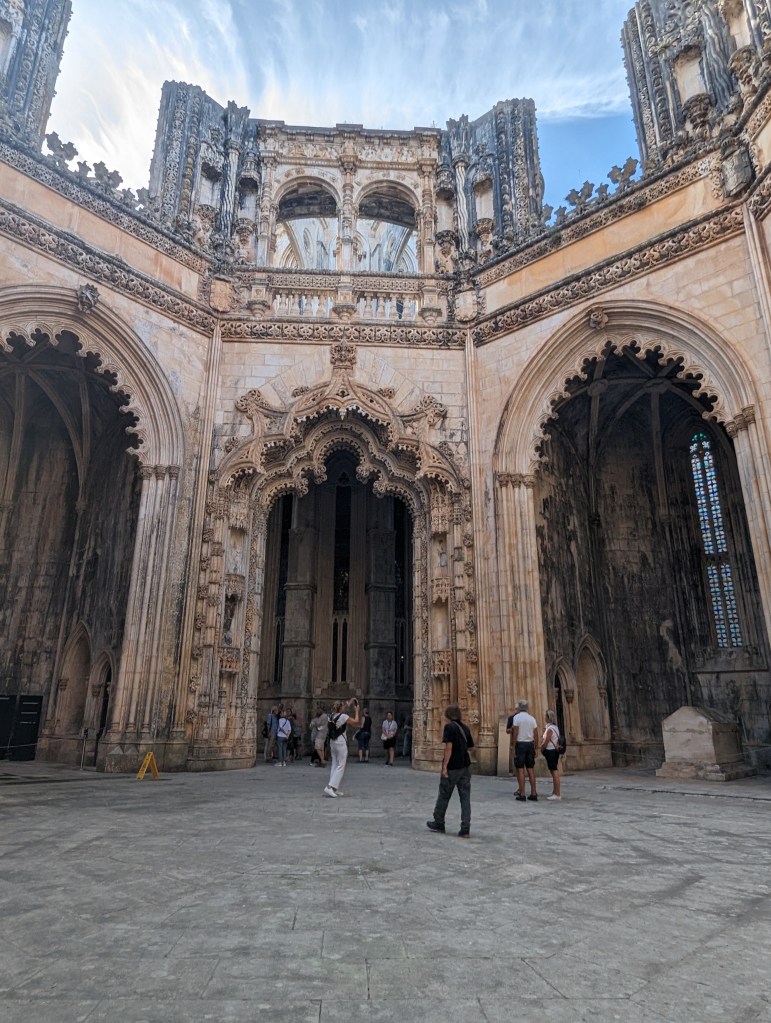

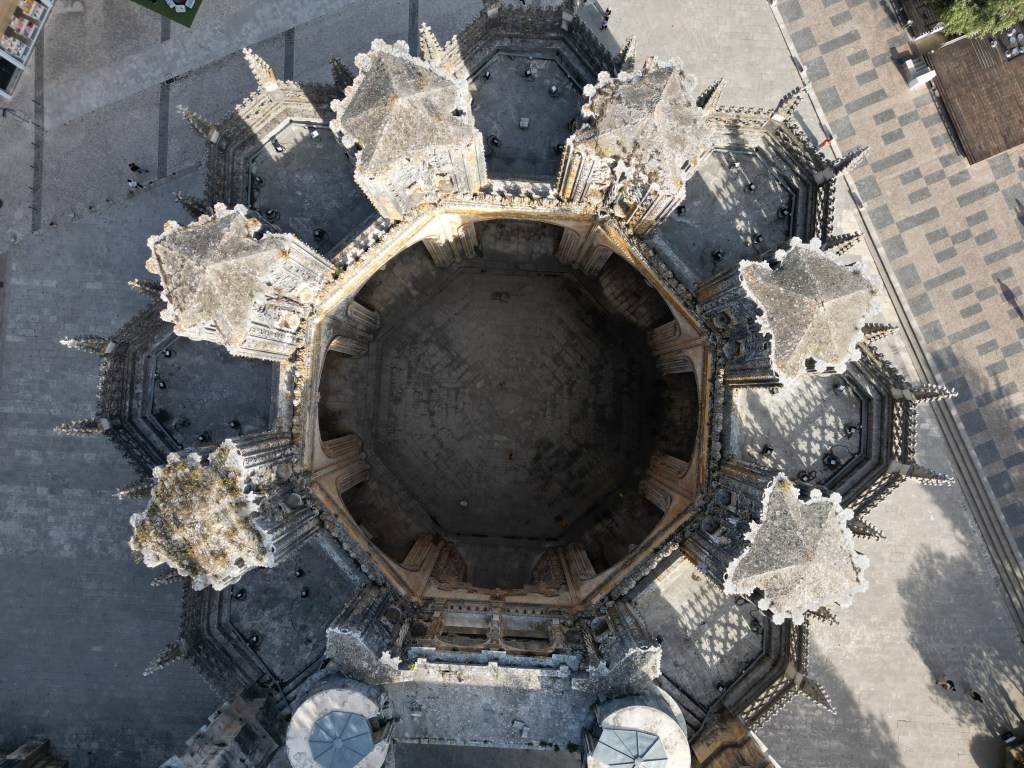


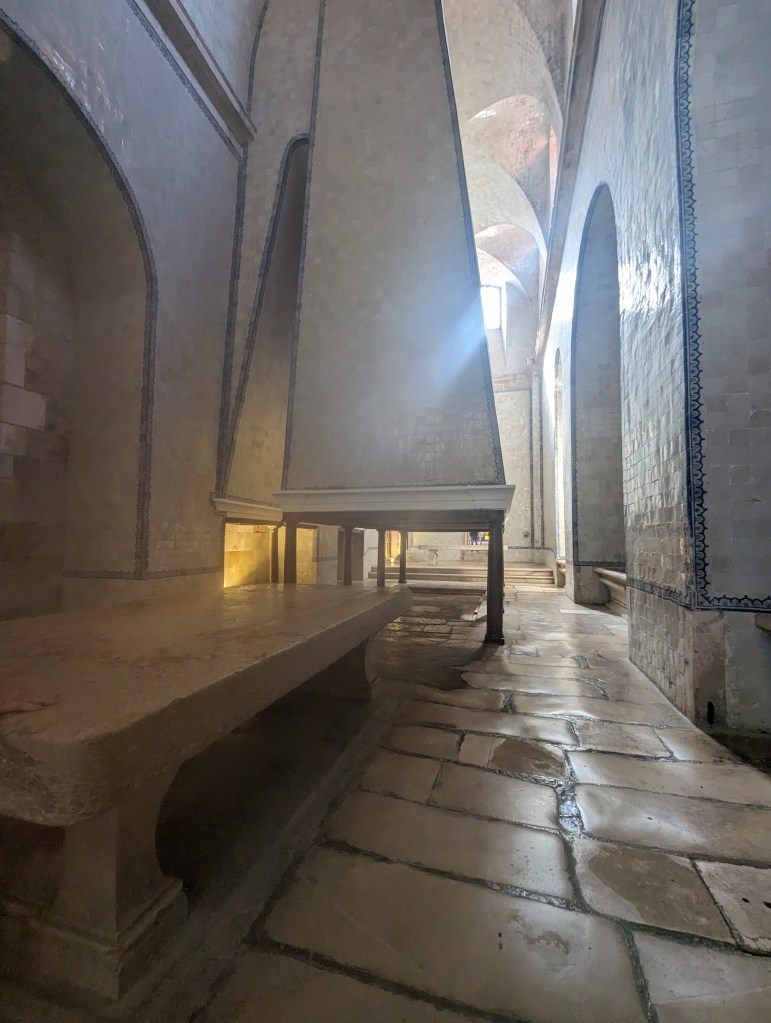


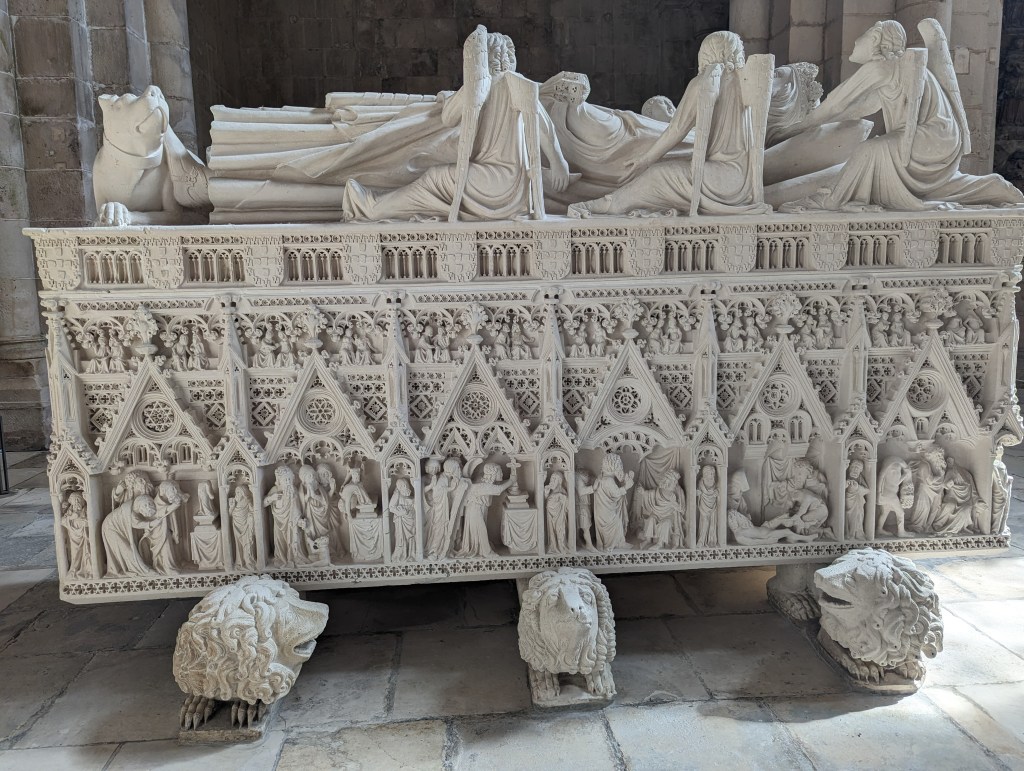

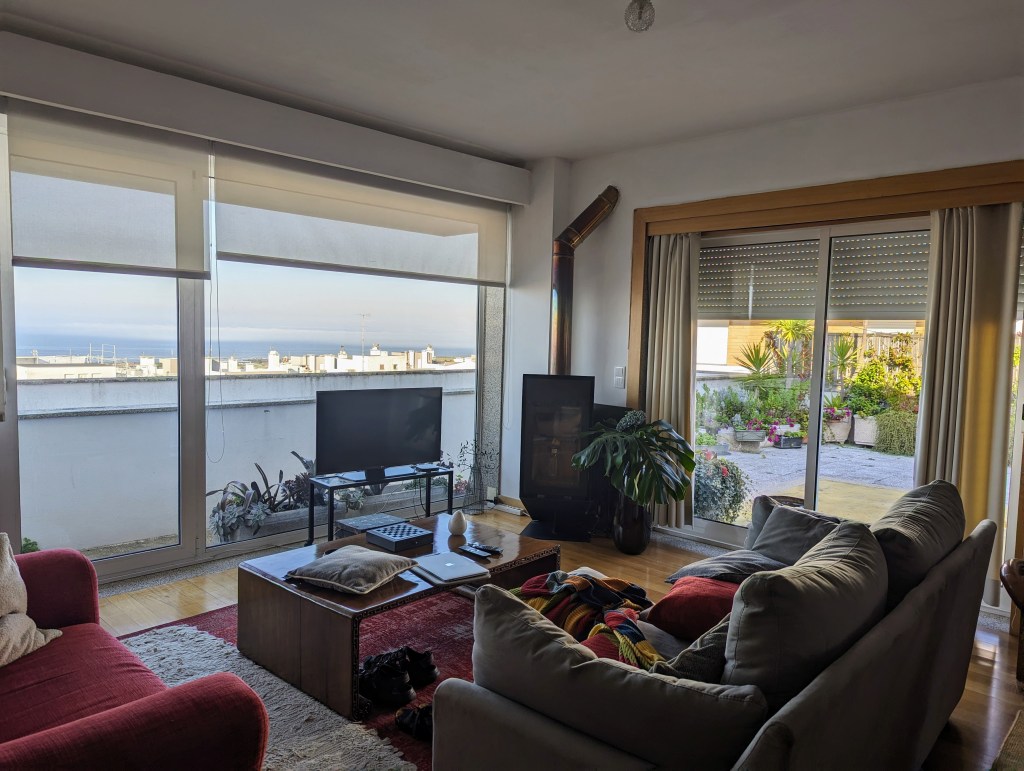
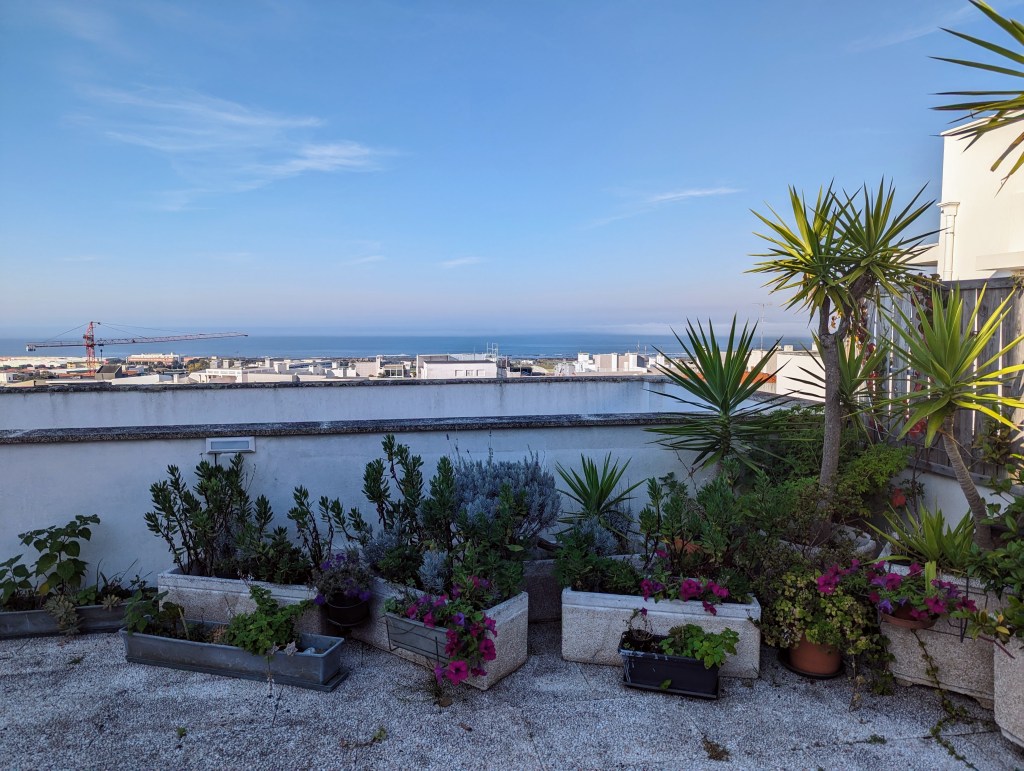


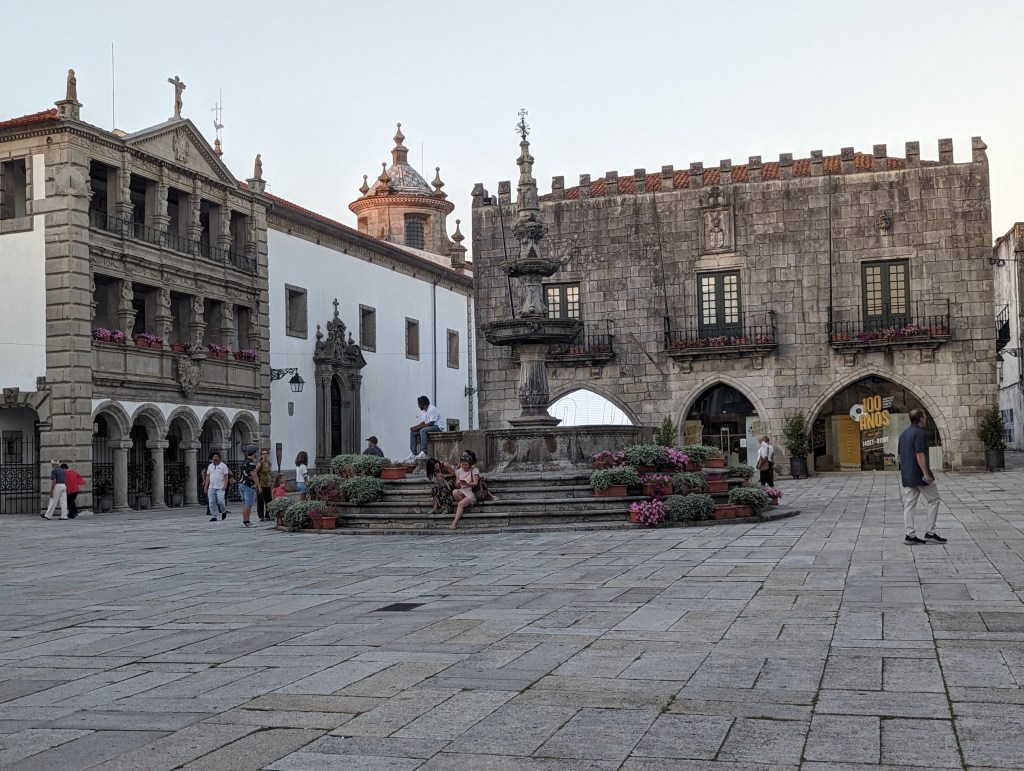

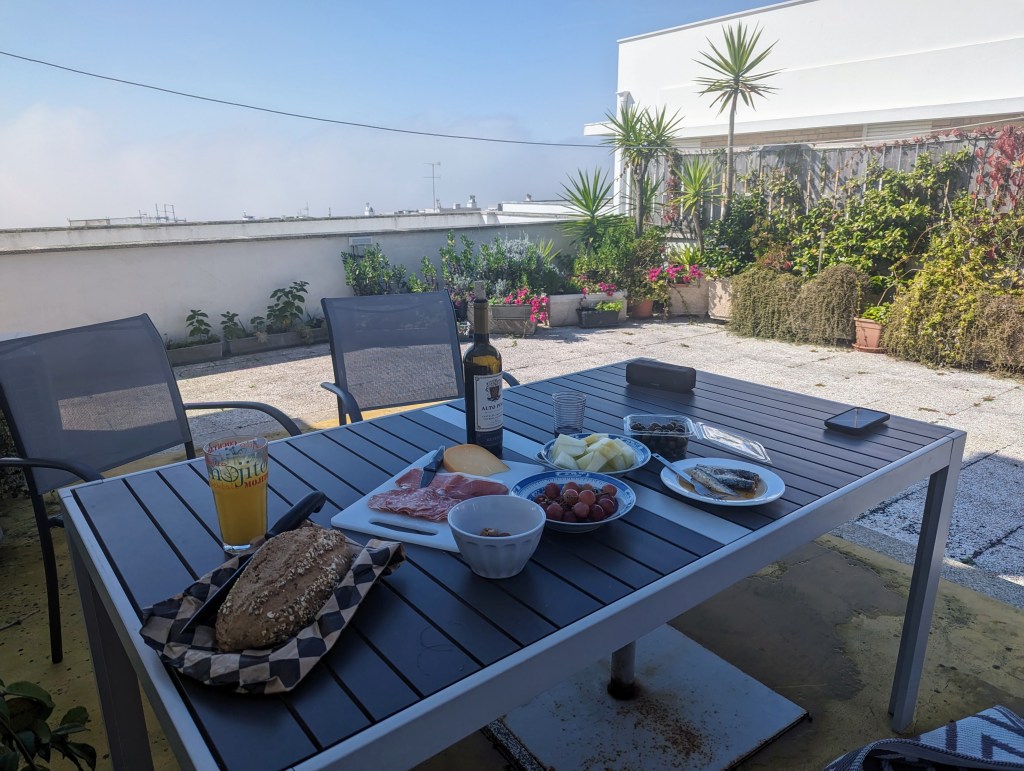
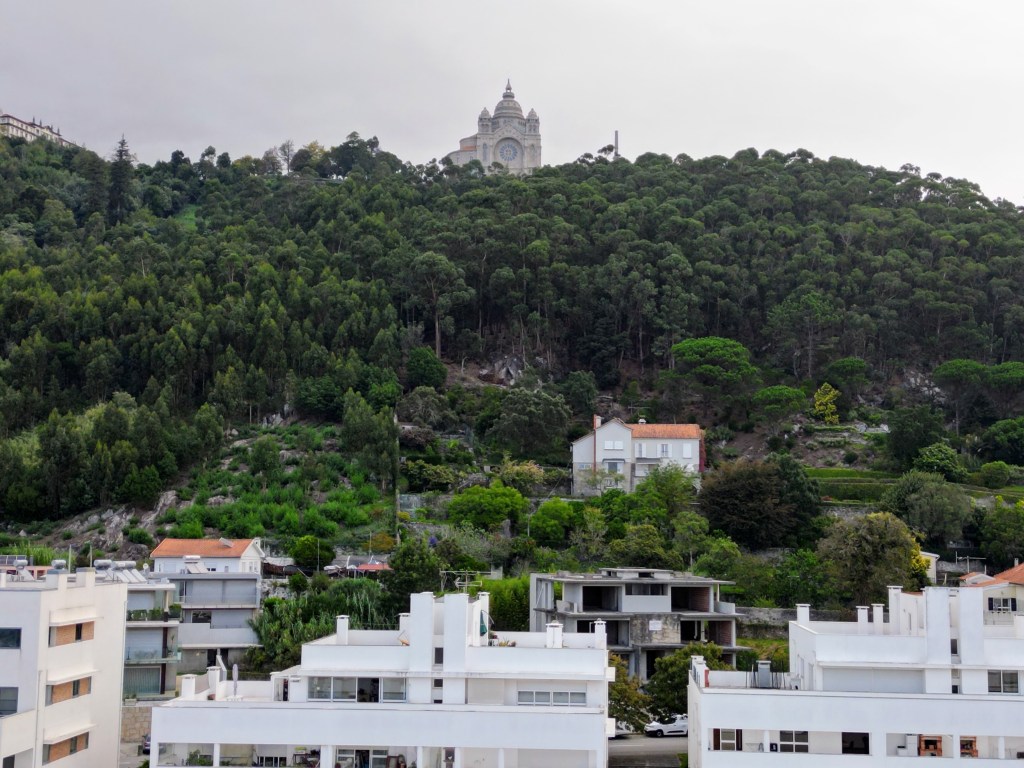

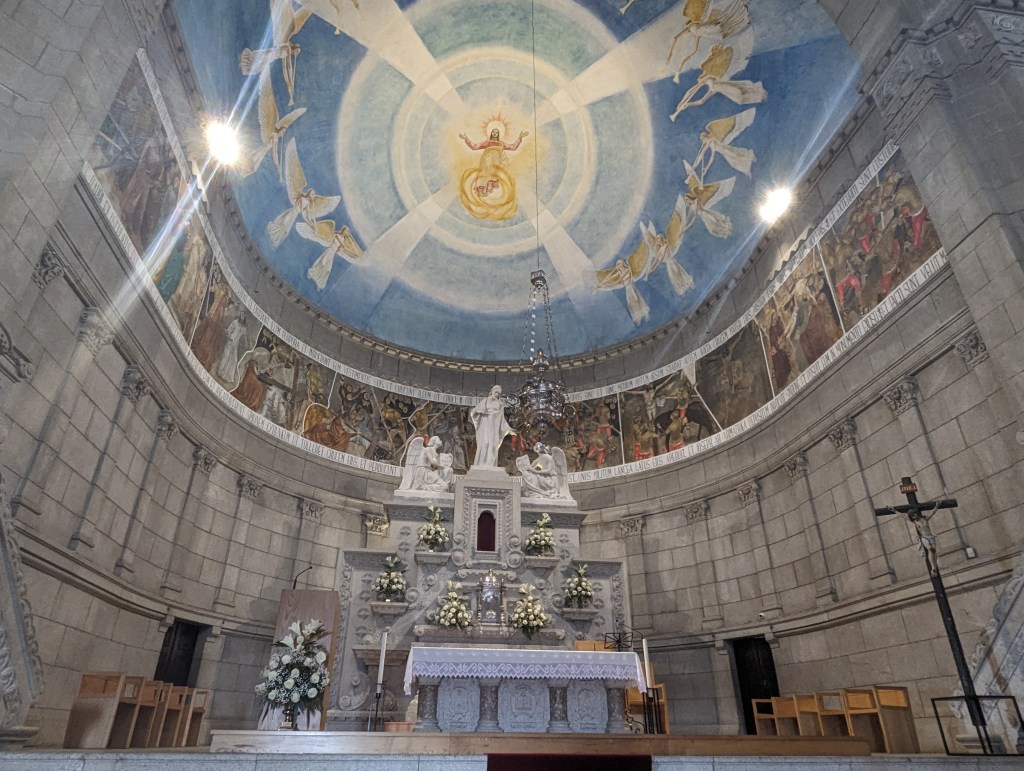
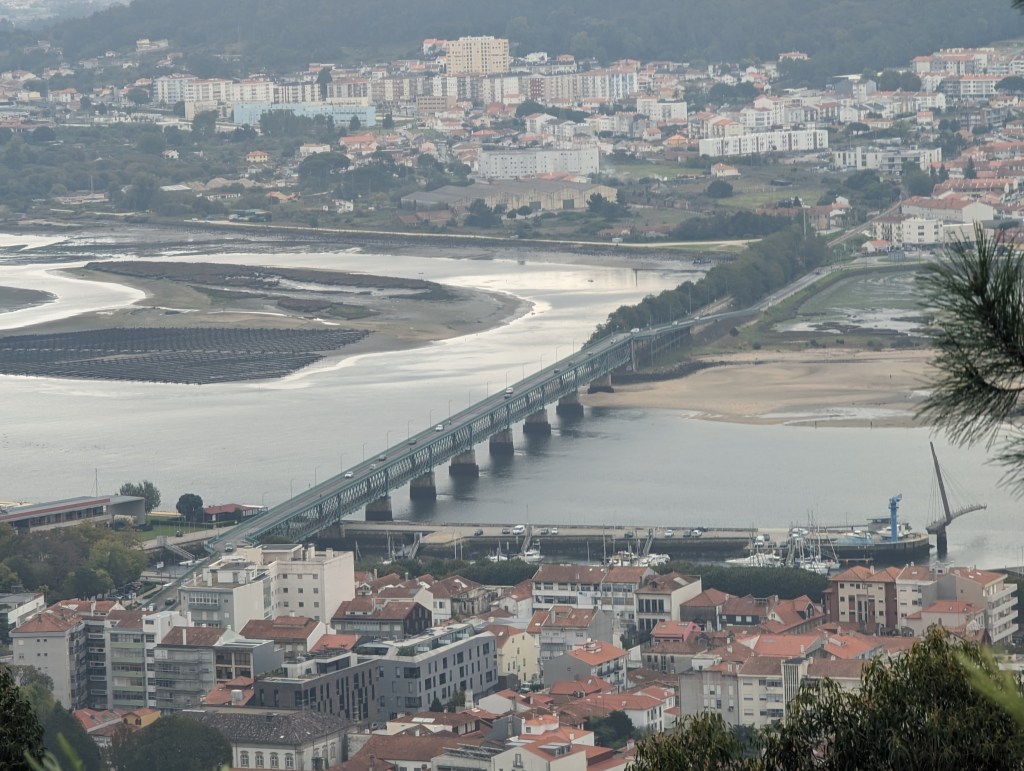
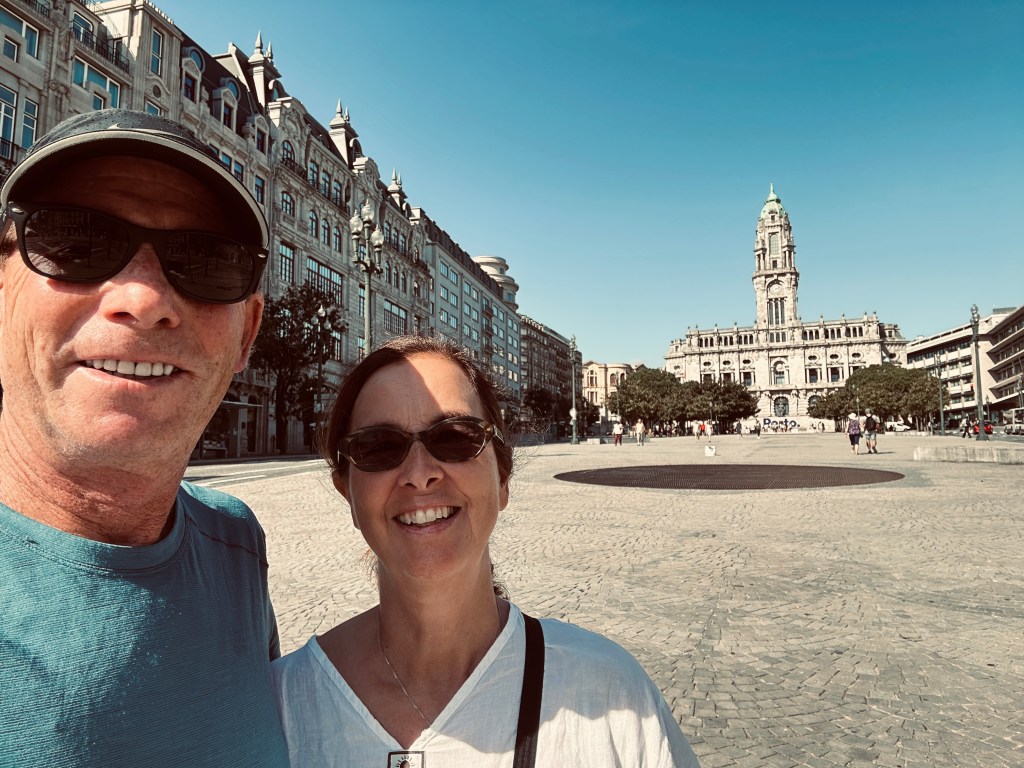
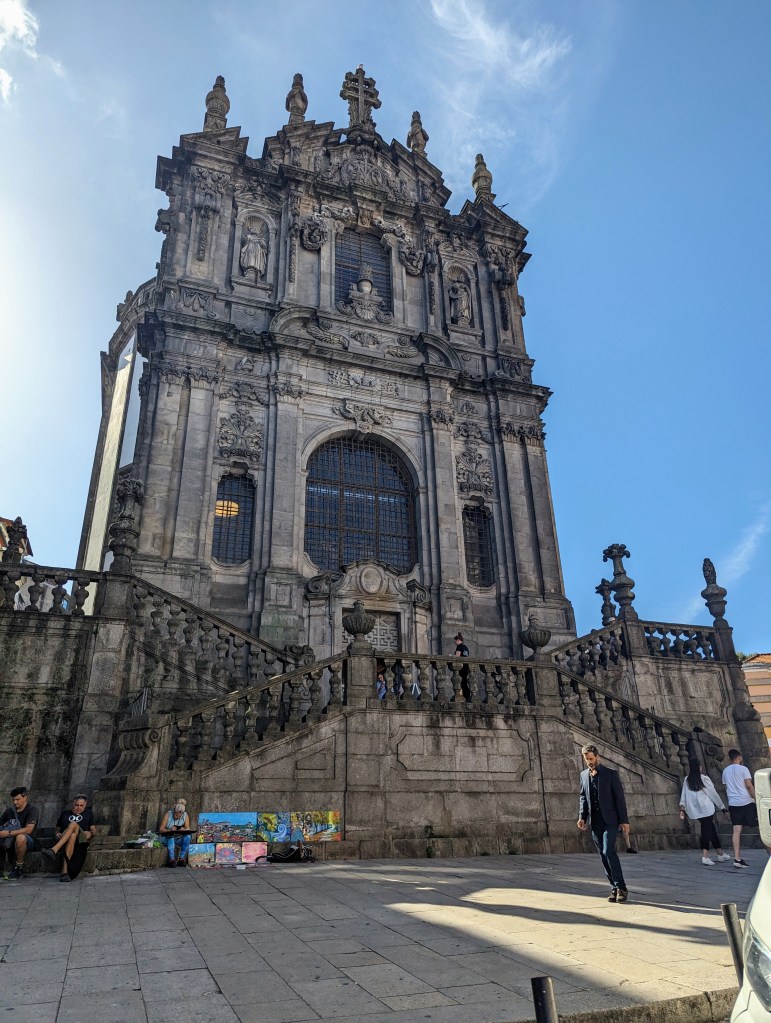
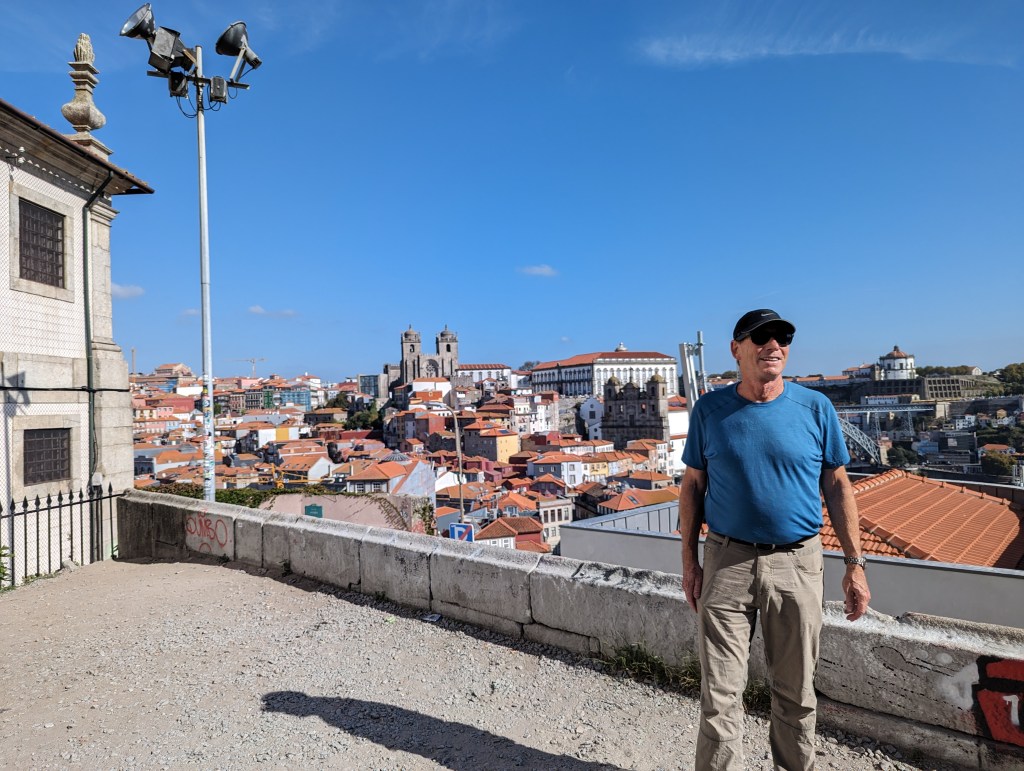
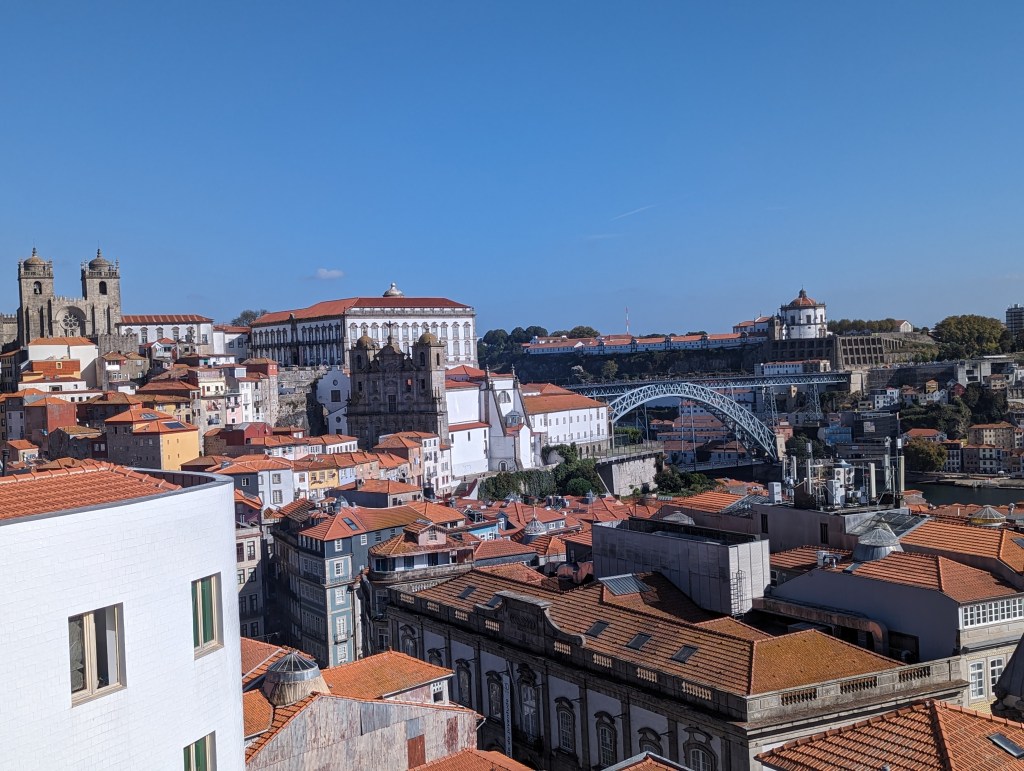

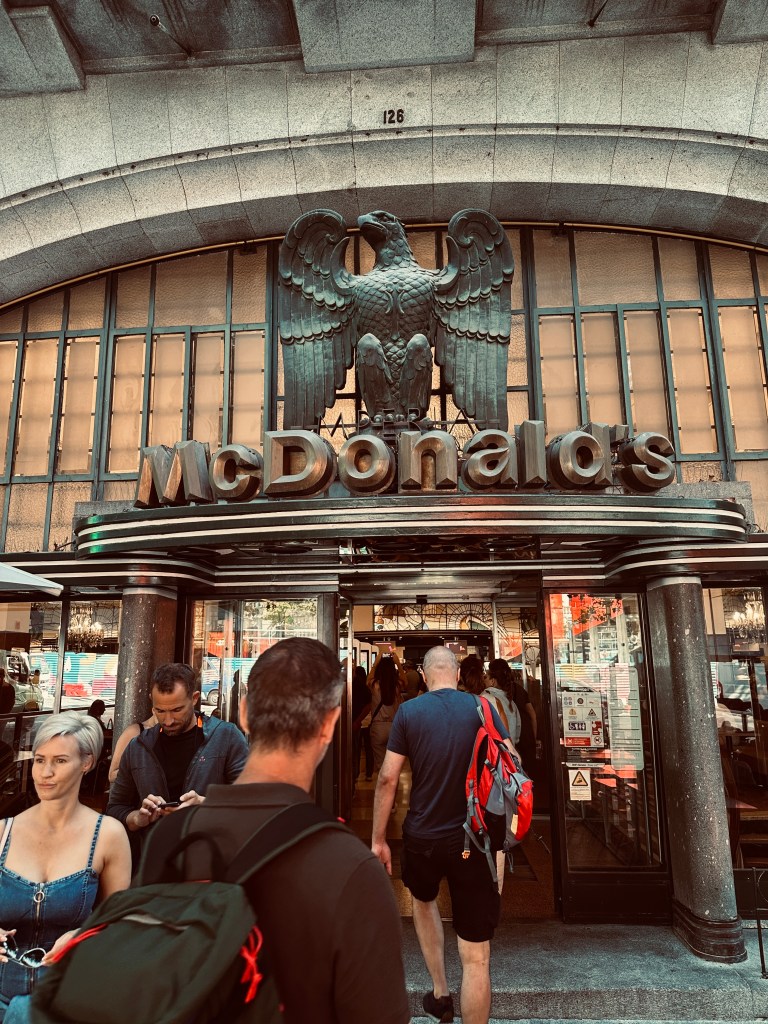
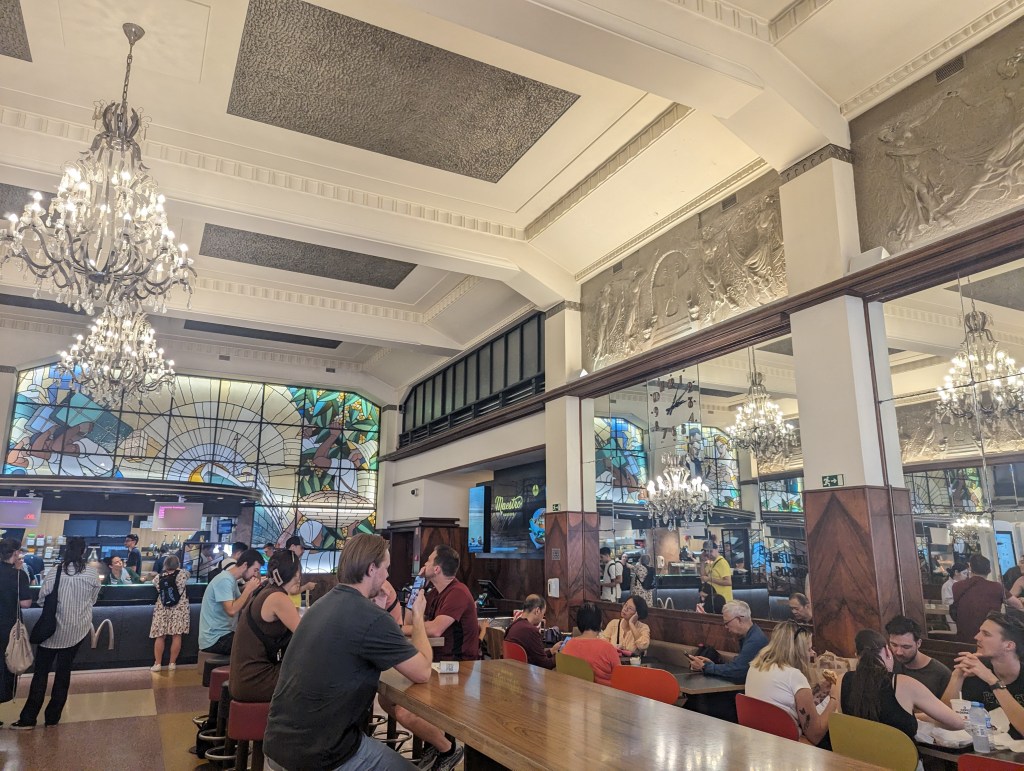
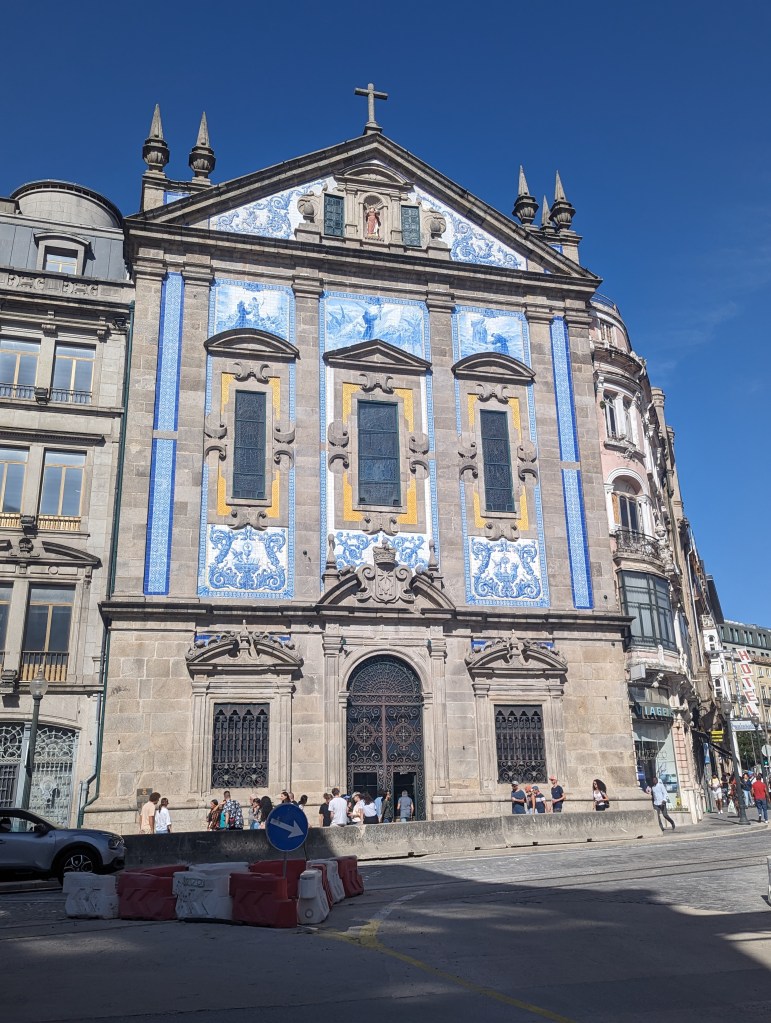
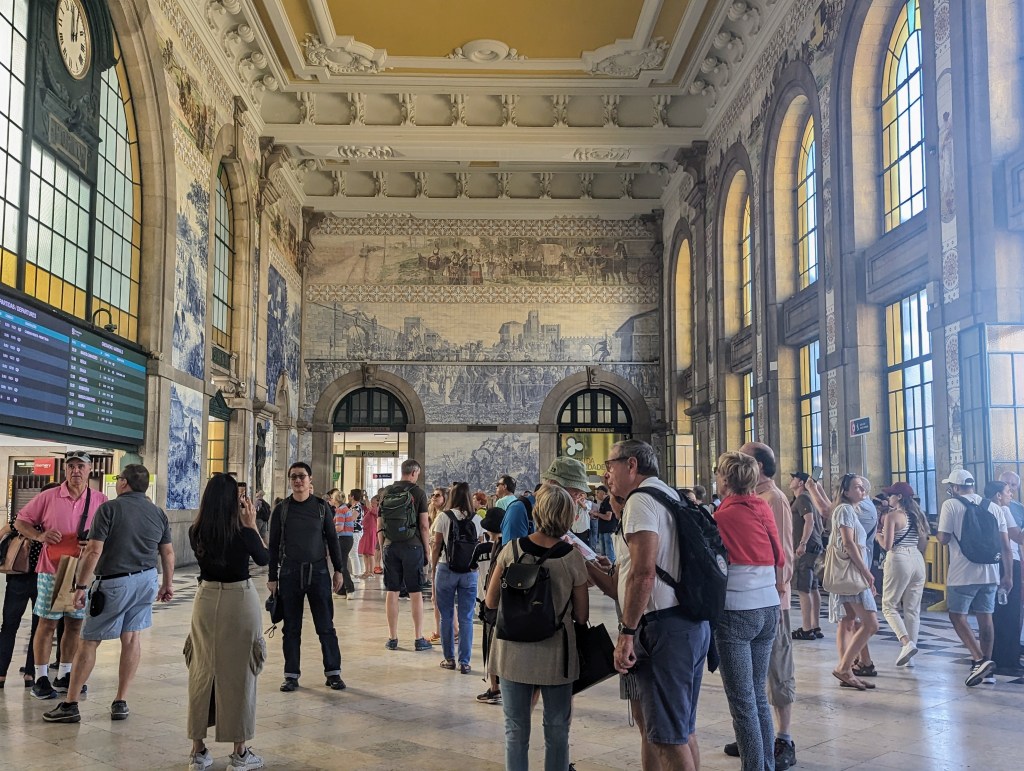
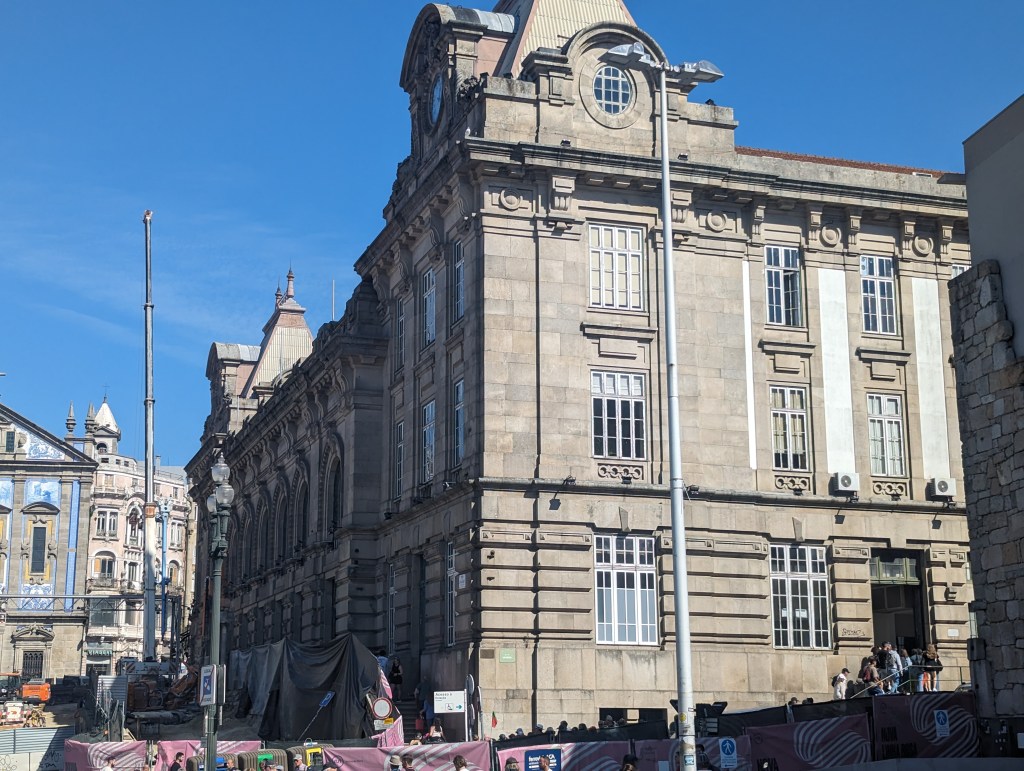
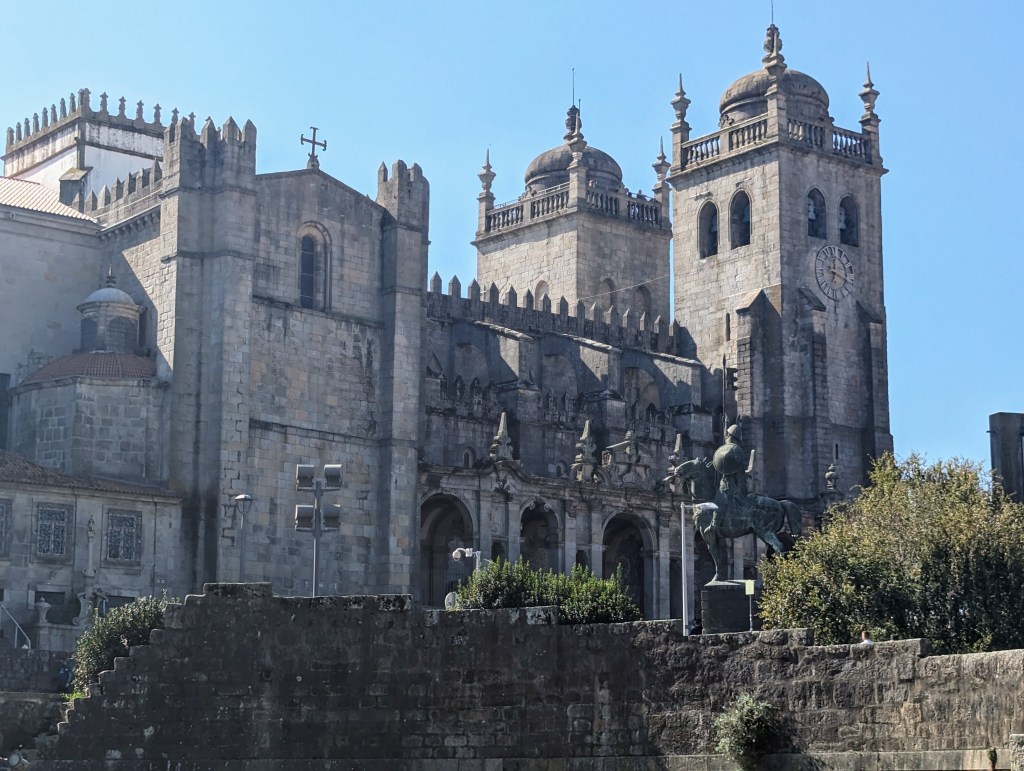
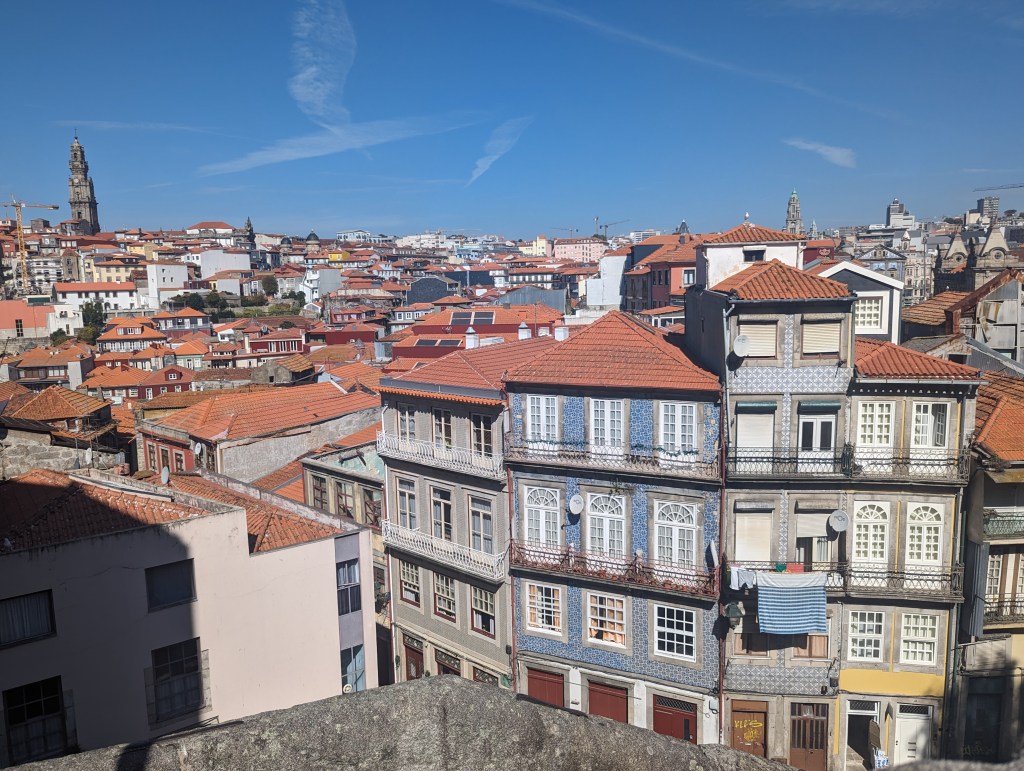


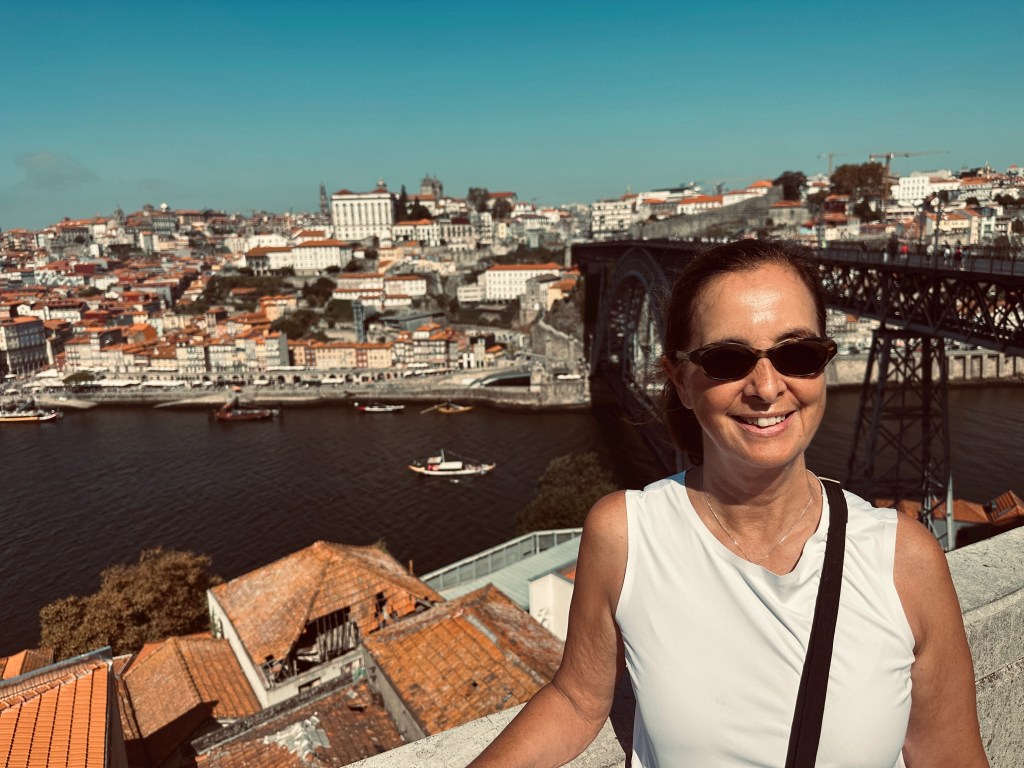
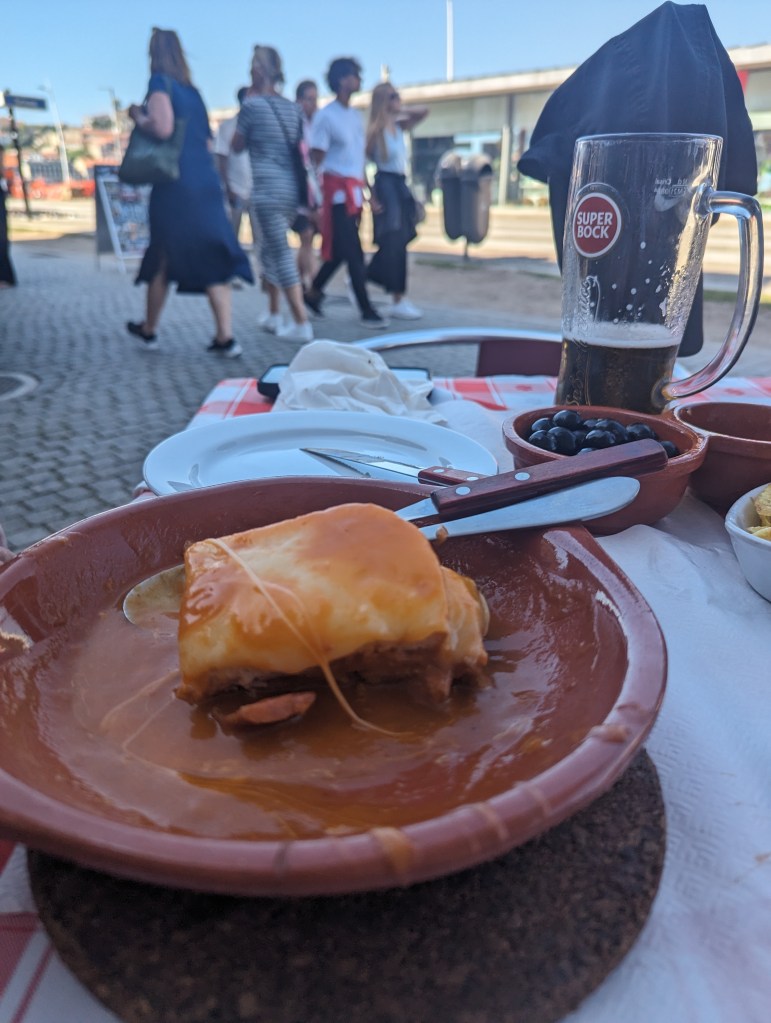
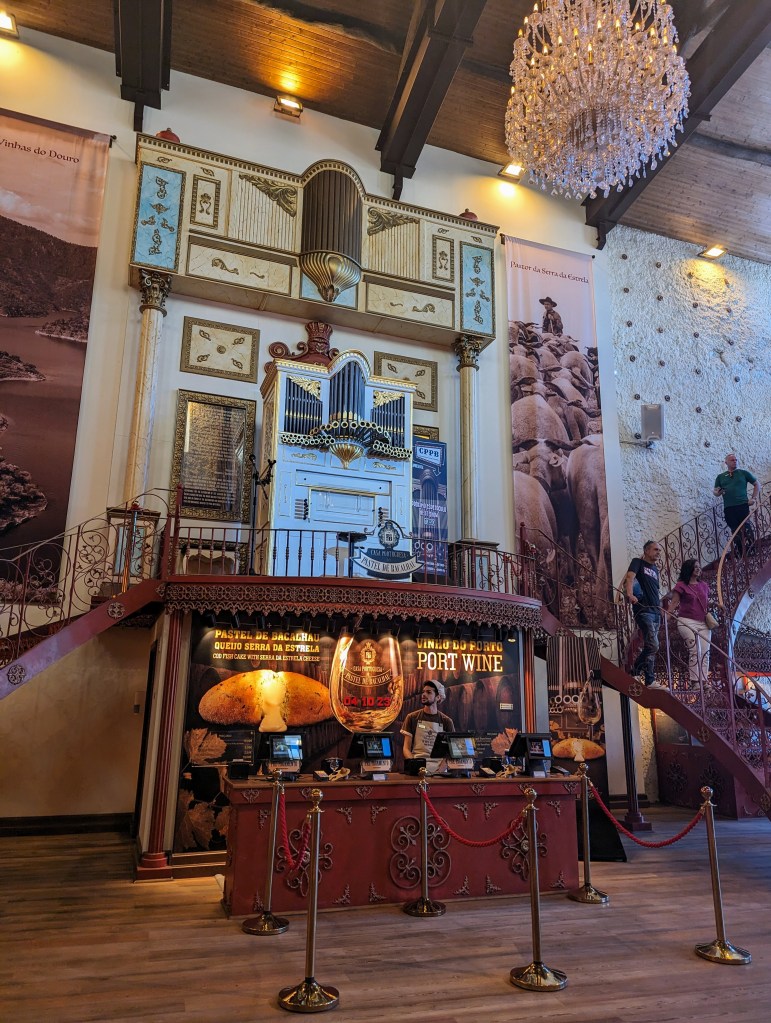
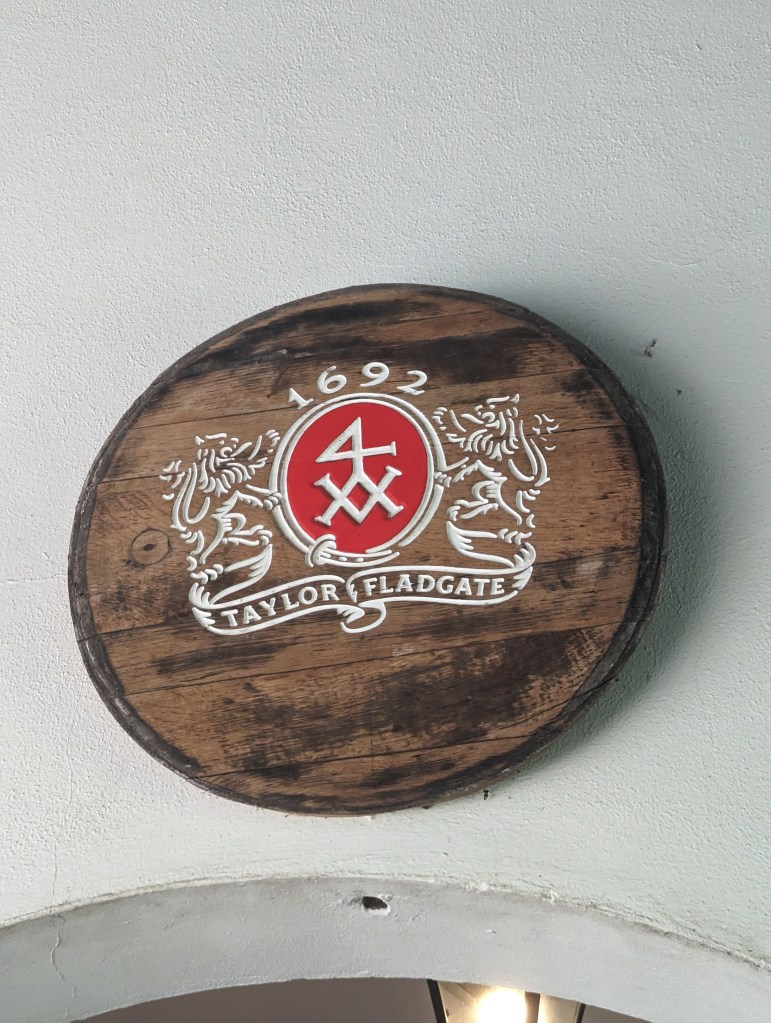
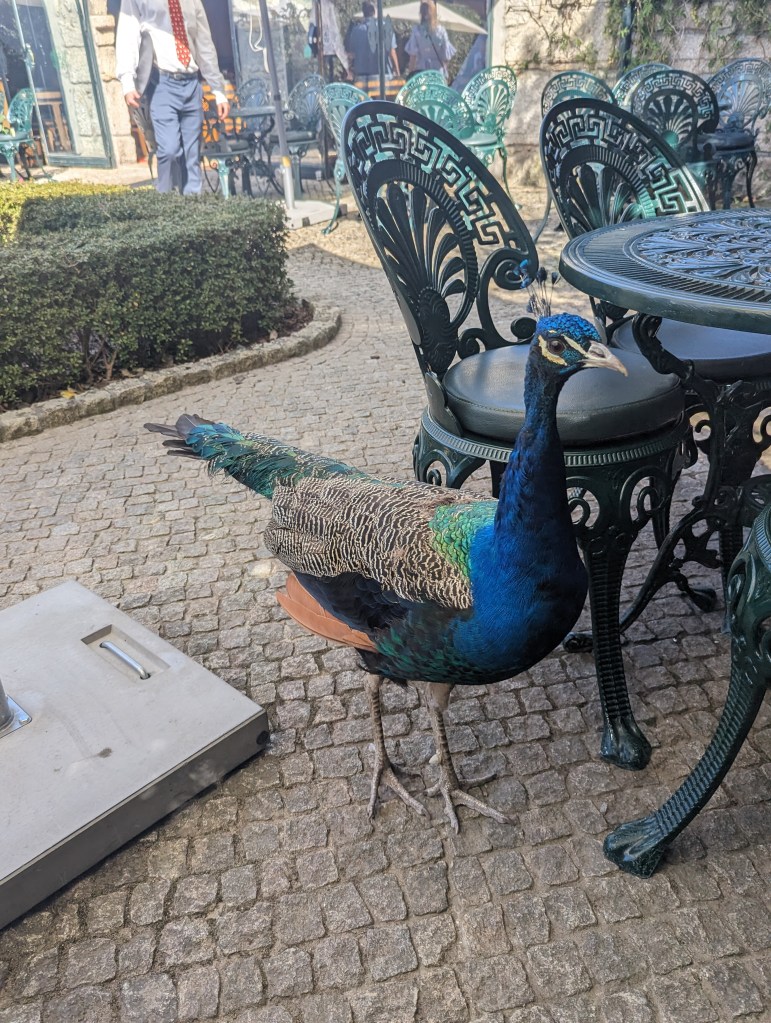
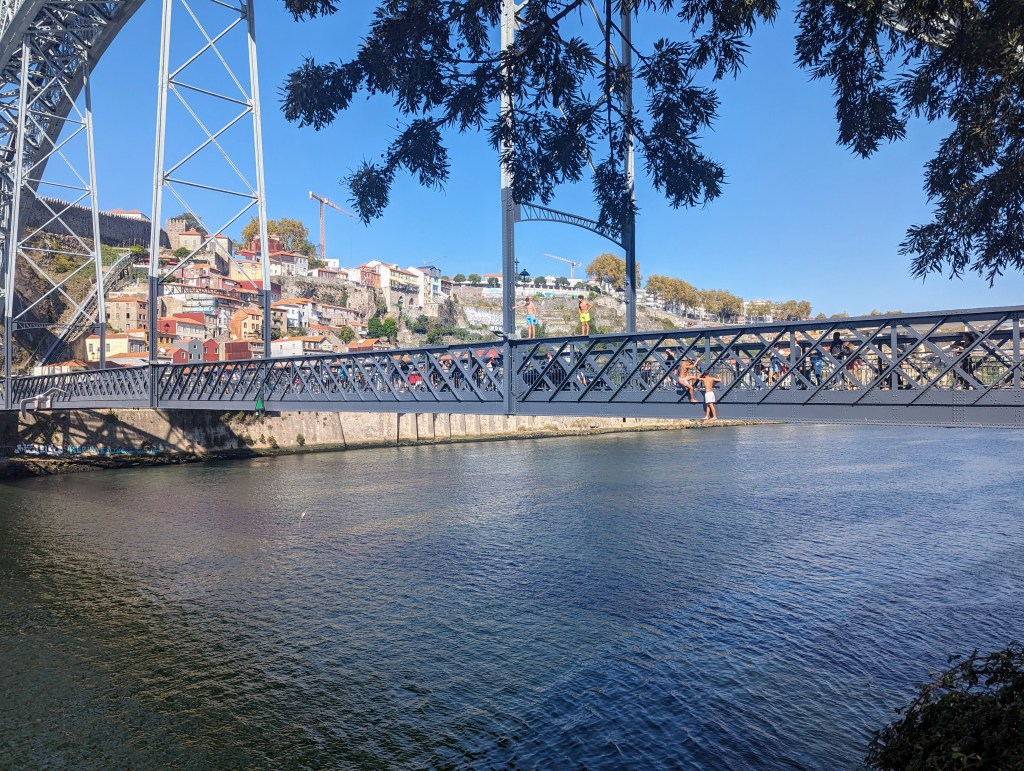
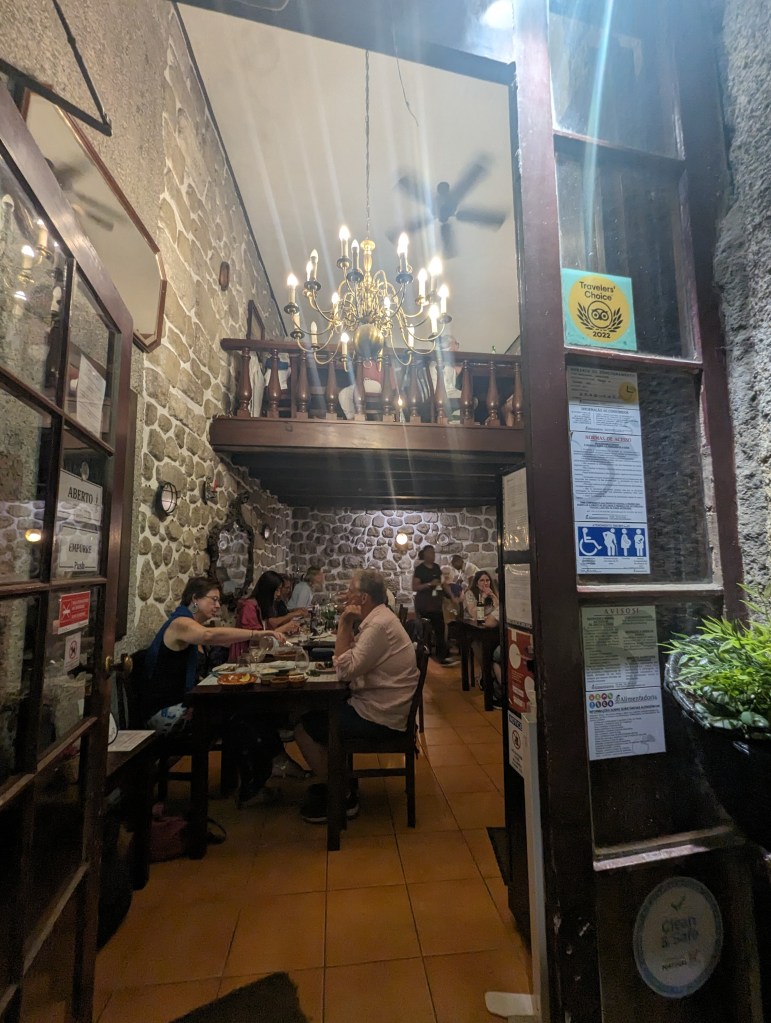
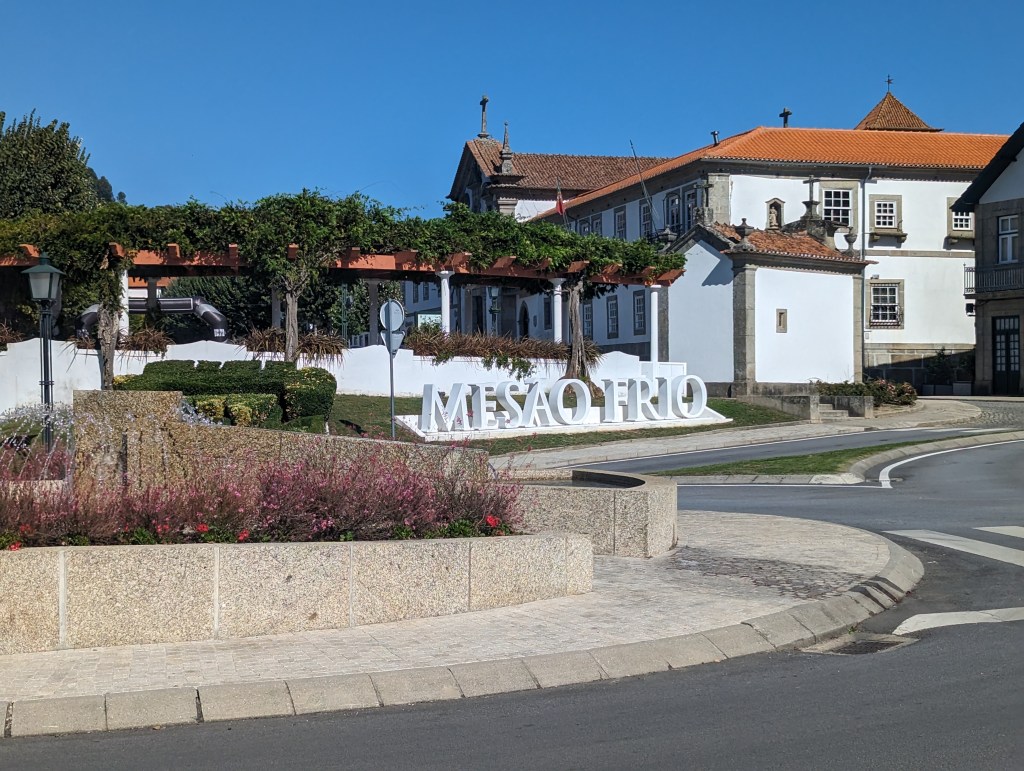


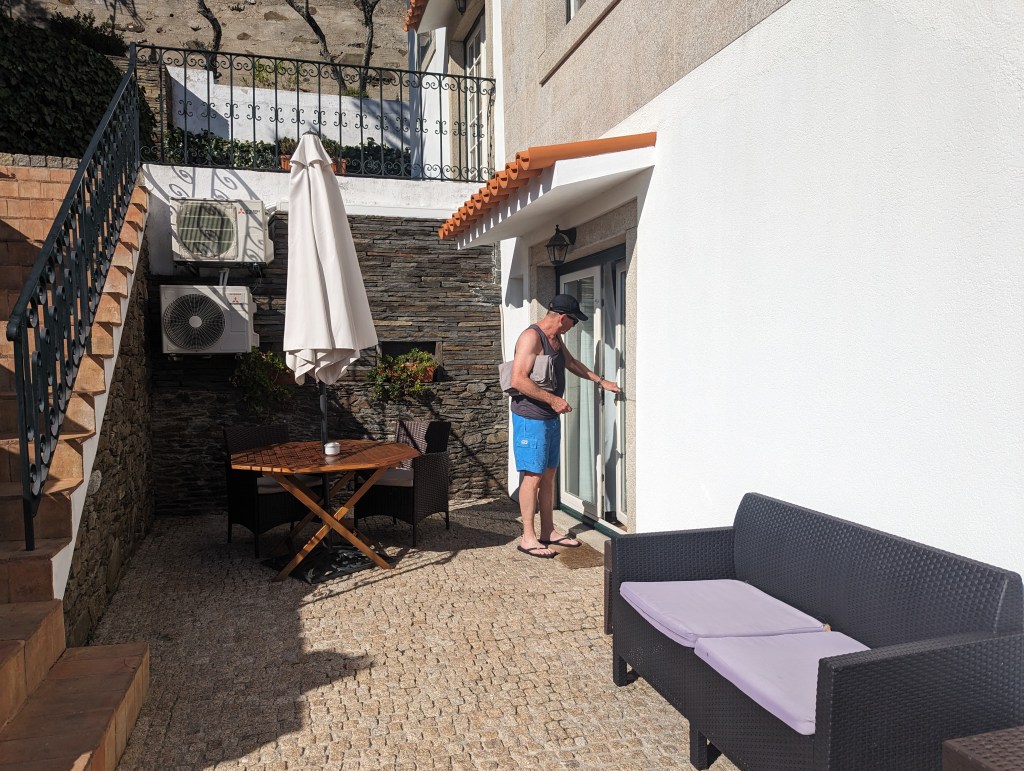
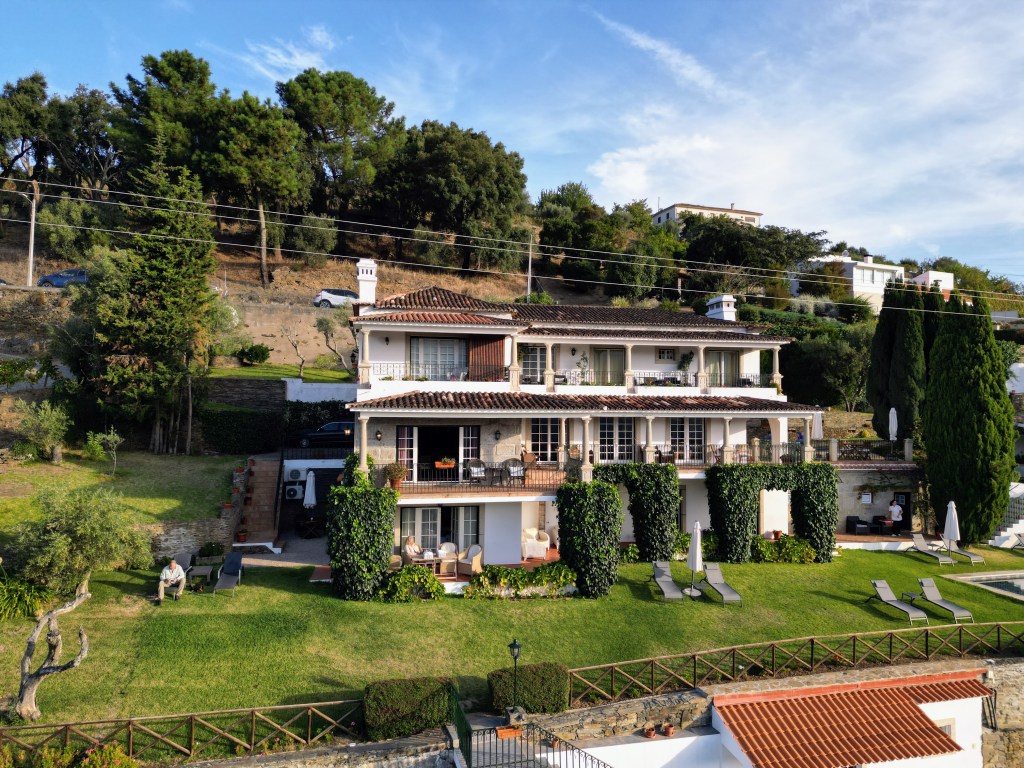
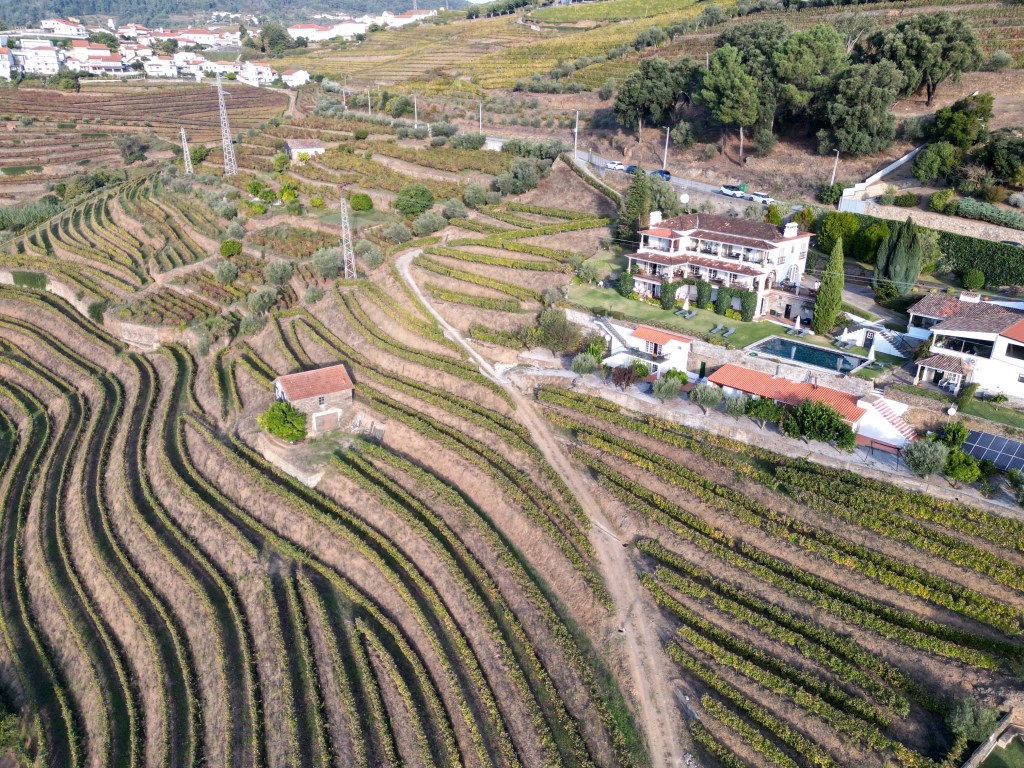
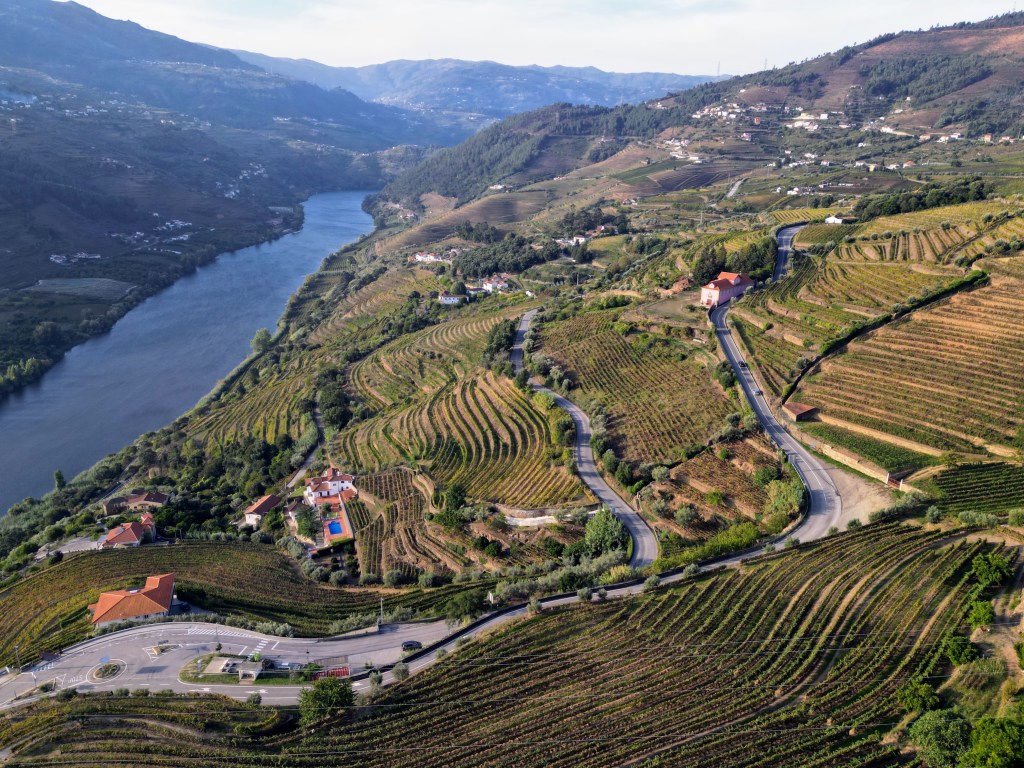
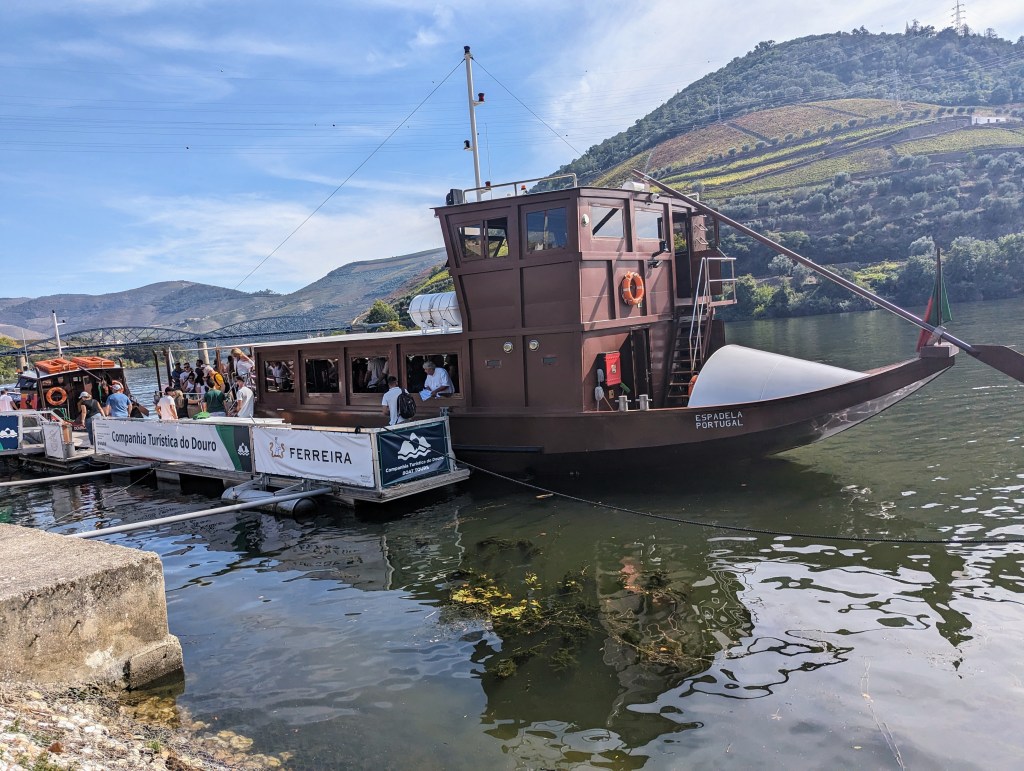
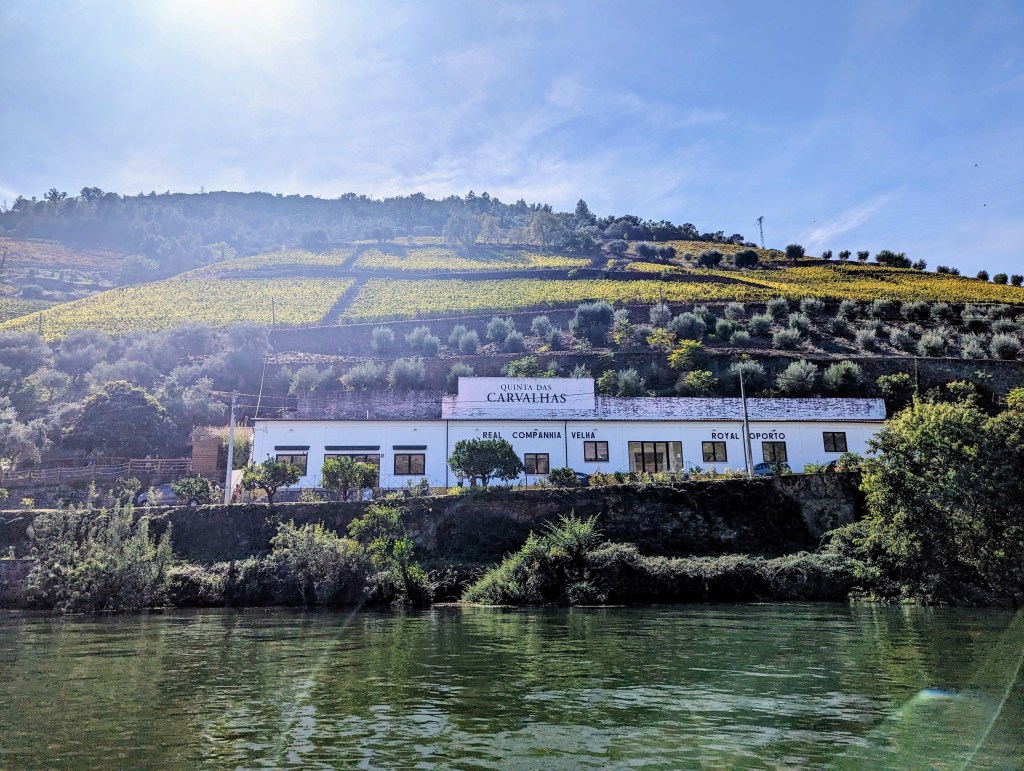
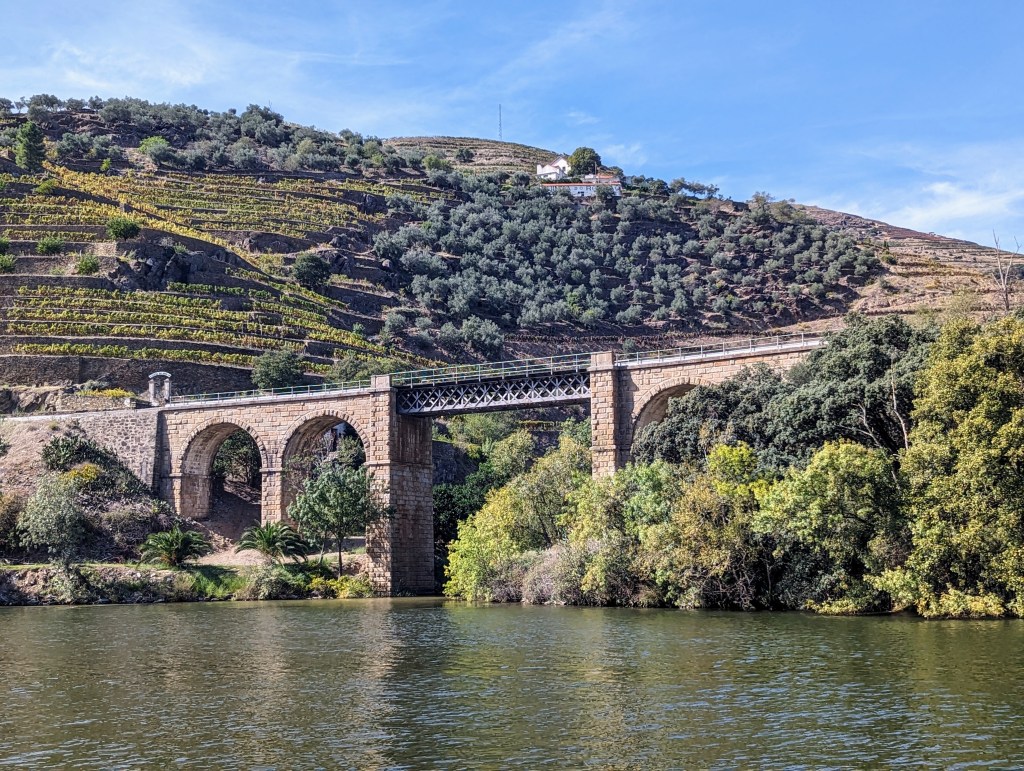
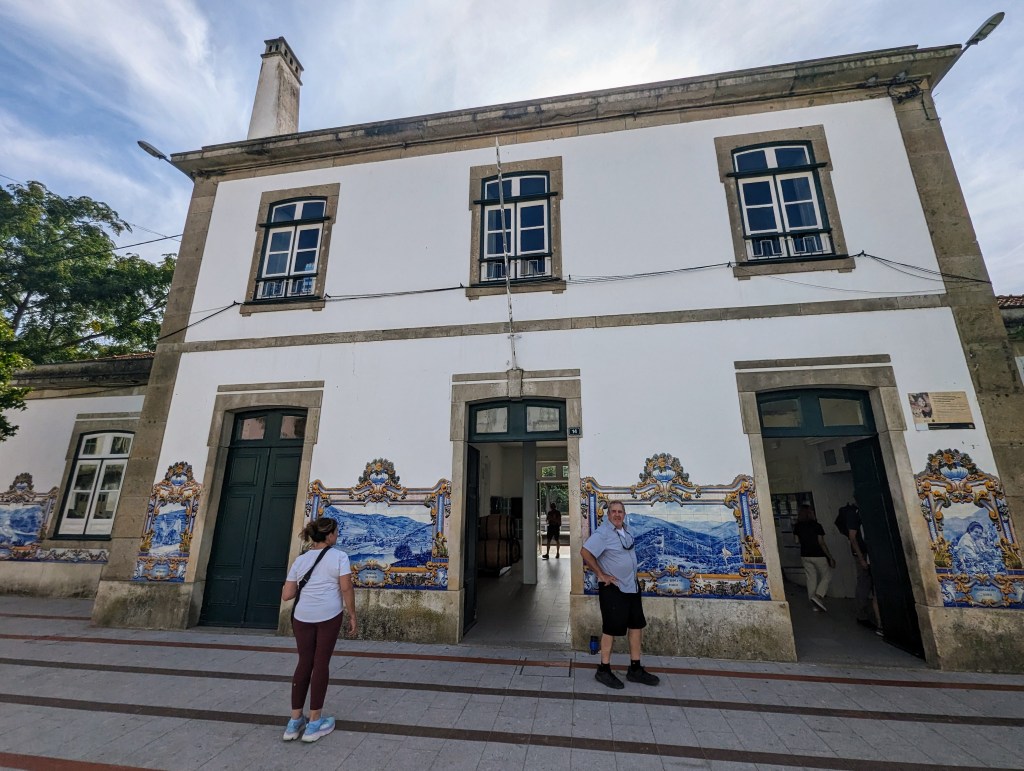
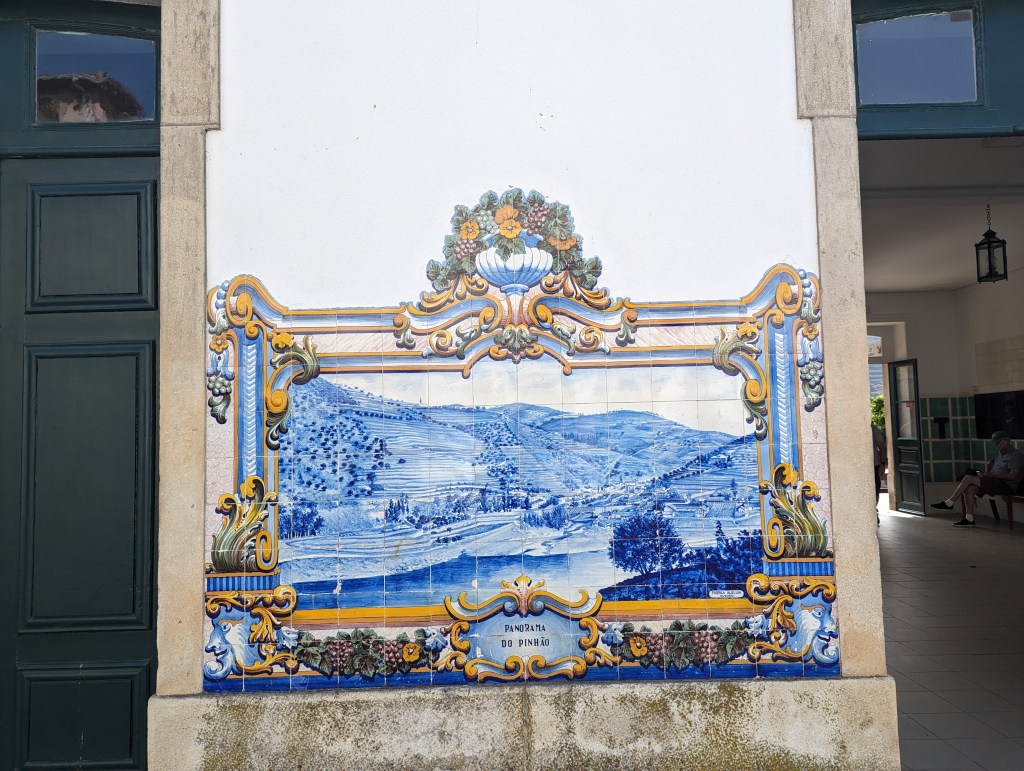

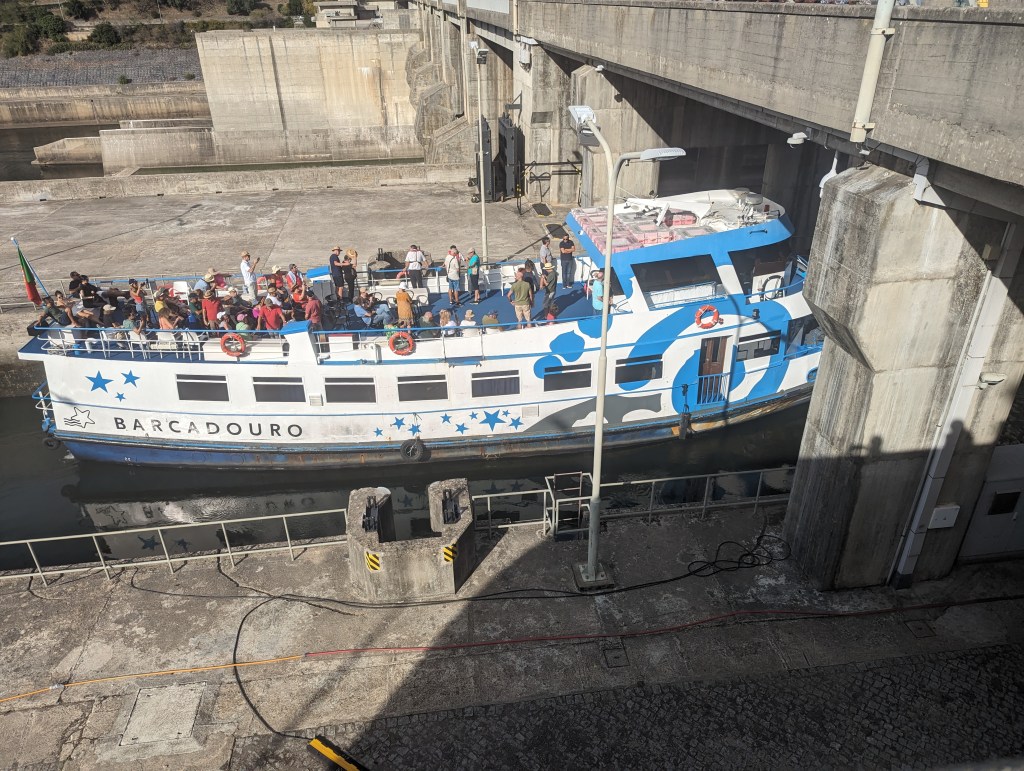
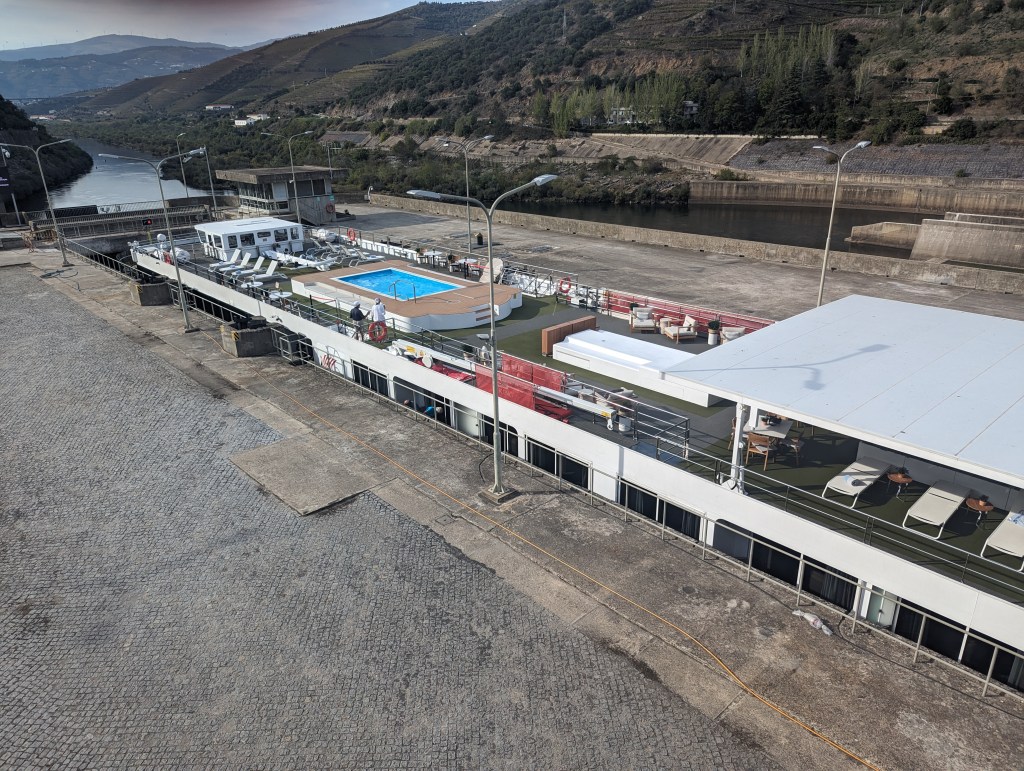

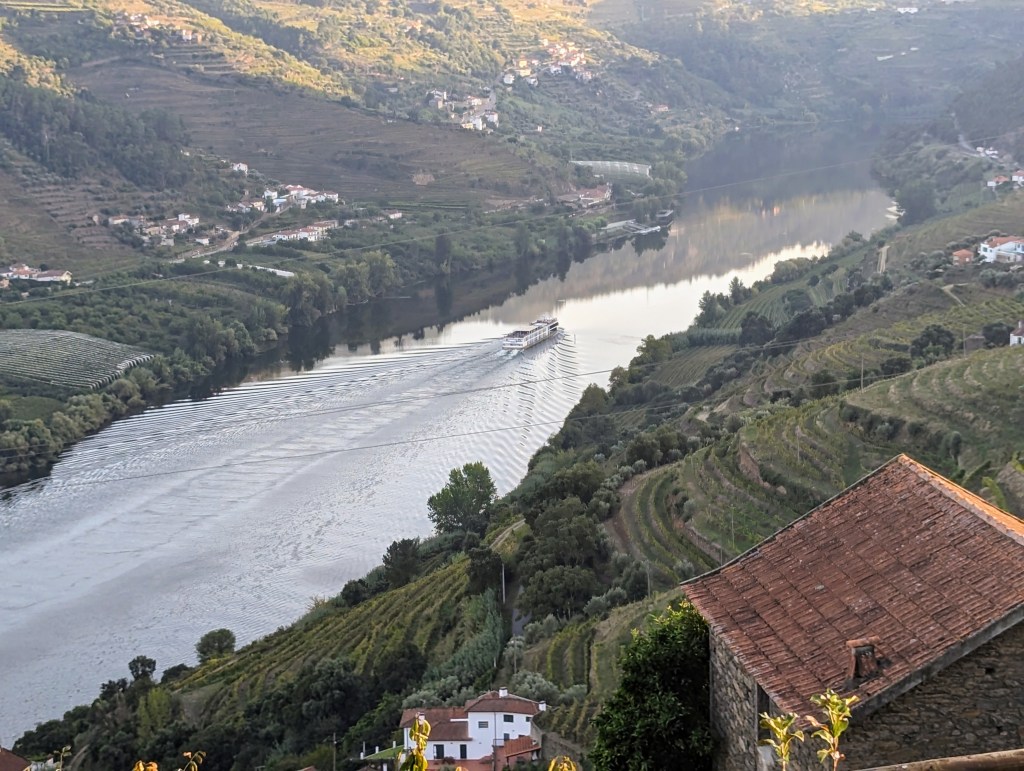
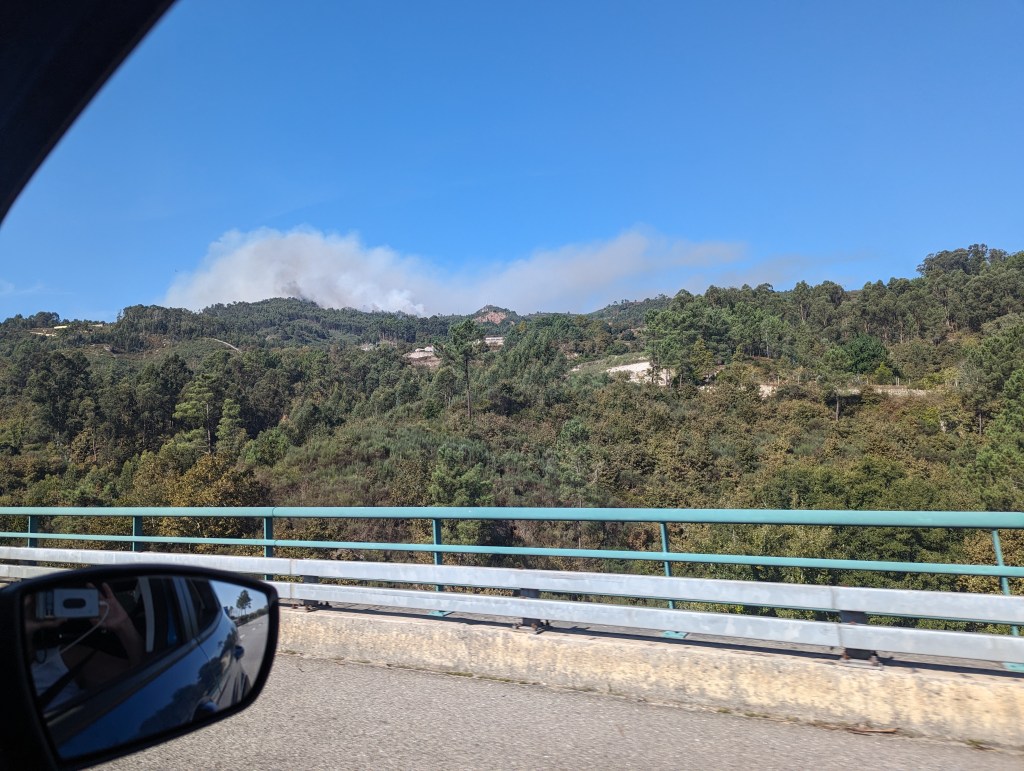
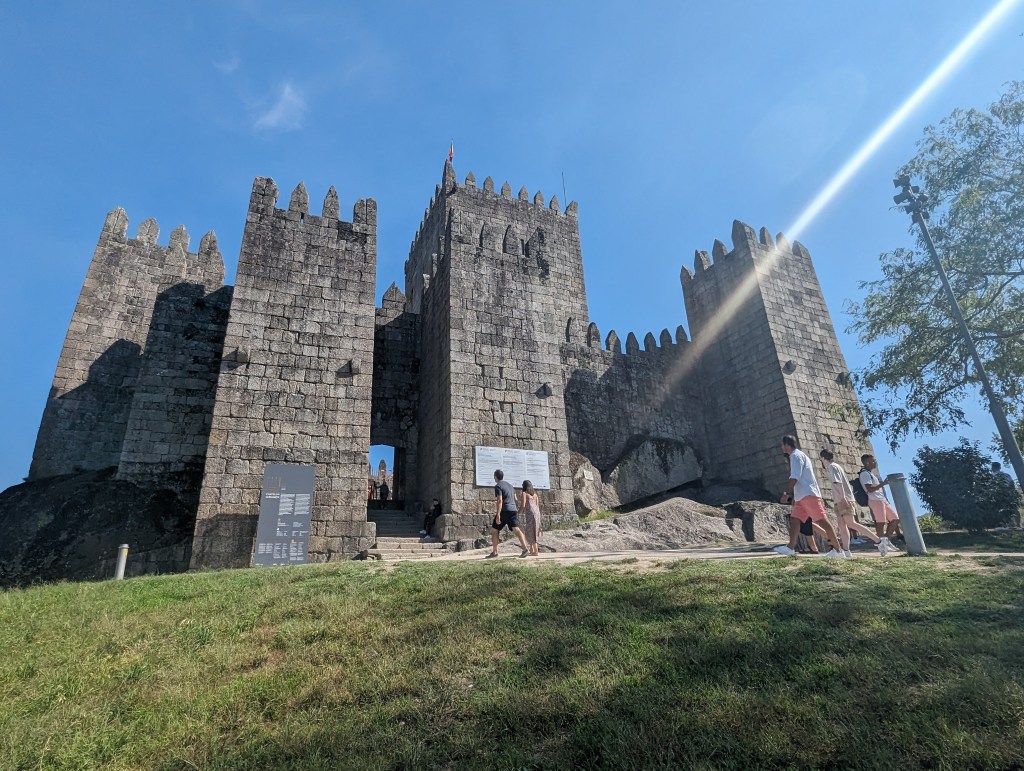
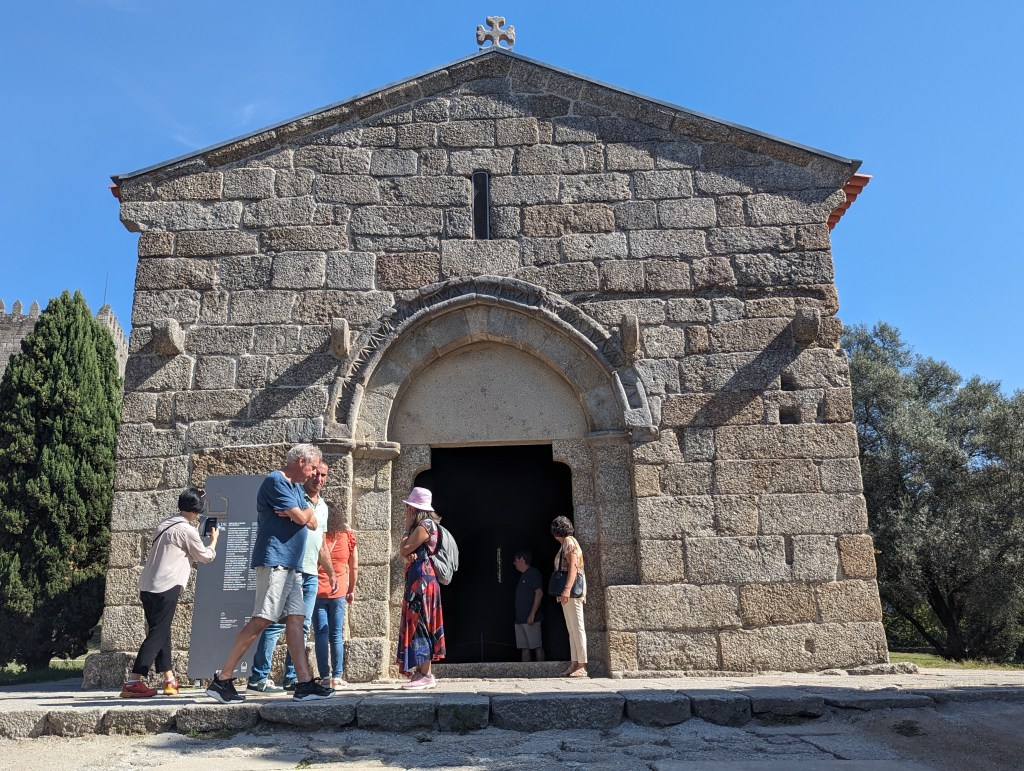
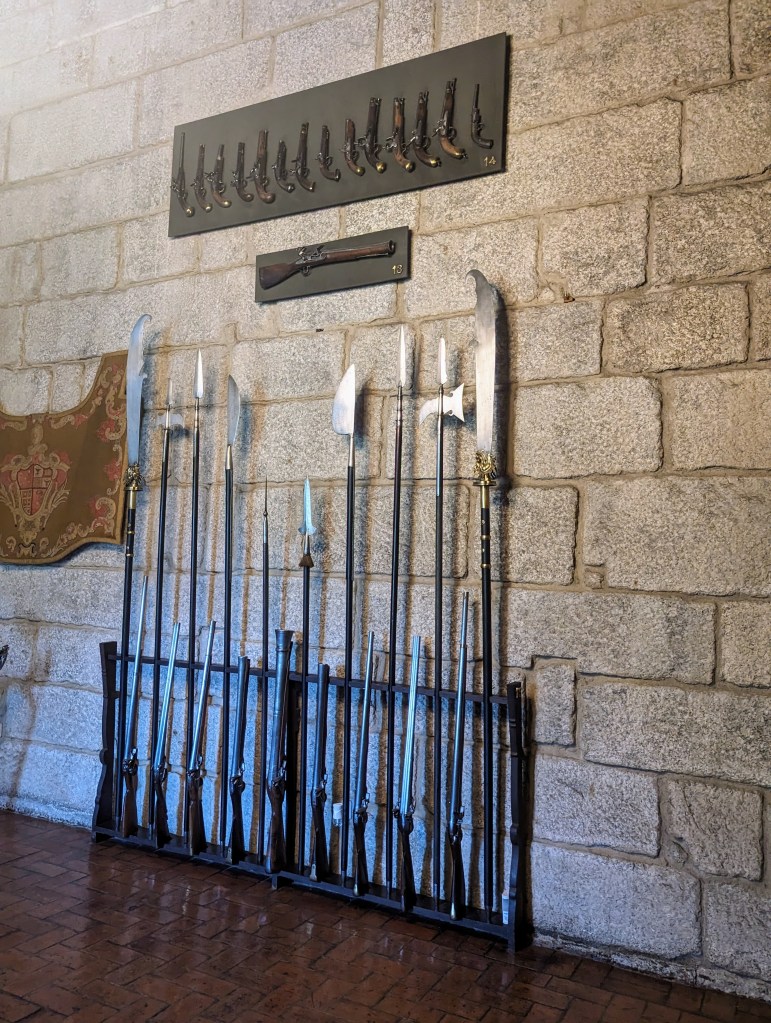
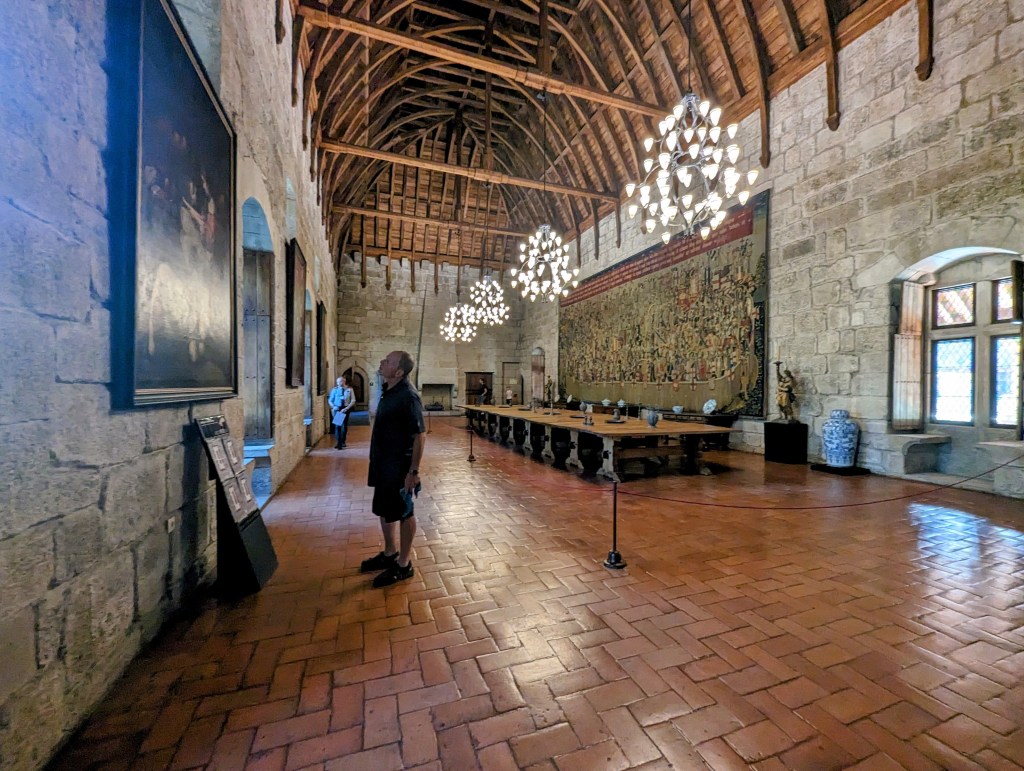
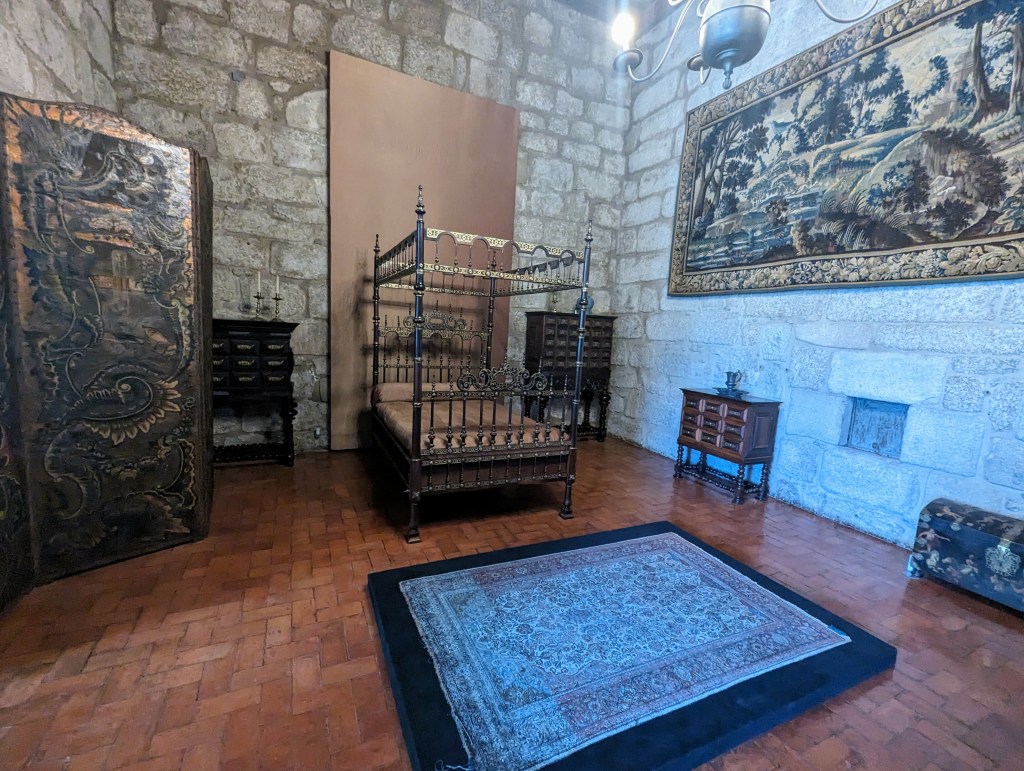
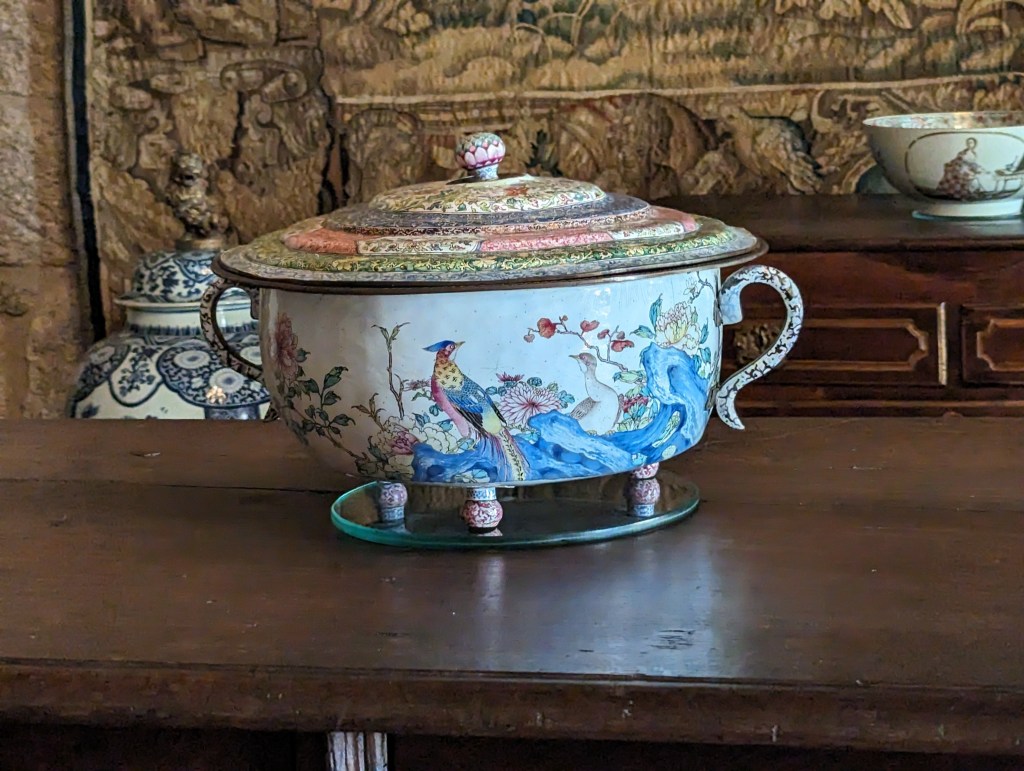

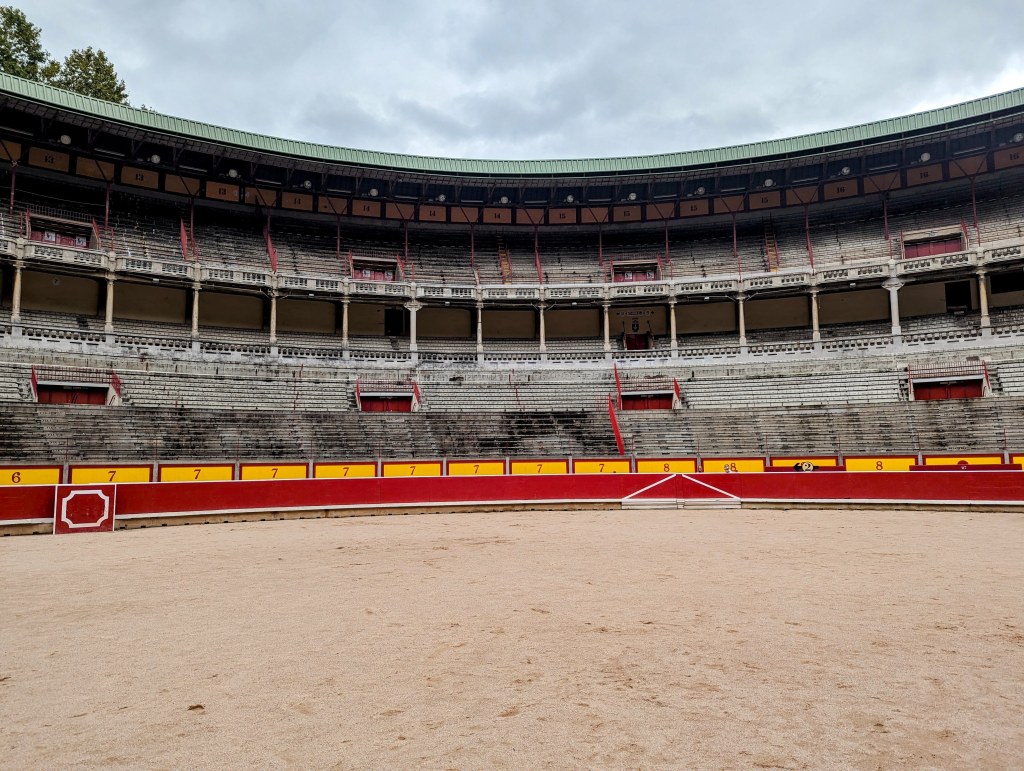
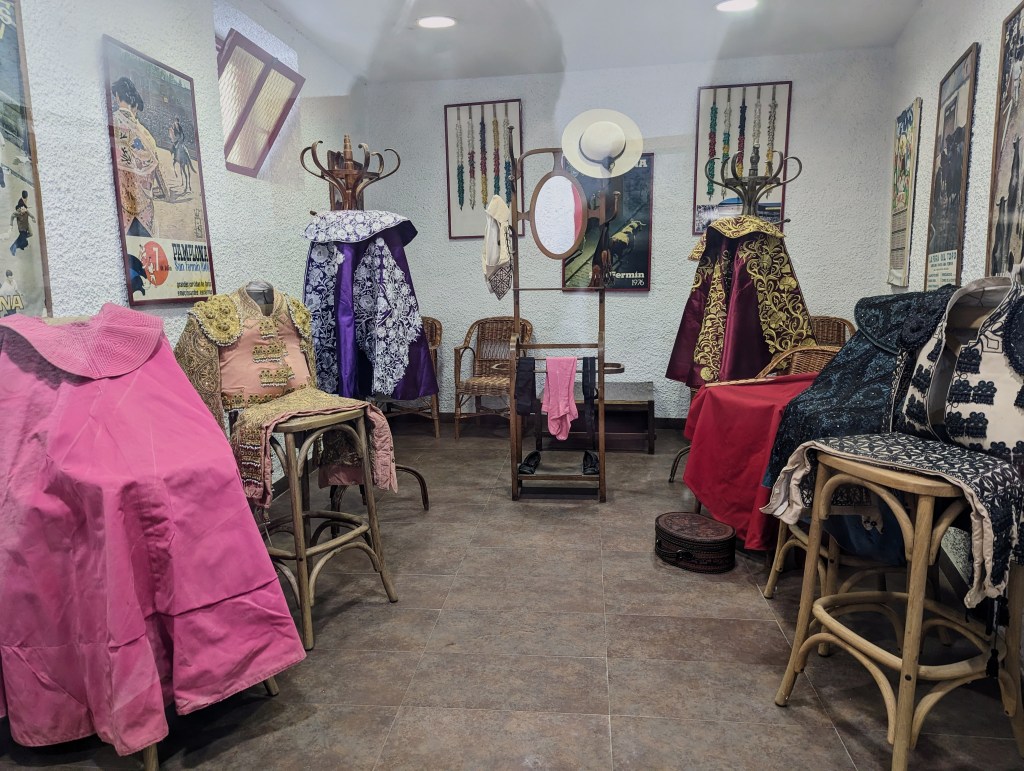
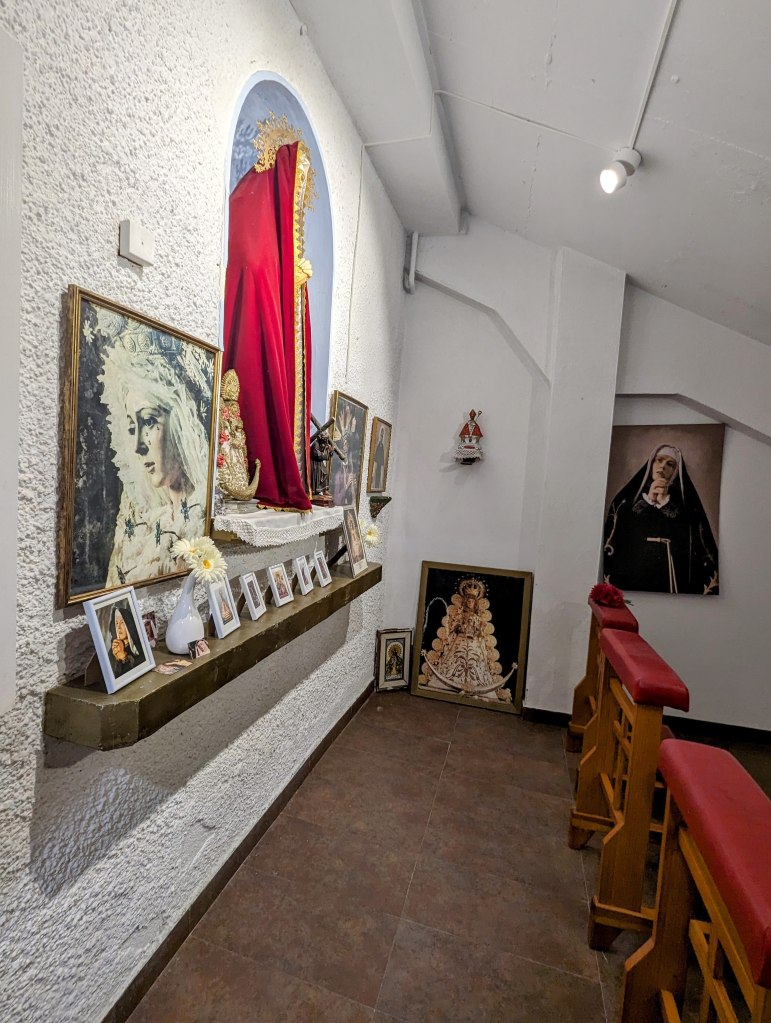

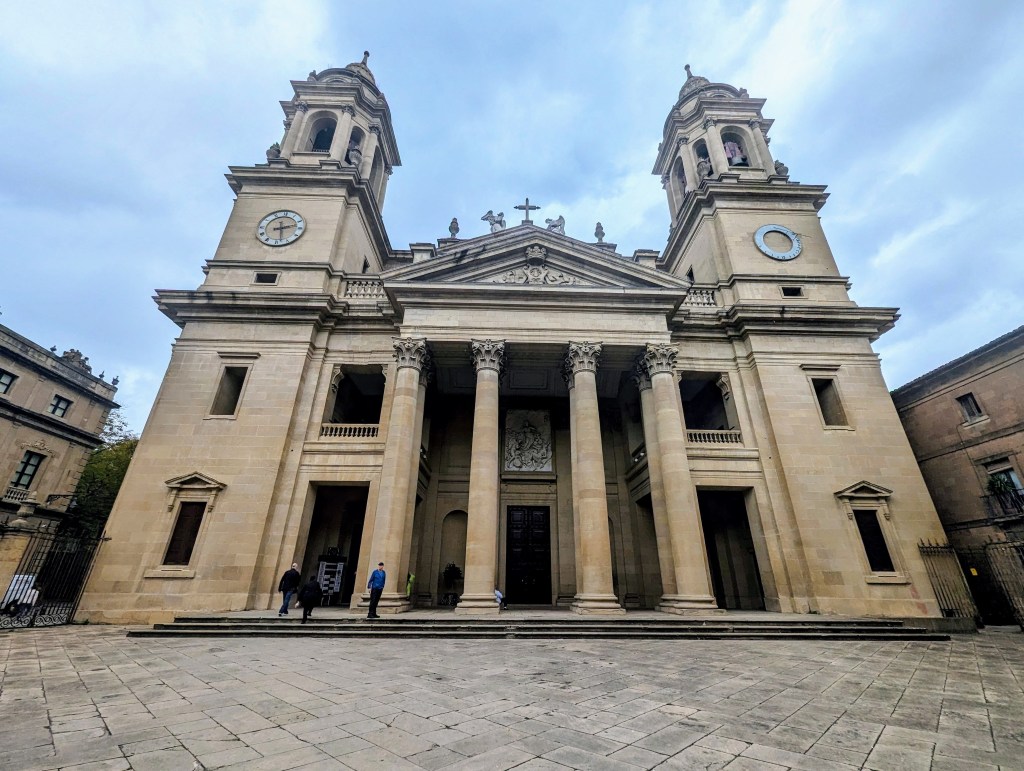

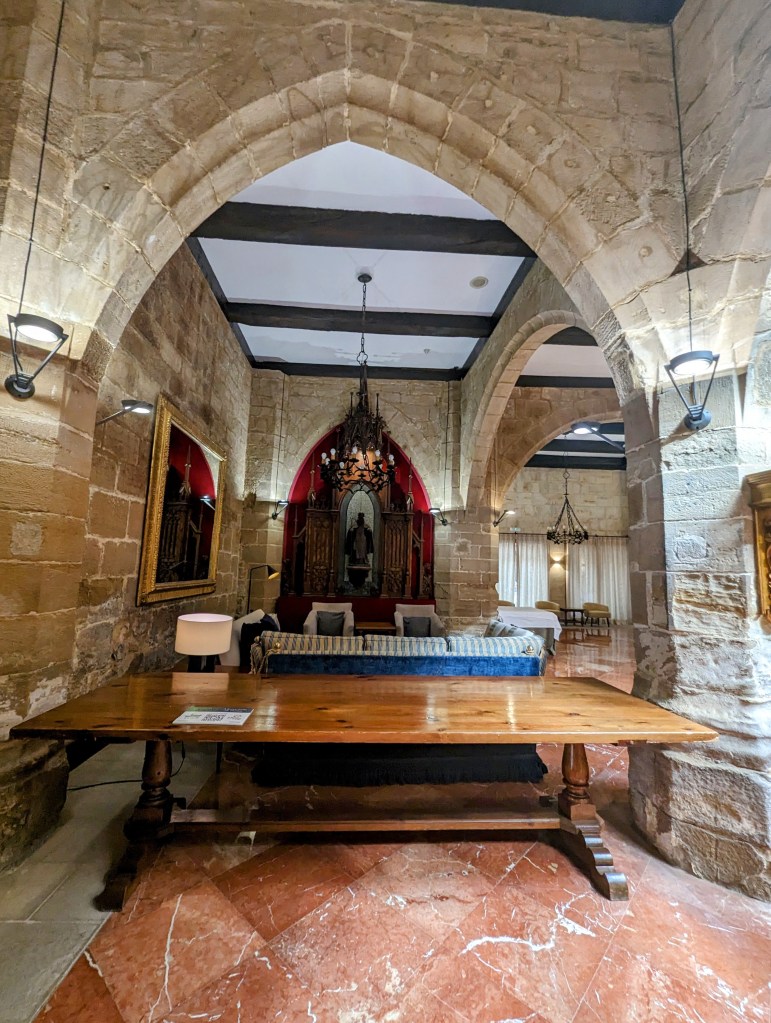
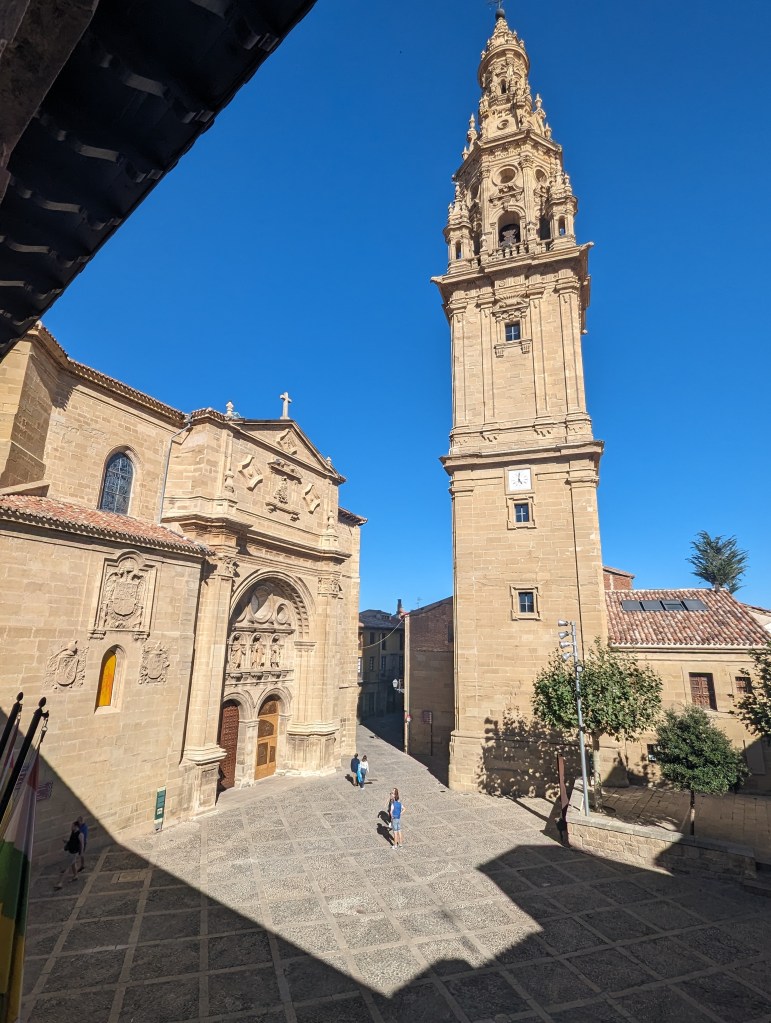
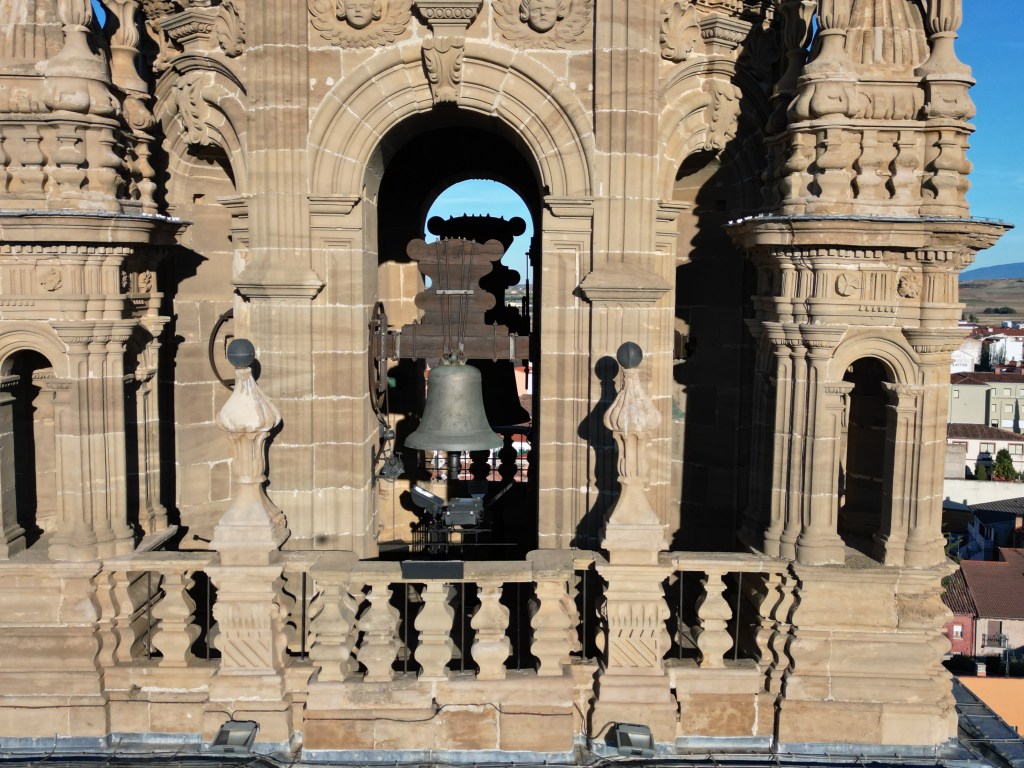
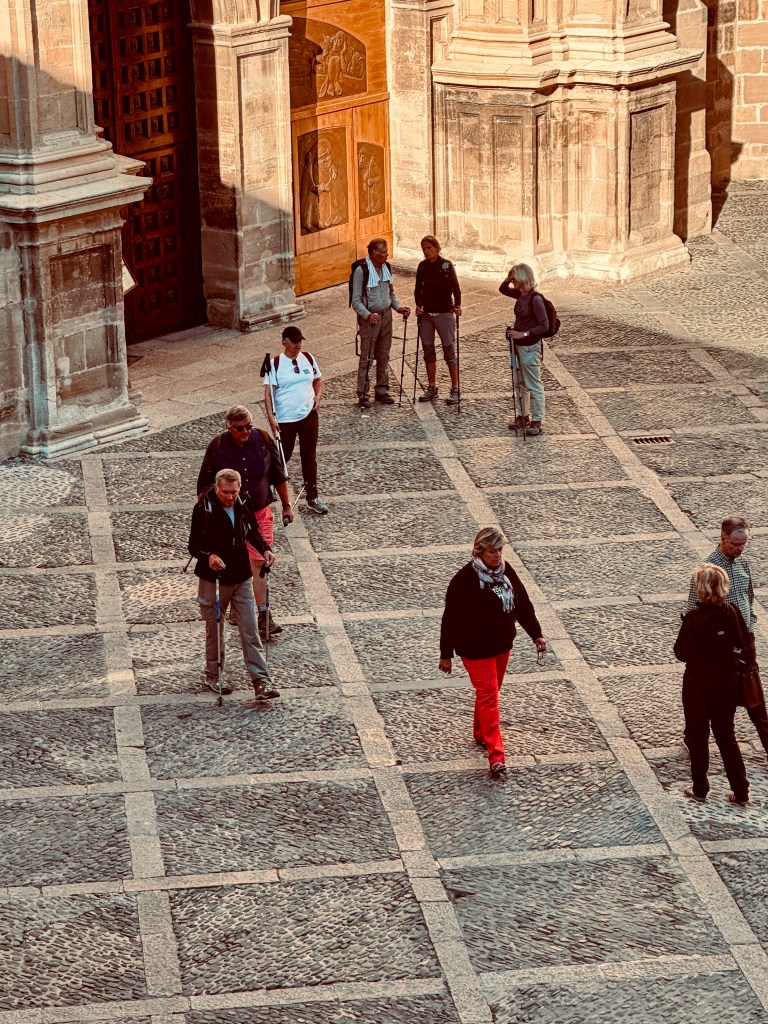
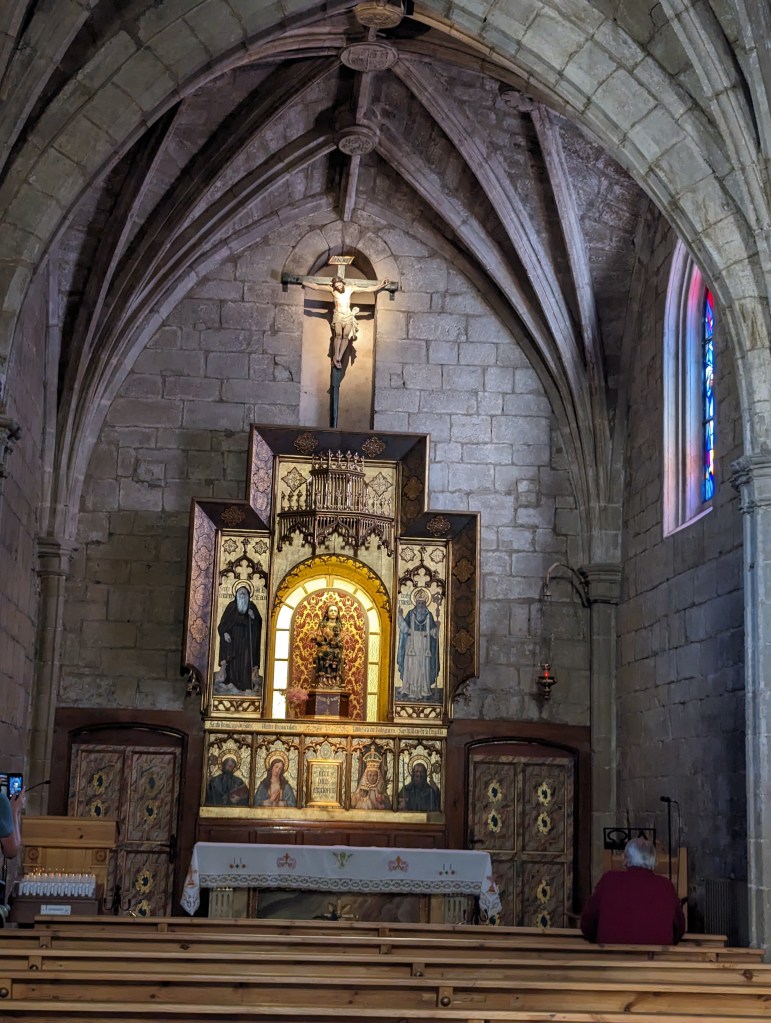
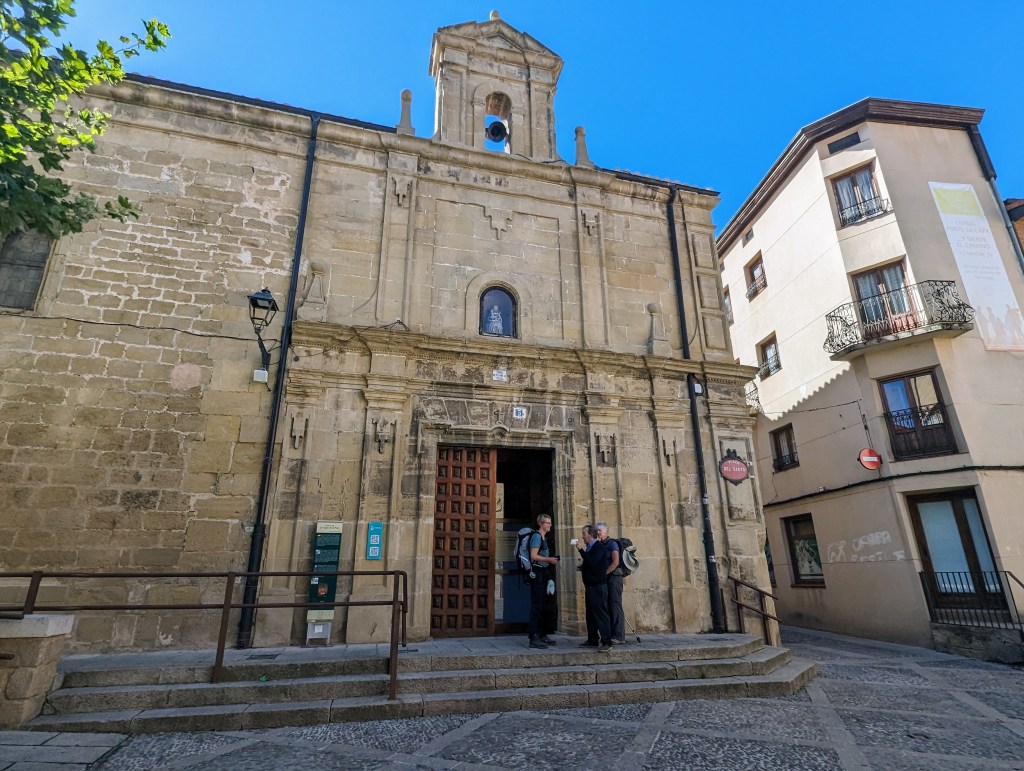
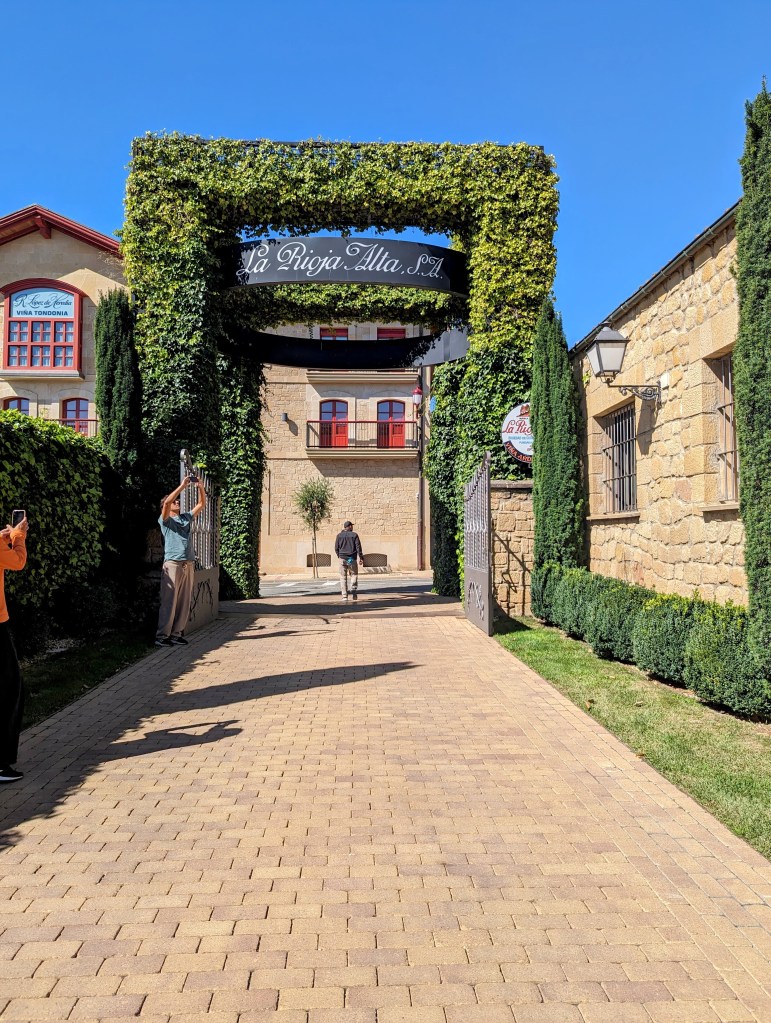
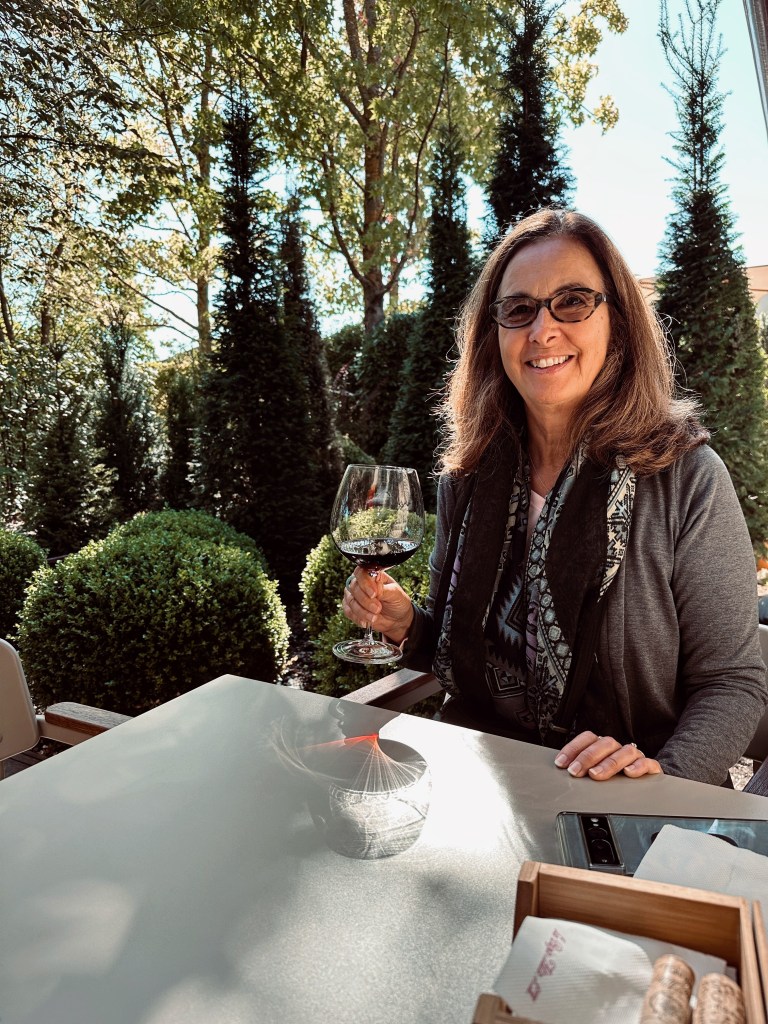
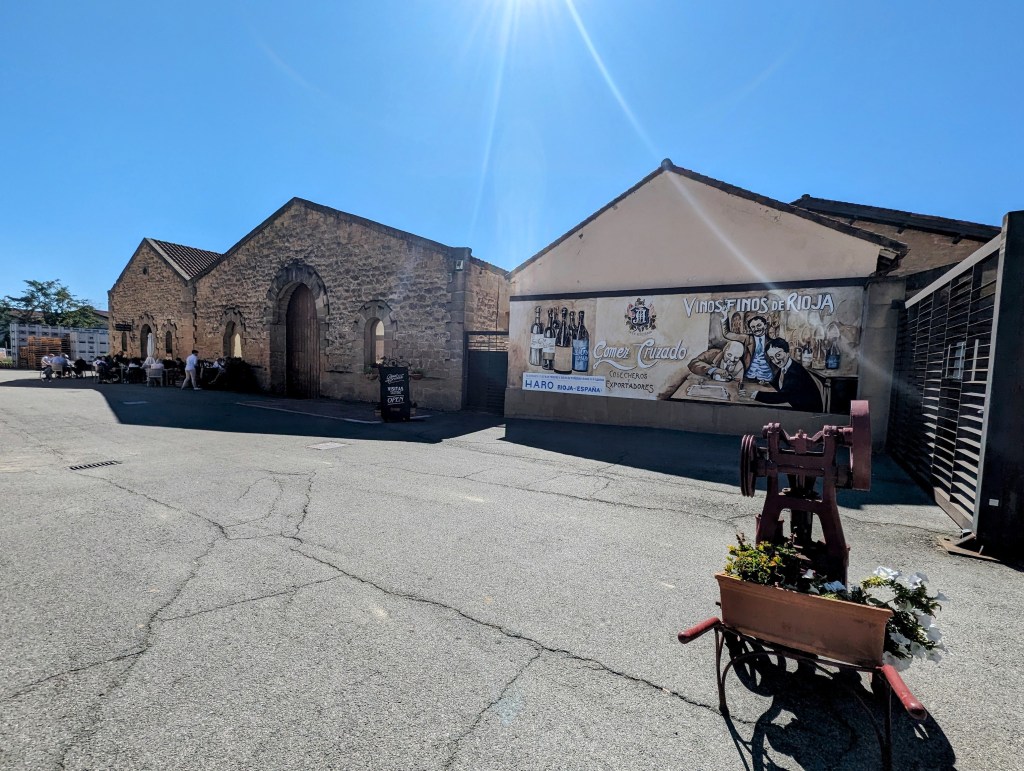
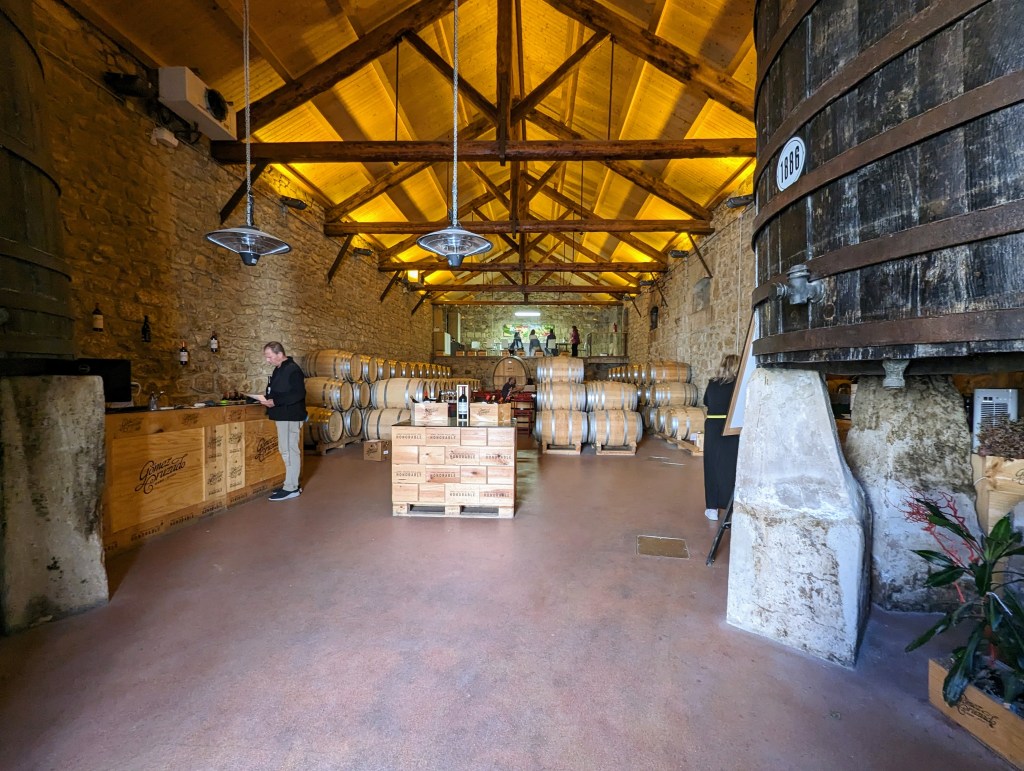
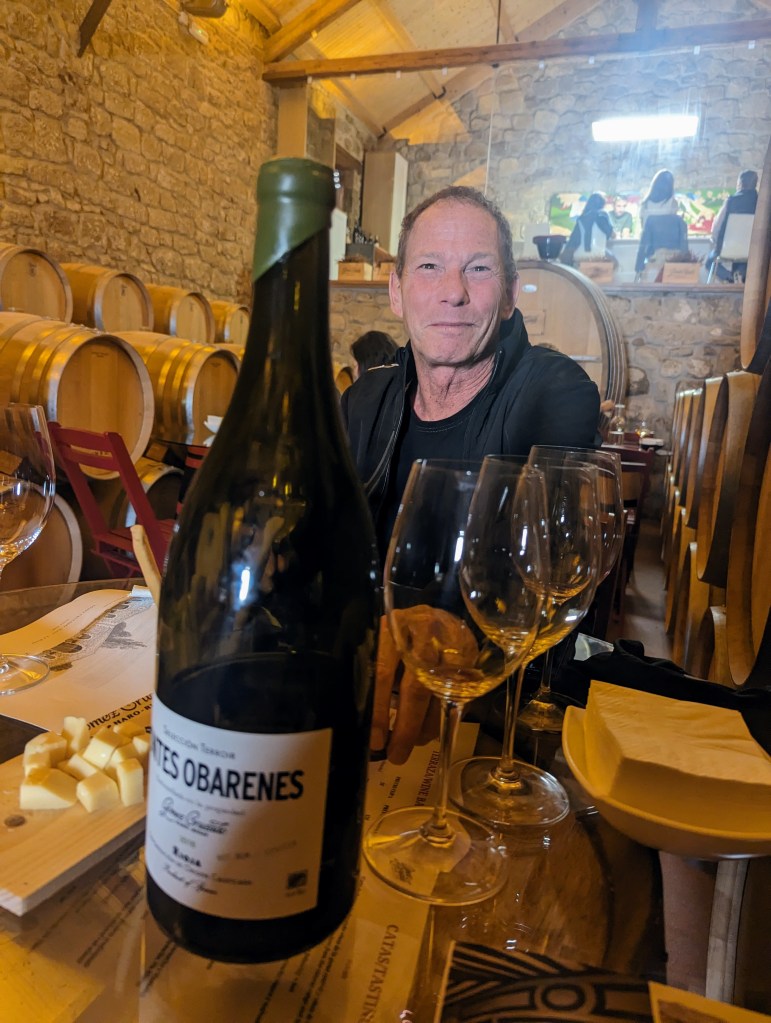
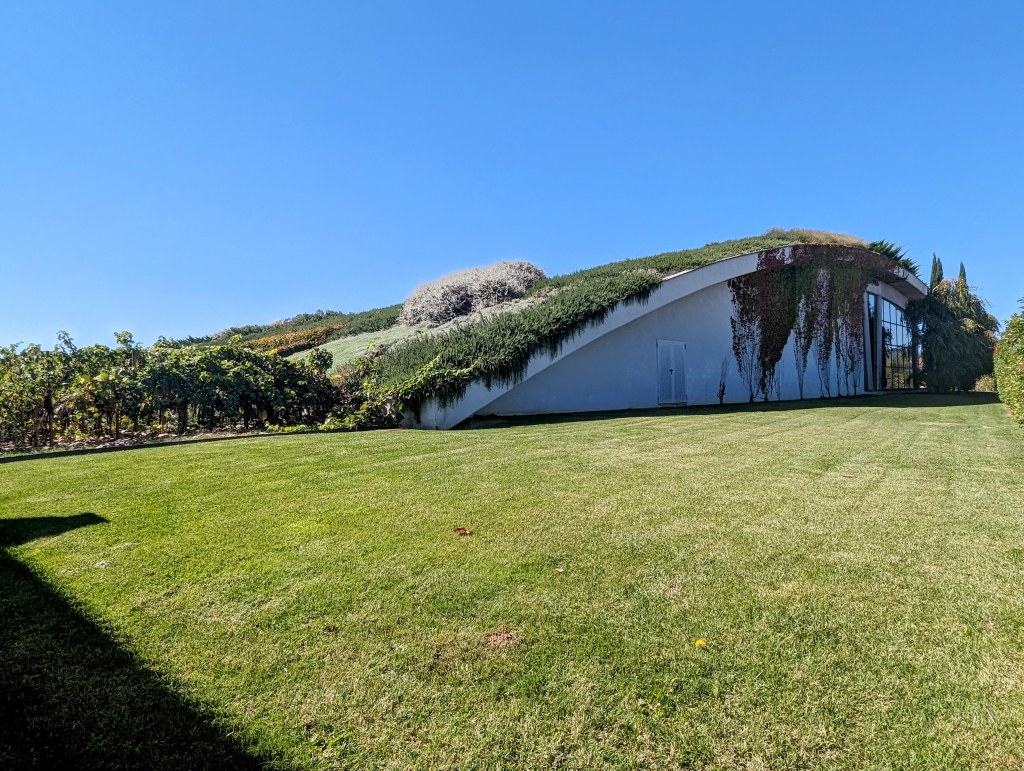
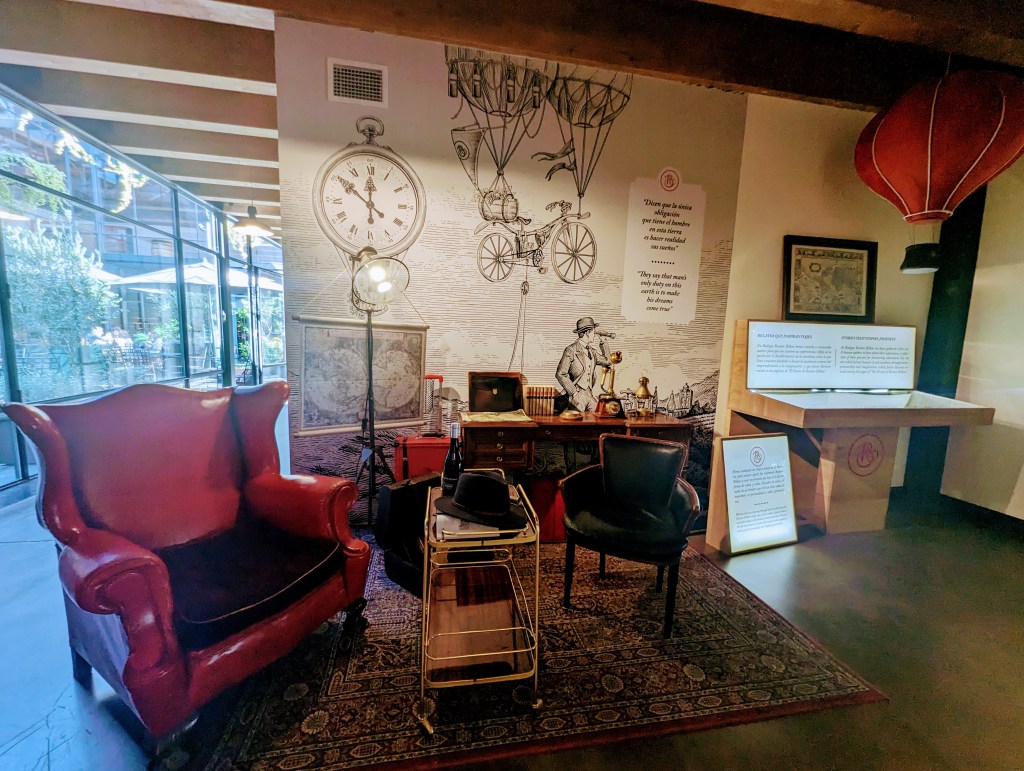
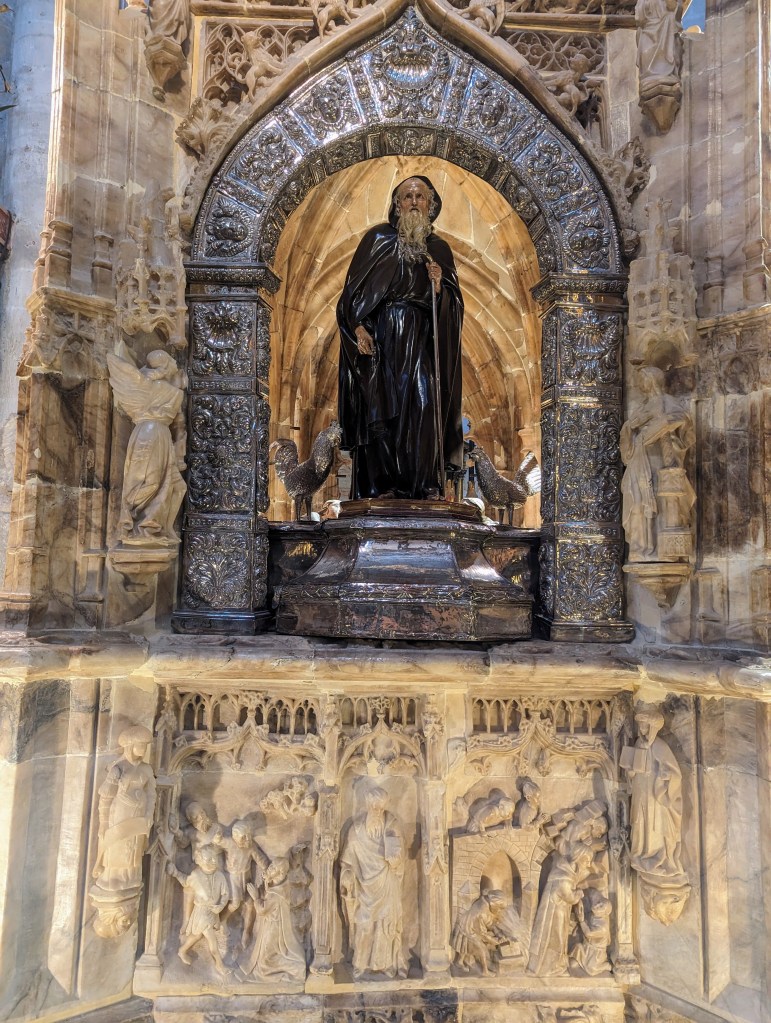
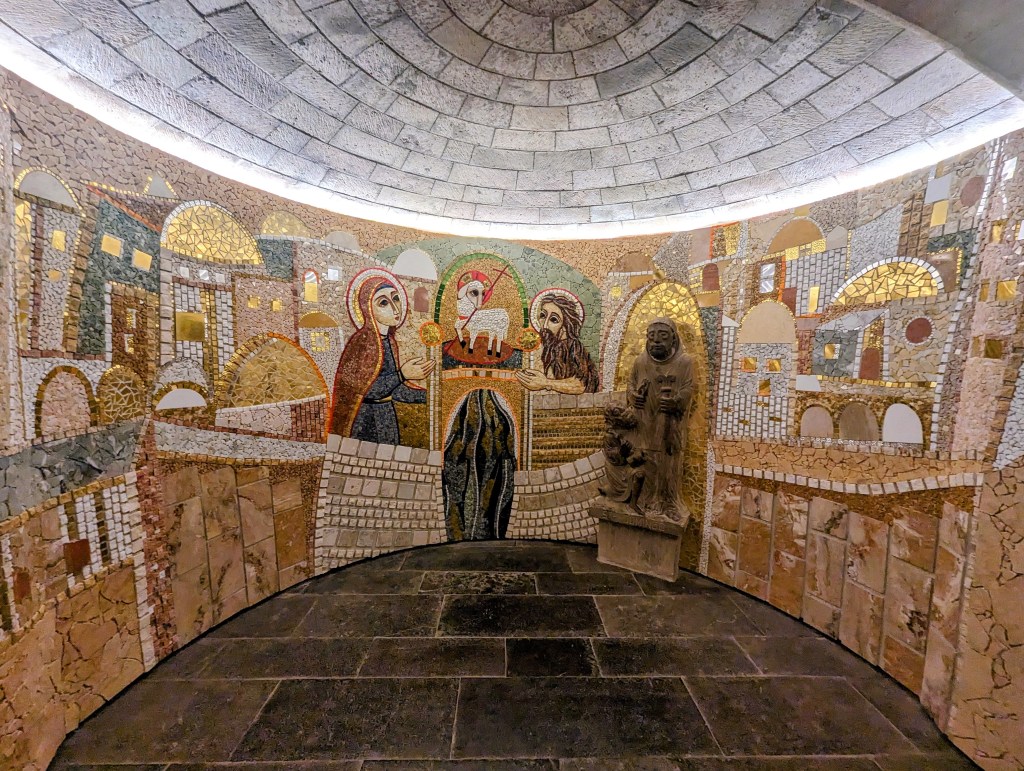
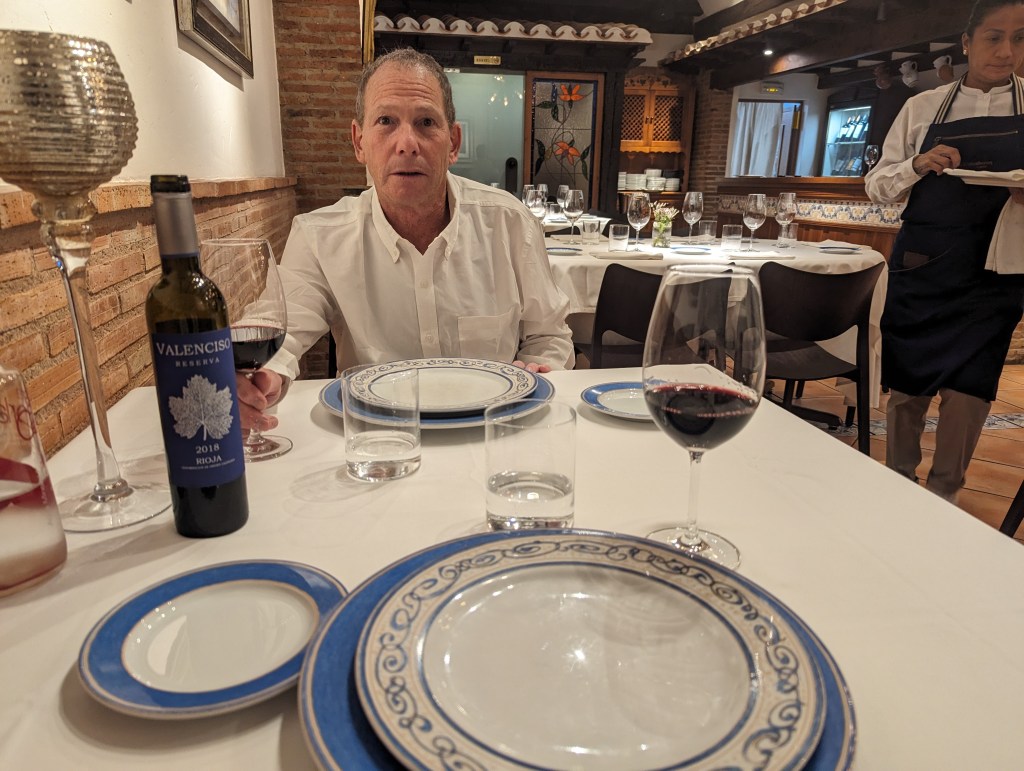
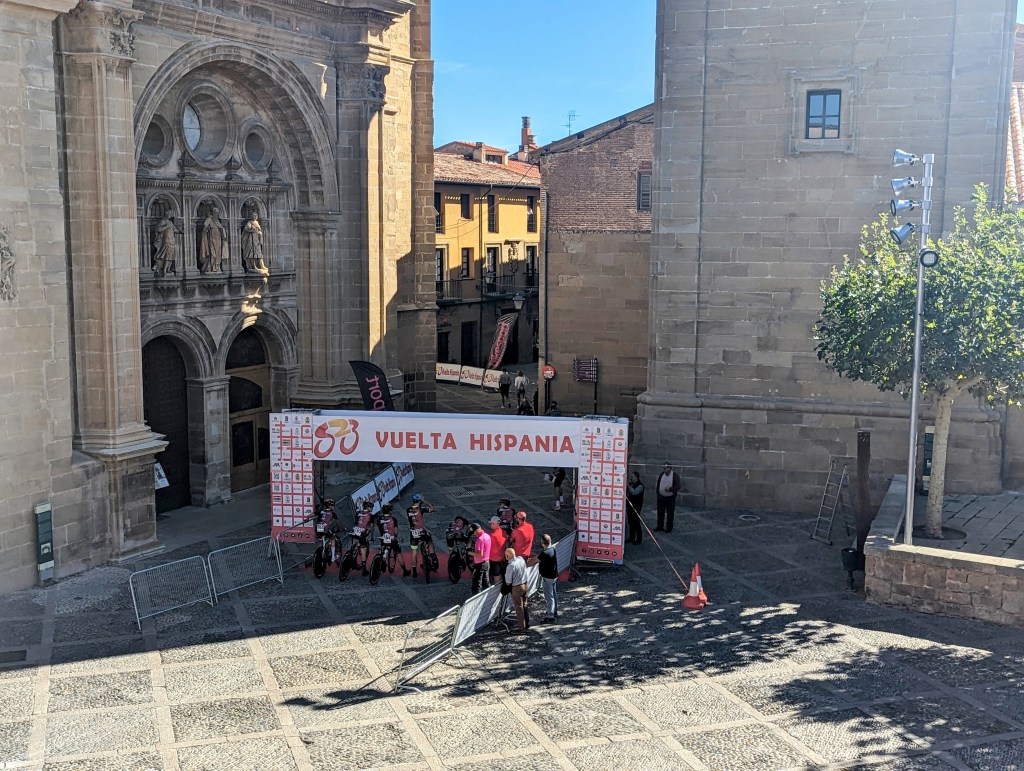
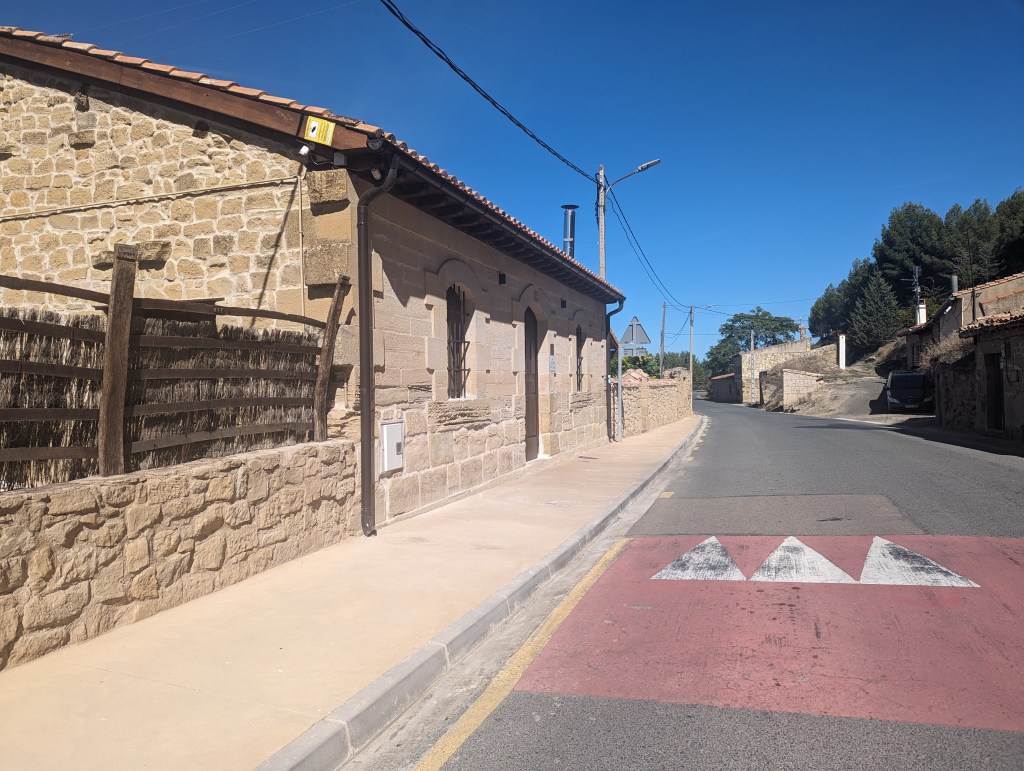
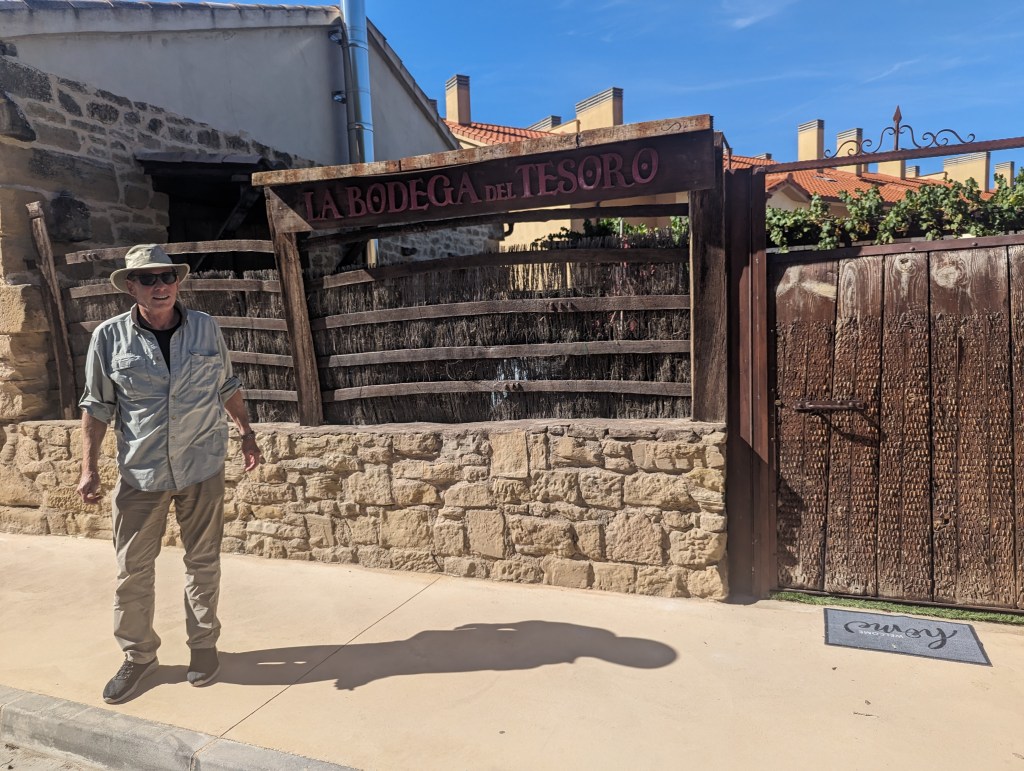
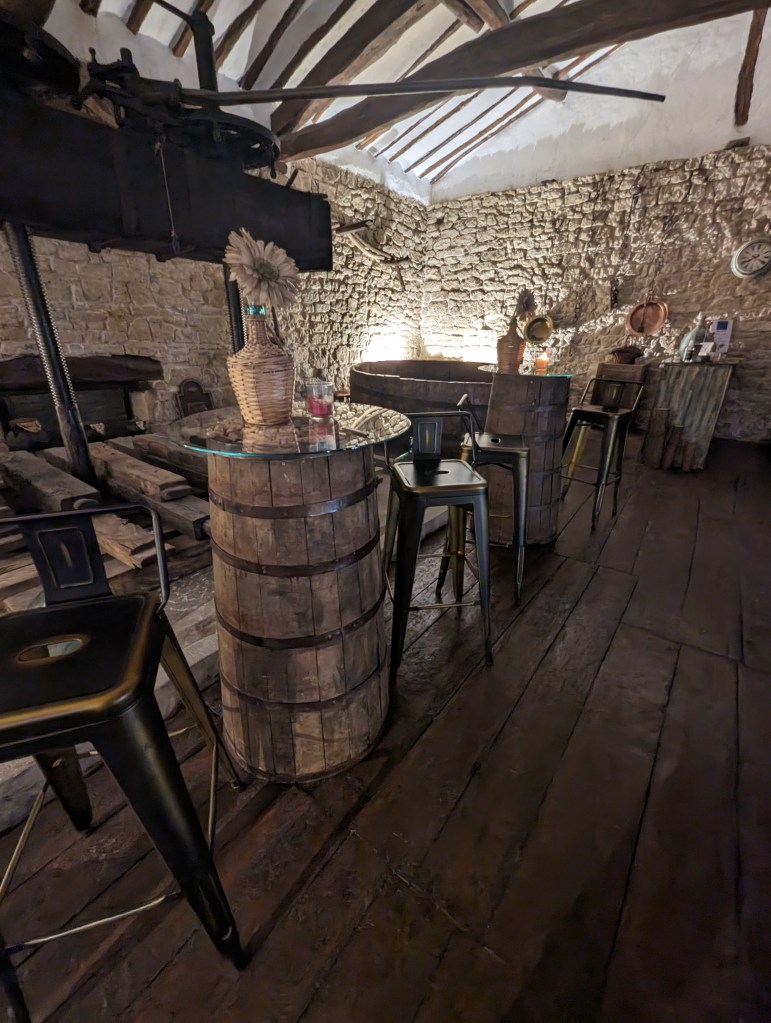
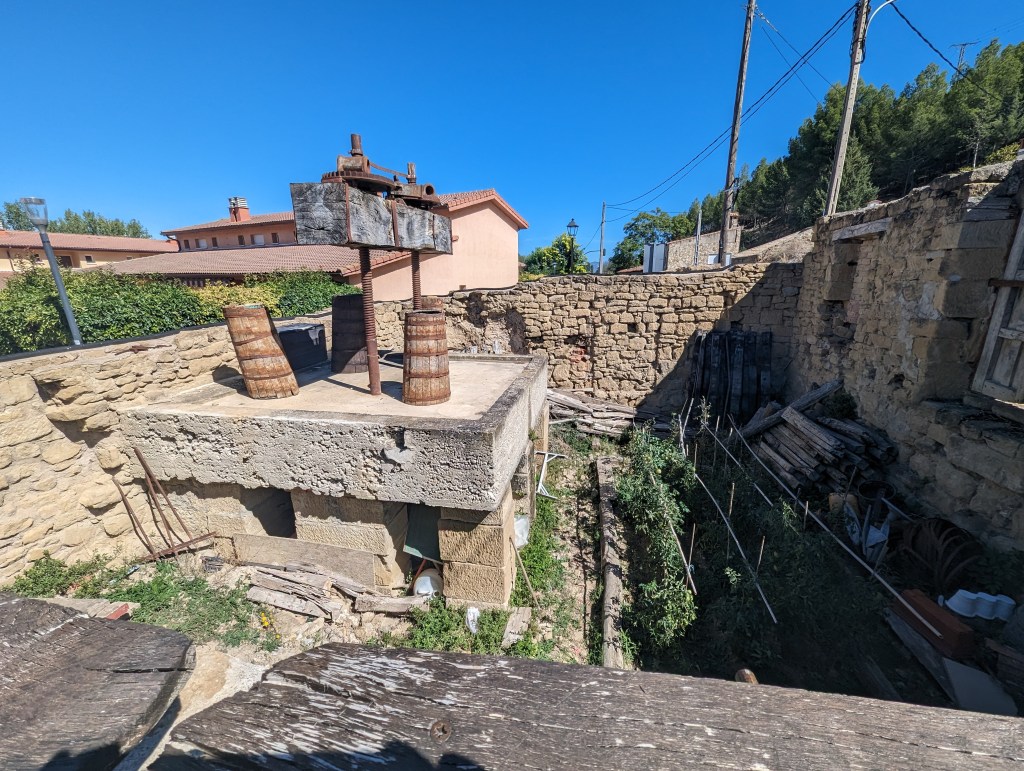
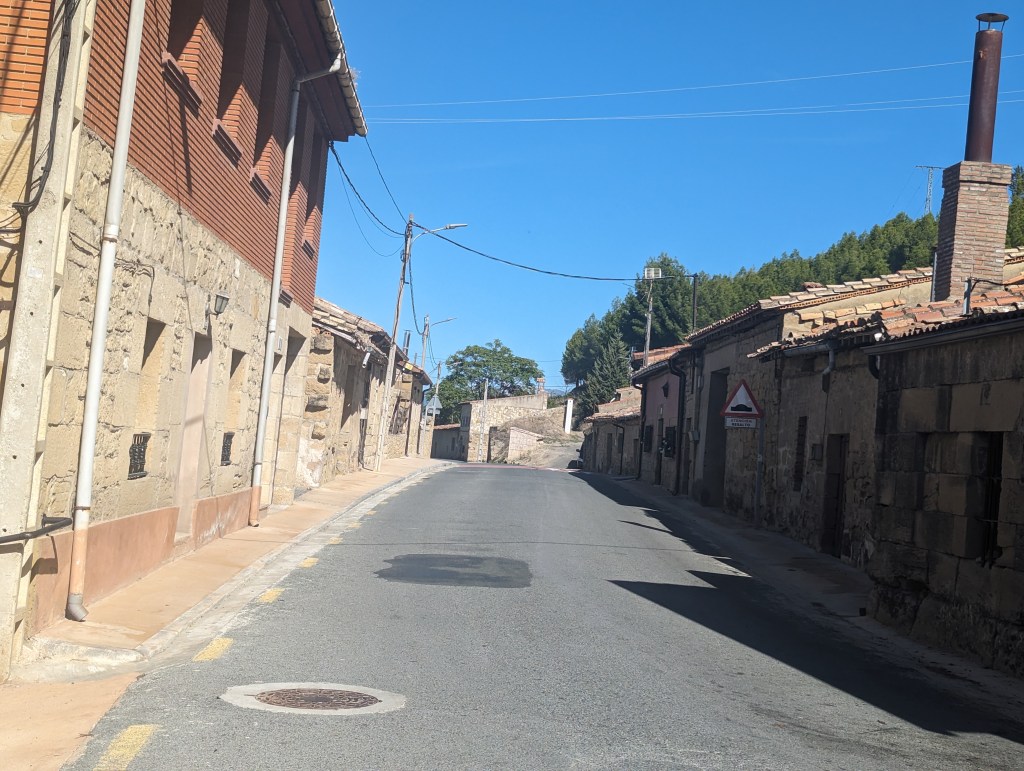
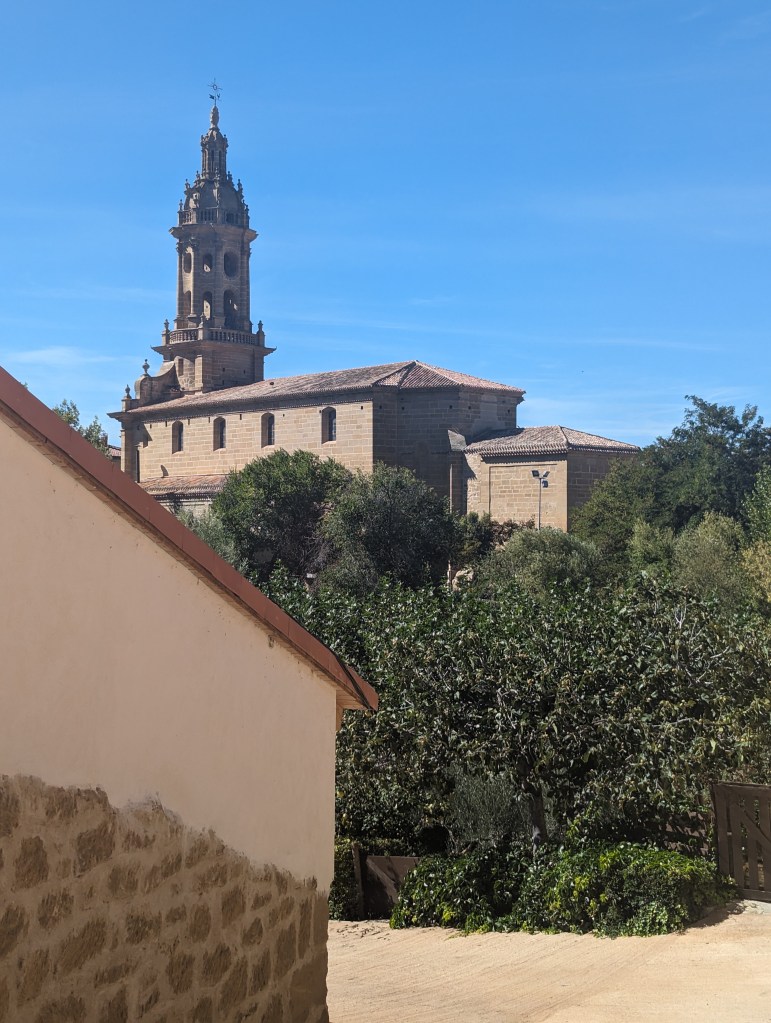
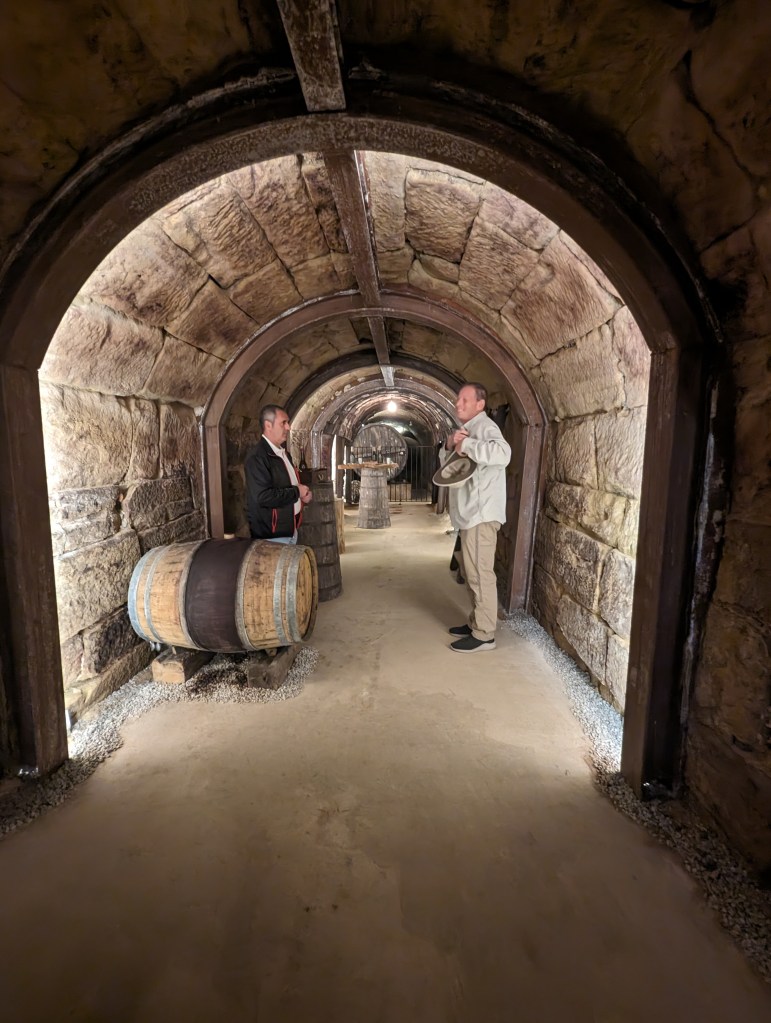
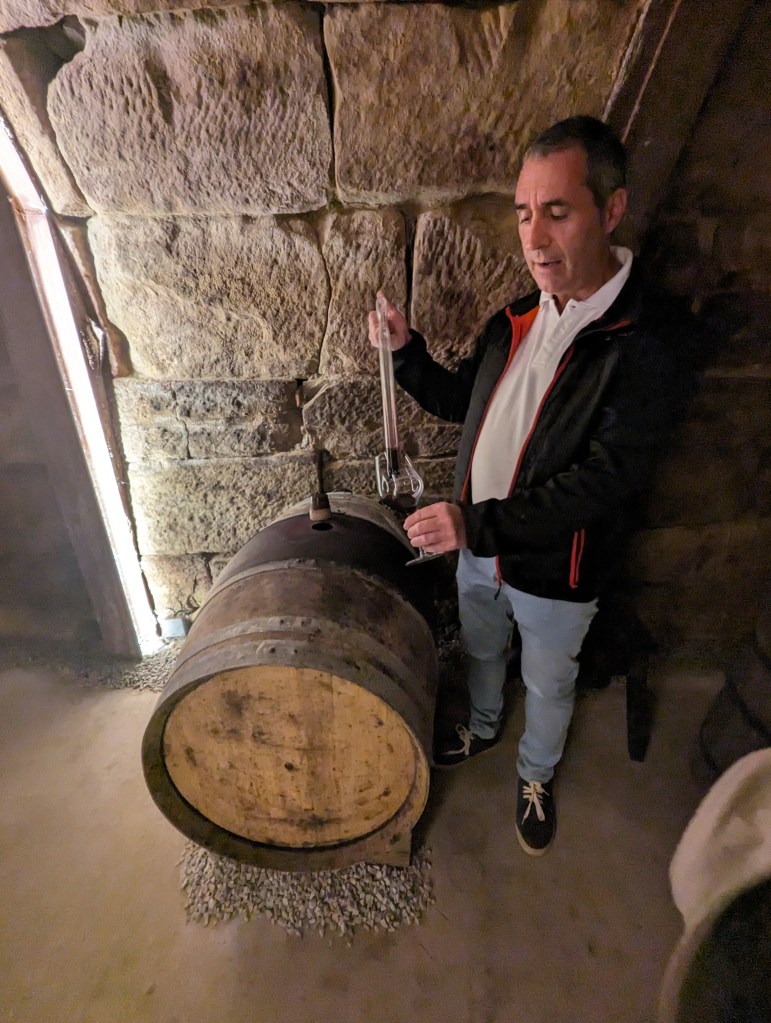

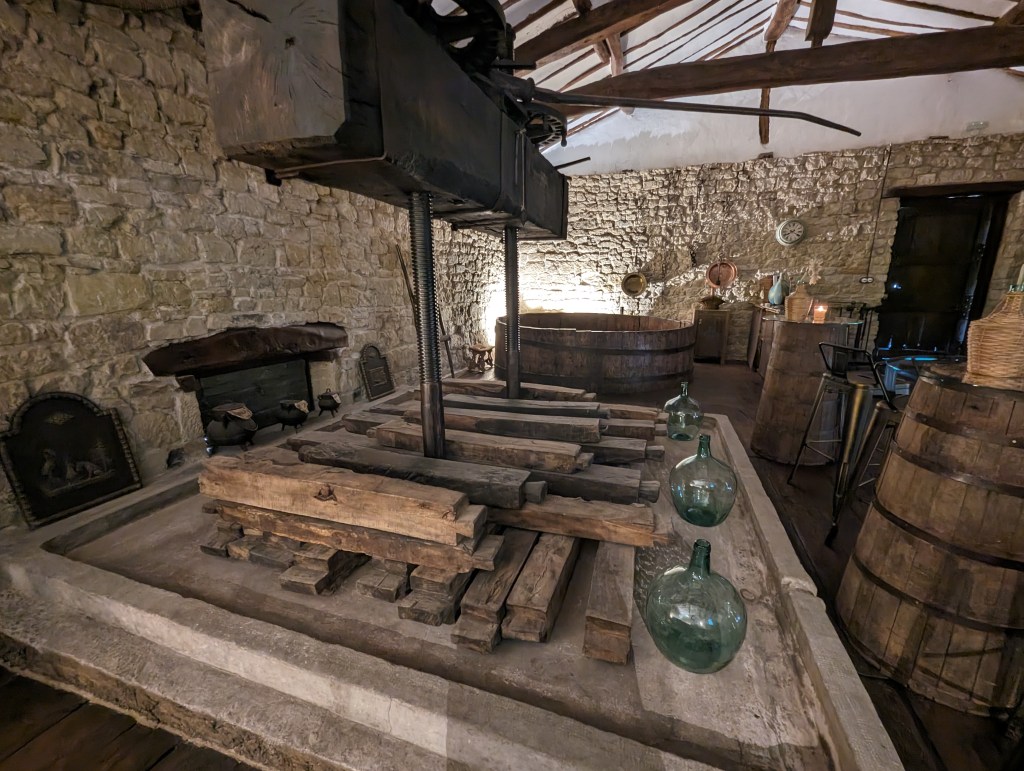
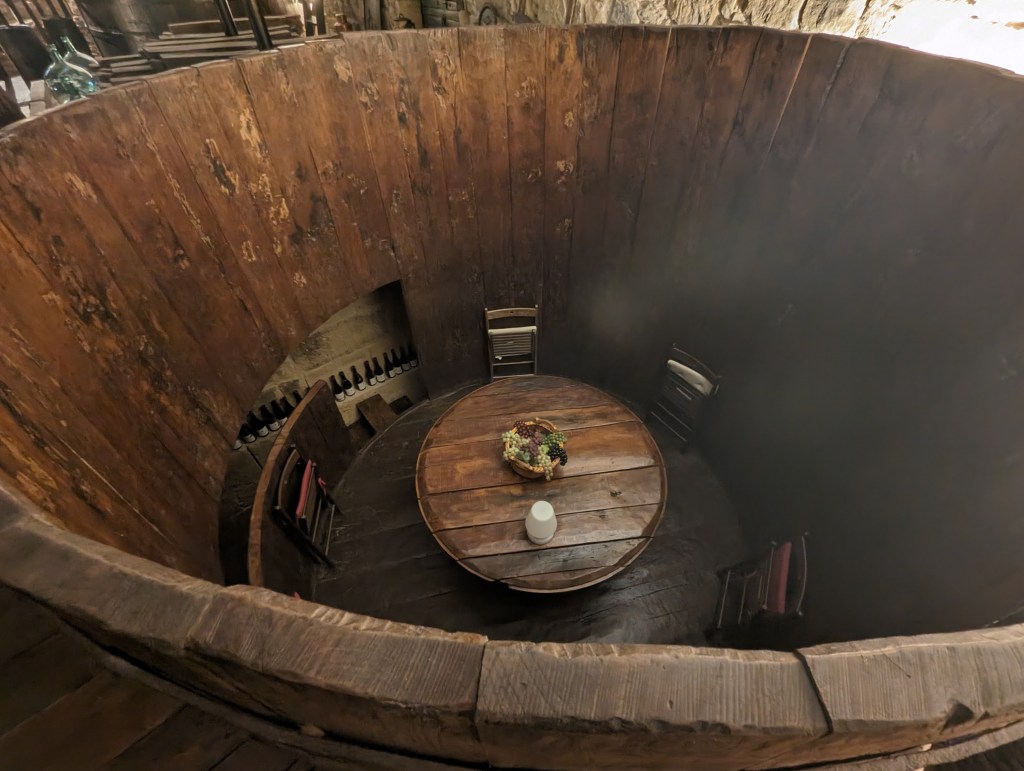
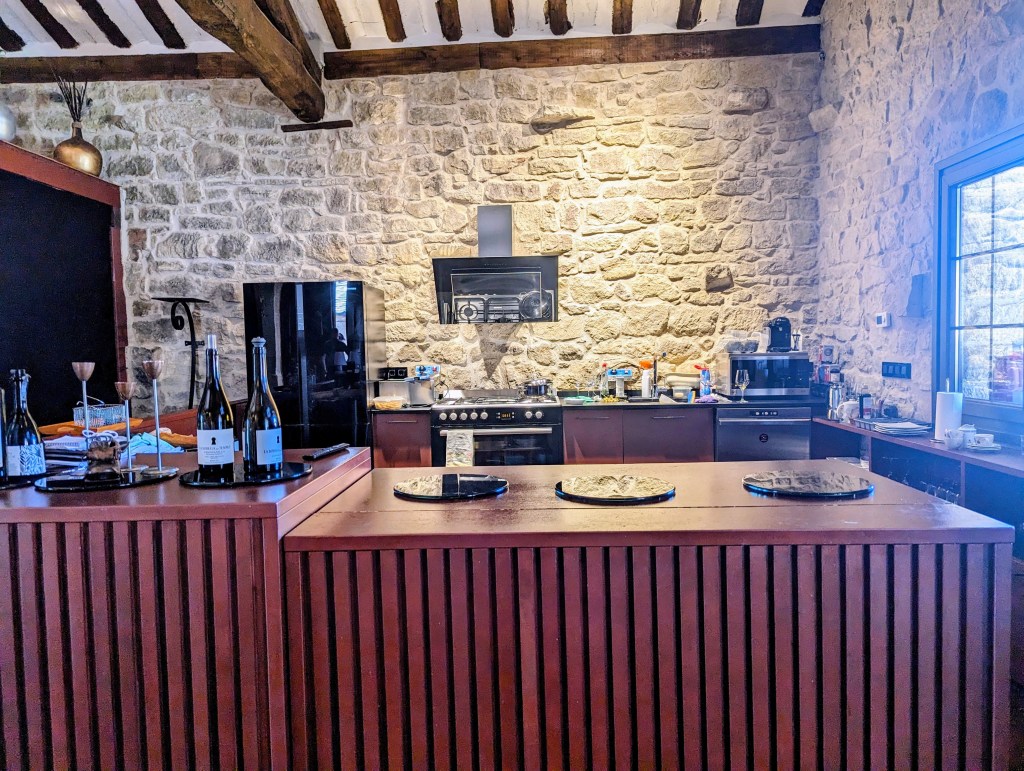
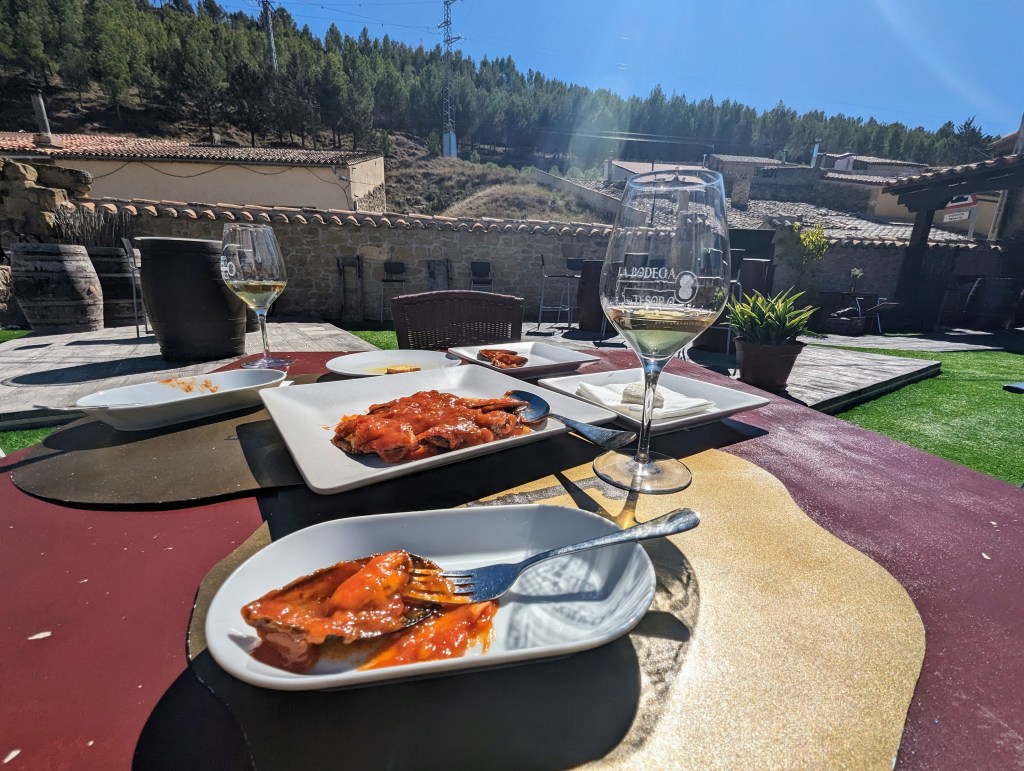
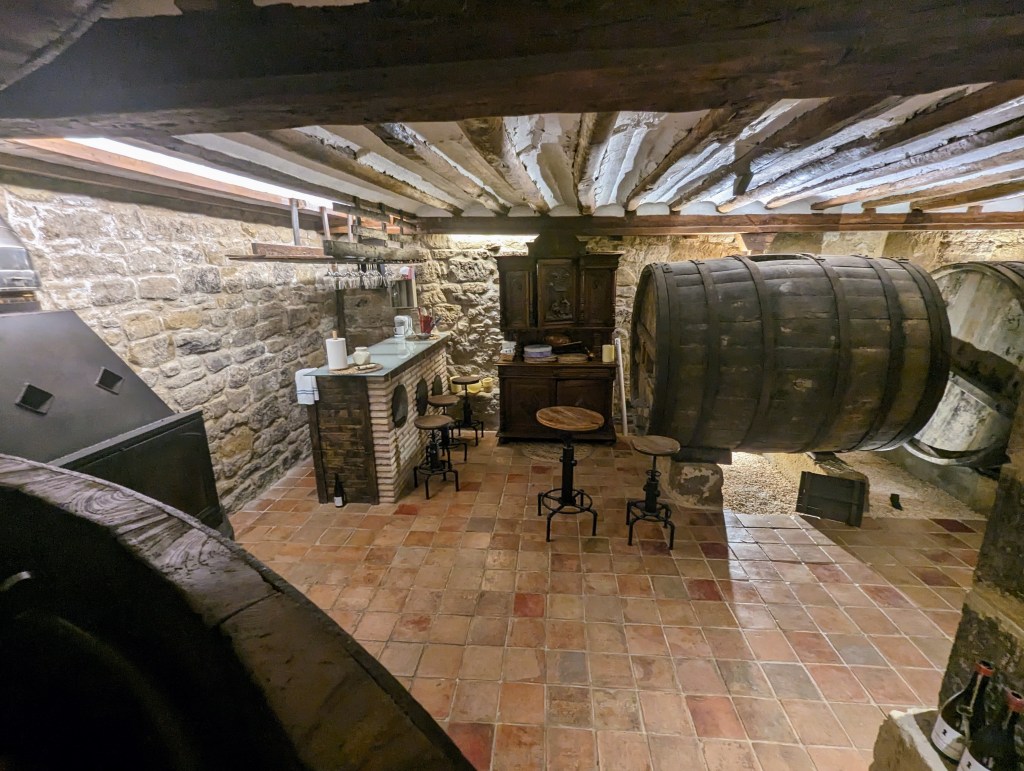


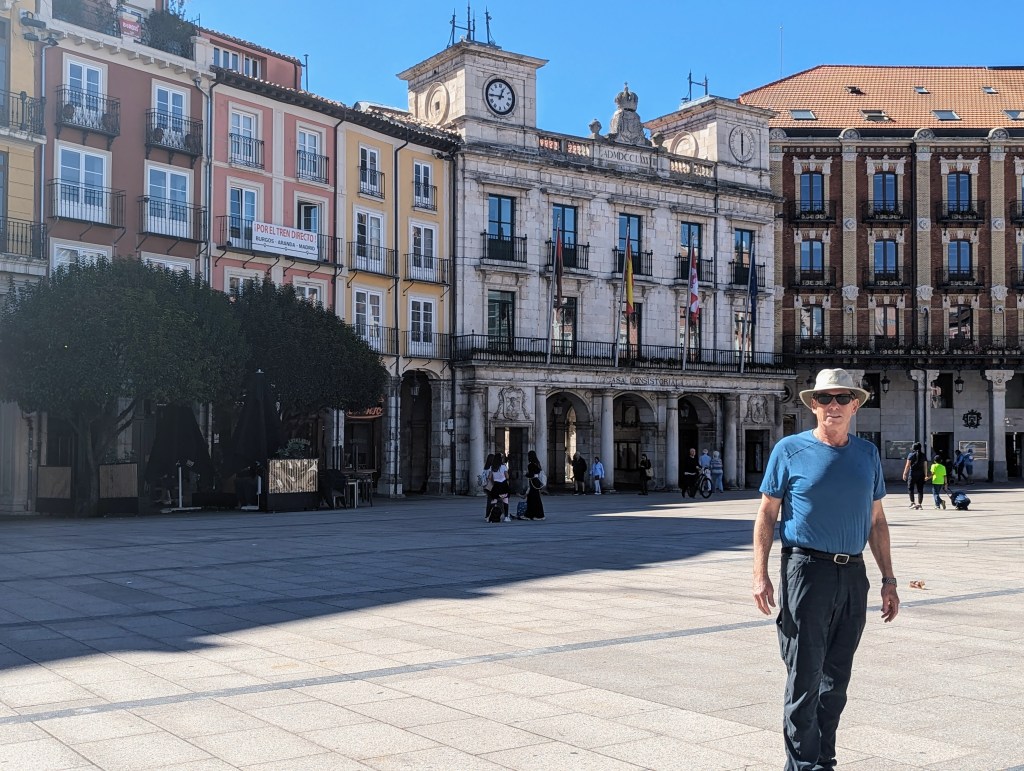
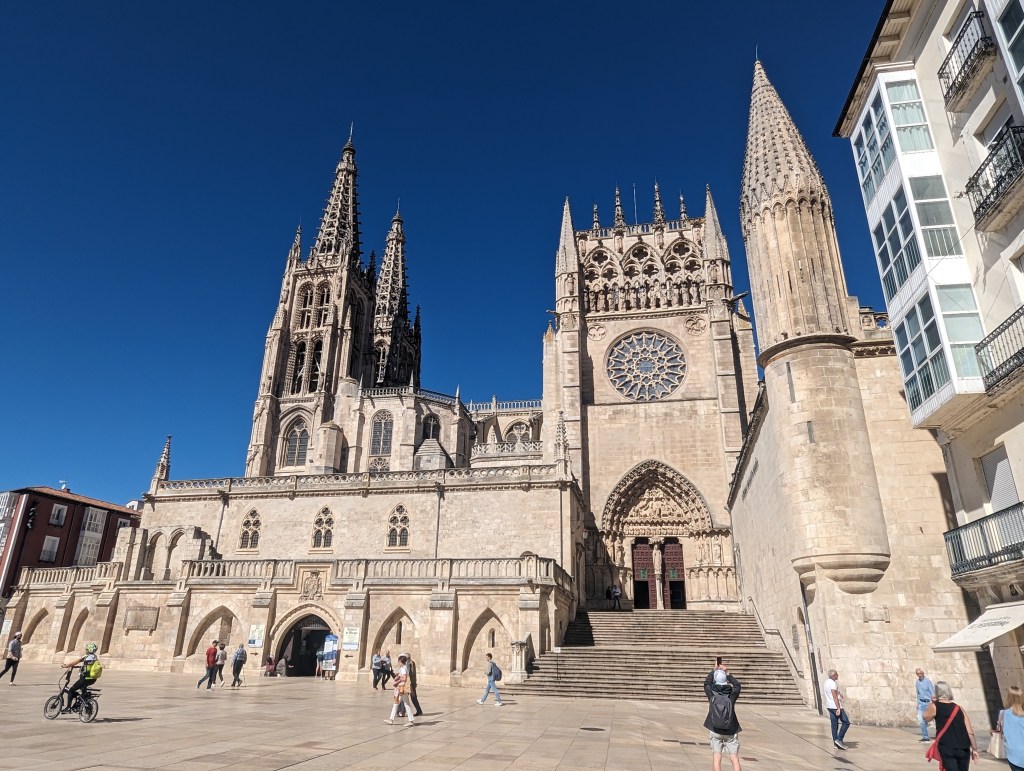

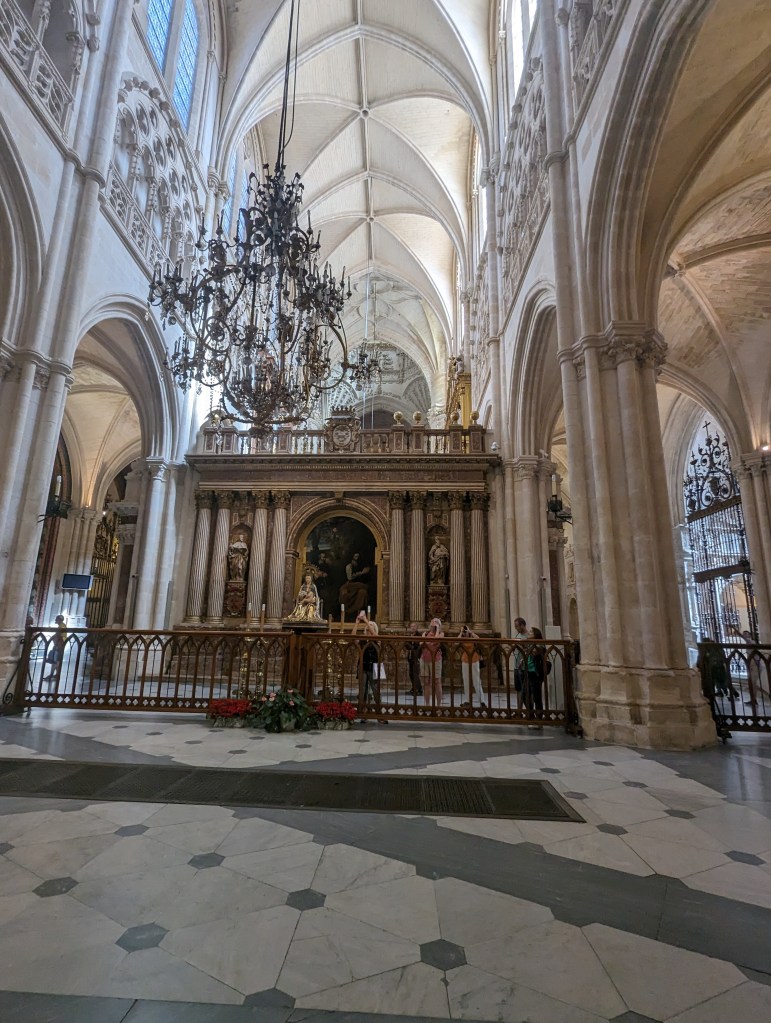
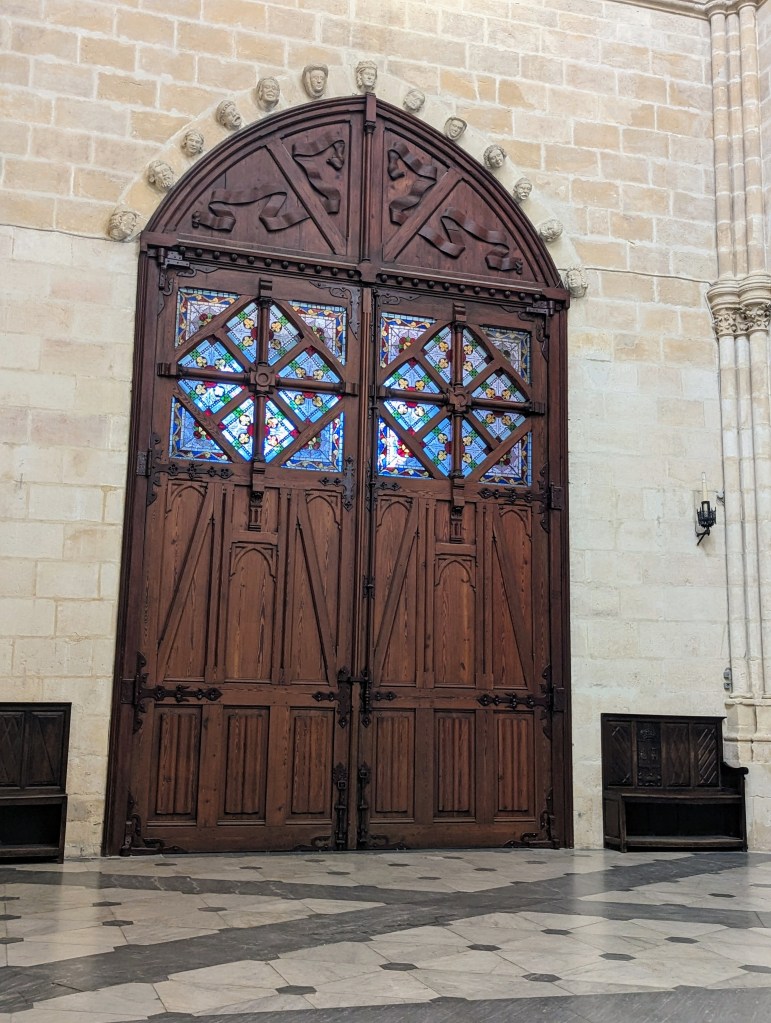
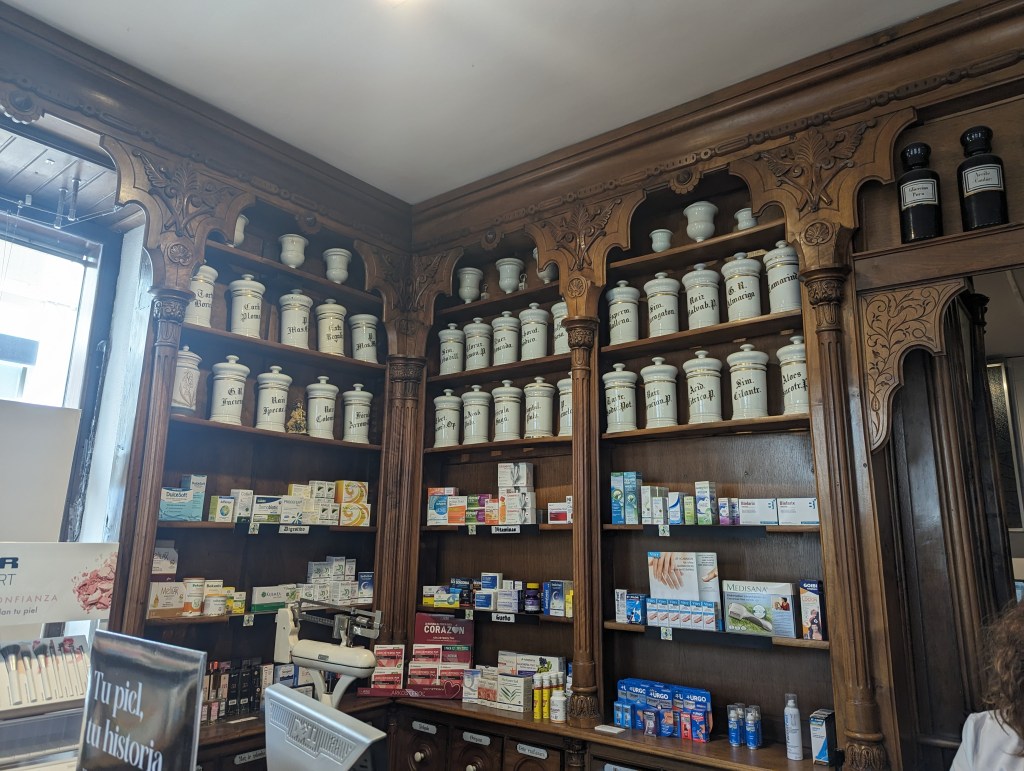

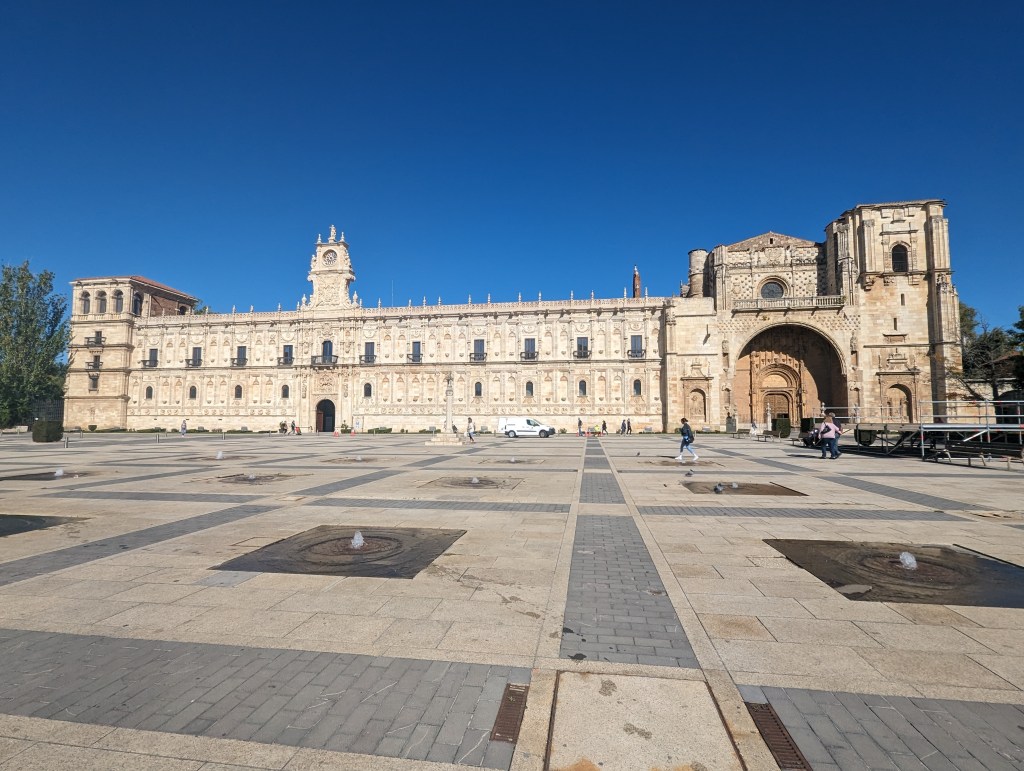
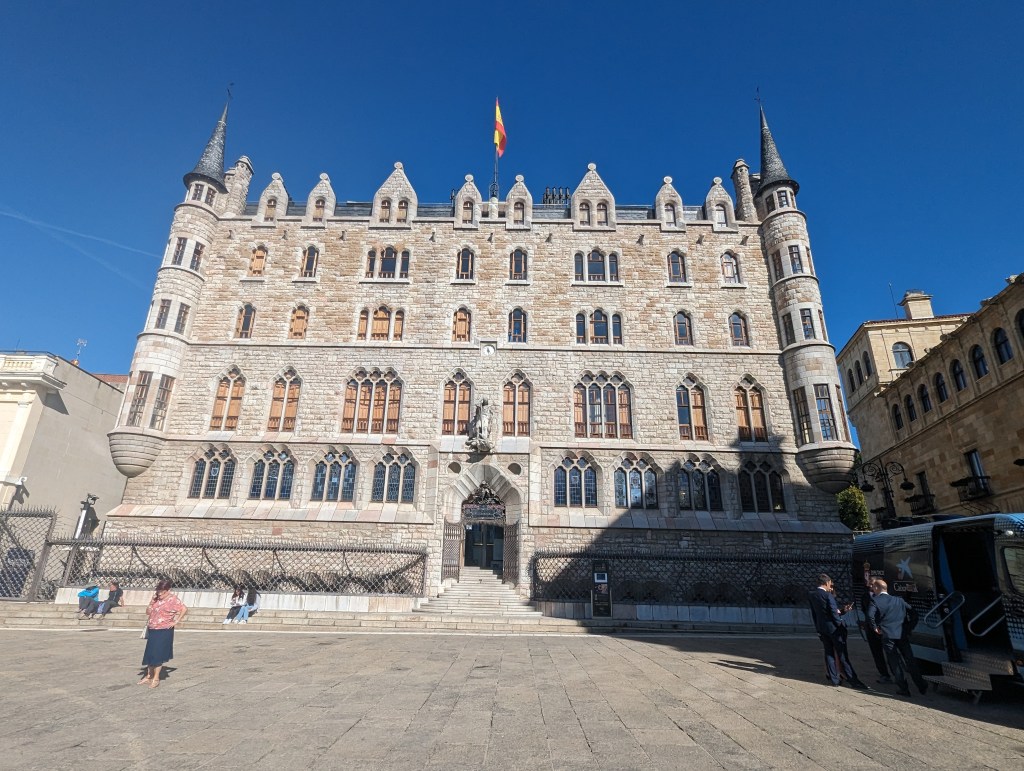

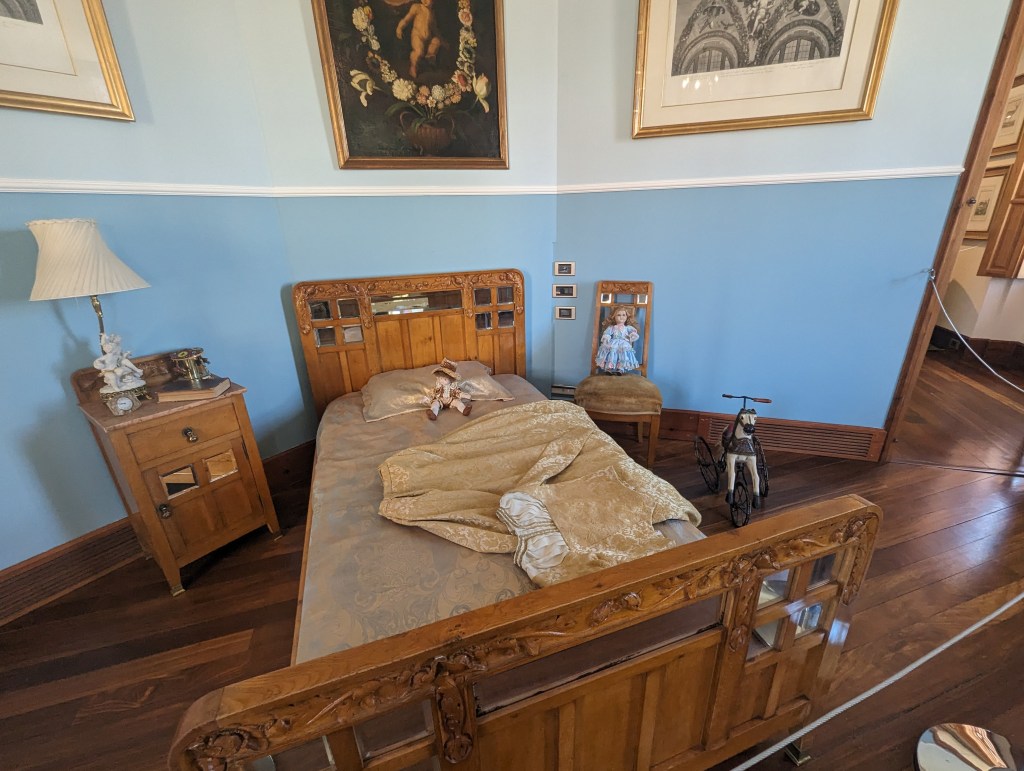
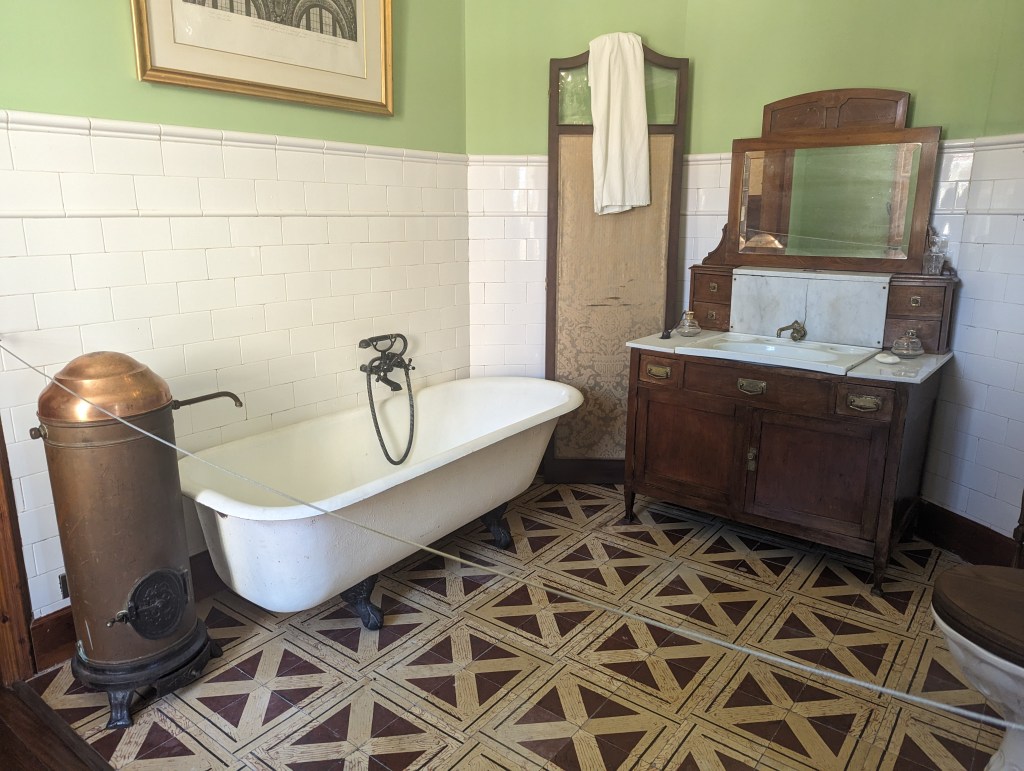
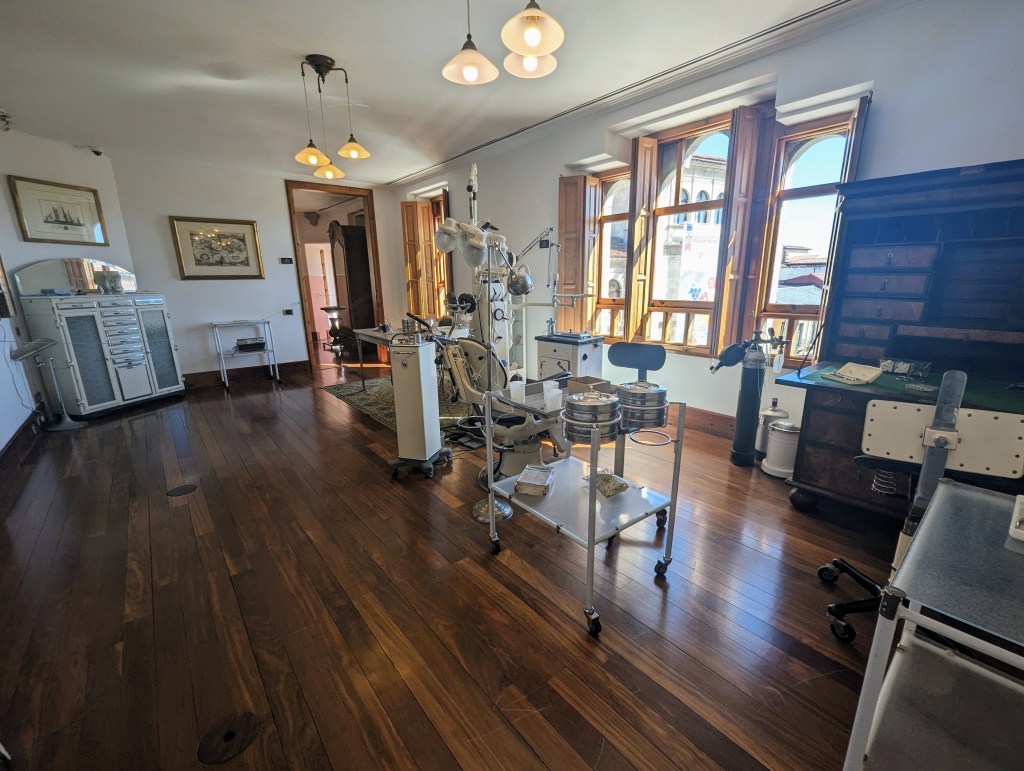
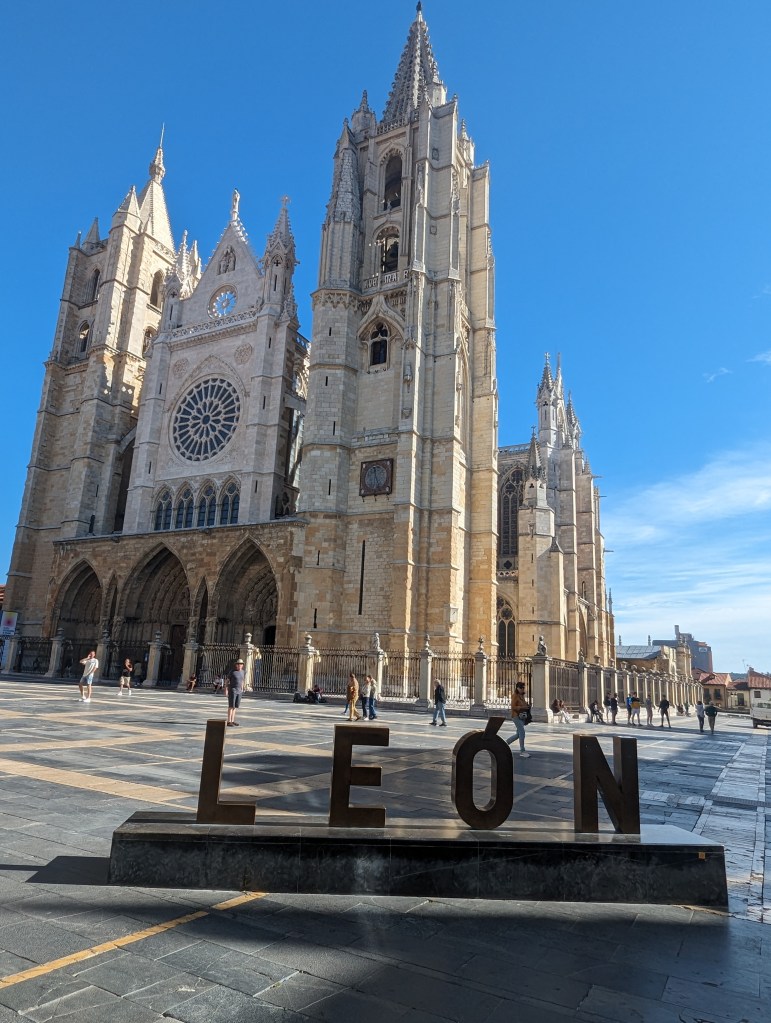
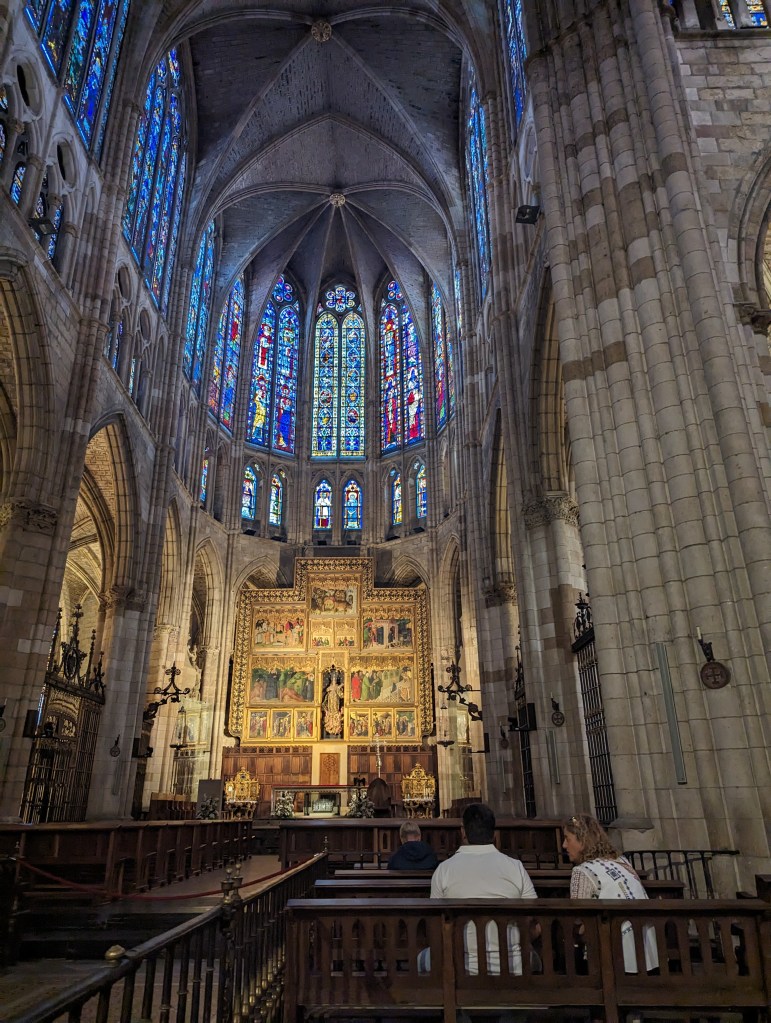

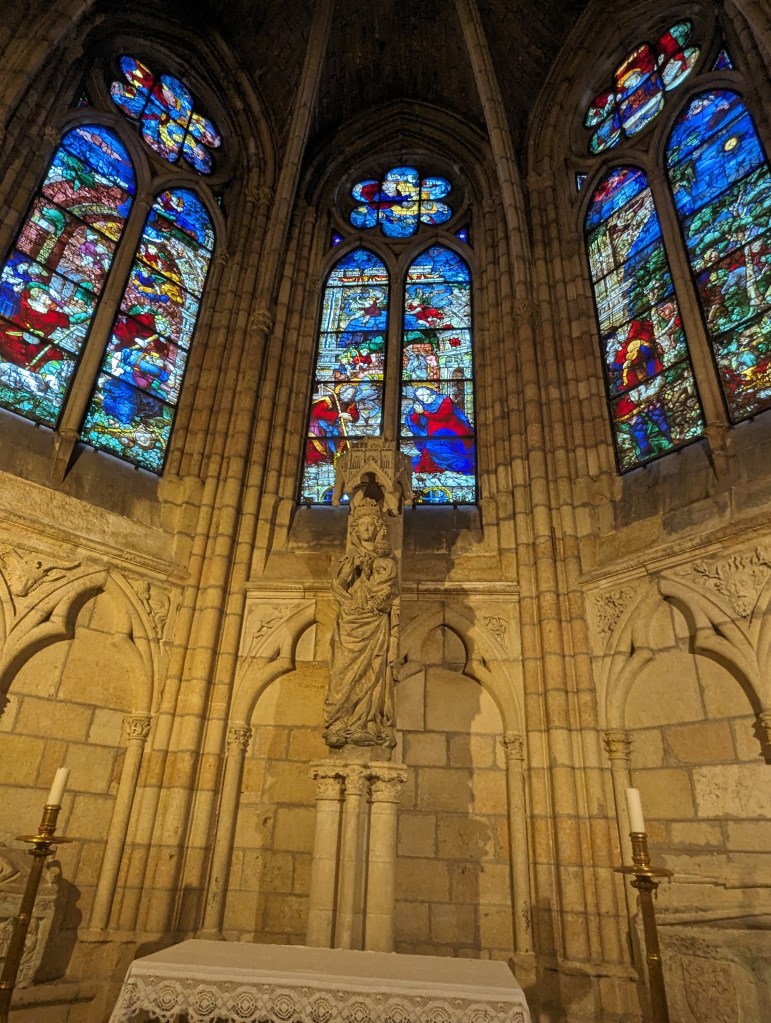
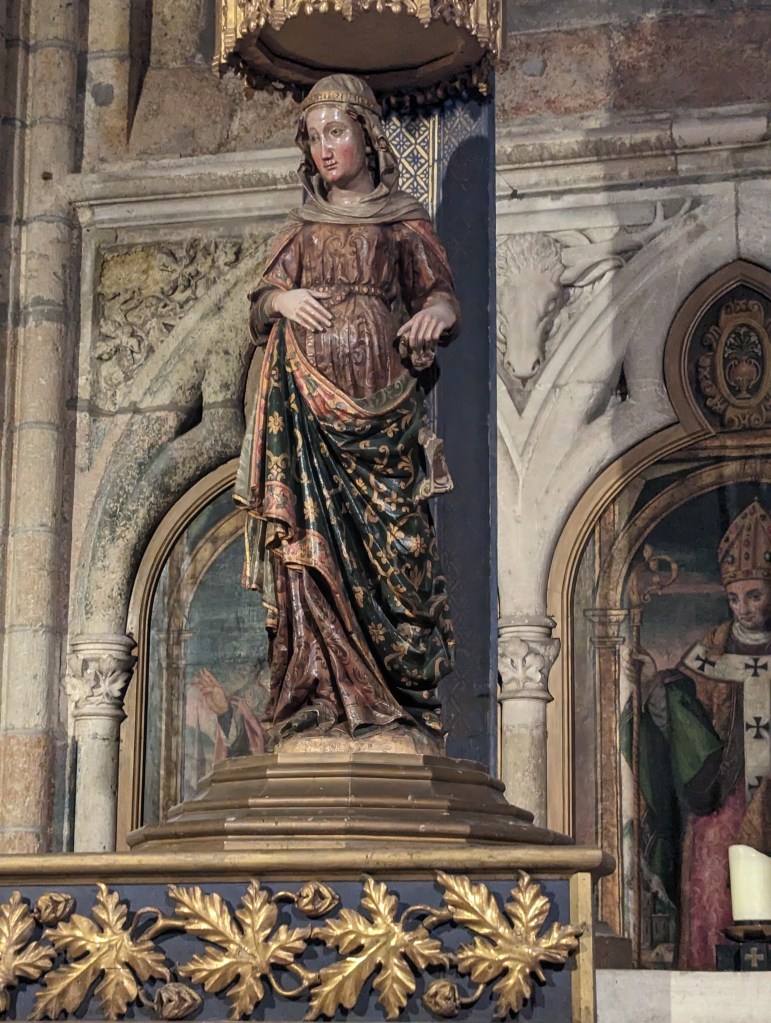
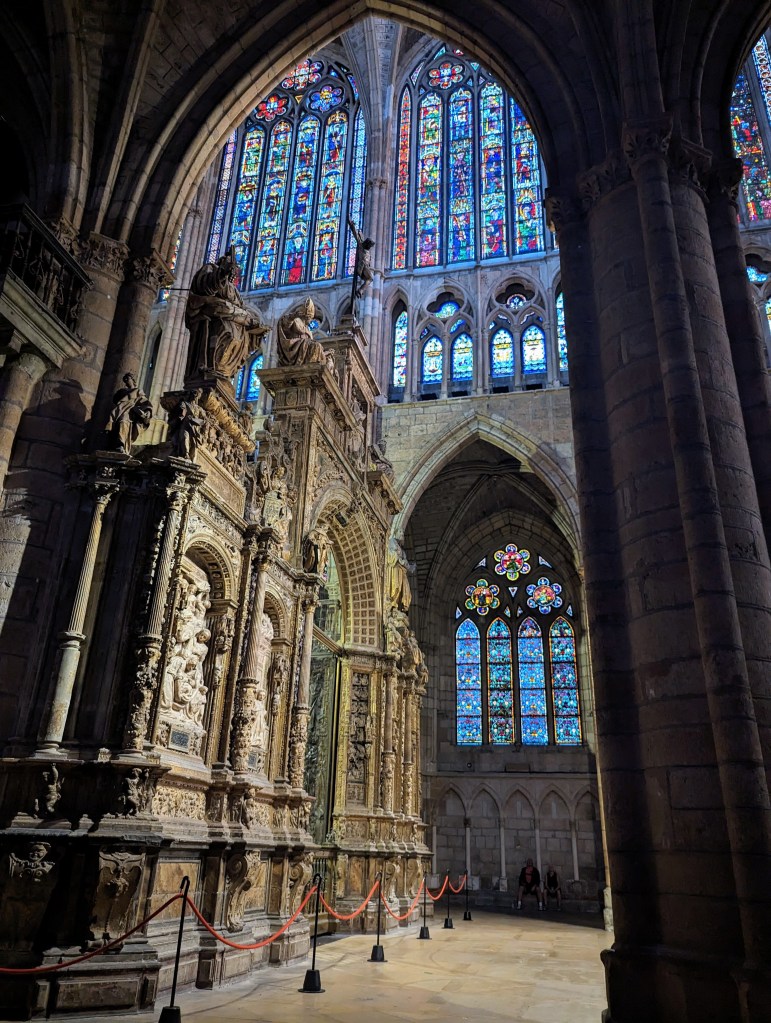
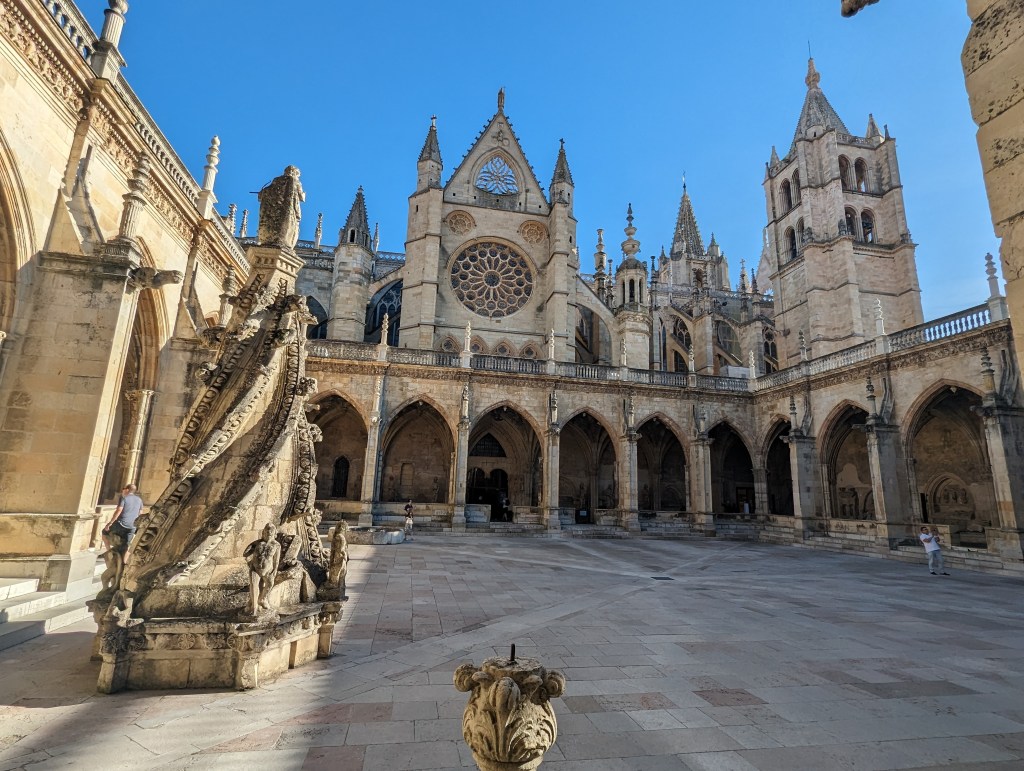
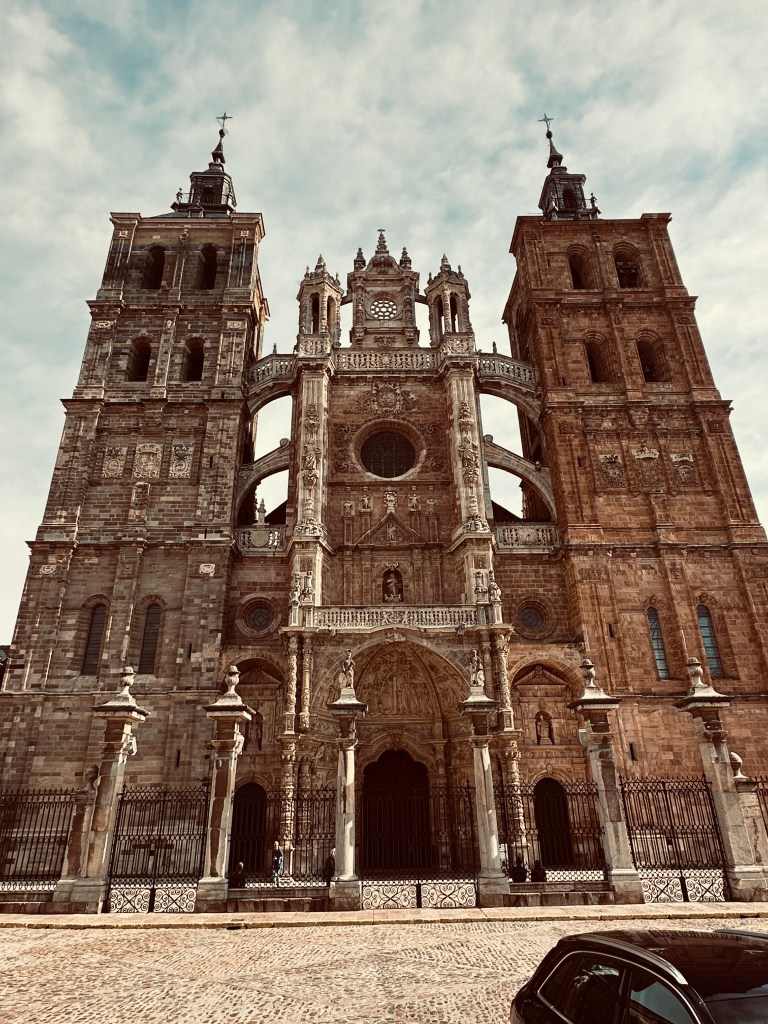


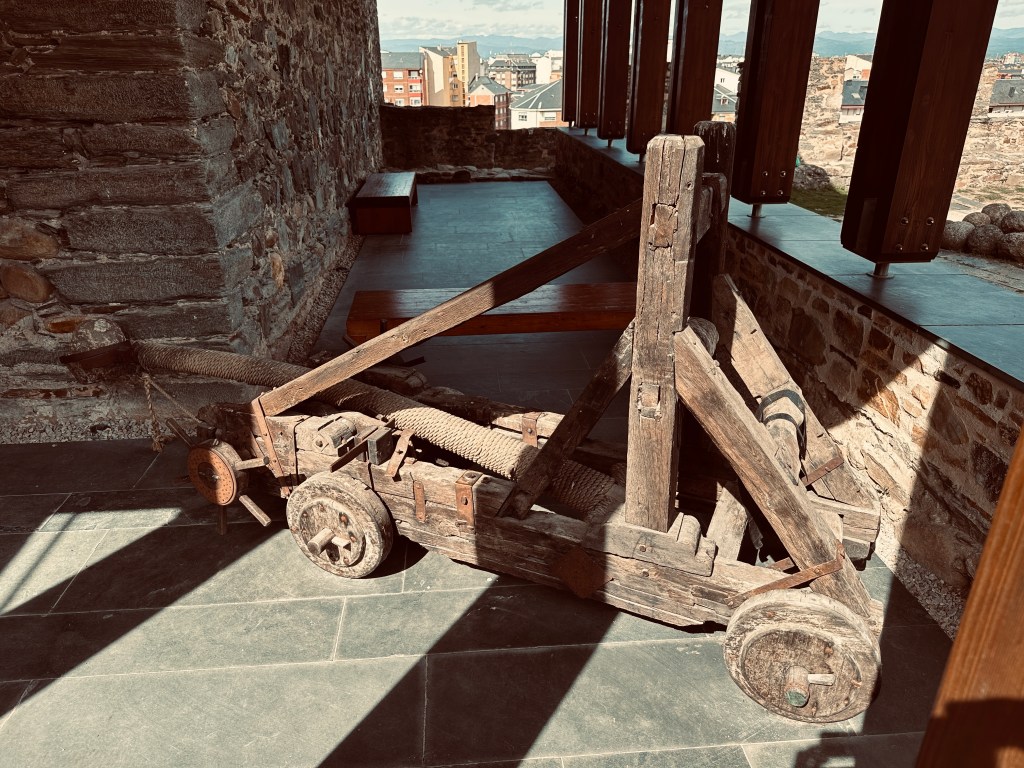
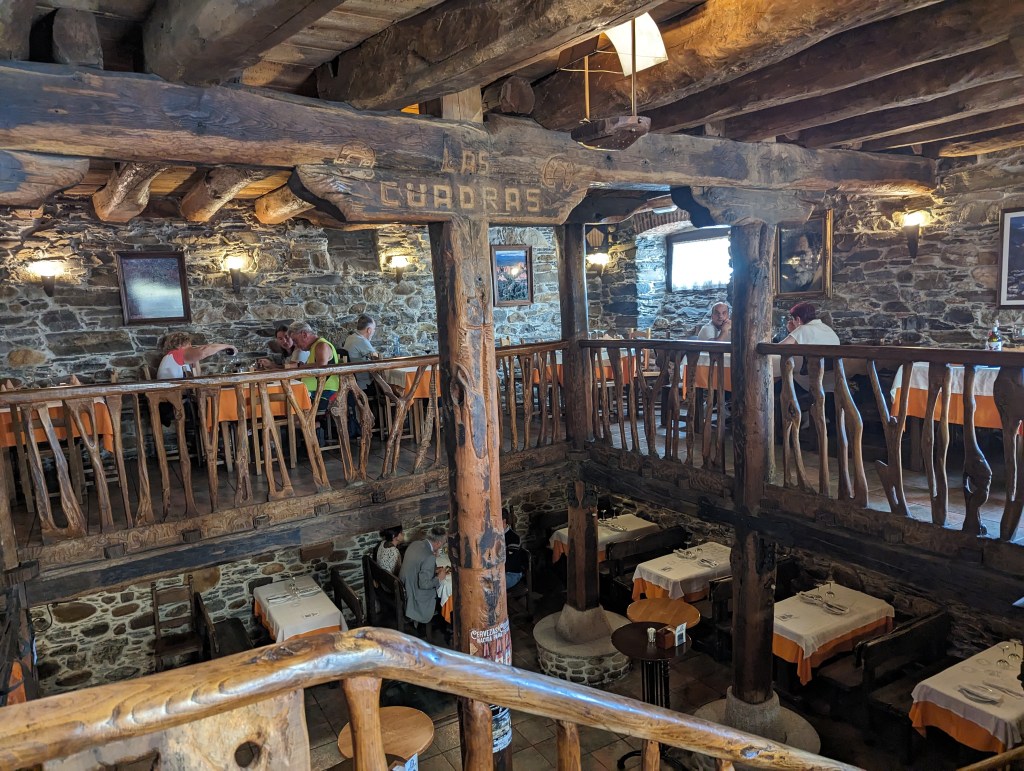
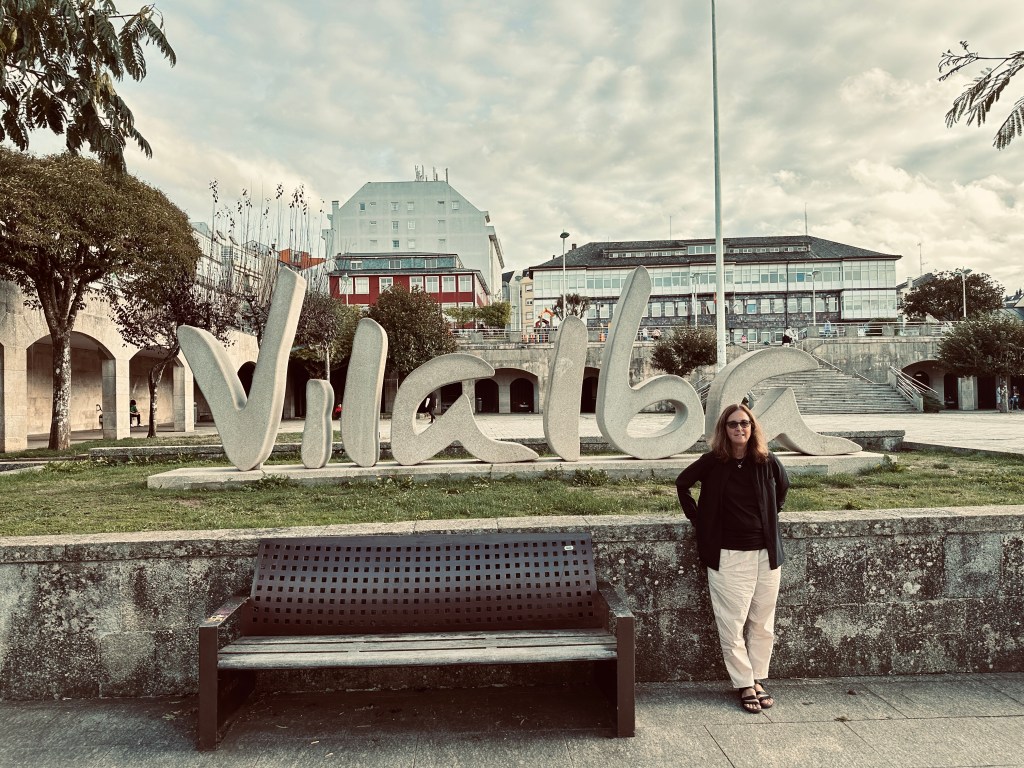
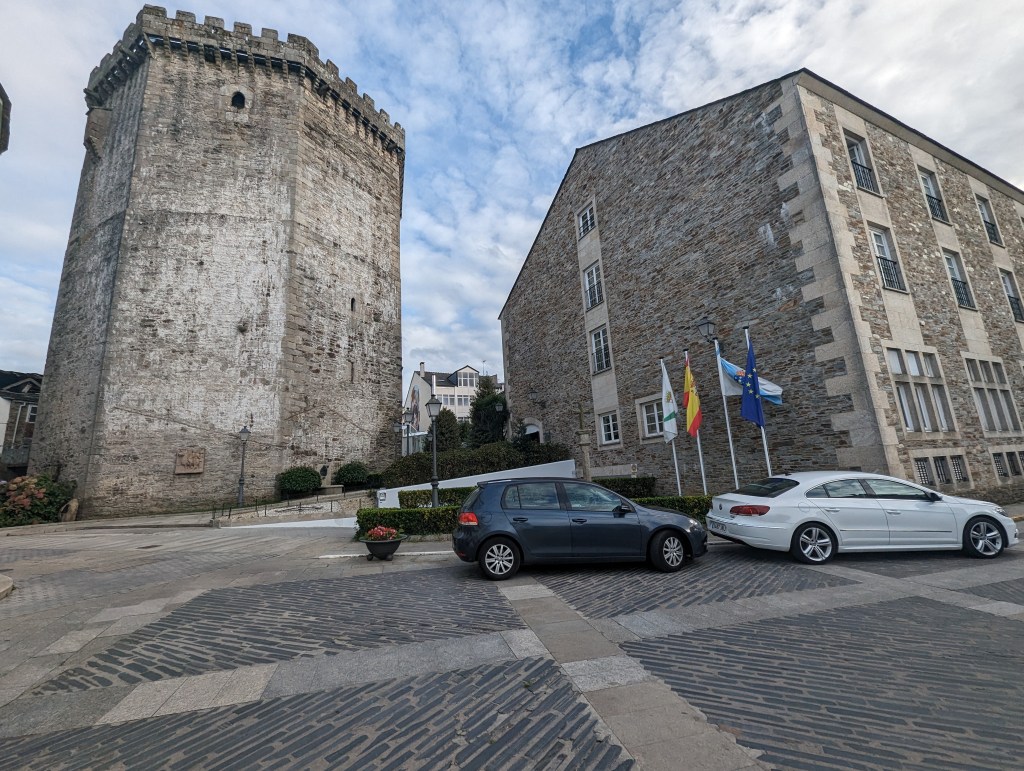
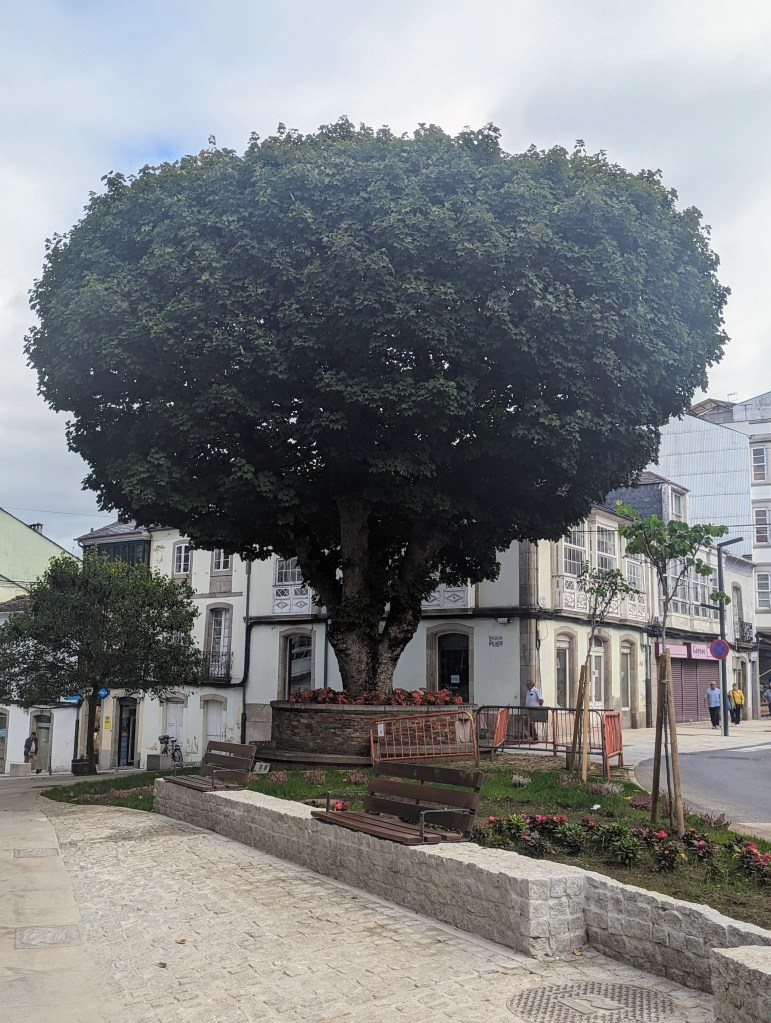
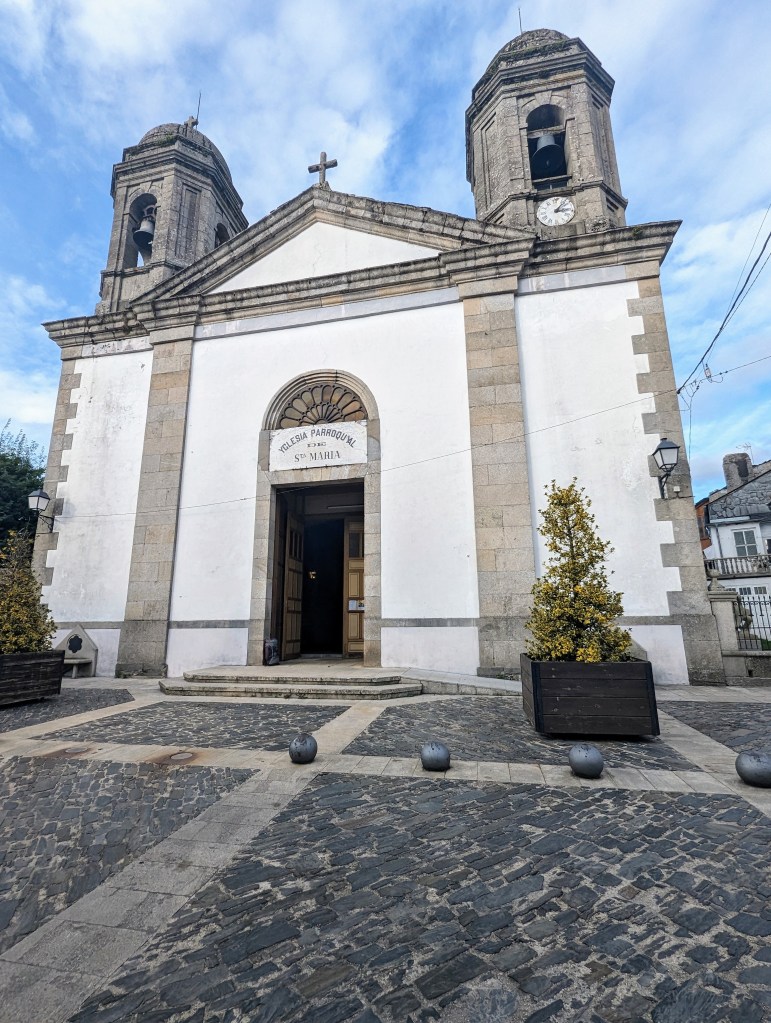
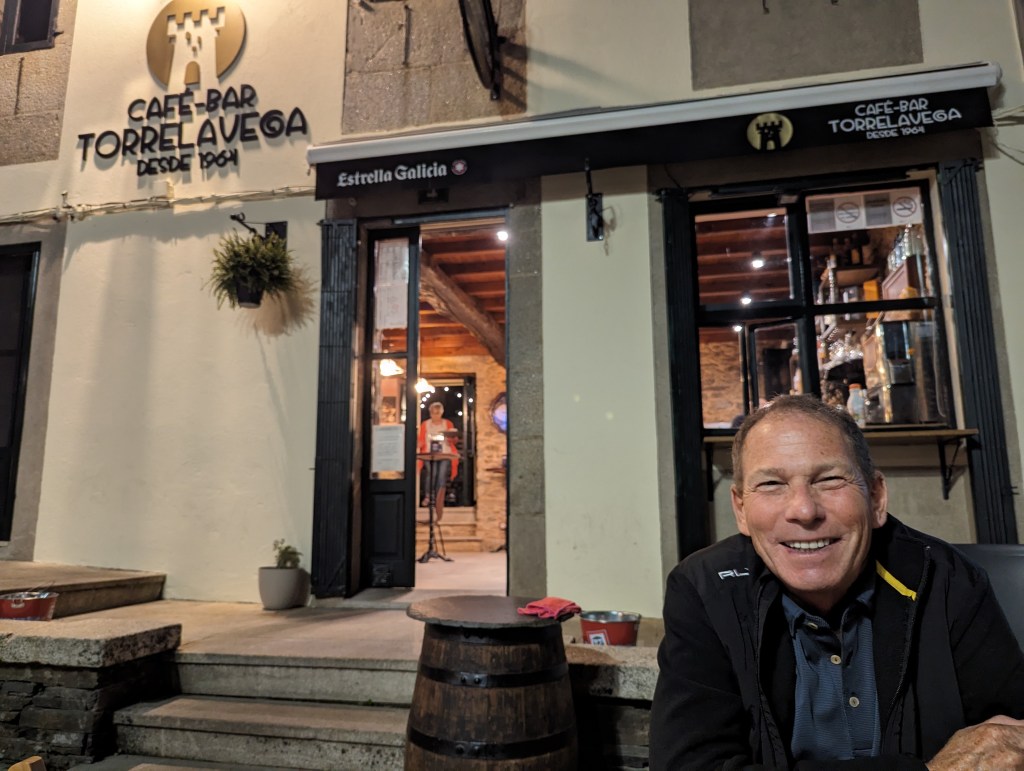

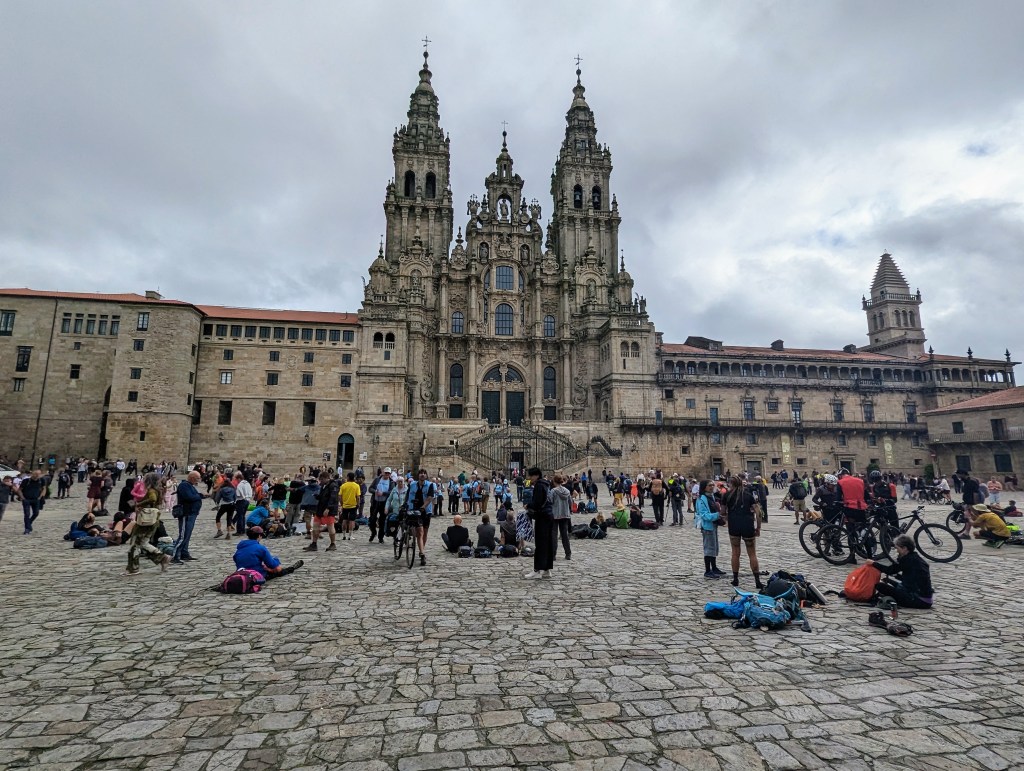
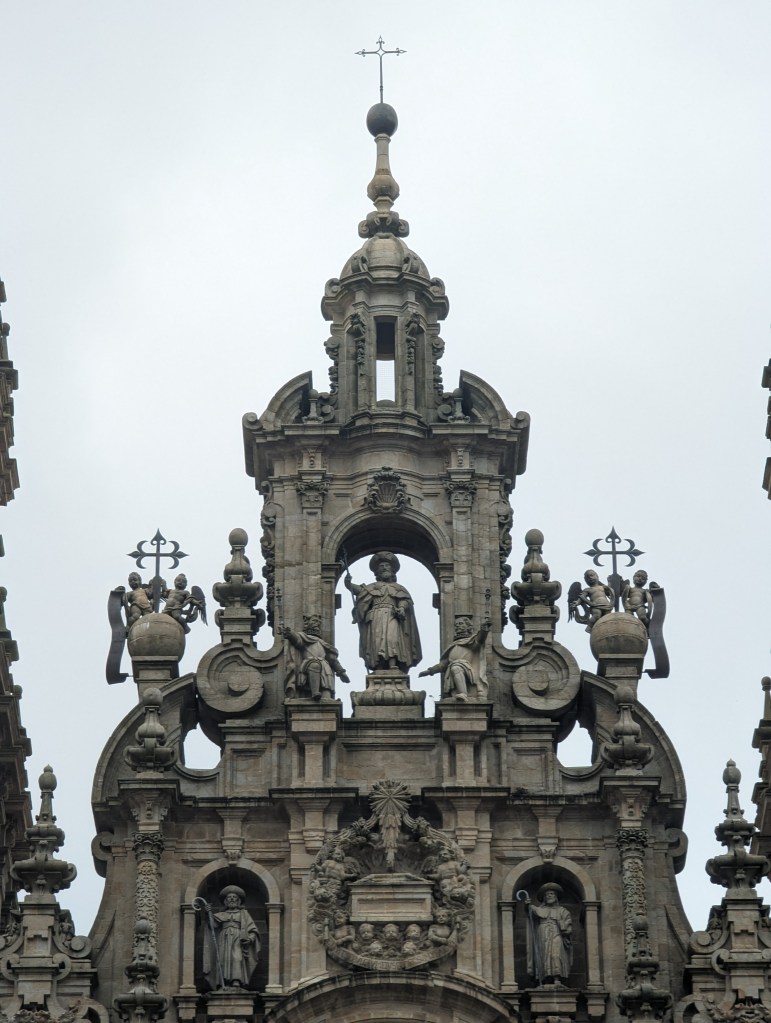
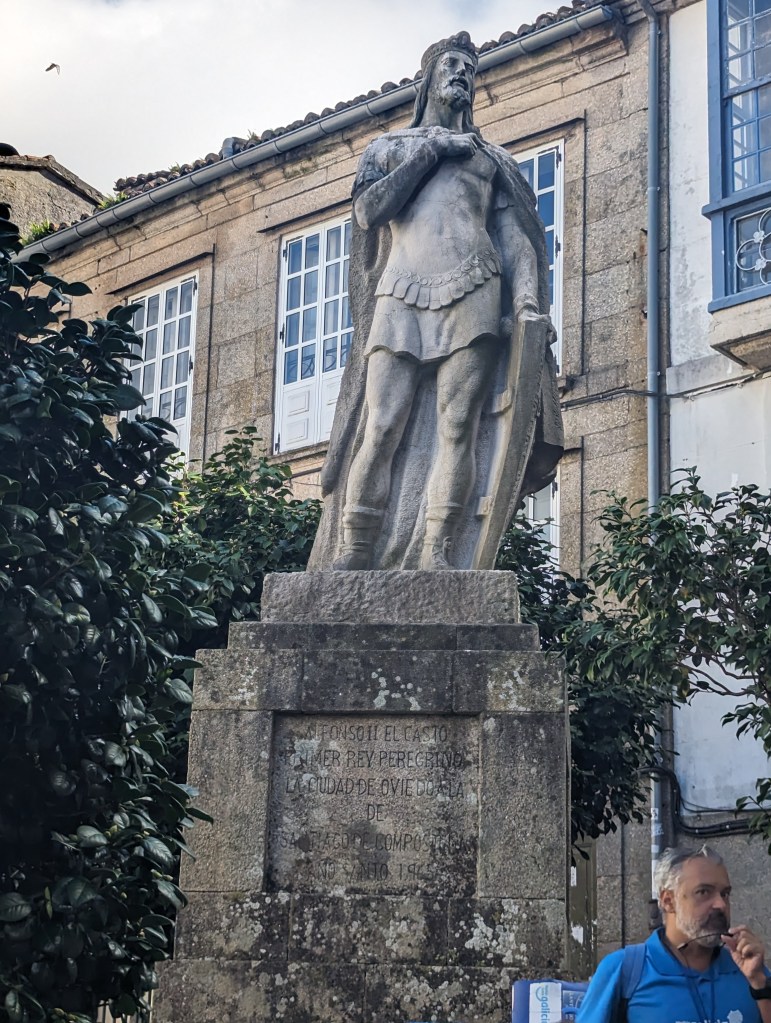
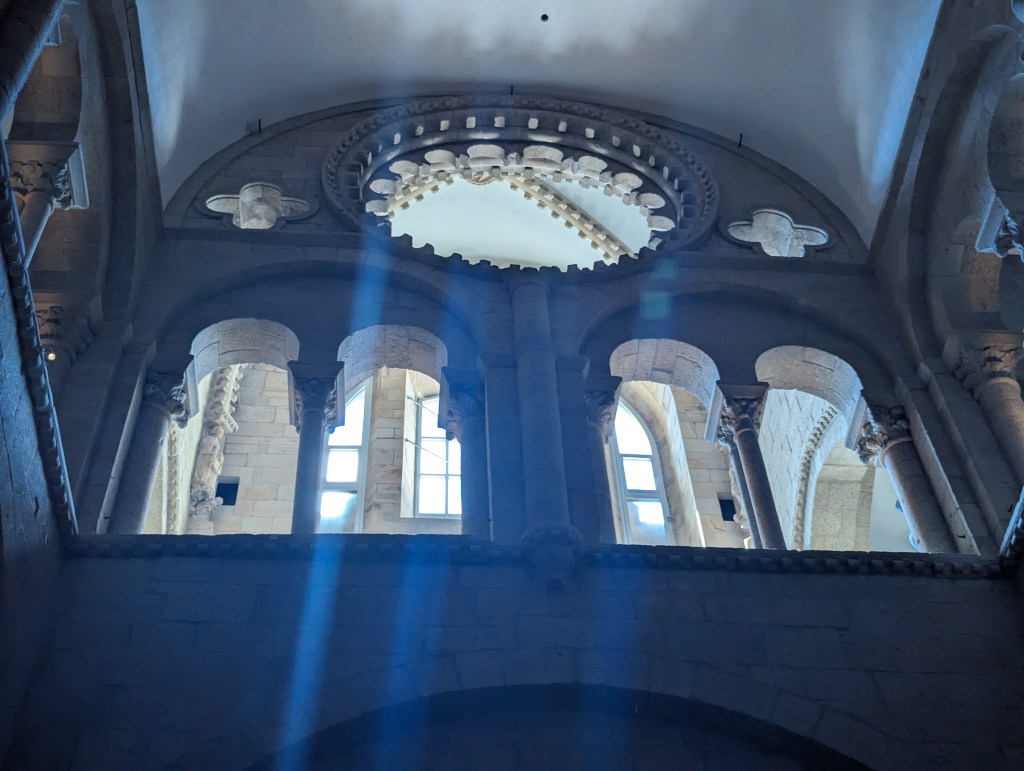
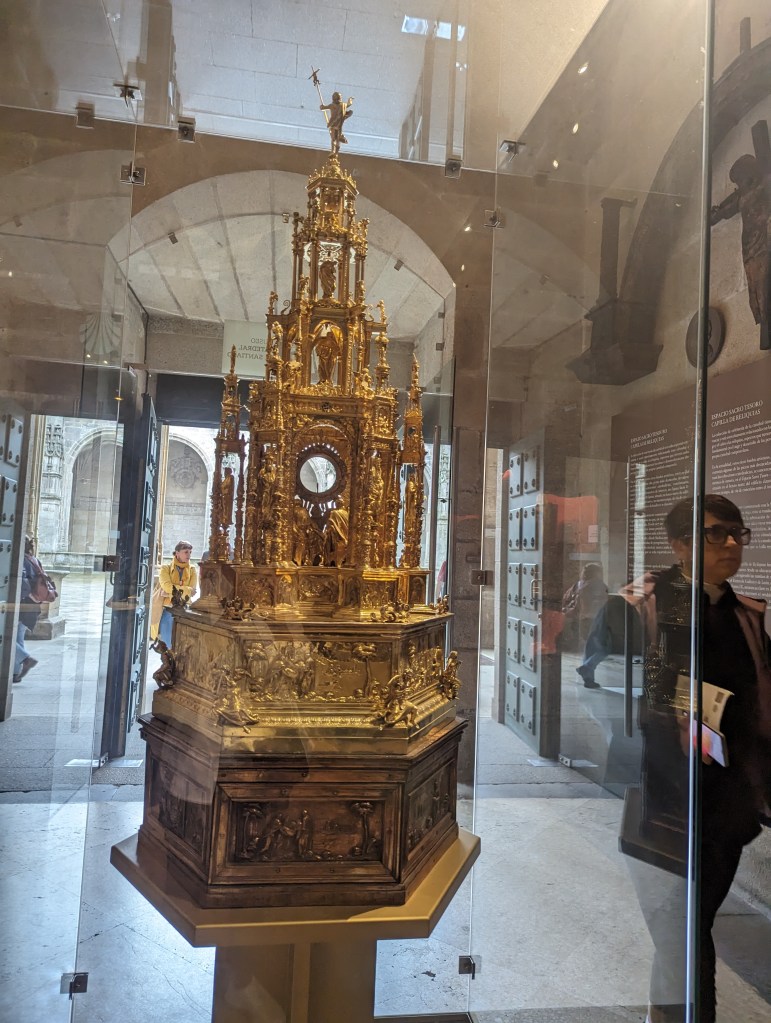
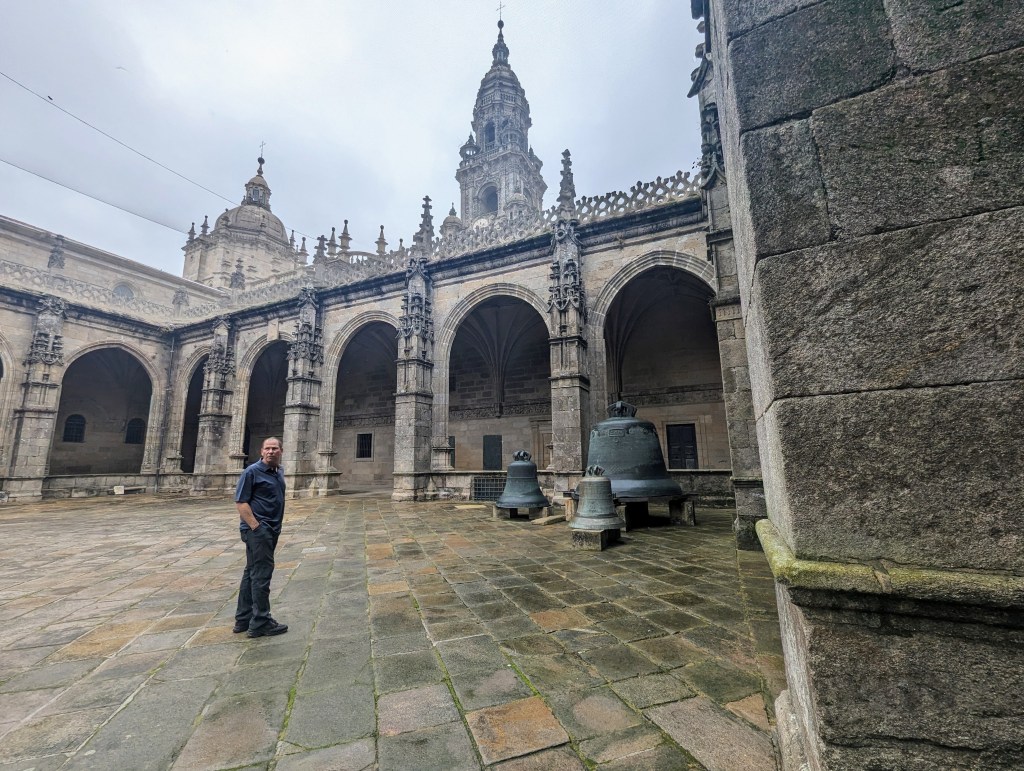
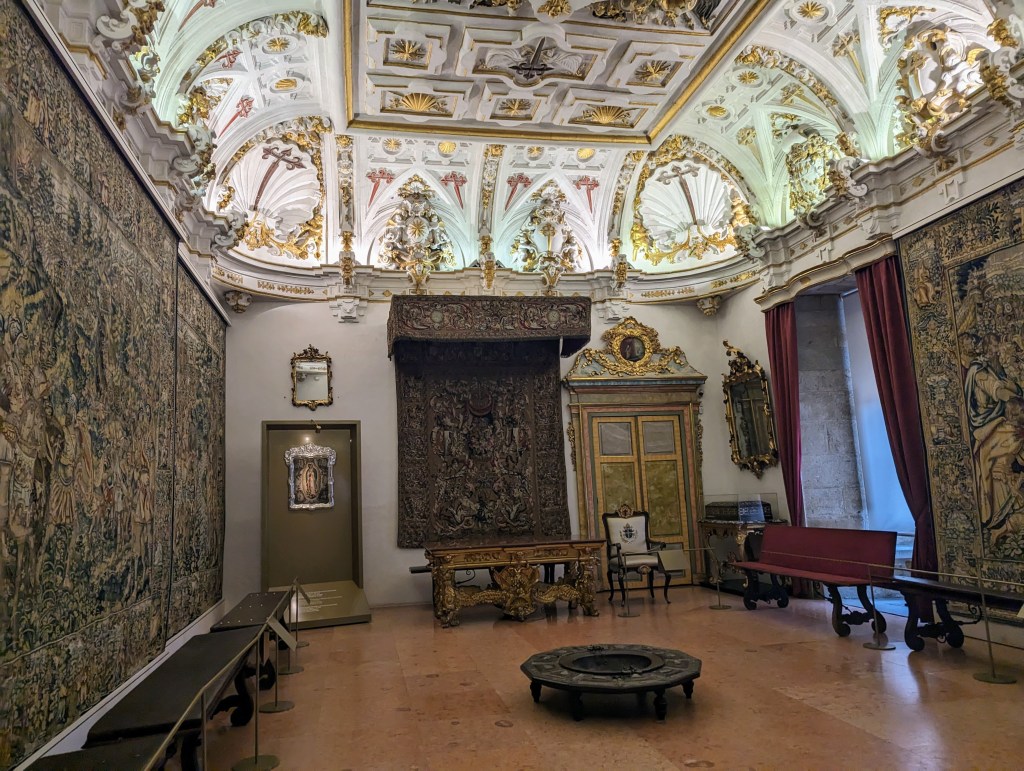

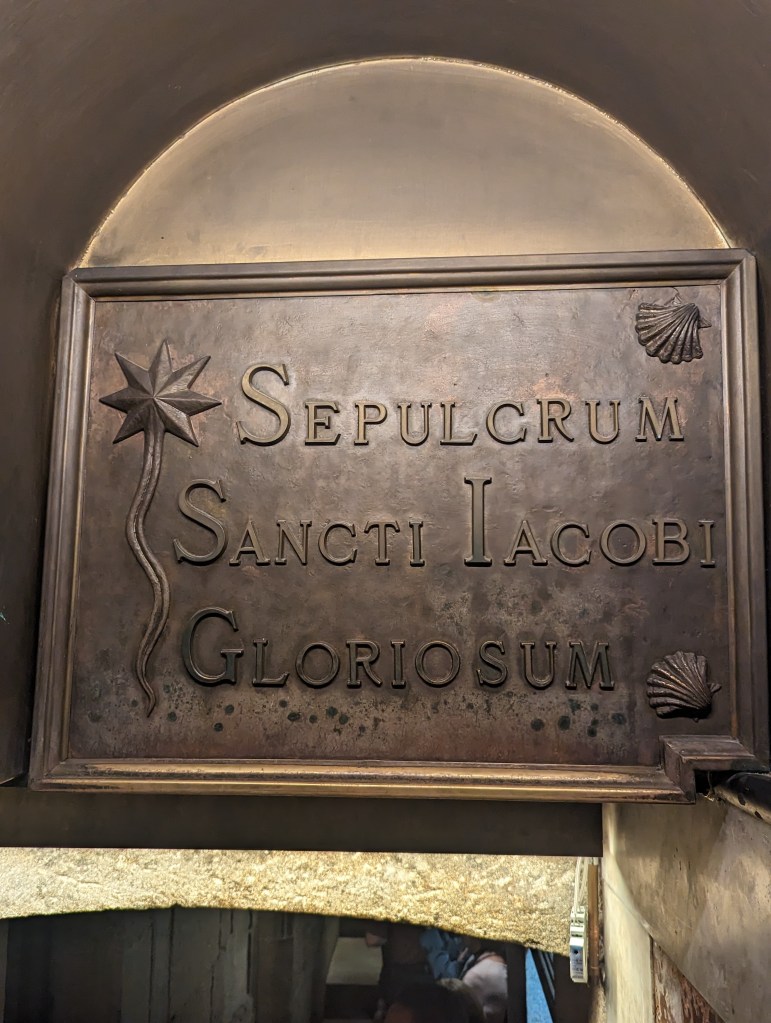

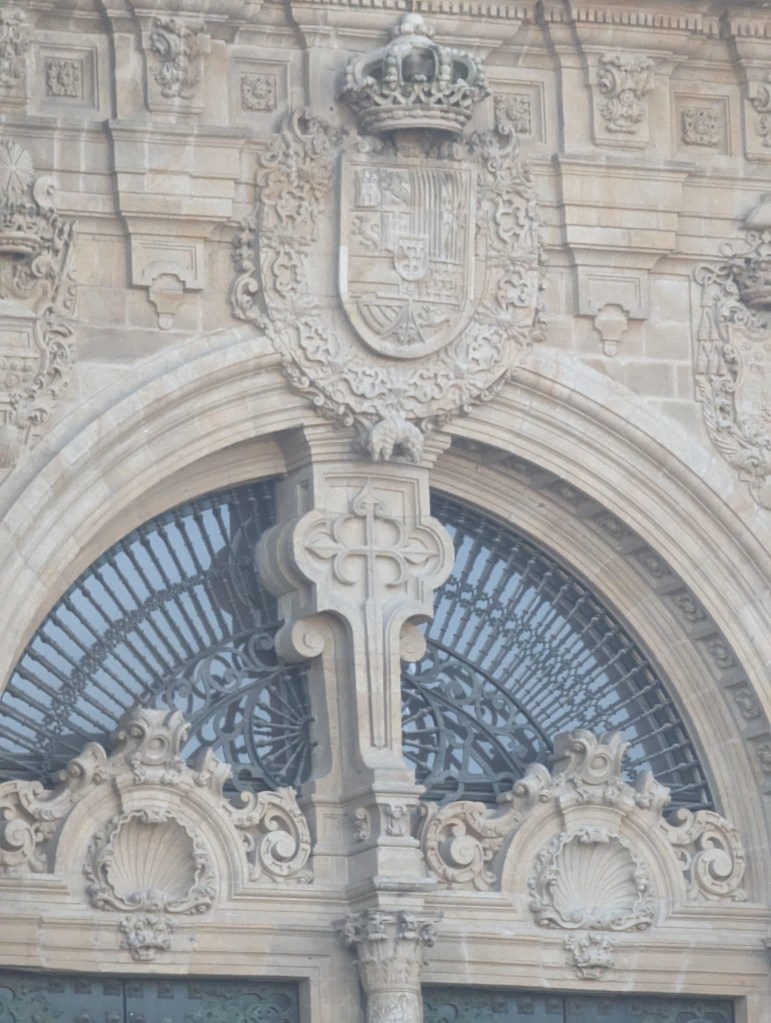

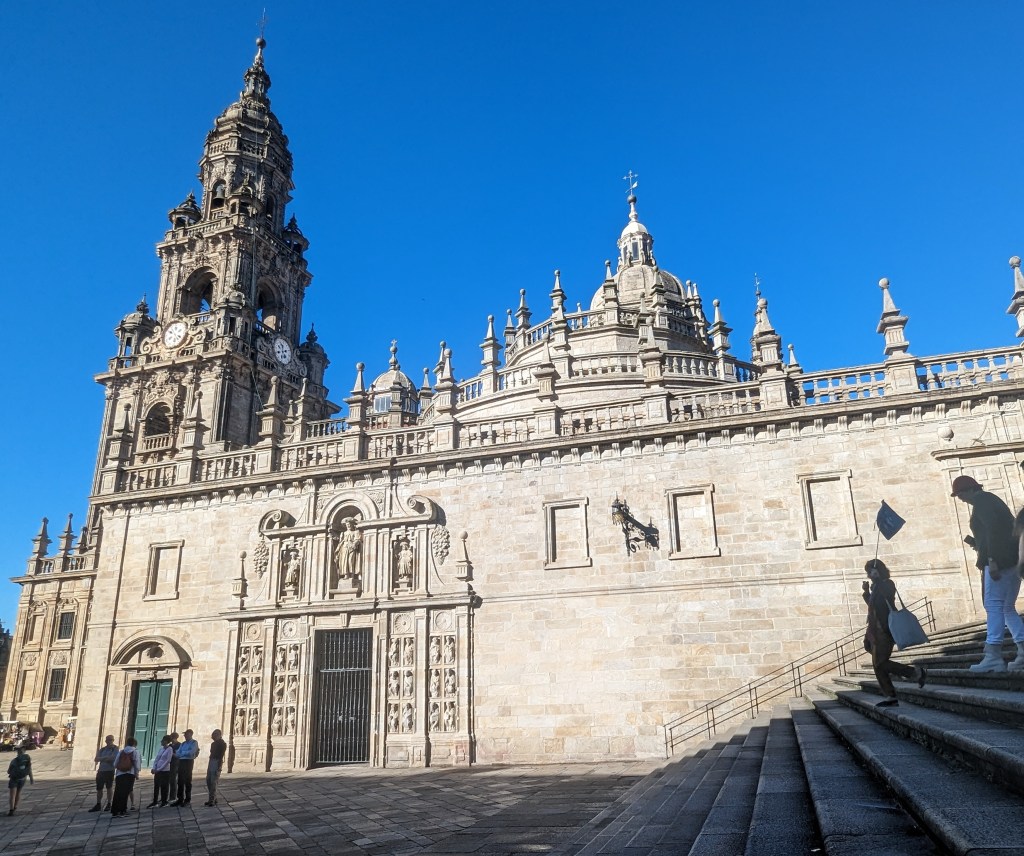
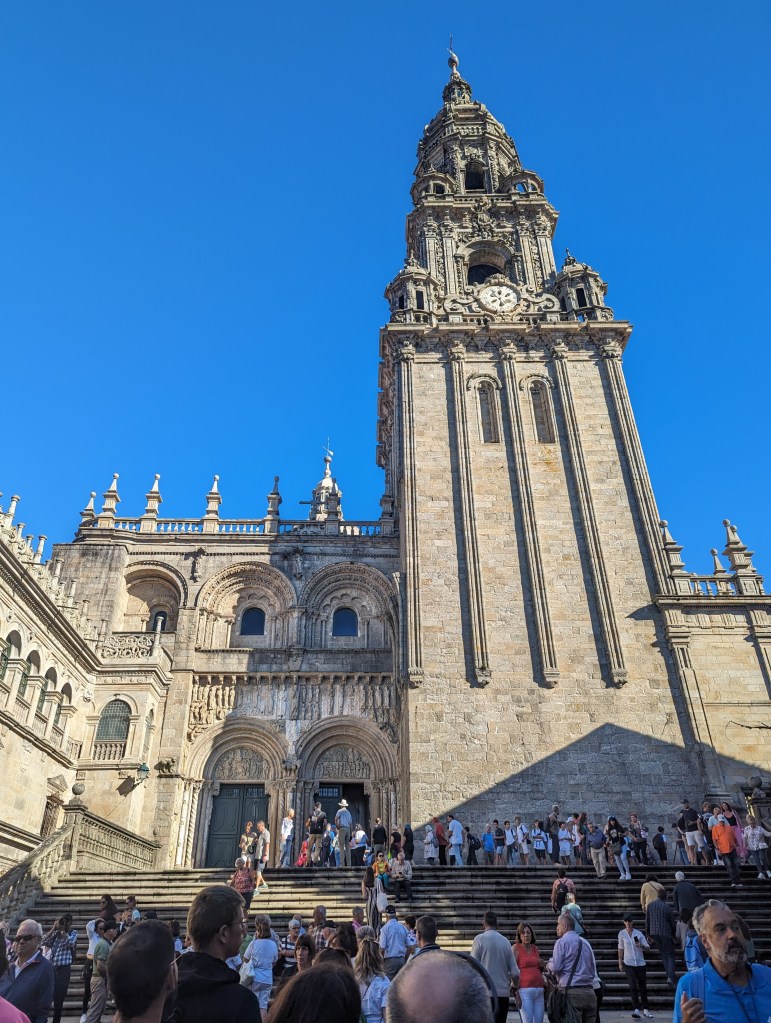
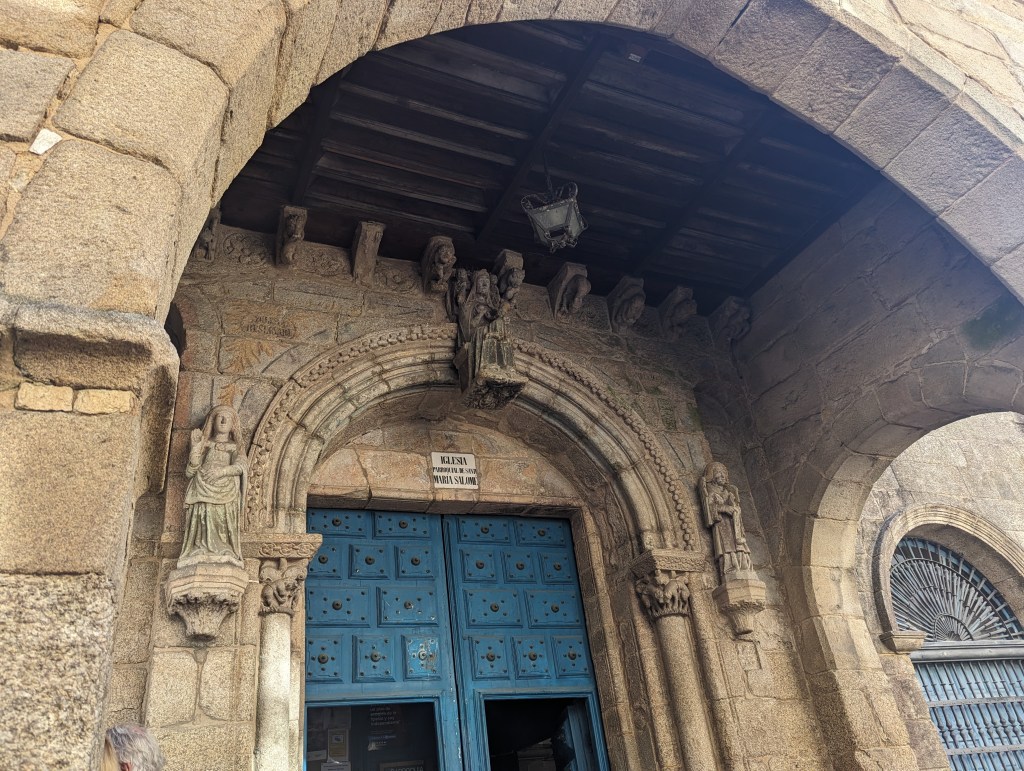


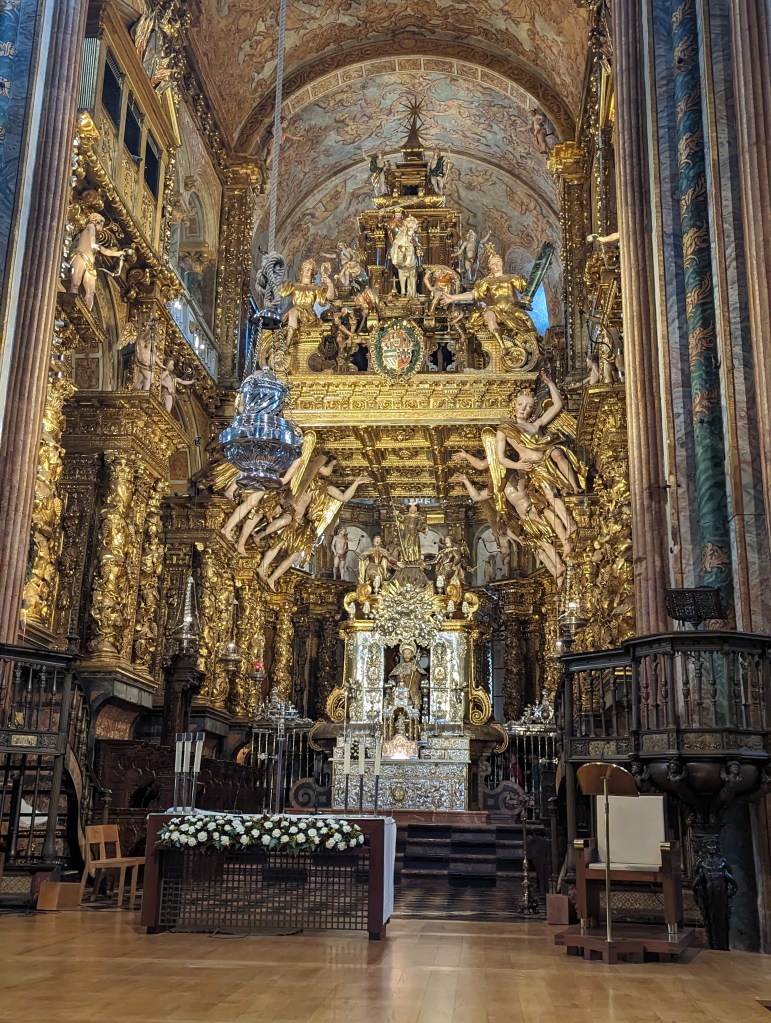
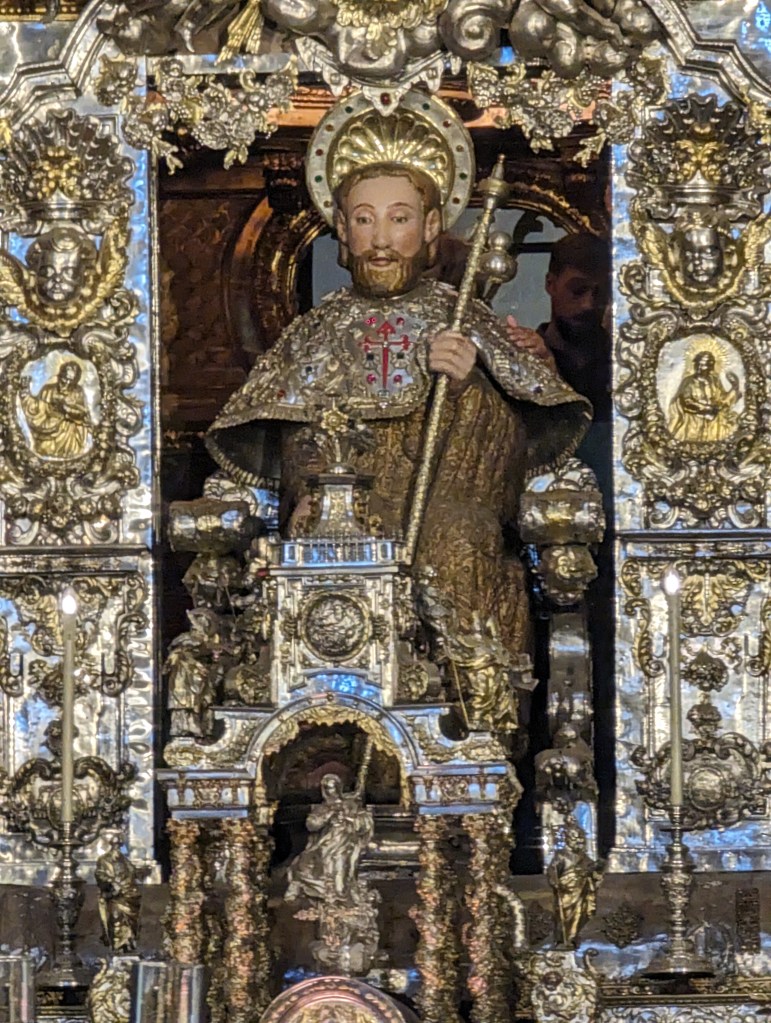
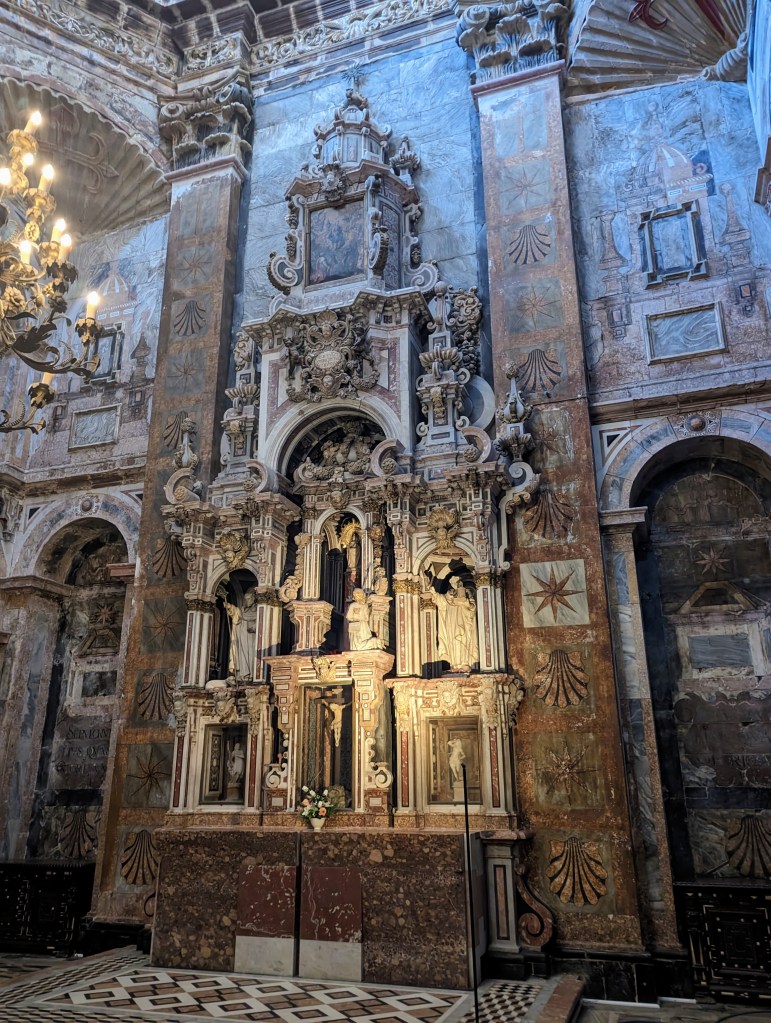
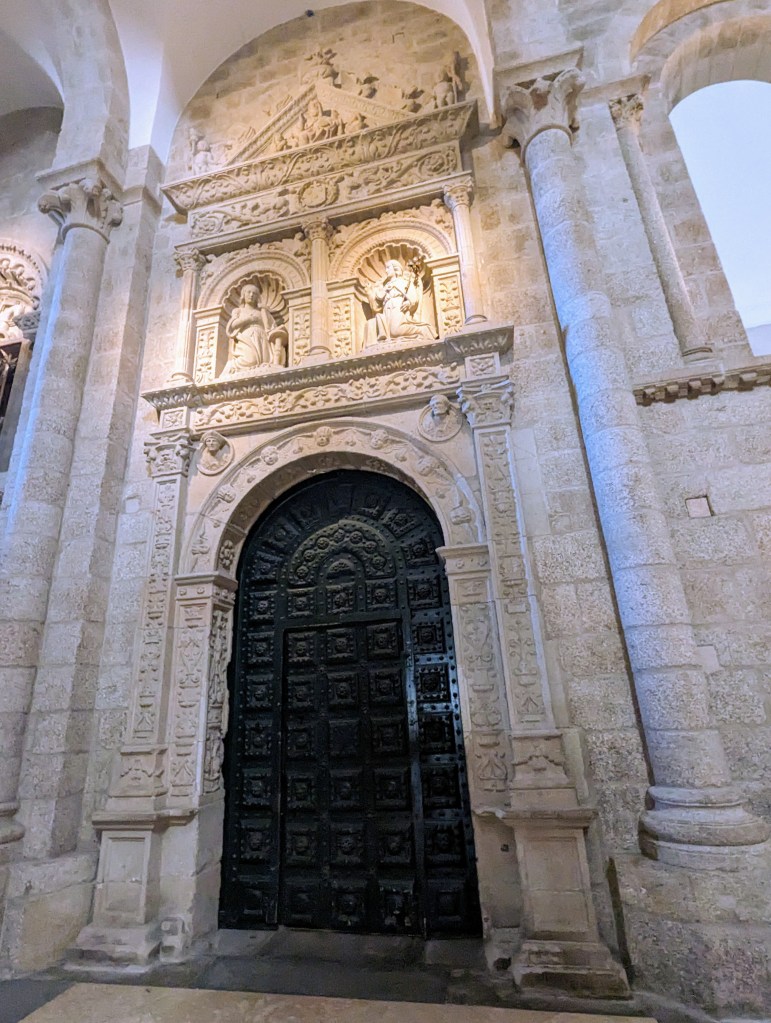
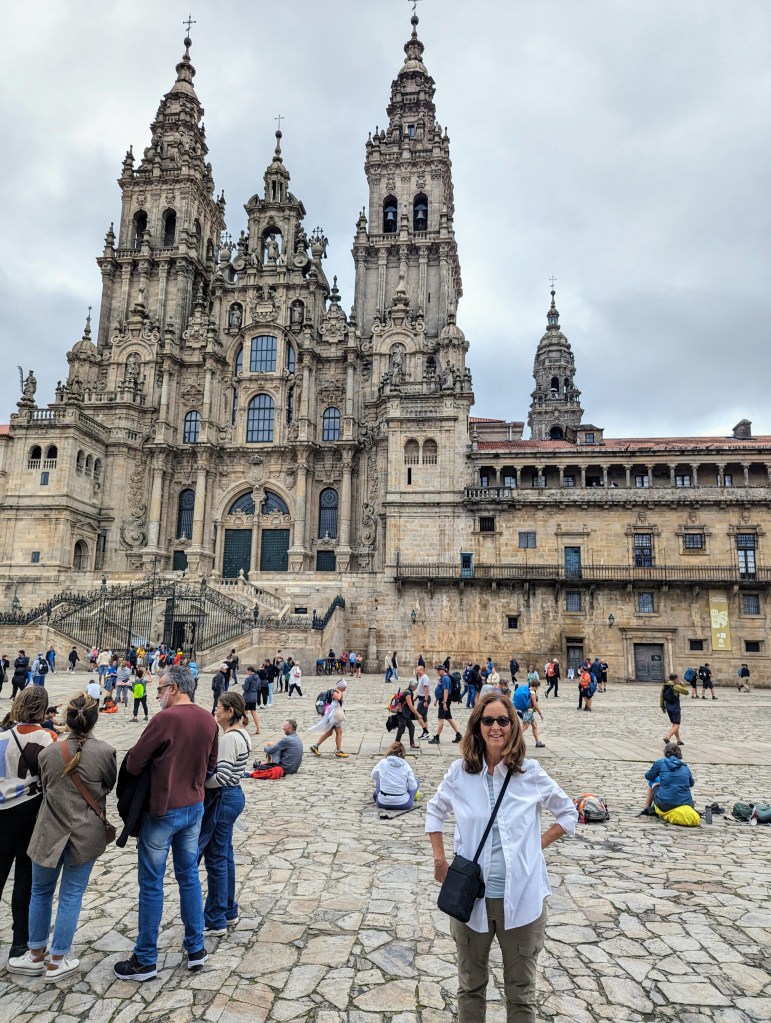
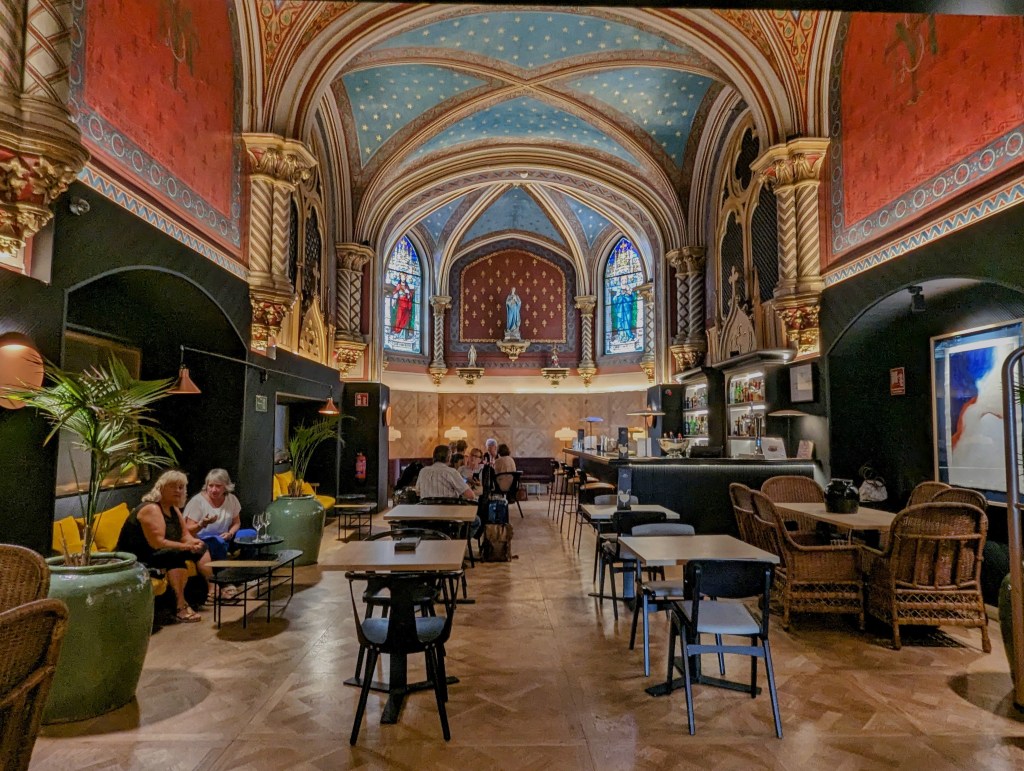
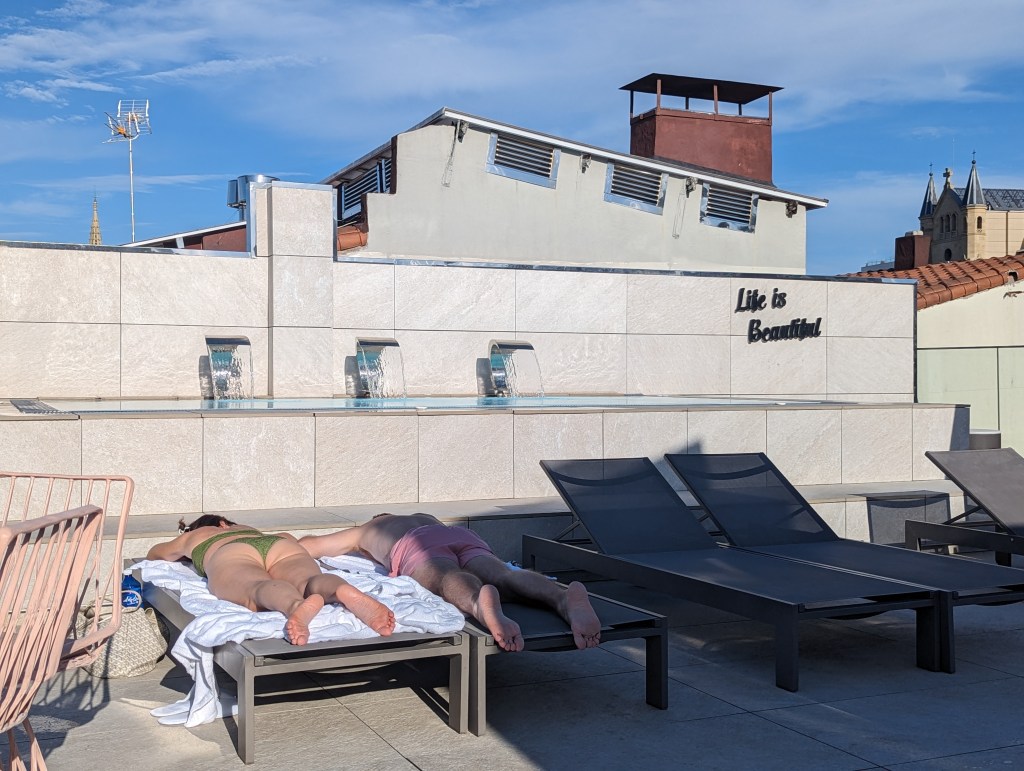
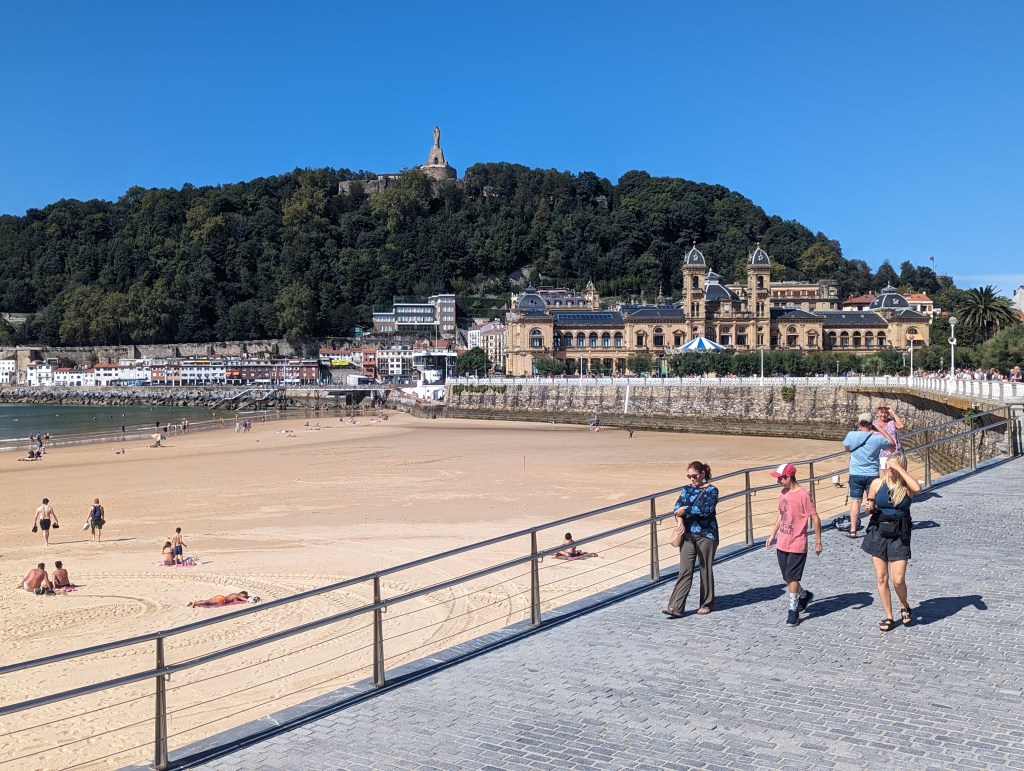

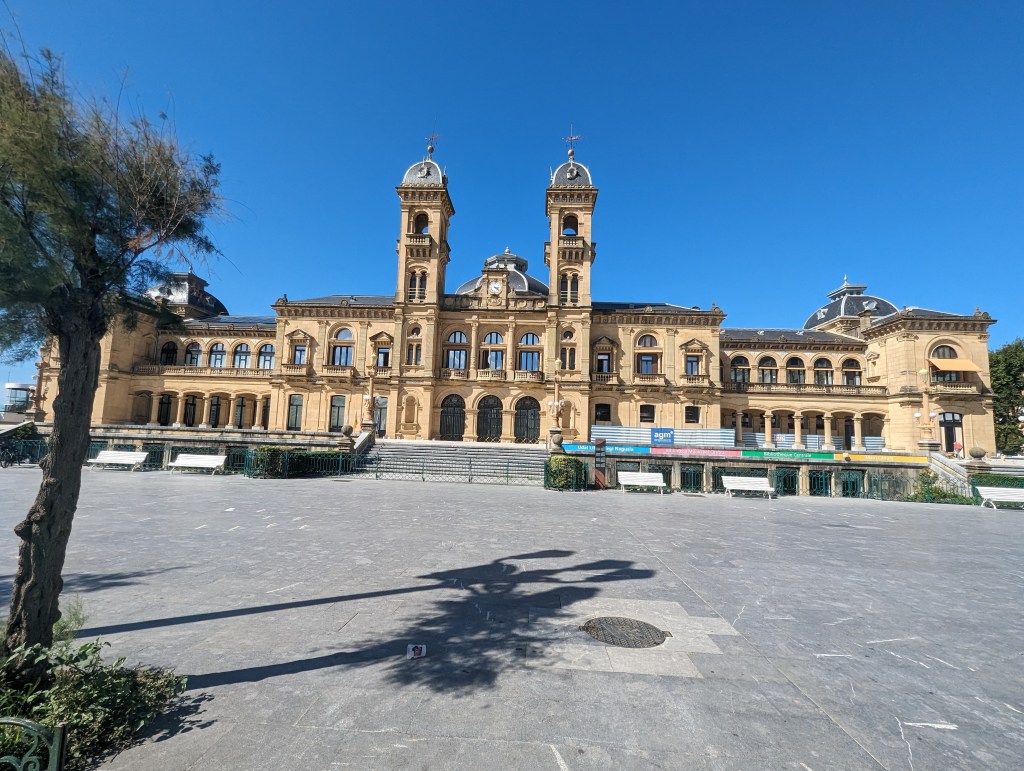
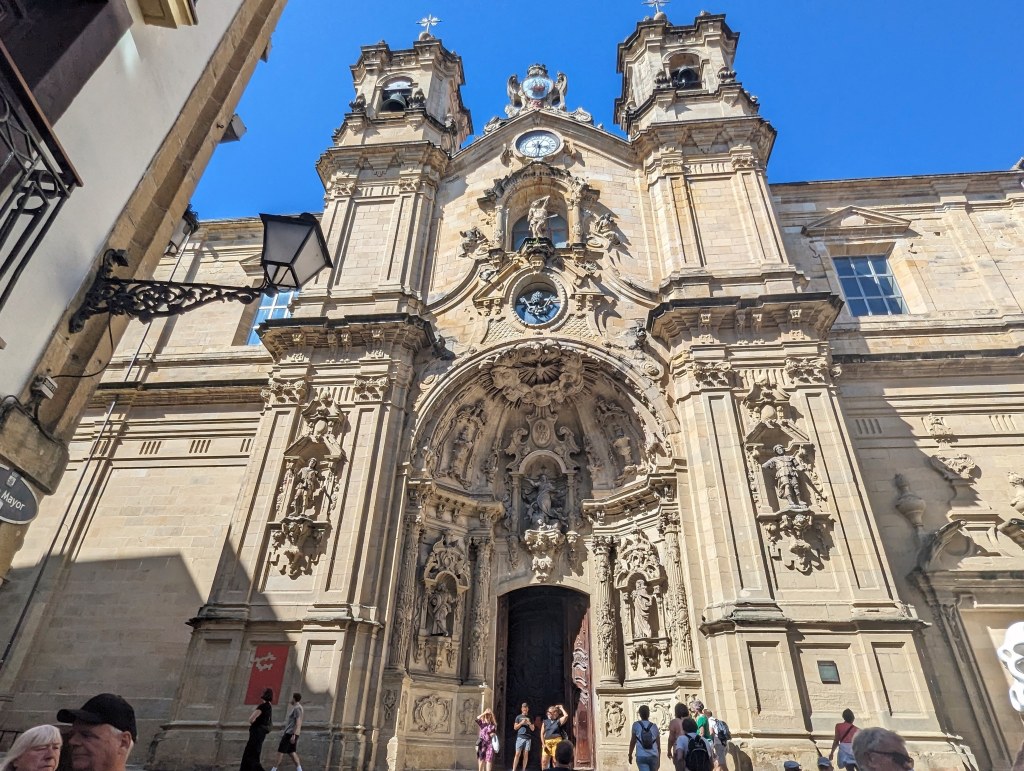
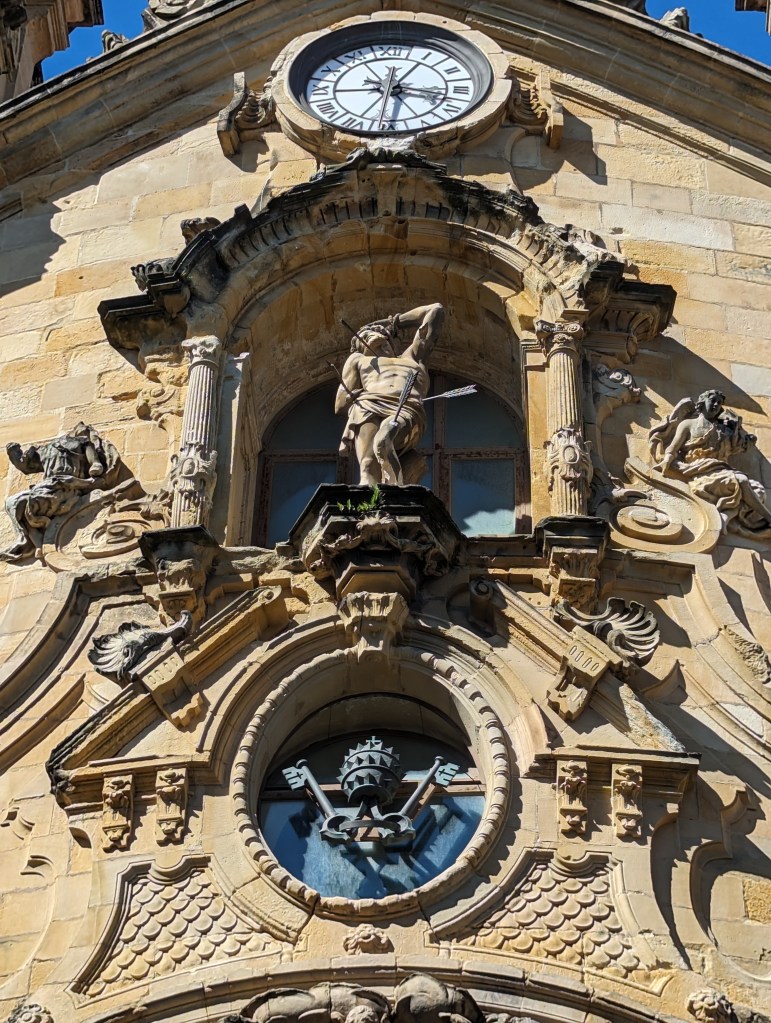
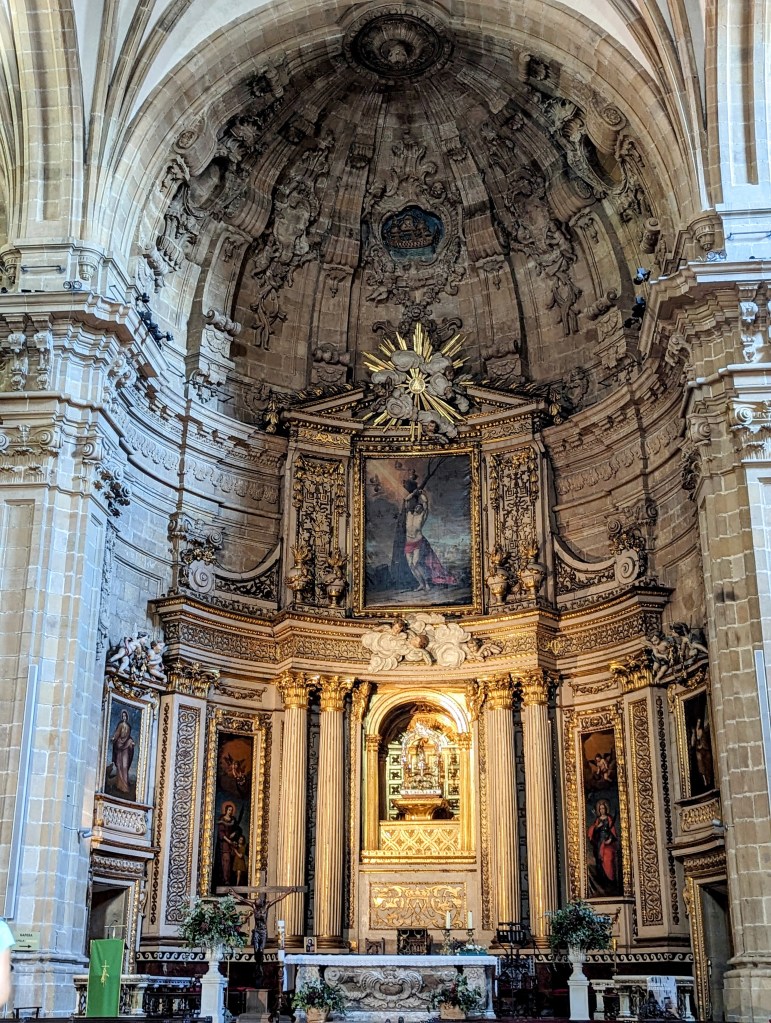
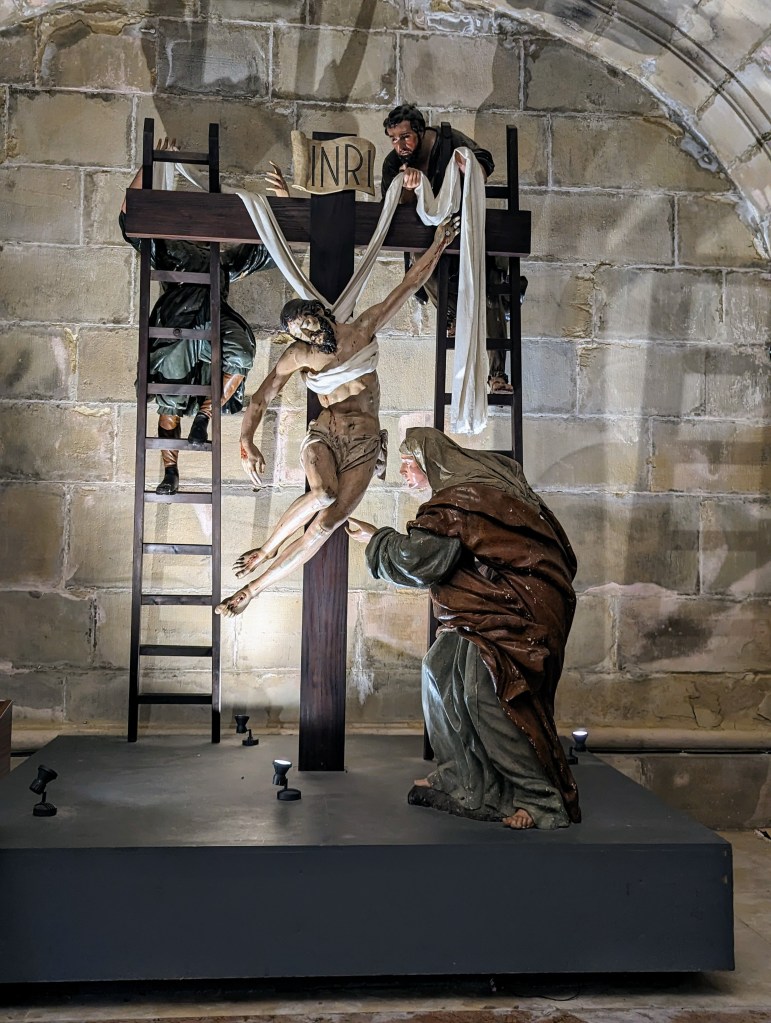

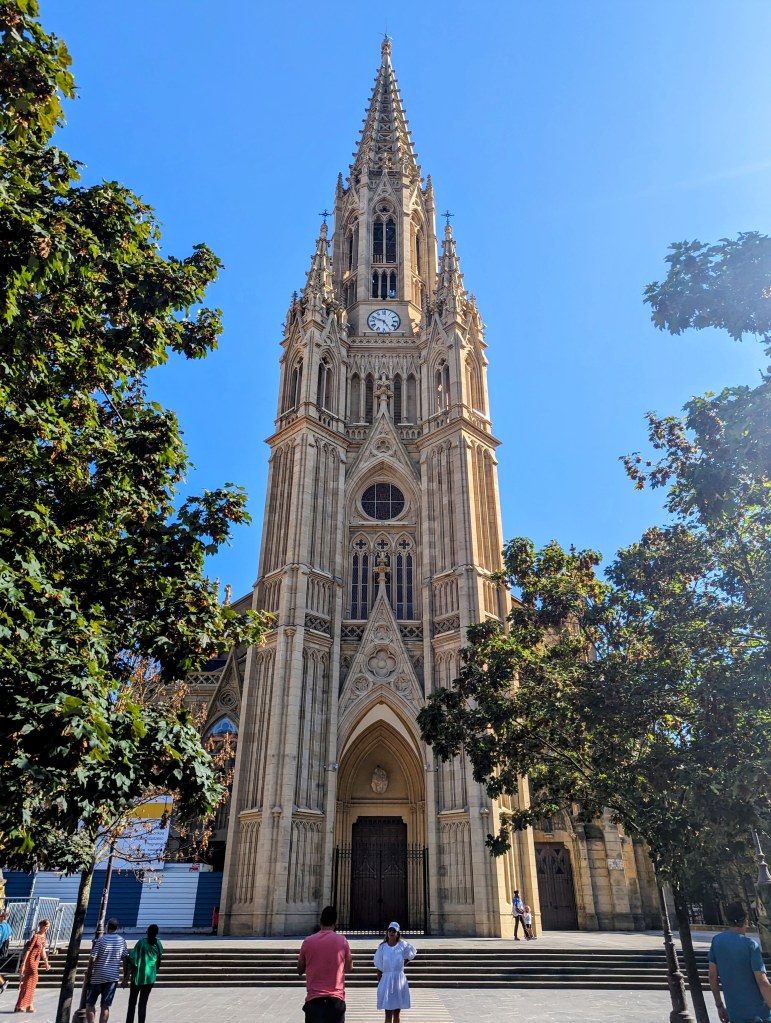
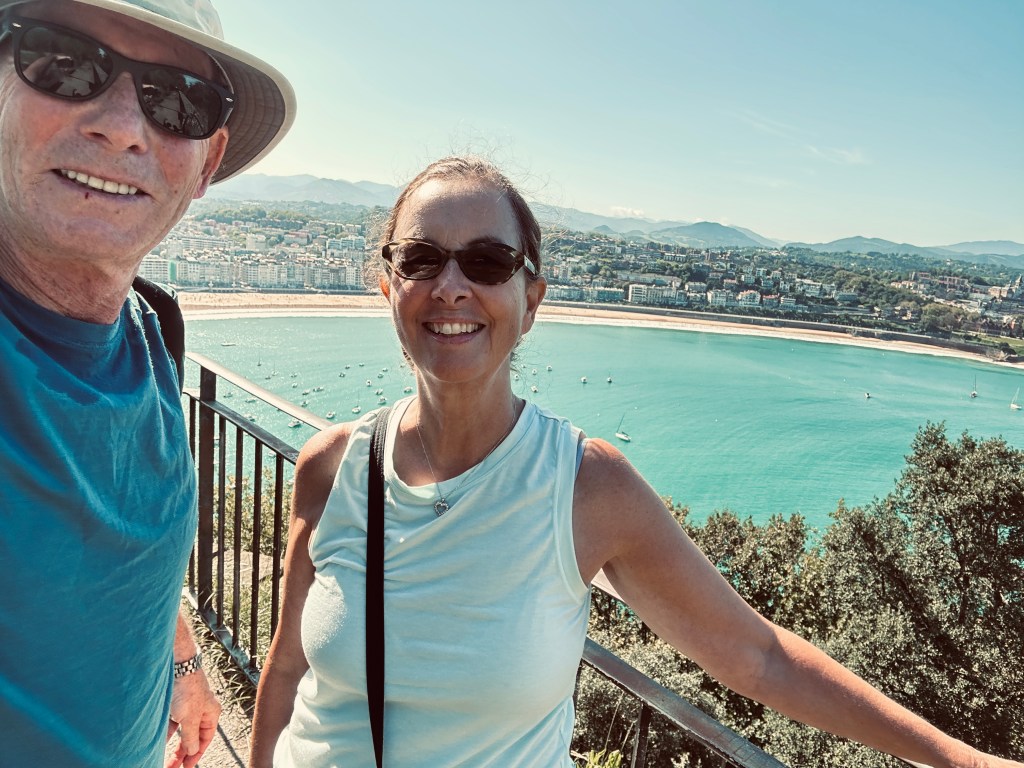
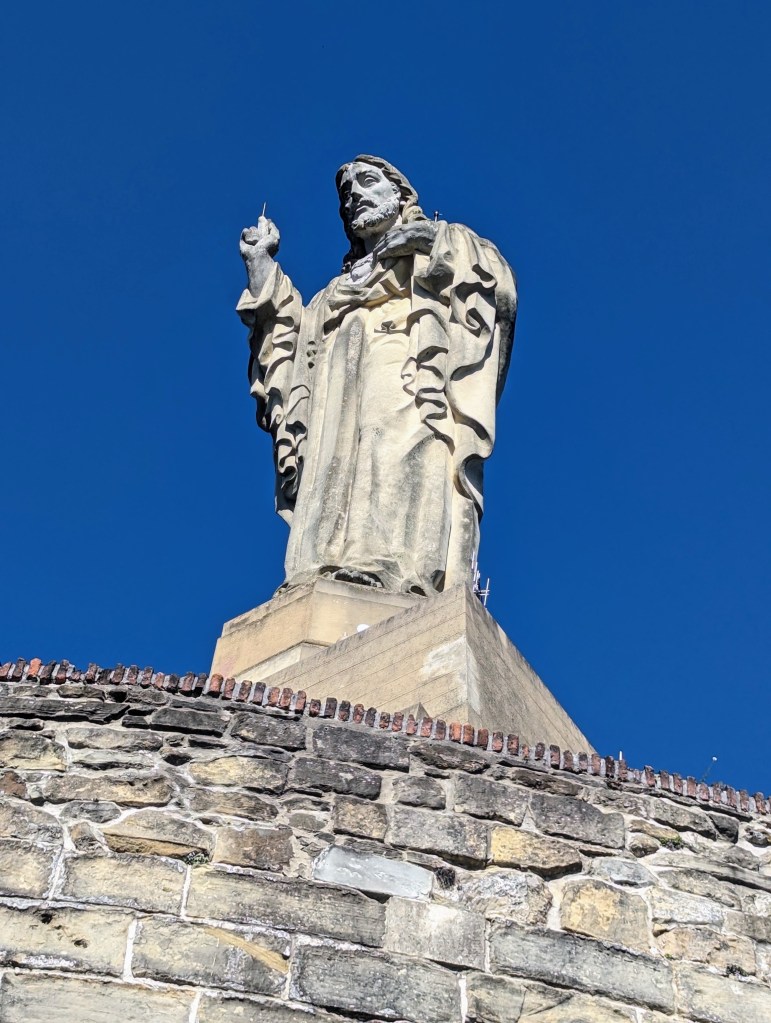
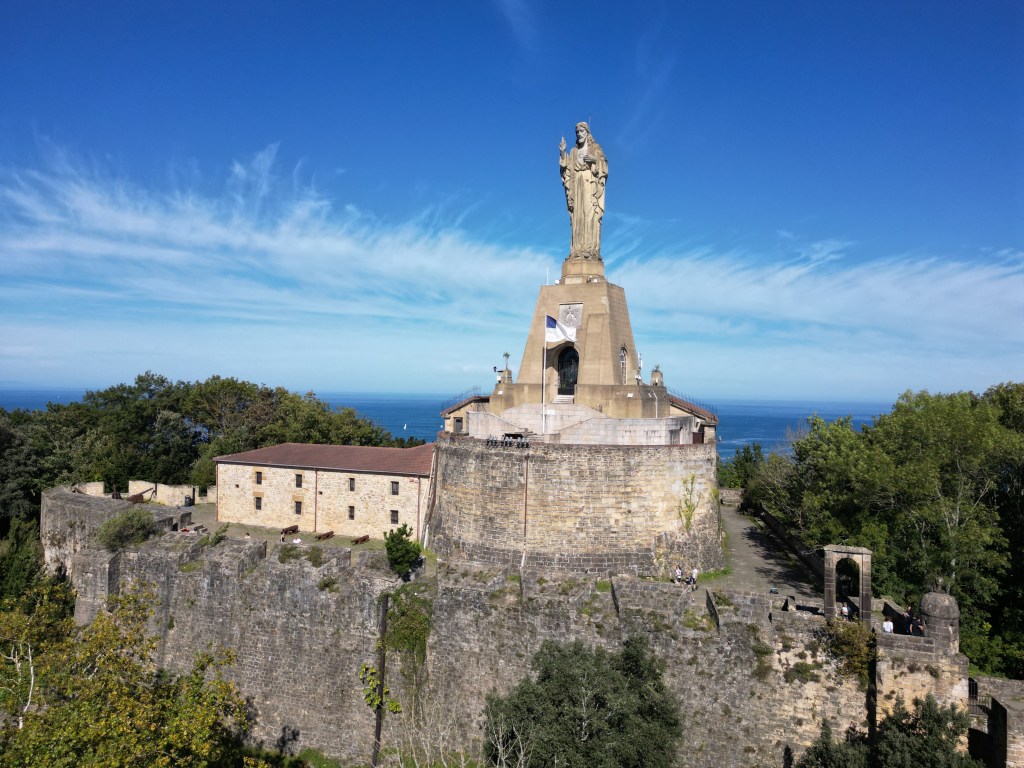


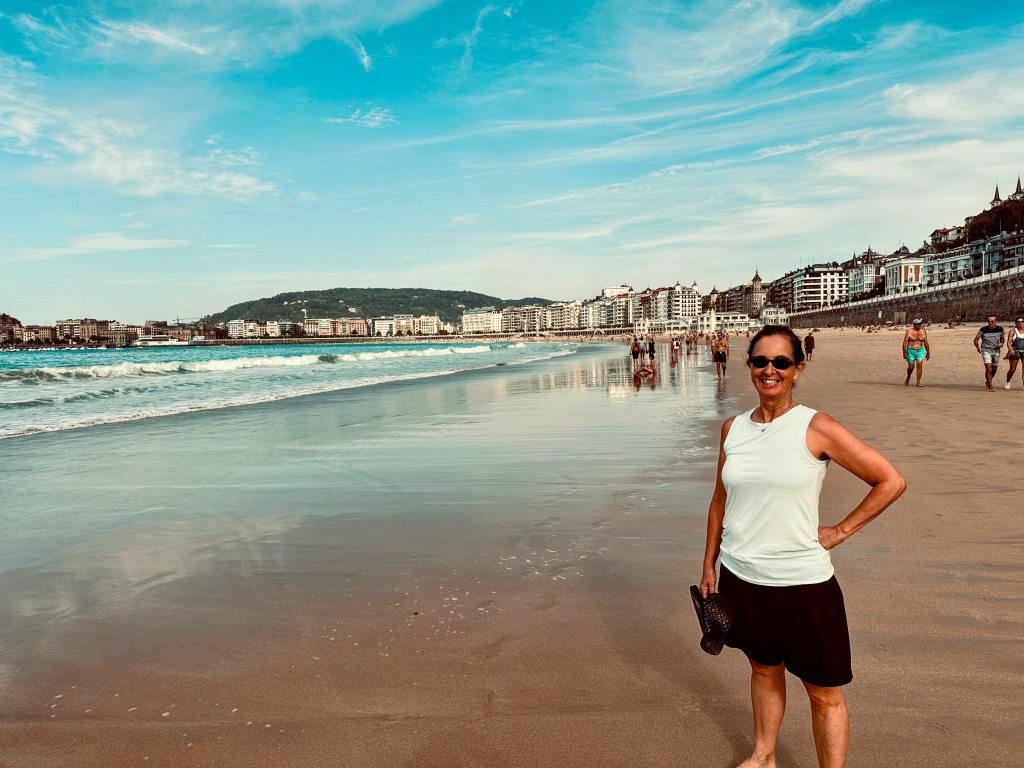
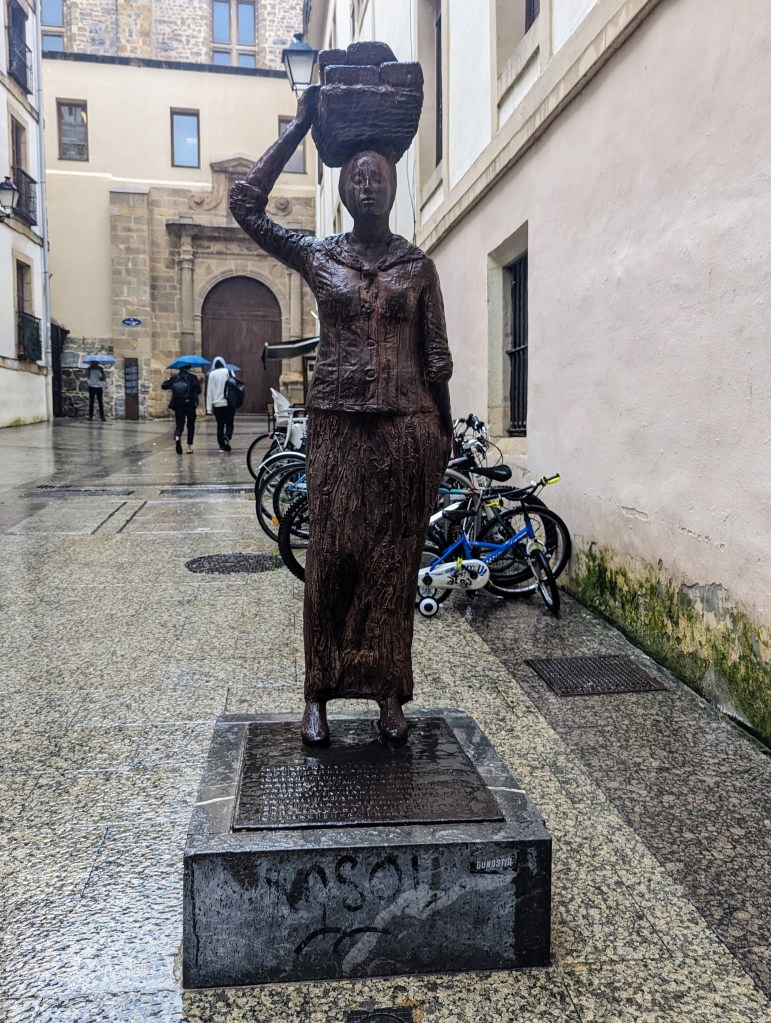

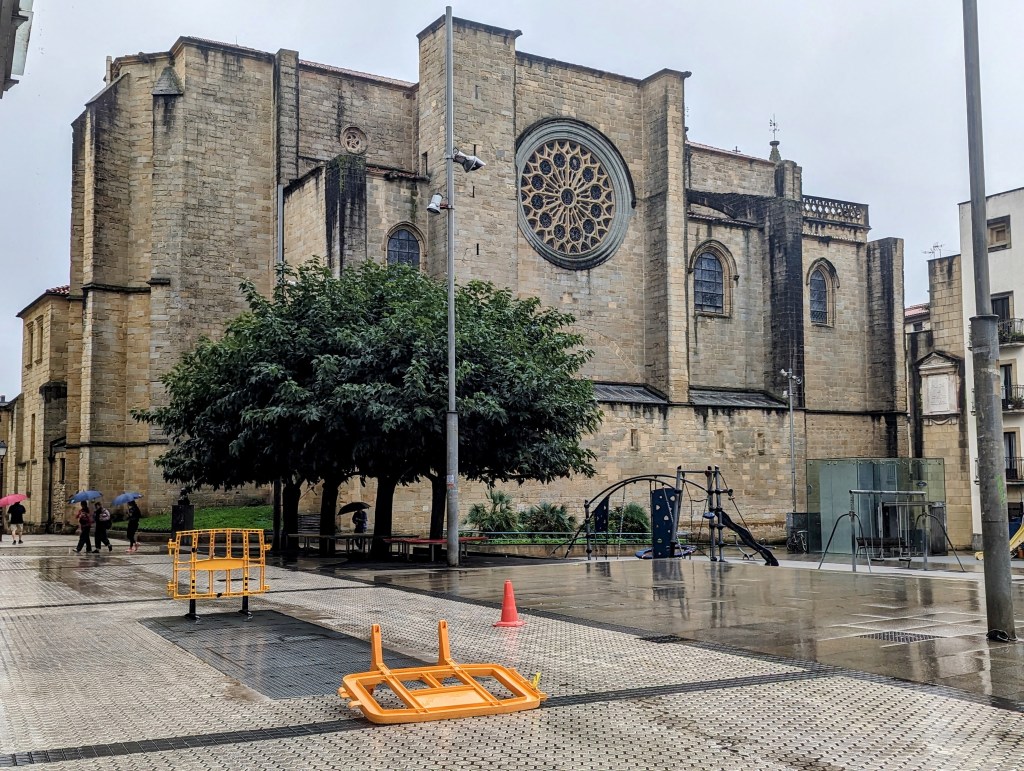
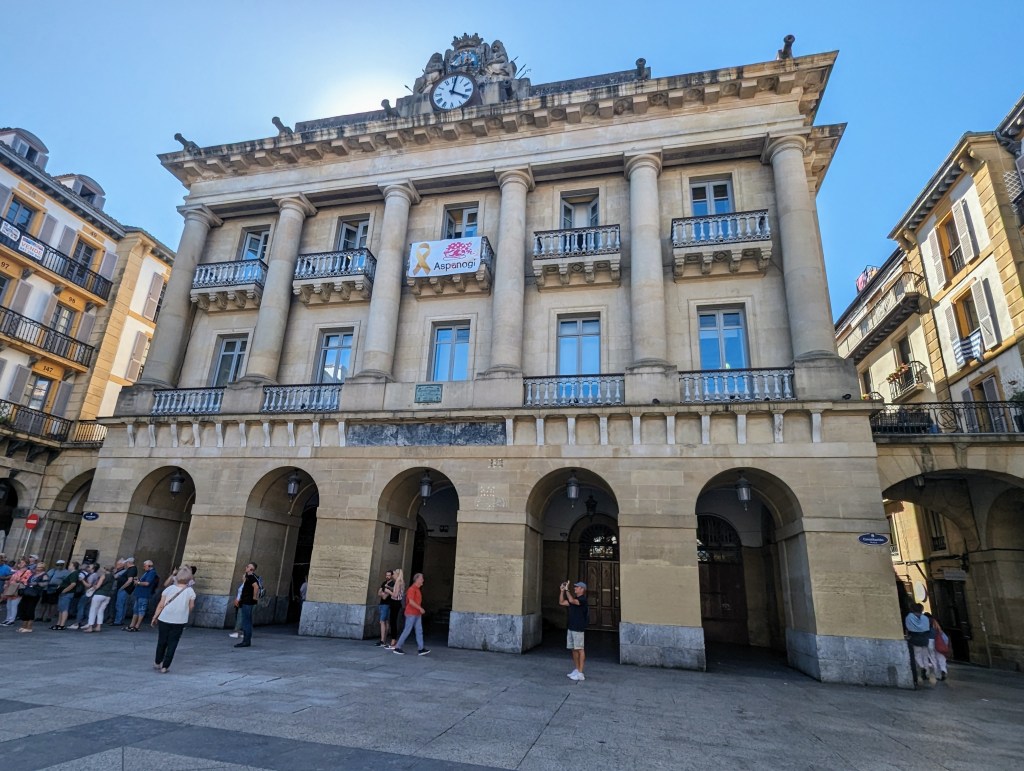
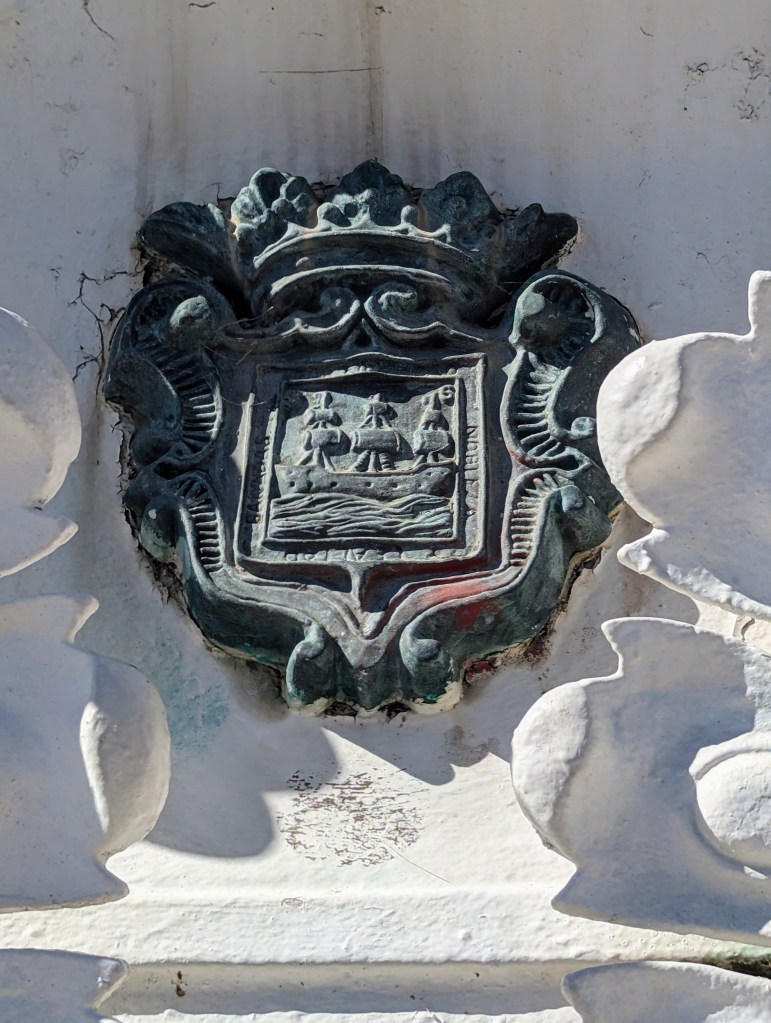
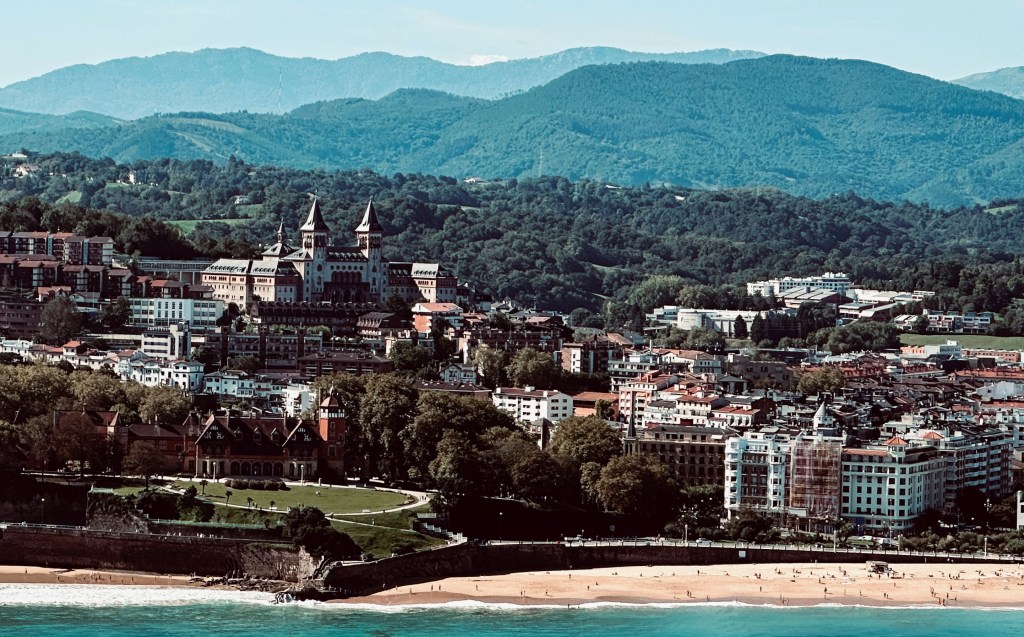

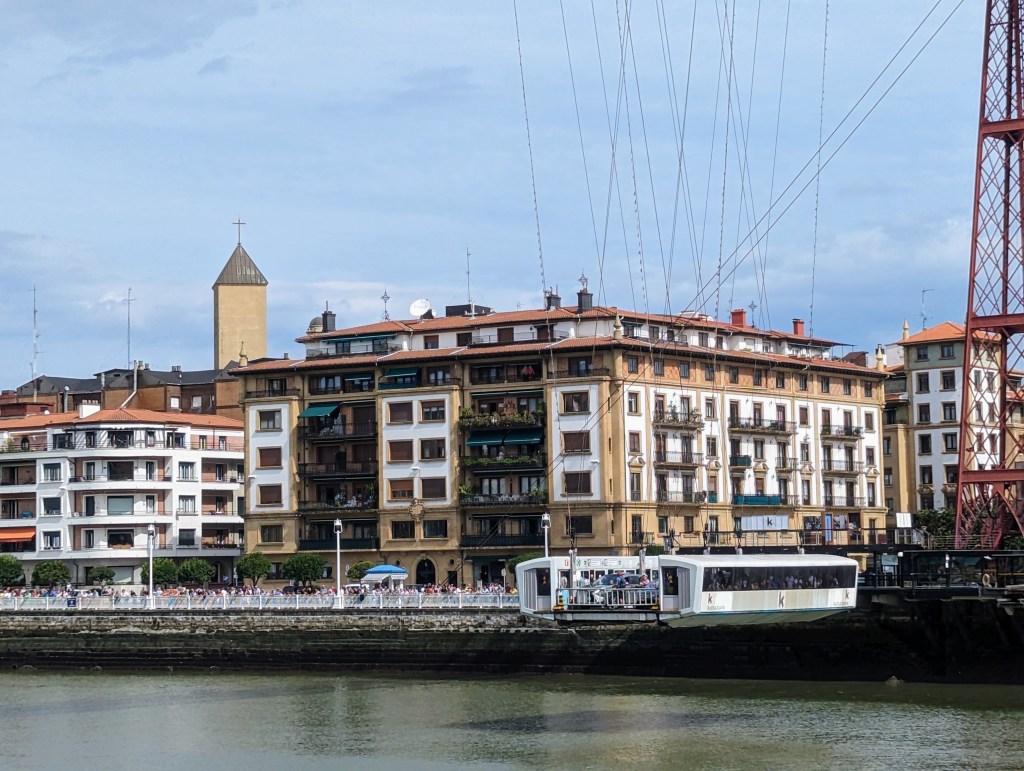
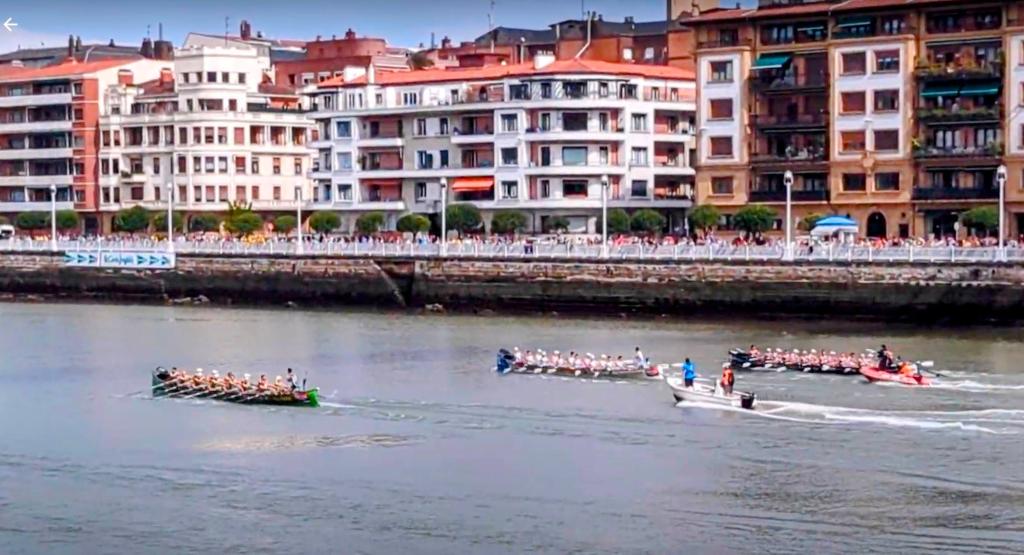

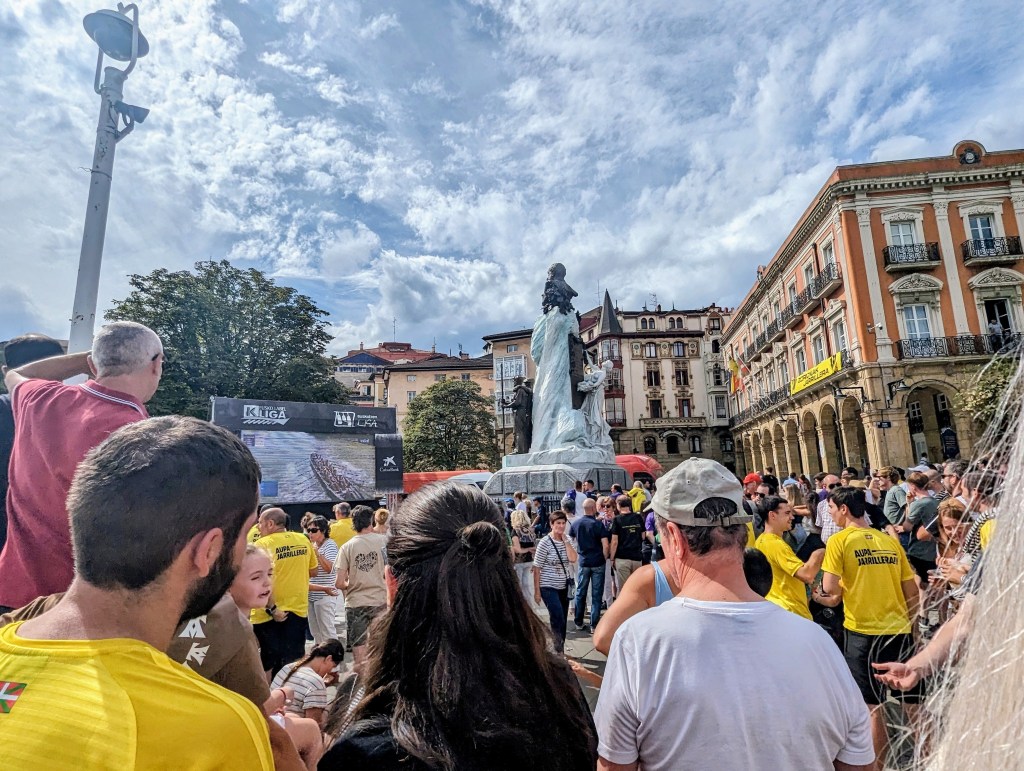


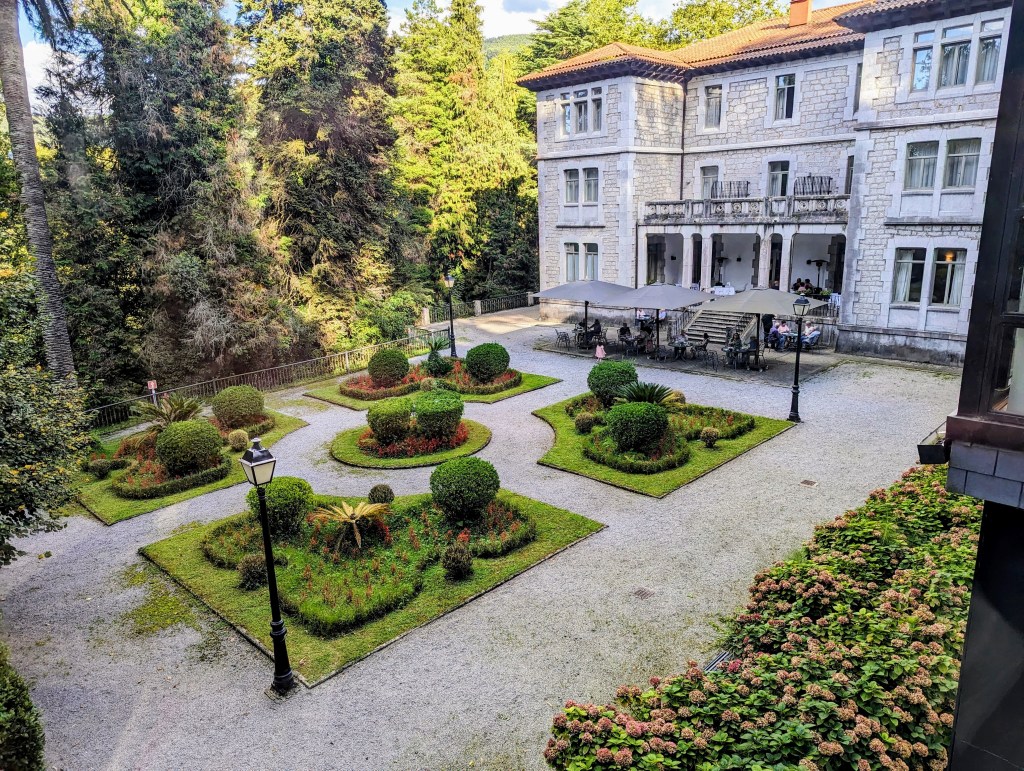
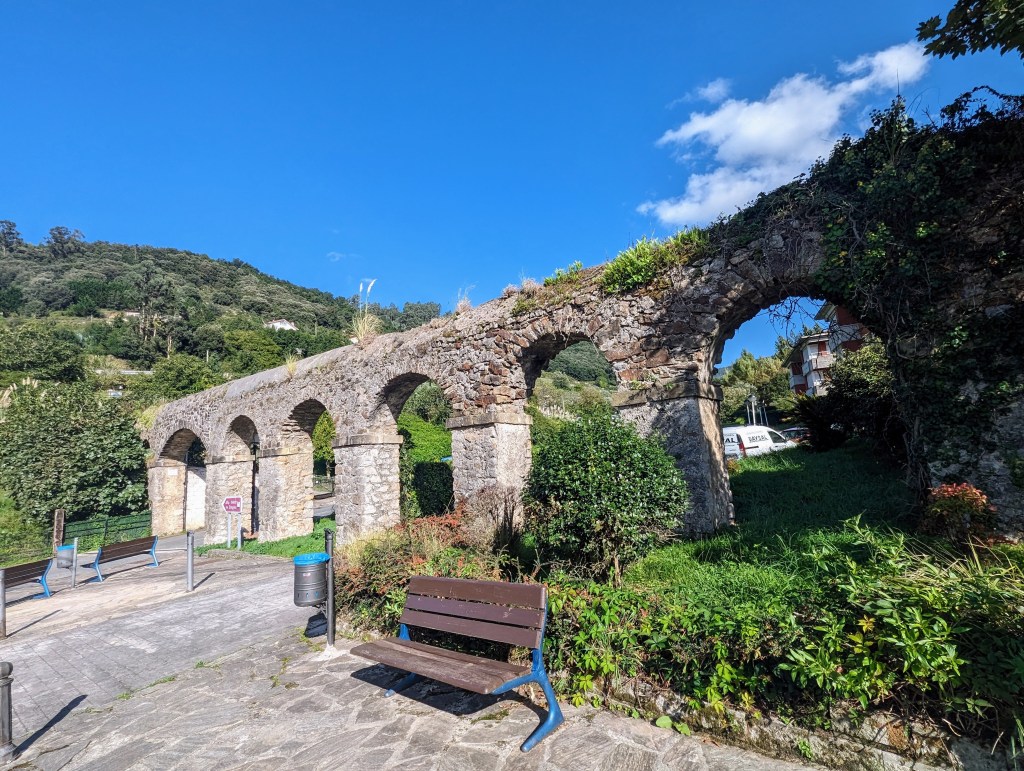

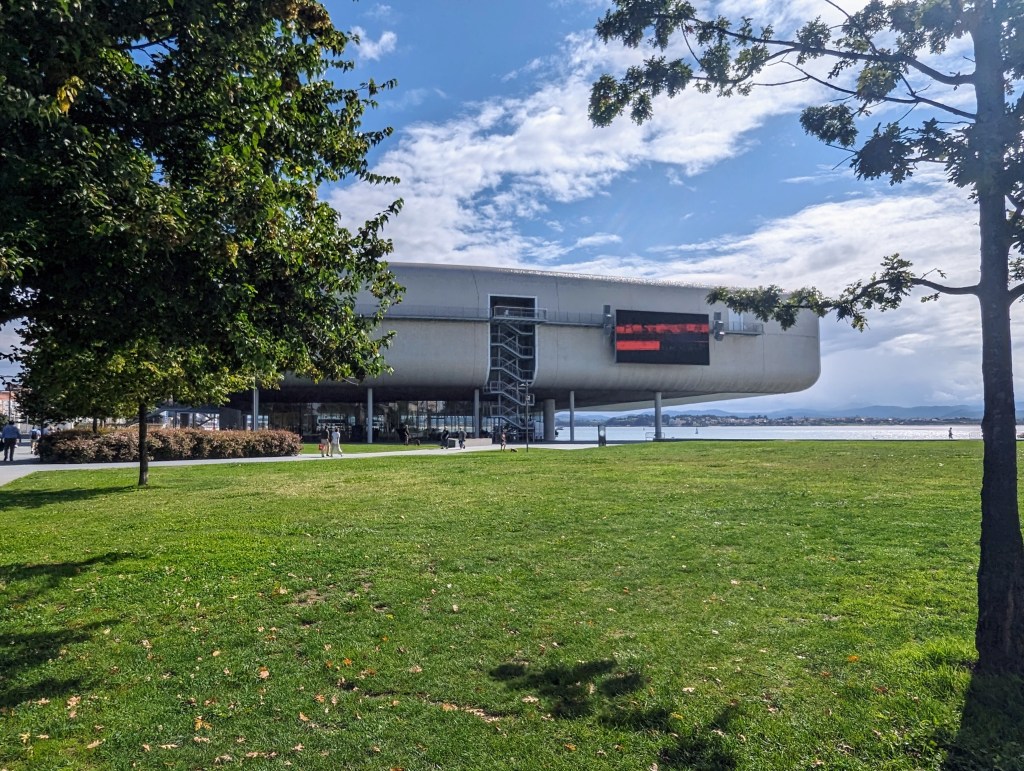
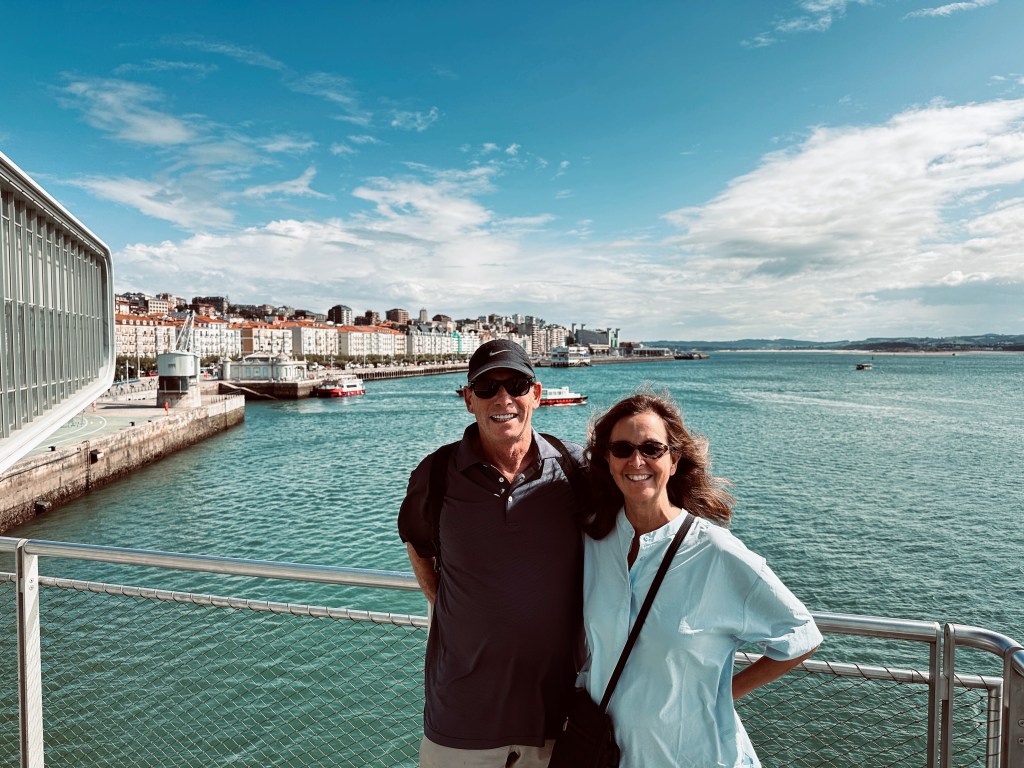
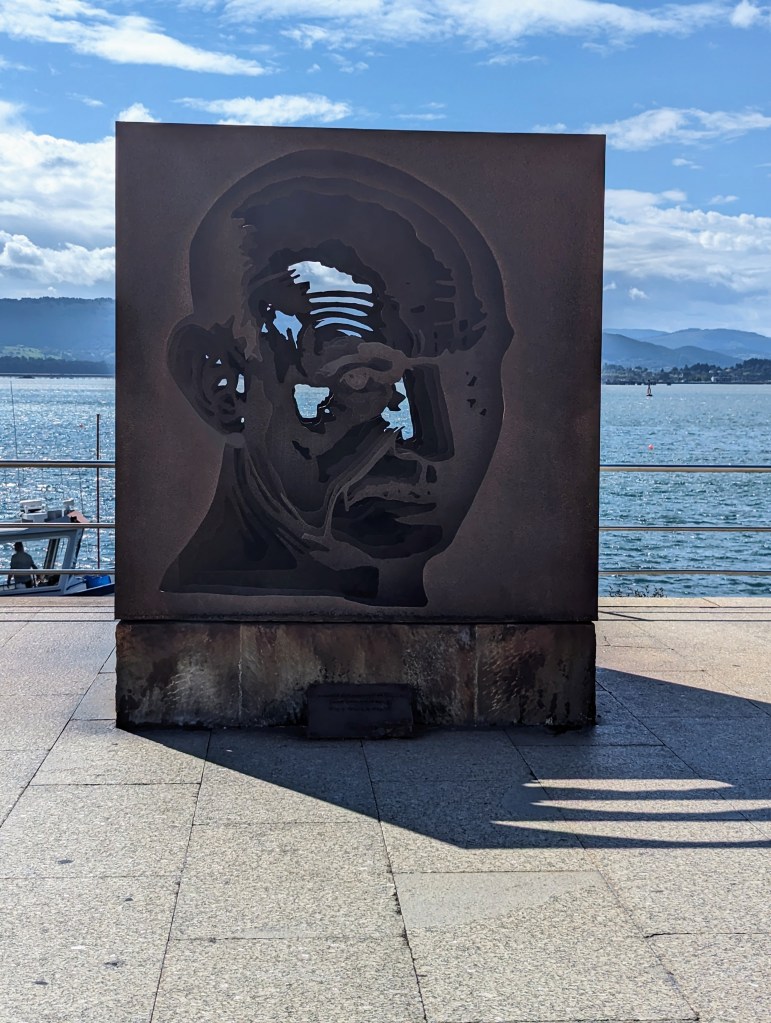
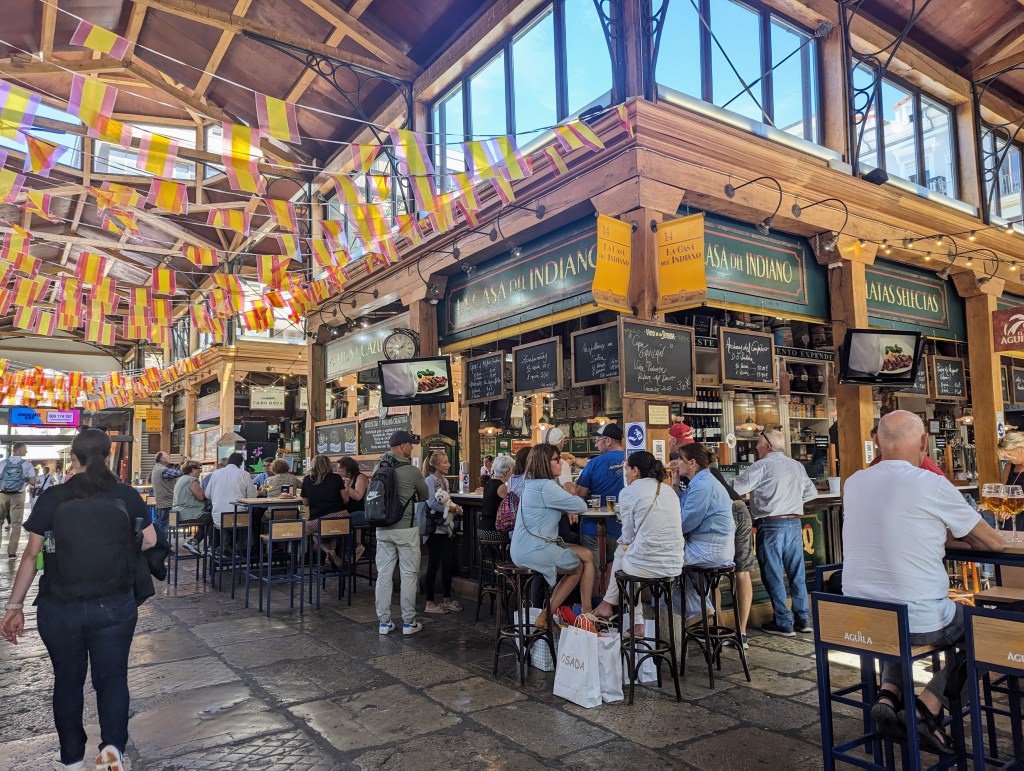


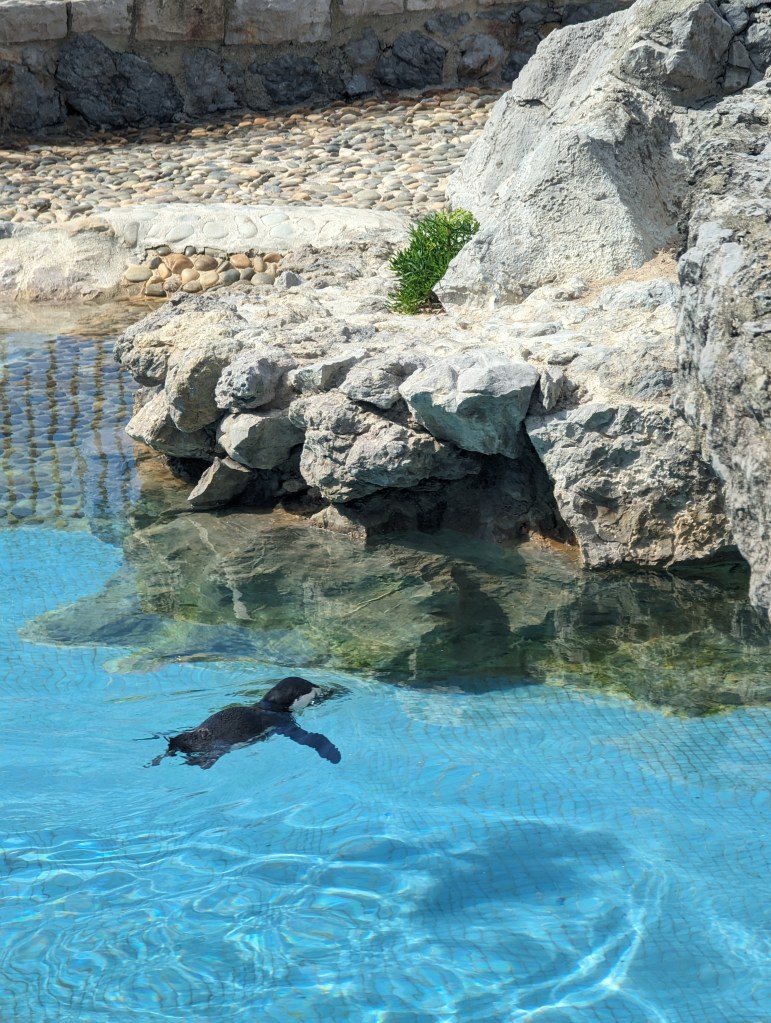
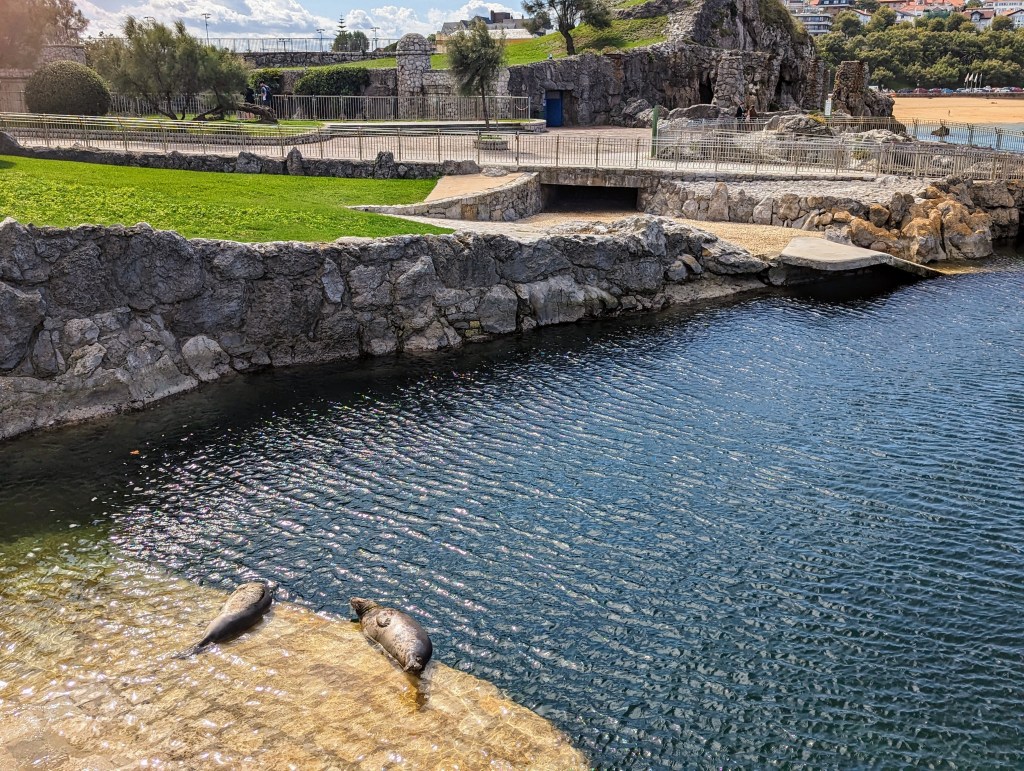

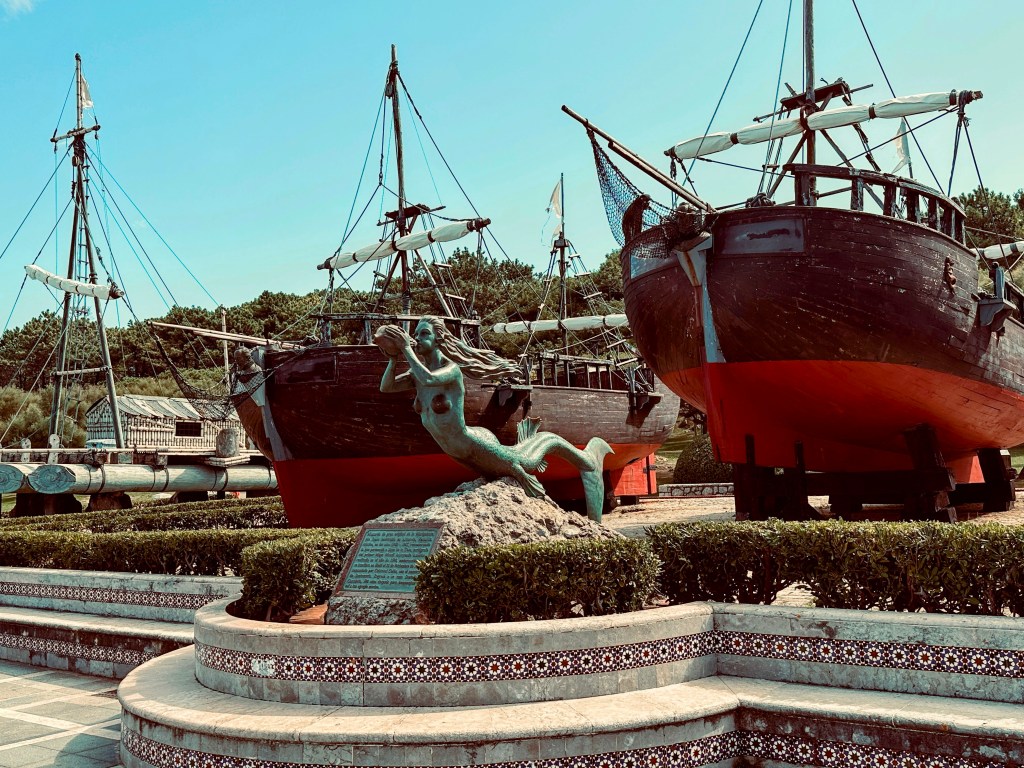
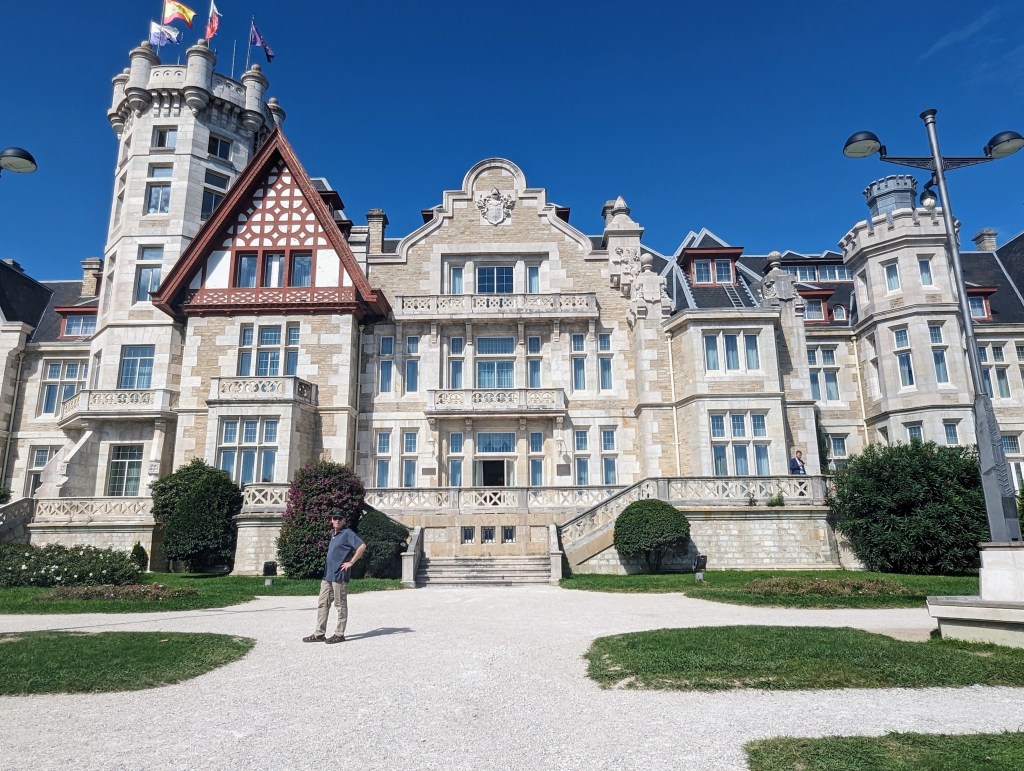
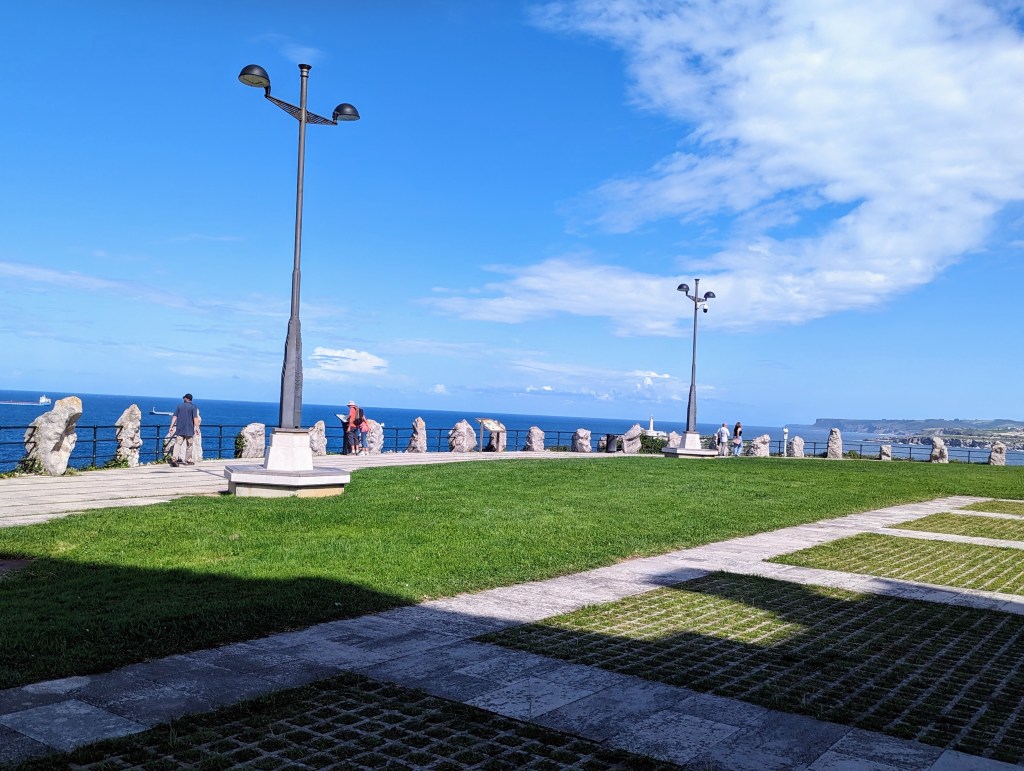
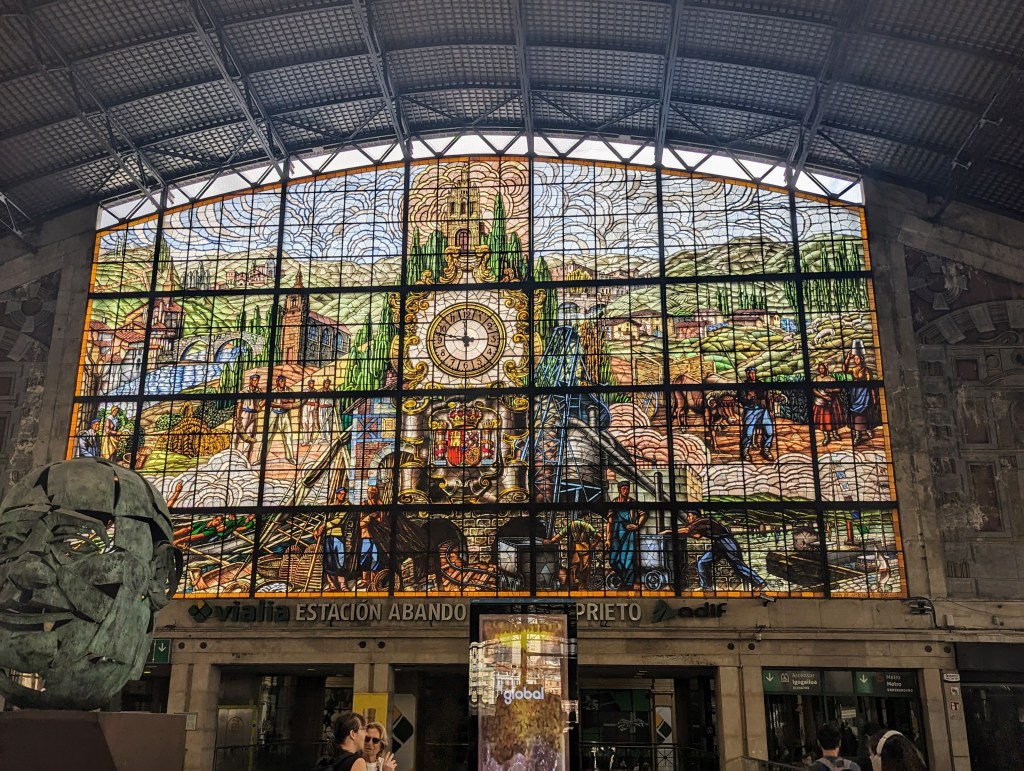
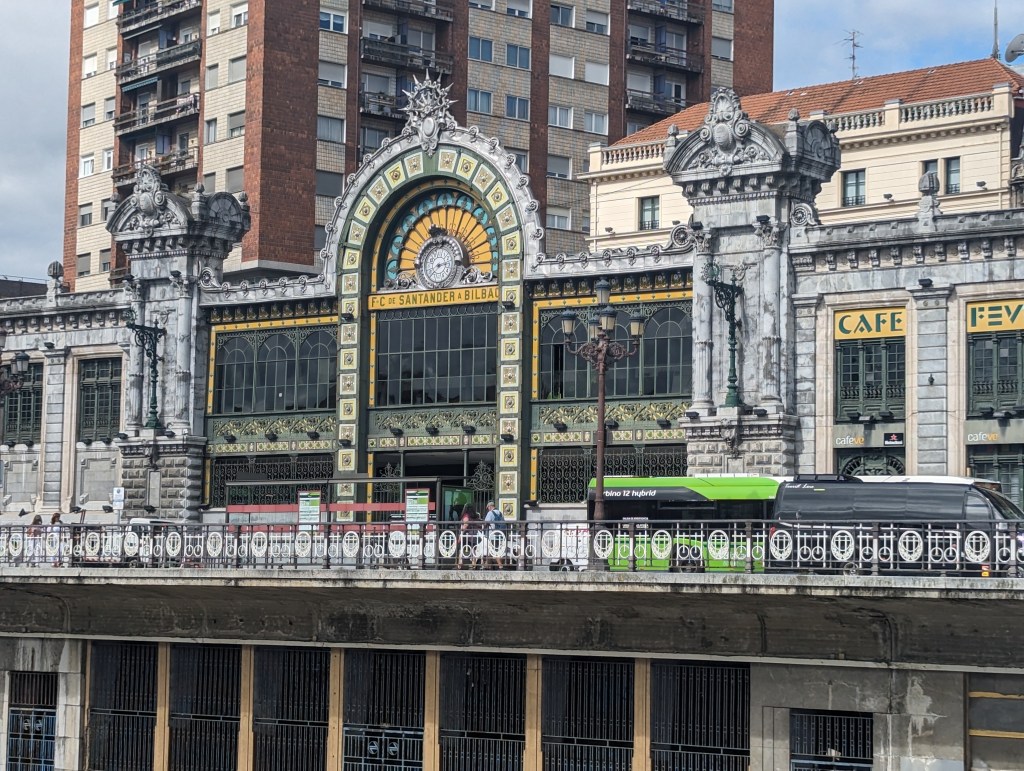
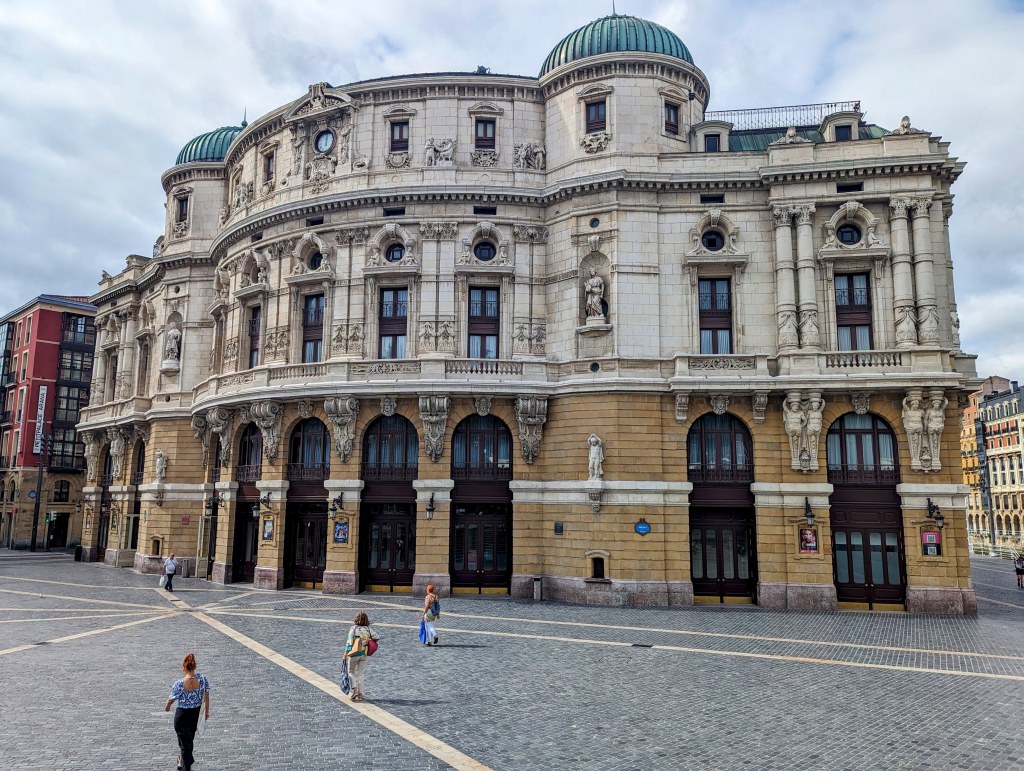
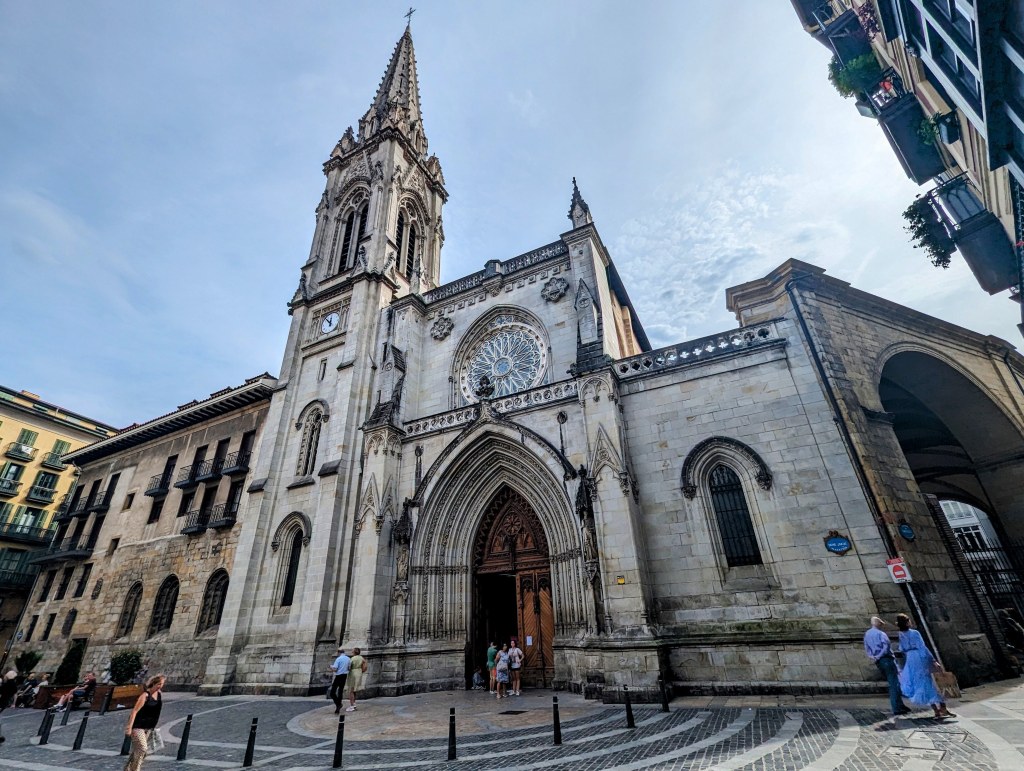
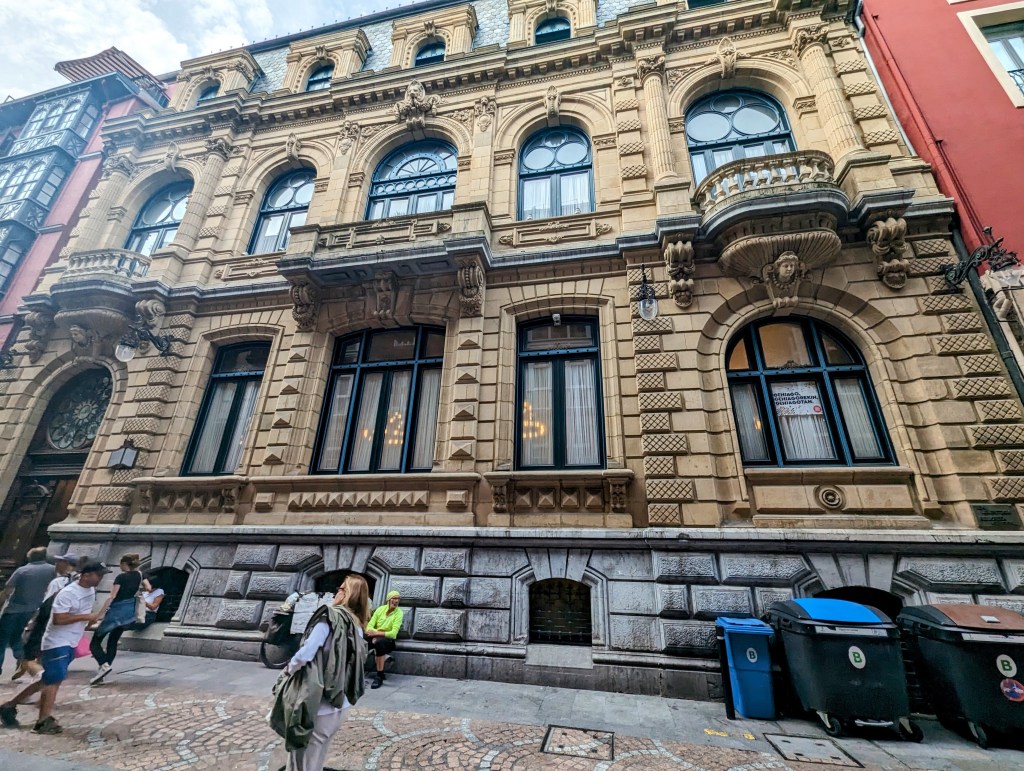
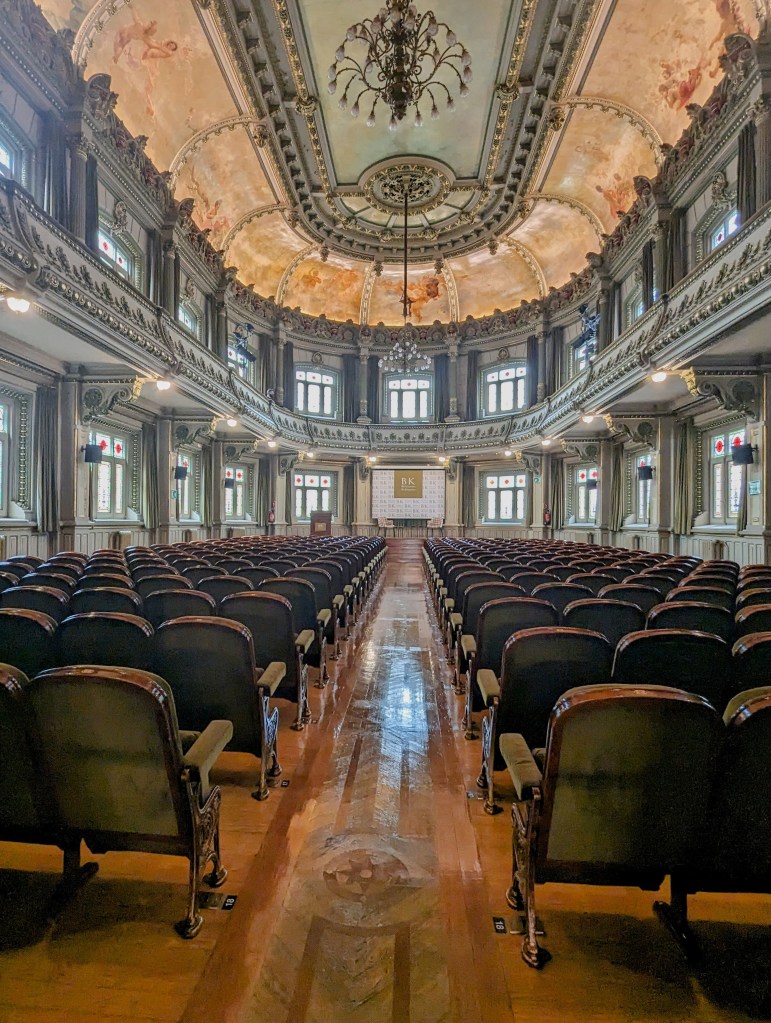
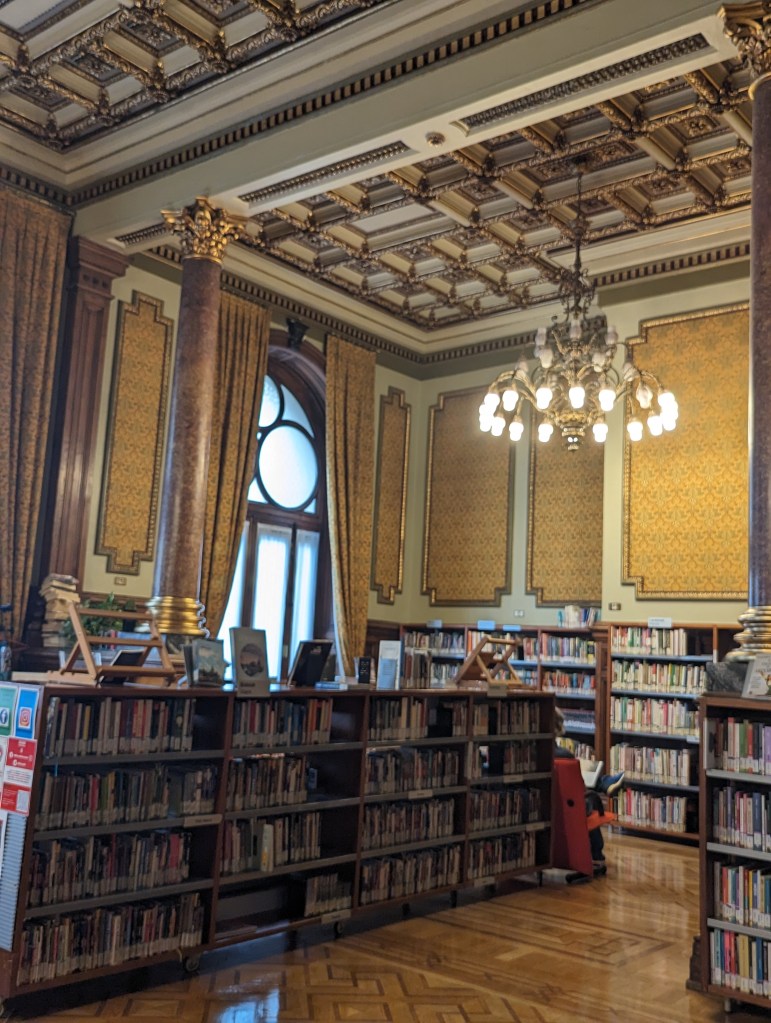


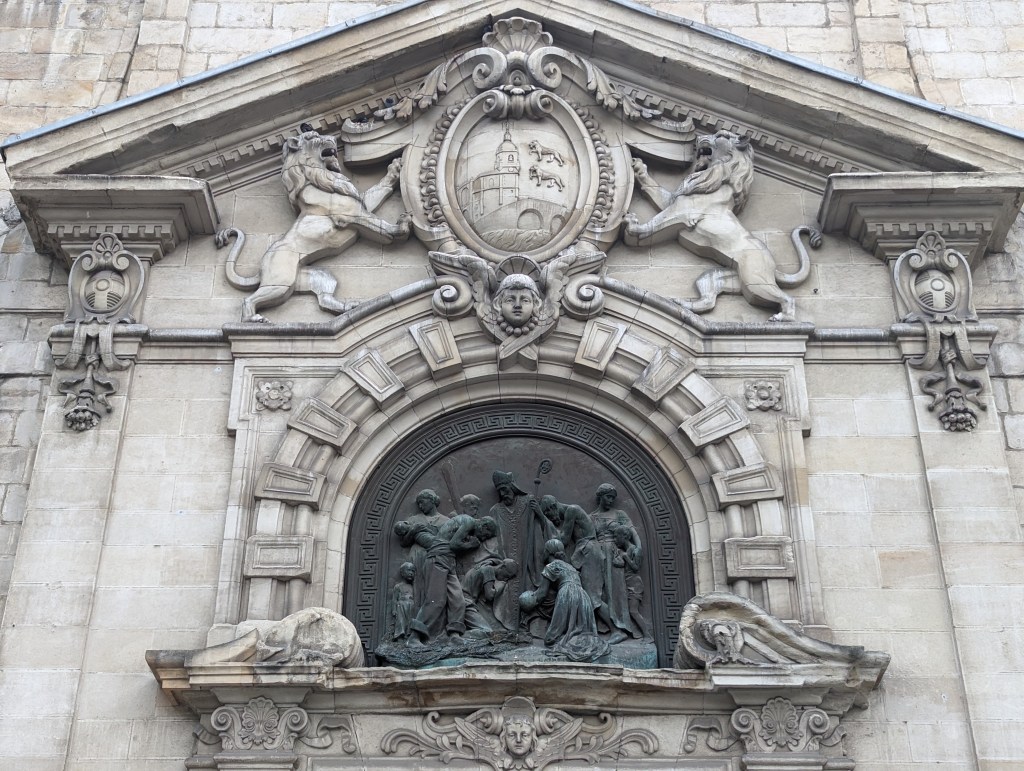
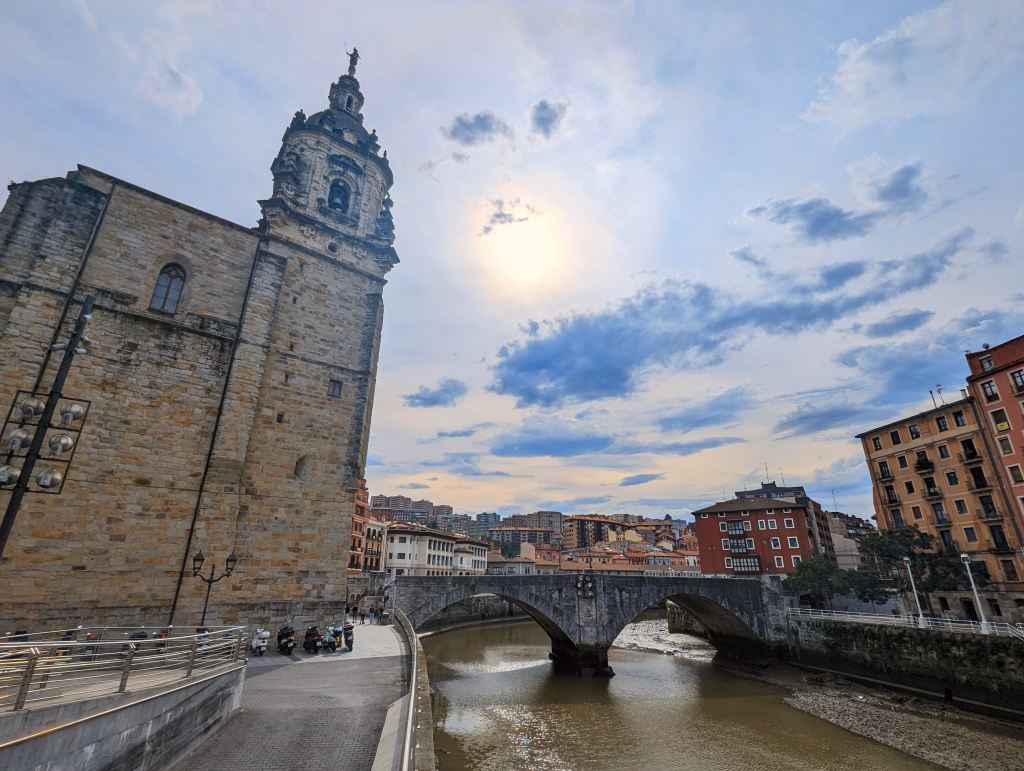
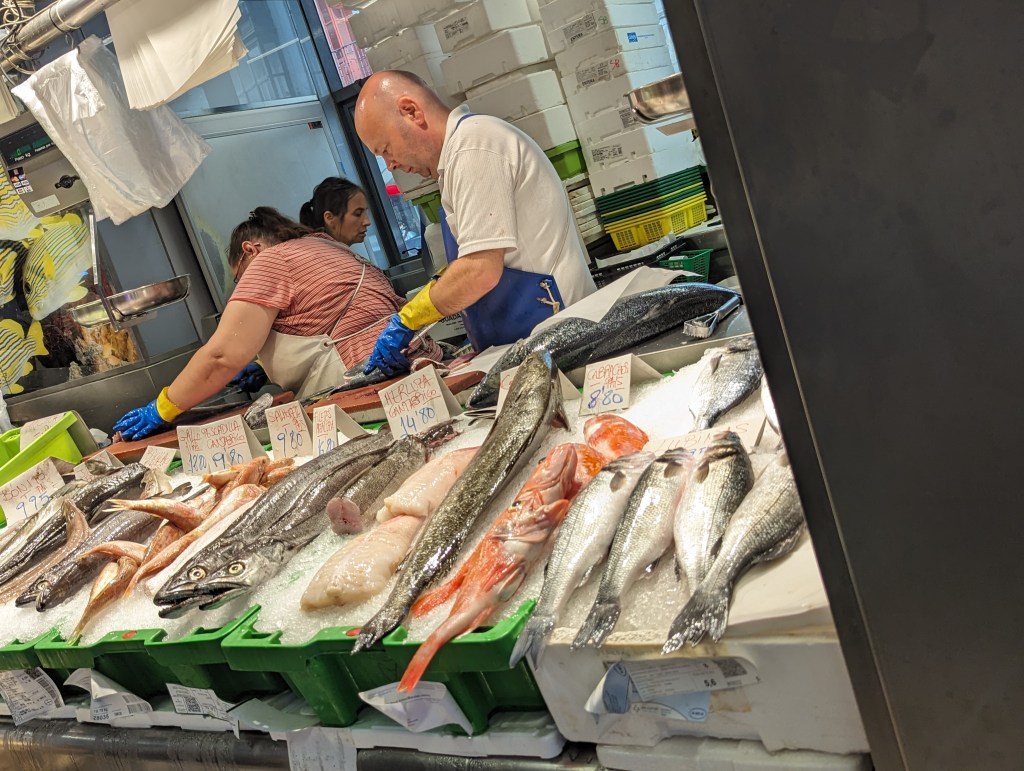
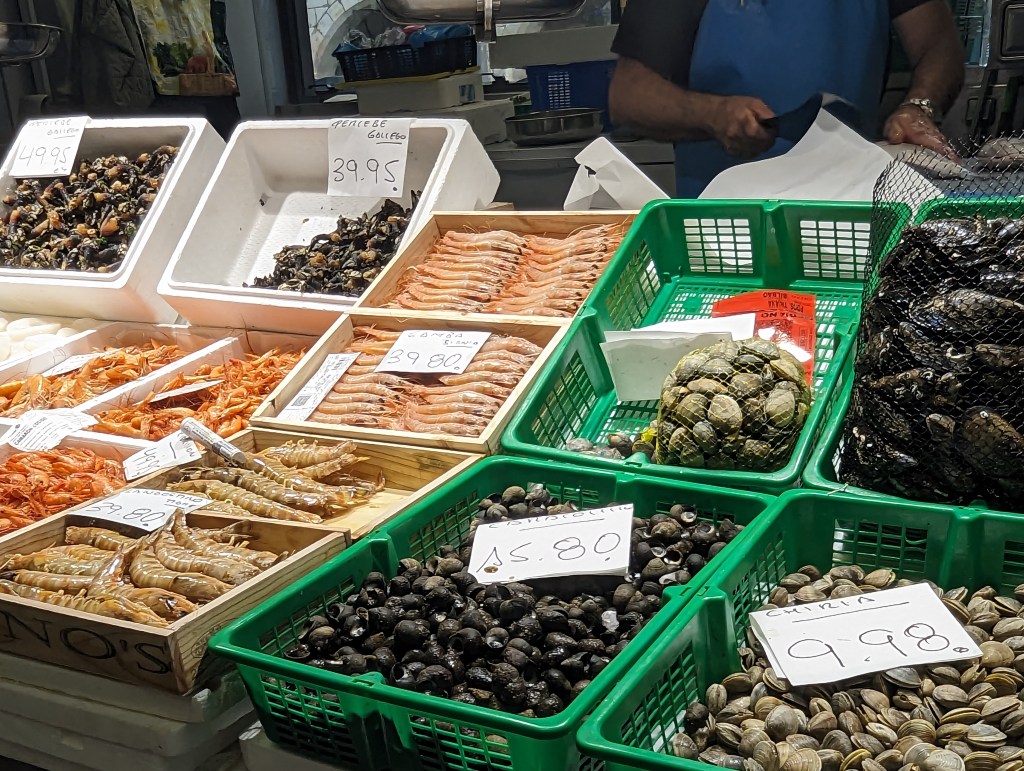

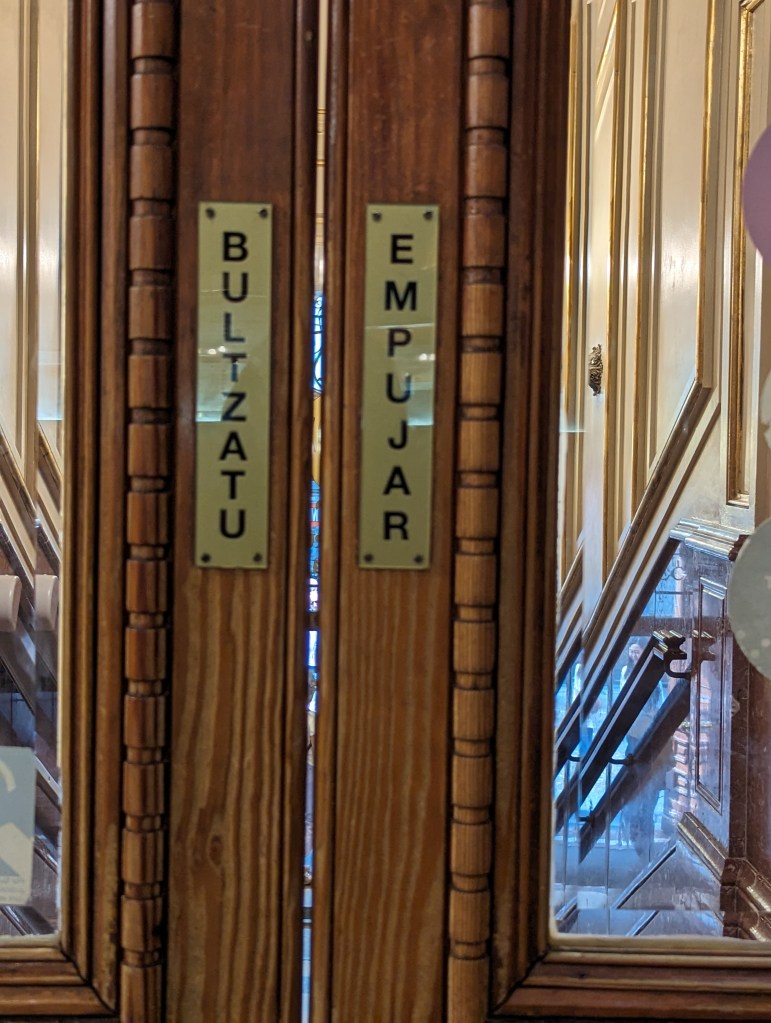
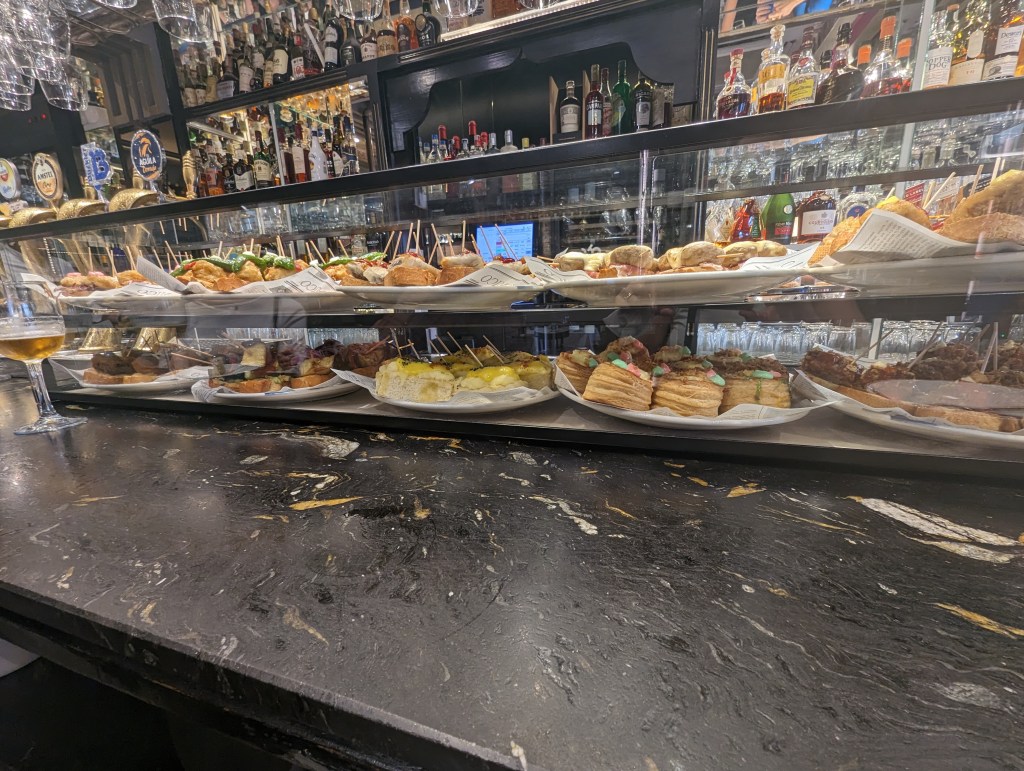
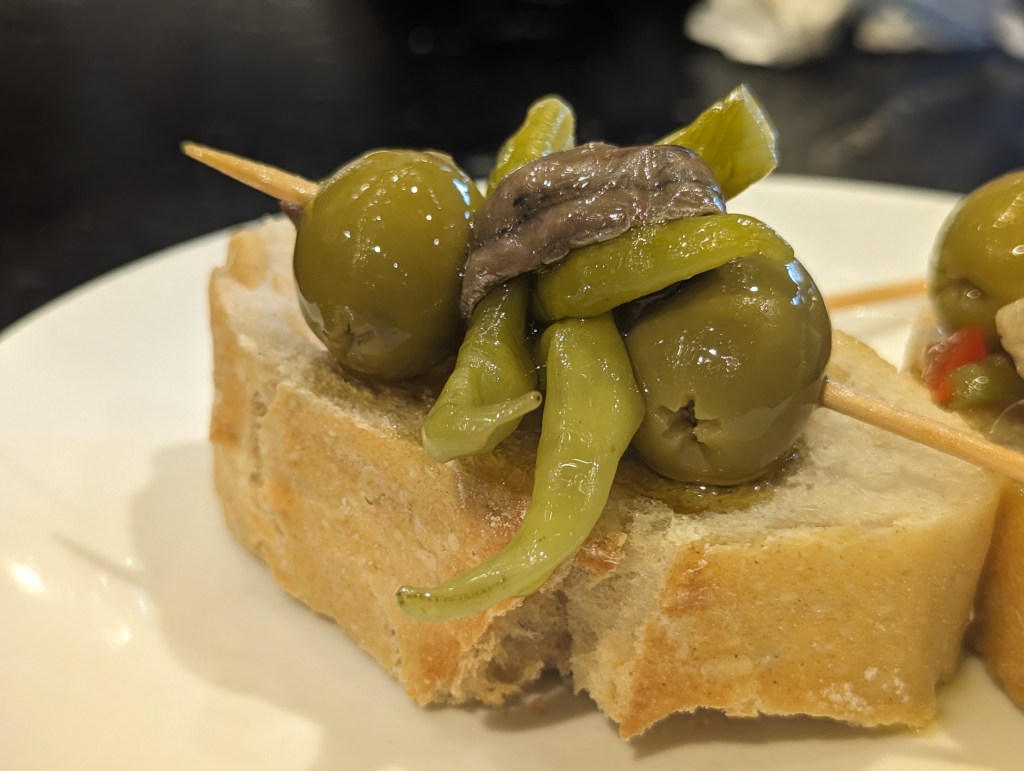

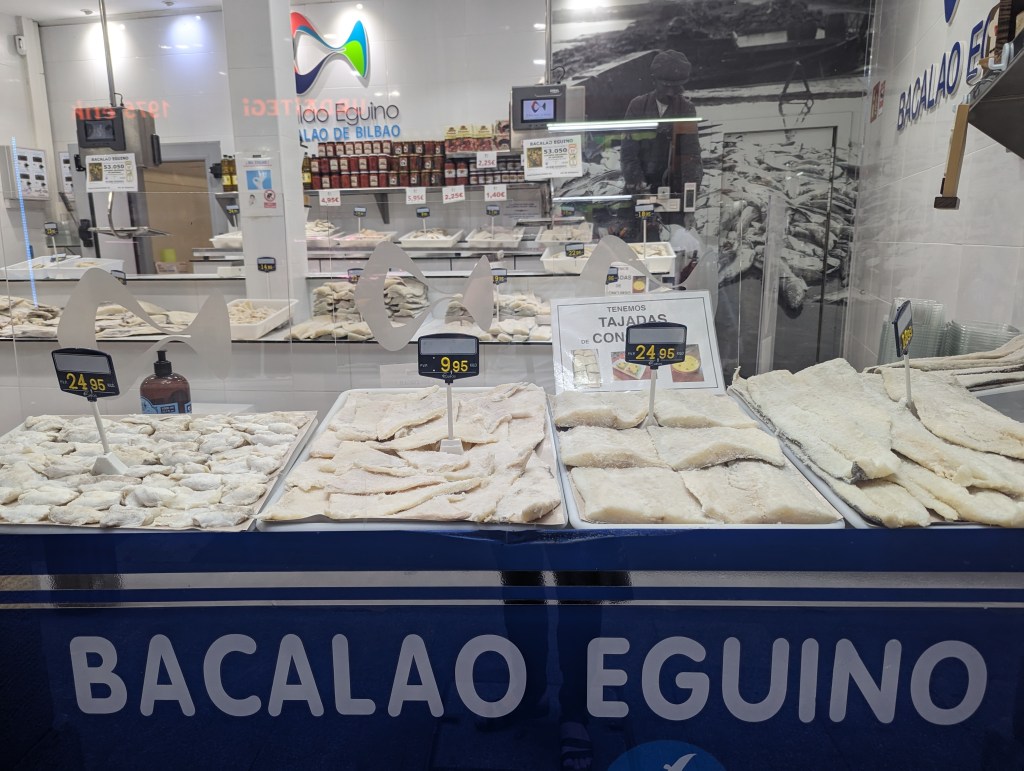


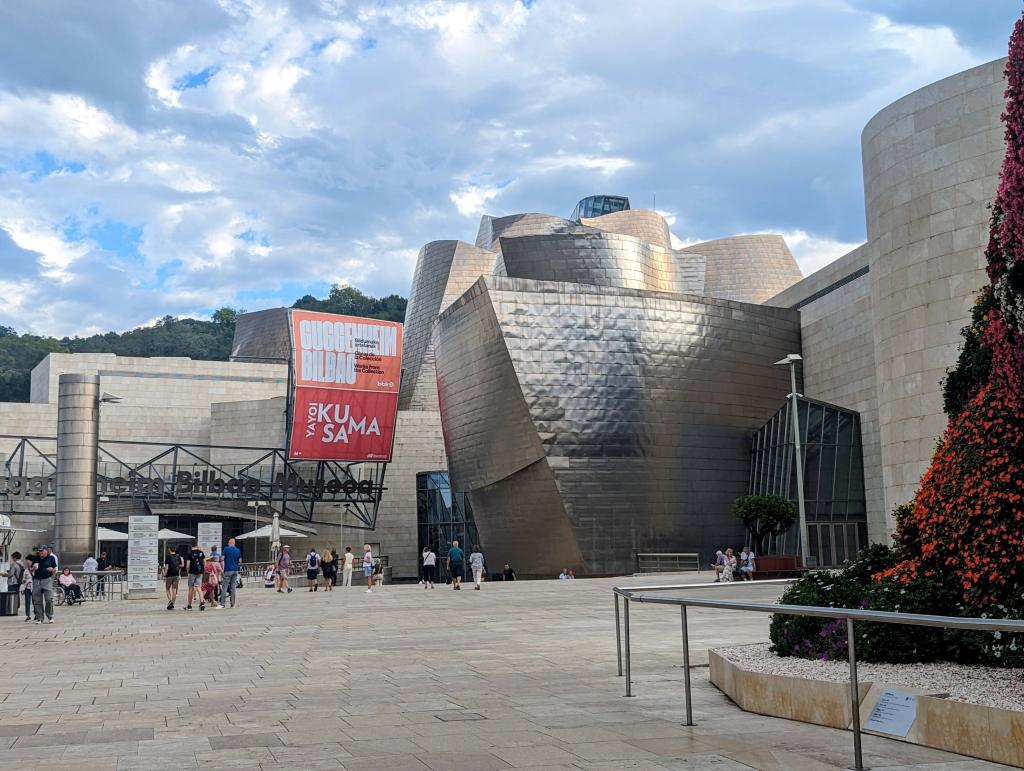
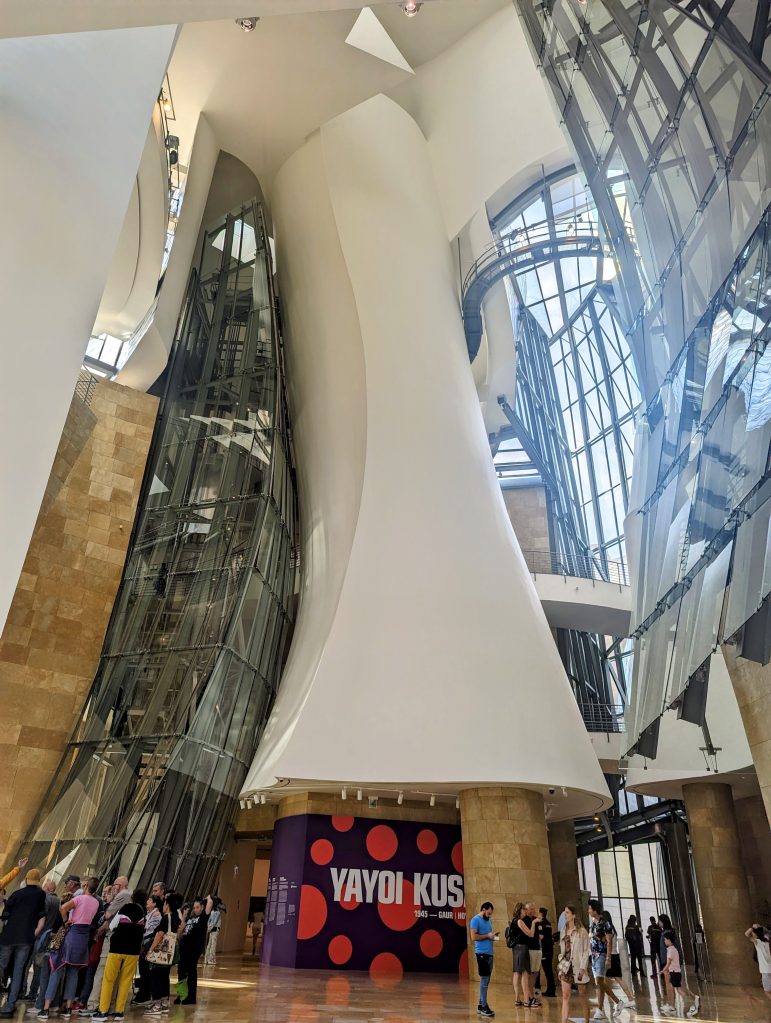
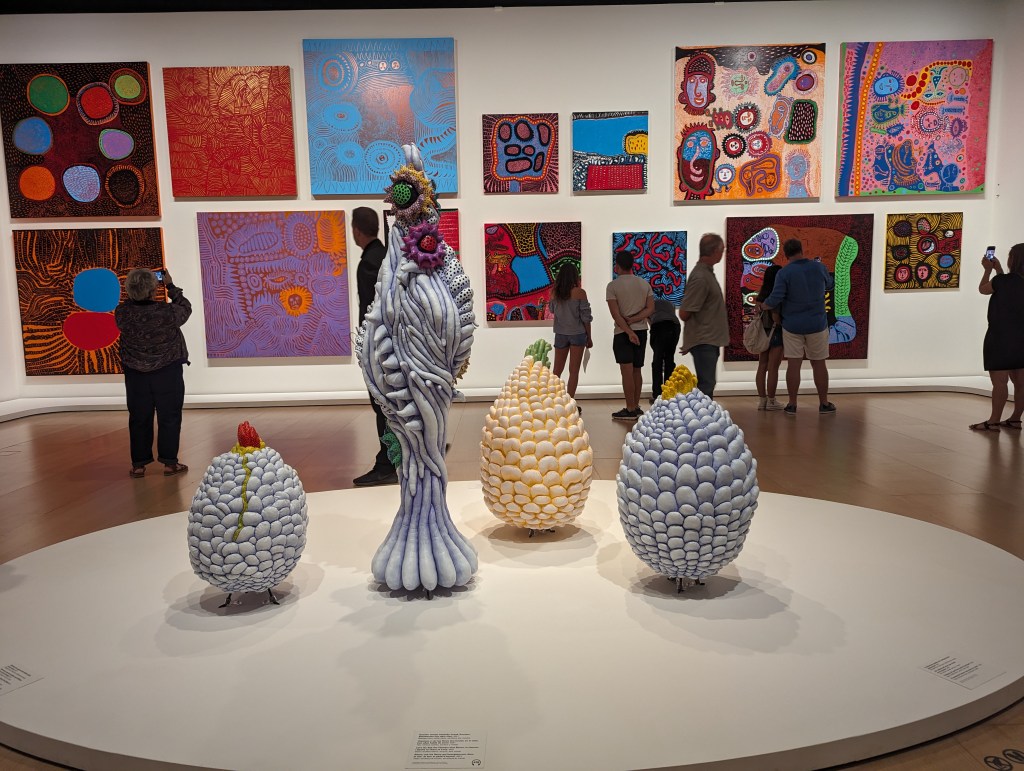

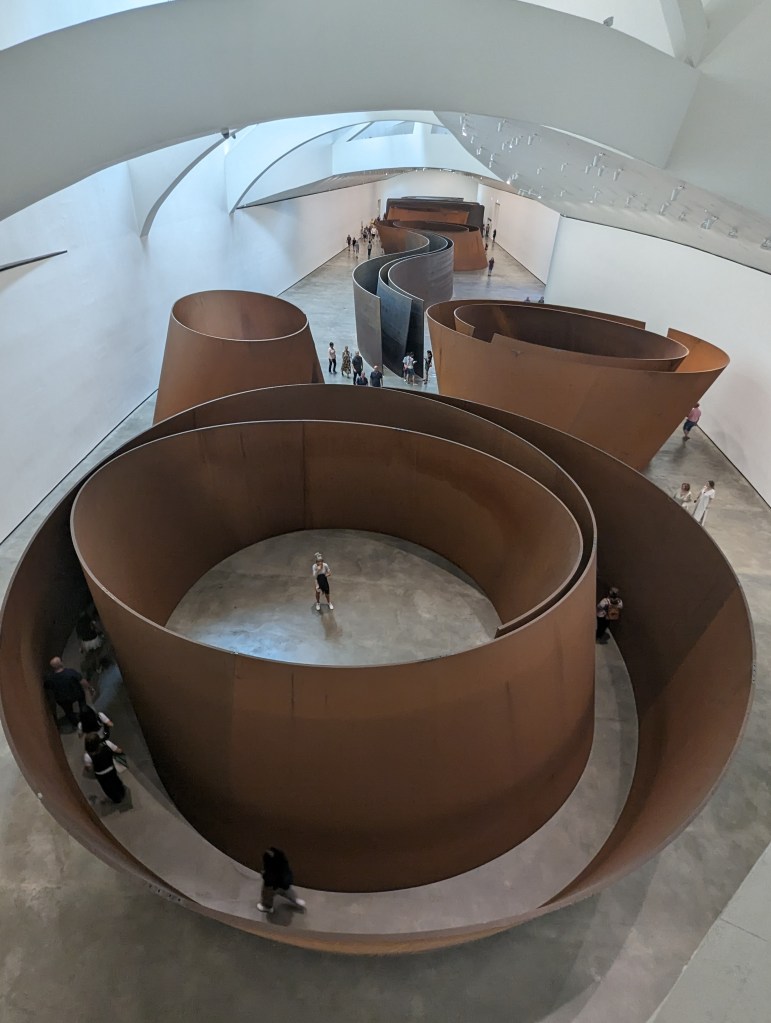
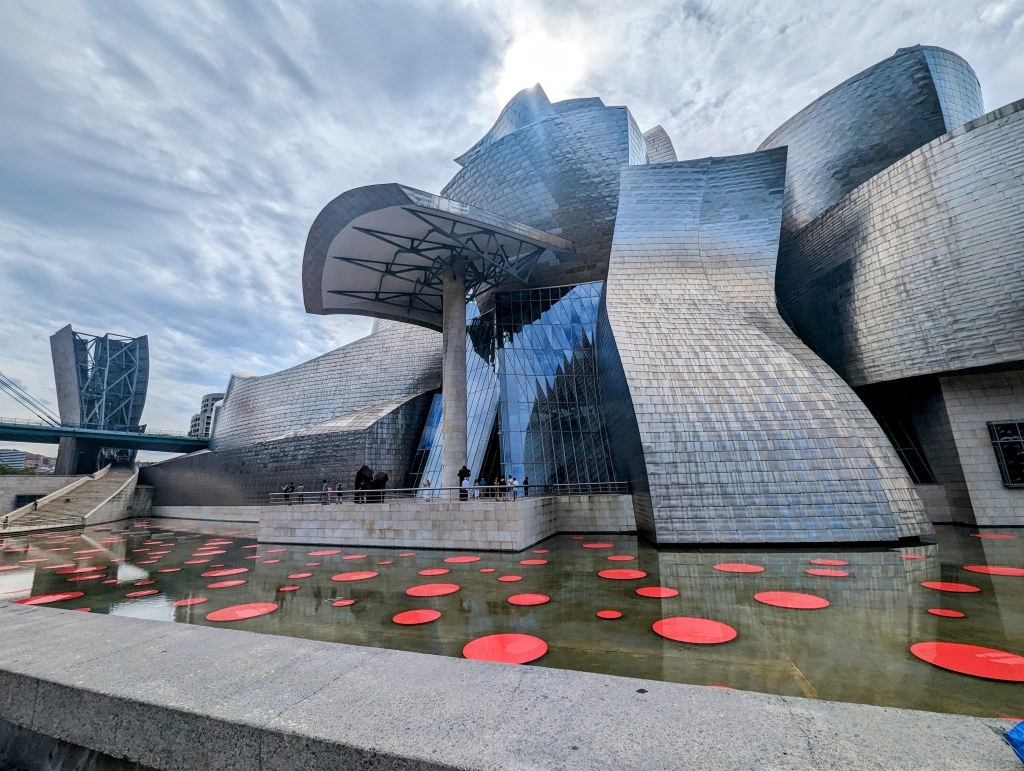
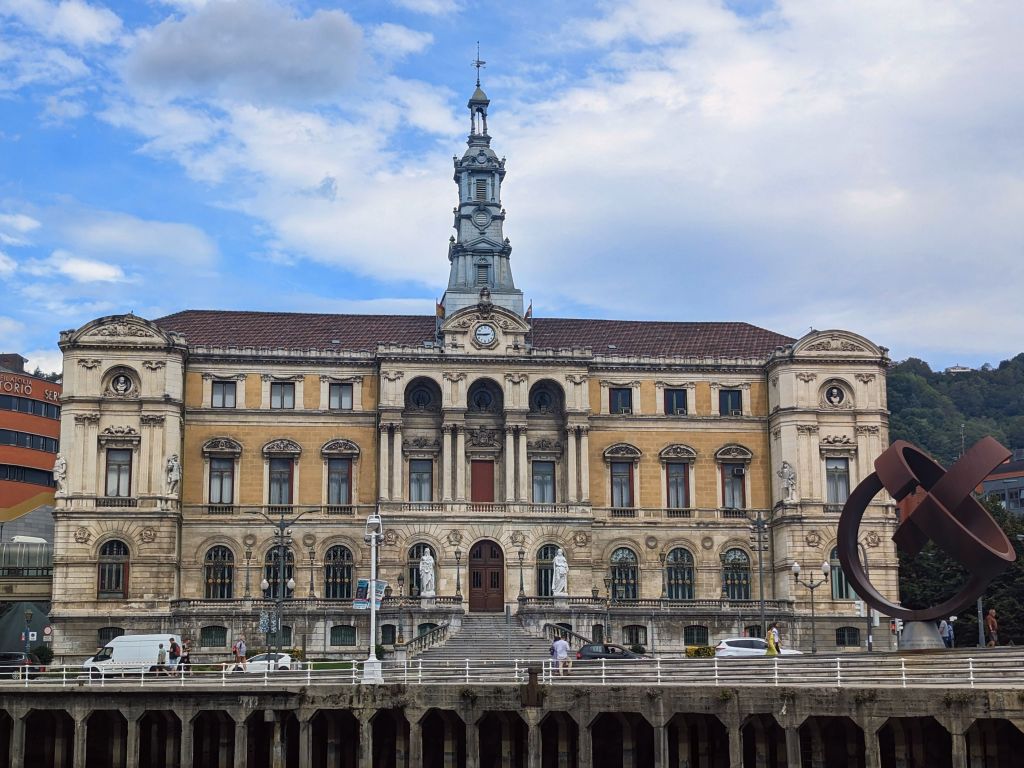
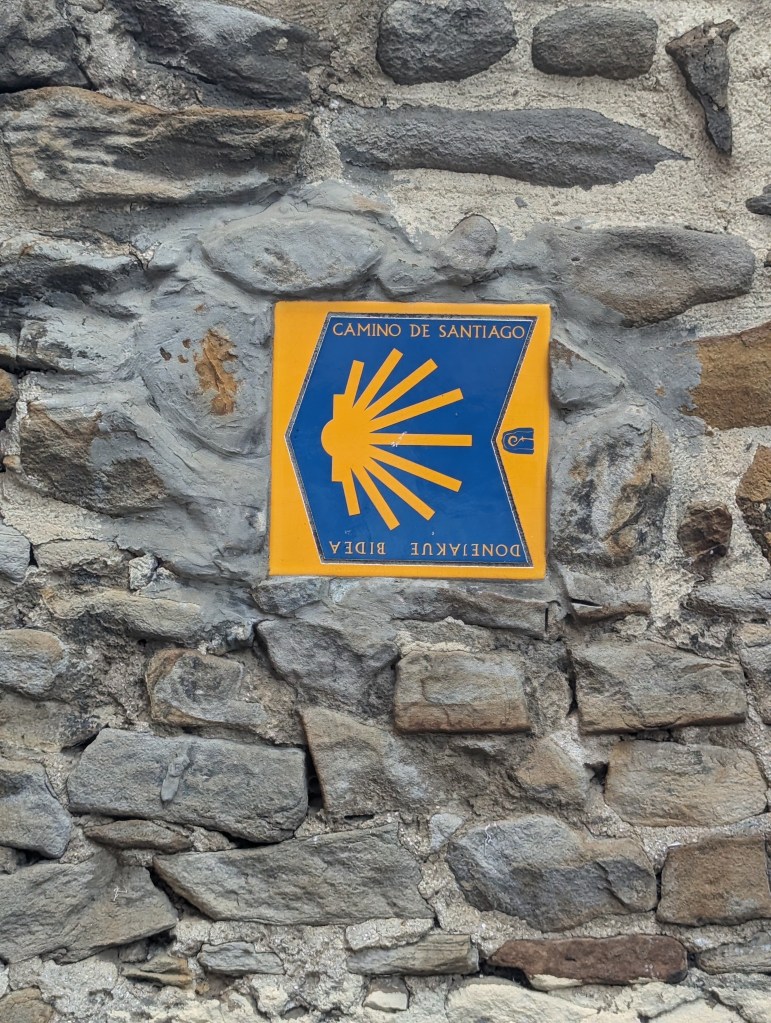
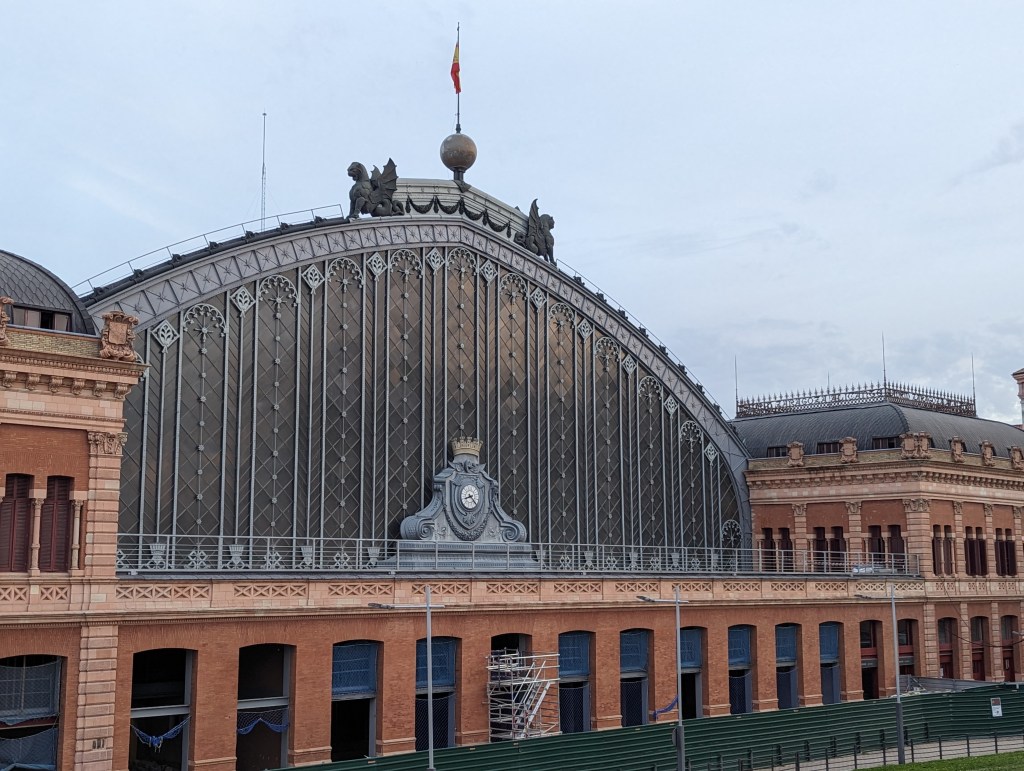
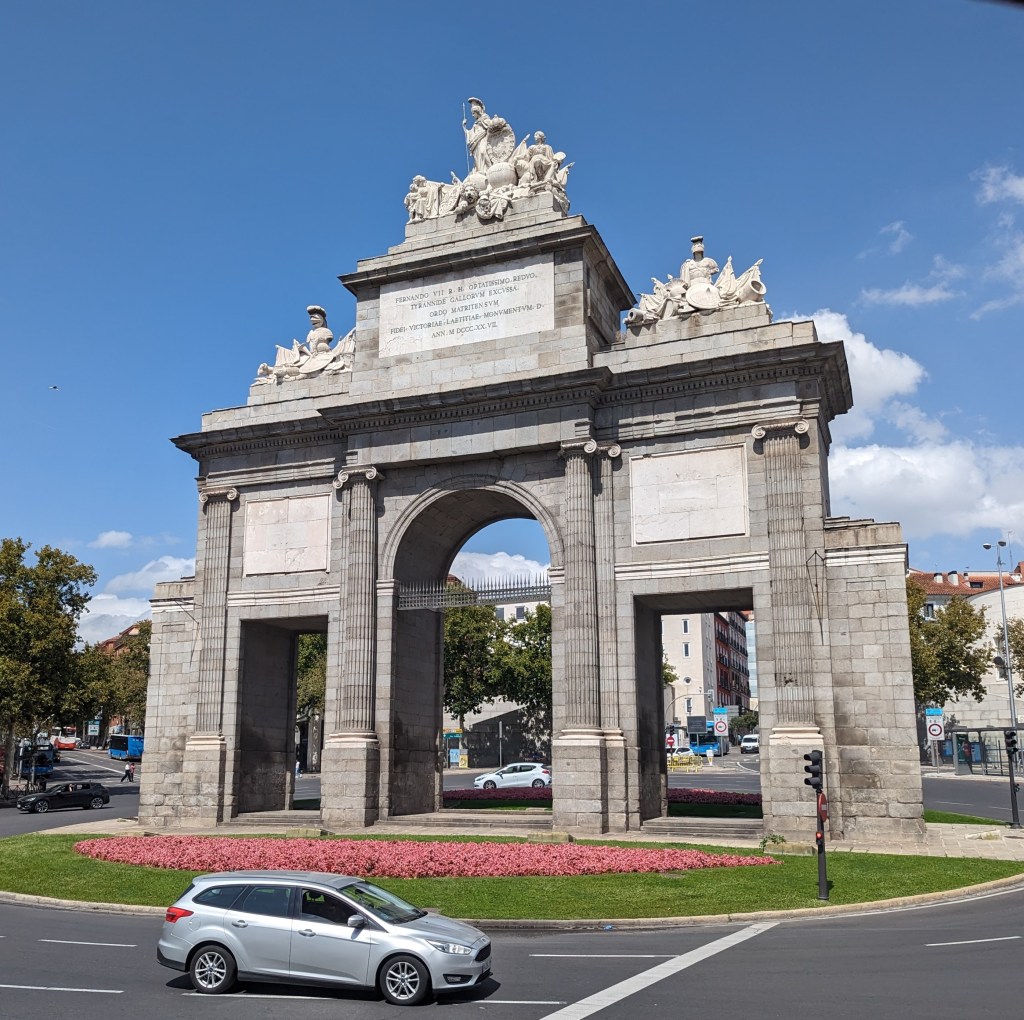
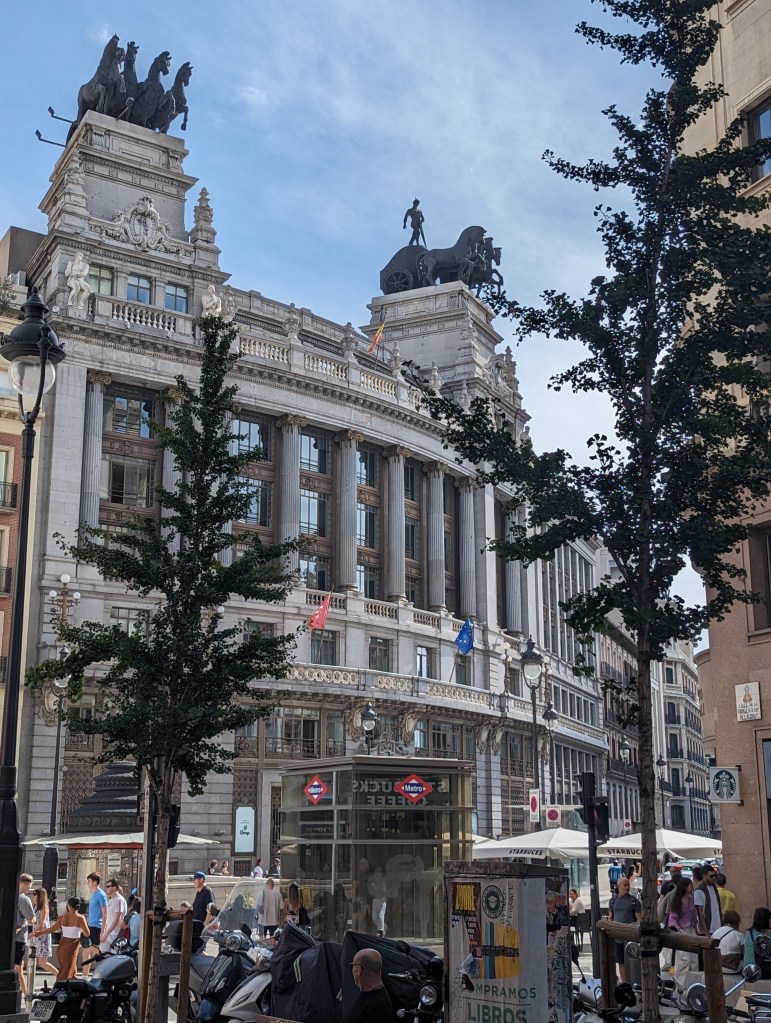
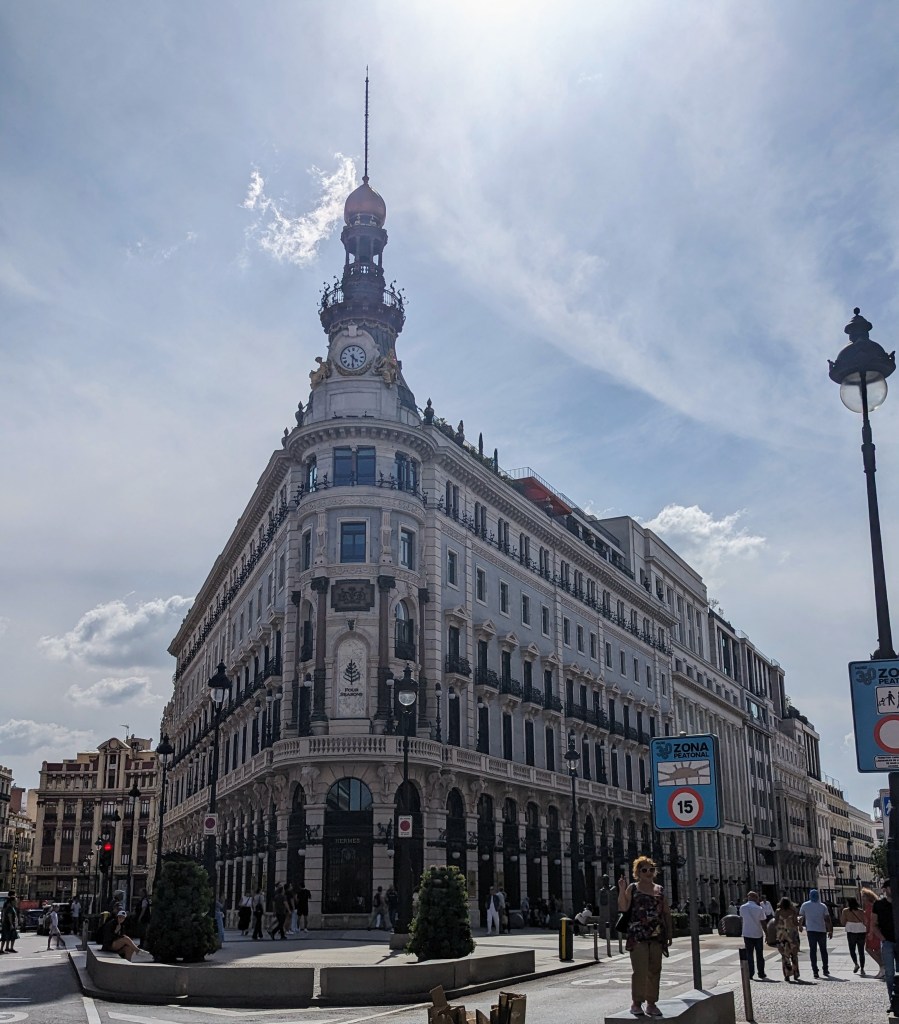
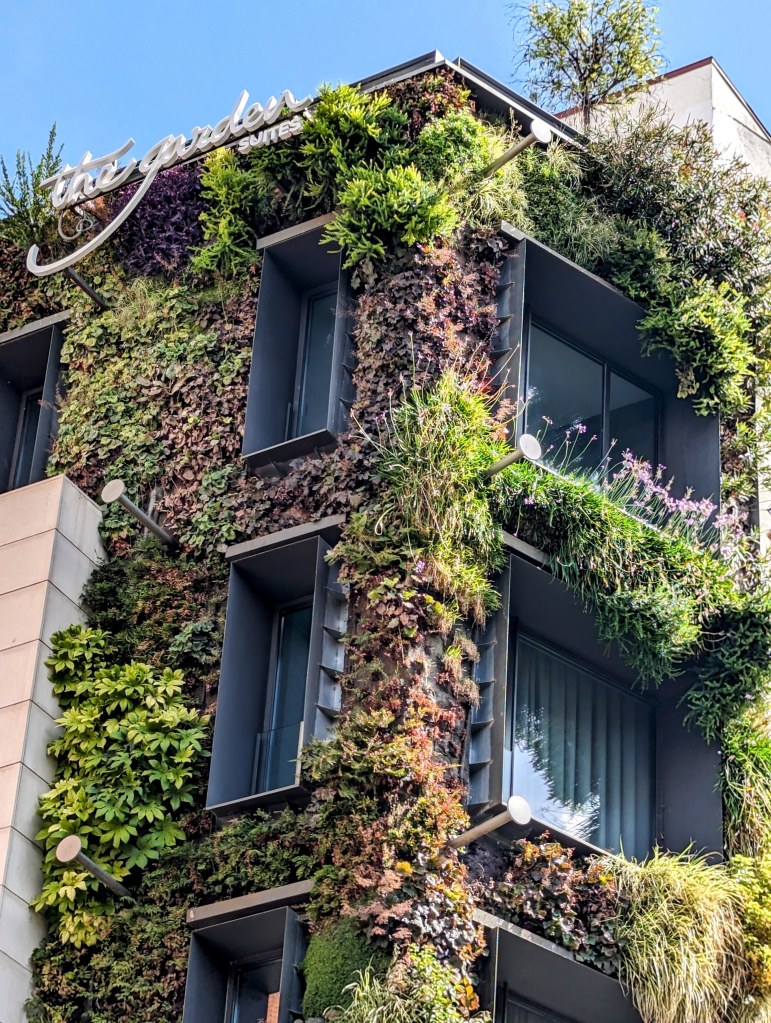

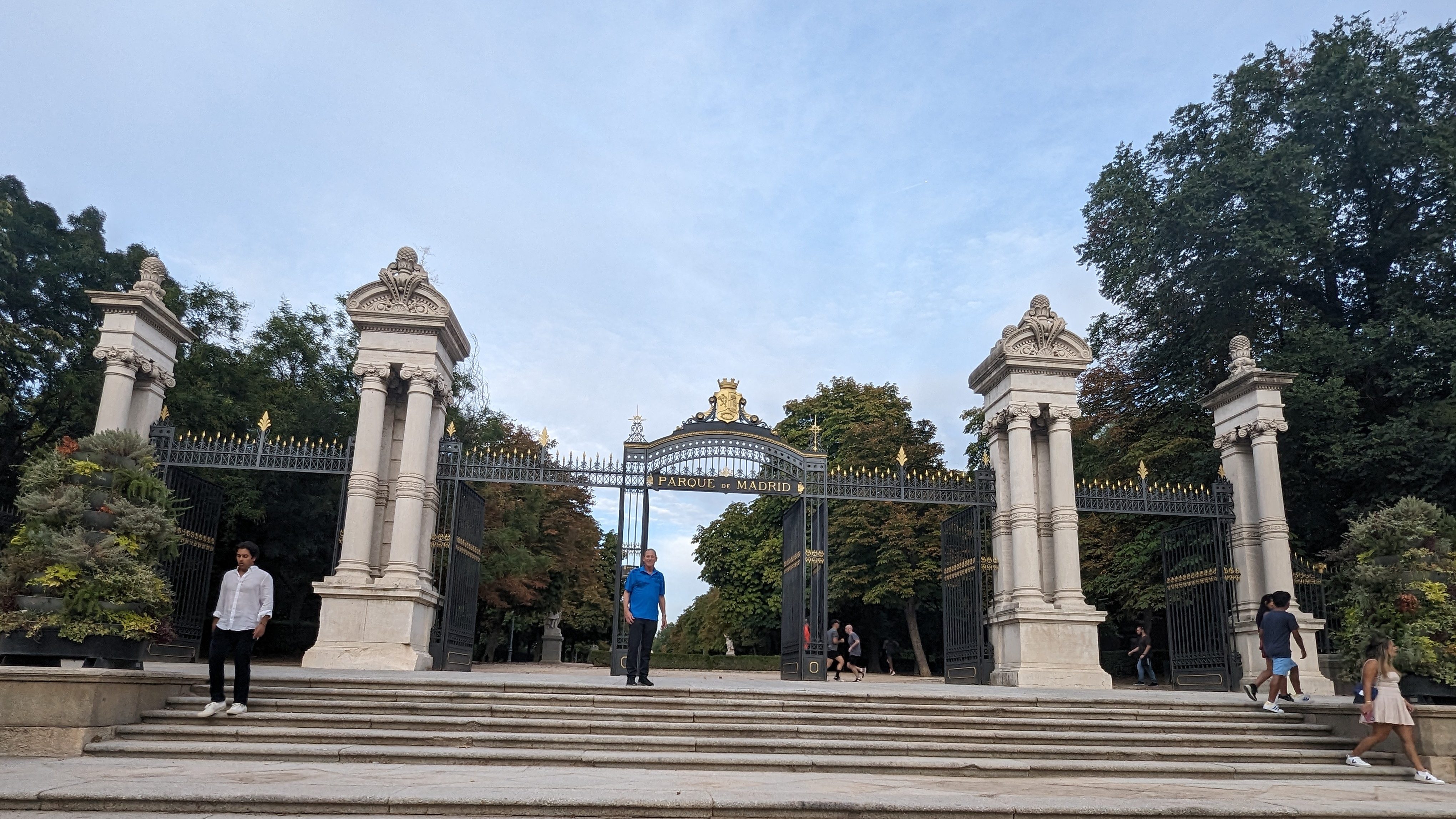
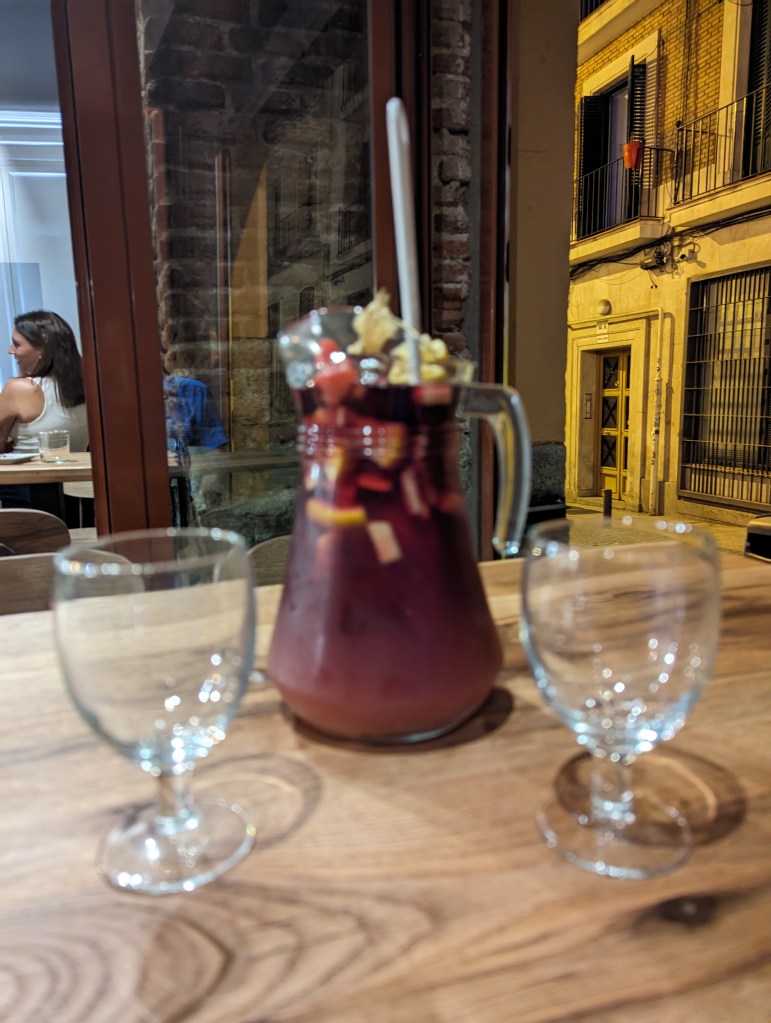
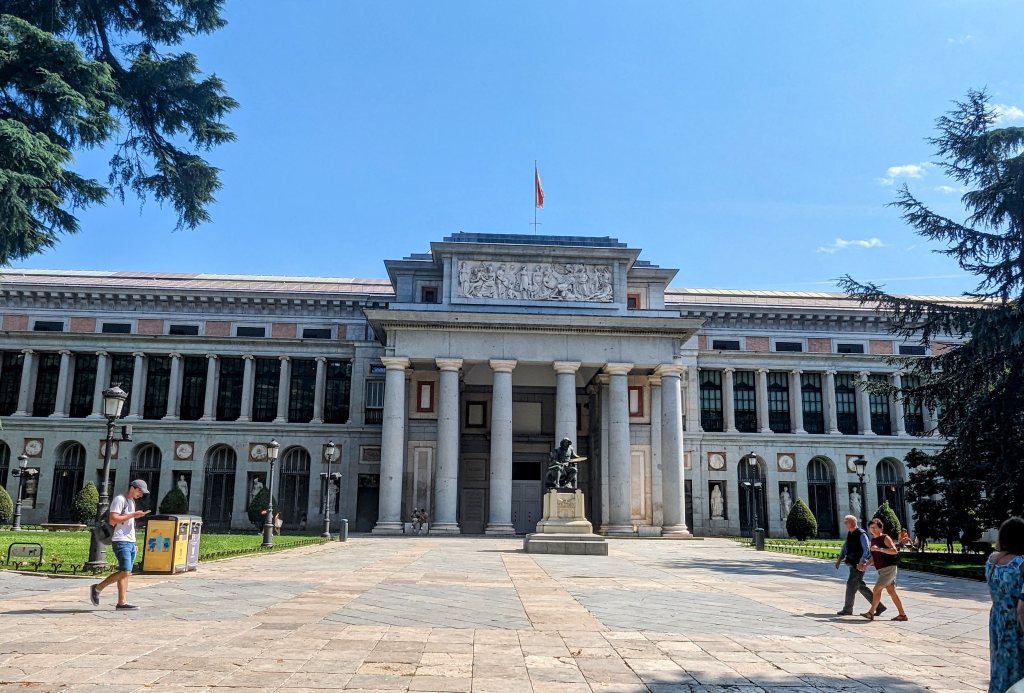
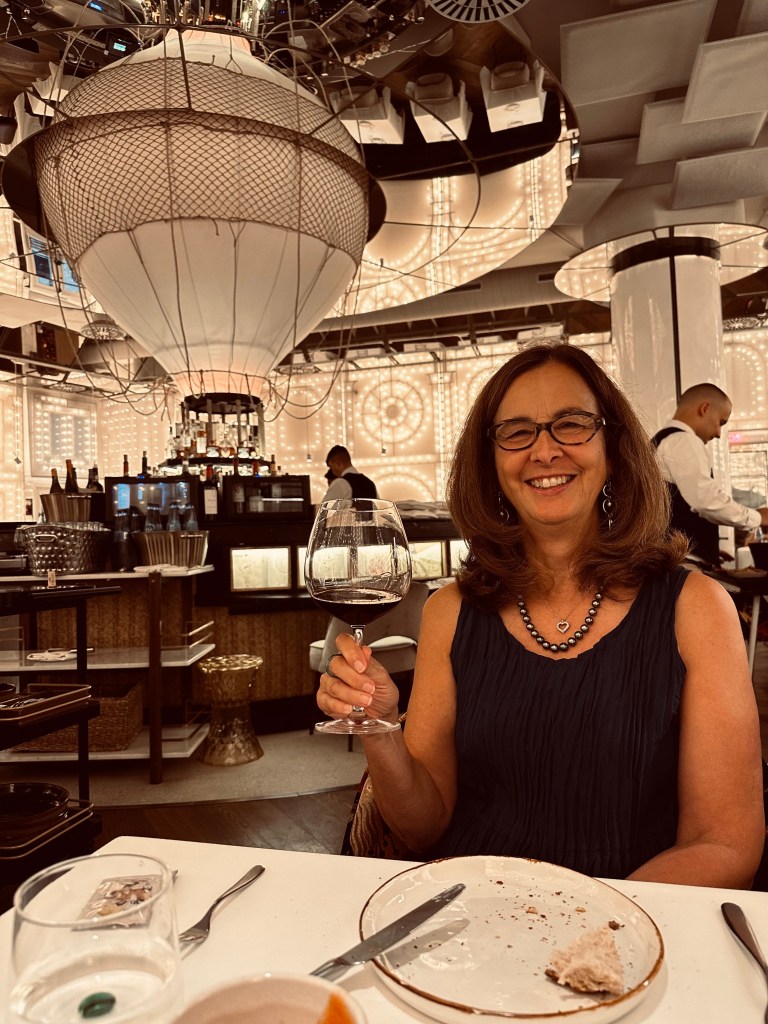

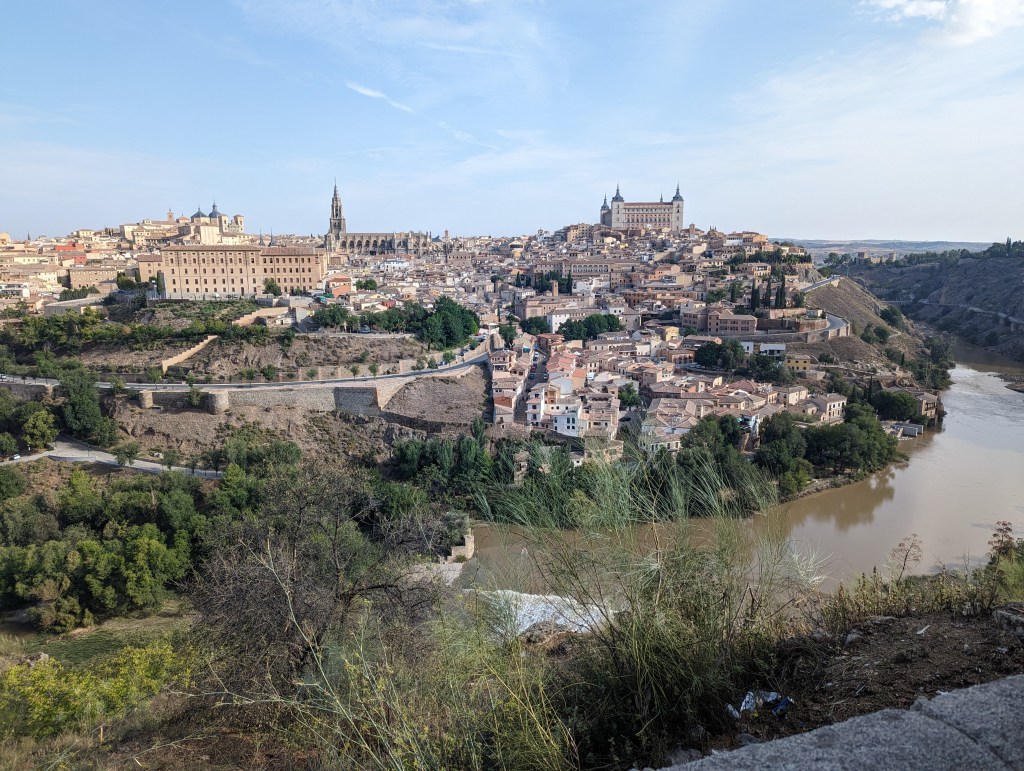
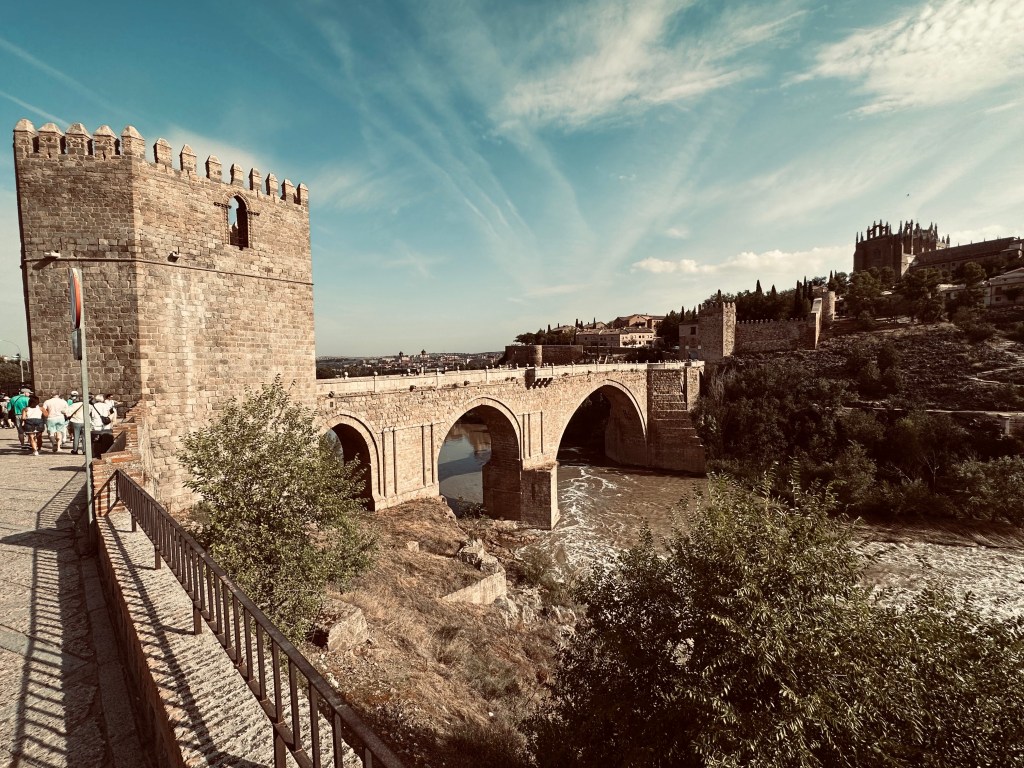
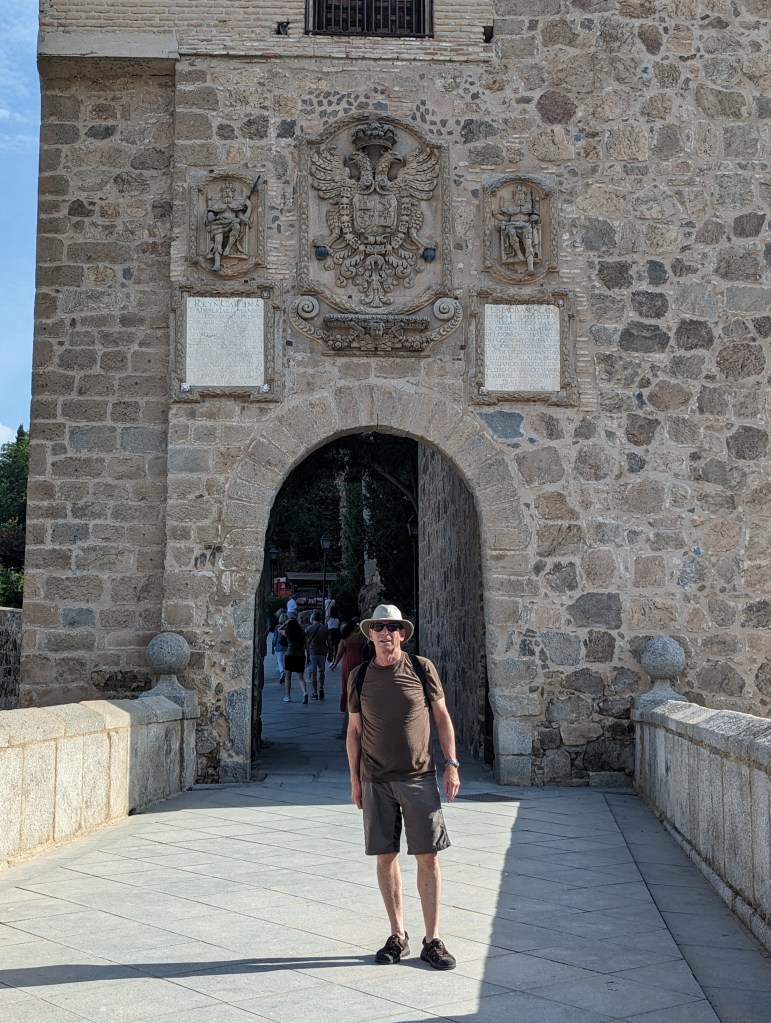

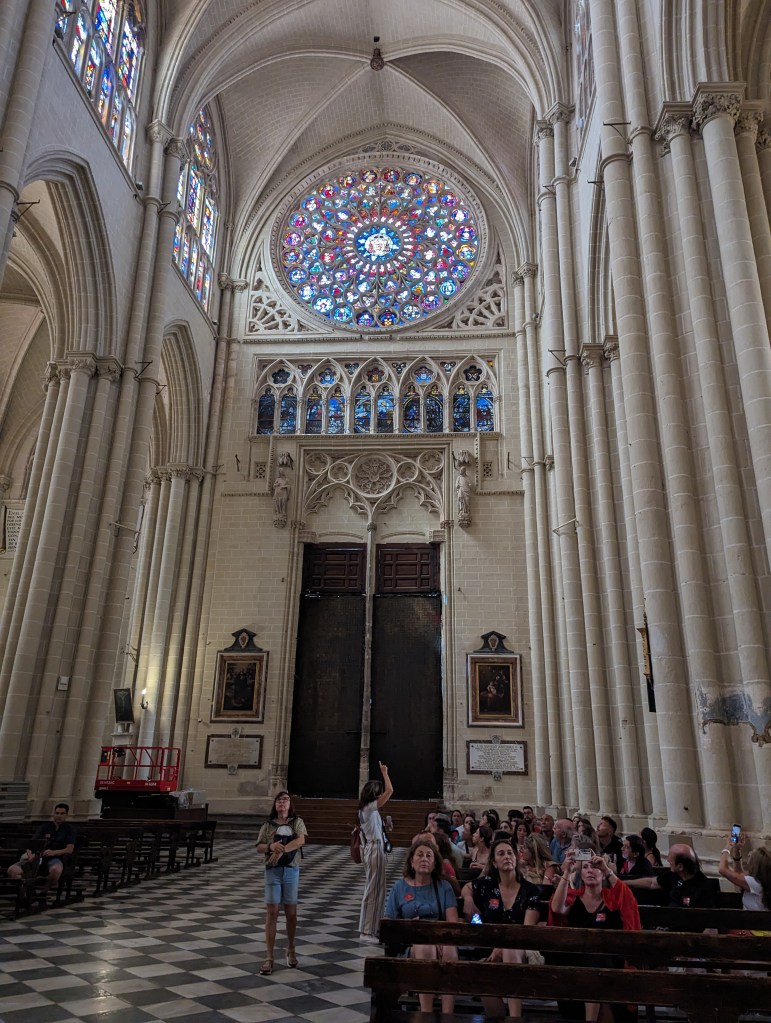
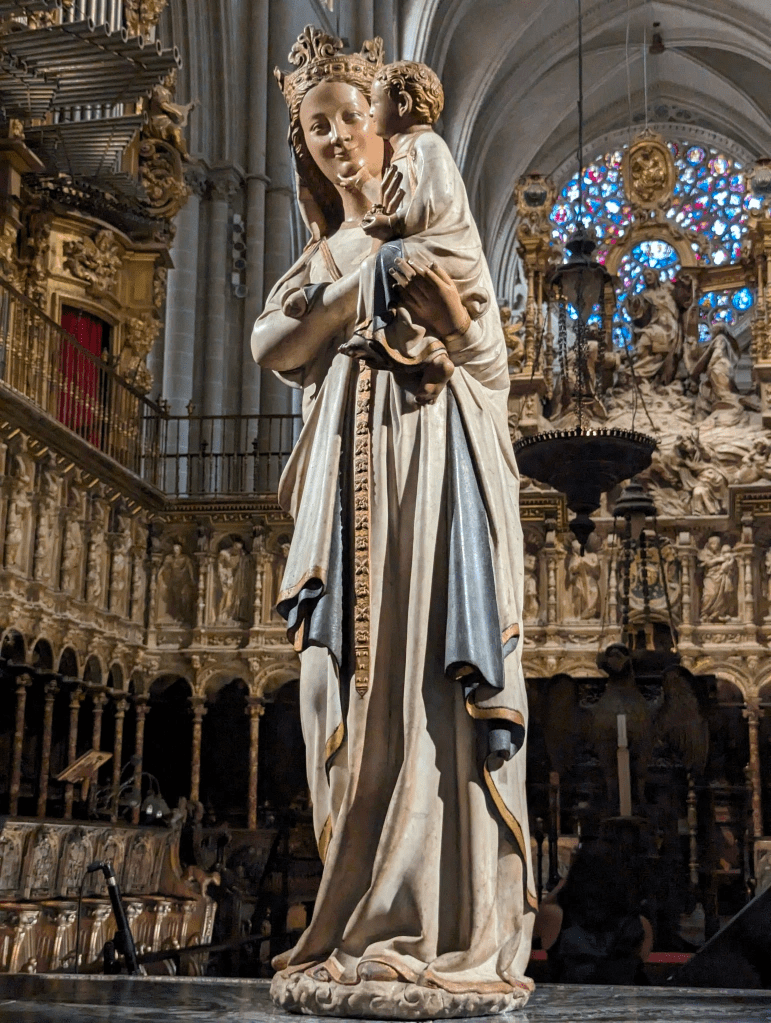
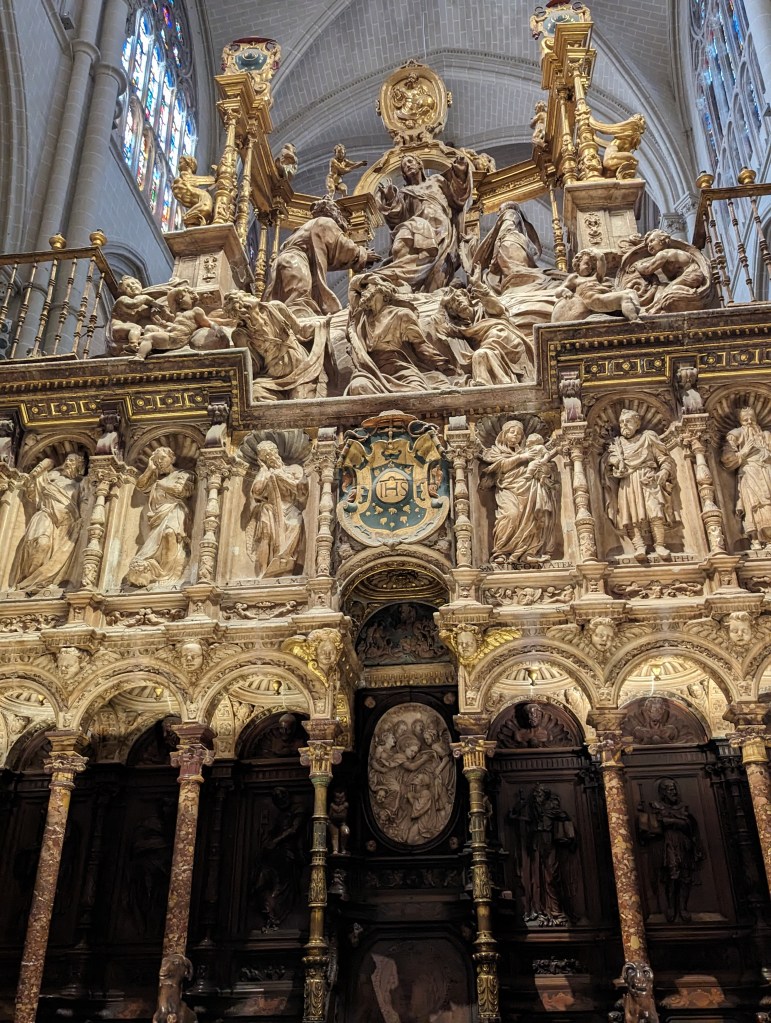
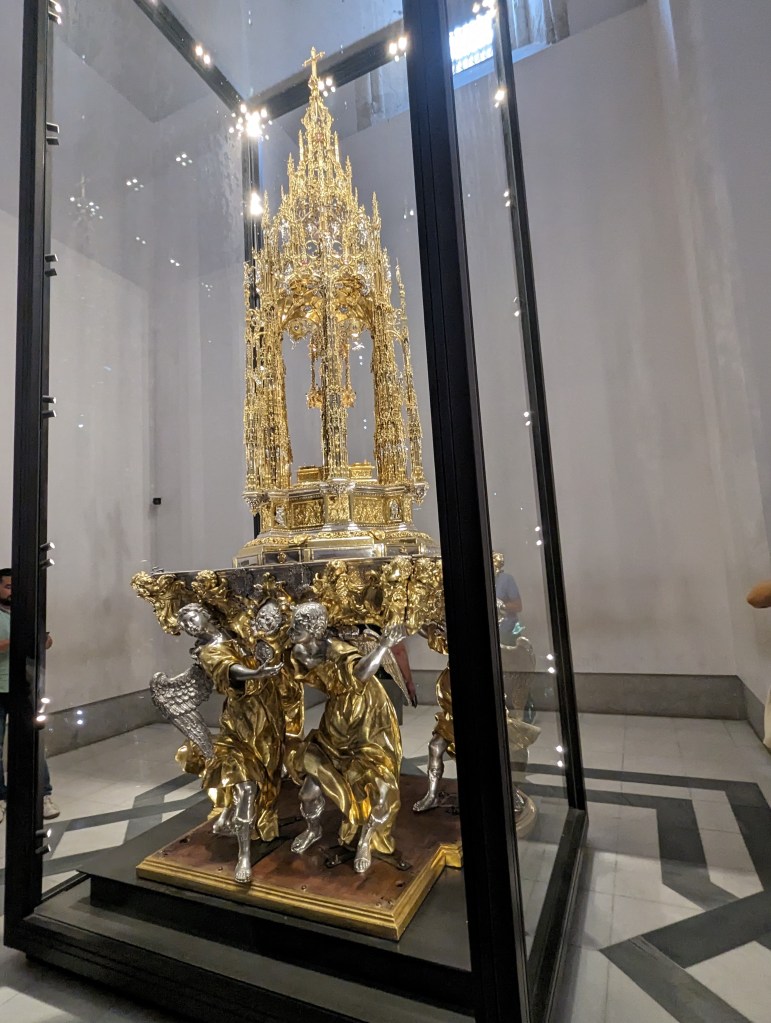
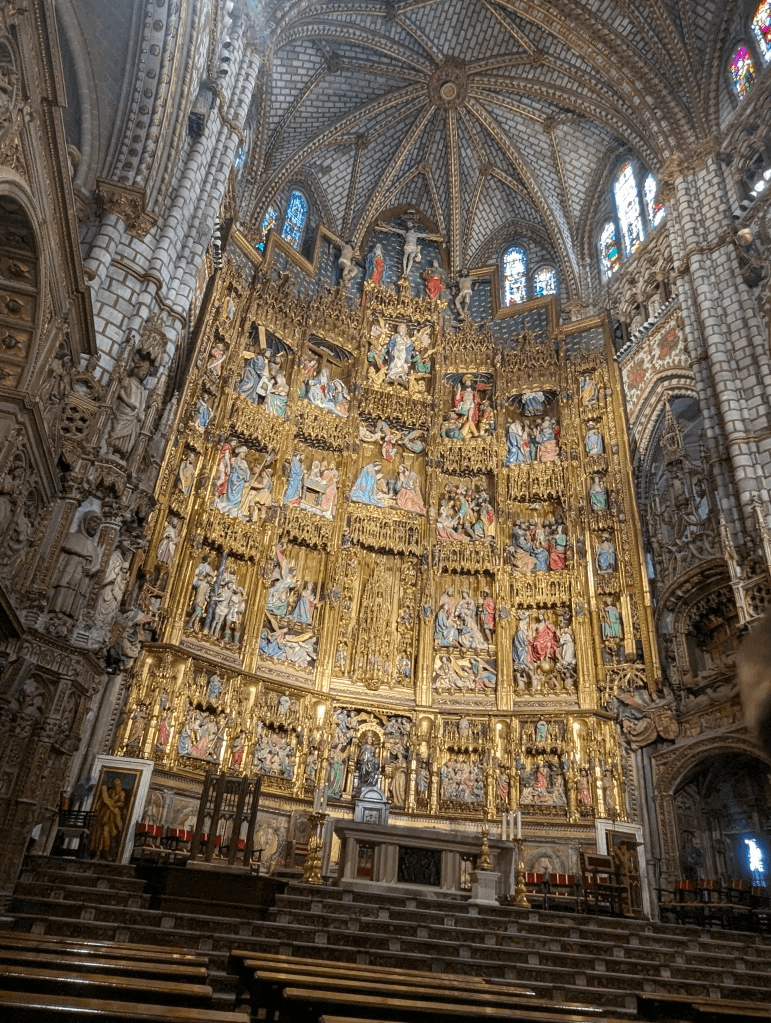
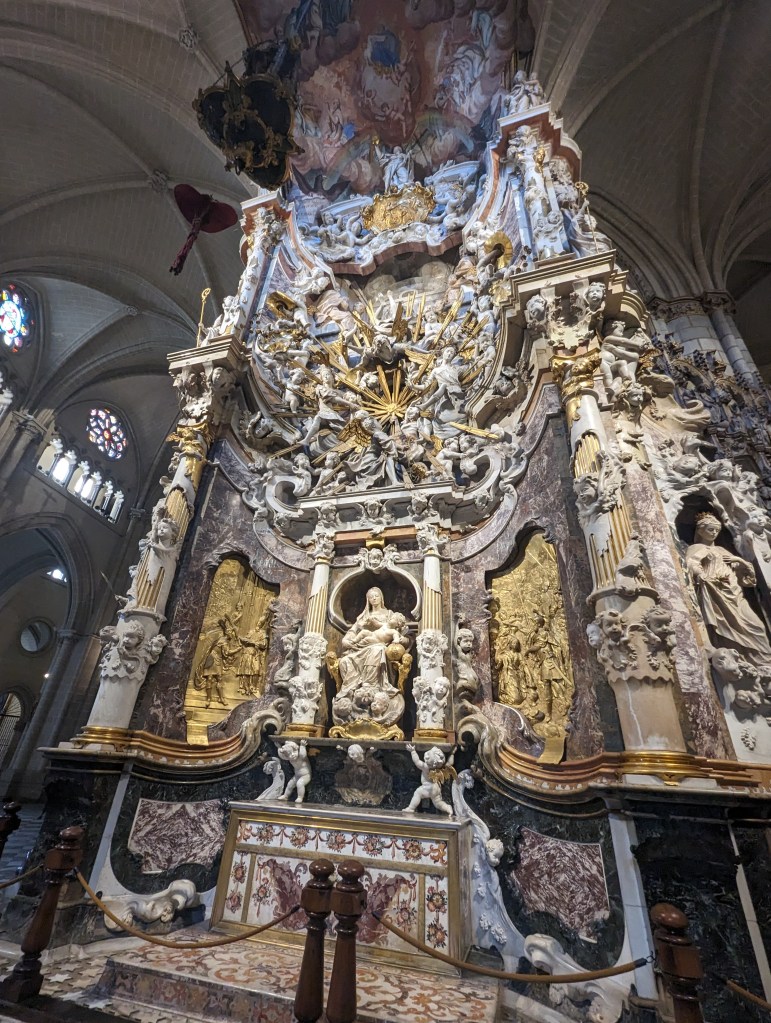


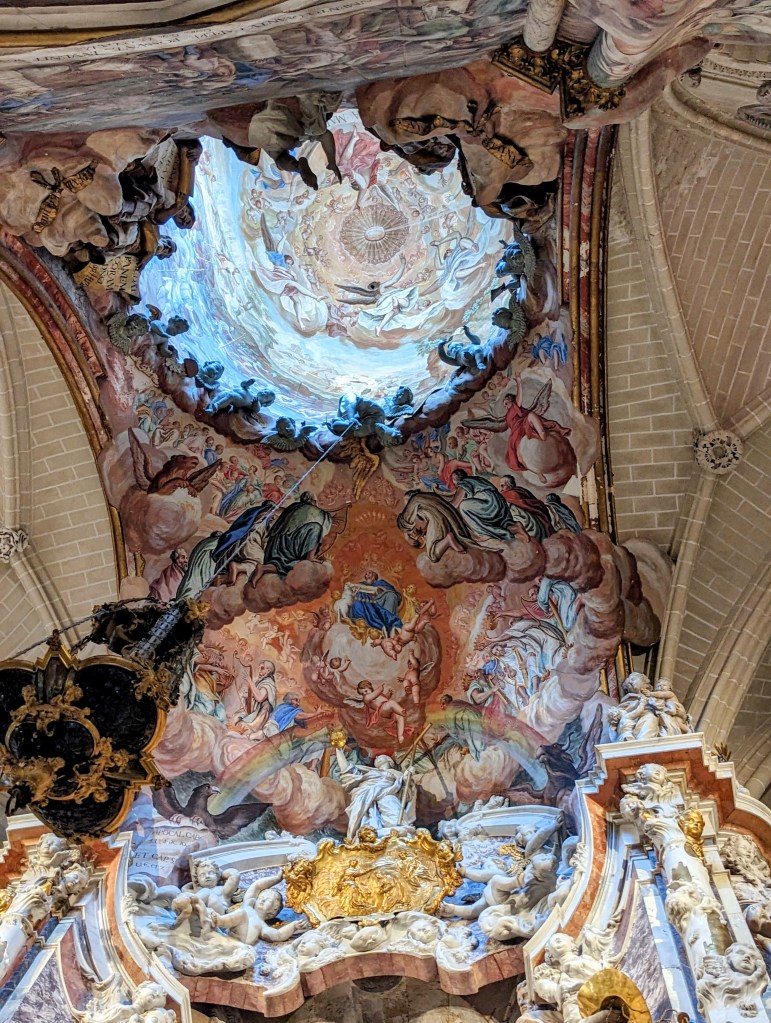
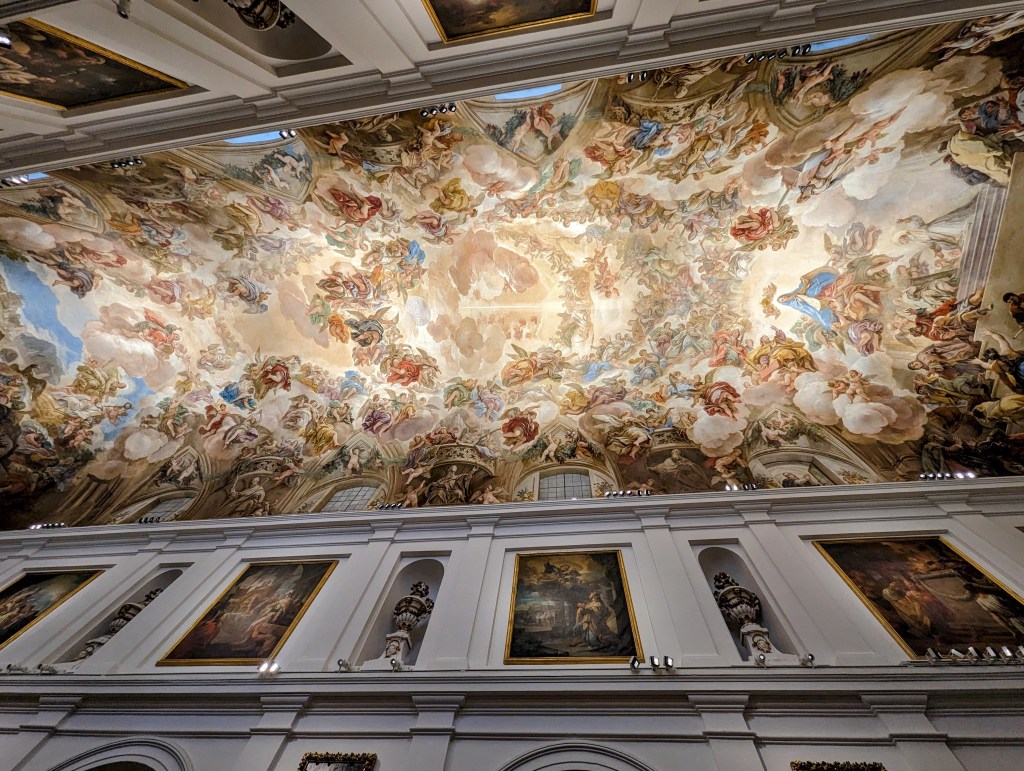
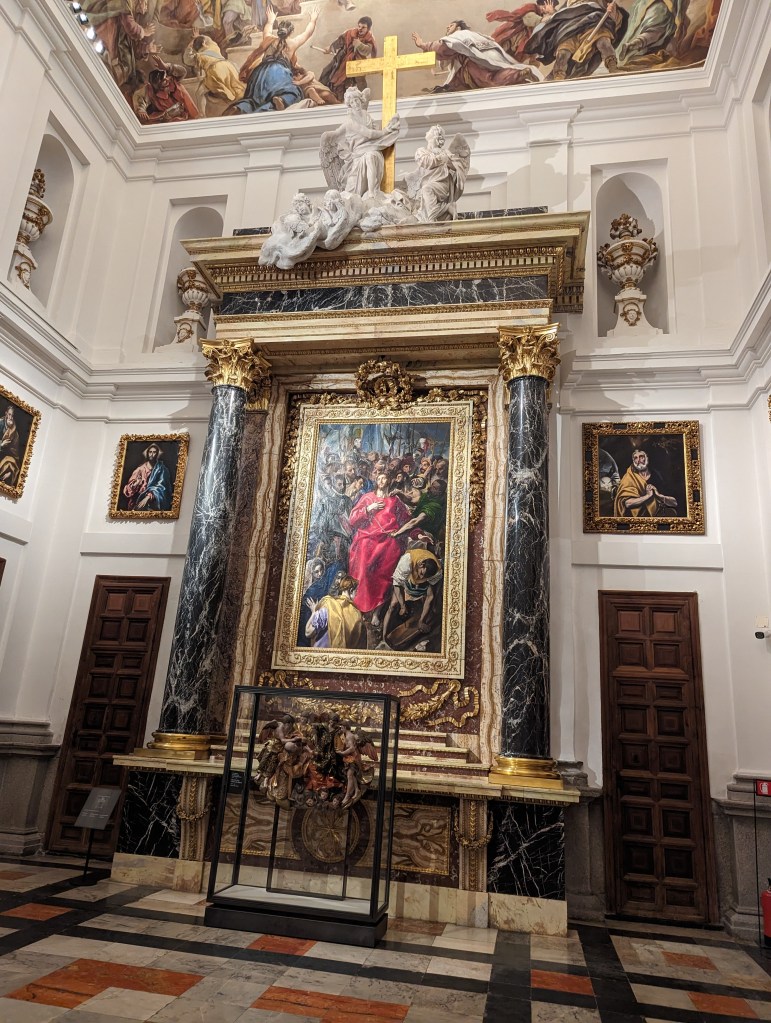
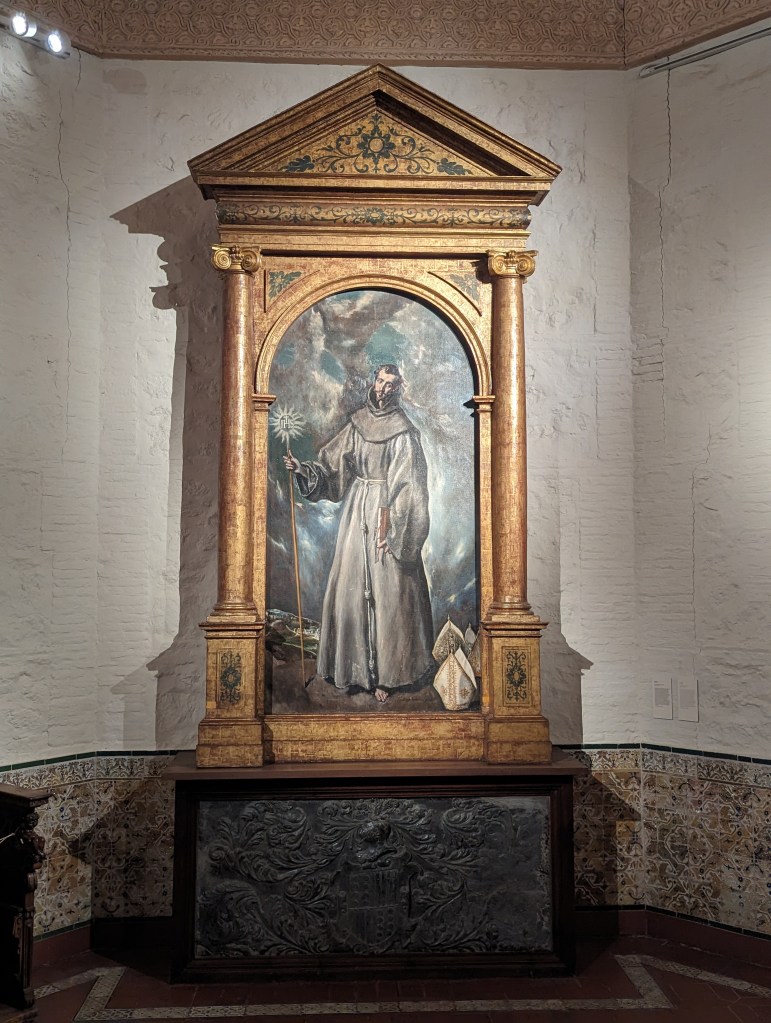

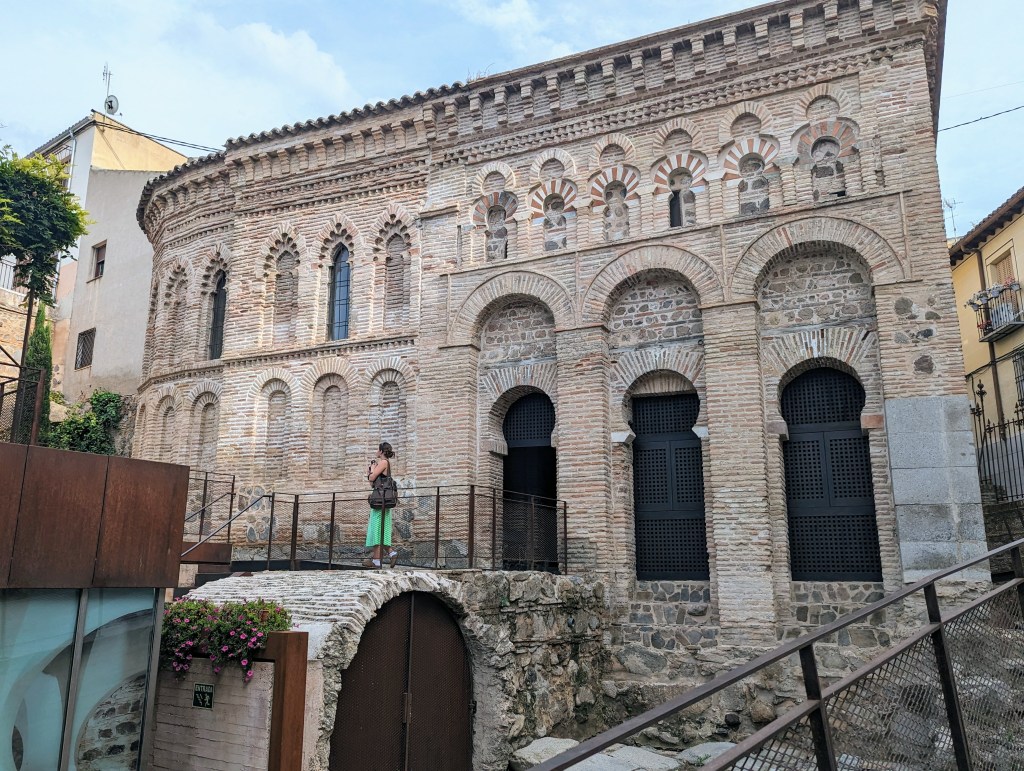
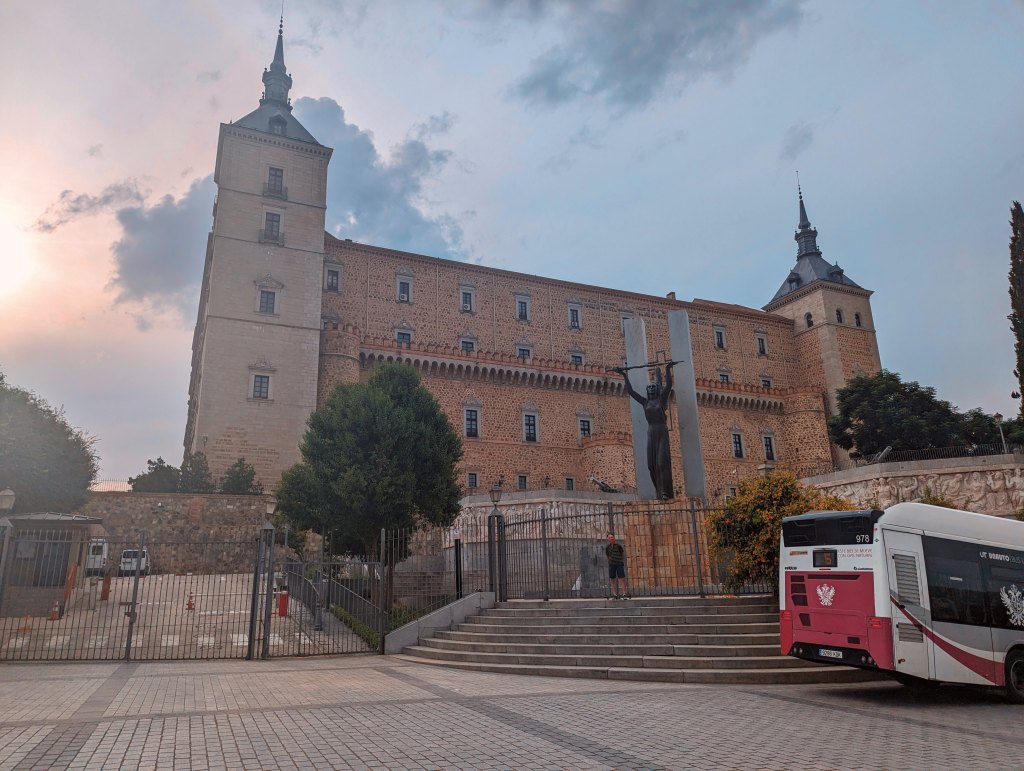
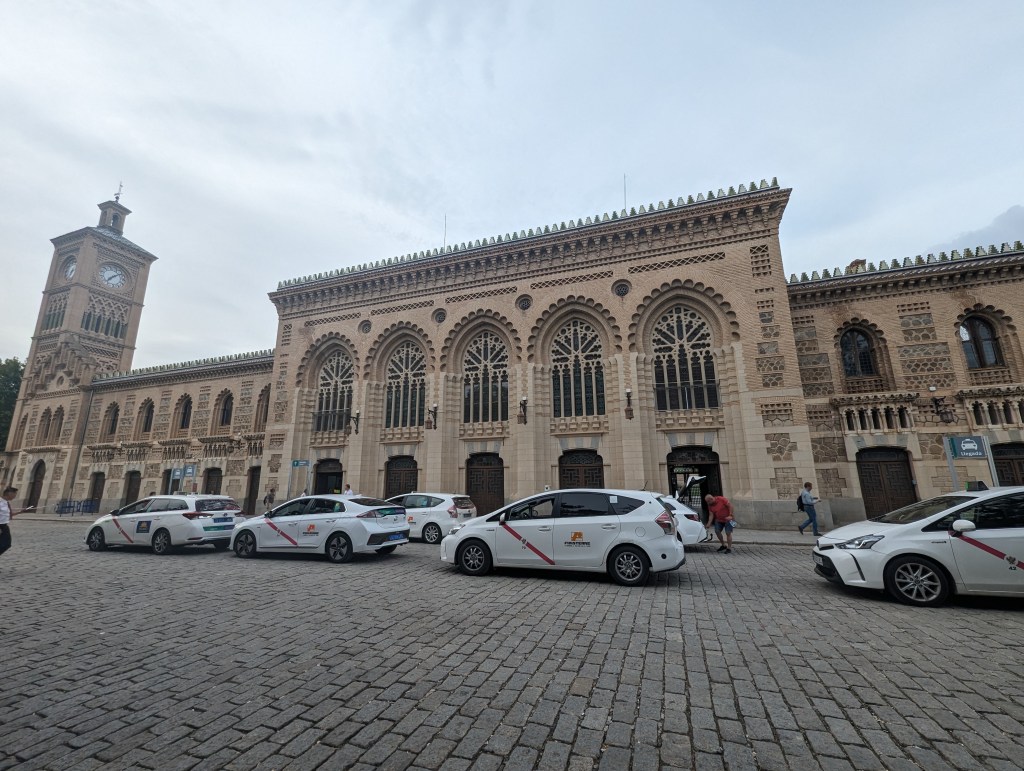
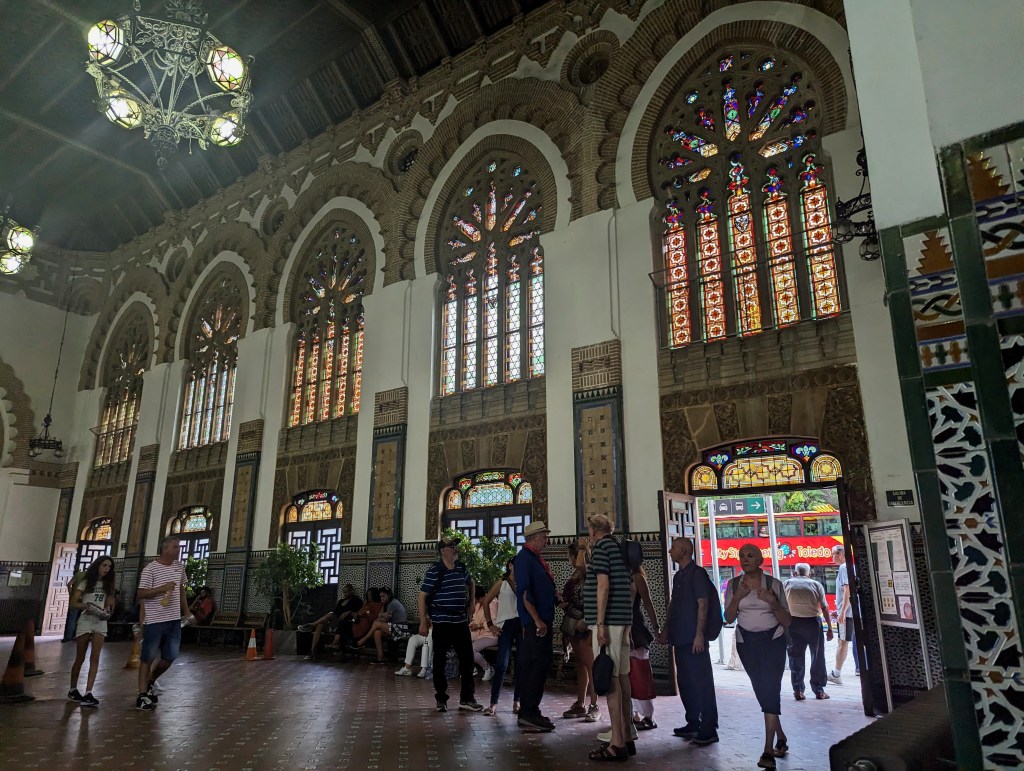

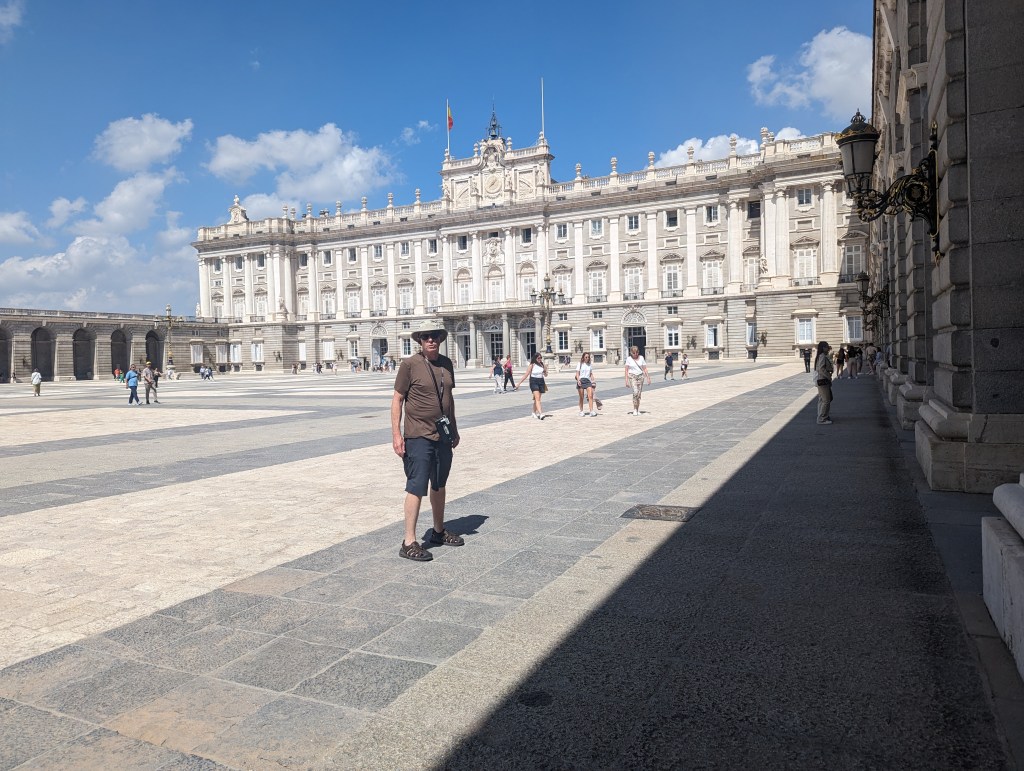

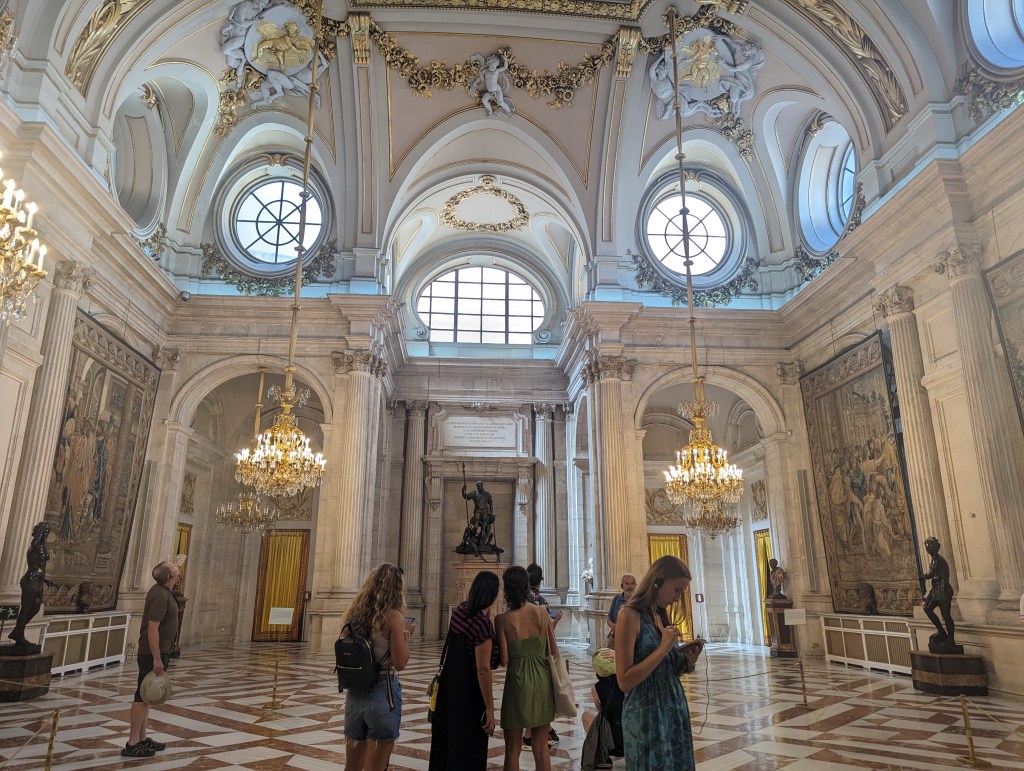
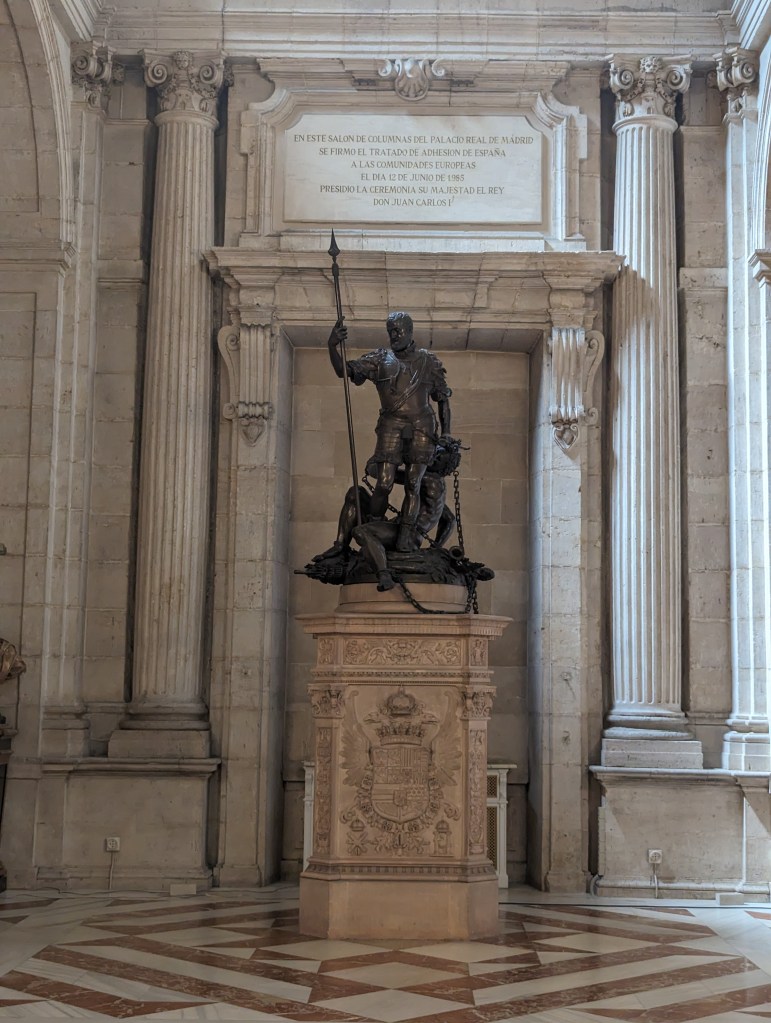
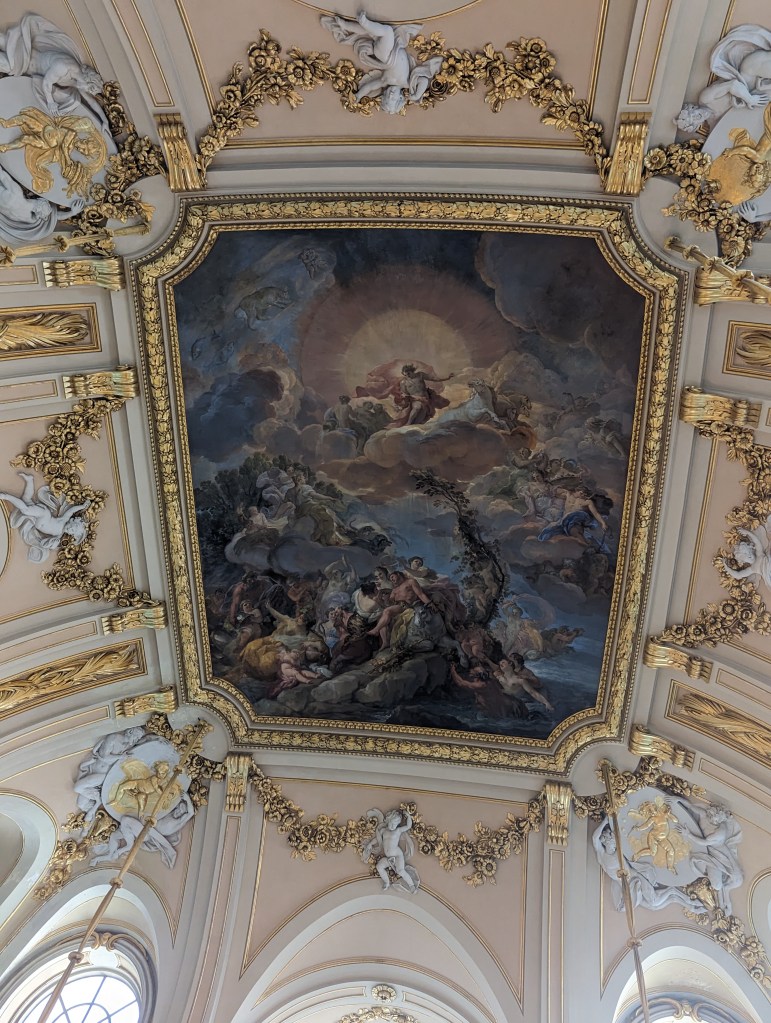

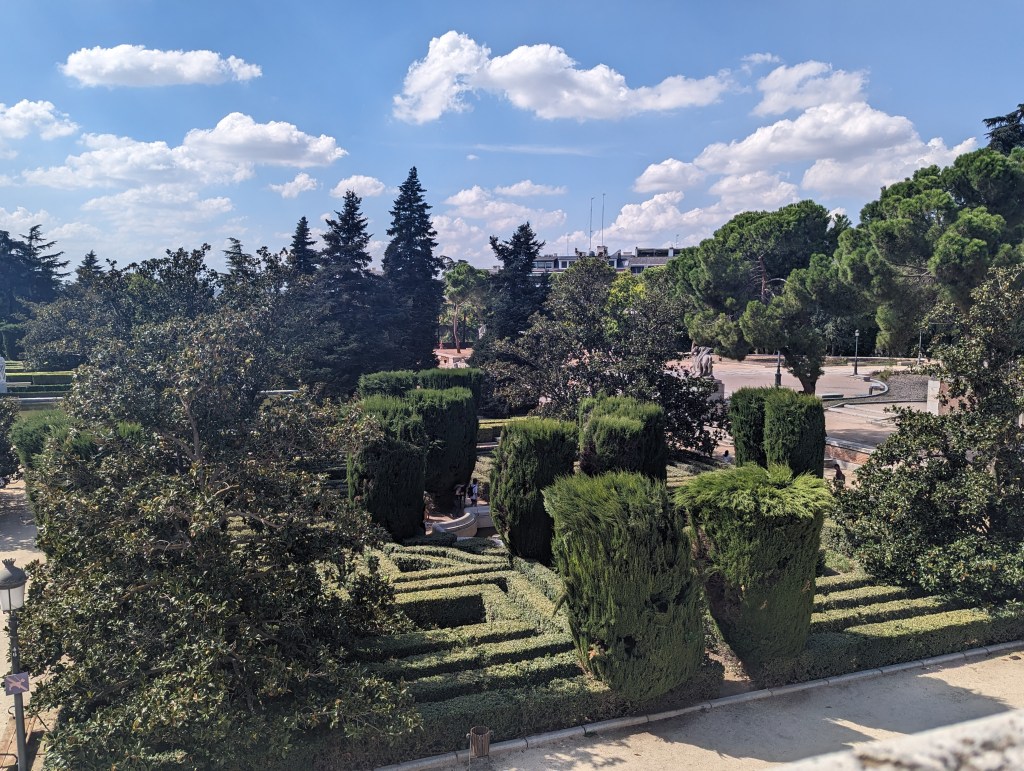
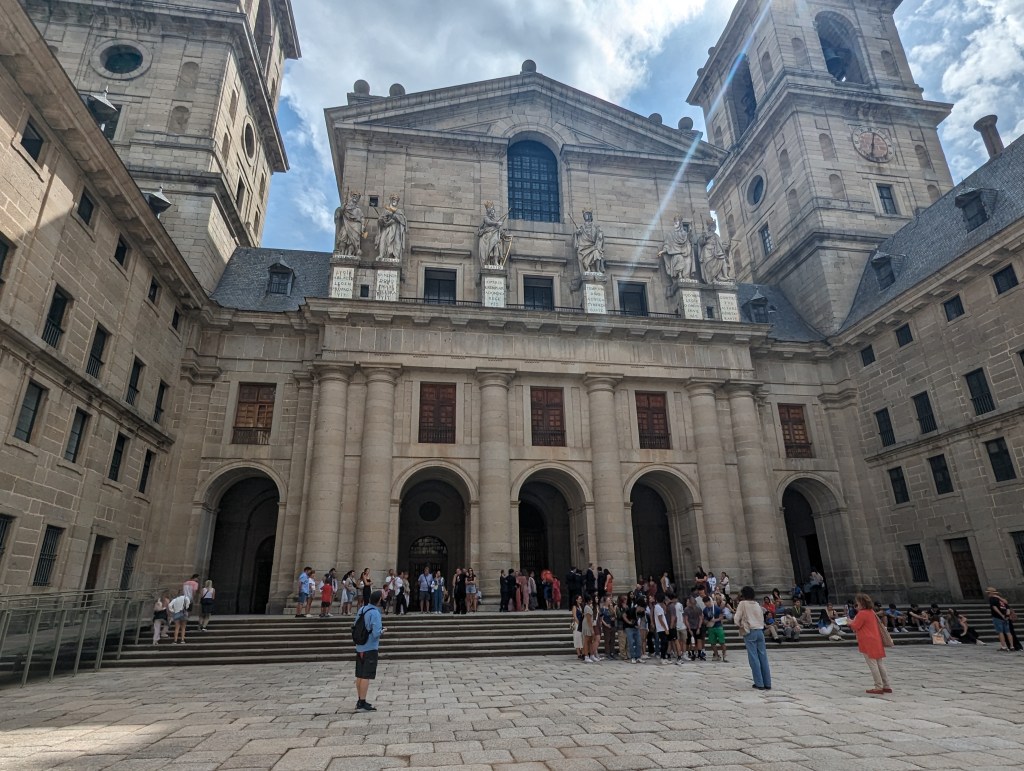


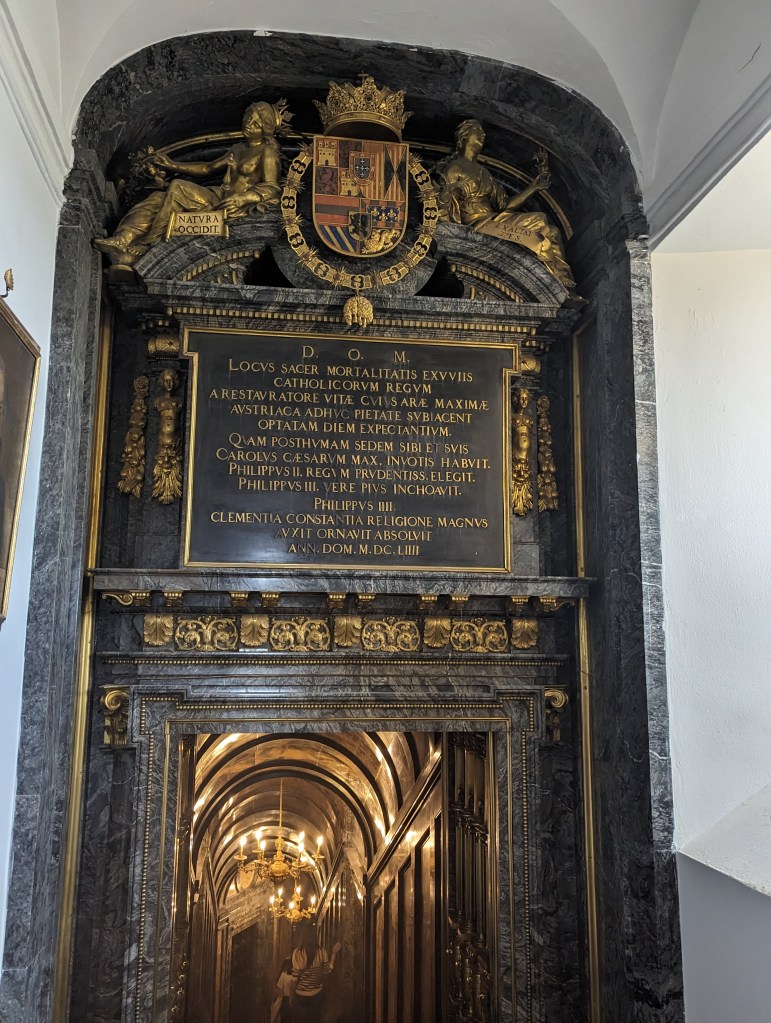
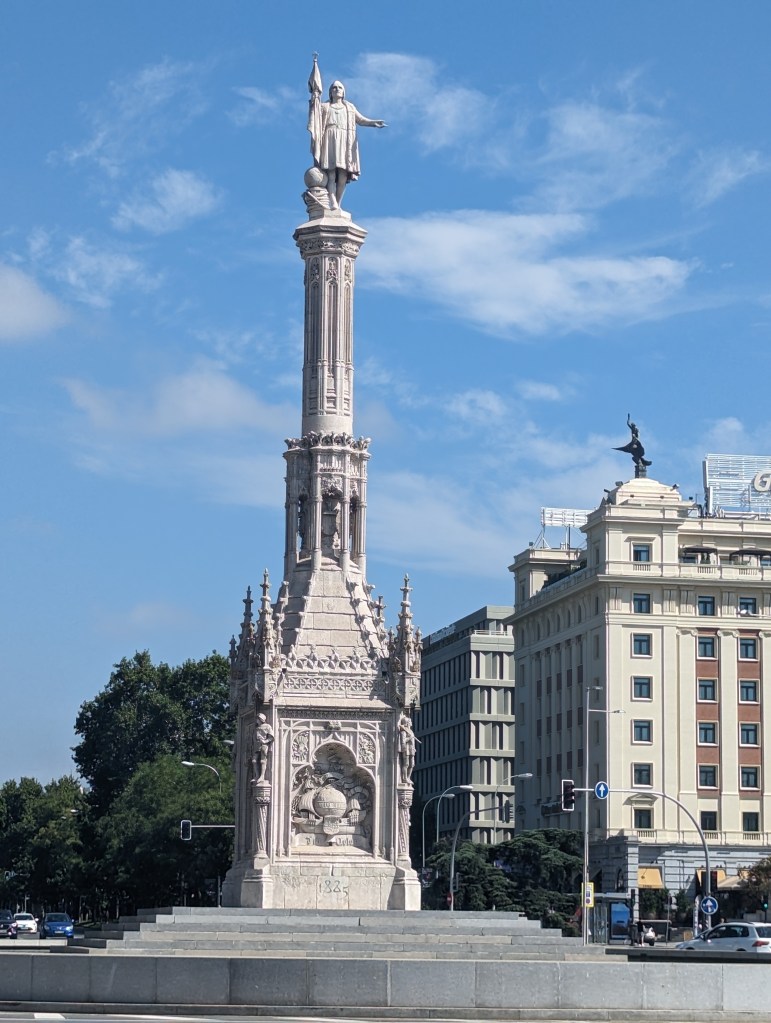


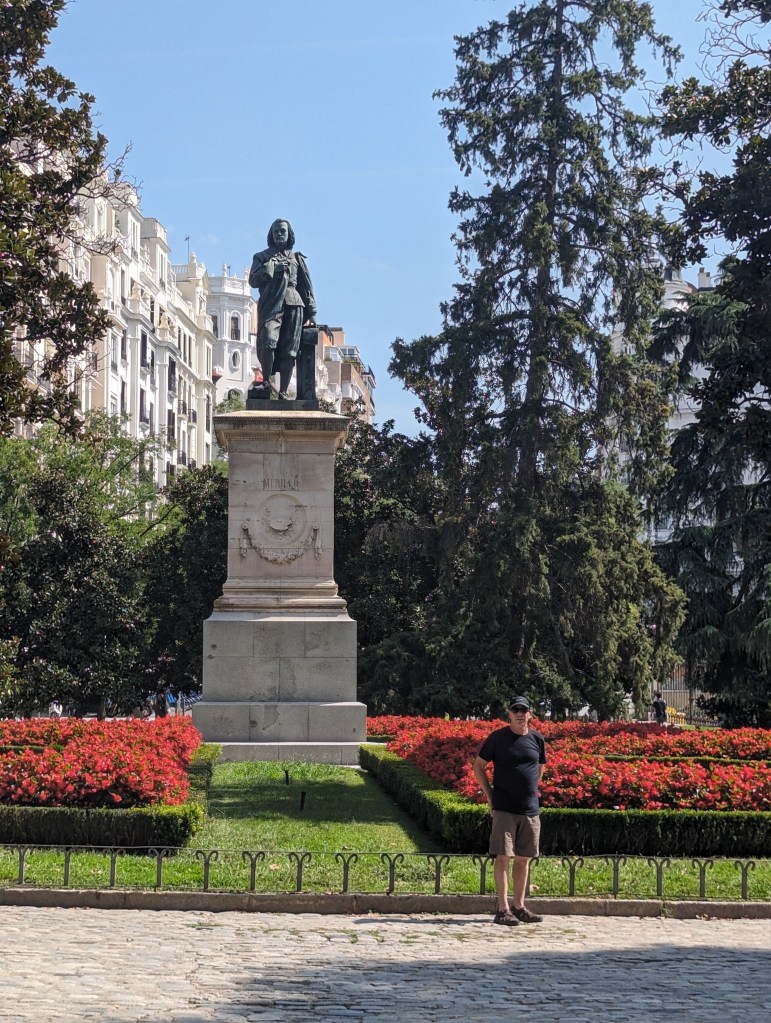




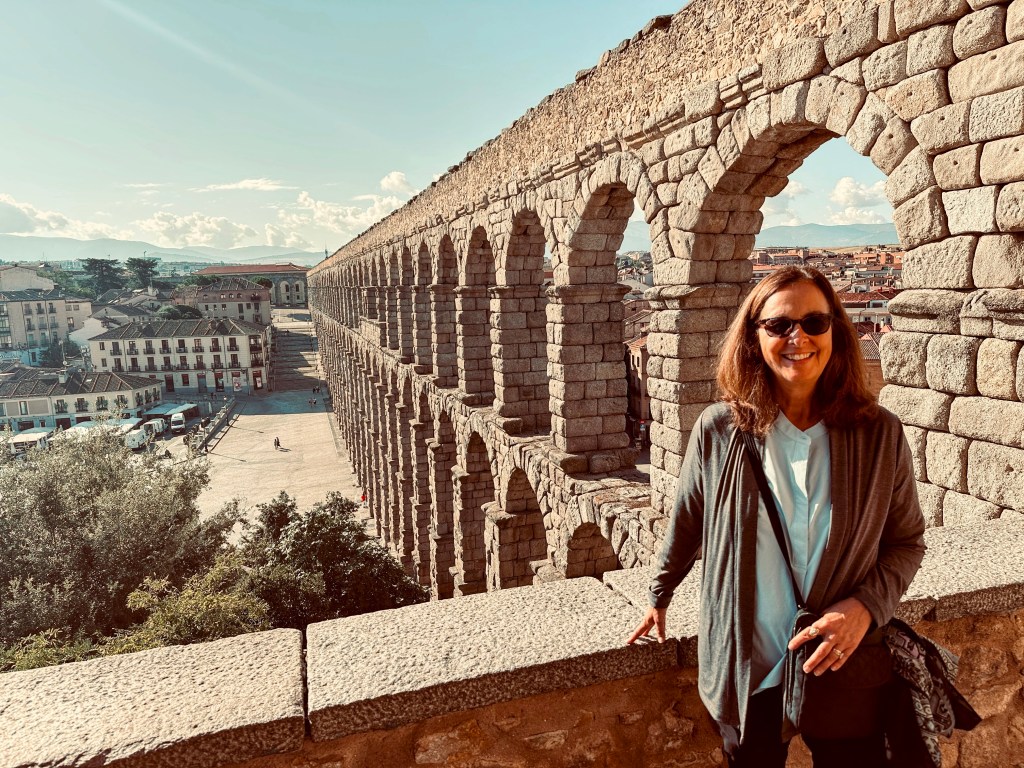
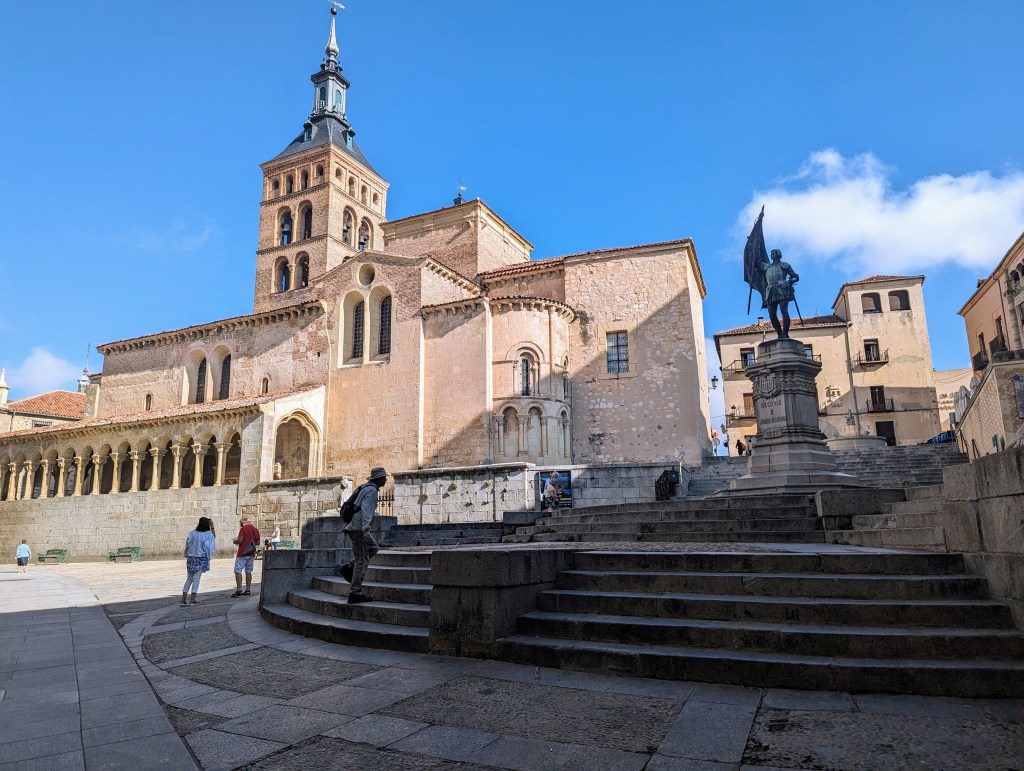
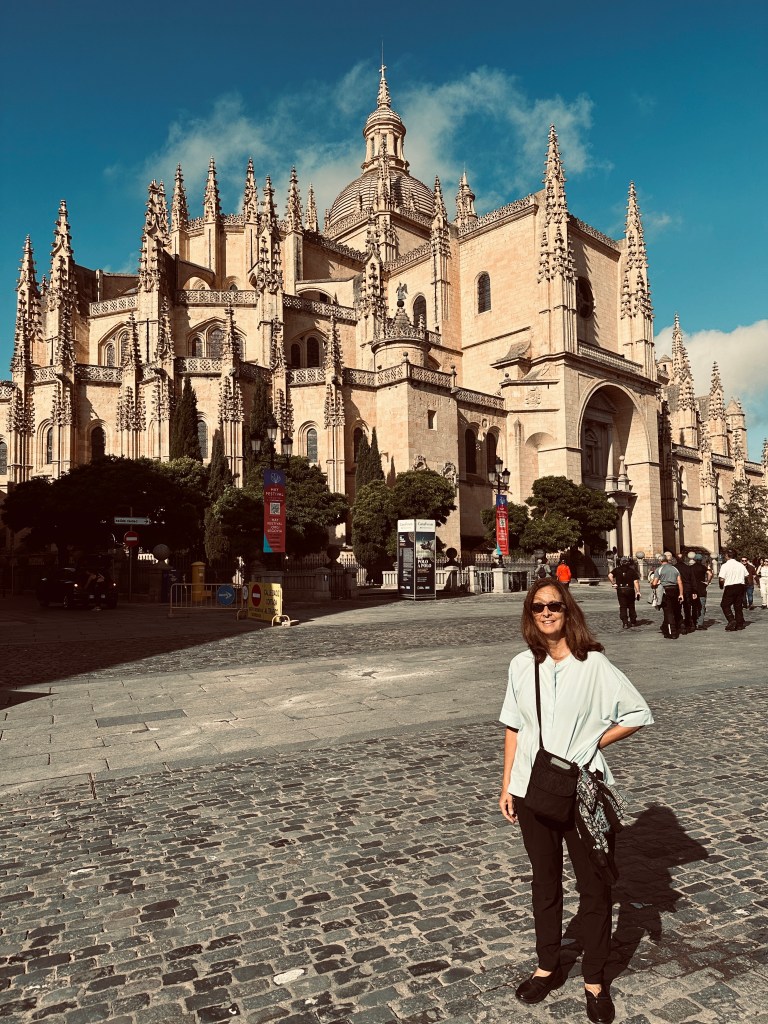

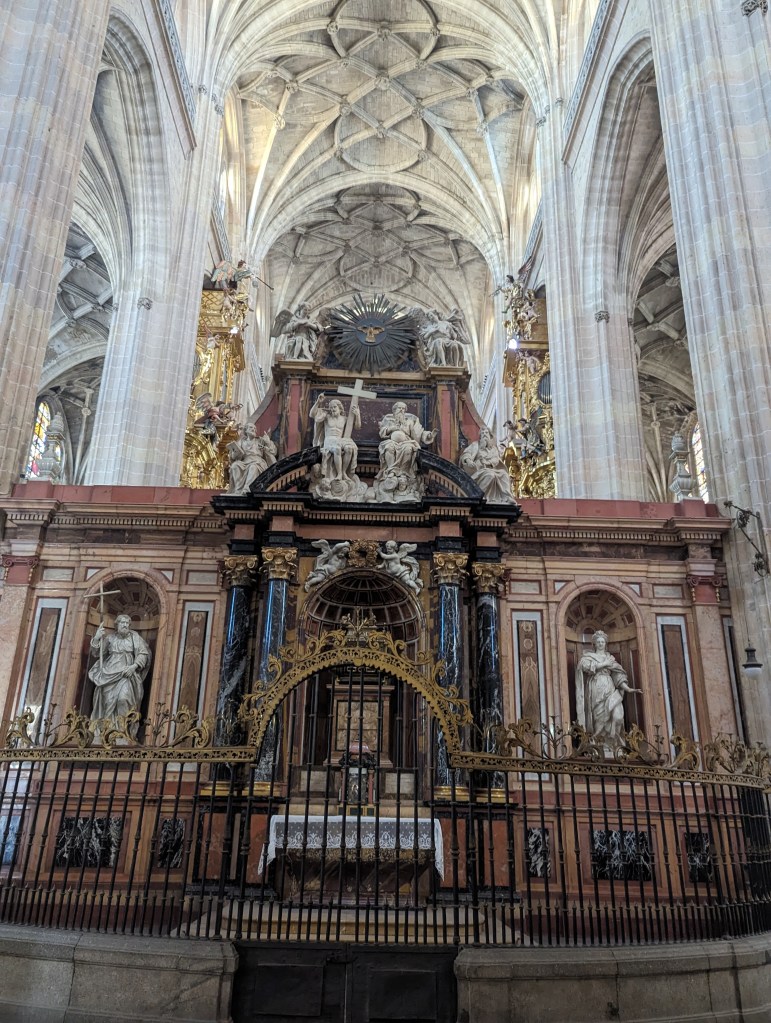
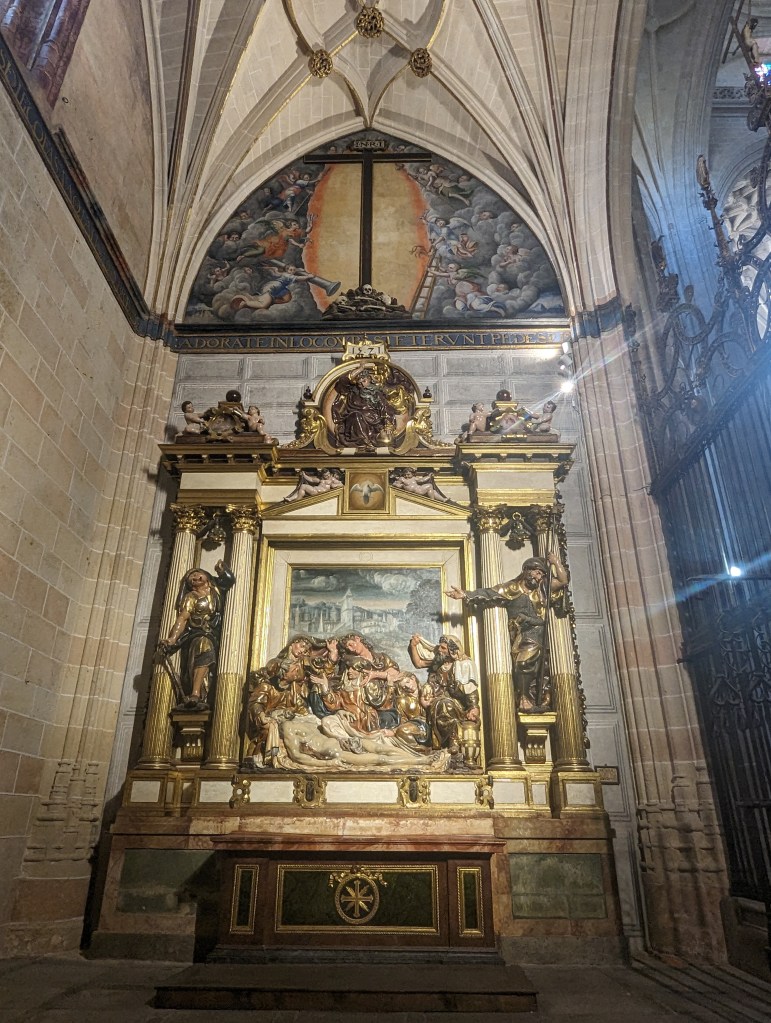

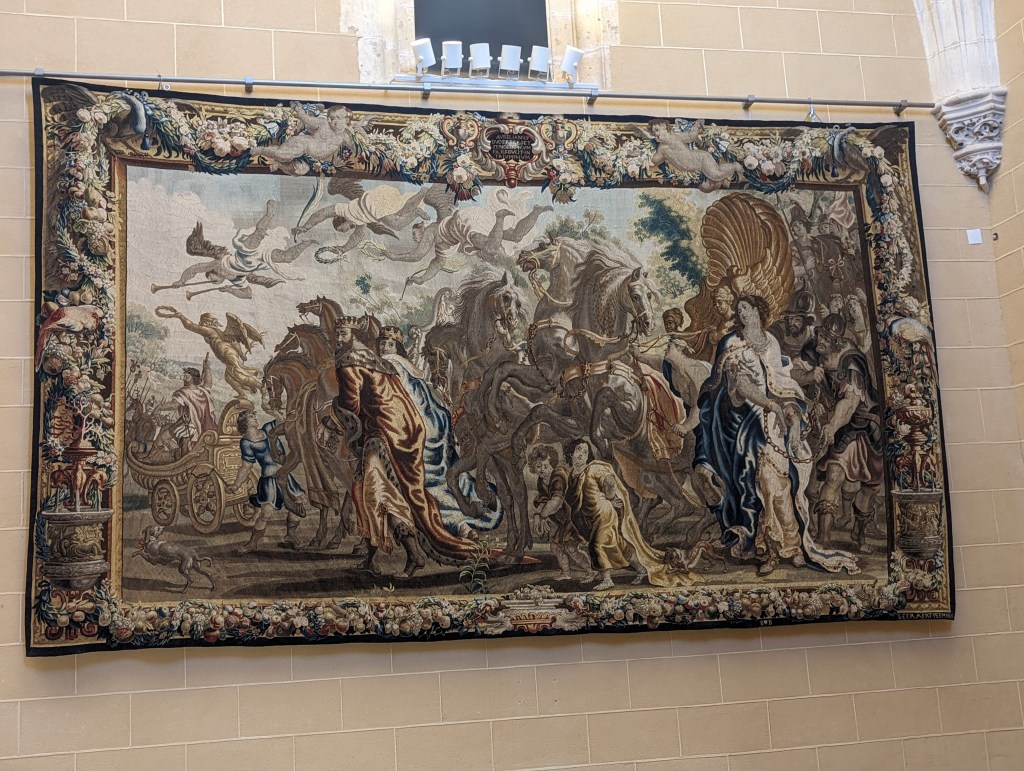
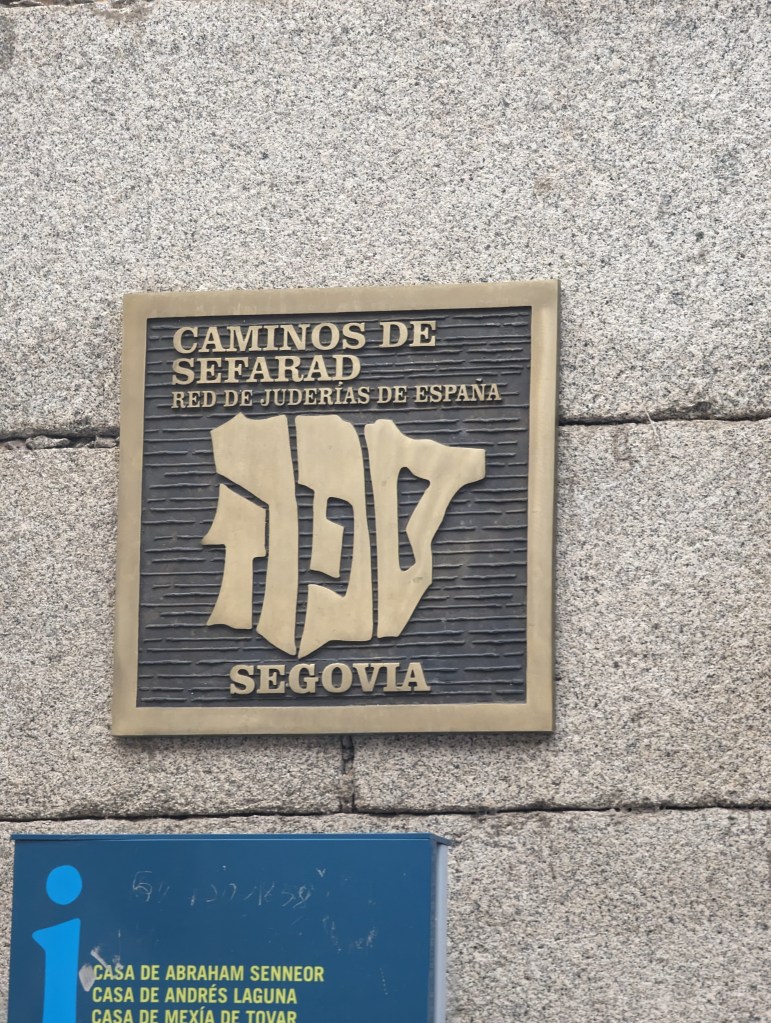

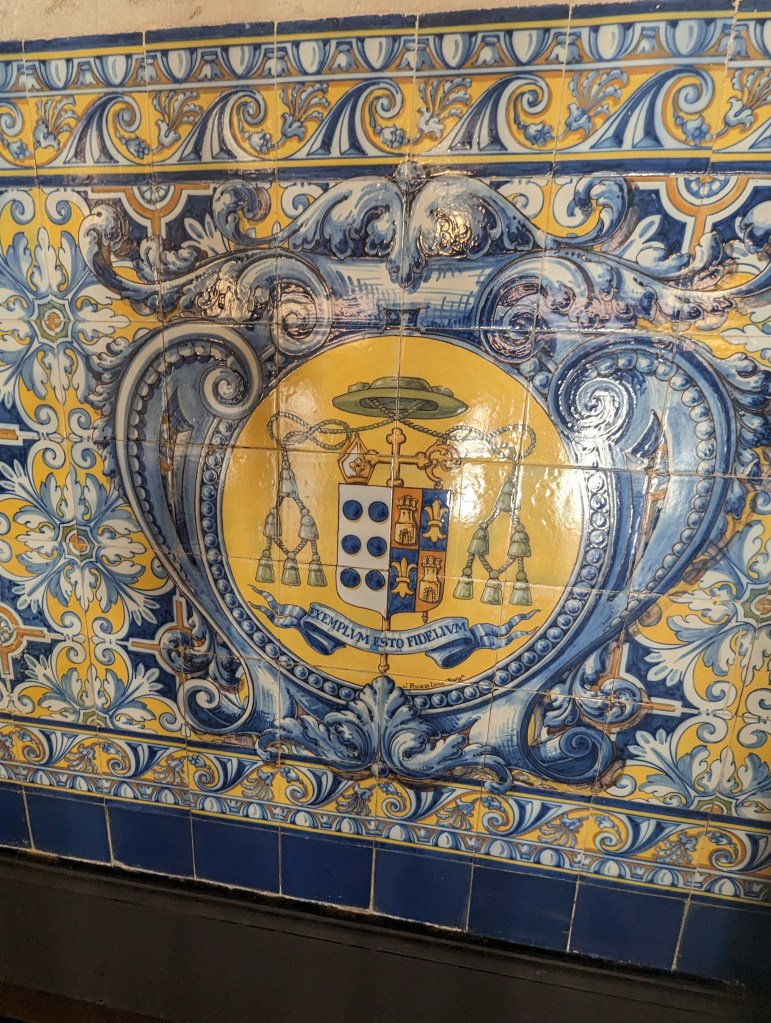
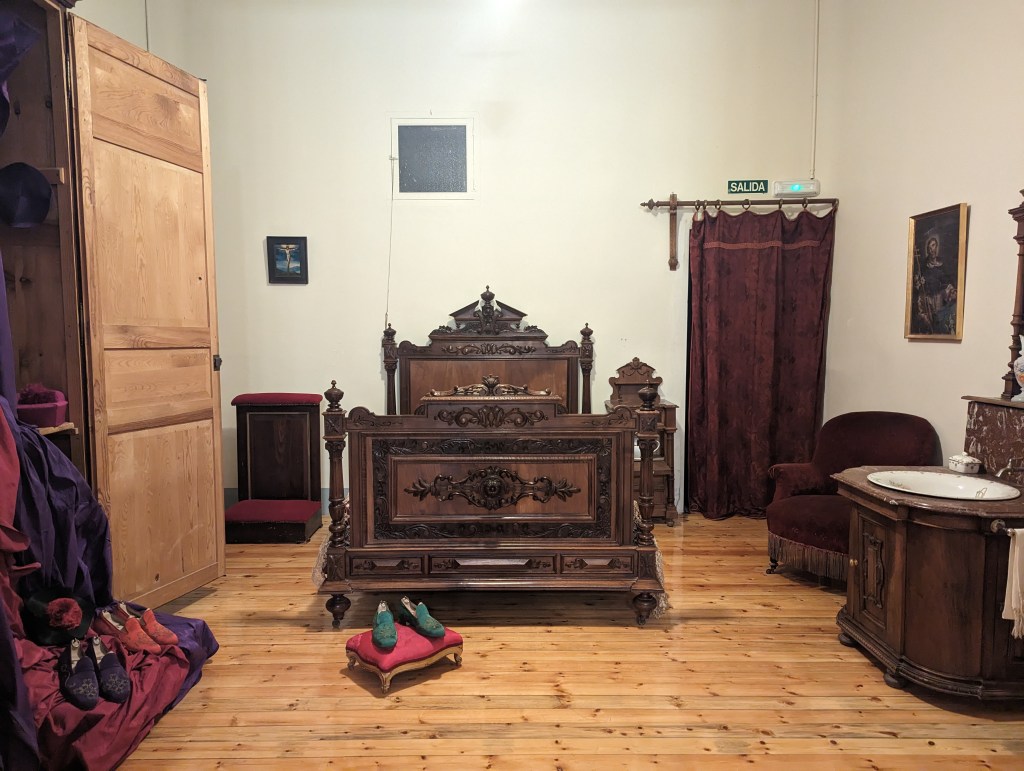

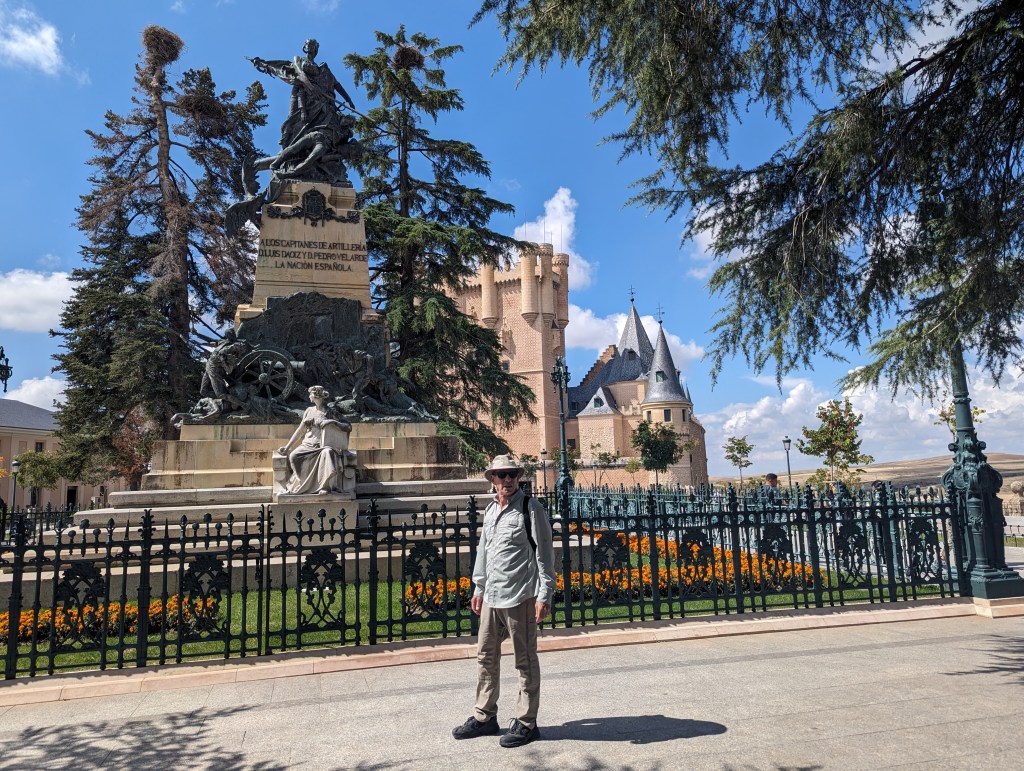

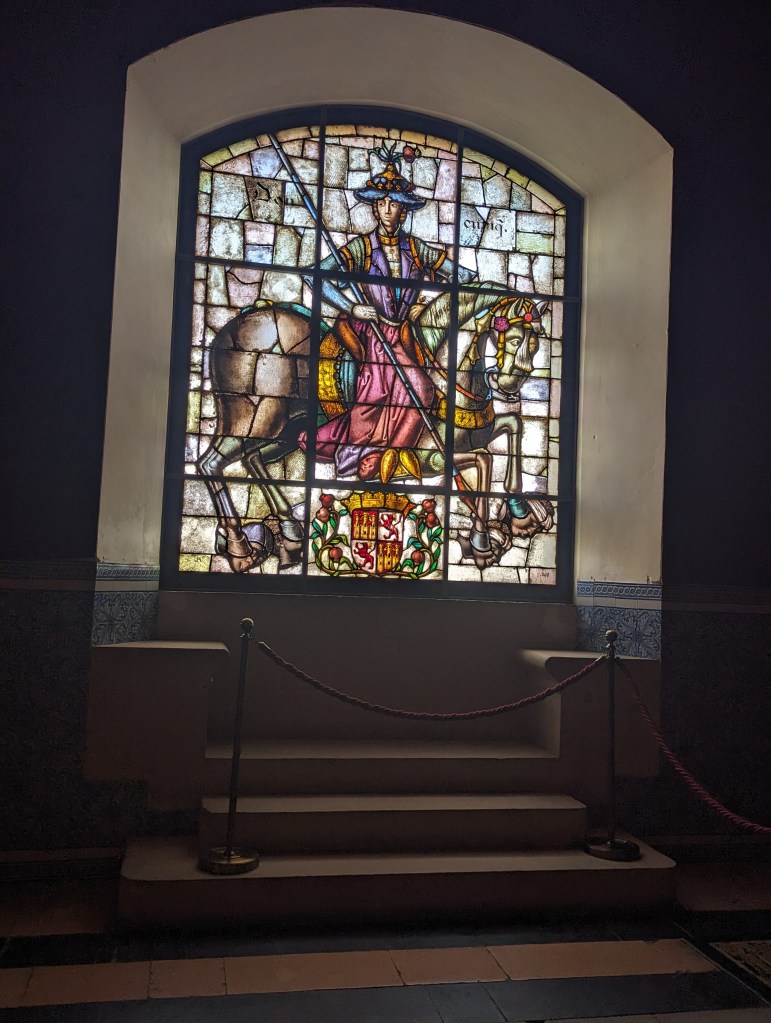
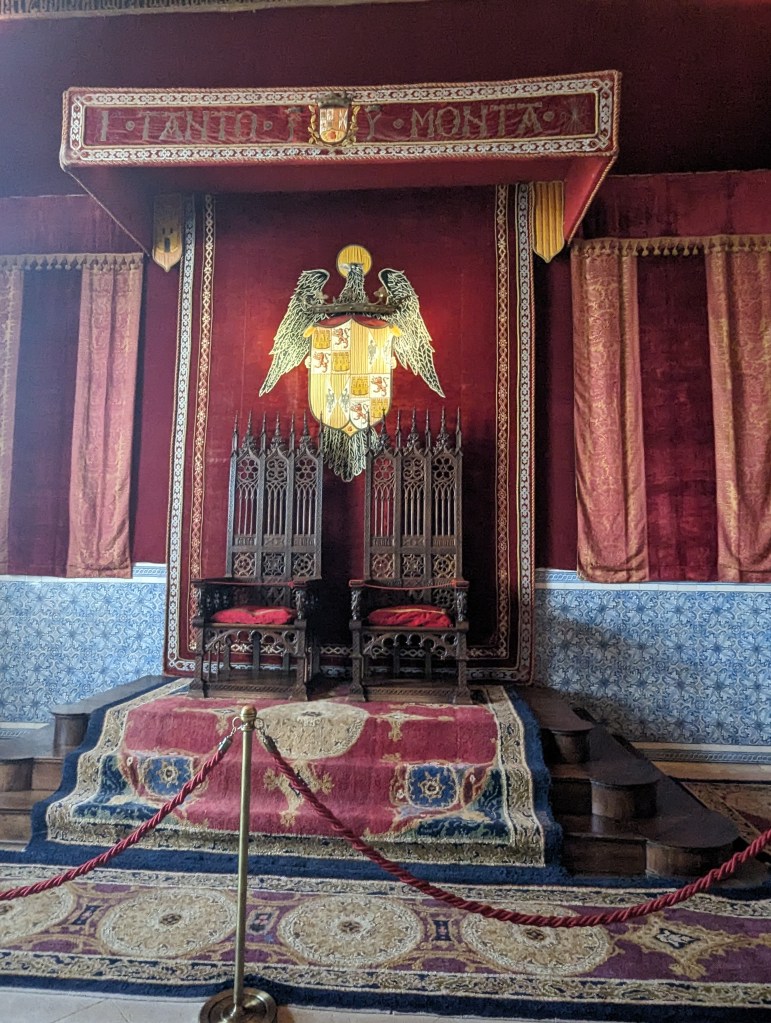

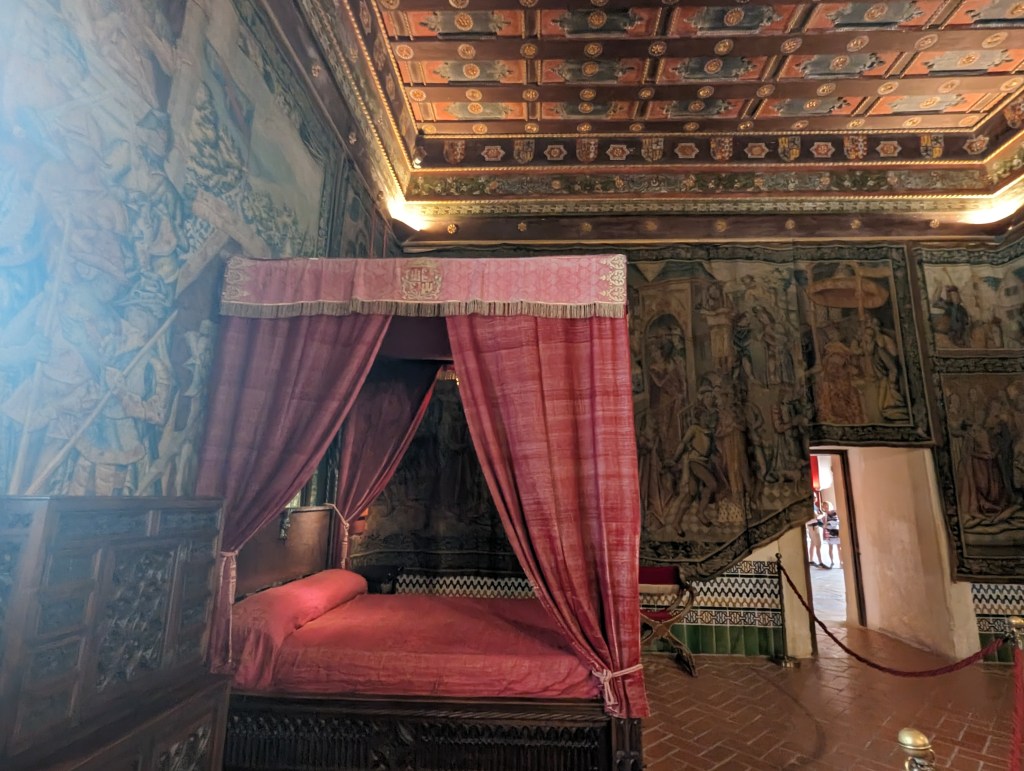
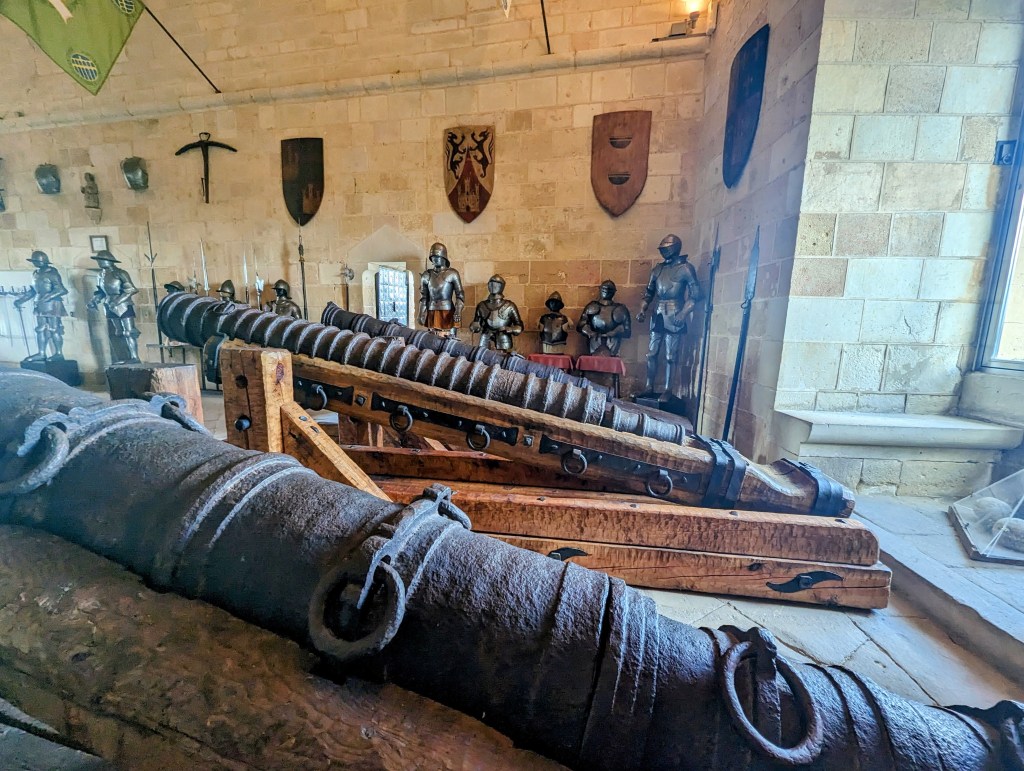
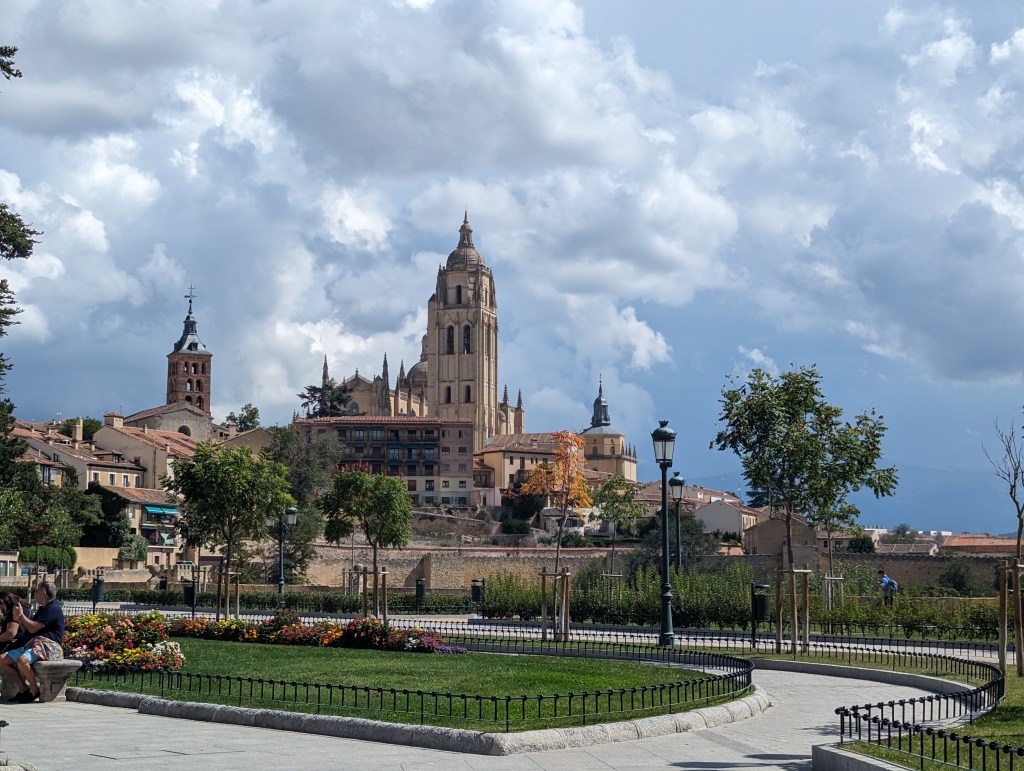

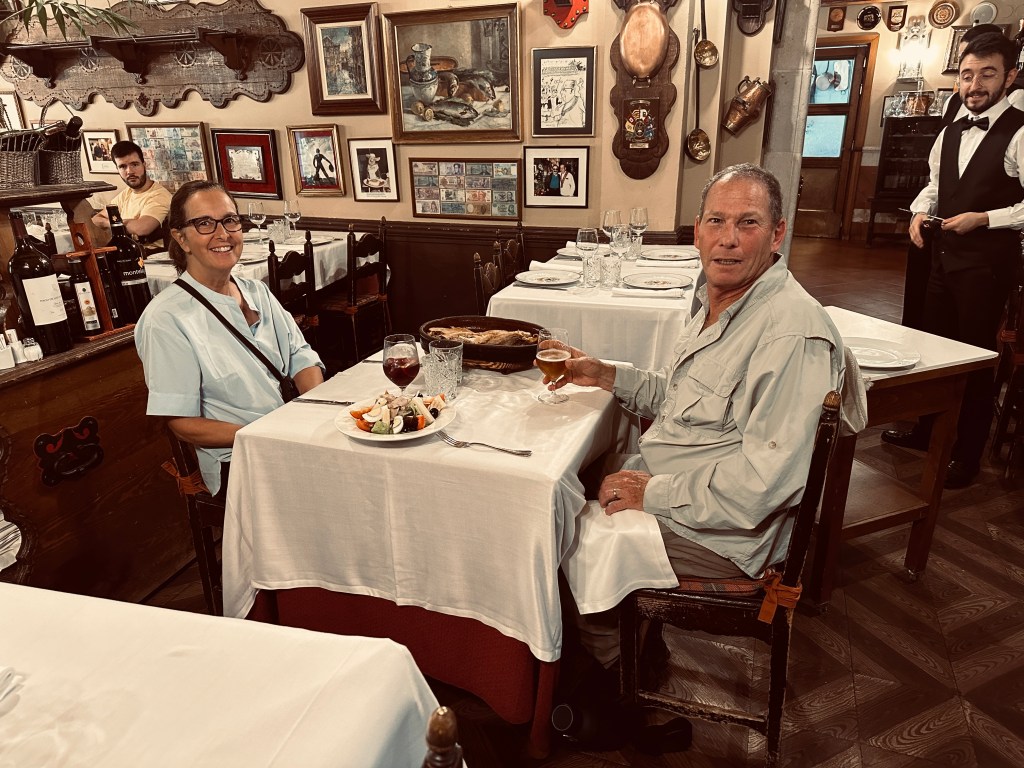
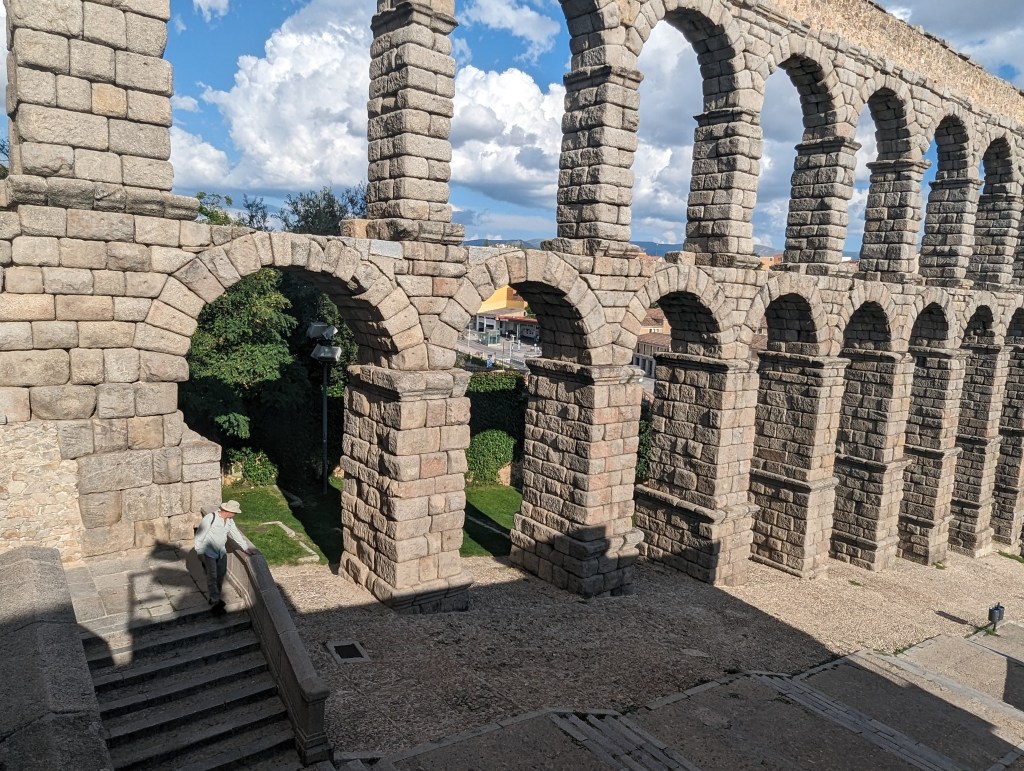

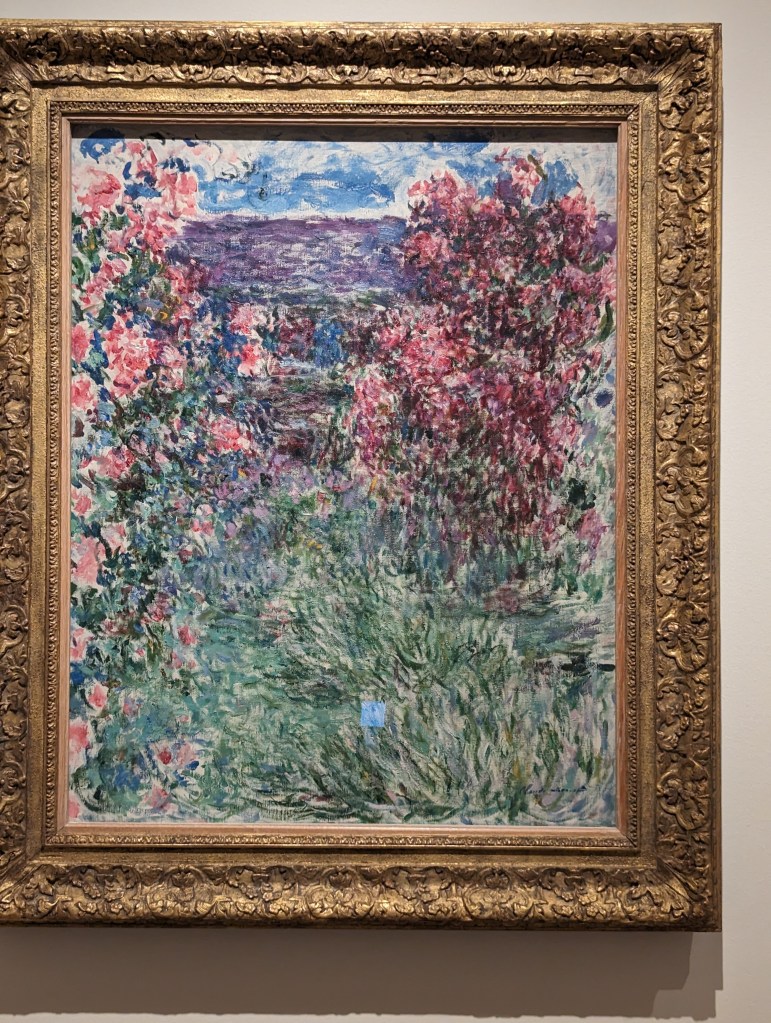
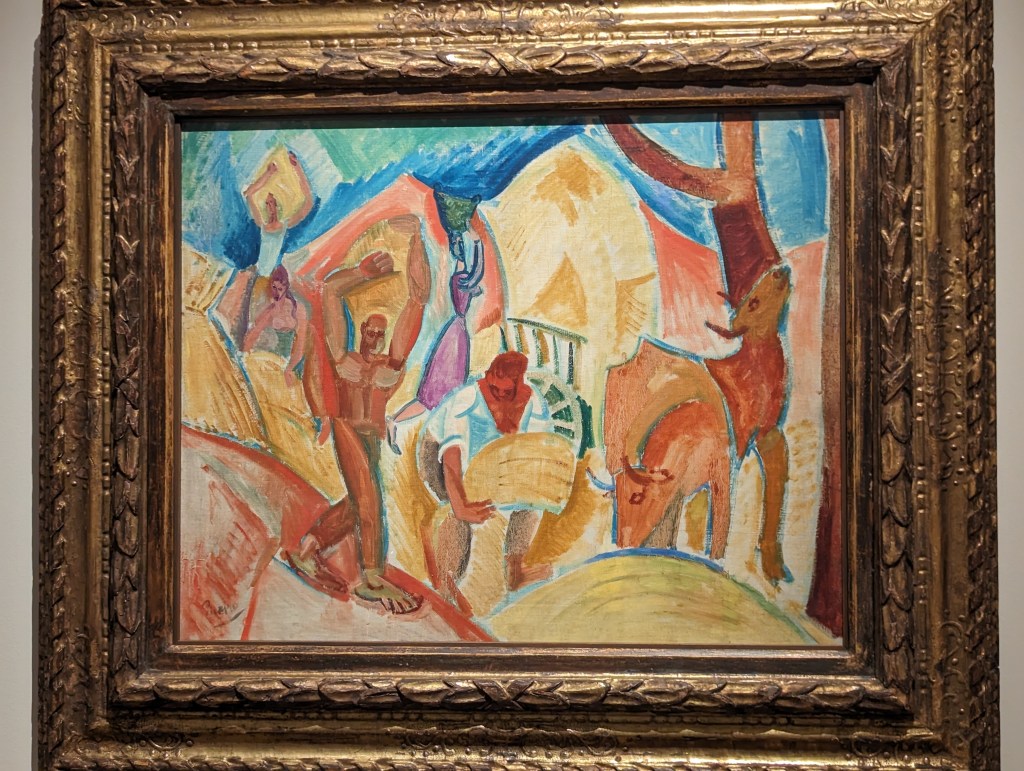


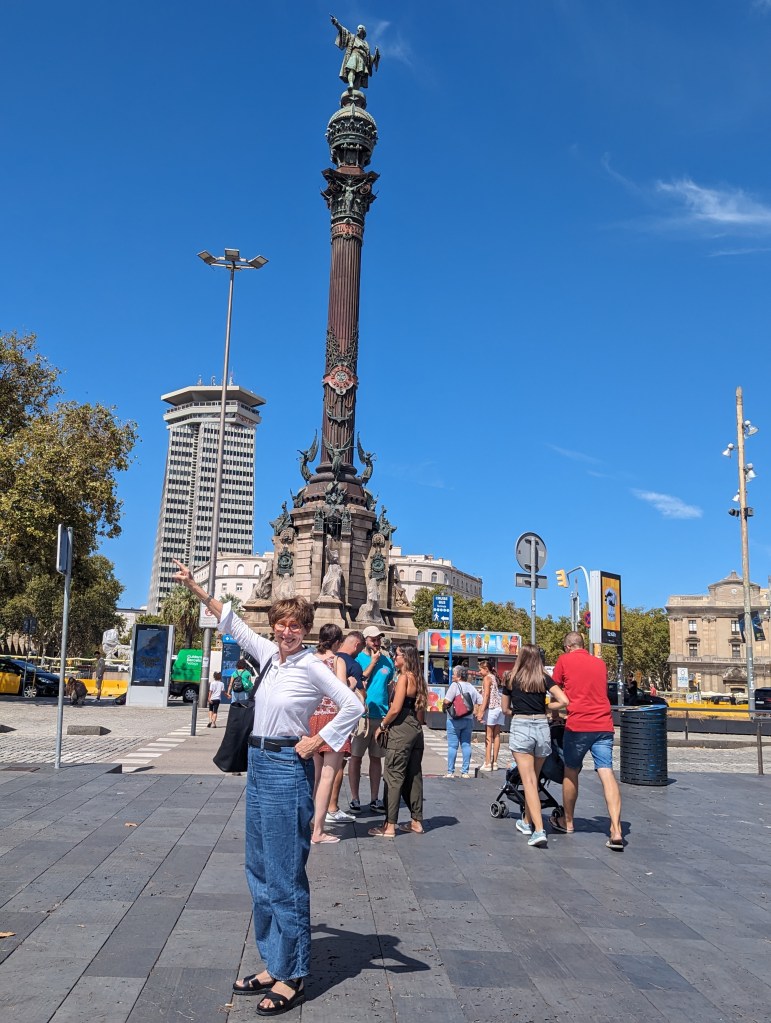
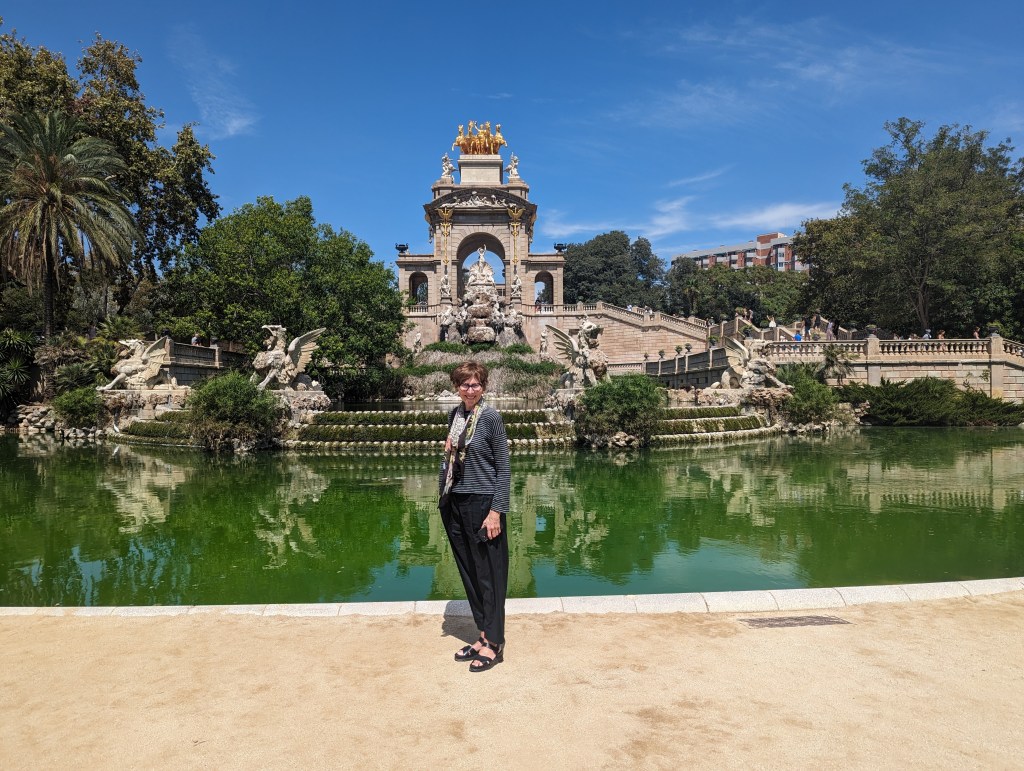







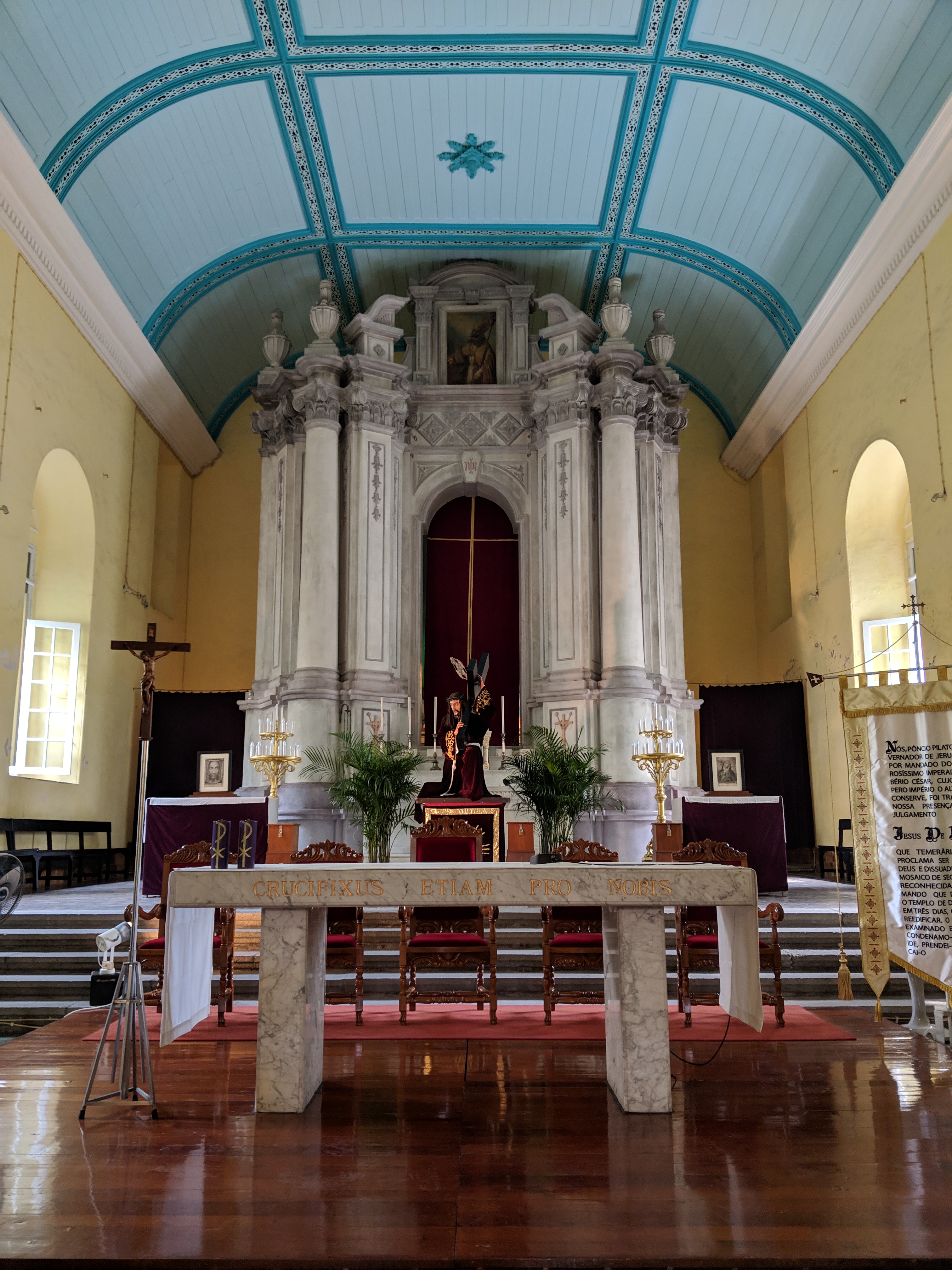
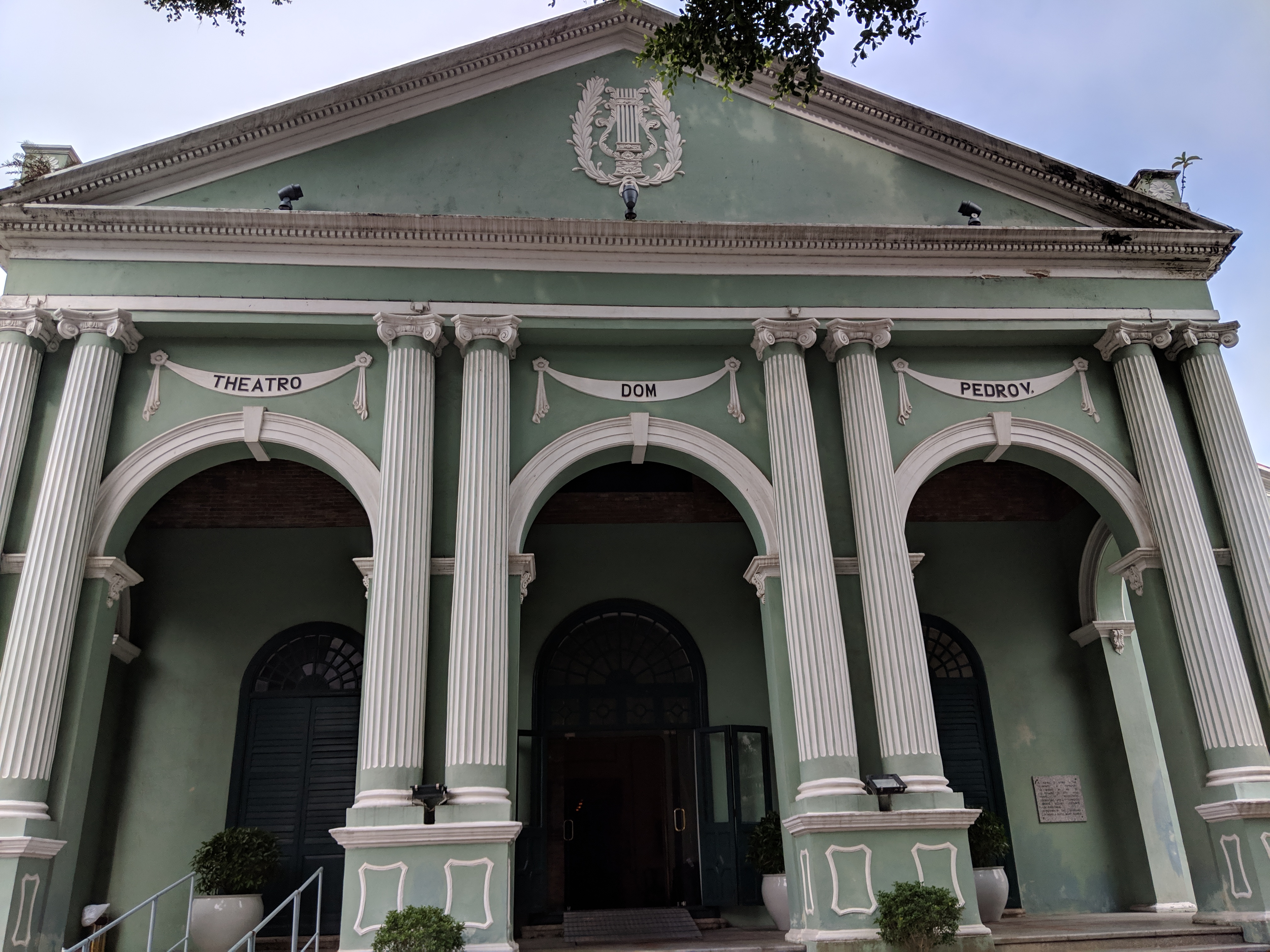
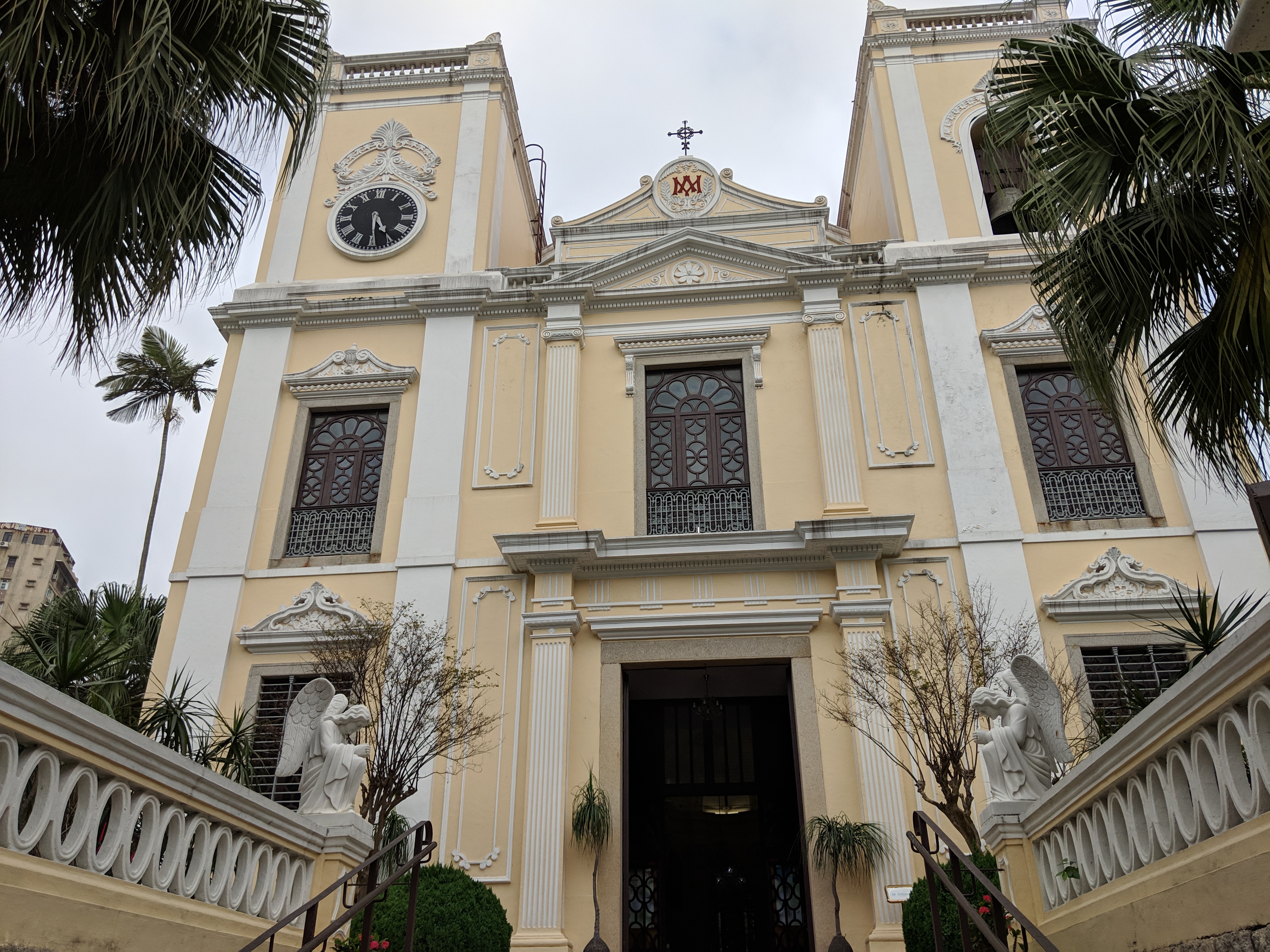
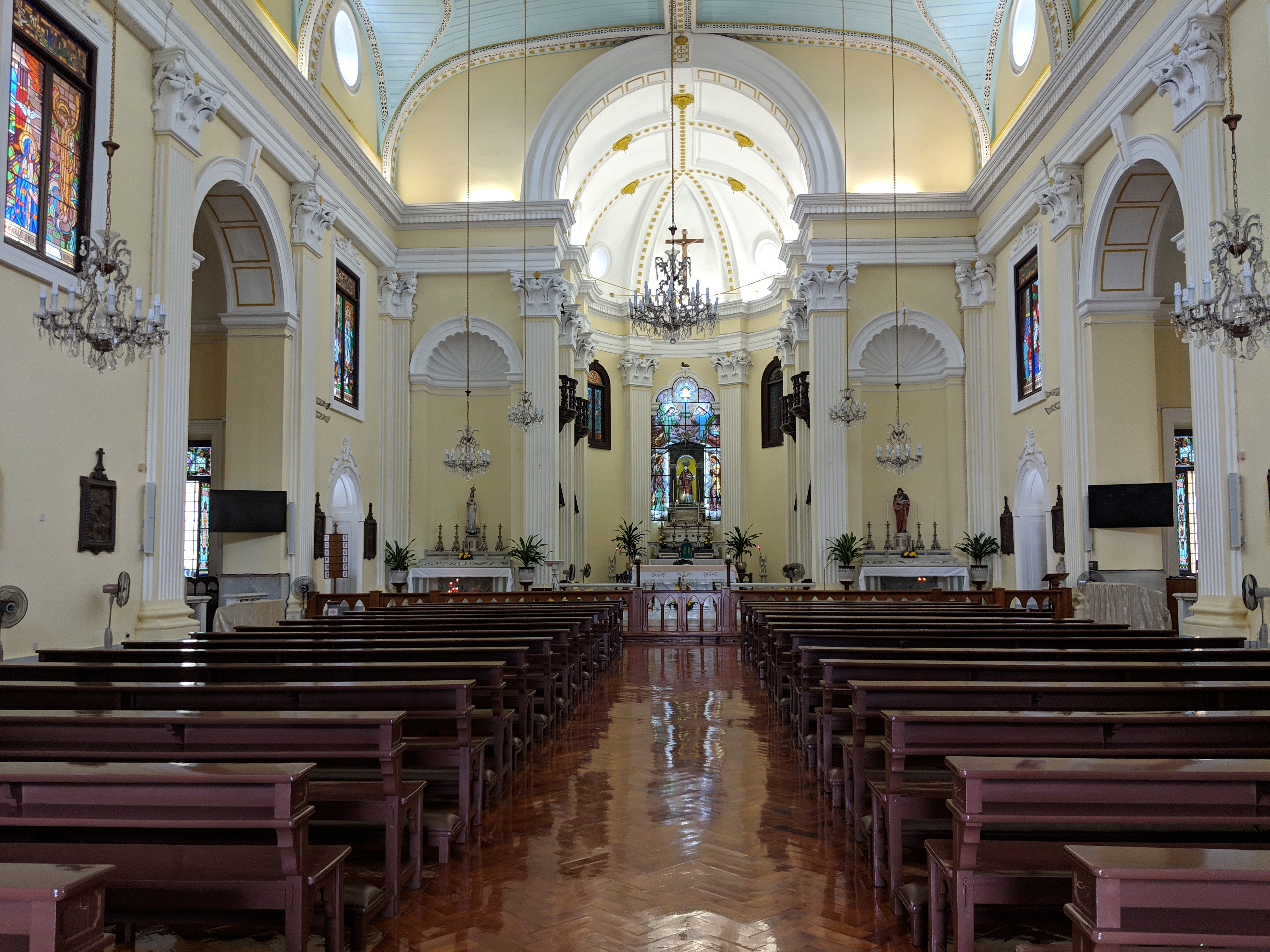

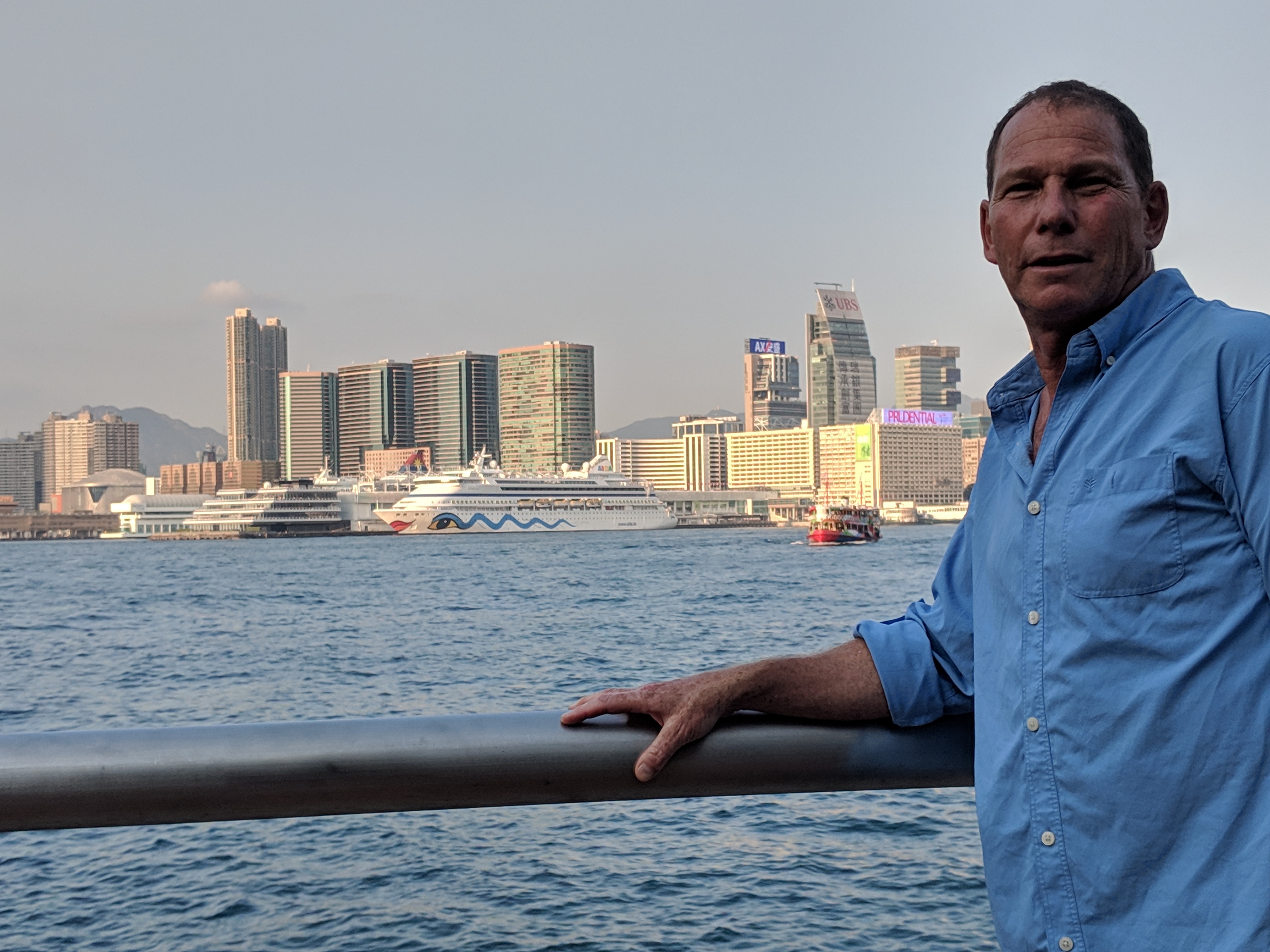
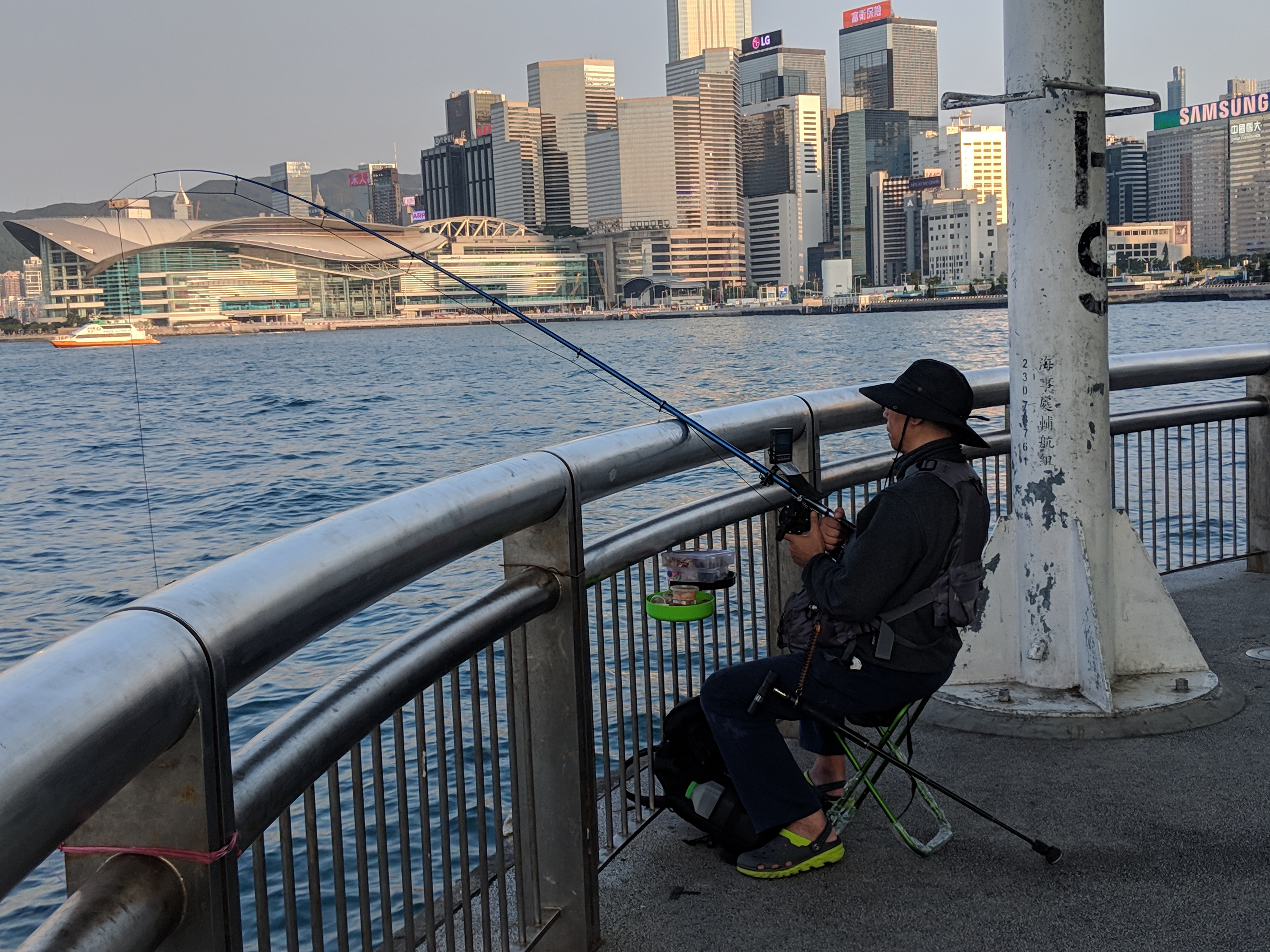
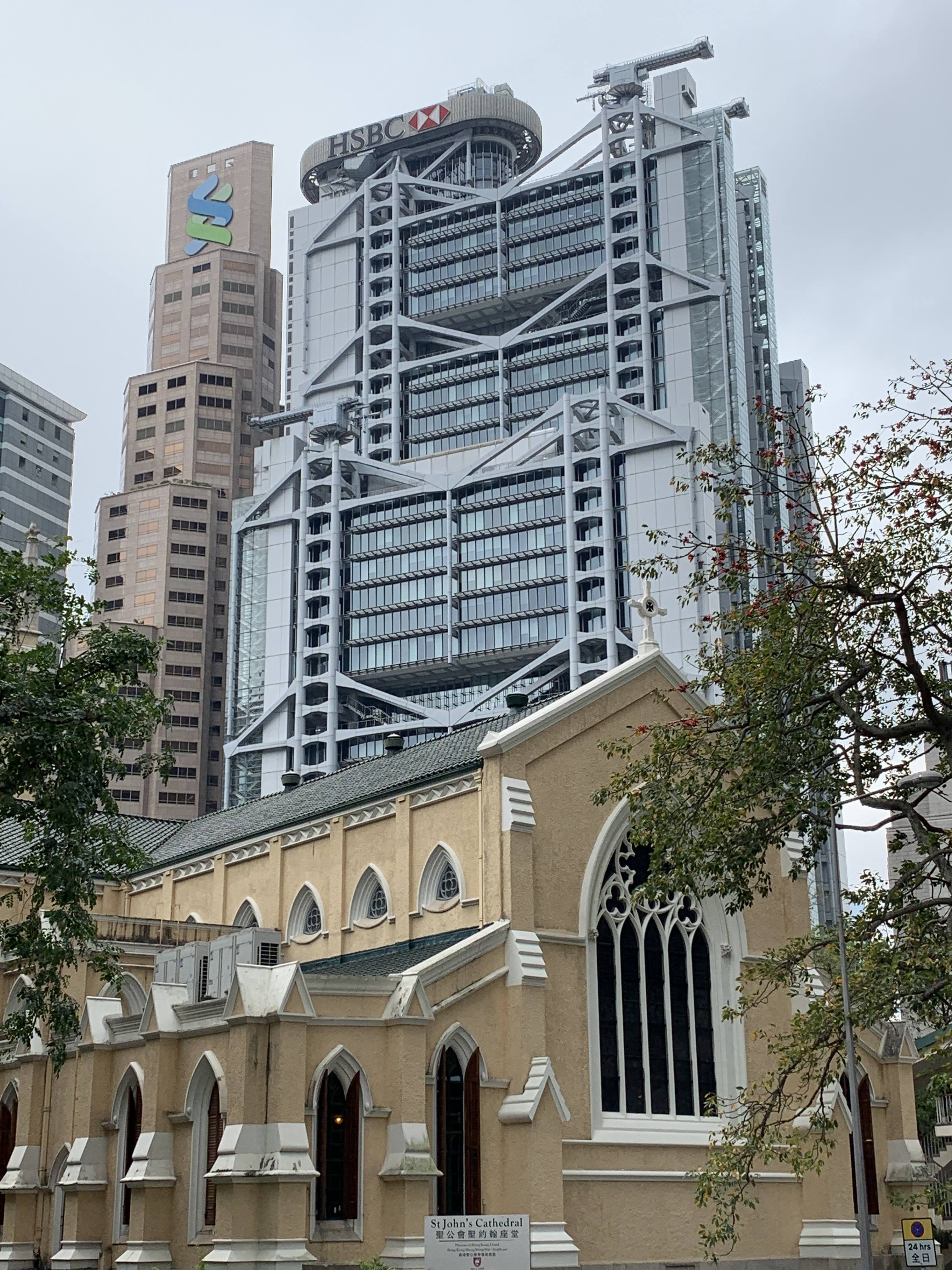
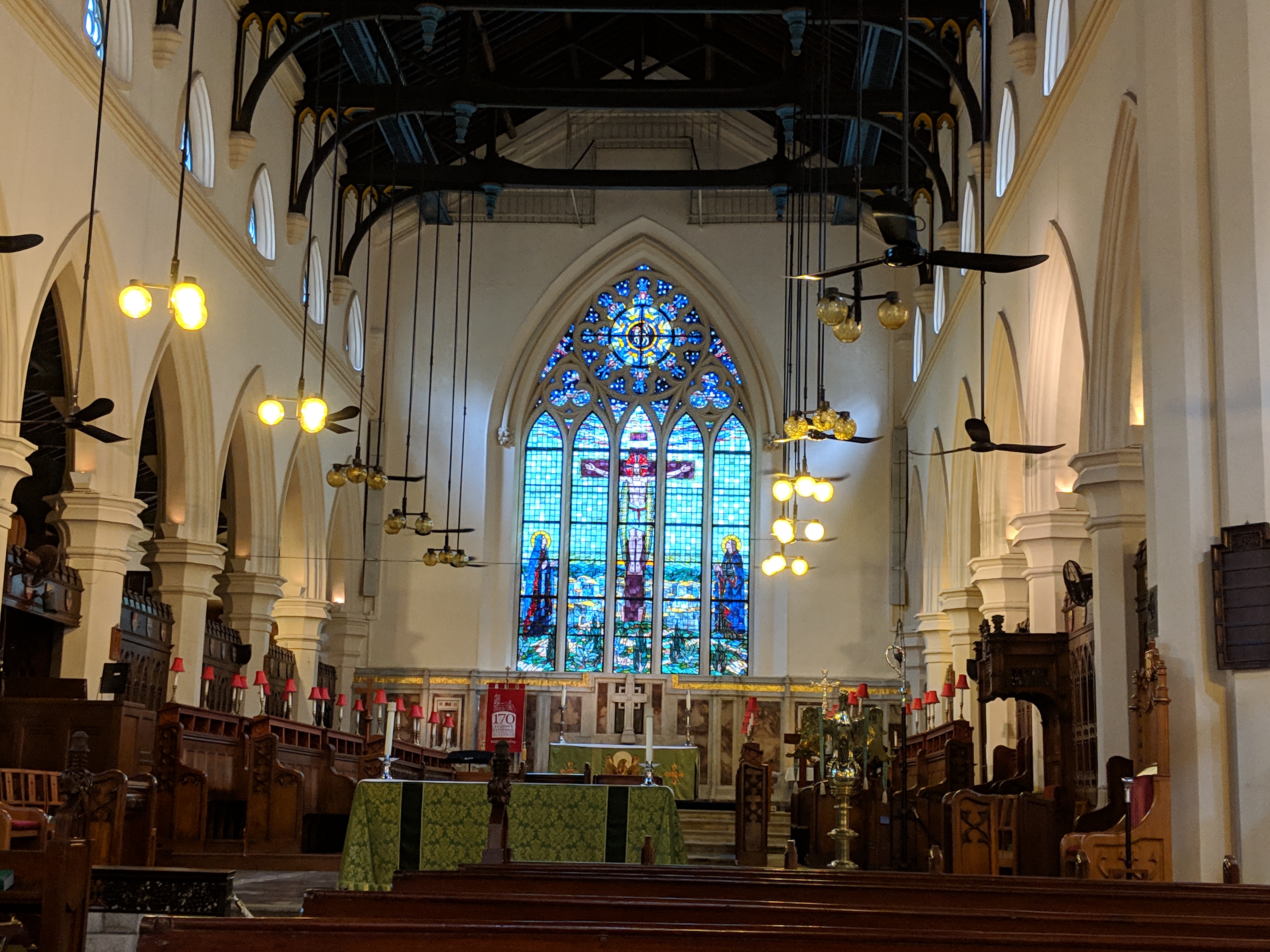
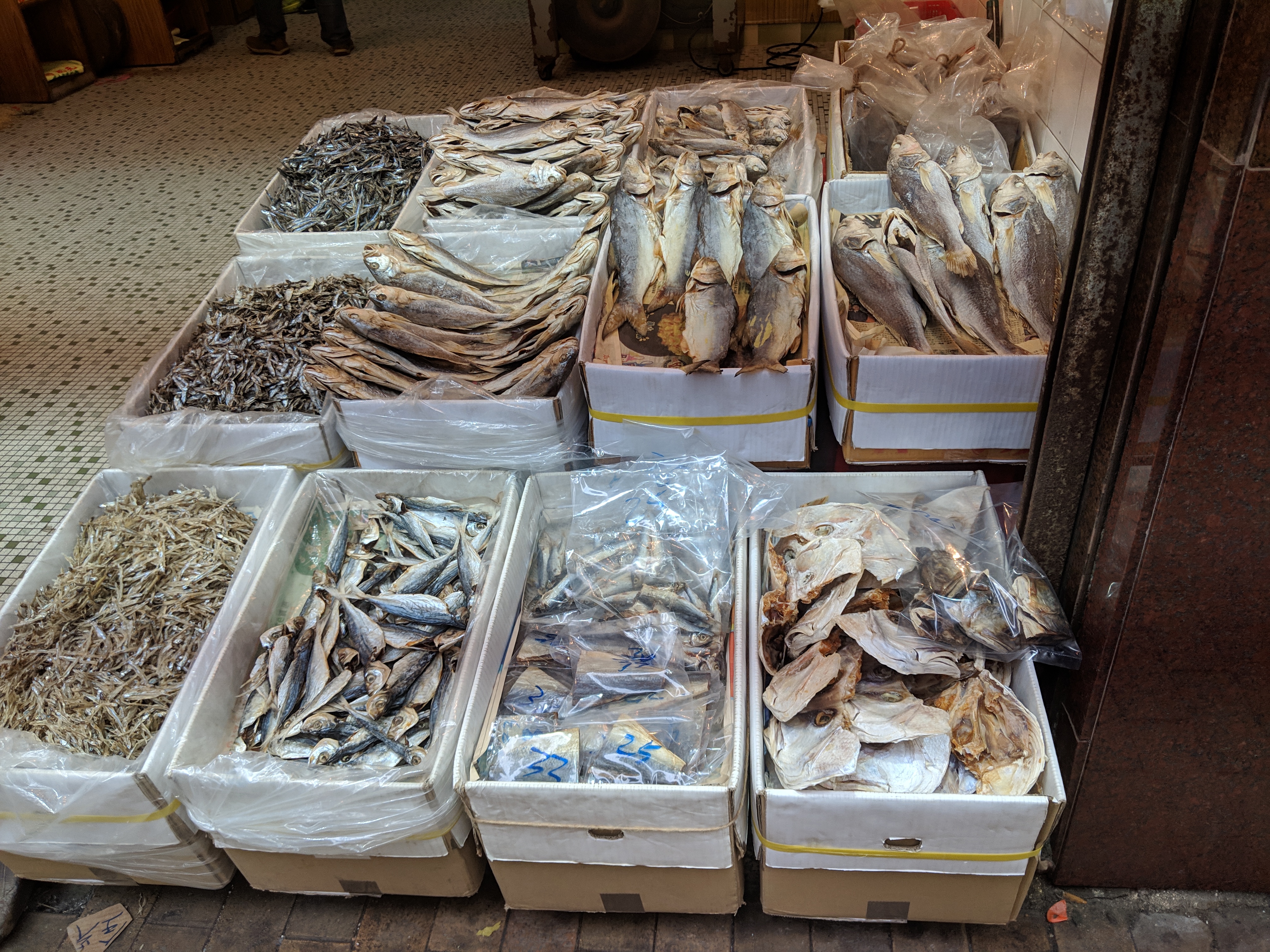
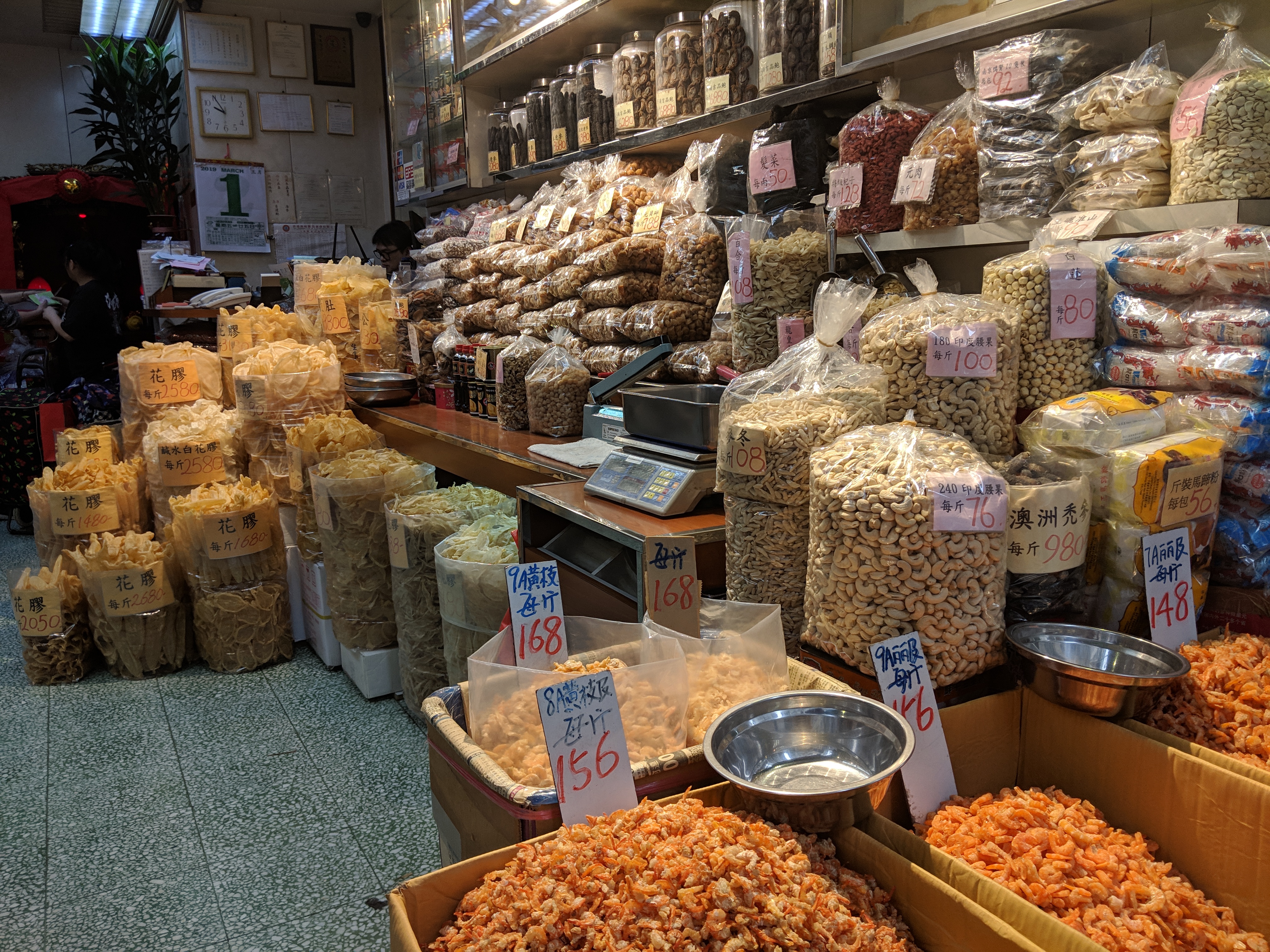
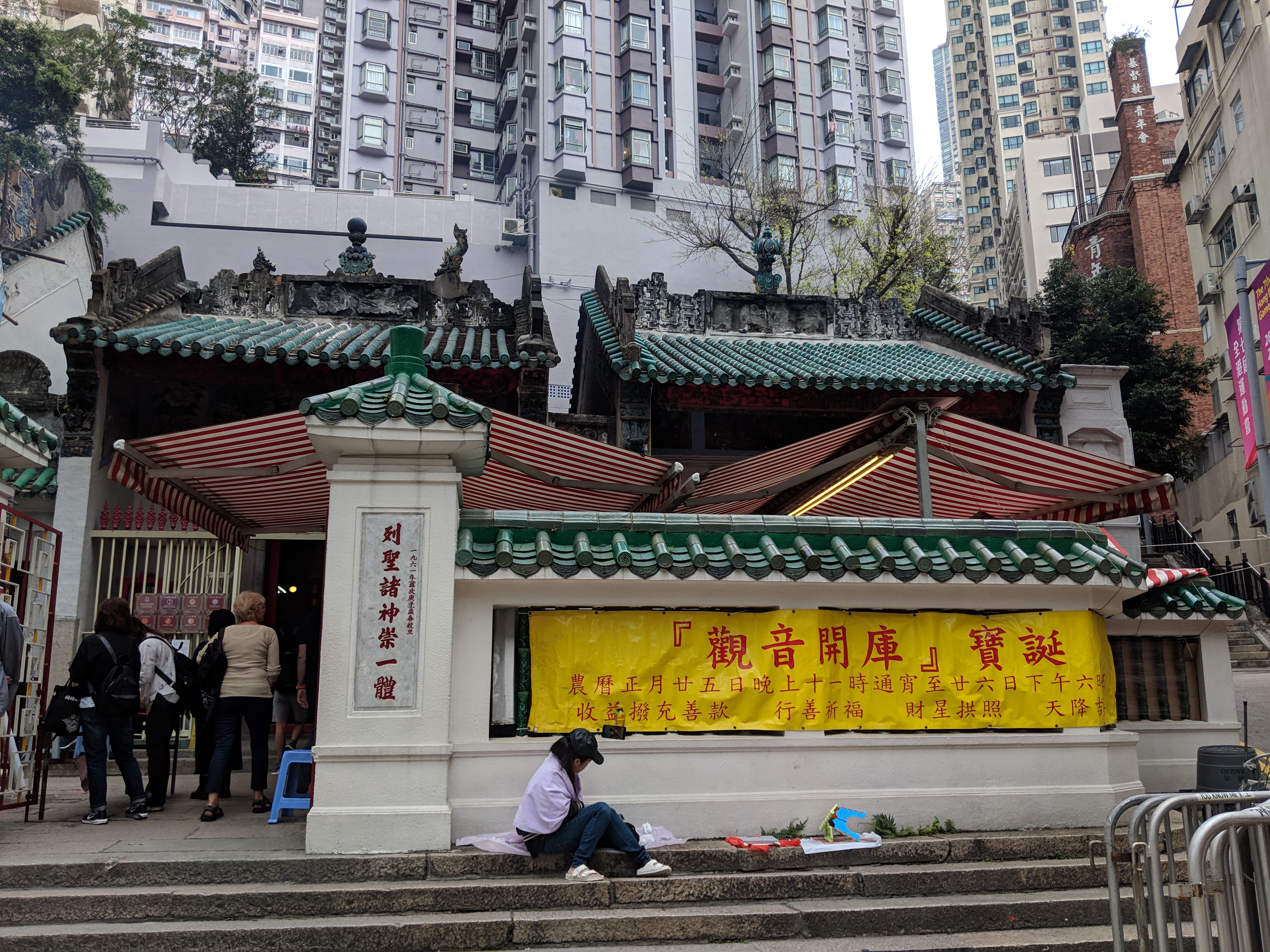
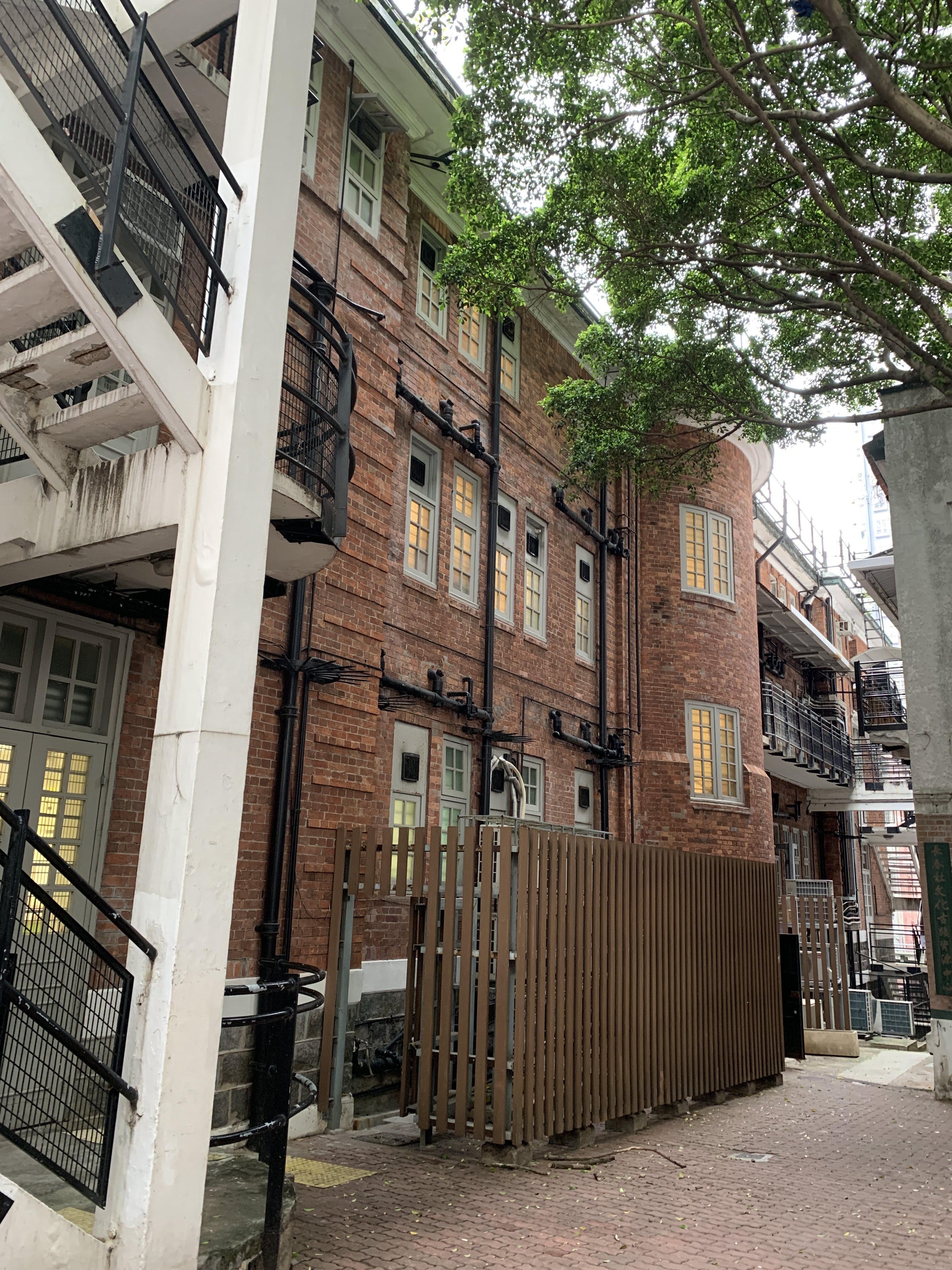
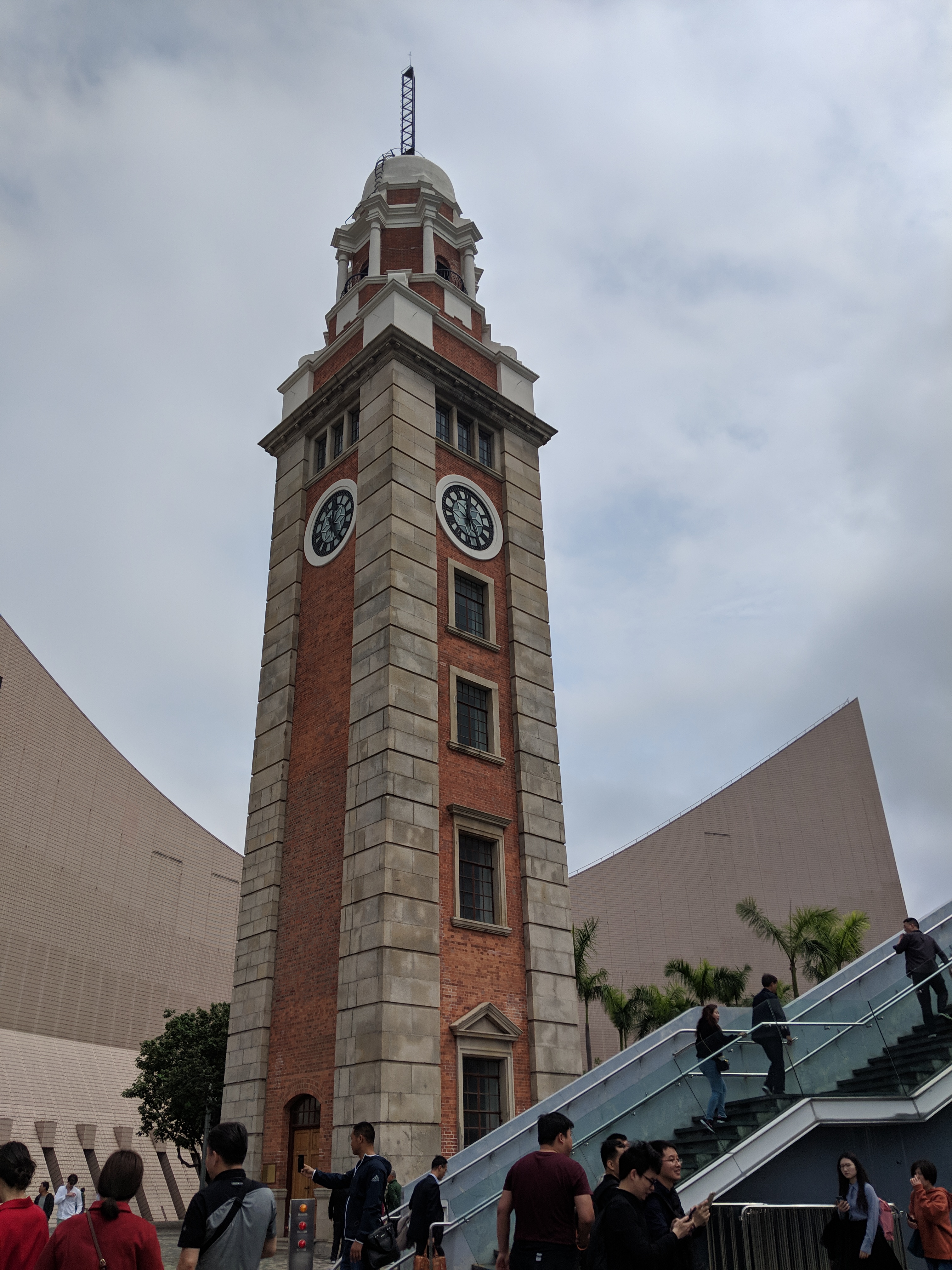
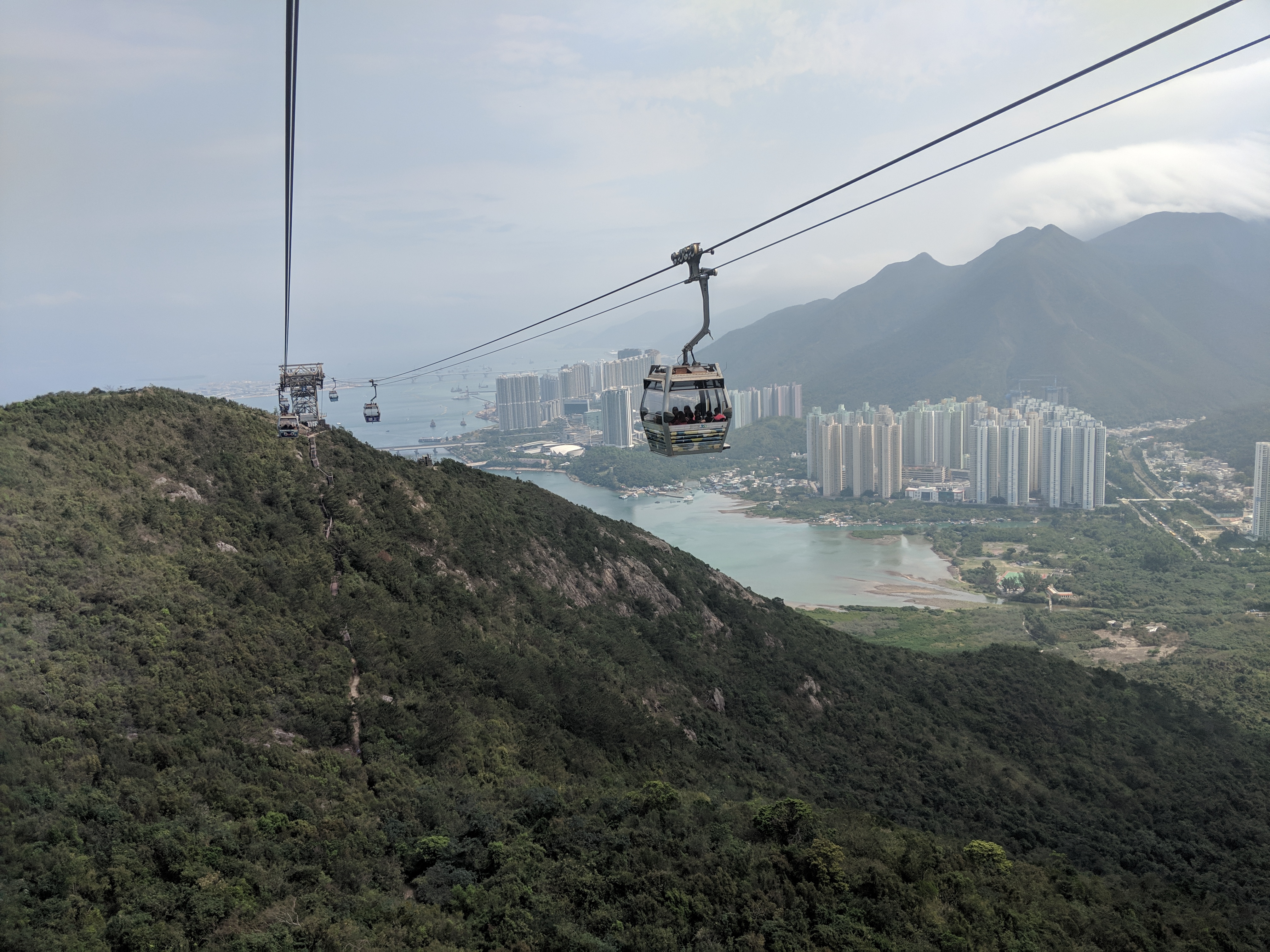
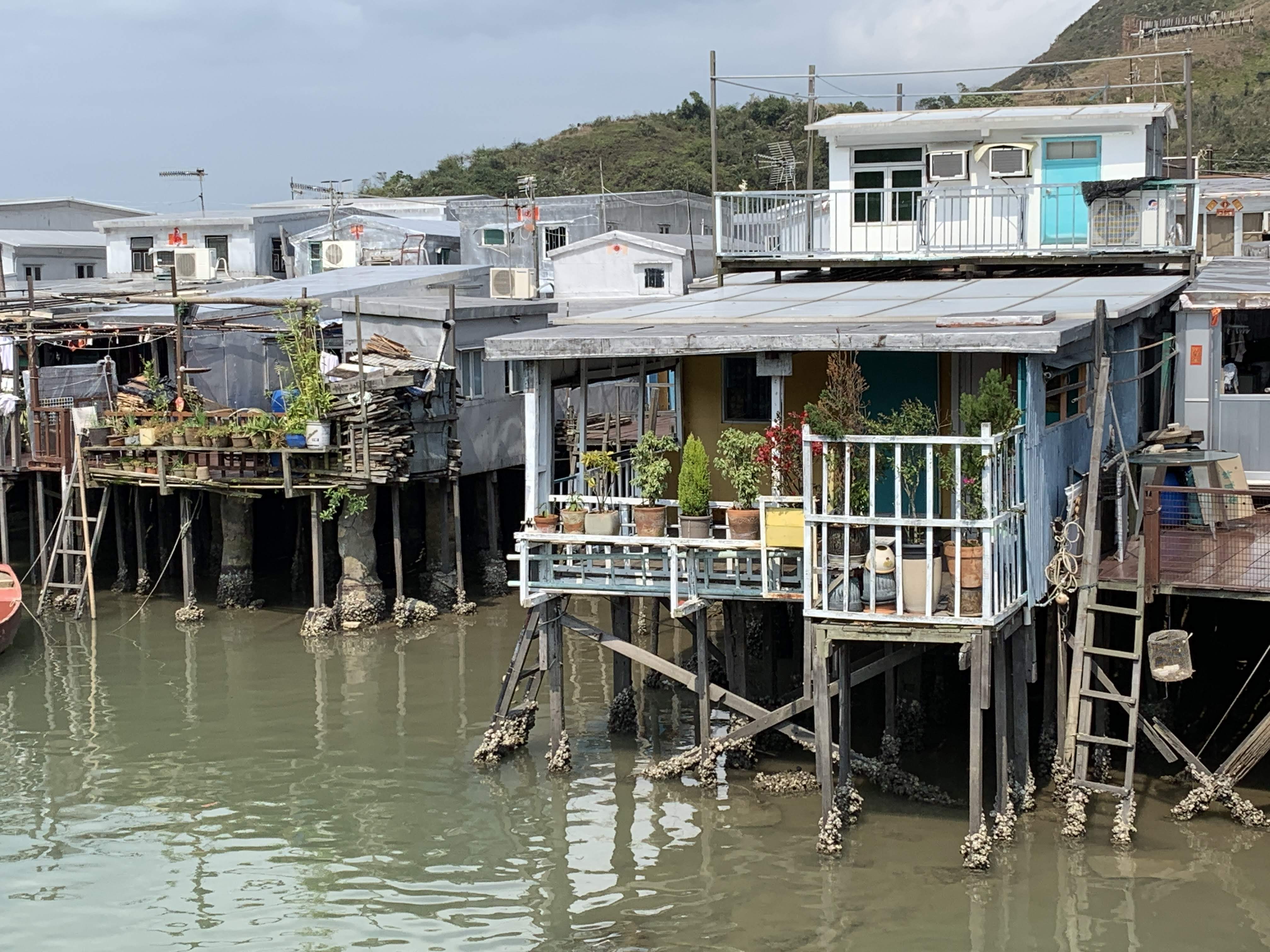
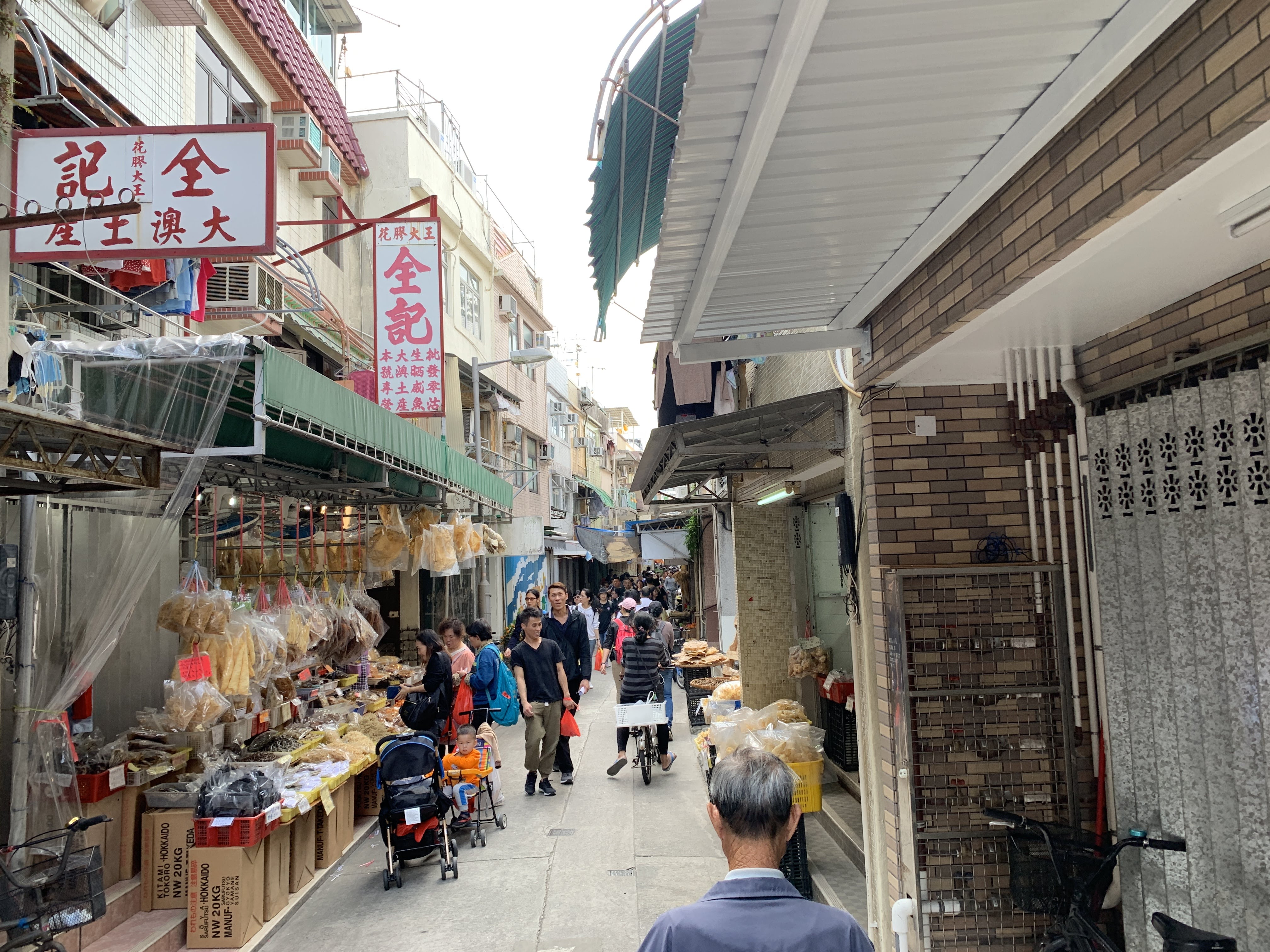
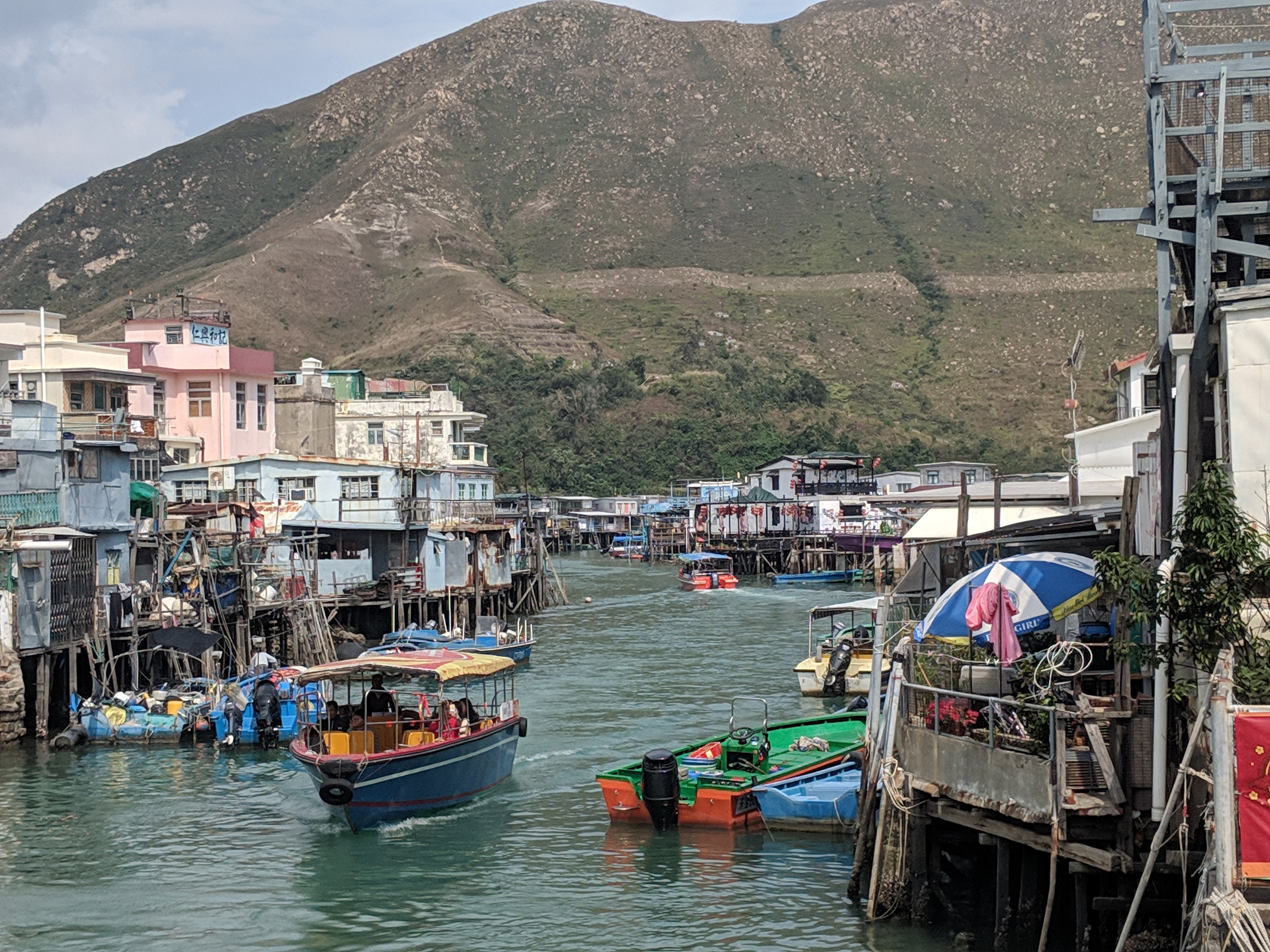
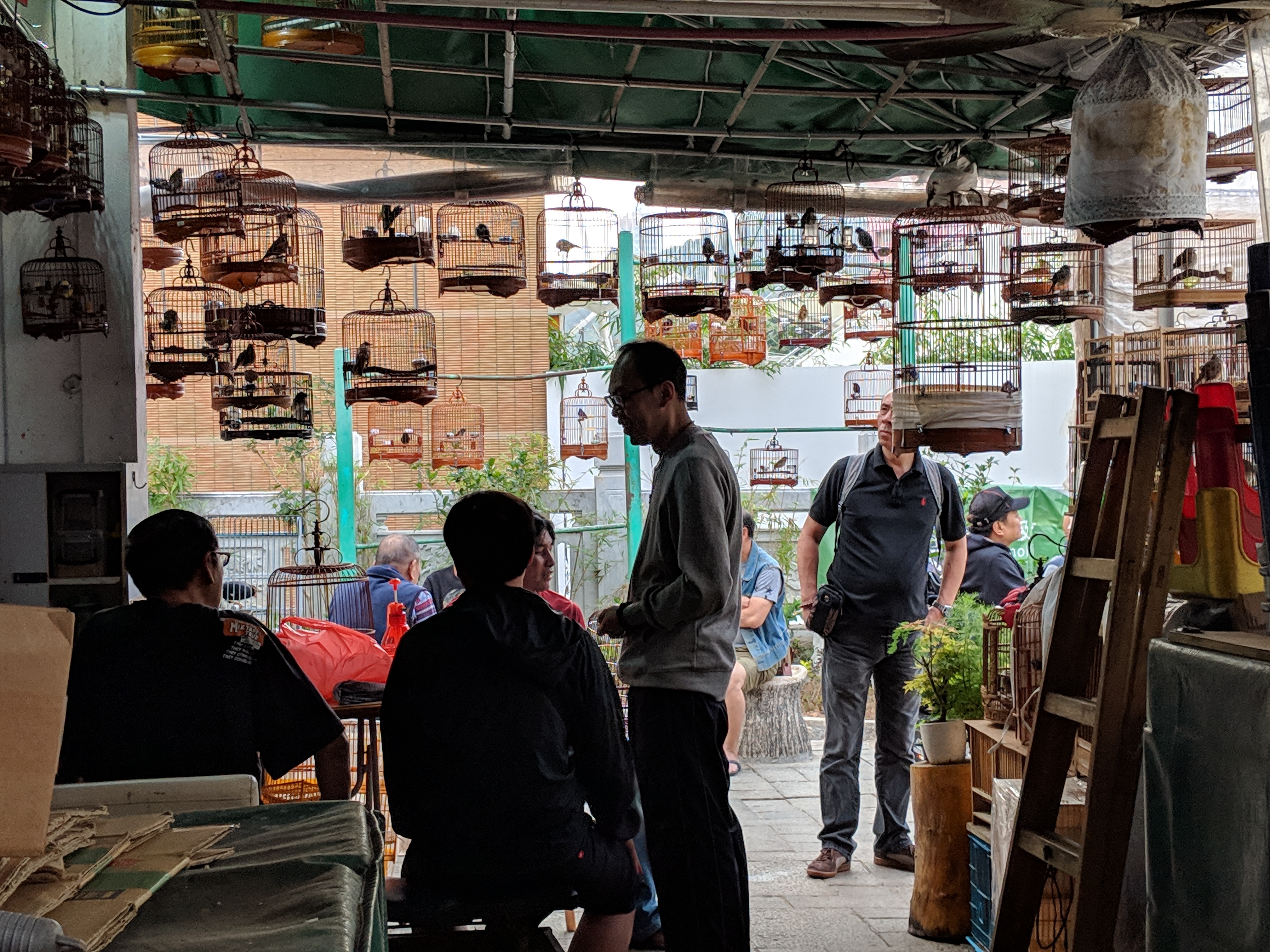

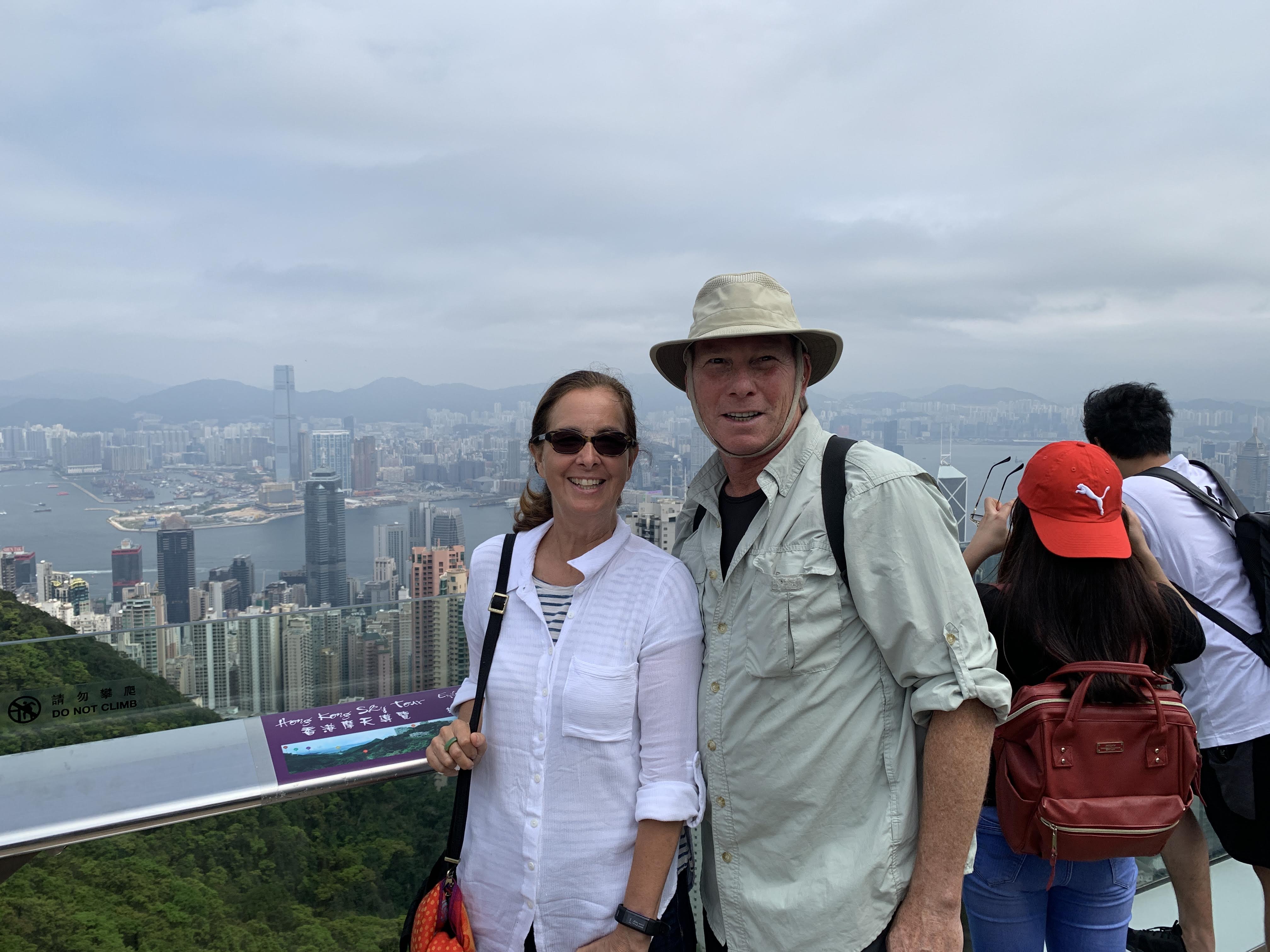

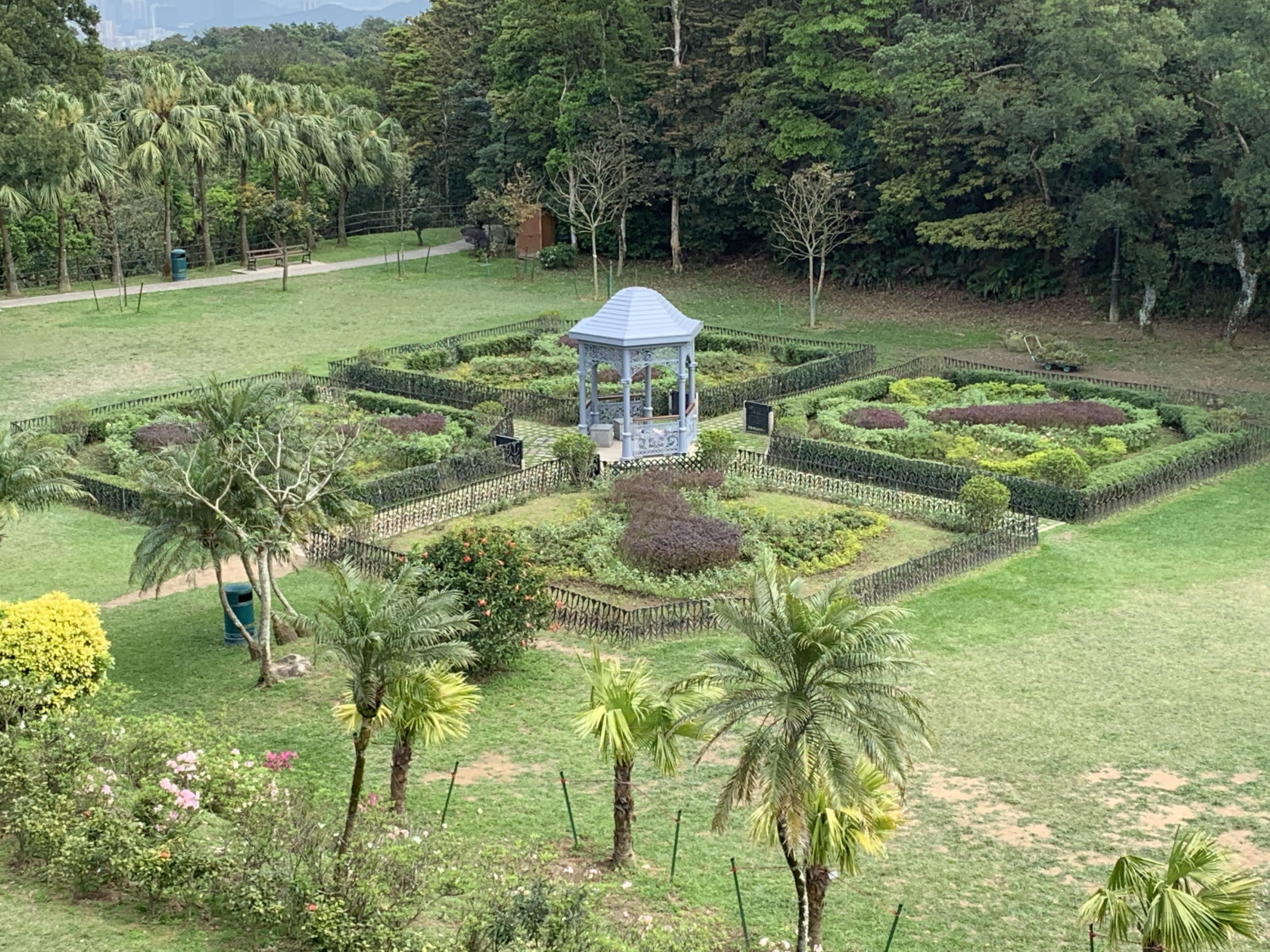
 Jo & Eric's travels