
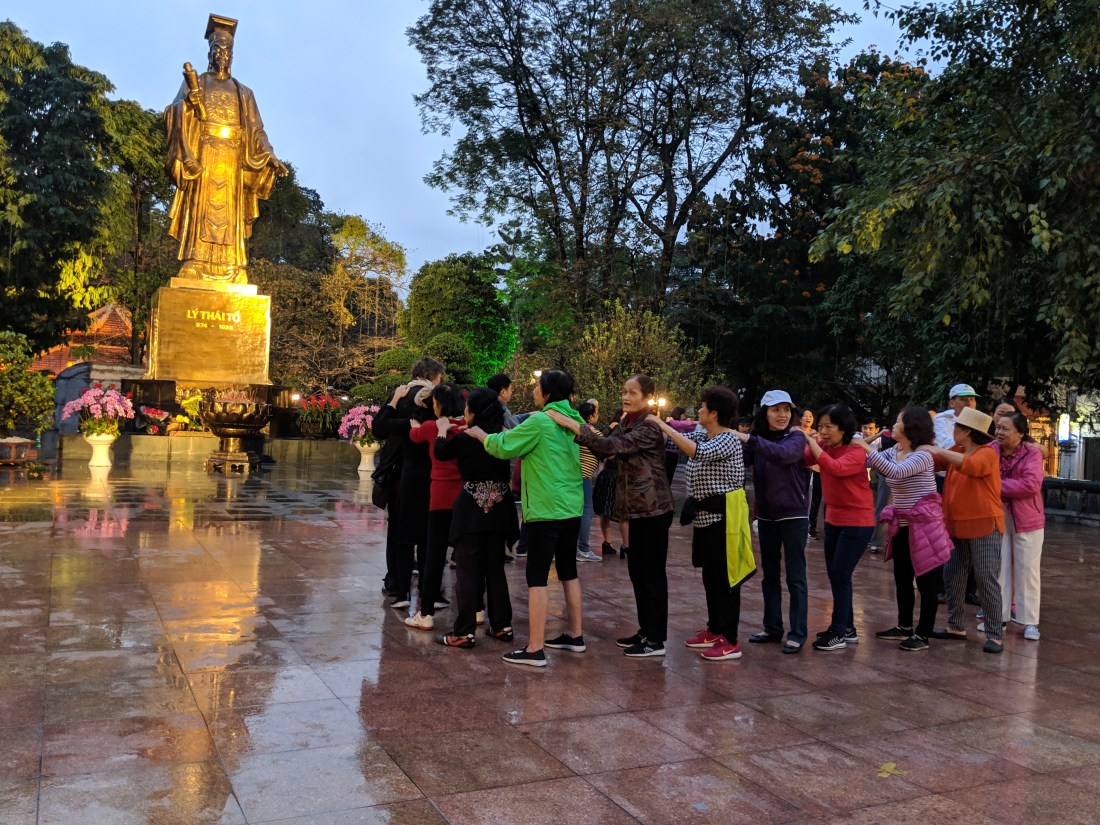
We arrived back to Hanoi from Sapa at 5:30 am. We strolled around Ho Hoan Kiem Lake where the locals were up exercising. The group below is practicing Laughing Yoga. I only wish I could post the video: hilarious! They are in a square in front of a statue of Ly Thai To, who was the founder of Hanoi in 1010, more about him in Ninh Binh.
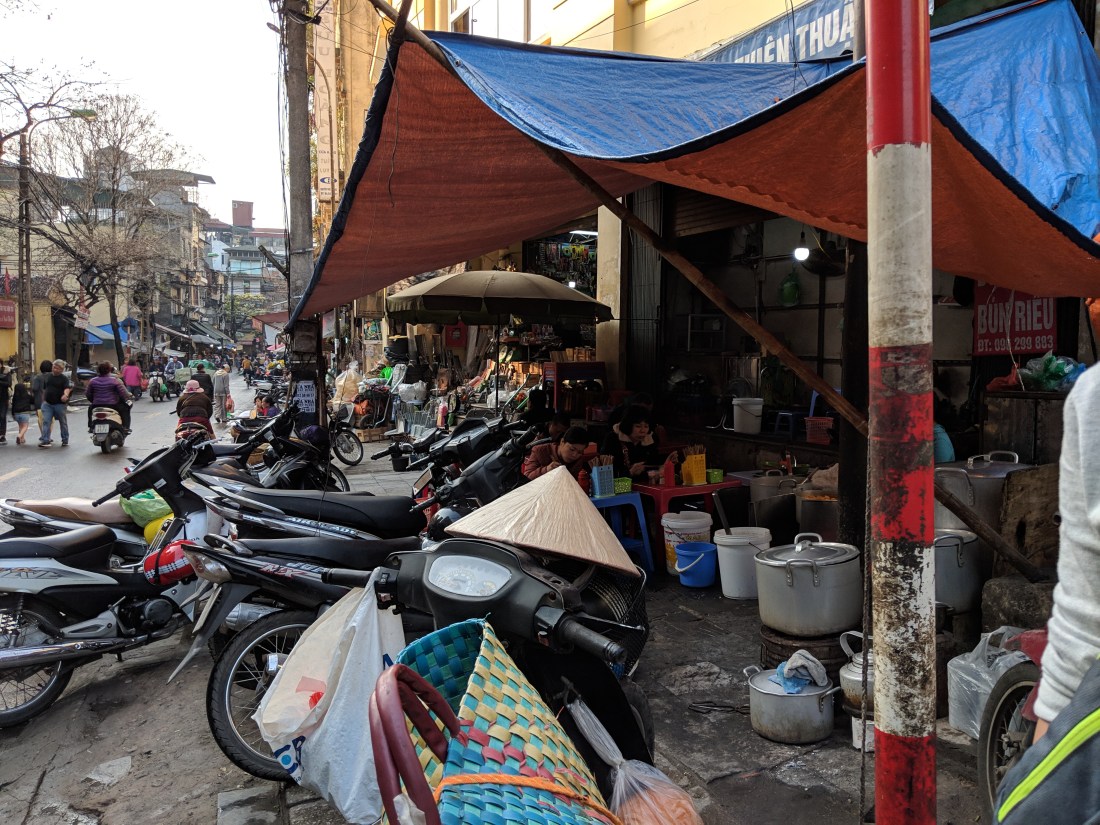
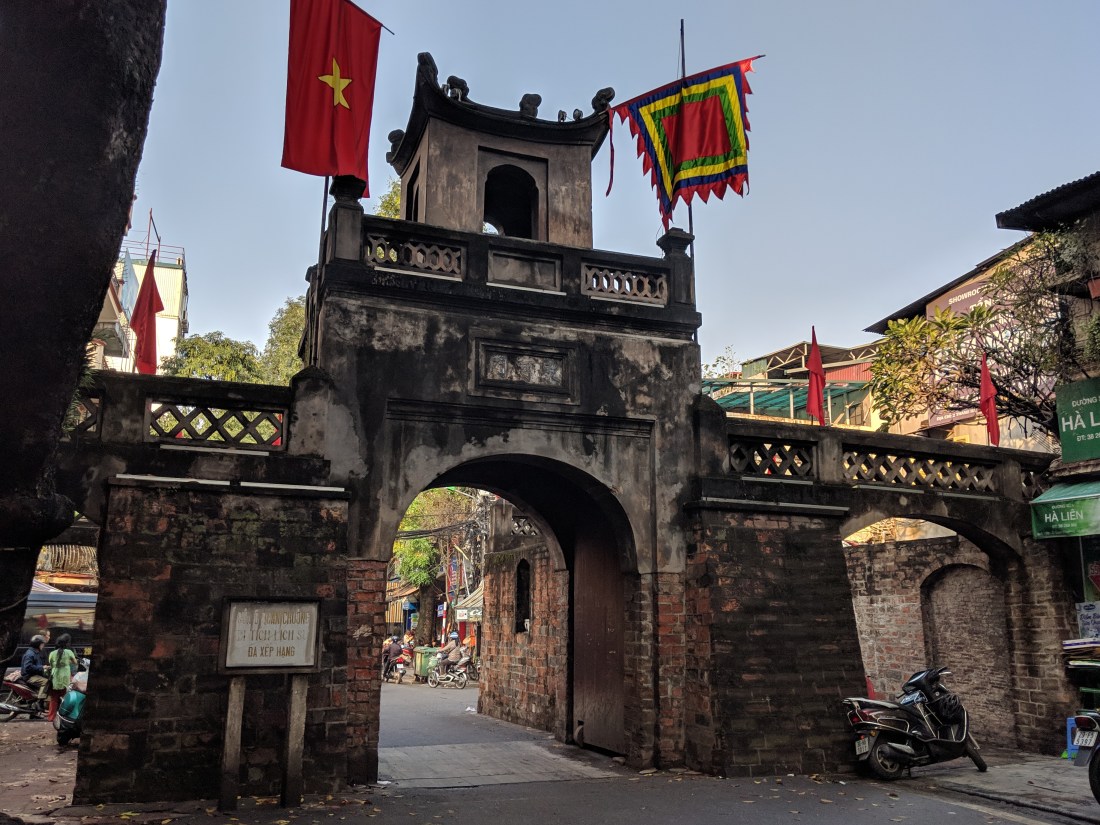
We toured the Old Quarter, which is basically a huge market but with stores in buildings along streets instead of just stalls. The street used to be divided, and named, for the their specific trade or manufacturing, like Silver Street and Silk Street. Some now still have specific items like hardware or bakeries or medicinal herbs, but the name of the street does not necessarily correlate with the goods sold anymore. And some now are a combination of useful items like clothes and touristy souvenirs.


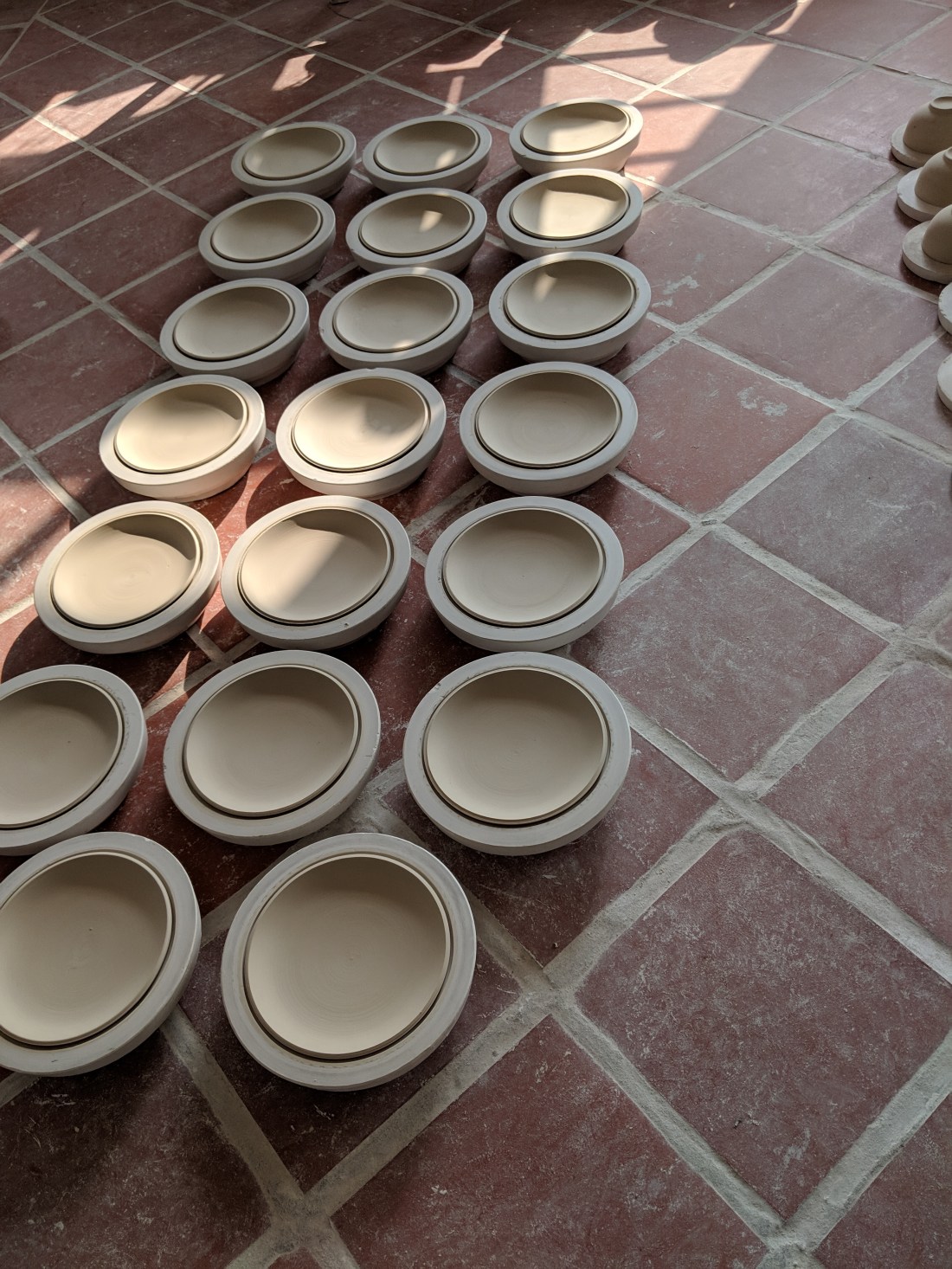
We then took a drive out to a neighboring town, Bat Trang Pottery village, to see how ceramics are made. Ceramics have always been a huge part of Vietnamese trade. Historically they had been hand made on wheels, but today almost, all except the huge ones, are made in molds. But at the better factories, they are still hand painted.


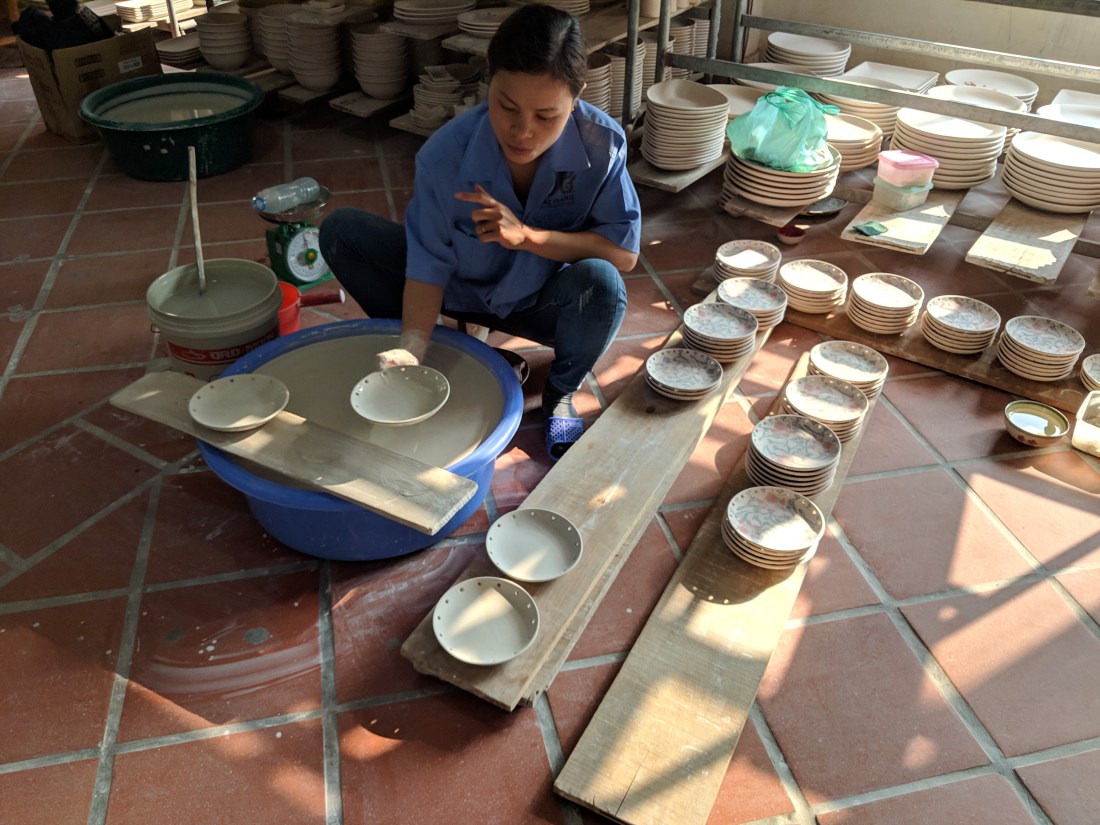

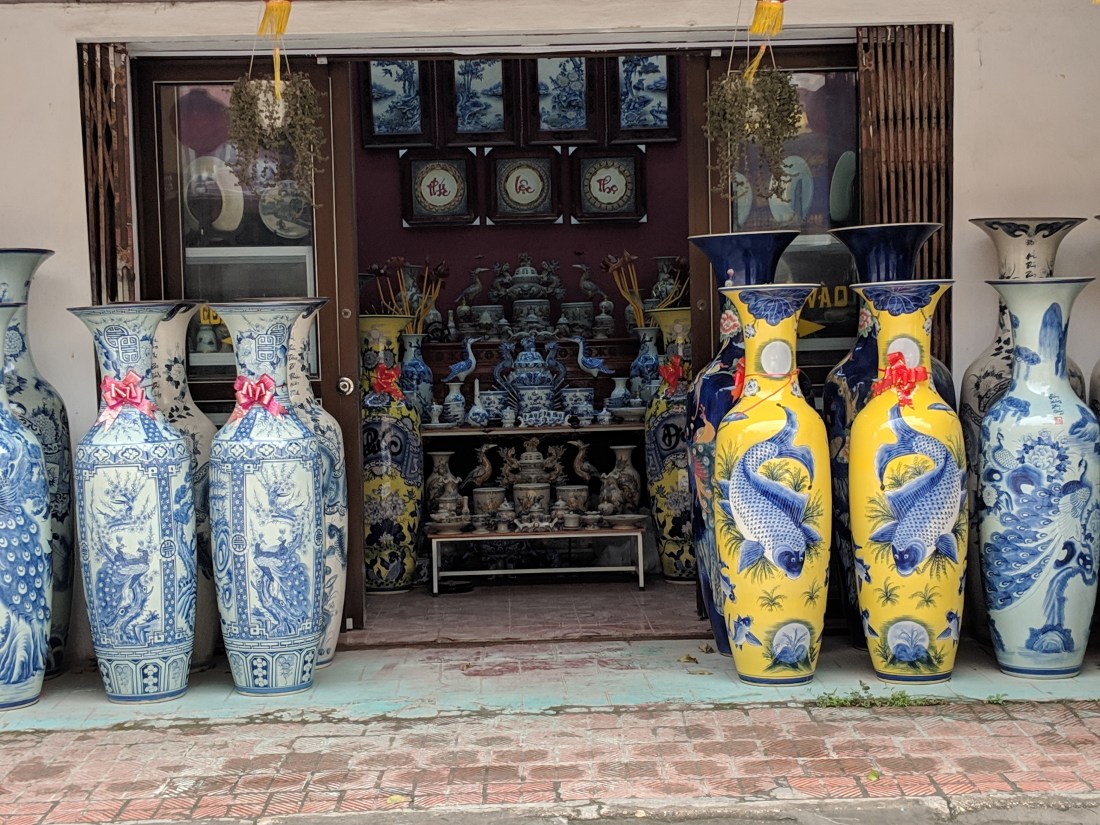
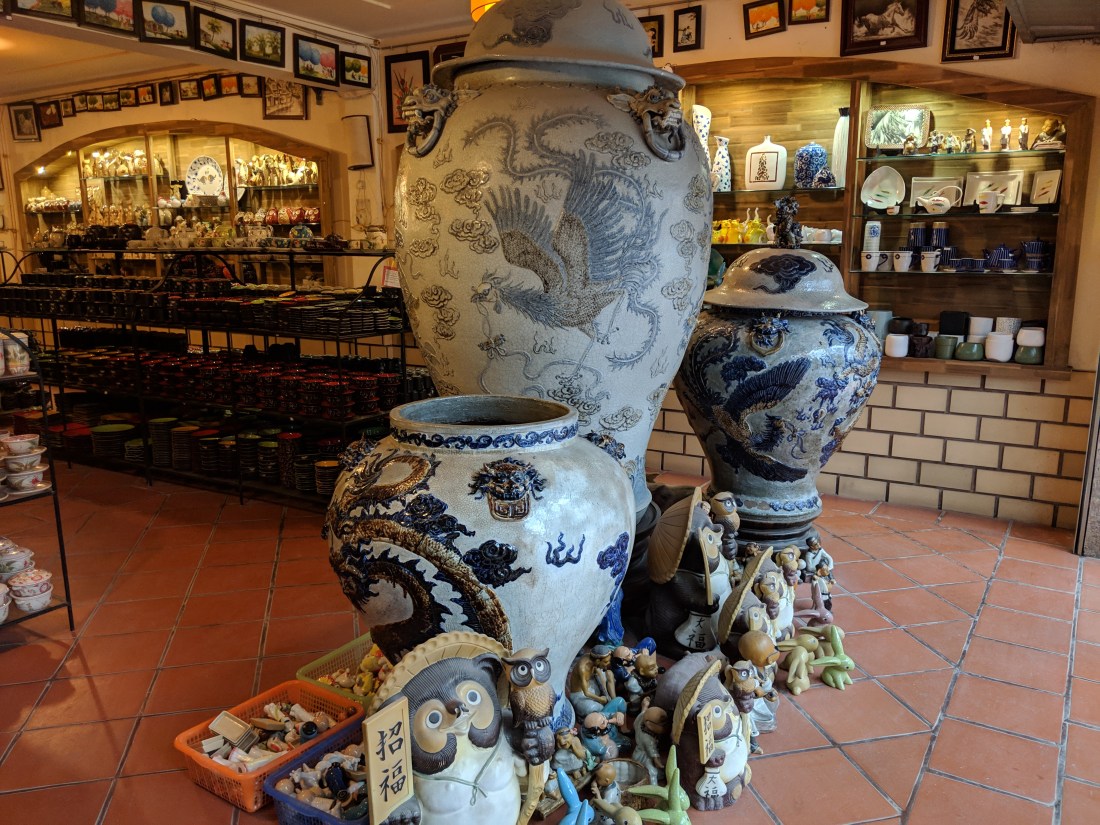
We then went back to Hanoi to visit the Museum of Fine Arts. But we were unimpressed with the museum, and I was feeling feverish, so we had a quick lunch, then went back to our hotel for a well needed rest.
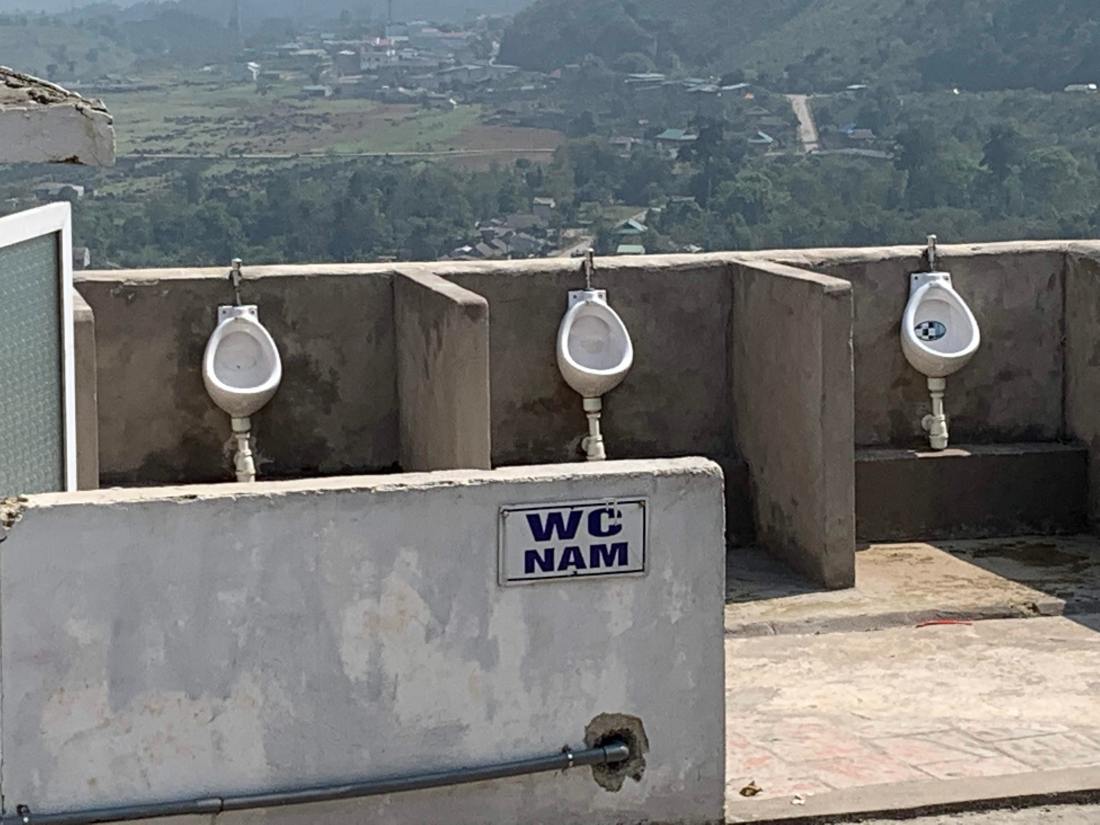
The next morning we travelled to Mai Chau. Along the way we stopped at the Thung Khe Pass. Our driver treated us to a local treat: sticky rice mashed into a sweet paste, steamed inside a bamboo pole, then you peel back the bamboo and dip the hot stick of paste into a combination of salt and crushed peanuts.
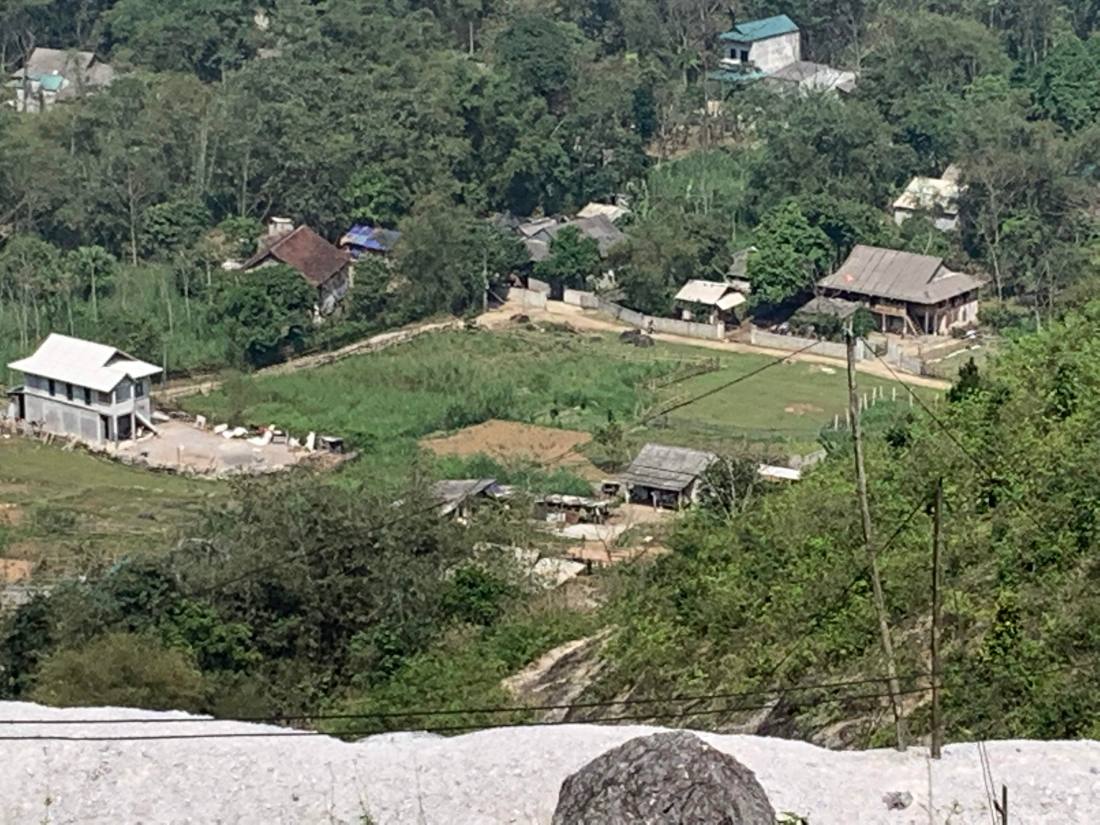

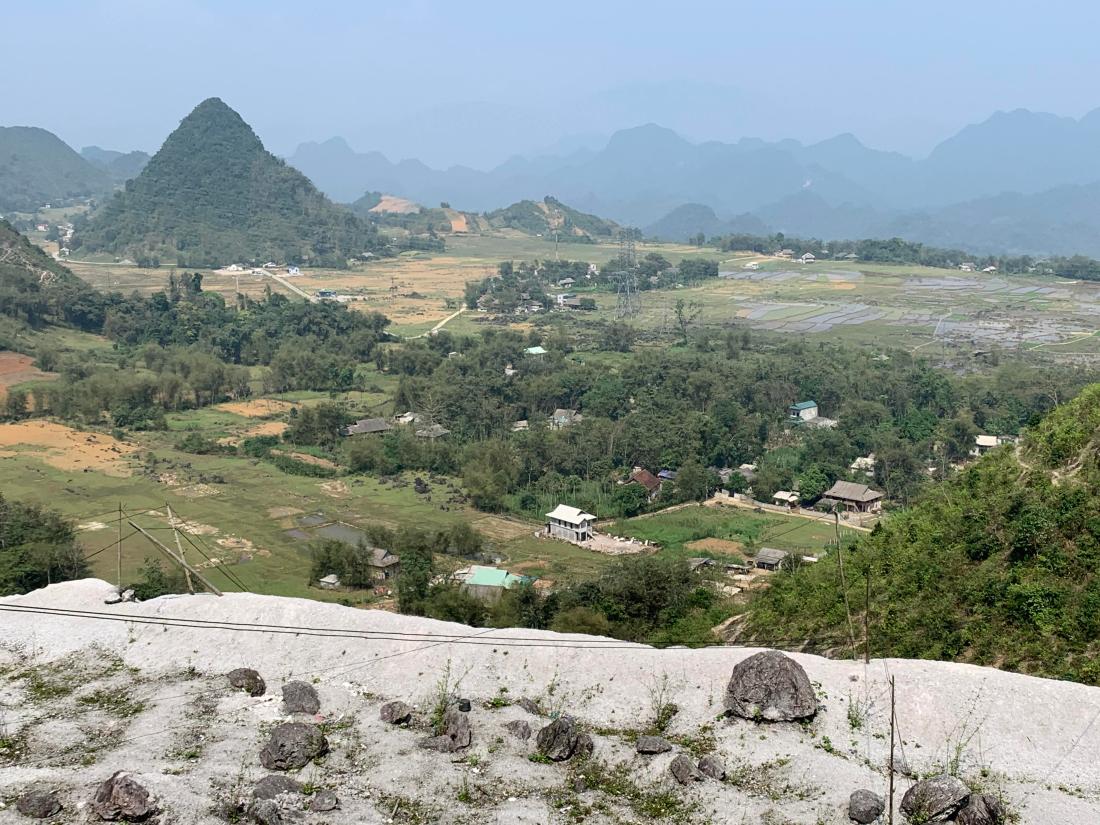
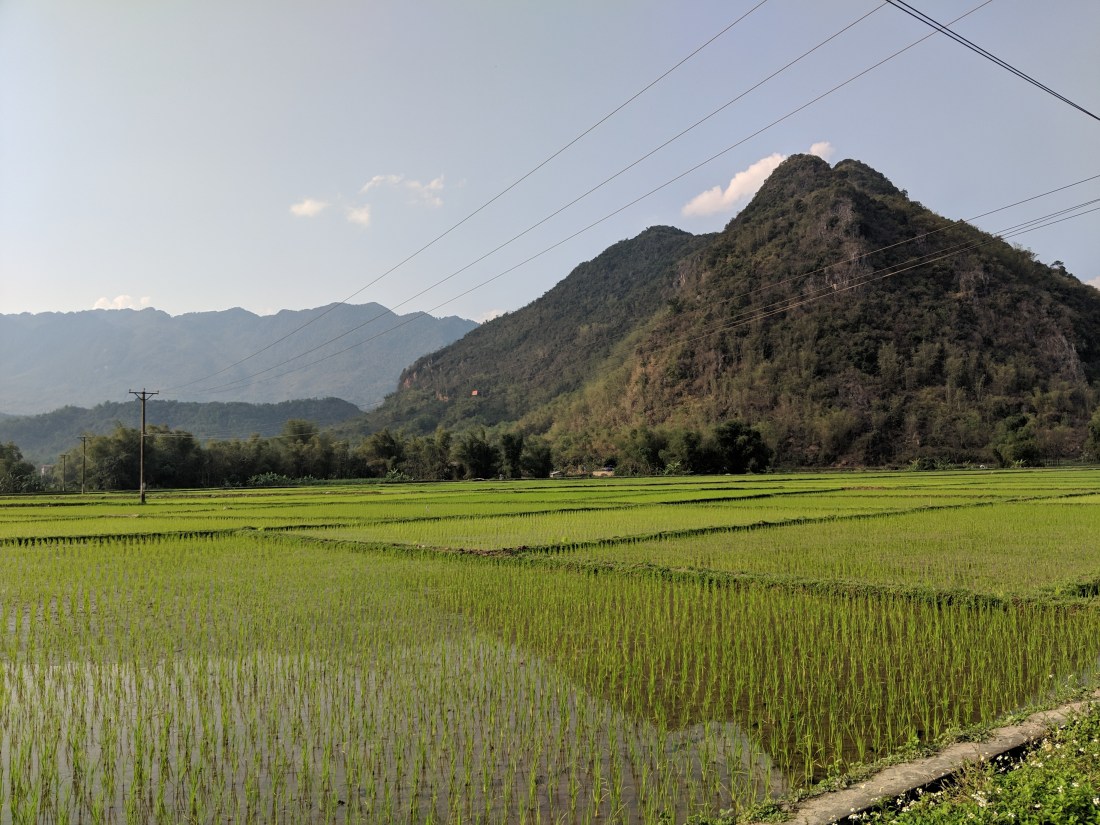
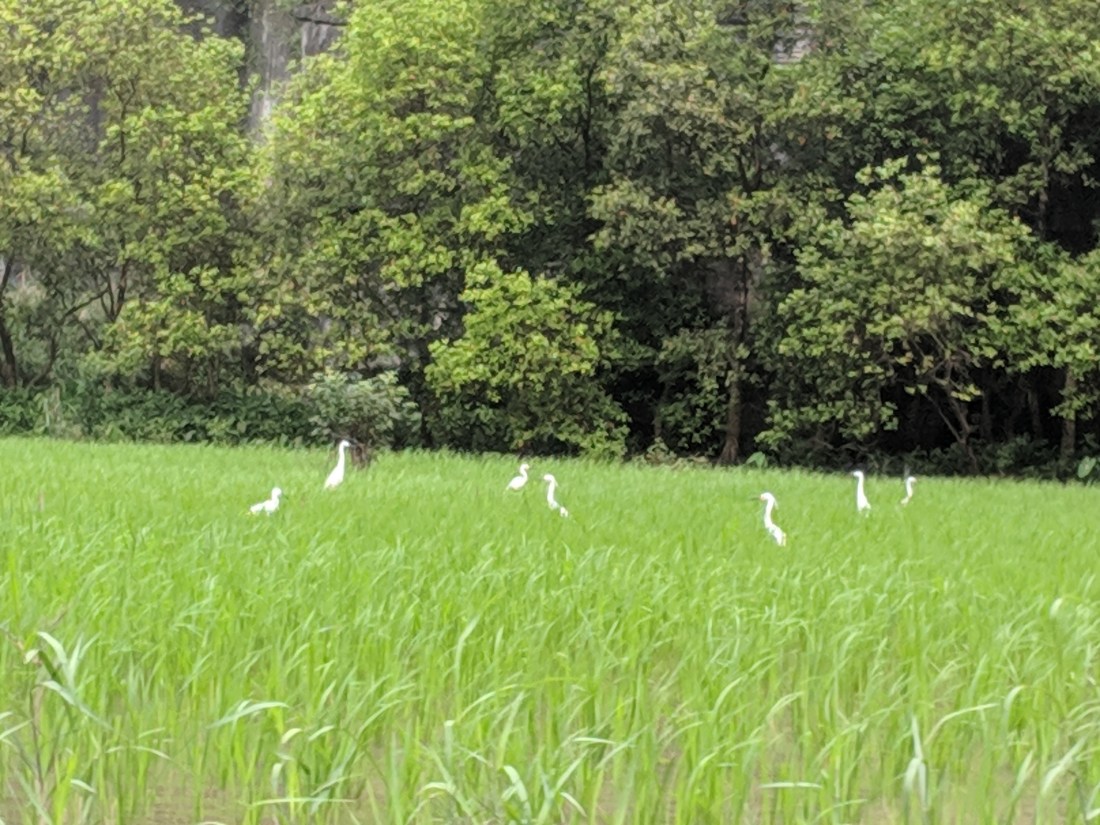
When we reached Mai Chau, I realized that this place is how my mind’s eye pictured Vietnam: rice paddies and gardens surrounded by villages with mountains in the backdrop. I loved this town! For the next 2 days we bicycled everywhere.
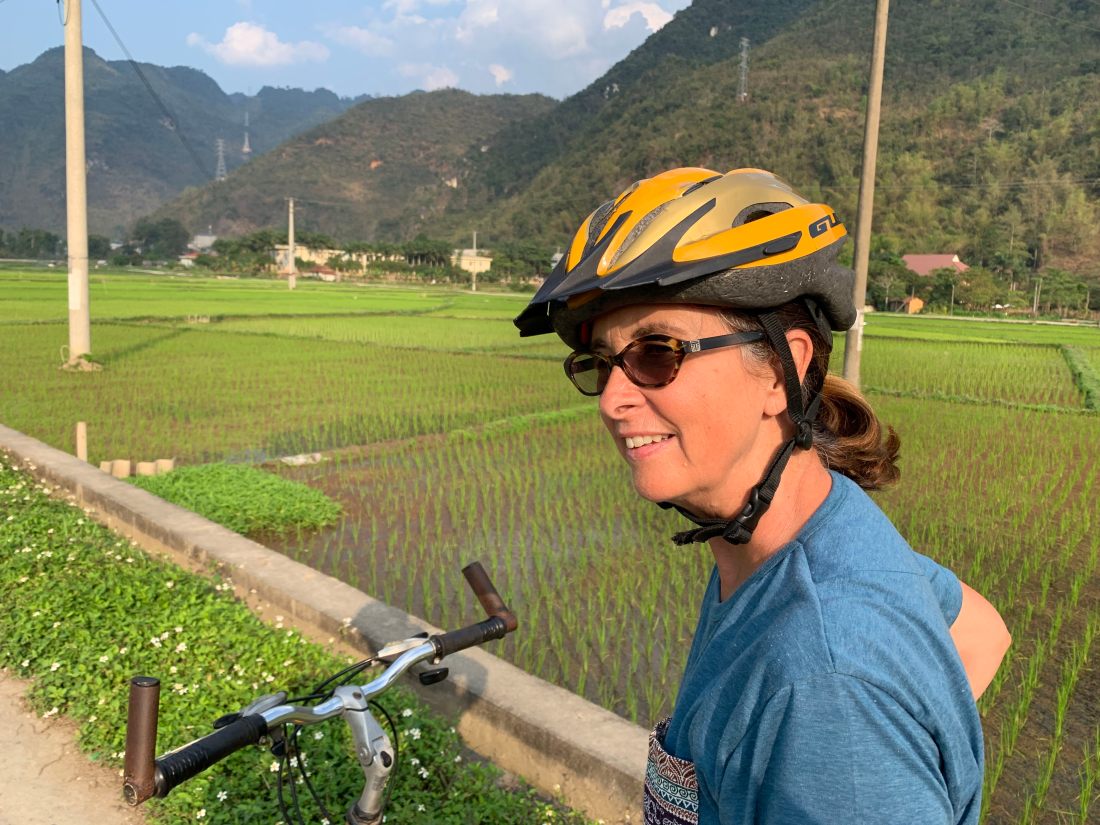
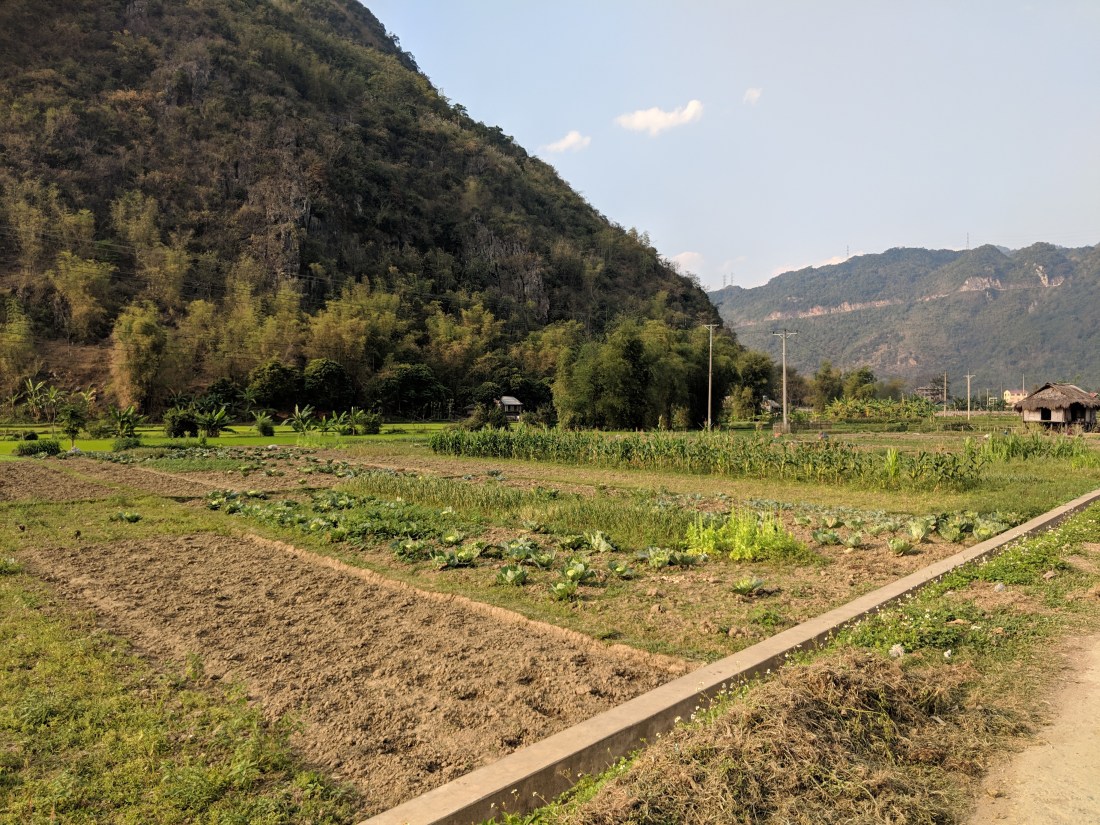
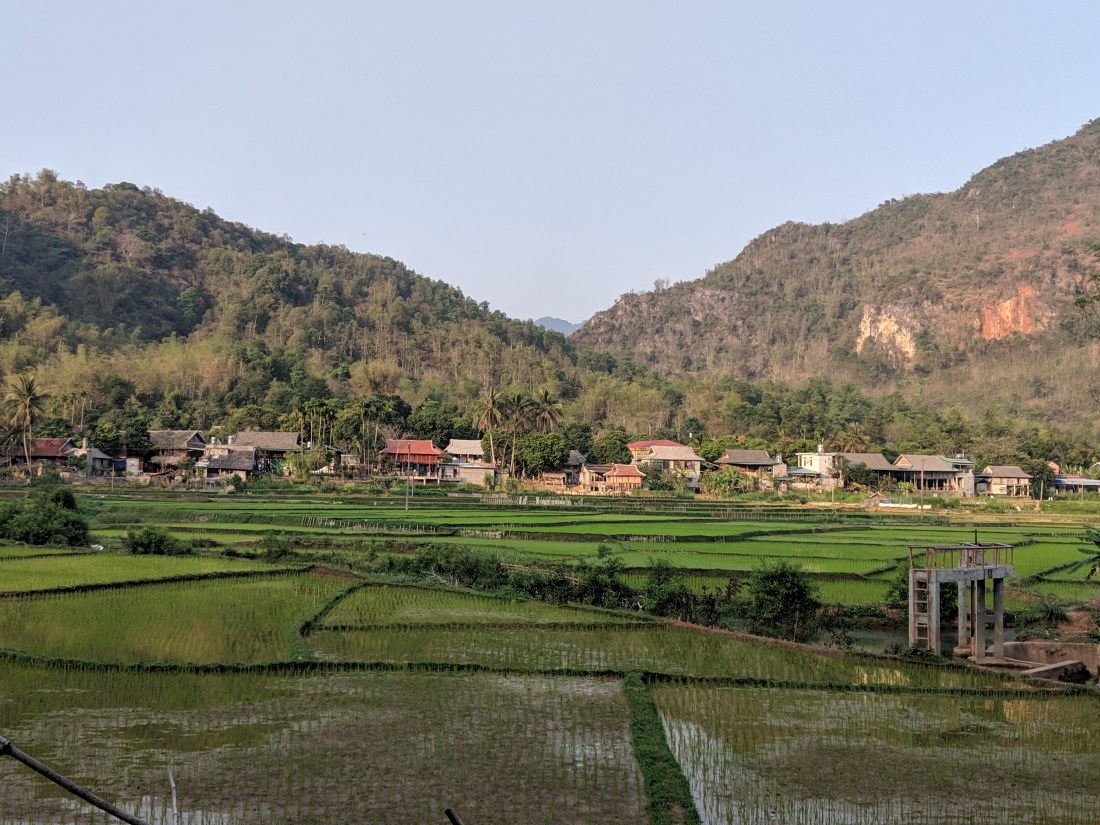
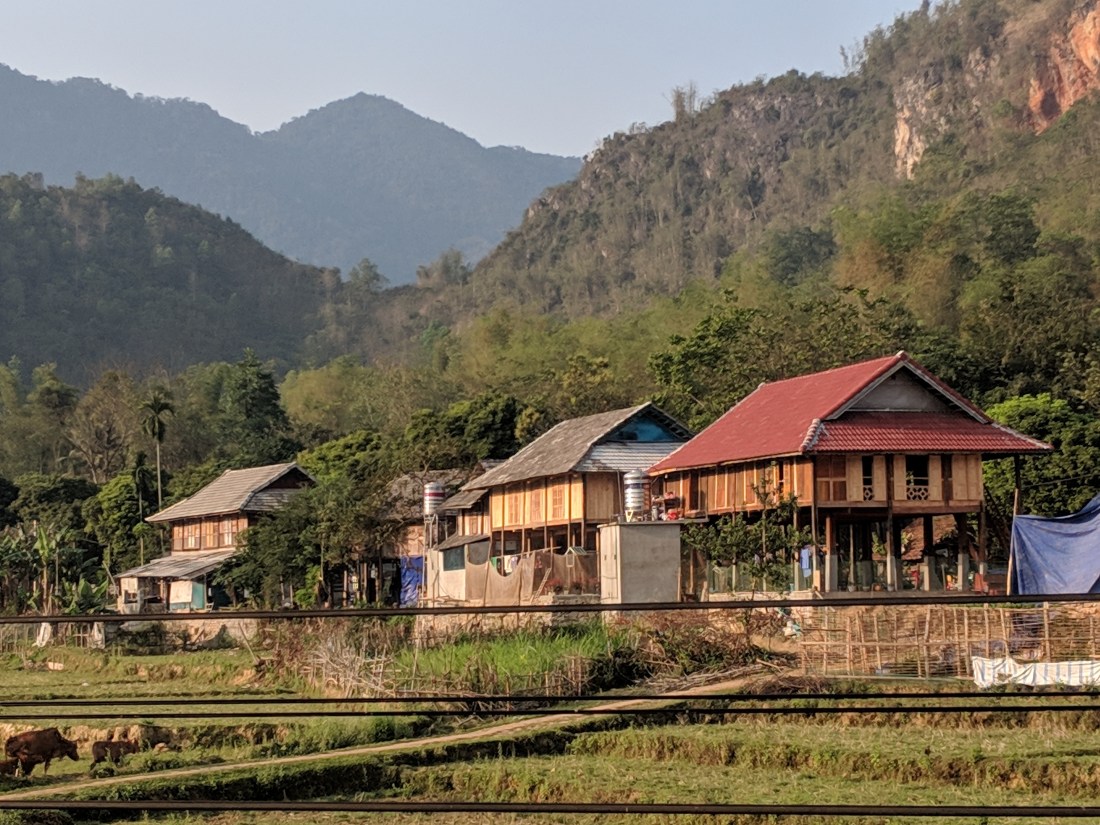
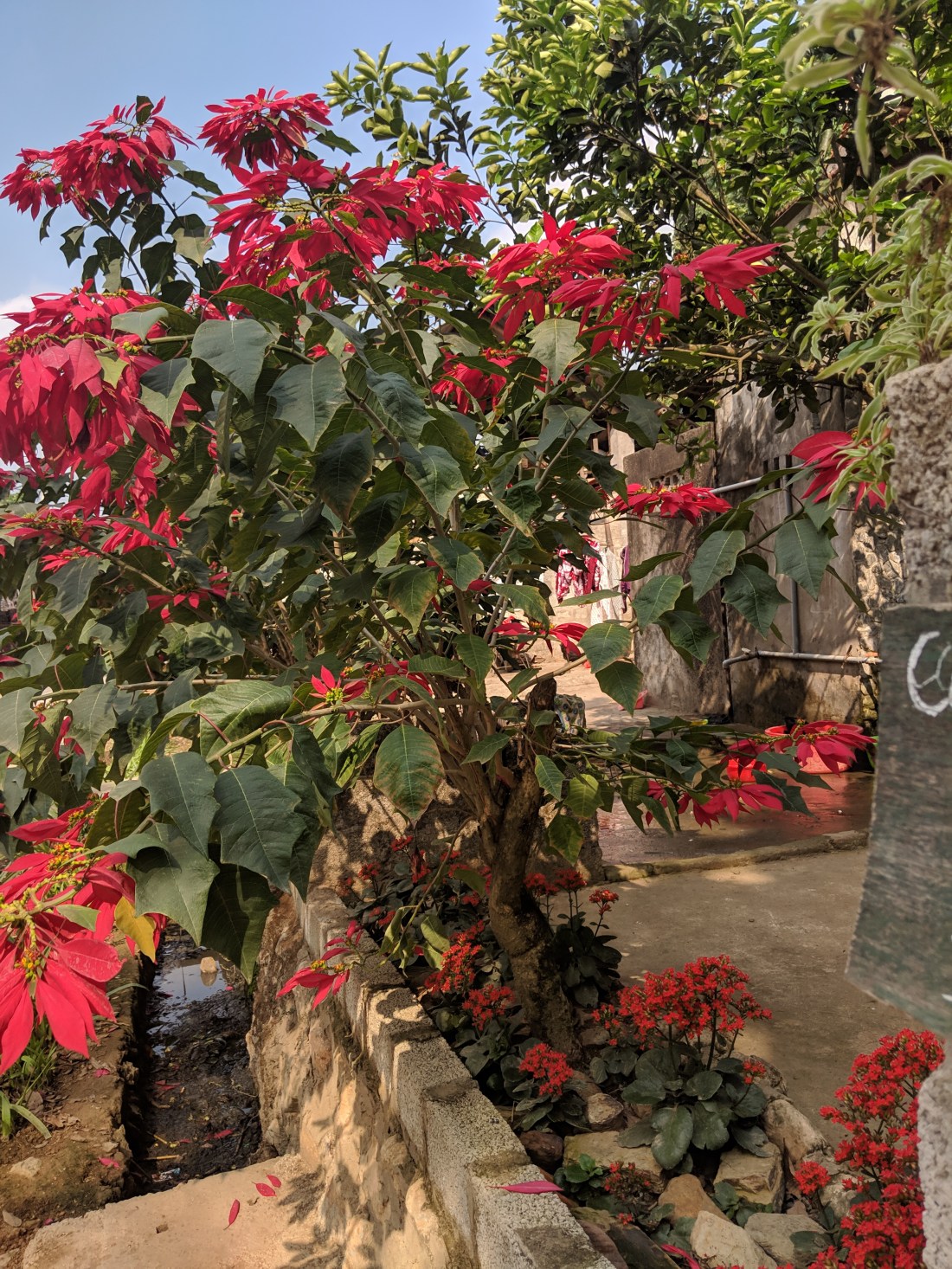

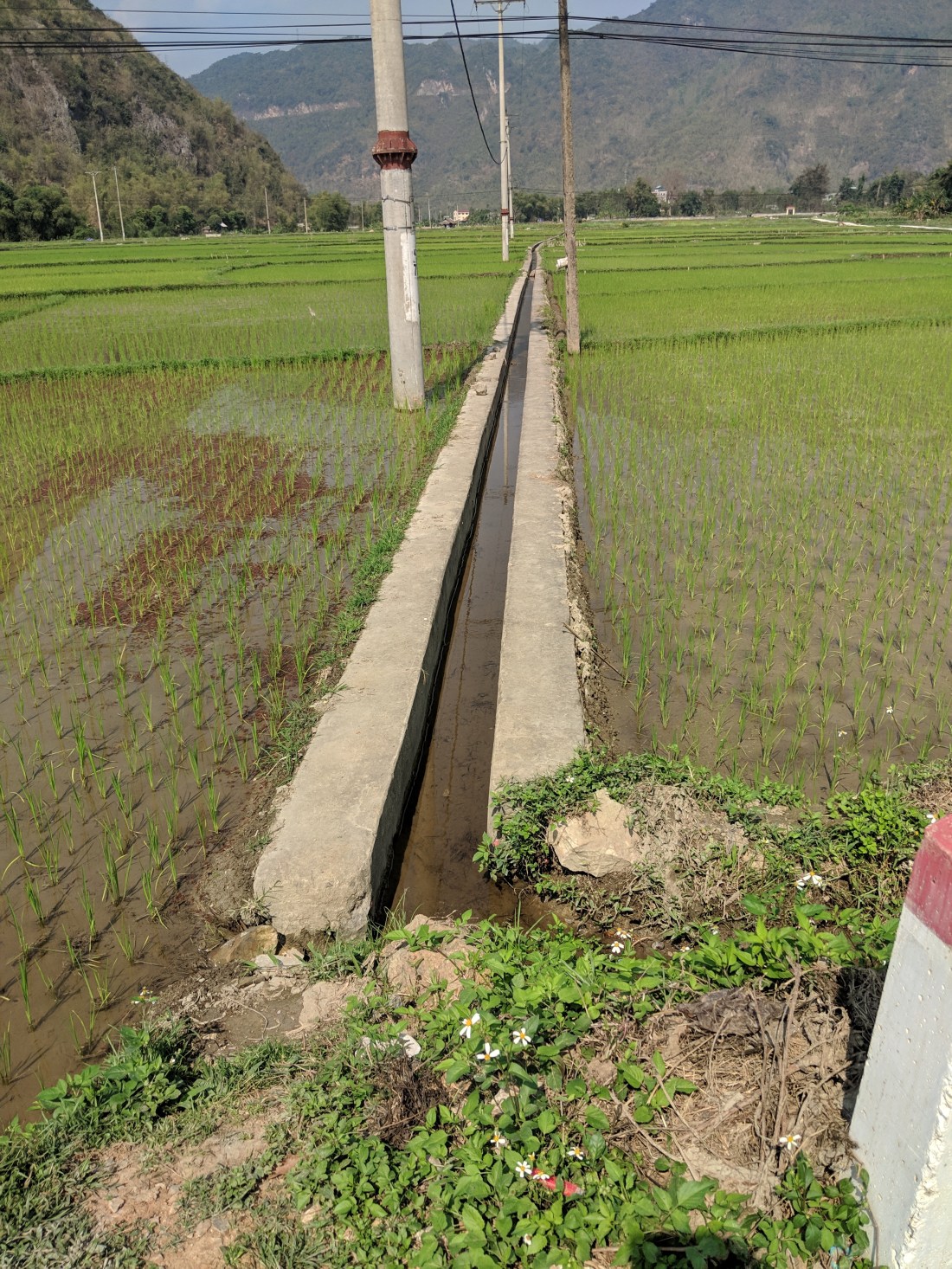
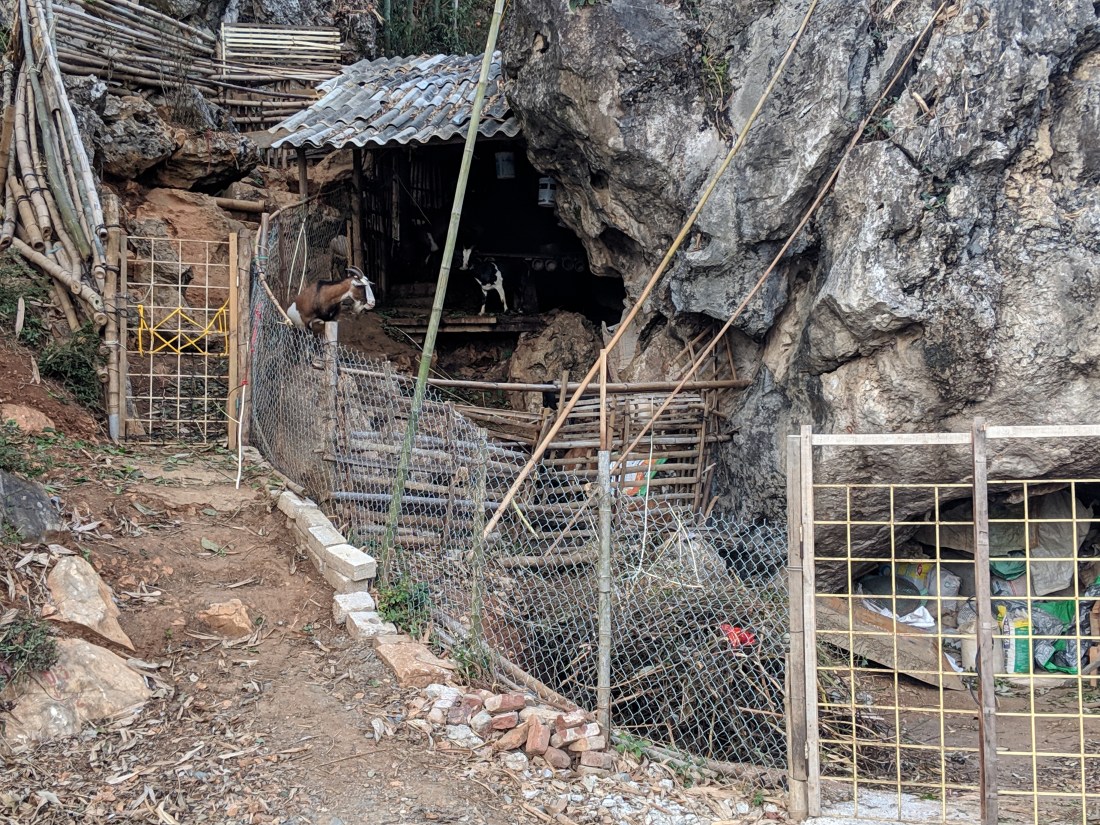
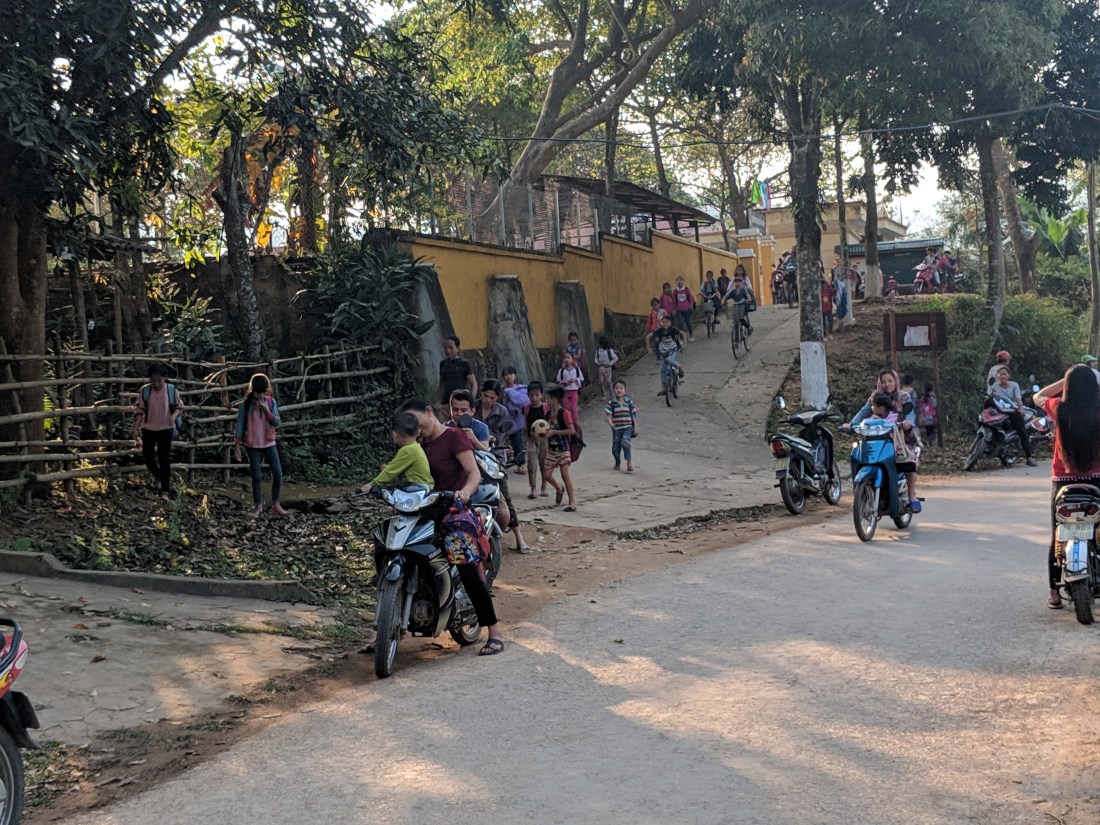
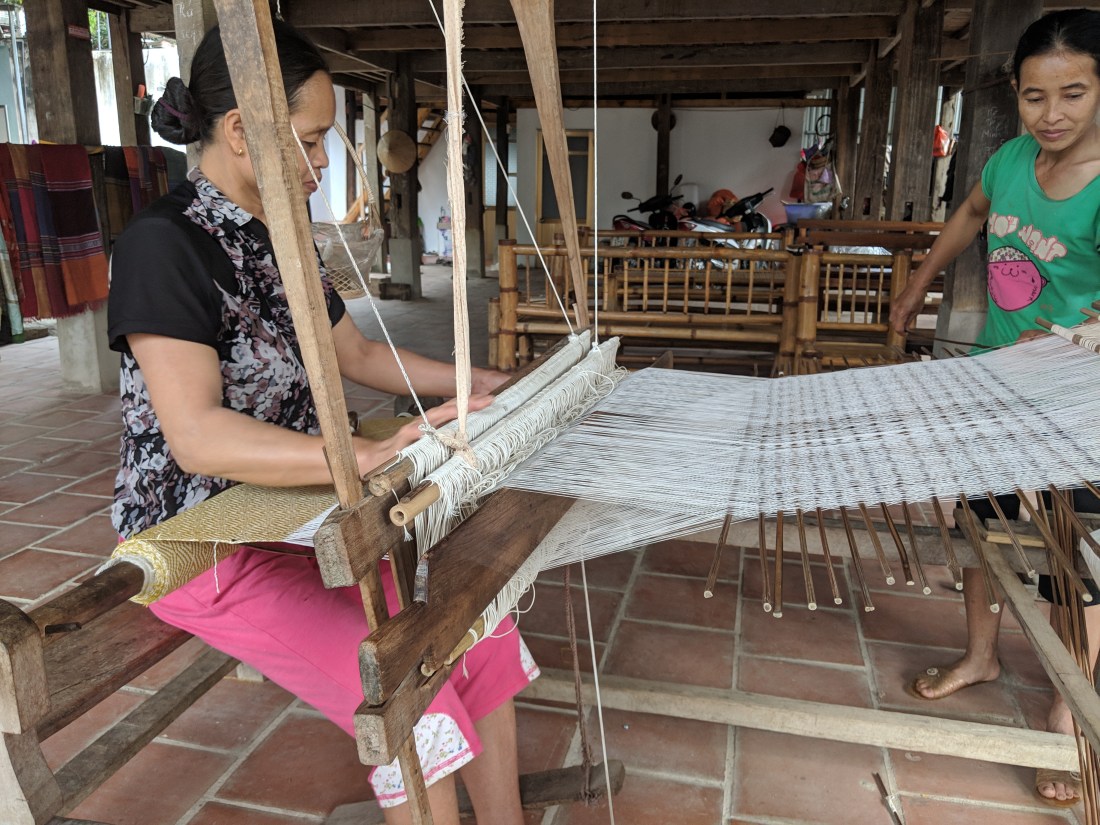
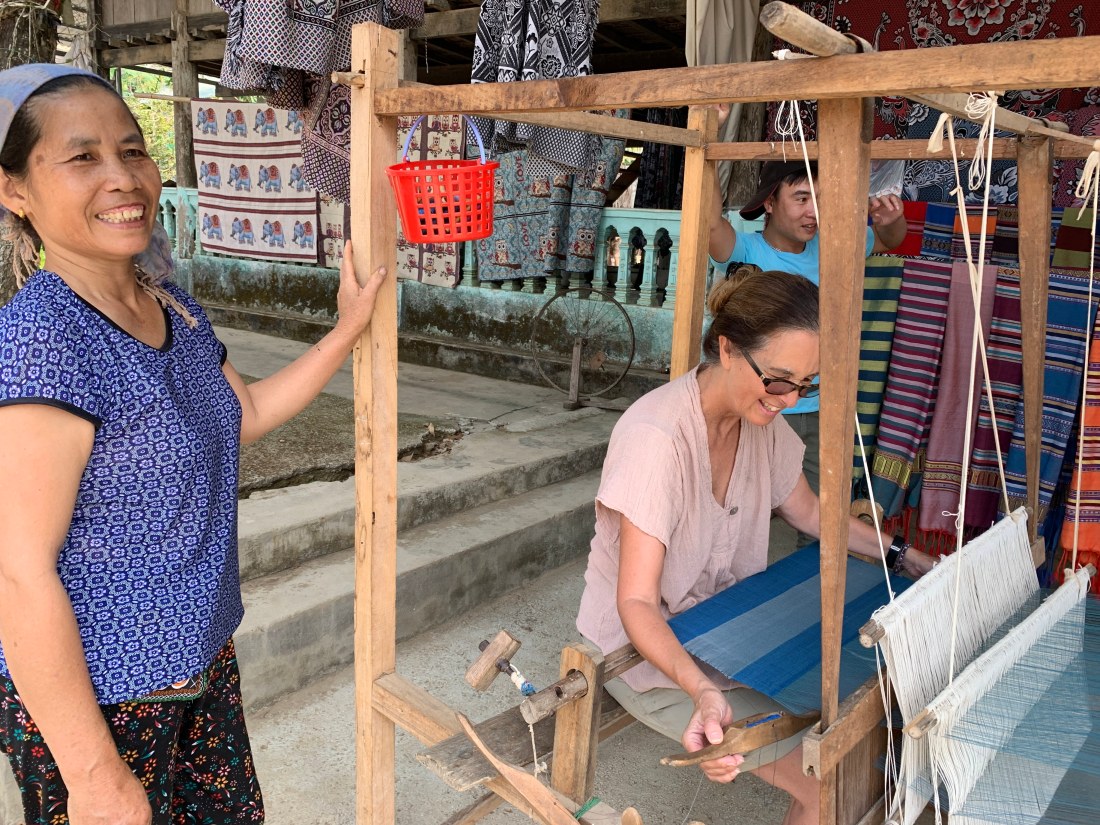
The local villages were all Tai, mostly White Tai. They specialize in weaving cotton and some silk. In Lac the local ladies were extremely friendly and happy to give us not only a weaving lesson, but a chance to try weaving for ourselves.

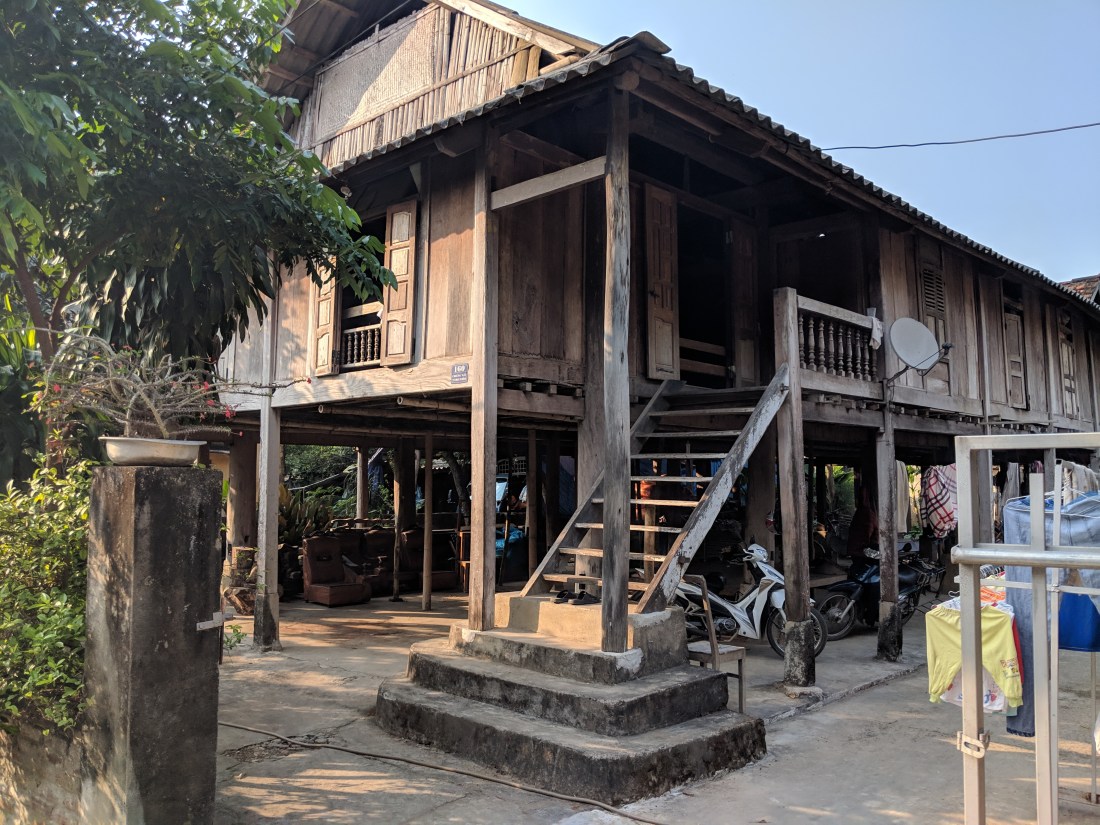
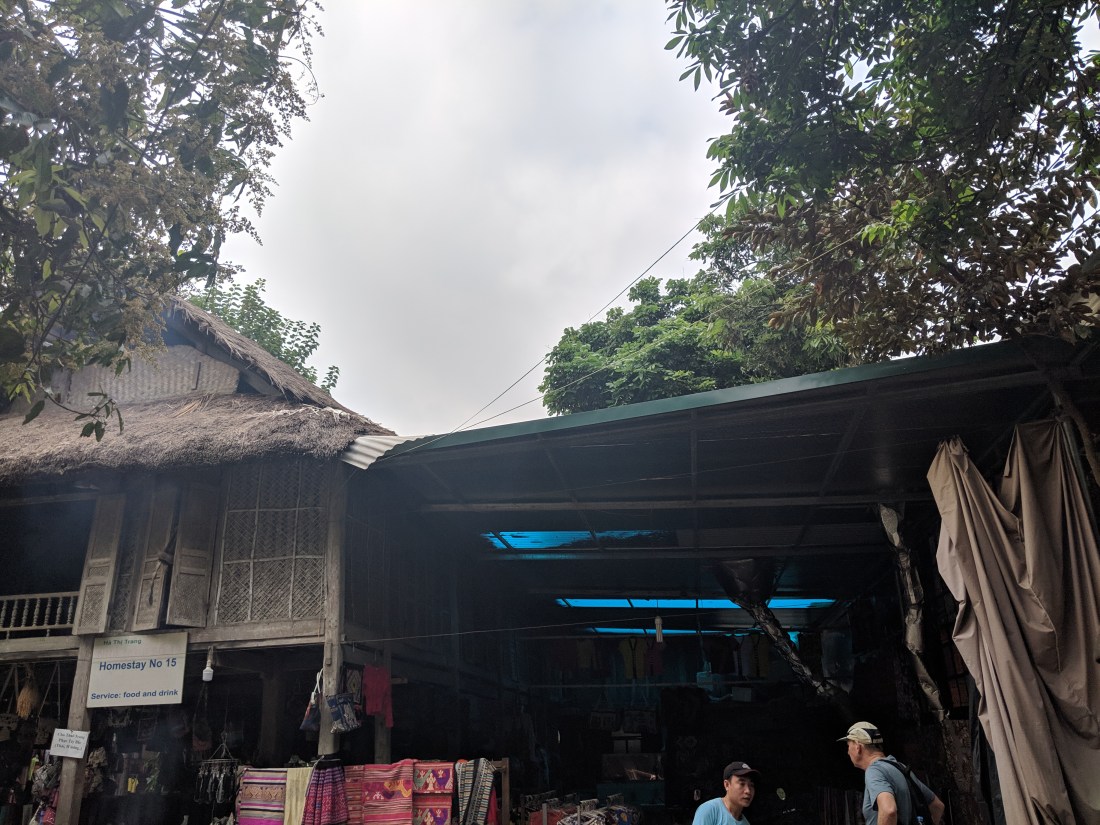
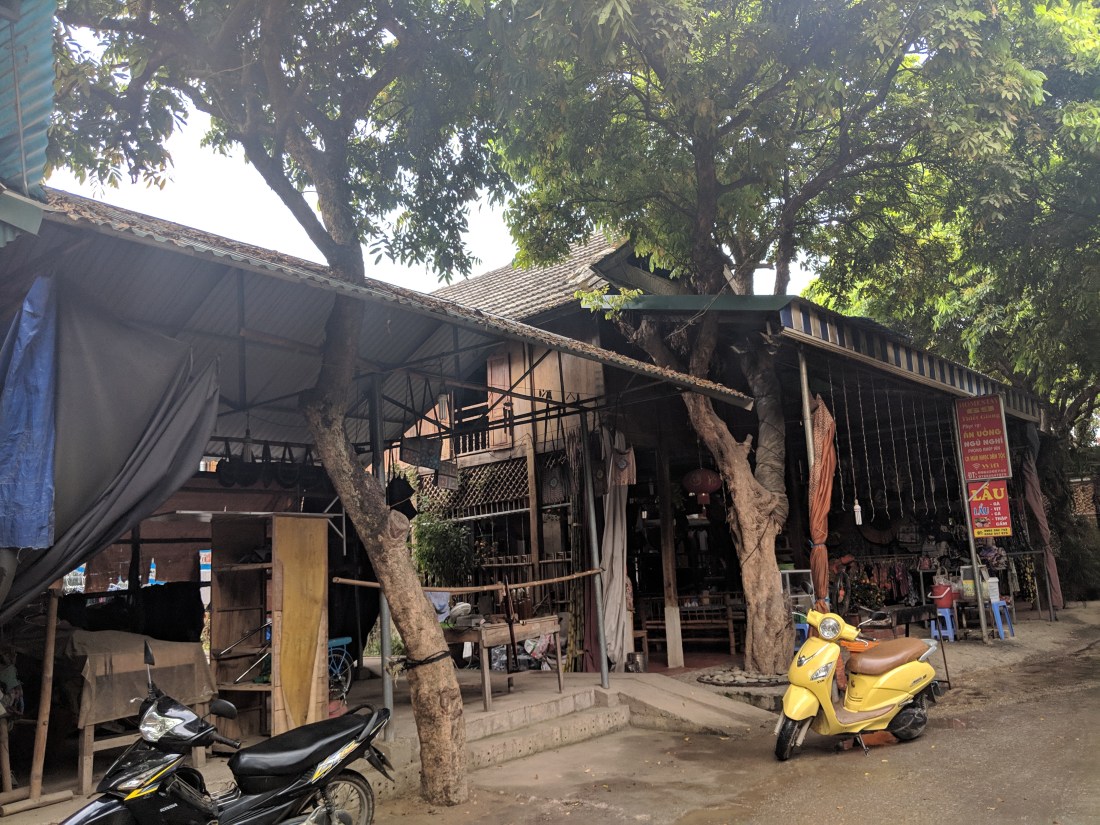
Their homes are all raised on stilts. Originally it was not for flooding, as we presumed, but to keep out wild animals, mostly tigers, which are now extinct in the area. Later they used the bottom floor for domestic farm animals and chickens. But now, with increased wealth, much of it from tourism, they felt the animal smell was awful. They still raise their homes, but most use the ground floor as either a shop, or, if they are a homestay, as the dining room for guests. But trees are sacrosanct for the shade provided, so the home/shop is built around them.

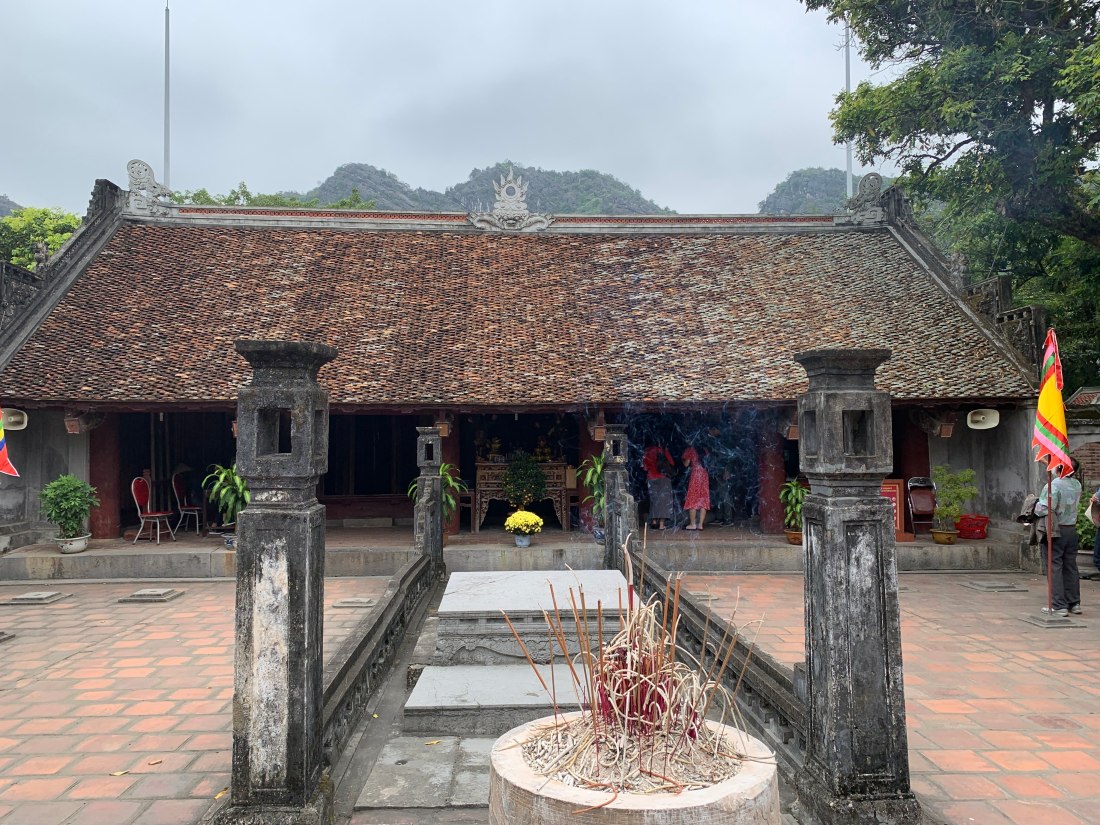
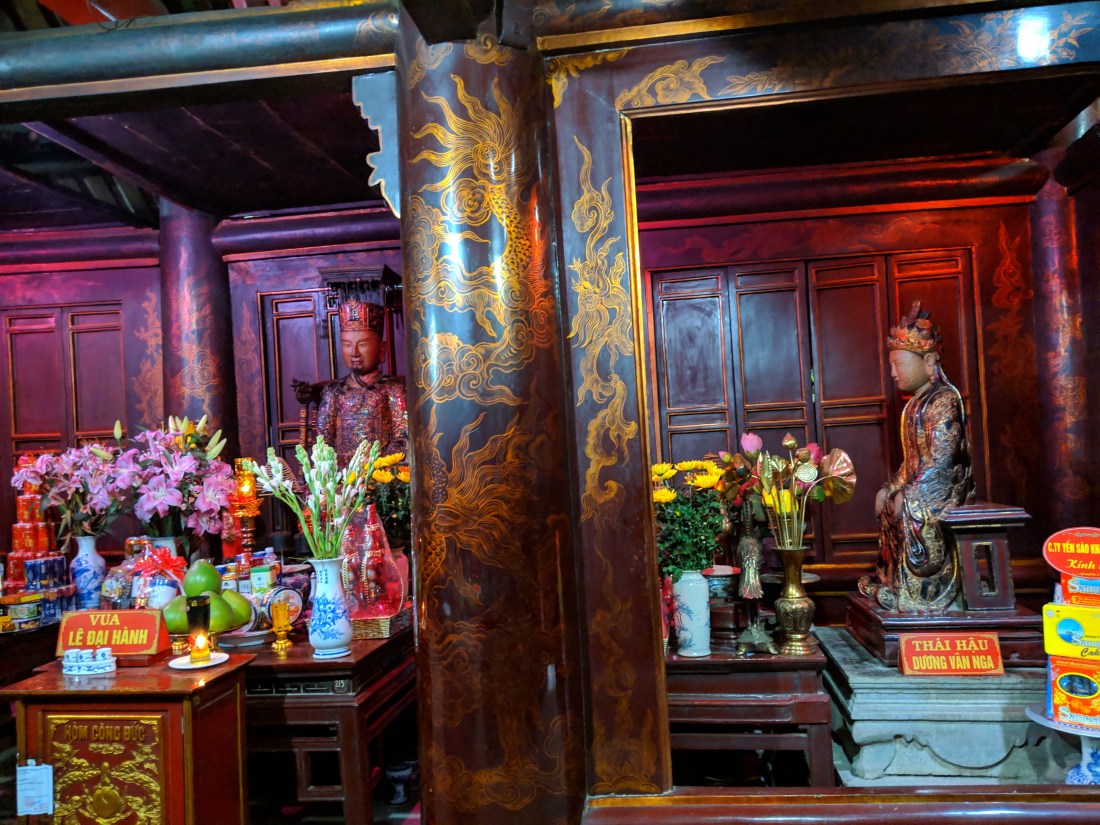
Sadly, it was time to move on from Mai Chau. We drove over the mountain-pass to Ninh Binh, which was the first capital of Vietnam. We visited temples built in the 17th century to worship the founding fathers of Vietnam: Emperor Dinh and his successor Emperor Le. Dinh was born in the Ninh Binh province and had shown himself from an early age to be a brave warrior, a talented politician, and a natural leader. He led the Viet people in their first successful secession from the ruling Han Dynasty after nearly 900 years of Chinese occupation. In 968 Vietnam was for the first time in almost a millennium a united and independent country. (Of note, only Northern Vietnam was included in the dynasty; at the time the south was under the rule of the Champs.) Dinh chose Hoa Lu as the site for his capitol because, having grown up there, he was familiar with the area in the Red River Delta that had the protection the large limestone mountains surrounding the flat valley below could afford the city. Unfortunately for Dinh, he was poisoned by one of his Mandarins, as was his first born 8 year old son. His favorite son, his 3rd of 3, who was 4 at the time, was murdered by his 6 year old brother so he could secure the throne. Their mother, realizing her son was too young and unstable to rule, married Le, who was then named the 2nd emperor of Vietnam. He ruled until 1009, when he was also killed. After much fighting, Emperor Ly rose to power and moved the capital to Hanoi in 1010. The Temple of Dinh was built by local residents on the site of the original citadel. They used feng shui principles in its design.
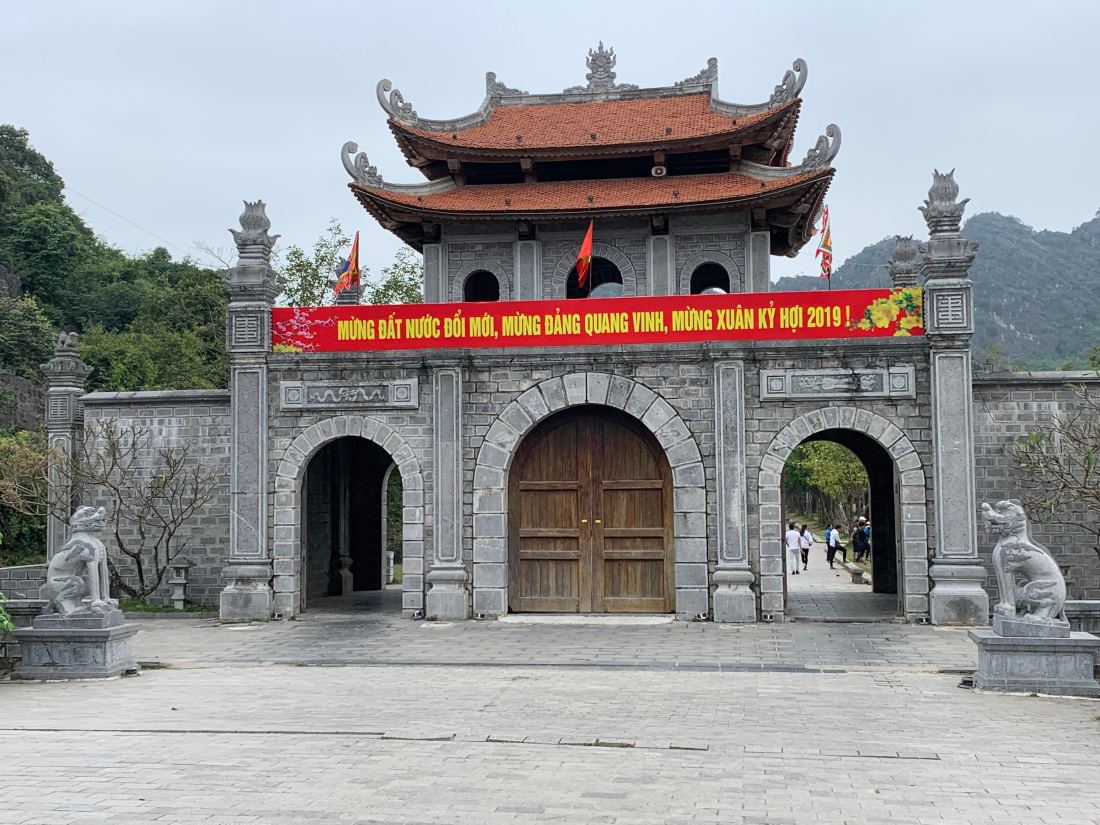
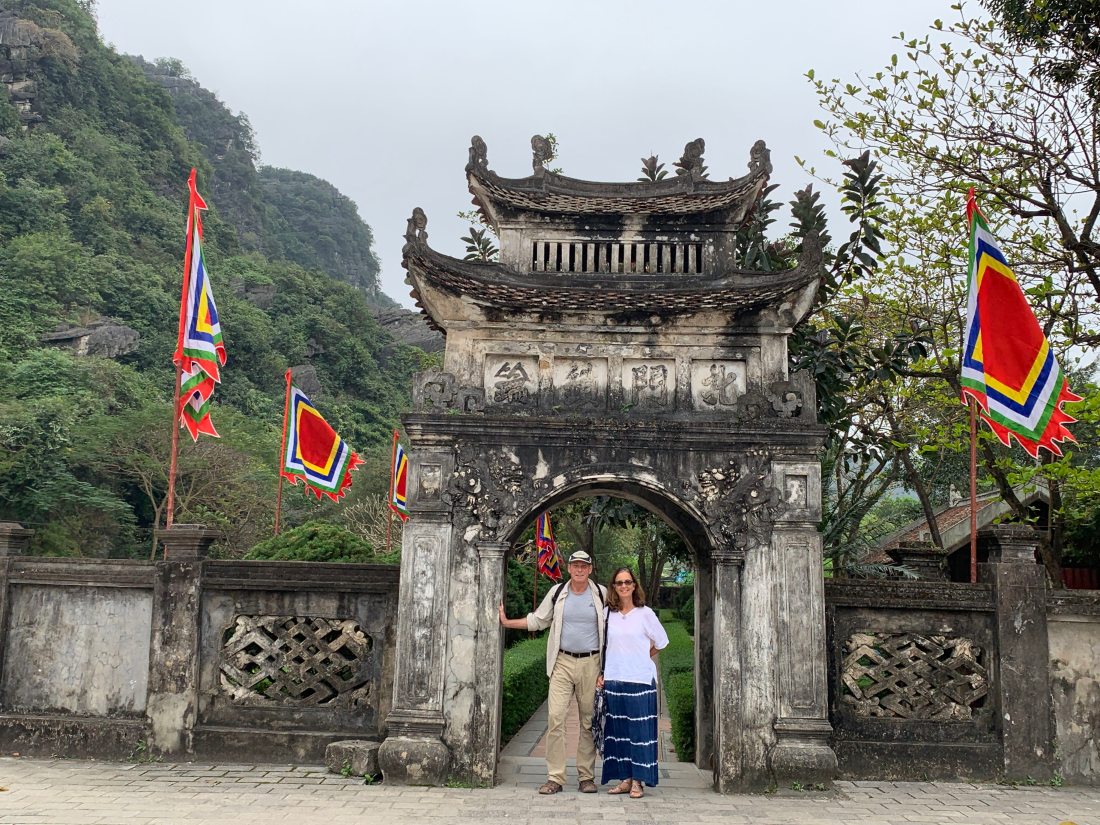
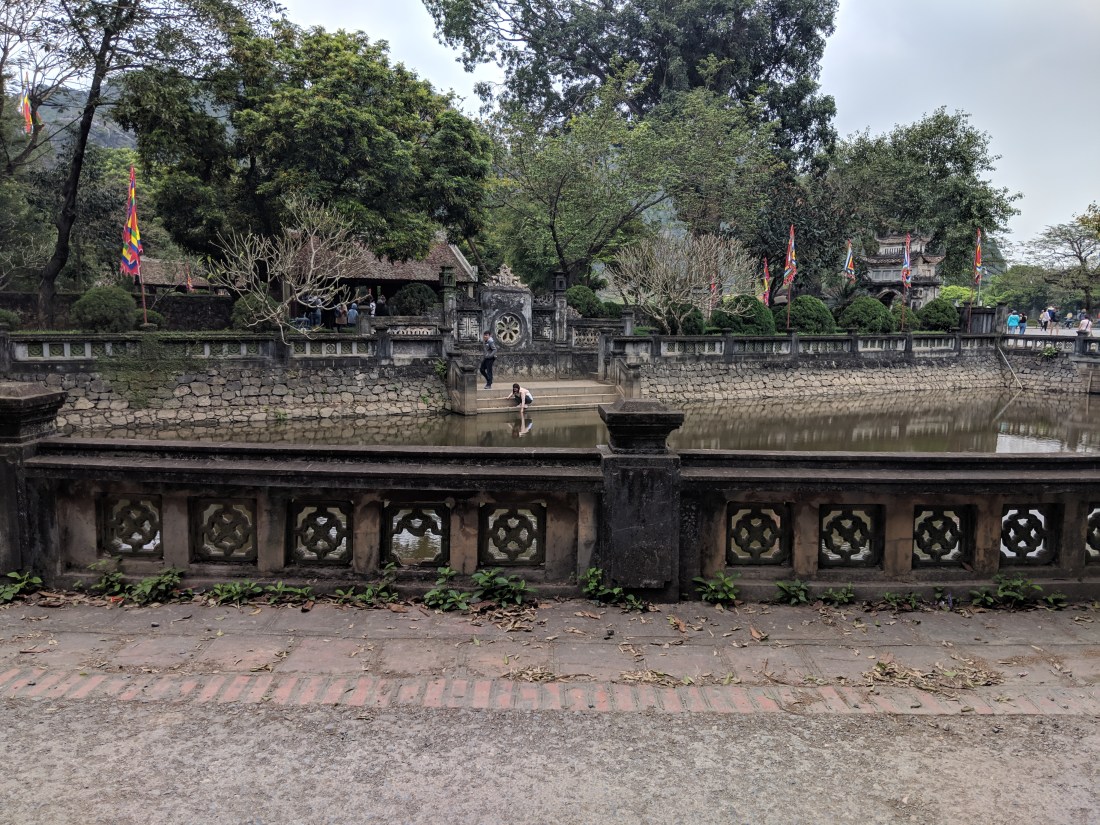
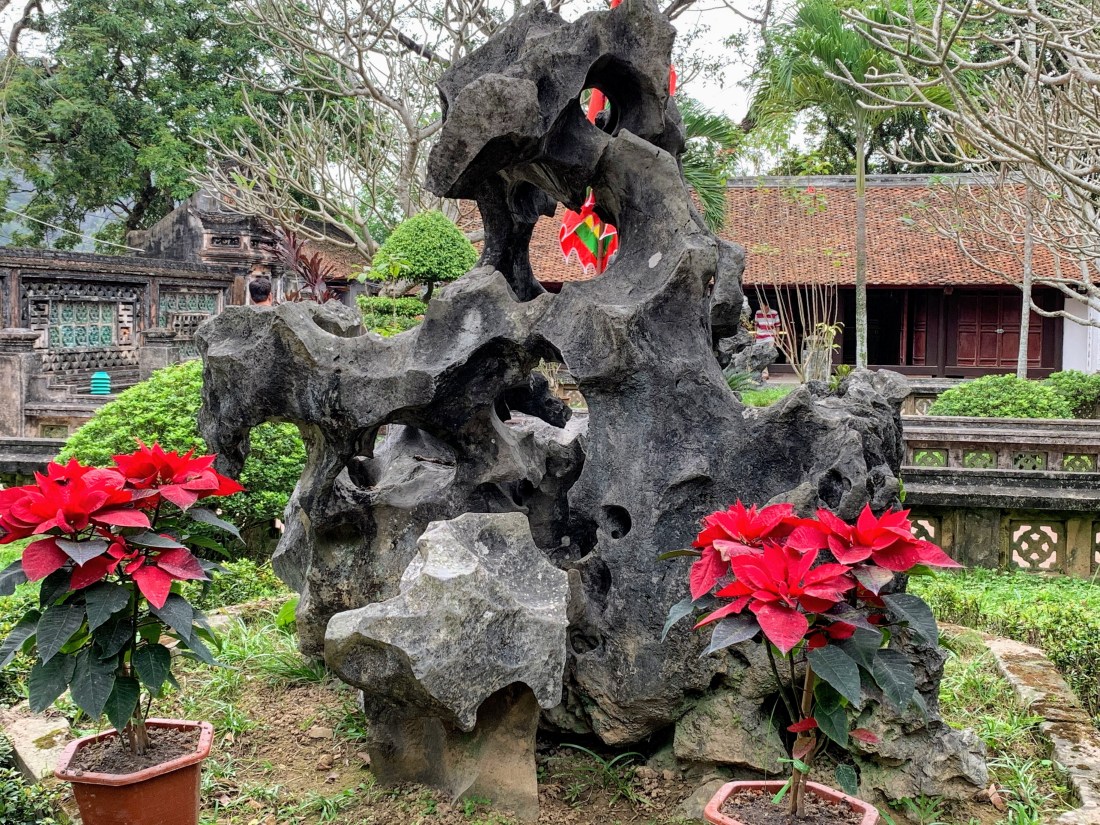
The water and stone: yin/yang for feng shui


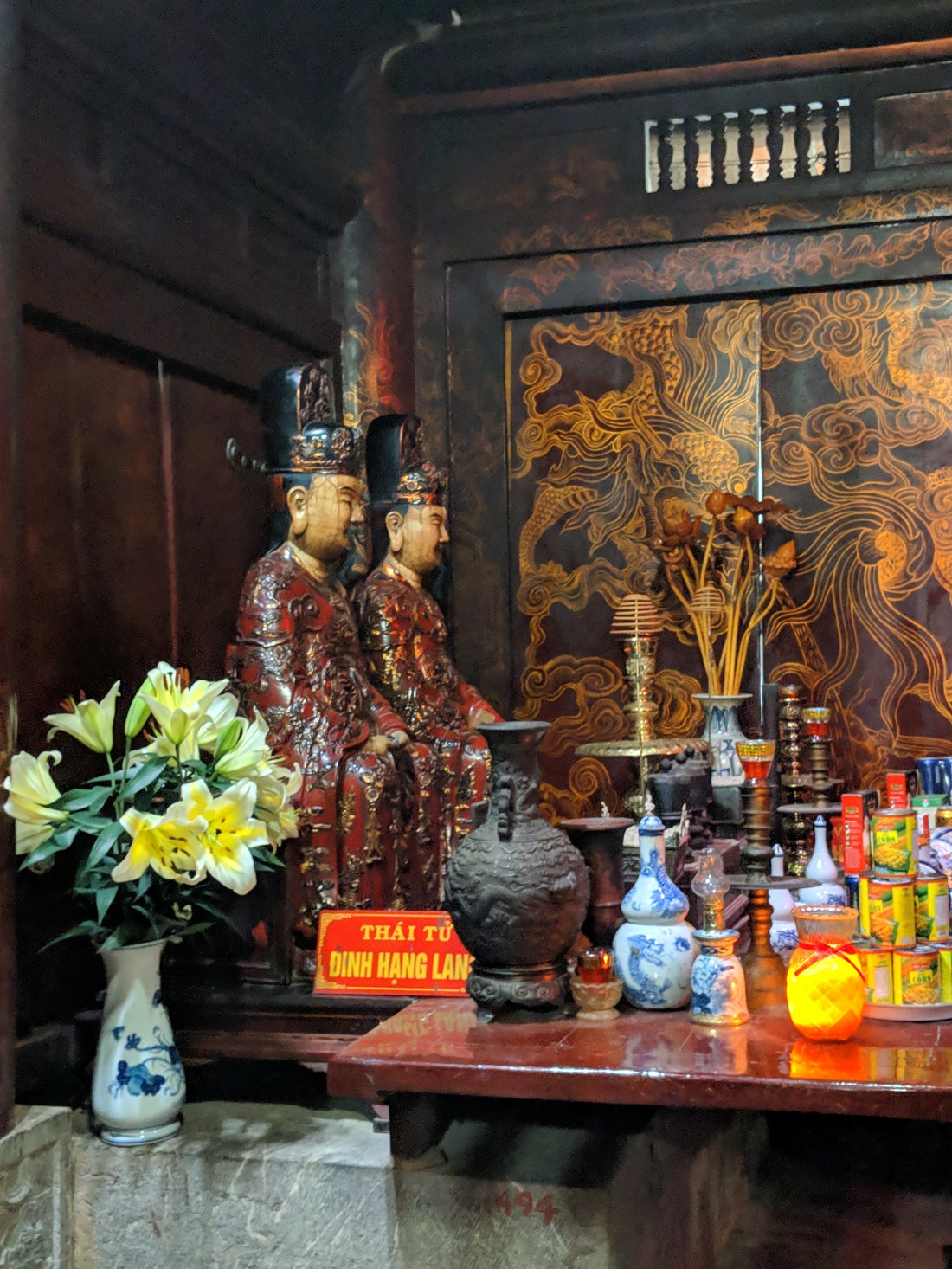

The Temple for Le is nearby, also on the original city site. It is much more modest than that for Dinh.
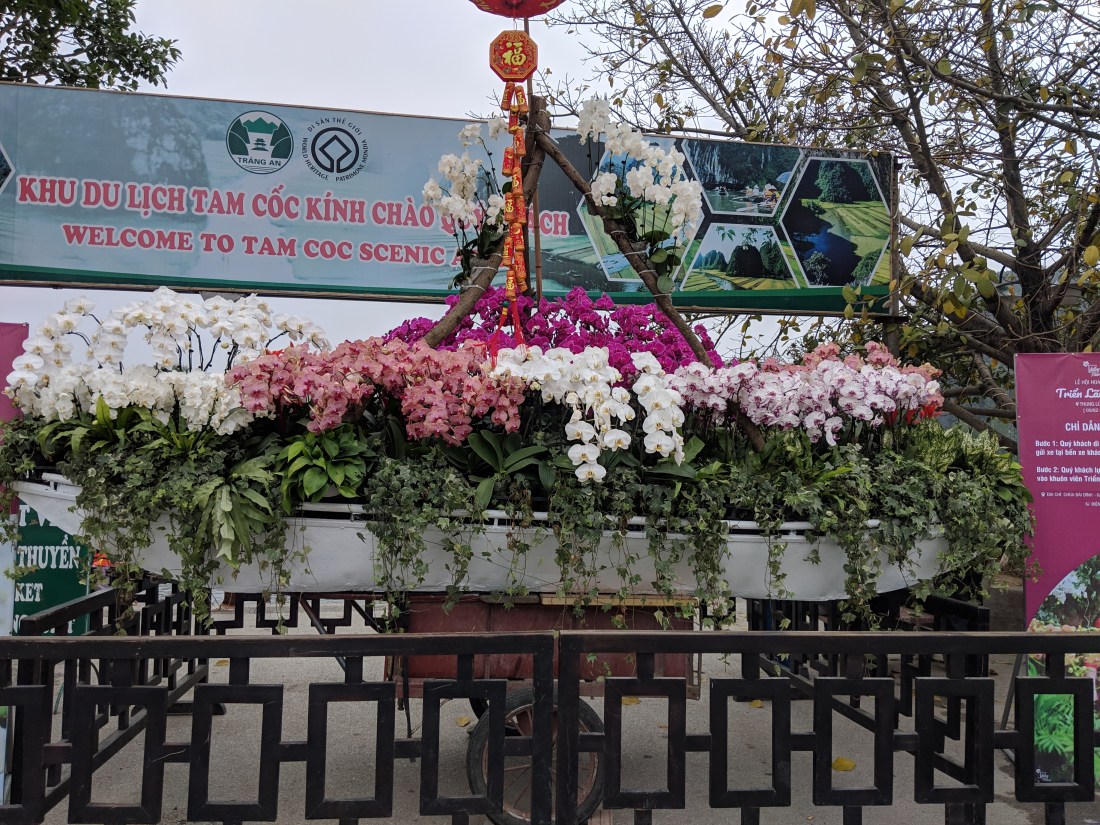
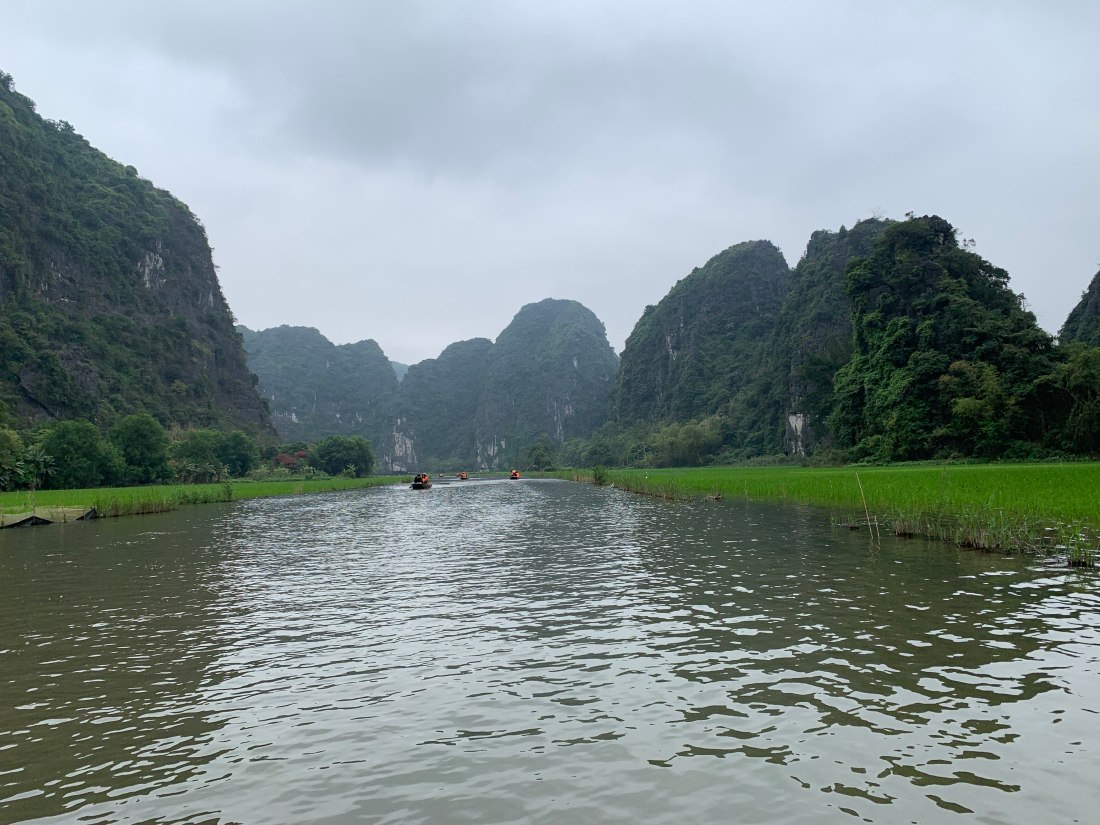
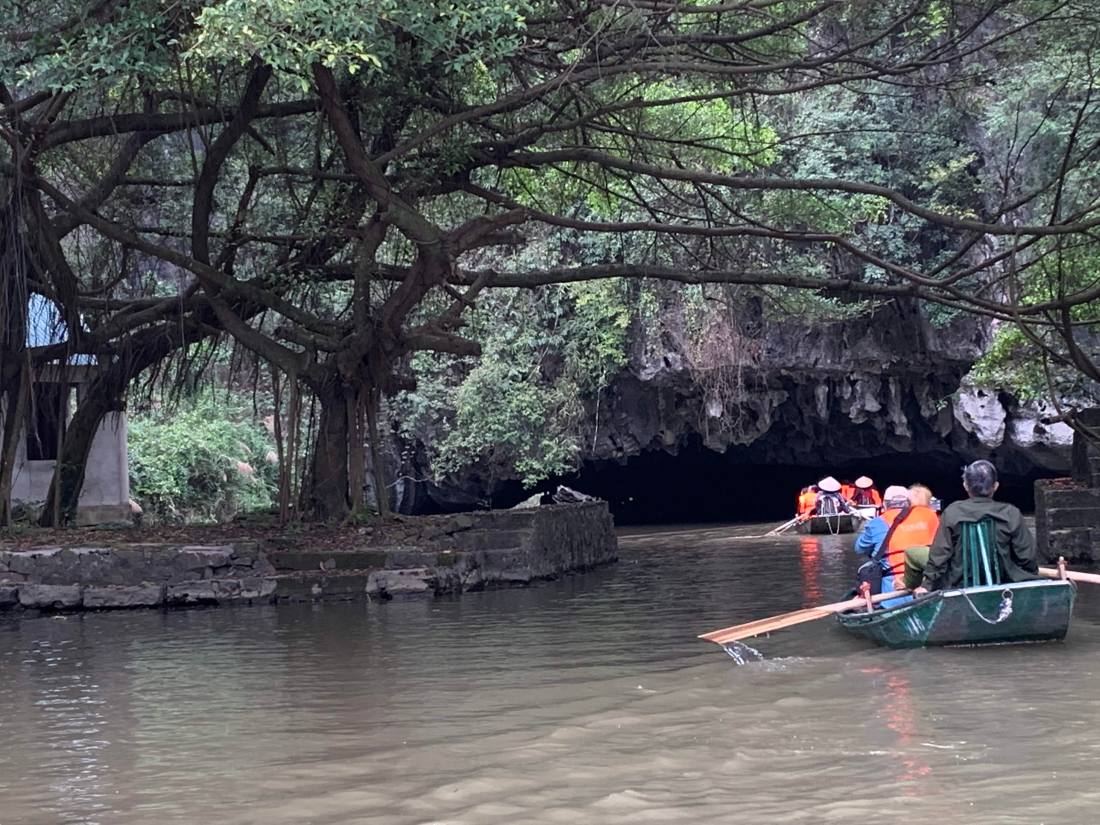
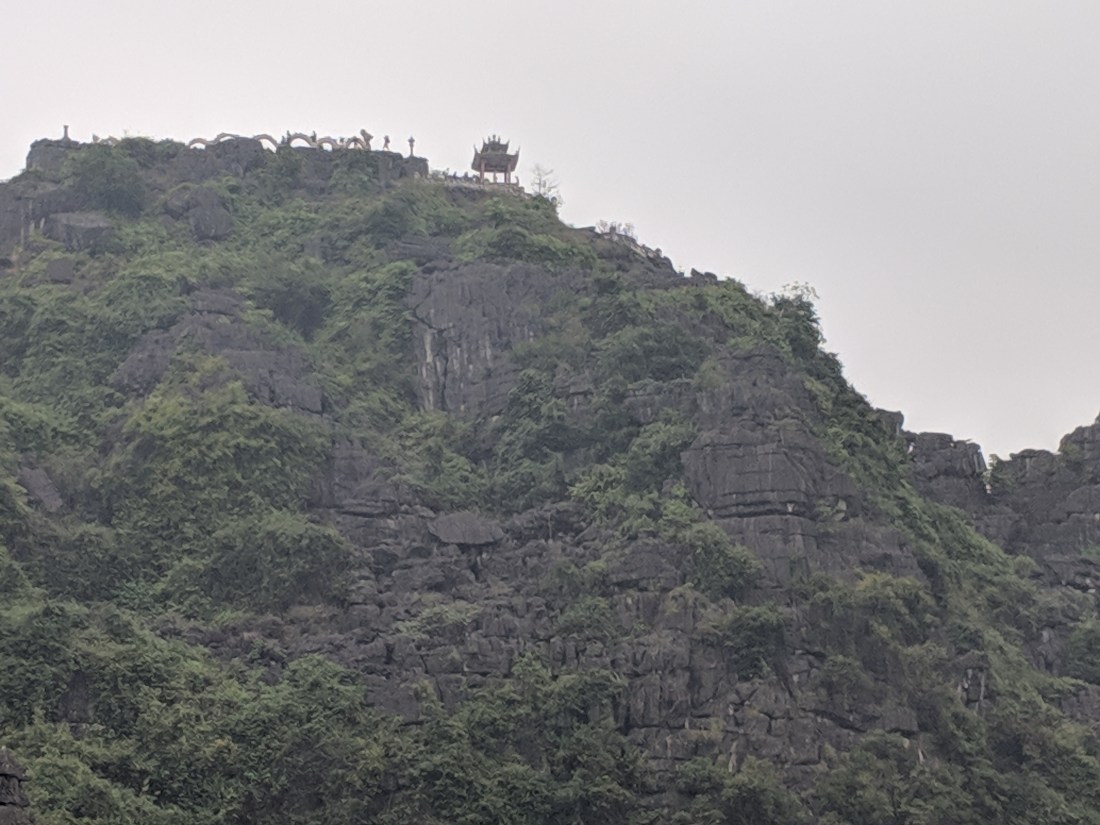
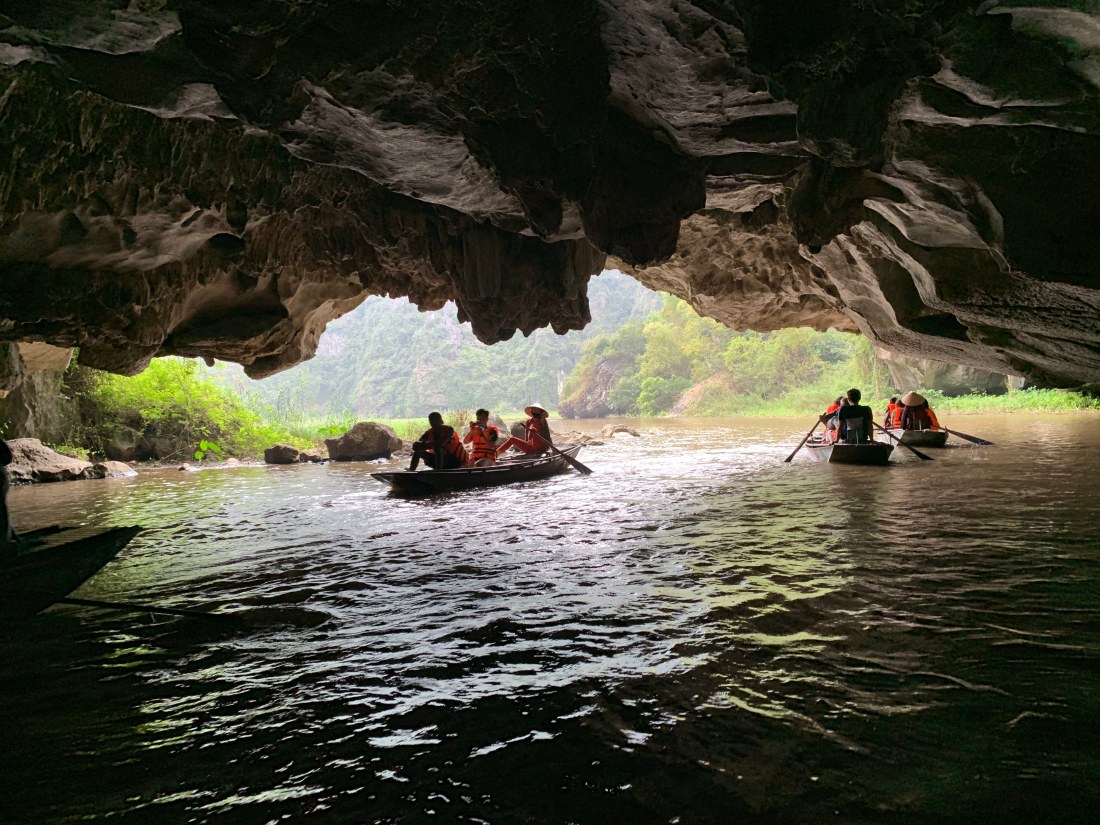
We then went to nearby Tom Loc (3 caves), which is a flooded cave karst system on the Ngo Dong River. Locals row tourists from the village of Van Lam through the 3 caves and back passing gorgeous mountains and rice paddies along the way.
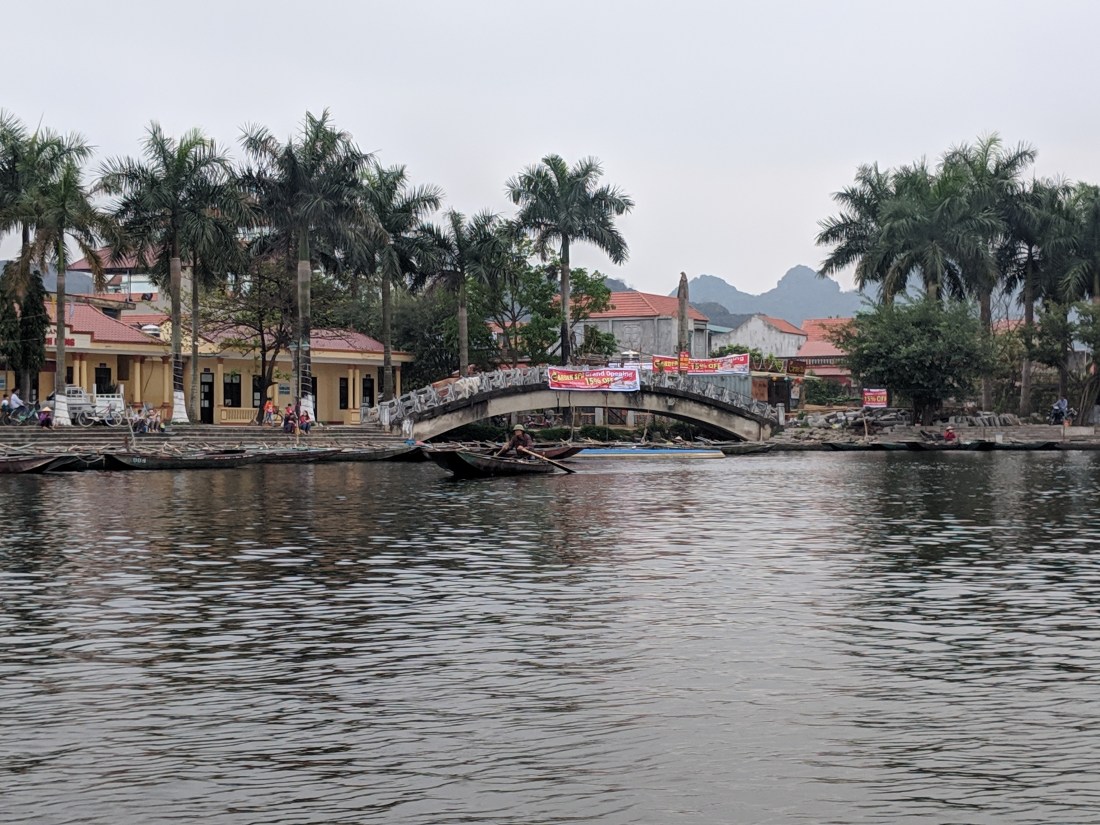




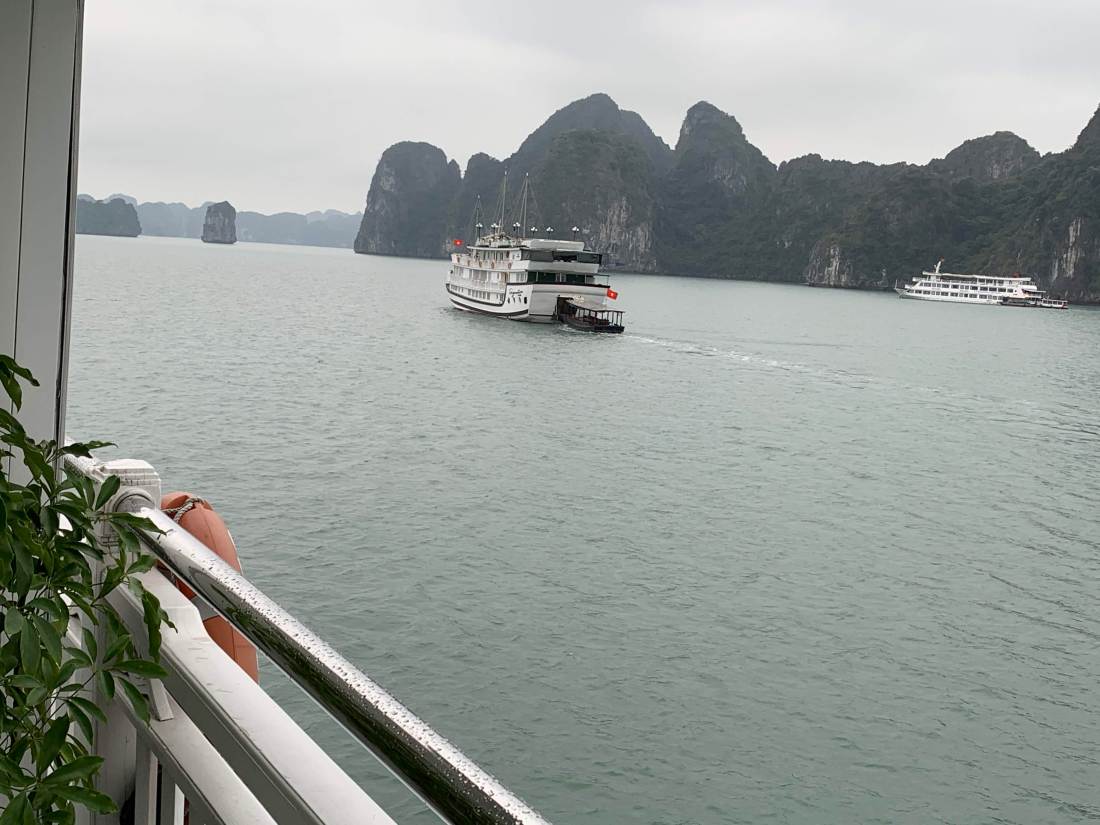
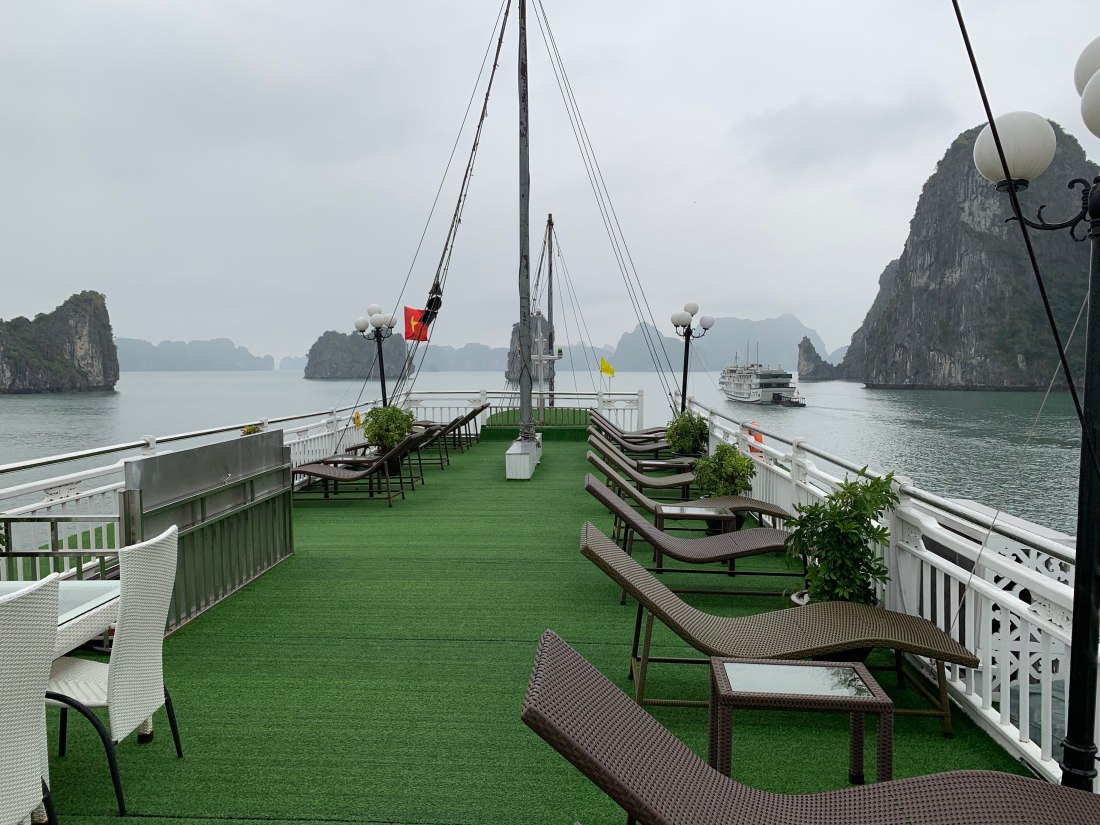
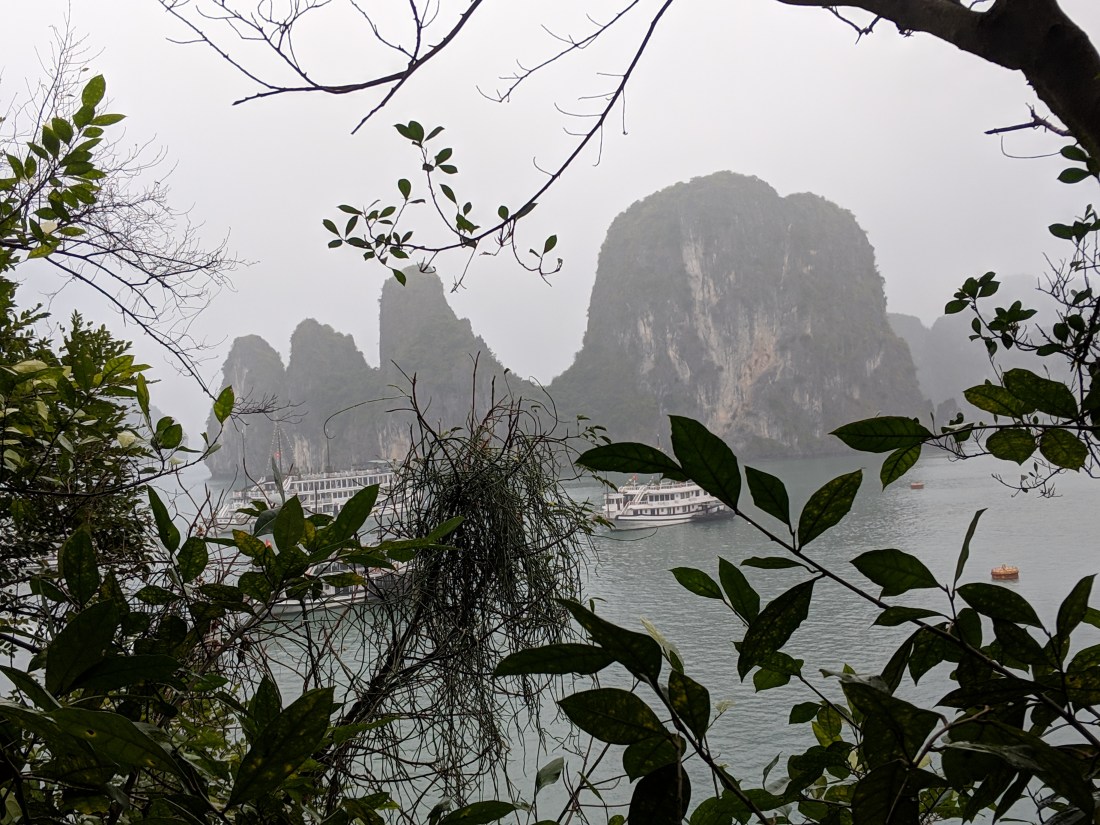
From Ninh Binh we traveled to Halong Bay where we spent a night aboard a cruise ship. (It seems at this point we have used every mode of possible transportation during our time In Vietnam.) Halong Bay (Descending Dragon) is considered the crown jewel of Vietnam. It is a Unesco World Heritage site featuring thousands of limestone karsts and isles. According to local legend, when Vietnam had just started to develop into a country, they had to fight against invaders. To assist the Vietnamese in defending their country, the gods sent a family of dragons as protectors. This family of dragons began spitting out jewels and jade. These jewels turned into the islands and islets dotting the bay, linking together to form a great wall against the invaders. Under magics, numerous rock mountains abruptly appeared on the sea, ahead of invaders’ ships; the forward ships struck the rocks and each other. After winning the battle, the dragons were interested in peaceful sightseeing of the Earth, and then decided to live in this bay.
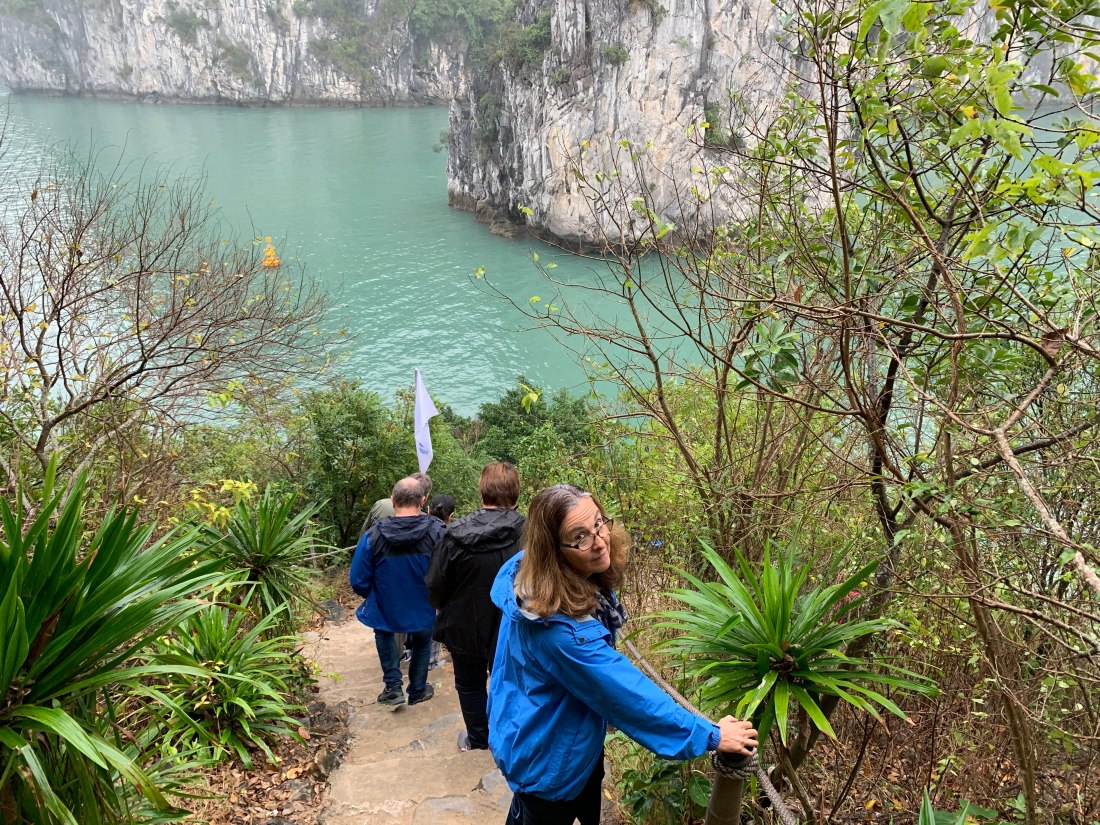
Sadly, our nearly 3 months of nearly perfect weather had come to an end with the unfortunate timing of our visit to the bay. The bay and its surrounds are still stunningly beautiful in the mist, but the pictures provided do not do it justice.
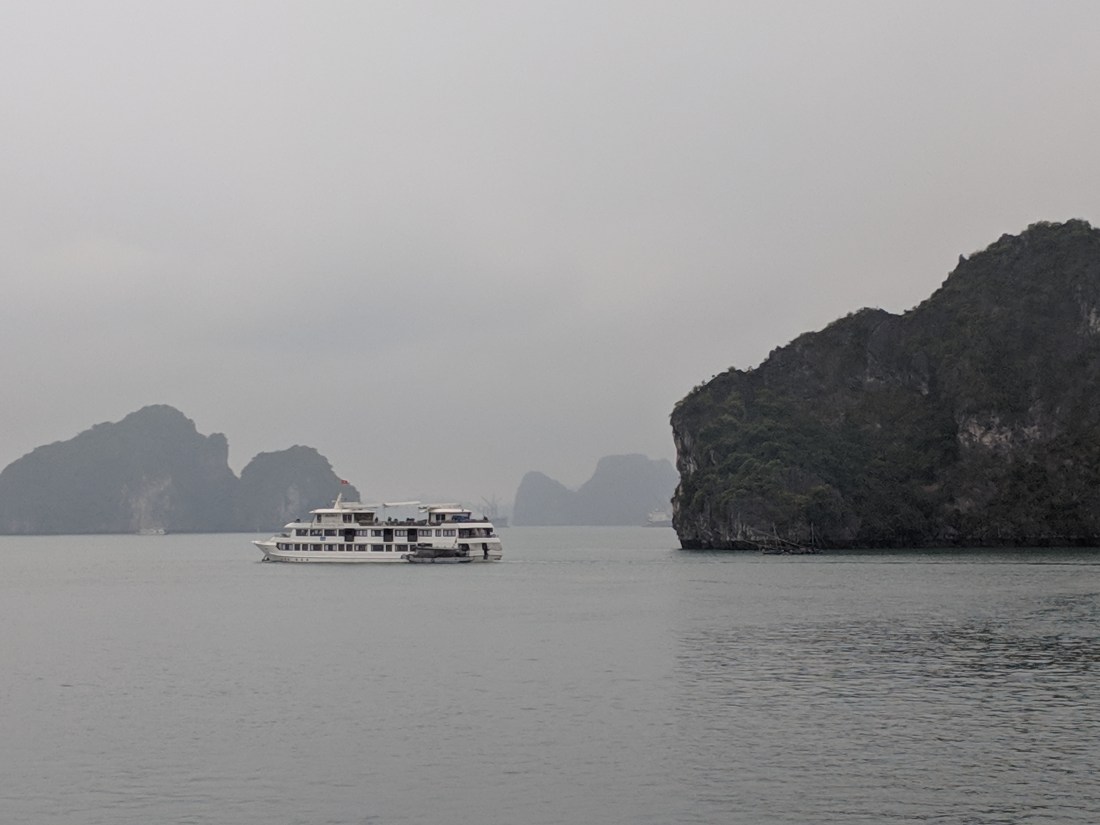
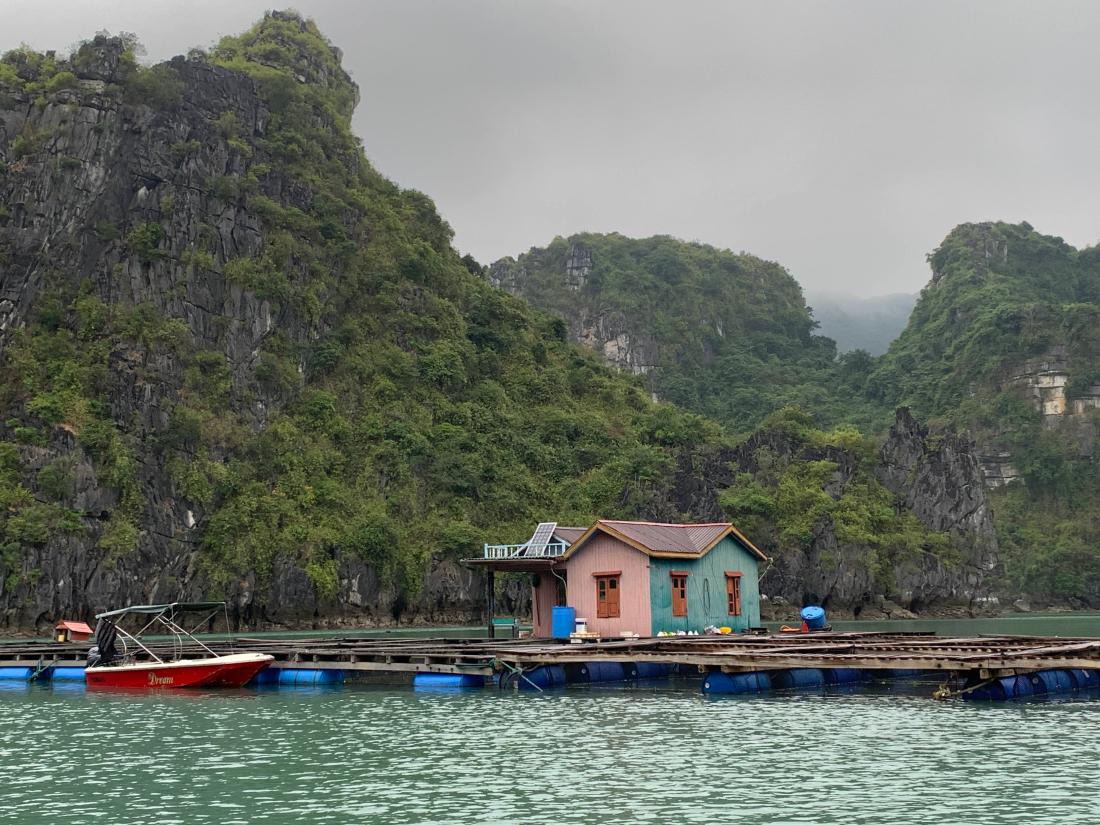
After lunch aboard ship we took the jitney to visit a floating fishing village. There we were rowed by locals in bamboo fishing boats through the floating village and some caves. We also were treated to a tour of an oyster/pearl factory.
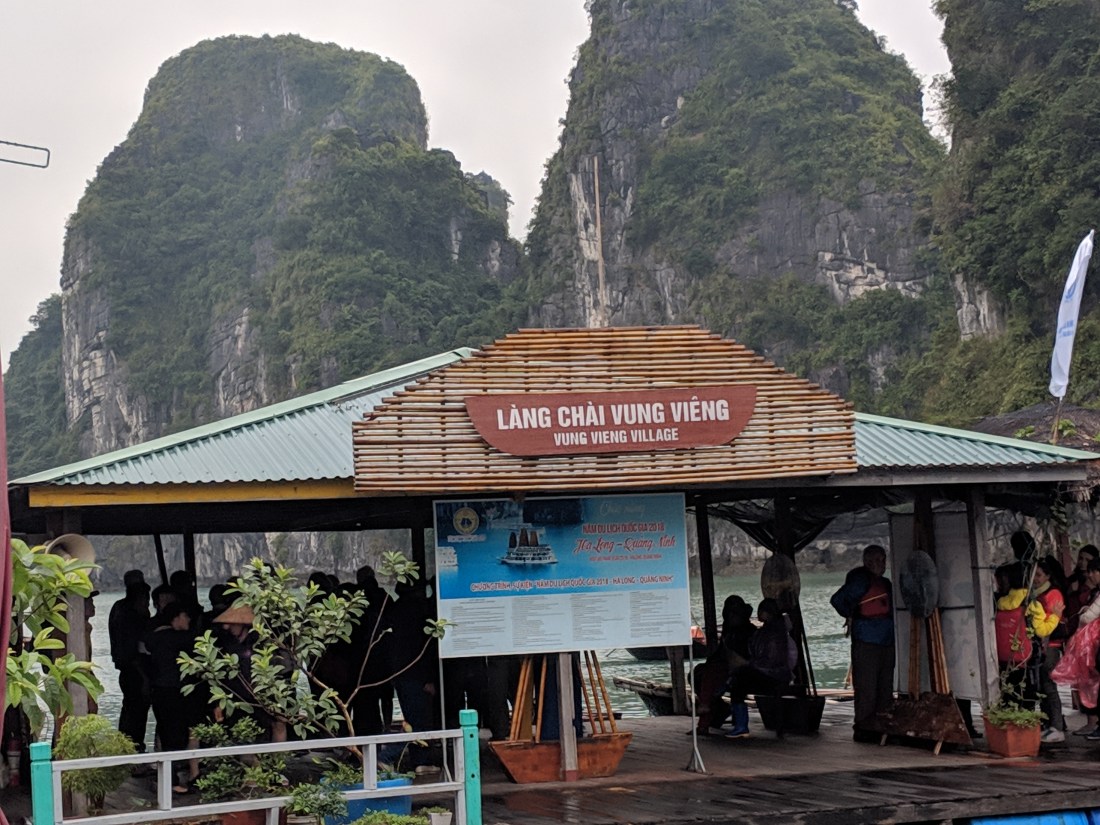
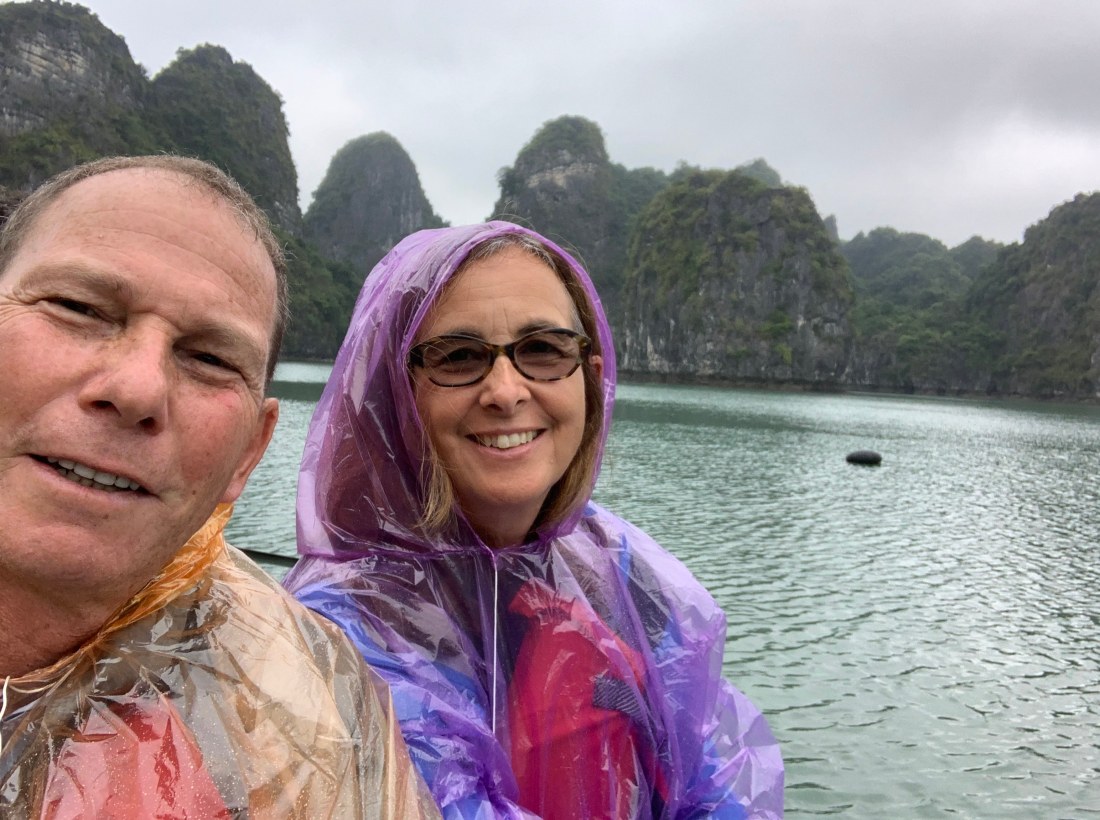
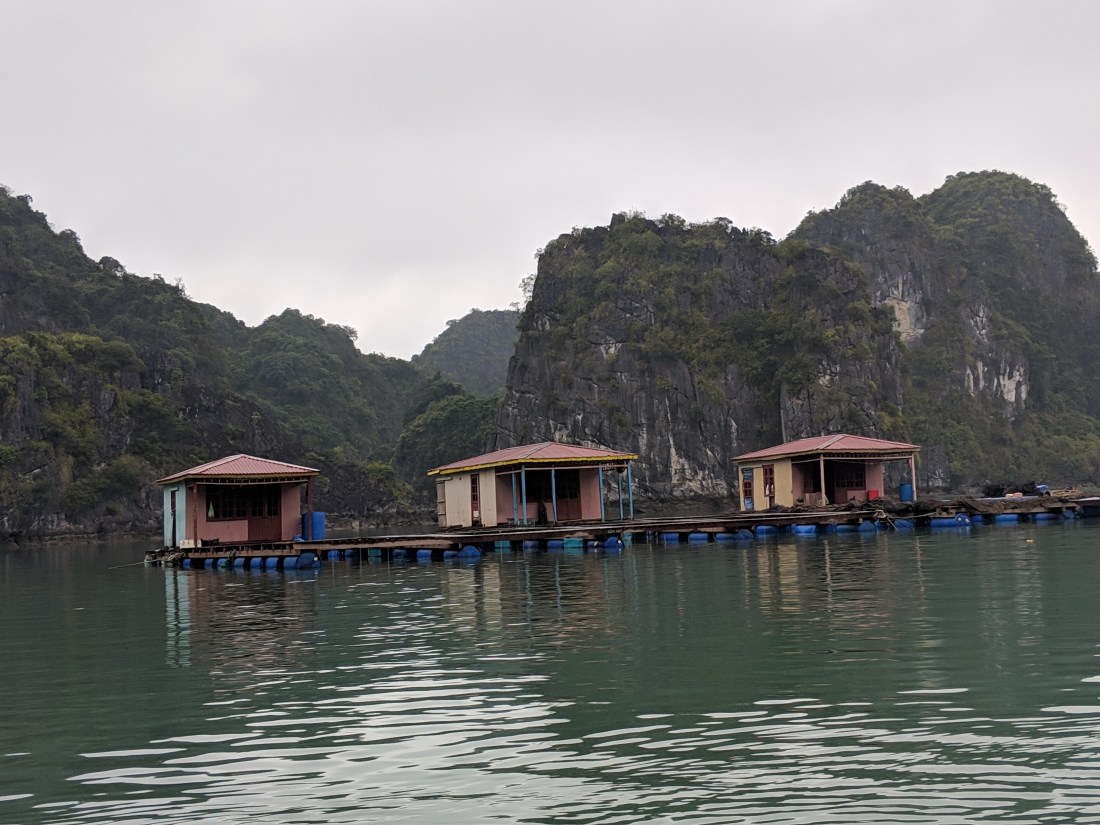
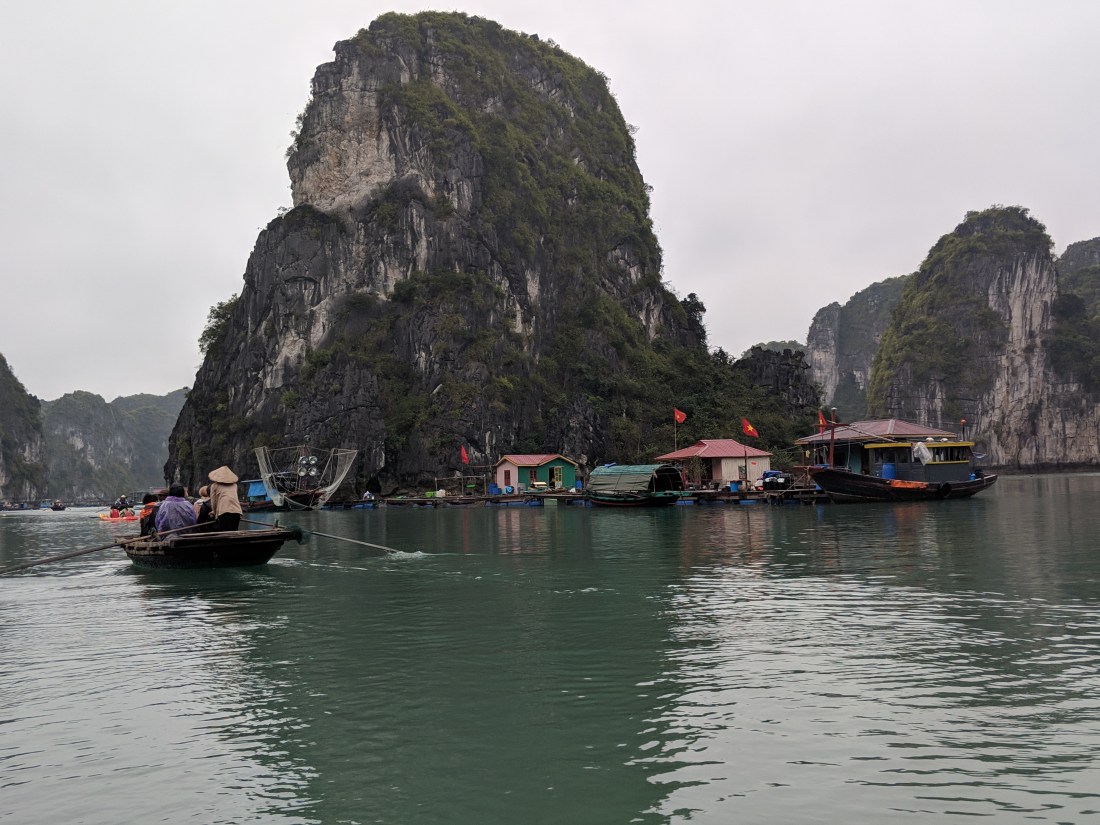
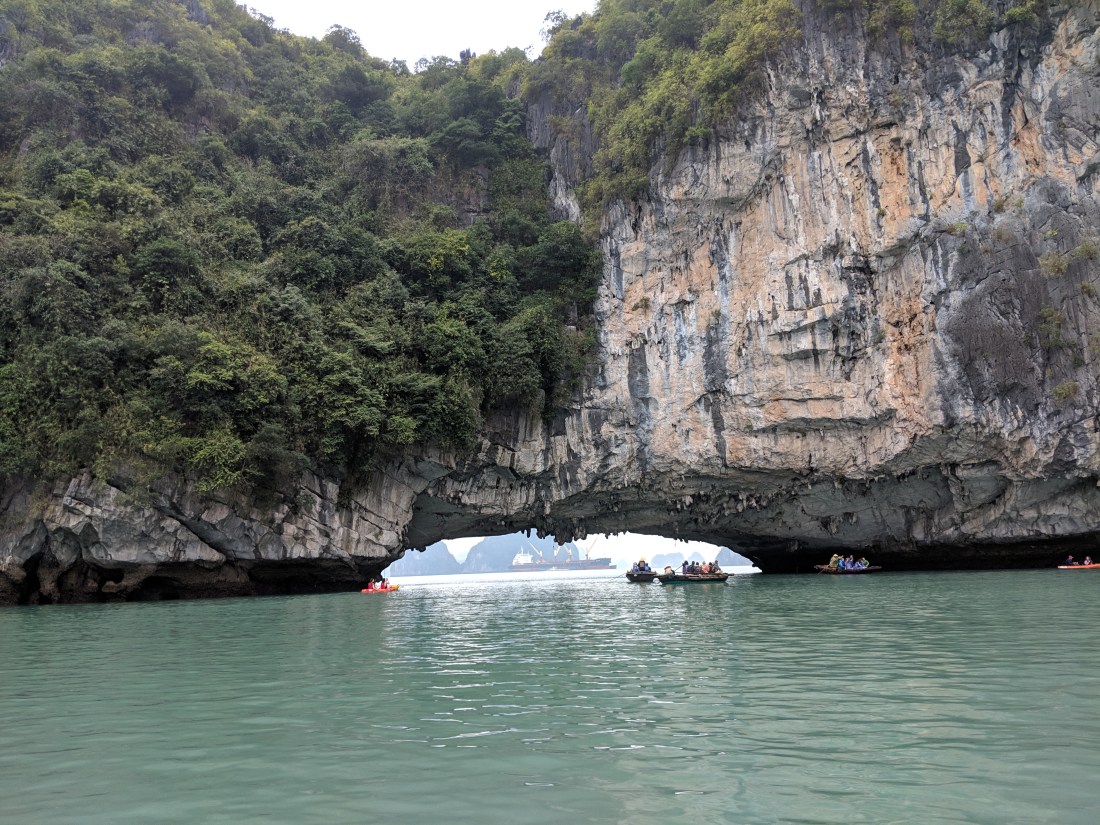
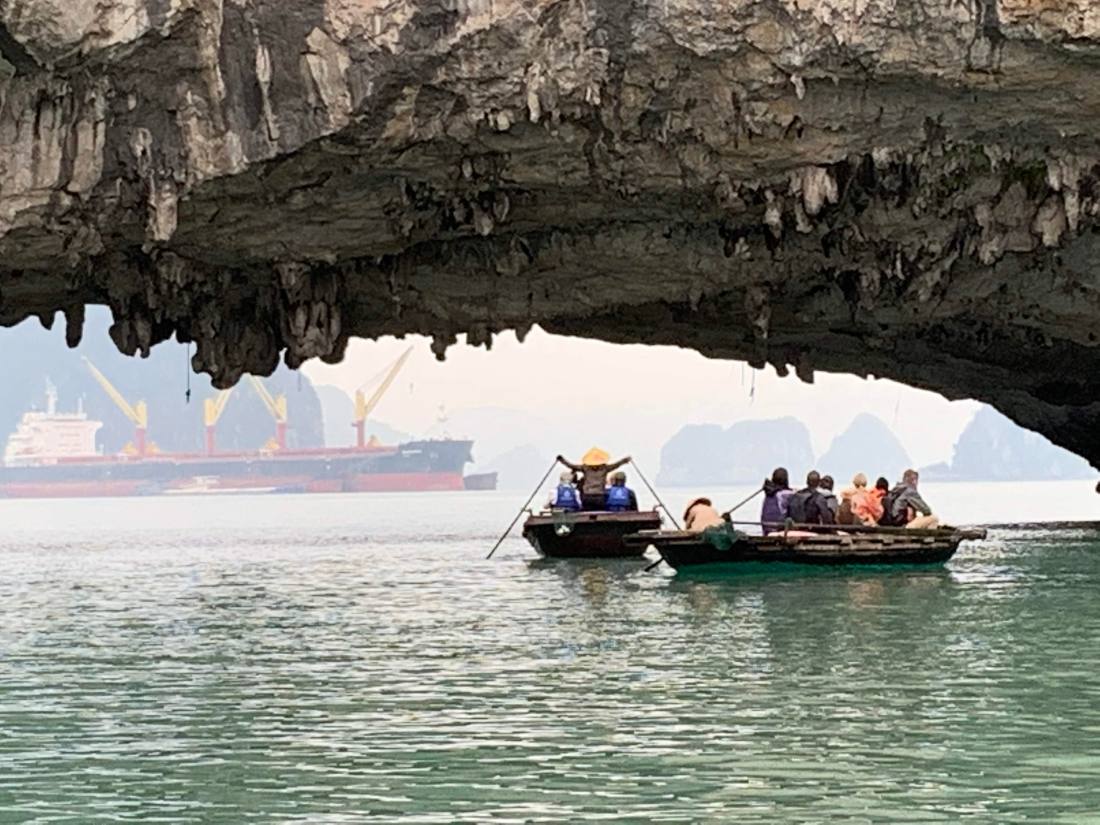
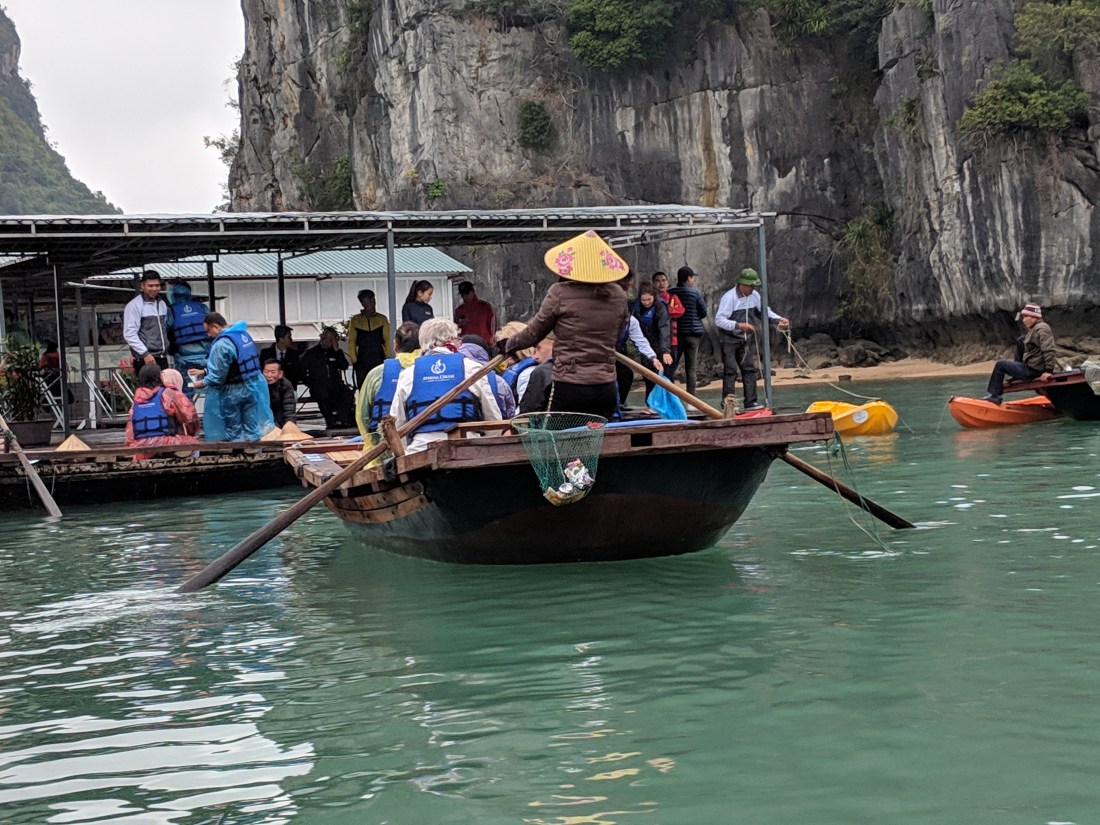
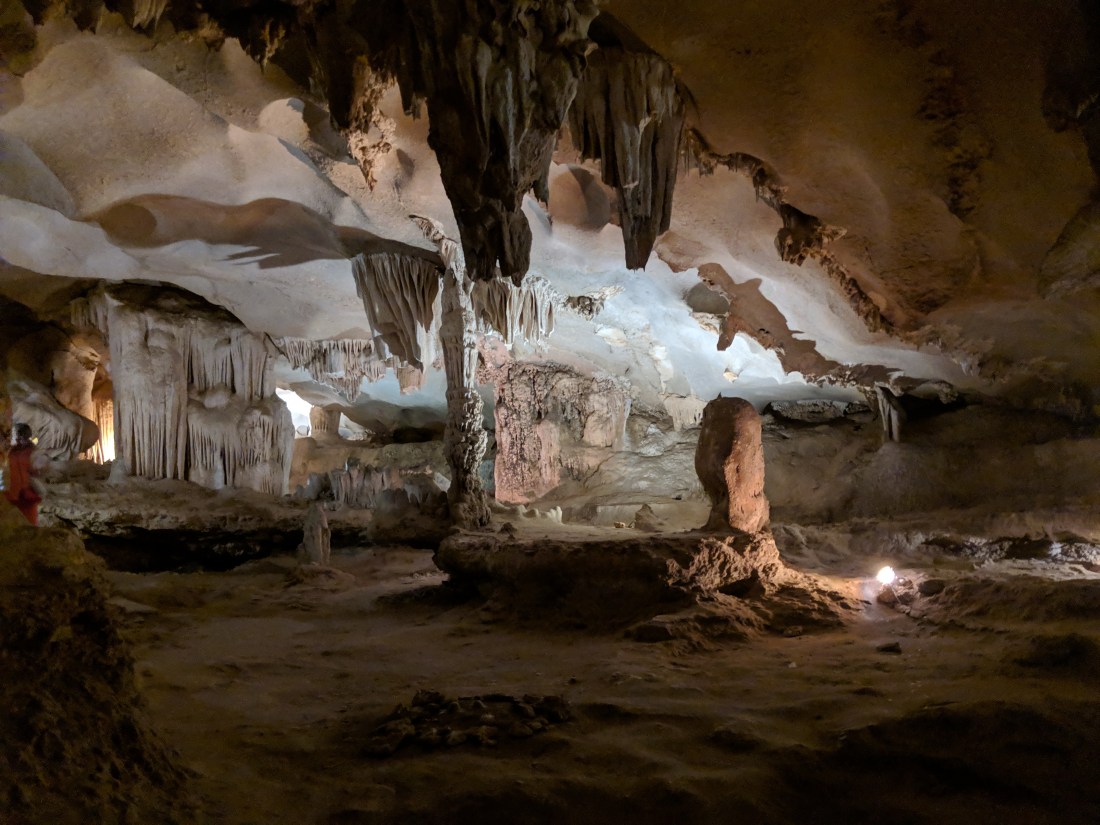
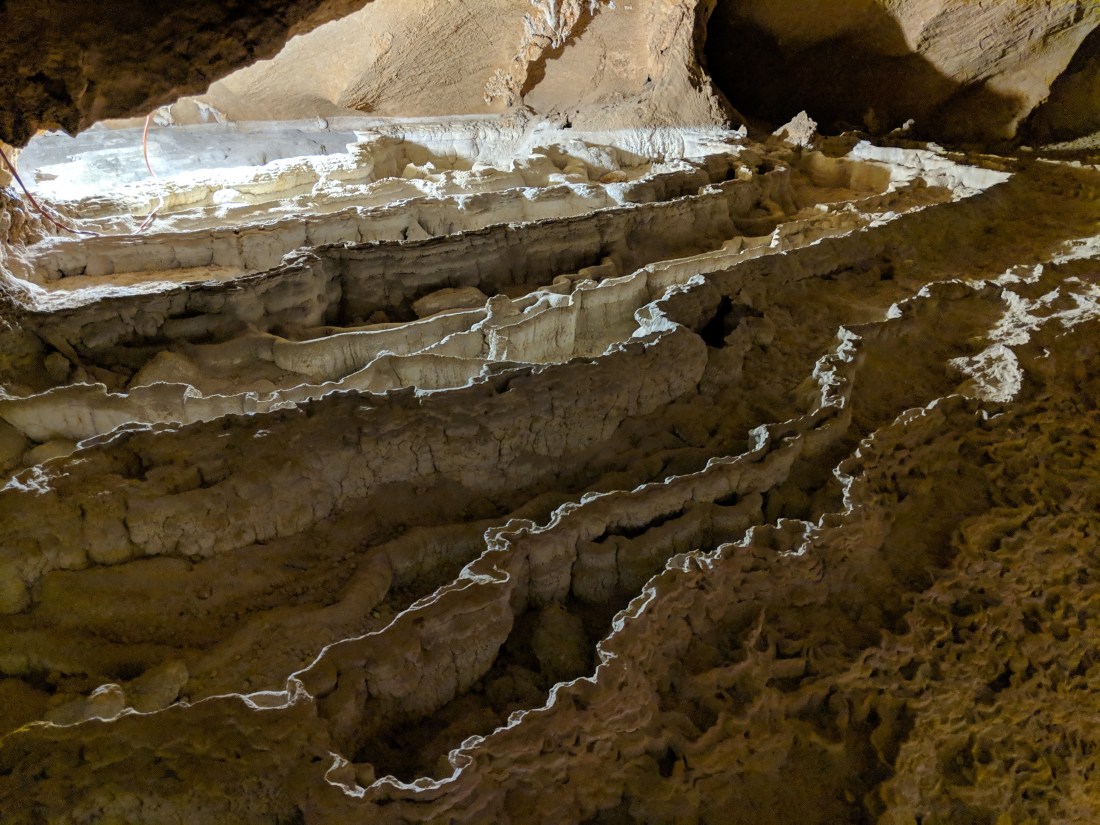
In the morning, after an amazing night sleep in a gorgeous room aboard ship, we visited one of the several caves in the bay.
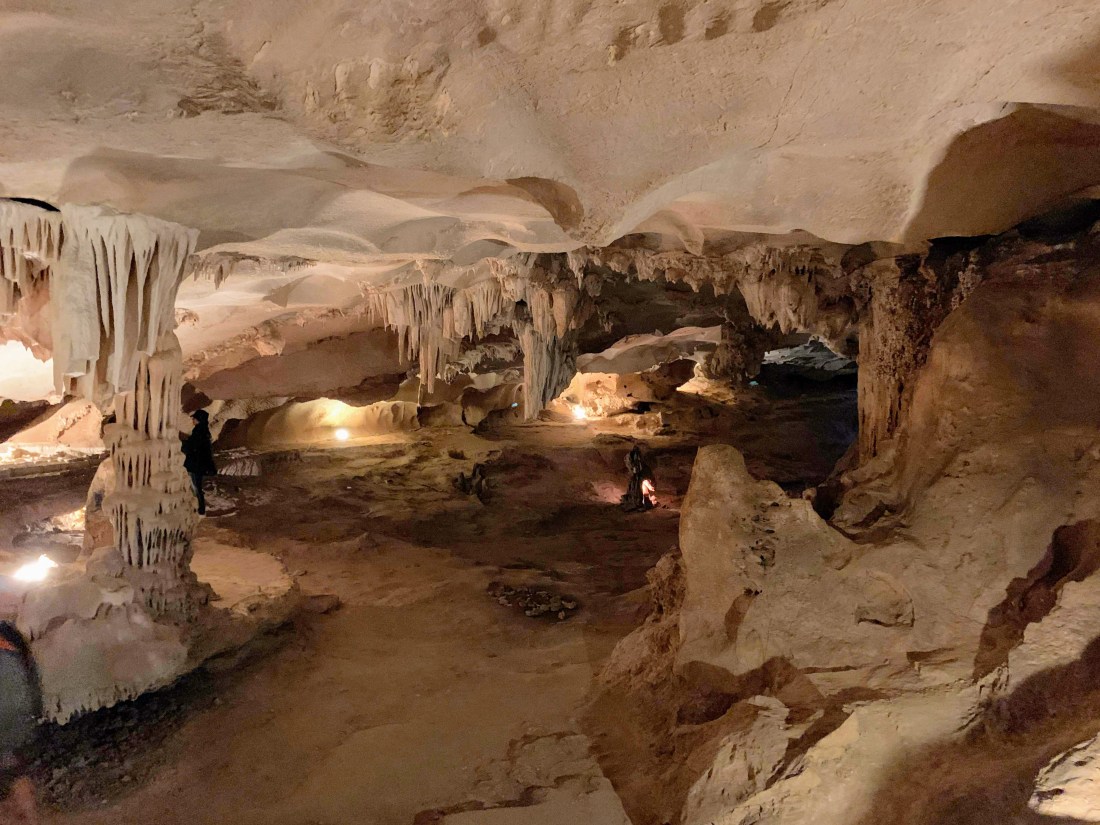
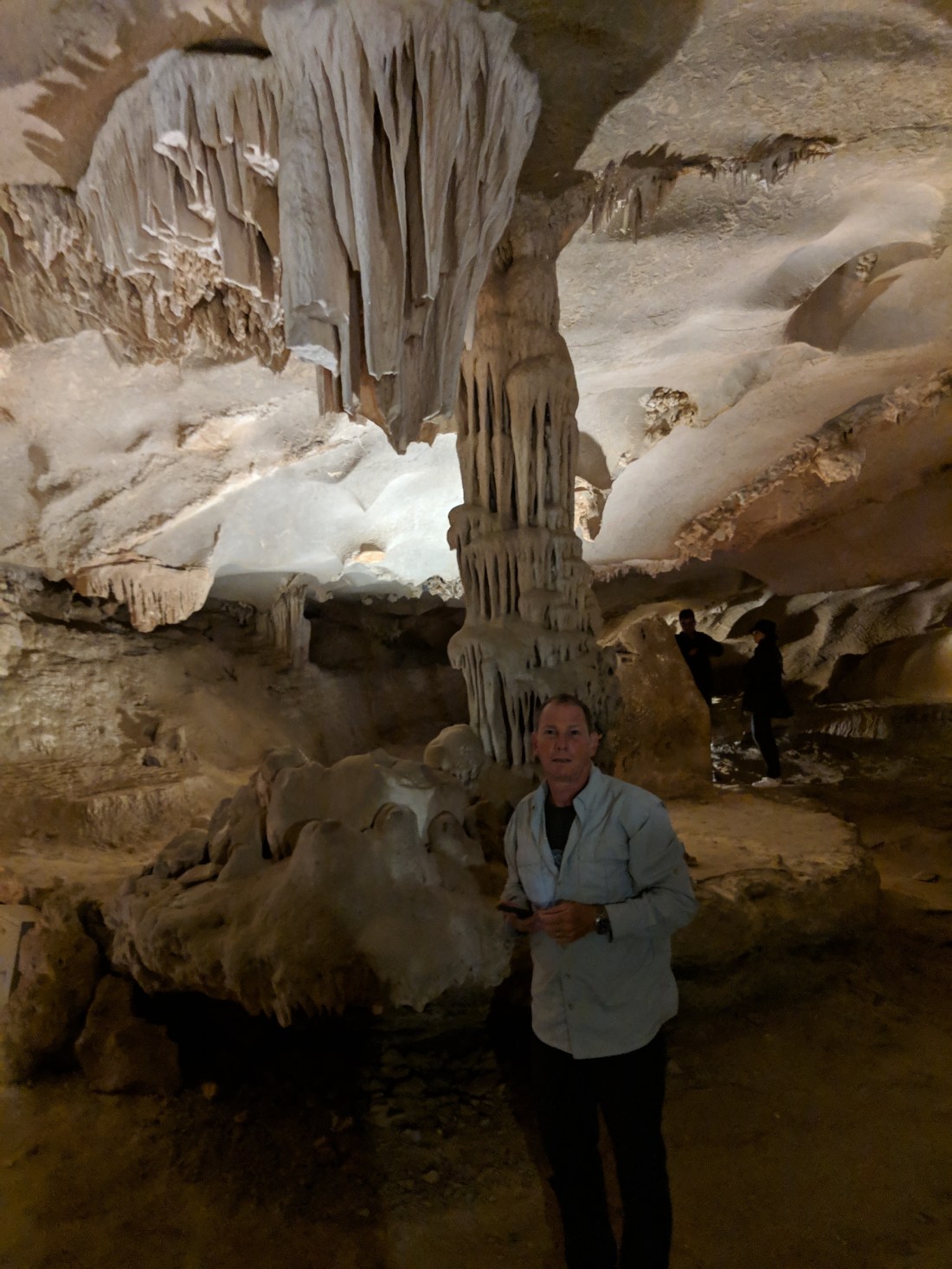
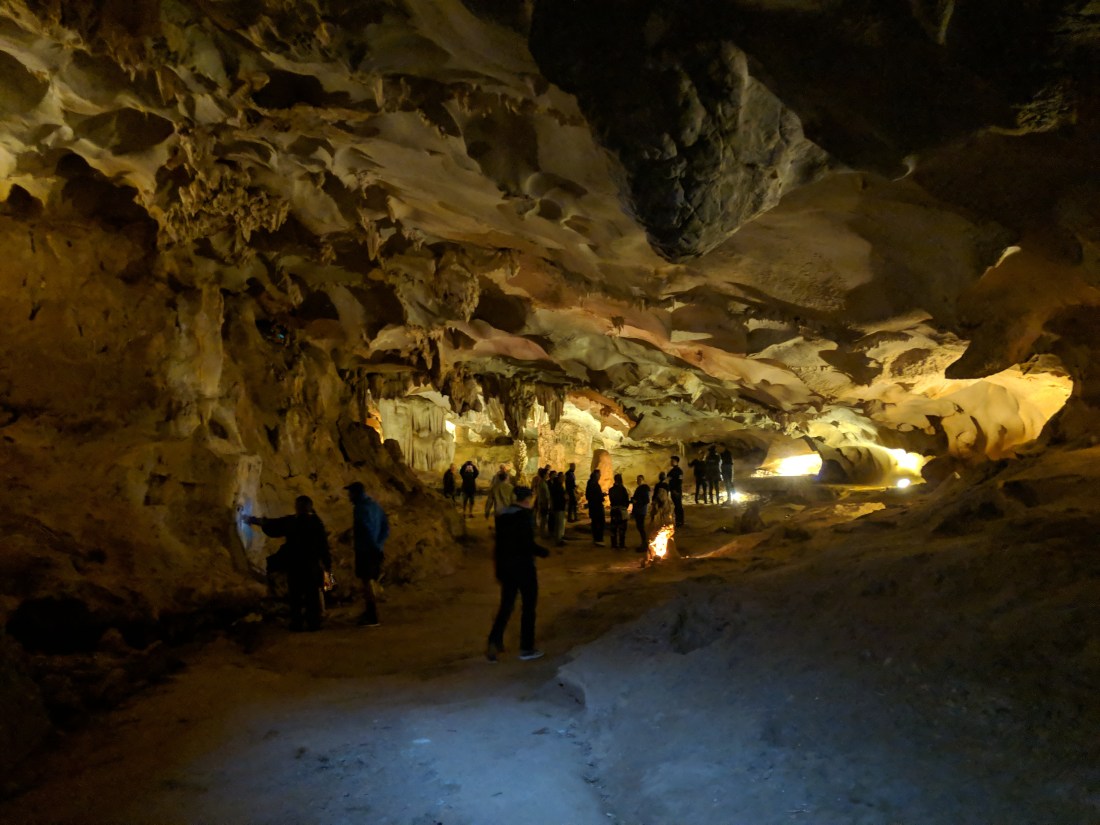
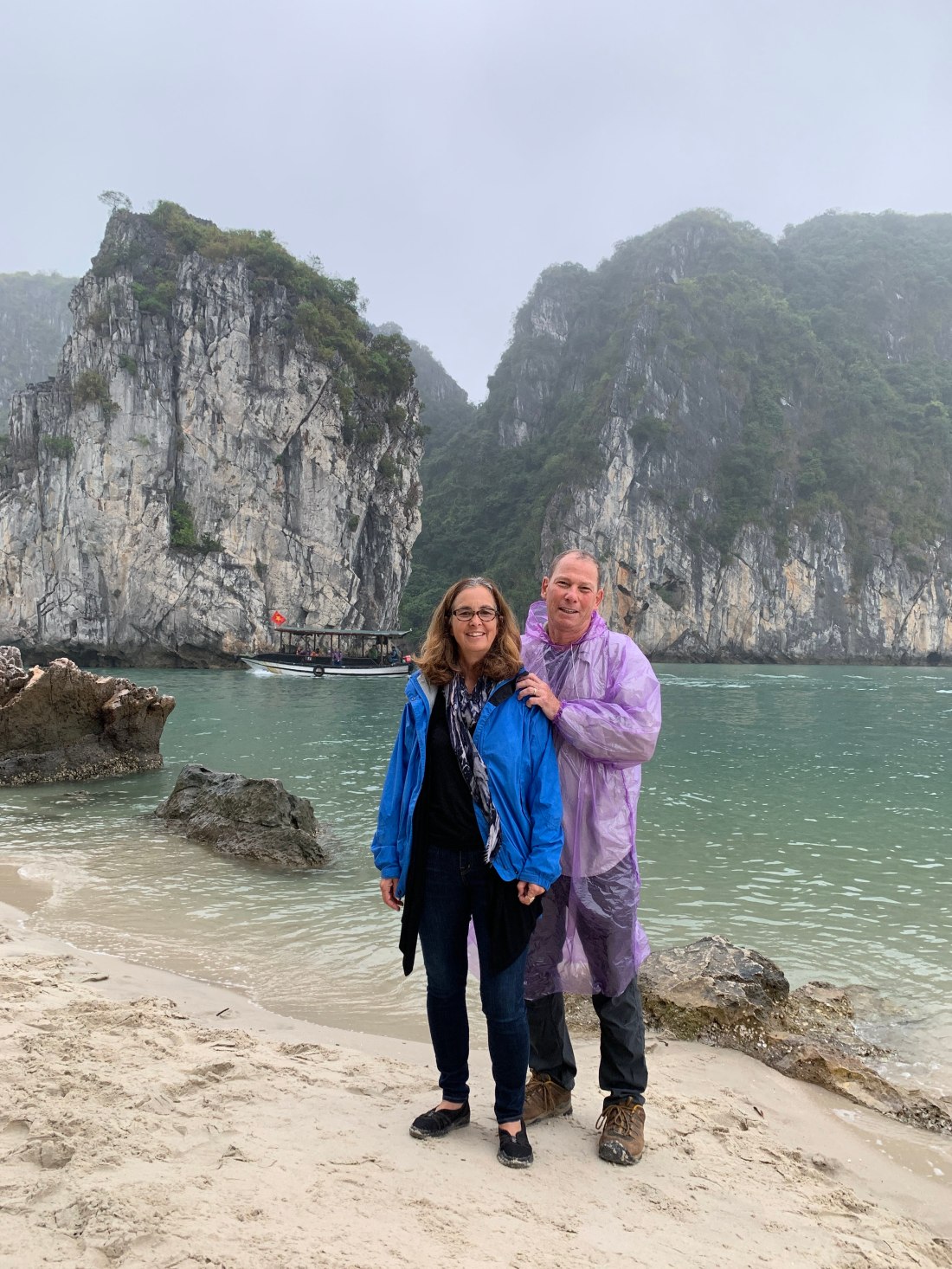 Then it was back to shore after brunch.
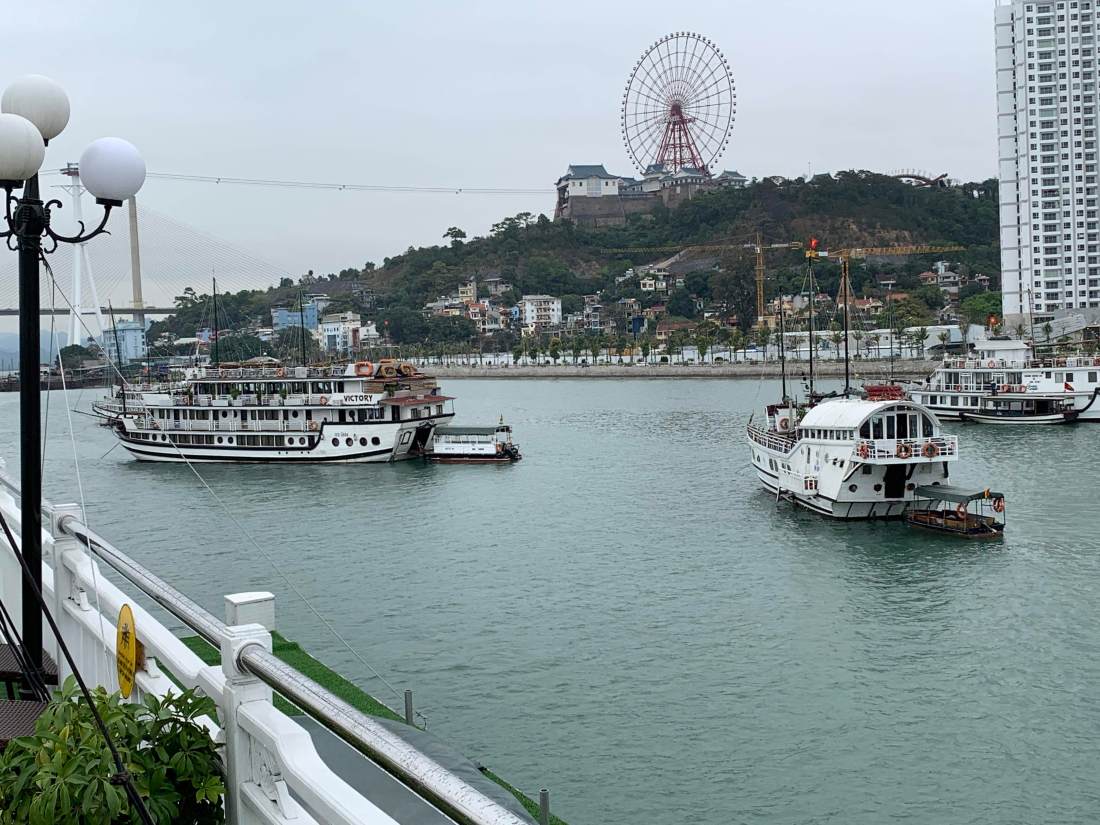
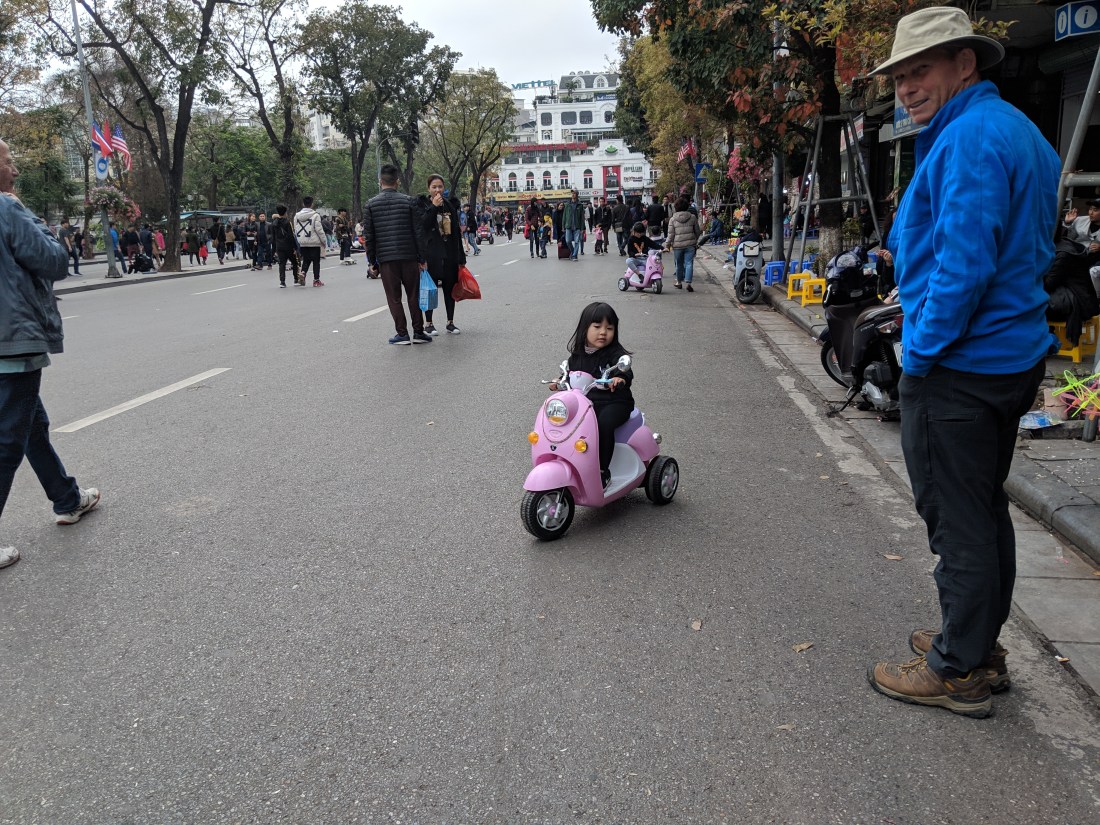
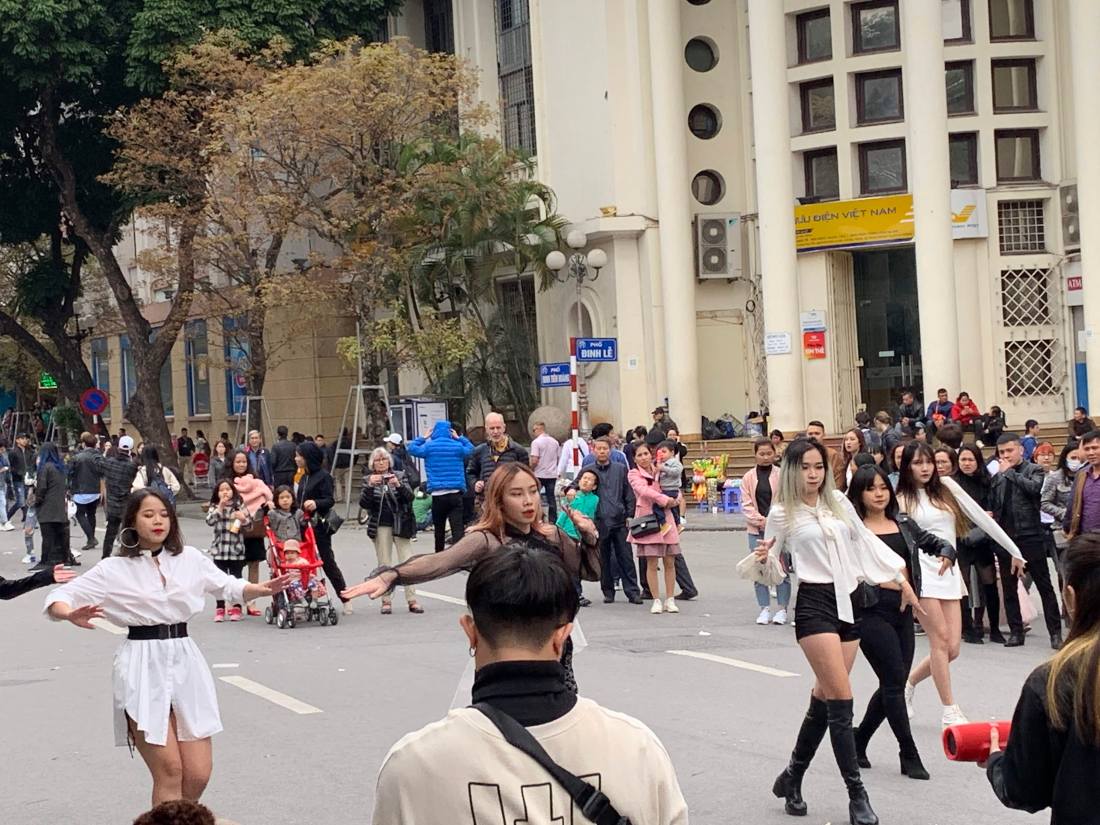
Then we traveled back to Hanoi. It was Sunday, and it turns out the streets around Ho Hoan Kiem Lake are blocked to traffic for families to enjoy. There were children’s games and karaoke and lots of fun for everyone.

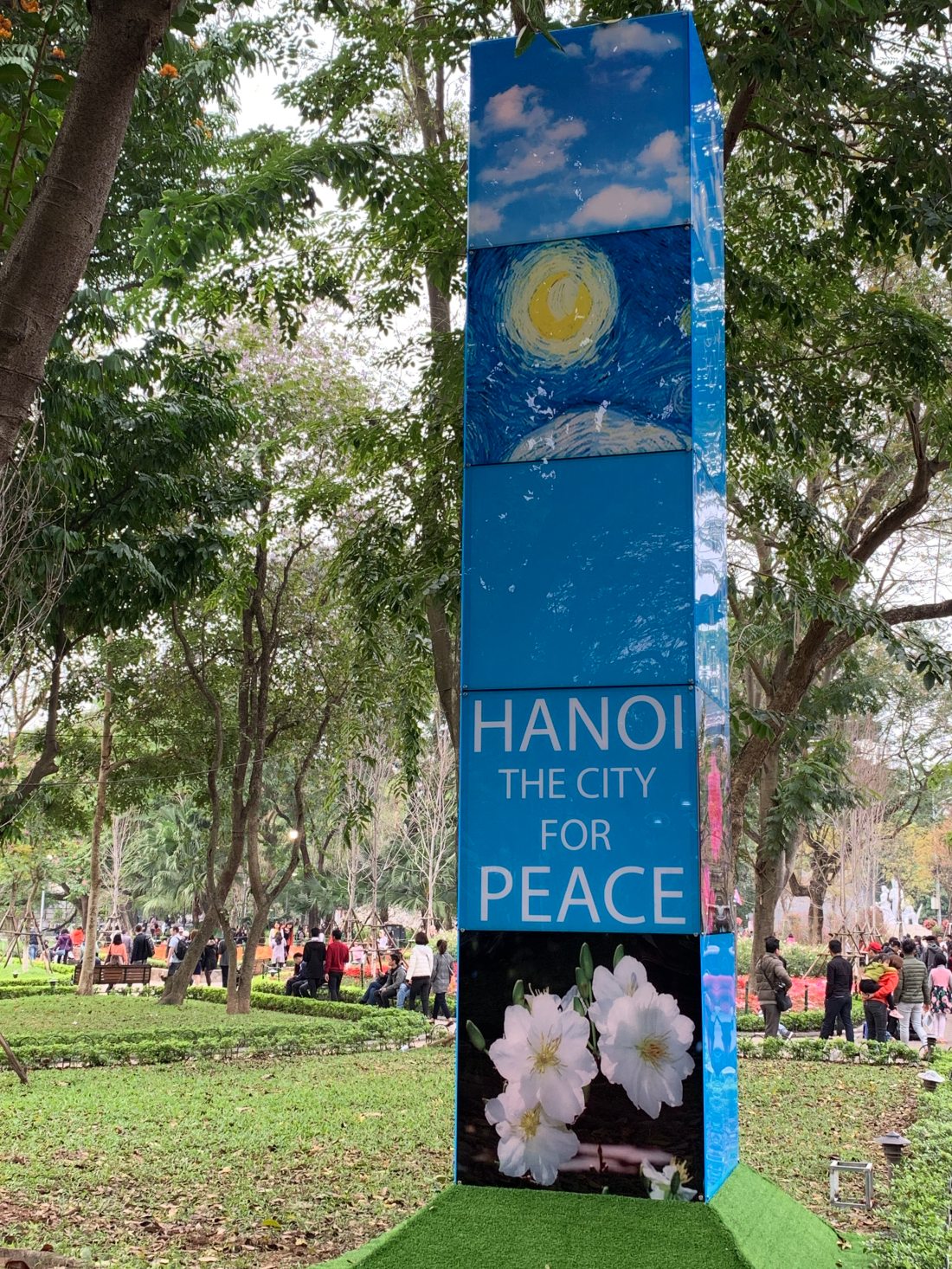

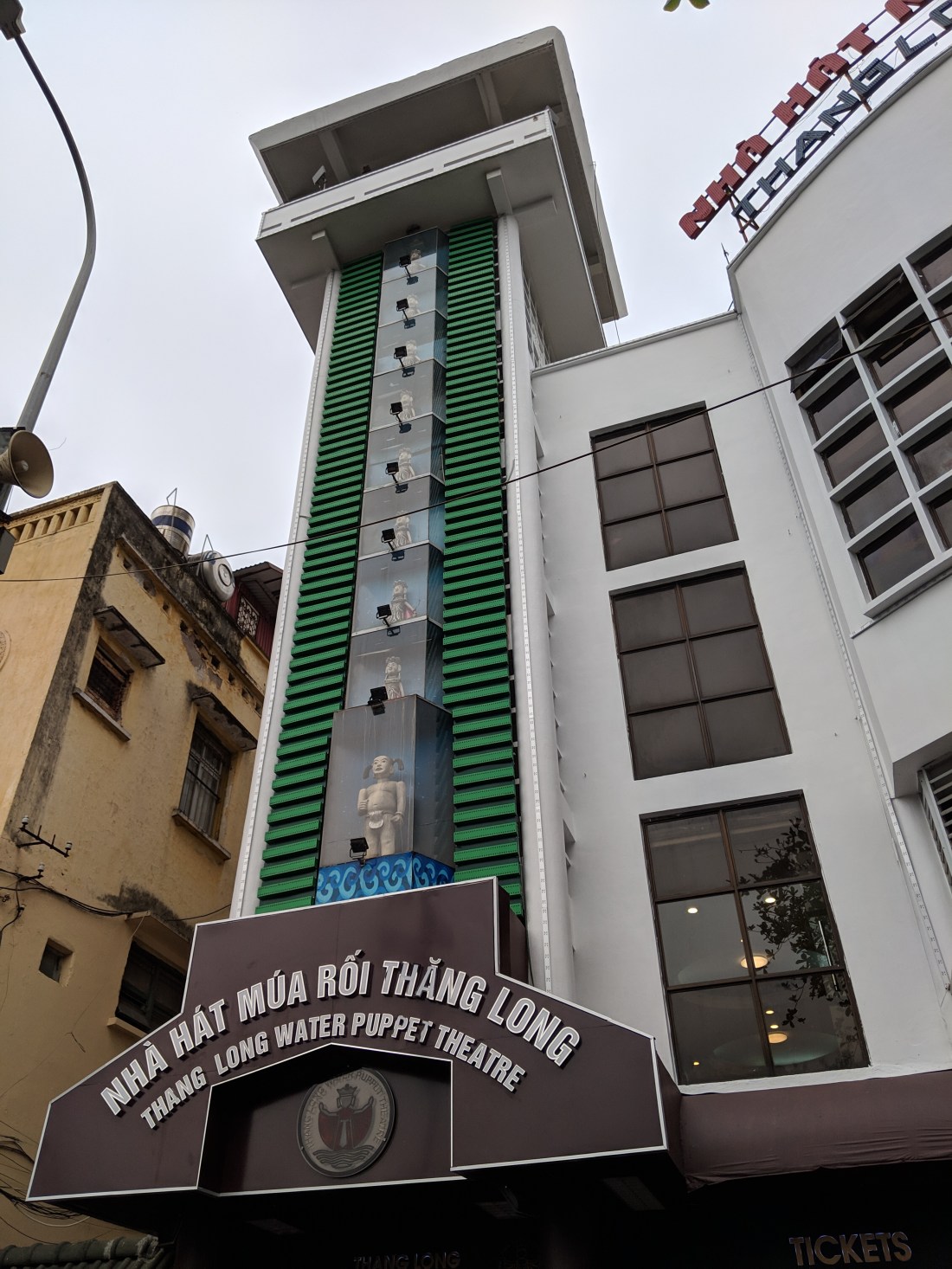
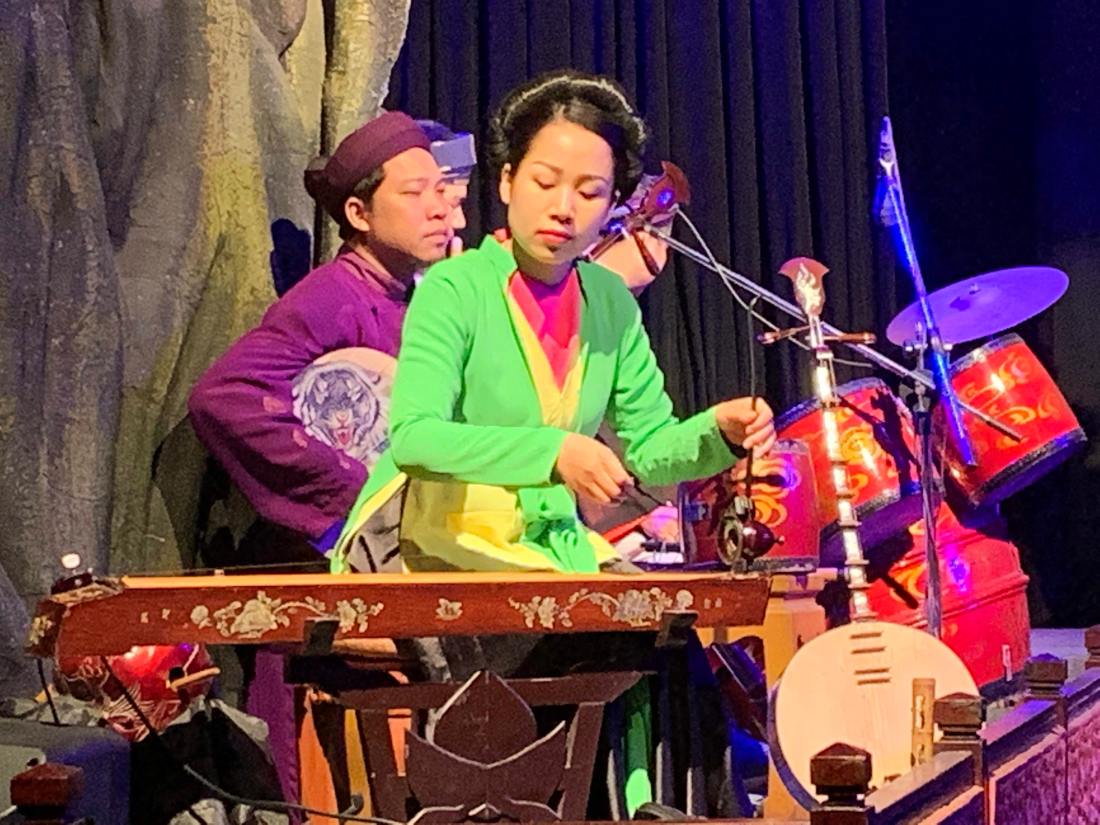
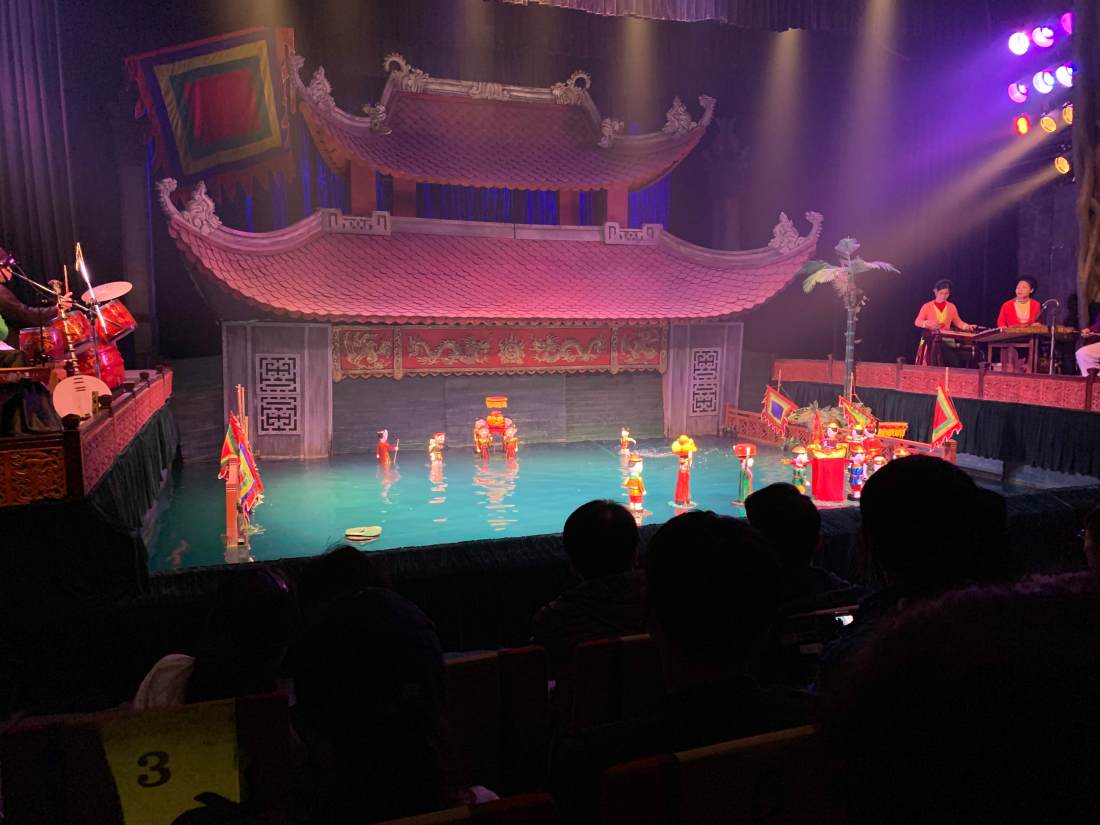
We got a chance to see a water puppet show, an ancient art form invented by the Vietnamese to entertain themselves during the flooded rainy season.

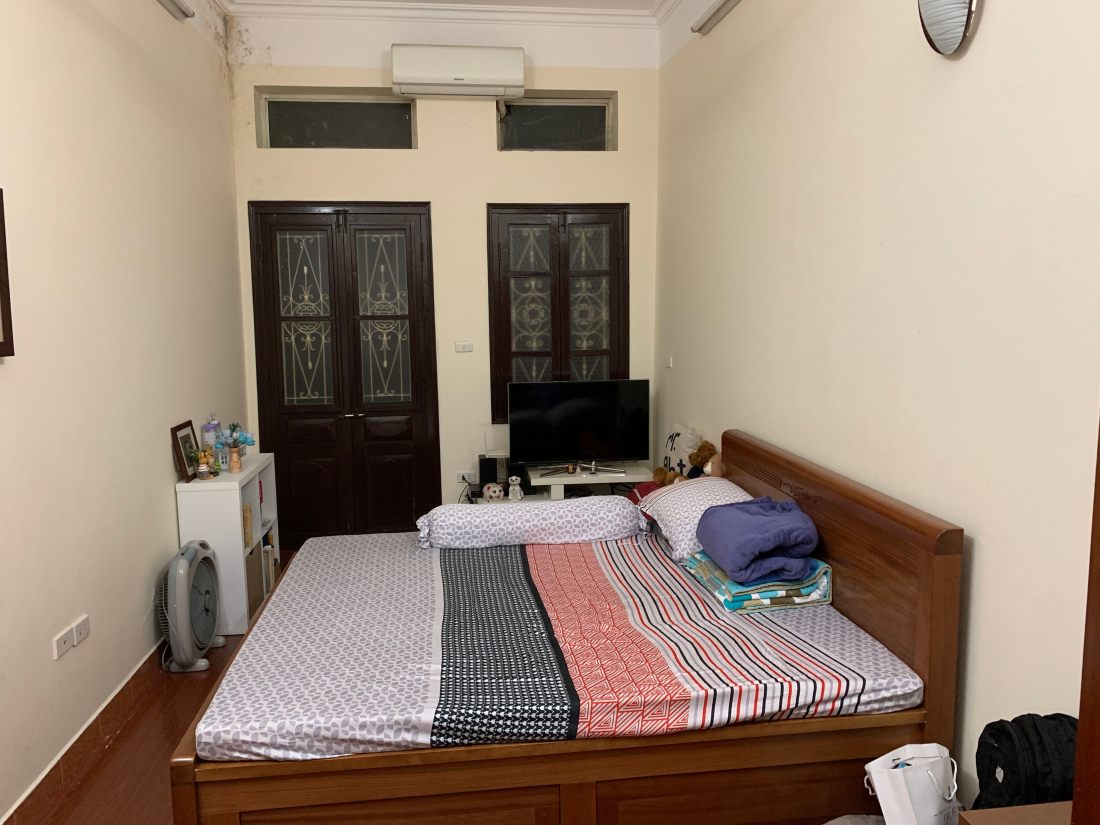
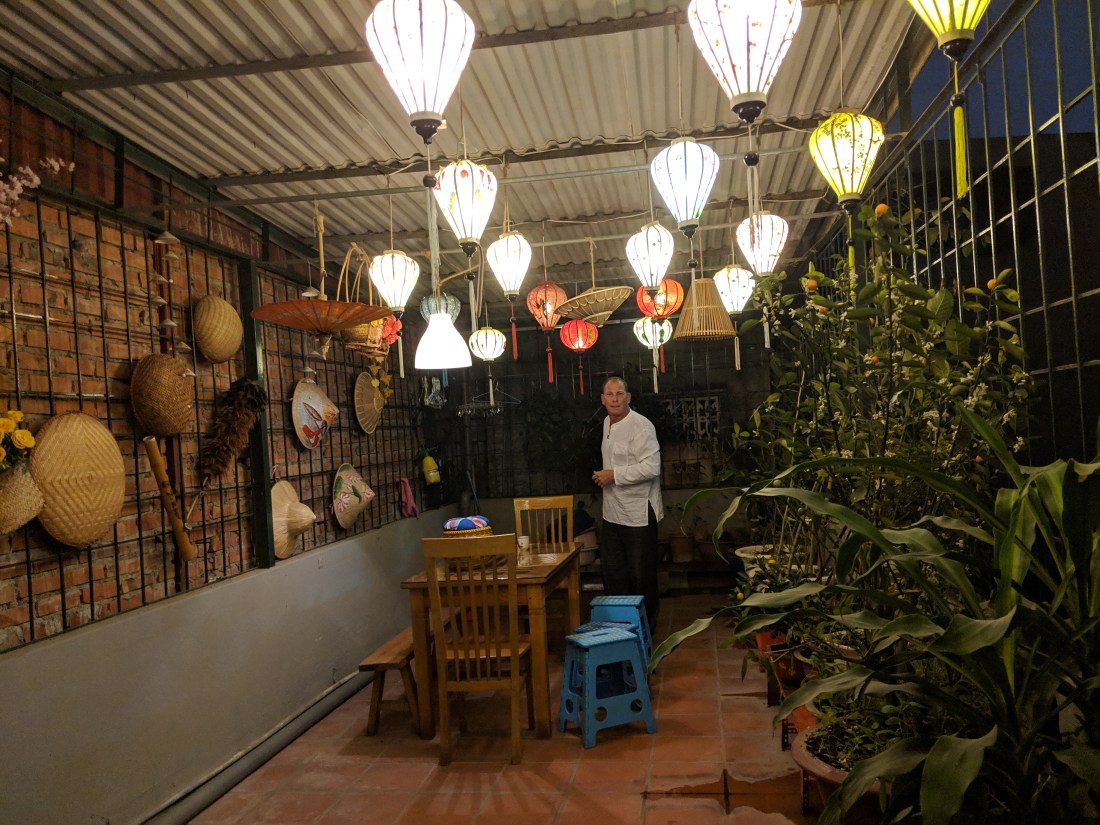
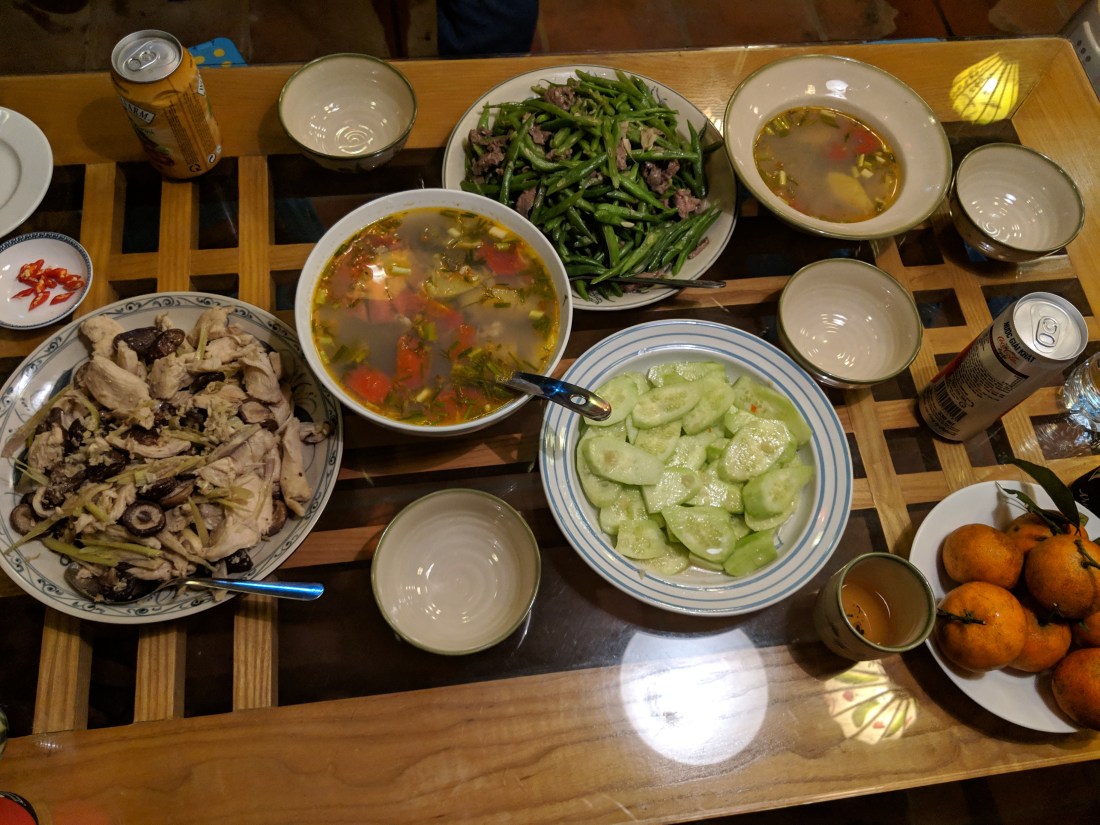
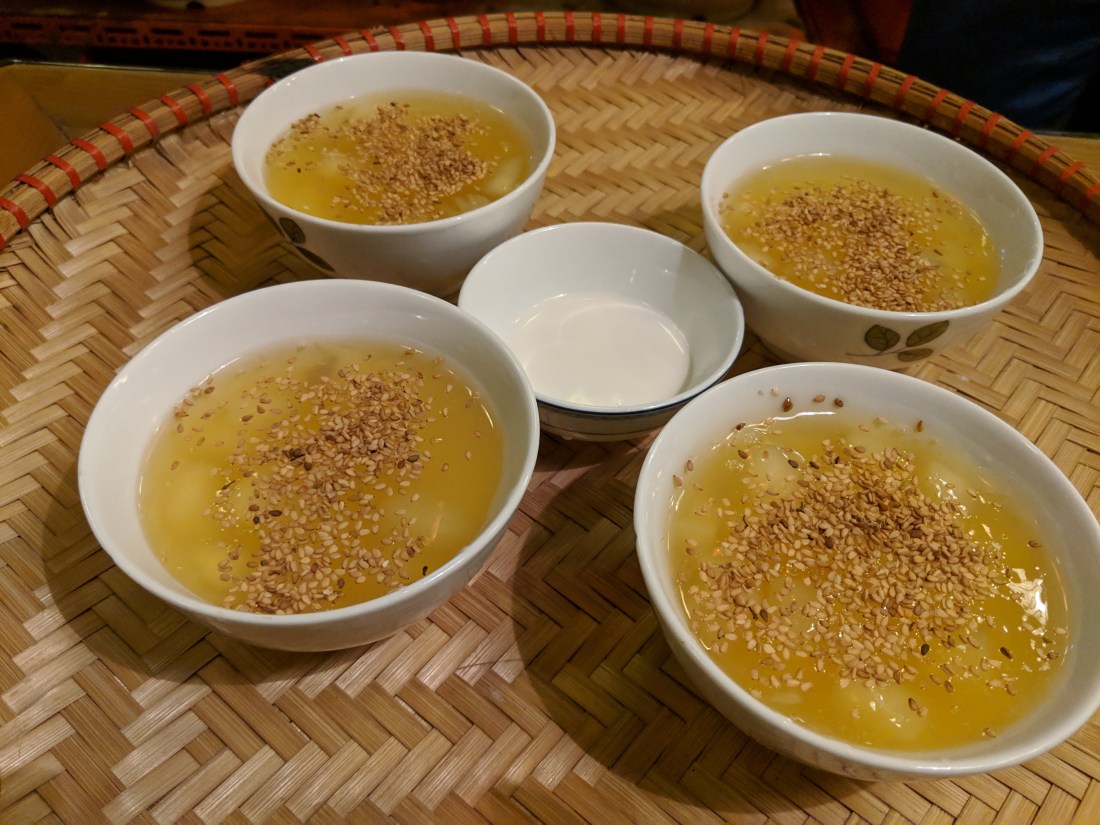
We had decided to cut out trip short a day to get out of Hanoi ahead of the Trump/Kim media frenzy. So this was to be our last night in Hanoi. Our local city guide, Thao, had invited us to dinner at his home for our final goodbye. He has such a lovely home, typically Vietnamese: long and narrow and 4 stories high tucked away in a back alley well off the main streets. And he prepared a feast!


 Jo & Eric's travels
Amazing as usual!
LikeLike
Love the ceramics, and the weaving and the temples and the caves!! So much to marvel at!!
LikeLike
Which tour company did you use?
LikeLike